Taxonomy & Classification
- Kingdom
- Animalia
- Phylum
- Chordata
- Class
- Aves
- Order
- Passeriformes
- Family
- Menuridae
- Genus
- Menura

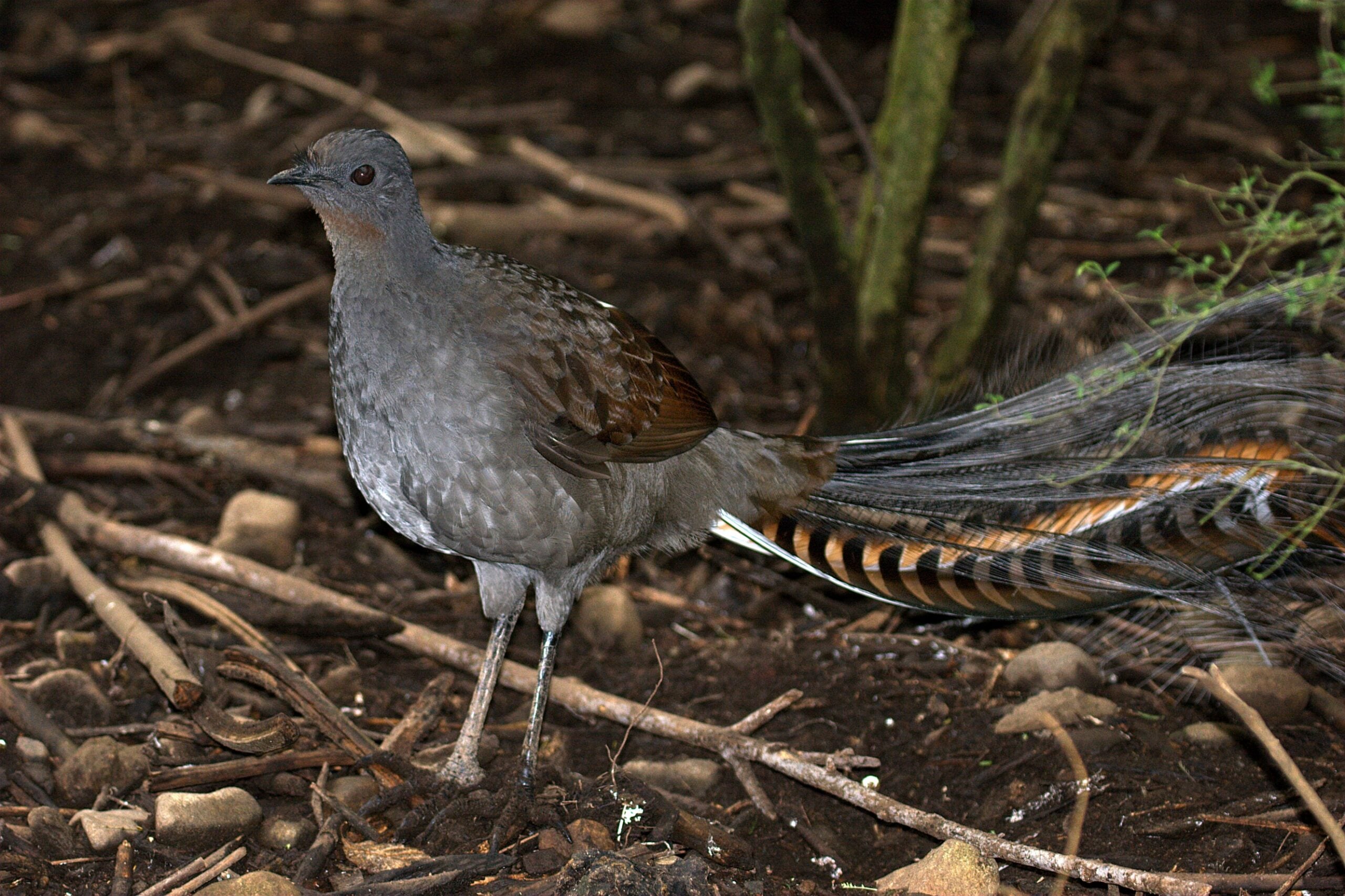 Photo Credit: File Upload Bot (99of9) / Wikimedia Commons
In the heart of Australia’s lush rainforests, the lyrebird, scientifically known as Menura, dances through the underbrush, a living testament to nature’s creativity. With its strikingly long, flowing tail feathers that resemble a lyre, a musical instrument, this bird is not just a visual marvel but also a master of sound. The male lyrebird is particularly captivating, known for its incredible ability to mimic the calls of other birds and even the sounds of human-made noises, like chainsaws and camera shutters. This extraordinary talent has made the lyrebird a subject of fascination for scientists and nature lovers alike, who marvel at its complex vocal repertoire and the role it plays in its ecosystem.
Imagine wandering through a vibrant forest, where sunlight filters through the canopy, casting playful shadows on the ground. The air is alive with the sounds of chirping insects and rustling leaves, but suddenly, a clear, melodious call cuts through the symphony of nature. It’s the lyrebird, showcasing its vocal prowess as it performs an elaborate courtship display to attract a mate. This enchanting scene not only highlights the bird’s beauty but also its importance in maintaining the balance of its environment. As we delve deeper into the world of the lyrebird, we will explore its habitat, diet, and the fascinating behaviors that make it a keystone species in the rich tapestry of Australian wildlife.
The lyrebird, a captivating avian marvel, occupies a special place in the tree of life. Classified within the kingdom Animalia, this bird belongs to the phylum Chordata, which includes all animals with a backbone. As a member of the class Aves, or birds, the lyrebird is part of the order Passeriformes, known for its songbirds. What truly sets the lyrebird apart is its extraordinary ability to mimic natural and artificial sounds from its environment, including other birds, chainsaws, and even camera shutters. This remarkable talent not only showcases its intelligence but also plays a crucial role in its courtship rituals, making it a standout performer in the animal kingdom.
| Taxonomic Rank | Scientific Name | Meaning & Significance |
|---|---|---|
| Kingdom | Animalia | The kingdom of all animals, highlighting the lyrebird’s status as a living organism that moves and interacts with its environment. |
| Phylum | Chordata | Meaning “having a cord,” this refers to the backbone that supports the lyrebird’s body, a key feature of vertebrates. |
| Class | Aves | Simply meaning “birds,” this classification emphasizes the lyrebird’s feathered body and ability to fly, traits common to all birds. |
| Order | Passeriformes | This order, known as perching birds or songbirds, highlights the lyrebird’s exceptional vocal abilities and its lifestyle of perching on branches. |
| Family | Menuridae | Derived from the Greek word “menura,” meaning lyre, this family name reflects the bird’s distinctive tail feathers that resemble a musical instrument. |
| Genus | Menura | This genus name also comes from the Greek word for lyre, emphasizing the bird’s unique tail shape and its role in attracting mates through song. |
The classification of the lyrebird reveals a rich evolutionary history that connects it to other songbirds and highlights its adaptations for survival and reproduction. Its ability to mimic sounds is not just a quirky trait; it has evolved as a sophisticated strategy for communication and attracting mates. By understanding where the lyrebird fits in the tree of life, we gain insight into the complex relationships among species and the fascinating ways they have adapted to their environments over millions of years. This bird is not just a performer; it is a testament to the wonders of evolution and the intricate web of life on our planet.
The evolutionary journey of the lyrebird stretches back millions of years, tracing its roots to the ancient forests of Australia. These birds belong to the family Menuridae and the genus Menura, with their lineage diverging from other songbirds around 30 million years ago. As the continents shifted and climates changed, the lyrebird adapted to its environment, developing traits that would help it thrive in the diverse Australian ecosystems.
The ancestors of the lyrebird were likely small, insect-eating birds that inhabited the lush woodlands of prehistoric Australia. Over time, these birds underwent significant changes, particularly in their vocal abilities. The lyrebird’s extraordinary capacity to mimic sounds—from the calls of other birds to the sounds of chainsaws and camera shutters—emerged as a crucial adaptation for communication and mating. This ability not only helped them attract mates but also allowed them to blend into their surroundings by imitating the sounds of their environment.
These adaptations have been vital for the lyrebird’s survival in the wild. Their remarkable vocal mimicry not only enhances their mating success but also helps them navigate the complex sounds of their environment. The stunning tail feathers serve as a visual signal of fitness, attracting mates and ensuring the continuation of their lineage. By nesting on the ground and adapting to different habitats, lyrebirds have carved out a niche that allows them to flourish in the ever-changing landscapes of Australia. Through these evolutionary innovations, the lyrebird stands as a testament to the wonders of nature’s creativity and resilience.
The lyrebird is a stunning example of nature’s artistry, showcasing a blend of elegance and complexity. With a slender body and long, flowing tail feathers, this bird captures attention wherever it goes. The male lyrebird, in particular, is a sight to behold, especially during courtship displays when it fans out its tail, resembling a lyre, an ancient stringed instrument. This display not only highlights its beauty but also serves a crucial role in attracting mates.
| Feature | Description |
|---|---|
| Weight | Superb lyrebirds weigh around 2.14 pounds, while Albert’s lyrebirds weigh about 2.06 pounds. |
| Skin Type | Feathers, which are soft and colorful, providing insulation and aiding in flight. |
| Most Distinctive Feature | The male bird’s exceptional skill at mimicry, imitating sounds from its environment, including other birds and even mechanical noises. |
The combination of the lyrebird’s lightweight body and its striking plumage not only enhances its ability to fly gracefully through the dense Australian forests but also plays a vital role in its survival. The feathers provide warmth and protection, while the male’s mimicry skills are essential for attracting females and establishing territory. Together, these features create a bird that is not just beautiful but also perfectly adapted to its environment, showcasing the wonders of evolution in action.
The lyrebird thrives in the lush, vibrant landscapes of bushland and rainforests, where the air is filled with the sounds of nature. Imagine walking through a dense forest, sunlight filtering through the leaves, and the ground covered in a rich tapestry of ferns and underbrush. This enchanting environment provides the perfect backdrop for the lyrebird’s elaborate displays and melodious calls, which echo through the trees, captivating anyone lucky enough to hear them.
The climate in these regions is typically mild and temperate, with plenty of rainfall to keep the vegetation lush and green. Lyrebirds prefer areas where they can easily find shelter among the trees and shrubs, as well as access to open ground for foraging. The combination of warm summers and cool winters creates a balanced environment that supports a diverse range of plant and animal life, making it an ideal home for these extraordinary birds.
Over time, lyrebirds have adapted beautifully to their habitats. Their incredible vocal abilities allow them to mimic the sounds of other birds and even environmental noises, which helps them communicate and attract mates. Their long tail feathers, which they display during courtship, are not just for show; they also help them blend into the dappled light of the forest floor. This camouflage is essential for avoiding predators while they search for insects and seeds among the leaf litter. In this way, the lyrebird has become a master of its environment, showcasing the wonders of evolution in action.
The lyrebird’s daily life is a symphony of activity, filled with the sounds and sights of its natural habitat. As dawn breaks, these birds emerge from their roosts, ready to explore the rich tapestry of their environment. They spend their mornings foraging for insects and seeds, using their keen eyesight and sharp beaks to uncover hidden treasures among the leaf litter. Throughout the day, they engage in a variety of behaviors, from preening their stunning feathers to practicing their impressive vocalizations, which can mimic everything from other birds to human-made sounds.
Socially, lyrebirds are primarily solitary creatures, preferring to navigate their world alone rather than in flocks. This independence allows them to establish their own territories, which they defend vigorously against intruders. During the breeding season, however, males become more vocal and display their elaborate tail feathers to attract females. These displays are not just about beauty; they also serve as a way to communicate fitness and health. The interactions between males and females during courtship are intricate, showcasing a blend of vocal talent and physical prowess.
| Behavior Type | Description |
|---|---|
| Foraging | Lyrebirds search for insects and seeds, using their sharp beaks to dig through leaf litter. |
| Territorial Defense | Males establish and defend territories, using vocalizations to ward off rivals. |
| Courtship Displays | Males perform elaborate displays, showcasing their tail feathers and vocal skills to attract females. |
| Vocal Mimicry | Lyrebirds can imitate a variety of sounds, including other birds and human noises, as part of their communication. |
These behaviors are essential for the lyrebird’s survival in the wild. By foraging effectively, they ensure they have enough food to thrive. Their territorial nature helps them secure a safe space to live and breed, while their impressive vocal skills not only attract mates but also play a crucial role in establishing dominance. In a world filled with challenges, the lyrebird’s unique combination of independence and adaptability allows it to flourish in the vibrant ecosystems of Australia.
The lyrebird is primarily a carnivore, meaning it mainly eats meat. Its diet consists of a variety of small creatures, including invertebrates like insects, as well as small lizards and frogs. These birds are skilled foragers, using their sharp eyesight and keen hearing to locate their prey among the leaf litter and underbrush of their forest homes. With a combination of patience and agility, they hunt for food, often scratching at the ground to uncover hidden snacks.
| Dietary Aspect | Details |
|---|---|
| Diet Type | Carnivore |
| Favorite Foods | Invertebrates, small lizards, and frogs |
| Prey Items | Insects, spiders, and small reptiles |
| Hunting/Foraging Strategies | Scratching the ground and using keen eyesight |
This diet plays a crucial role in the lyrebird’s ecology and daily routine. By feeding on a variety of small animals, the lyrebird helps control insect populations, contributing to the balance of its ecosystem. Its foraging behavior also means that these birds are constantly on the move, exploring their surroundings and adapting to the changing environment. This active lifestyle not only supports their nutritional needs but also enhances their impressive vocal displays, as they often mimic the sounds of their habitat while searching for food.
During the breeding season, which typically occurs from late winter to early spring, male lyrebirds engage in an elaborate courtship display to attract females. They perform a captivating dance, showcasing their stunning tail feathers while mimicking the sounds of other birds and even mechanical noises from their environment. This impressive display not only highlights their physical beauty but also demonstrates their vocal abilities, which are crucial for winning the attention of potential mates. Once a female is attracted, she will choose a mate based on his performance and the quality of his song.
| Reproductive Aspect | Details |
|---|---|
| Gestation Period | Lyrebirds do not have a gestation period as they lay eggs. The incubation lasts about 6 weeks. |
| Litter Size | Typically, a female lyrebird lays 1 to 3 eggs. |
| Age of Maturity | Lyrebirds reach sexual maturity at about 2 to 3 years of age. |
| Name of Young | The young lyrebirds are called chicks. |
After the eggs hatch, the female takes on the primary role of caring for the chicks. She feeds them a diet rich in insects and other small invertebrates, which are essential for their growth. The chicks are born helpless and rely entirely on their mother for warmth and nourishment. As they grow, they begin to develop their feathers and learn to mimic sounds, a skill that is vital for their future survival and mating success. By the time they are ready to leave the nest, usually around 3 months old, they have already begun to practice their songs, preparing them for the vibrant life that awaits them as adult lyrebirds.
The lyrebird plays a vital role in its ecosystem, often found in the middle of the food web. As a carnivore, it helps control insect populations while also serving as prey for larger predators. This delicate balance is crucial for maintaining the health of its habitat, which is primarily found in the lush forests of Australia. However, the lyrebird faces several dangers that threaten its survival.
To defend itself against these threats, the lyrebird has developed several survival strategies. Its incredible mimicry skills allow it to imitate the sounds of other animals, which can confuse predators. Additionally, lyrebirds are known for their ability to blend into their surroundings, using their plumage to camouflage themselves among the leaves and branches. By staying alert and using their keen senses, these birds can often detect danger before it gets too close, ensuring their continued presence in the vibrant ecosystems they inhabit.
A keystone species is an organism that has a disproportionately large impact on its environment relative to its abundance. In other words, if it were removed, the ecosystem would change dramatically. The lyrebird, with its unique behaviors and ecological roles, qualifies as a keystone species in its habitat of bushland and rainforests in Australia. Its presence influences various aspects of the ecosystem, making it a vital player in maintaining the balance of its environment.
One of the lyrebird’s significant ecological impacts is its role in controlling insect populations. As a carnivore, it primarily feeds on invertebrates, including insects, small lizards, and frogs. By keeping these populations in check, lyrebirds help prevent overpopulation, which can lead to the destruction of plant life and disrupt the entire food web. This balance is crucial for the health of the forest, as many plants rely on insects for pollination and seed dispersal.
Additionally, the lyrebird’s elaborate courtship displays and vocal mimicry contribute to the biodiversity of its habitat. By attracting mates through their impressive performances, they help ensure the continuation of their species. Their mimicry, which includes imitating other bird calls and even human-made sounds, enriches the acoustic environment of the forest. This not only aids in communication among birds but also creates a dynamic soundscape that can influence the behavior of other wildlife.
Moreover, the lyrebird serves as prey for larger predators, such as hawks and snakes. This predator-prey relationship is essential for maintaining the population dynamics within the ecosystem. If lyrebirds were to disappear, these predators might struggle to find alternative food sources, leading to a ripple effect that could destabilize the entire food web.
If the lyrebird were to vanish from its ecosystem, the consequences would be profound. Insect populations could surge unchecked, leading to potential damage to plant life and altering the habitat for countless other species. The loss of their unique vocalizations would diminish the rich soundscape of the forest, affecting the behaviors of other animals that rely on sound for communication. Ultimately, the disappearance of the lyrebird would disrupt the delicate balance of its ecosystem, highlighting just how crucial this extraordinary bird is to the health of its environment.
The lyrebird plays a crucial role in its ecosystem, acting as both a predator and a participant in the intricate web of life found in bushland and rainforests. This bird’s presence helps maintain the balance of its habitat, influencing the populations of various species and contributing to the overall health of the environment. By foraging for insects and small animals, the lyrebird helps regulate these populations, ensuring that no single species overwhelms the ecosystem.
| Ecosystem Service | Impact |
|---|---|
| Insect population control | Prevents overpopulation of pests, promoting plant health |
| Soil aeration | Helps improve soil quality through digging |
| Seed dispersal | Assists in the growth of new plants by spreading seeds |
| Habitat for other species | Creates nesting sites and shelter through its activities |
The lyrebird’s influence extends beyond its immediate actions. For instance, as it searches for food, it digs into the ground, which aerates the soil and allows nutrients to circulate more freely. This digging behavior not only benefits the lyrebird but also supports the growth of plants in its habitat. Additionally, by consuming insects, the lyrebird helps keep pest populations in check, which is vital for the health of the vegetation that provides food and shelter for countless other species.
The broader ecological importance of the lyrebird cannot be overstated. As a keystone species, its presence is essential for maintaining the balance of its ecosystem. If the lyrebird were to disappear, the effects would ripple through the food web, potentially leading to overpopulation of insects and a decline in plant health. This would ultimately affect many other animals that rely on those plants for survival. By understanding the lyrebird’s role, we gain insight into the delicate interconnections that sustain life in our natural world.
In the intricate web of life, symbiosis refers to the close and often long-term interactions between different species. These relationships can take many forms, including mutualism, where both species benefit, parasitism, where one benefits at the expense of the other, and commensalism, where one benefits while the other is neither helped nor harmed. Understanding these ecological relationships helps us appreciate the delicate balance of ecosystems, where every species plays a role in maintaining harmony.
| Species/Type | Relationship Type | Description |
|---|---|---|
| Lyrebird and Insects | Mutualistic | Lyrebirds help control insect populations, benefiting the ecosystem while also feeding on these insects for sustenance. |
| Lyrebird and Forest Plants | Commensal | As lyrebirds forage for food, they inadvertently help disperse seeds from the plants they interact with, aiding in plant reproduction without affecting the plants. |
| Lyrebird and Predators | Parasitic | While not a direct relationship, lyrebirds can fall prey to larger birds of prey, highlighting the predator-prey dynamic in their ecosystem. |
These relationships have evolved over time, shaped by the needs and behaviors of the species involved. The lyrebird’s role as a predator helps maintain the balance of insect populations, while its interactions with plants promote biodiversity in its habitat. Each connection, whether beneficial or detrimental, contributes to the overall health of the ecosystem. By understanding these partnerships, we gain insight into the complex and beautiful tapestry of life that surrounds us.
The lyrebird is a true marvel of the avian world, known for its extraordinary mimicry and captivating displays. These birds are not just beautiful; they are also masters of sound, capable of imitating a wide range of noises from their environment. Here are some surprising facts that showcase the incredible abilities and behaviors of the lyrebird.
The lyrebird has long captivated the imagination of humans, weaving its way into the cultural fabric of Australia. Indigenous Australians have revered this bird for centuries, often featuring it in their stories and art. The lyrebird’s remarkable ability to mimic sounds—from other birds to chainsaws—has made it a symbol of nature’s complexity and beauty. Historical encounters with this avian wonder have inspired poets and musicians alike, who find in its song a reflection of the natural world’s harmony and chaos.
Today, the relationship between lyrebirds and humanity is a mix of admiration and concern. As urban development encroaches on their habitats, these birds face challenges that threaten their survival. Conservation efforts are underway to protect their natural environments, ensuring that future generations can enjoy their enchanting songs. However, conflicts arise when human activities disrupt their breeding grounds or when they are inadvertently harmed by habitat destruction. While domestication is not a concern for lyrebirds, their mimicry has led to fascination and sometimes exploitation in the pet trade, raising ethical questions about the impact of human desires on wildlife.
As we look to the future, the relationship between lyrebirds and humanity holds both promise and responsibility. By fostering a deeper understanding of these birds and their ecological roles, we can work together to protect their habitats and ensure their survival. The lyrebird’s song is not just a melody; it is a reminder of the intricate connections we share with the natural world. With continued conservation efforts and a commitment to coexistence, we can help preserve the enchanting presence of lyrebirds for generations to come.
The conservation status of the lyrebird is currently classified as “Least Concern” by the International Union for Conservation of Nature (IUCN). This means that, overall, these birds are not facing immediate threats of extinction. Population estimates suggest that there are around 3,500 Albert’s lyrebirds and over 10,000 Superb lyrebirds in the wild. While their numbers are relatively stable, ongoing monitoring is essential to ensure that they remain healthy and thriving in their natural habitats.
| Conservation Factor | Status/Details |
|---|---|
| IUCN Status | Least Concern |
| Estimated Population Size | 3,500 for Albert’s lyrebird; over 10,000 for Superb lyrebird |
| Population Trend | Stable |
Despite their current stable status, lyrebirds face several threats that could impact their future. Habitat loss is a significant concern, primarily due to deforestation and land development. As forests are cleared for agriculture or urban expansion, the lush environments that lyrebirds depend on for food and nesting sites are diminished. Additionally, climate change poses a risk, altering weather patterns and potentially affecting the availability of resources in their habitats.
Conservation efforts are underway to protect these enchanting birds and their environments. Organizations are working to preserve and restore their natural habitats, ensuring that lyrebirds have the space they need to thrive. Public awareness campaigns also play a crucial role, educating communities about the importance of these birds and the ecosystems they inhabit. With continued support and conservation initiatives, the outlook for lyrebirds remains hopeful, allowing future generations to enjoy their beauty and unique behaviors.
| Question | Answer |
|---|---|
| What is the natural habitat of the Lyrebird? | Lyrebirds thrive in bushland and rainforests, primarily found in Australia. These environments provide the dense foliage and rich insect life that the birds need to survive. |
| What do Lyrebirds eat? | Lyrebirds are carnivores, meaning they primarily eat insects and small invertebrates. Their diet includes ants, beetles, and other tiny creatures that they find on the forest floor. |
| How do Lyrebirds behave in the wild? | Lyrebirds are known for their incredible mimicry skills, imitating the sounds of other birds and even mechanical noises. They are also quite shy and prefer to stay hidden among the underbrush, making them more elusive to spot. |
| How do Lyrebirds reproduce? | During the breeding season, male Lyrebirds perform elaborate displays to attract females. They create a nest on the ground where the female lays one to three eggs, which she incubates until they hatch. |
| What threats do Lyrebirds face? | While Lyrebirds are currently classified as Least Concern, they face threats from habitat destruction due to logging and land development. Additionally, introduced predators like cats and foxes can pose a risk to their populations. |
| What is the most distinctive feature of the Lyrebird? | The male Lyrebird is famous for its remarkable ability to mimic sounds, which is its most distinctive feature. This skill not only helps attract mates but also showcases the bird's intelligence and adaptability. |
| Can Lyrebirds really mimic human-made sounds? | Yes, Lyrebirds can mimic a variety of sounds, including chainsaws, camera shutters, and even car alarms! This ability highlights their incredible vocal skills and adaptability to their environment. |