Taxonomy & Classification
- Kingdom
- Animalia
- Phylum
- Chordata
- Class
- Aves
- Order
- Sphenisciformes
- Family
- Spheniscidae
- Genus
- Spheniscus
- Species
- Spheniscus magellanicus

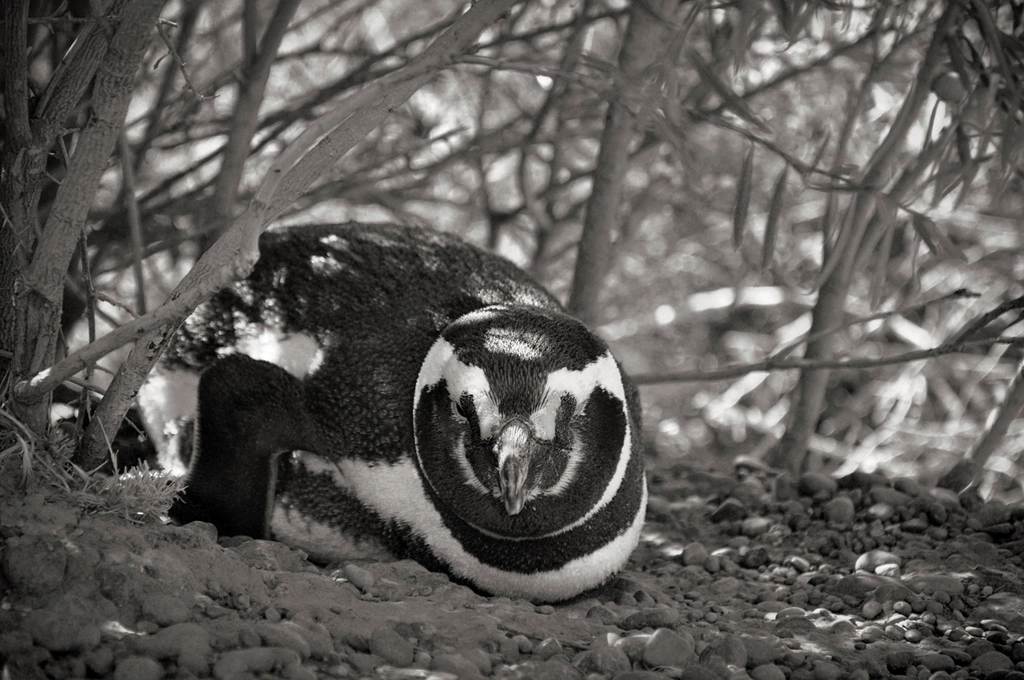 Photo Credit: Rawpixel
In the windswept coastal regions of South America, the Magellanic Penguin, known scientifically as Spheniscus magellanicus, waddles along the rocky shorelines, a delightful sight against the backdrop of crashing waves and vibrant marine life. With its striking black and white plumage, this charming bird stands about two feet tall, resembling a tuxedo-clad gentleman ready for a grand event. The Magellanic Penguin is not just a pretty face; it has a fascinating life that captivates scientists and nature lovers alike. Its playful antics and social behavior make it a joy to observe, while its role in the ecosystem highlights the delicate balance of life in these coastal habitats.
As these penguins dive into the cool, azure waters of the Southern Ocean, they showcase their remarkable swimming abilities, using their flippers like wings to glide effortlessly beneath the surface. Their diet primarily consists of small fish and cephalopods, which they skillfully hunt, demonstrating their prowess as agile predators. The Magellanic Penguin’s life is a blend of adventure and survival, filled with courtship rituals and nurturing behaviors that reveal the complexities of their social structures. As we explore the world of the Magellanic Penguin, we will uncover the secrets of its habitat, its interactions with other species, and the conservation challenges it faces in a rapidly changing environment. Join us on this journey to discover why this enchanting bird continues to capture the hearts of many.
The Magellanic Penguin, a charming inhabitant of the southern hemisphere, holds a special place in the animal kingdom. Taxonomically, it belongs to the Kingdom Animalia, which includes all animals, and is classified under the Phylum Chordata, known for animals with a backbone. This delightful bird is part of the Class Aves, which encompasses all birds, and it falls under the Order Sphenisciformes, a group dedicated to penguins. Within this order, the Magellanic Penguin is a member of the Family Spheniscidae, which includes all penguin species. Its genus, Spheniscus, is particularly interesting because it highlights the penguin’s unique adaptations to life in the water, such as its streamlined body and flipper-like wings, which make it an excellent swimmer.
| Taxonomic Rank | Scientific Name | Meaning & Significance |
|---|---|---|
| Kingdom | Animalia | This name comes from the Latin word “animalis,” meaning “having breath,” which reflects the living nature of all animals. |
| Phylum | Chordata | Derived from the Greek word “chordē,” meaning “string,” this refers to the notochord, a flexible rod that supports the body in all chordates during some stage of development. |
| Class | Aves | This term comes from the Latin word for “bird,” emphasizing the characteristics that define birds, such as feathers and beaks. |
| Order | Sphenisciformes | From the Greek “spheniskos,” meaning “little wedge,” this name refers to the penguin’s wedge-shaped body, which aids in swimming. |
| Family | Spheniscidae | This family name is derived from the same Greek root as the order, highlighting the unique adaptations of penguins to their aquatic lifestyle. |
| Genus | Spheniscus | This genus name also comes from “spheniskos,” indicating the small, wedge-shaped penguins that belong to this group. |
Understanding the Magellanic Penguin’s classification reveals much about its evolutionary journey. As a member of the Spheniscidae family, it shares a common ancestor with other penguins, showcasing adaptations that have allowed these birds to thrive in cold, aquatic environments. The unique features that define the Magellanic Penguin, from its distinctive black and white plumage to its social behaviors, are all products of millions of years of evolution. This classification not only helps scientists understand its biology but also highlights the intricate connections between species in the animal kingdom, reminding us of the rich tapestry of life on Earth.
The evolutionary journey of the Magellanic Penguin stretches back millions of years, tracing its lineage to ancient seabirds that roamed the Earth during the late Cretaceous period, around 70 million years ago. These early birds were not yet penguins but shared common ancestors with today’s avian species. Over time, as the climate and ecosystems changed, these ancestors adapted to life in the water, leading to the emergence of the penguin family, Spheniscidae, which includes the Magellanic Penguin.
The transition from land-dwelling birds to proficient swimmers was a significant evolutionary leap. Early penguins began to develop flipper-like wings, which replaced their traditional wings, allowing them to navigate through water with grace. This adaptation was crucial for hunting and evading predators. As these birds evolved, they also developed a streamlined body shape, reducing drag while swimming. The Magellanic Penguin, specifically, adapted to the cooler waters of the southern hemisphere, developing a thick layer of blubber for insulation against the cold.
The adaptations of the Magellanic Penguin have been vital for its survival in a challenging environment. The flipper-like wings and streamlined body shape enable it to hunt effectively in the frigid waters, while its countershading coloration offers protection from predators. Social behaviors and vocal communication further enhance their chances of thriving in the wild. Together, these traits illustrate how evolution has shaped the Magellanic Penguin into a resilient and well-adapted species, perfectly suited to its coastal habitat.
The Magellanic Penguin is a delightful sight, with its sleek, streamlined body perfectly adapted for life in the water. Standing about two feet tall, these penguins have a robust build that allows them to dive gracefully and swim with agility. Their distinctive black and white coloring gives them a tuxedo-like appearance, making them look dapper as they waddle across the rocky shores of South America. With a sturdy beak and flipper-like wings, they are well-equipped for both hunting in the ocean and navigating their coastal habitats.
| Feature | Description |
|---|---|
| Weight | 2.7kg – 6.5kg (5.9lbs – 14lbs) |
| Skin Type | Feathers |
These physical features work together to enhance the Magellanic Penguin’s survival in its natural habitat. Their lightweight yet sturdy body allows for efficient swimming, while their feathers provide insulation against the cold waters of the Southern Ocean. The contrasting black and white coloration not only adds to their charm but also serves a purpose; this coloration helps them blend into the ocean depths when viewed from above and the bright sky when seen from below, a clever trick to evade predators. Together, these traits make the Magellanic Penguin a master of its environment, thriving in the wild with style and grace.
The Magellanic Penguin thrives in a stunning coastal environment, where rocky shorelines meet the crashing waves of the Southern Ocean. These charming birds are often found nesting in burrows or under bushes, creating cozy homes that protect them from the elements. The landscape is dotted with sandy beaches and rugged cliffs, providing both shelter and a perfect vantage point for spotting predators. The vibrant blue waters are teeming with fish, making it an ideal hunting ground for these agile swimmers.
The climate in these regions is typically cool and temperate, with strong winds and occasional rain. Magellanic Penguins are well-suited to handle the chilly temperatures, as they have a thick layer of blubber and dense feathers that keep them warm. They prefer areas with moderate rainfall, as excessive moisture can lead to flooding in their nesting sites. The ocean currents also play a crucial role, bringing nutrient-rich waters that support the fish populations they rely on for food.
Adaptations have allowed the Magellanic Penguin to flourish in these specific habitats. Their burrowing behavior not only provides protection from harsh weather but also helps them avoid predators like sea lions and birds of prey. Their excellent swimming skills enable them to dive deep and catch fish, while their social nature means they often nest in colonies, providing safety in numbers. These adaptations ensure that they can thrive in the dynamic and sometimes challenging environments they call home.
The daily life of a Magellanic Penguin is a blend of playful antics and essential survival activities. These engaging birds typically start their day with a morning swim, diving into the cool waters of the Southern Ocean to hunt for fish and squid. After a hearty breakfast, they often spend time preening their feathers, ensuring they stay waterproof and insulated. As the sun rises higher, you might find them basking on the rocky shores, soaking up the warmth before heading back into the water for more foraging. Their days are filled with a mix of feeding, socializing, and resting, all crucial for maintaining their energy and health.
Social behavior is a cornerstone of life for Magellanic Penguins. They are highly social animals, often found in large flocks that can number in the thousands. These groups provide safety in numbers, making it harder for predators to single out an individual. Within these flocks, penguins engage in a variety of interactions, from playful chasing to vocal communication. They use a range of sounds, including braying calls, to express their emotions and establish bonds with one another. This social structure not only strengthens their relationships but also enhances their ability to thrive in their environment.
| Behavior Type | Description |
|---|---|
| Foraging | Magellanic Penguins dive into the ocean to hunt for fish and squid, using their excellent swimming skills to catch their prey. |
| Preening | They spend time grooming their feathers to keep them clean and waterproof, which is vital for insulation and buoyancy. |
| Socializing | These penguins form large flocks, engaging in playful interactions and vocalizations to strengthen social bonds. |
| Communication | They use a variety of sounds, including braying calls, to communicate with each other, helping to maintain group cohesion. |
The behaviors of Magellanic Penguins are not just charming; they are essential for their survival. By foraging in groups, they increase their chances of finding food while also reducing the risk of predation. Their social interactions help them build strong relationships, which can be crucial during breeding seasons and when raising chicks. In a world where challenges abound, these penguins demonstrate that teamwork and communication are key to thriving in their coastal habitats.
The Magellanic Penguin is a dedicated carnivore, meaning it primarily eats meat. These playful birds have a diet that mainly consists of small fish and cephalopods, which are creatures like squid and cuttlefish. To find their meals, Magellanic Penguins are expert divers, plunging into the ocean to hunt. They use their keen eyesight to spot schools of fish and rely on their agile swimming skills to chase down their prey.
| Dietary Aspect | Details |
|---|---|
| Diet Type | Carnivore |
| Favorite Foods | Cuttlefish, squid, and sardines |
| Prey Items | Small fish and cephalopods |
| Hunting/Foraging Strategies | Dives into the ocean, uses keen eyesight, and agile swimming to catch prey |
This diet plays a crucial role in the Magellanic Penguin’s daily life and the ecosystem it inhabits. By feeding on small fish and cephalopods, these penguins help maintain the balance of marine life in their environment. Their hunting habits also influence the populations of their prey, showcasing the interconnectedness of species in the ocean. As they dive and swim, they not only satisfy their hunger but also contribute to the vibrant tapestry of life beneath the waves.
As the breeding season approaches, Magellanic Penguins engage in a captivating courtship ritual. Males perform a series of displays, including bowing and vocalizing, to attract a mate. Once a pair forms, they will often return to the same nesting site year after year, showcasing their strong bond. The breeding season typically occurs from September to February, coinciding with the warmer months in their southern habitats. During this time, these penguins work together to prepare their nests, which are often burrows dug into the ground or tucked under rocks.
| Reproductive Aspect | Details |
|---|---|
| Gestation Period | About 40 days |
| Litter Size | 2 eggs |
| Age of Maturity | 3 to 4 years |
| Name of Young | Chicks |
After the eggs hatch, both parents take on the important role of caring for their chicks. They share the responsibility of feeding and protecting their young, bringing back small fish to nourish them. The chicks are covered in soft down feathers, which keep them warm as they grow. Over the next few weeks, they develop their waterproof feathers and learn essential skills for survival. By the time they reach maturity at around three to four years old, these young penguins are ready to venture out into the world, continuing the cycle of life in their coastal homes.
The Magellanic Penguin plays a vital role in its ecosystem, sitting comfortably in the middle of the food web. As a carnivore, it feasts on small fish and cephalopods, making it an important predator in its coastal habitat. However, it is not without its own set of challenges. Various predators and environmental threats loom large, impacting their populations and survival.
To combat these dangers, Magellanic Penguins have developed several clever survival strategies. They often nest in burrows or under bushes, providing shelter from predators and harsh weather. When threatened, they can quickly dive into the water, using their impressive swimming skills to evade danger. Additionally, they are known to form large colonies, which helps protect individual penguins through the safety of numbers. By working together, they increase their chances of survival in a world filled with challenges.
A keystone species is a vital part of its ecosystem, meaning its presence and activities have a significant impact on the environment and other species. The Magellanic Penguin qualifies as a keystone species due to its role in the food web and its influence on the coastal ecosystems of the Antarctic islands. By maintaining the balance of marine life, these penguins help ensure the health of their habitat.
Magellanic Penguins are important predators in their environment, primarily feeding on small fish and cephalopods. By preying on these species, they help regulate their populations, preventing any one species from becoming too dominant. This balance is crucial for maintaining biodiversity, which is the variety of life in a particular habitat. When penguins dive into the ocean to hunt, they also stir up nutrients from the seabed, promoting the growth of phytoplankton. These tiny plants form the base of the marine food web, supporting a wide range of marine life.
Additionally, the nesting habits of Magellanic Penguins contribute to the health of coastal ecosystems. They dig burrows in the sandy soil, which can help aerate the ground and promote plant growth. The organic matter from their guano, or droppings, enriches the soil, providing nutrients for vegetation. This, in turn, supports other wildlife, creating a thriving community of plants and animals.
If Magellanic Penguins were to disappear, the effects would ripple through their ecosystem. Without these penguins, the populations of their prey could explode, leading to overfishing of certain species and a decline in marine biodiversity. The nutrient cycling would also be disrupted, affecting the growth of phytoplankton and, consequently, the entire food web. This could result in a less healthy ocean environment, impacting not only the penguins’ habitat but also the many species that rely on it for survival. The loss of this charming bird would be felt far beyond the shores of the Antarctic islands, highlighting the interconnectedness of life in our natural world.
The Magellanic Penguin occupies a crucial ecological niche in its coastal habitat, primarily found on the rocky shores of the Antarctic islands. As a carnivore, it plays a significant role in controlling fish populations and maintaining the balance of marine ecosystems. By foraging for small fish and cephalopods, these penguins help regulate the abundance of their prey, which in turn supports the health of the ocean environment. Their presence influences not only the species they consume but also the broader community of organisms that share their habitat.
| Ecosystem Service | Impact |
|---|---|
| Predation | Controls fish populations, preventing overpopulation and promoting biodiversity. |
| Nutrient Cycling | Contributes to nutrient distribution through their waste, enriching the soil and water. |
| Habitat Creation | Burrowing behavior provides shelter for other species, enhancing habitat complexity. |
| Indicator Species | Reflects the health of marine ecosystems, signaling changes in environmental conditions. |
The influence of the Magellanic Penguin extends beyond its immediate diet. For instance, their waste, rich in nutrients, acts as a natural fertilizer, promoting the growth of algae and other marine plants. This, in turn, supports a diverse array of marine life, from tiny plankton to larger fish species. Additionally, their nesting habits create burrows that can be utilized by other animals, fostering a community of species that thrive in the same environment. By serving as both predator and prey, these penguins help maintain the delicate balance of their ecosystem.
The broader ecological importance of the Magellanic Penguin cannot be overstated. As a keystone species, their activities significantly shape the dynamics of their environment. By influencing fish populations and contributing to nutrient cycling, they help sustain the health of marine ecosystems. Furthermore, their presence serves as an indicator of environmental changes, alerting scientists and conservationists to shifts in ocean health. Protecting the Magellanic Penguin is not just about preserving a charming bird; it is about safeguarding the intricate web of life that depends on its existence.
In the intricate web of life, symbiosis plays a vital role, connecting different species in various ways. Symbiosis refers to the close and often long-term interactions between different biological species. These relationships can be mutualistic, where both species benefit, parasitic, where one benefits at the other’s expense, or commensal, where one benefits while the other is neither helped nor harmed. The Magellanic Penguin, with its charming demeanor and unique lifestyle, engages in several ecological relationships that highlight the interconnectedness of nature.
| Species/Type | Relationship Type | Description |
|---|---|---|
| Sea Lions | Mutualistic | Magellanic Penguins often share their coastal habitats with sea lions. The presence of sea lions can deter some predators, providing a safer environment for the penguins. |
| Ticks | Parasitic | Ticks can latch onto Magellanic Penguins, feeding on their blood. This relationship can harm the penguins by causing stress and potential disease transmission. |
| Burrowing Birds | Commensal | Some burrowing birds, like certain species of petrels, may nest near Magellanic Penguins. The penguins’ burrows can provide shelter for these birds without affecting the penguins. |
These relationships have evolved over time, shaped by the needs and behaviors of the species involved. Mutualistic interactions, like those with sea lions, enhance the survival of Magellanic Penguins by providing a safer nesting environment. On the other hand, parasitic relationships, such as those with ticks, can pose challenges, highlighting the delicate balance of nature. Understanding these connections not only enriches our knowledge of the Magellanic Penguin but also emphasizes the importance of preserving their habitats, ensuring that these fascinating interactions continue to thrive.
The Magellanic Penguin is a captivating bird that brings joy to those who encounter it. With its charming personality and unique adaptations, this species has some surprising traits that even seasoned nature enthusiasts might not know.
The Magellanic Penguin has long captured the imagination of humans, weaving its way into the cultural fabric of coastal communities in South America. Historically, these delightful birds were often seen by sailors and explorers as they navigated the treacherous waters of the Southern Ocean. Their distinctive black and white plumage, resembling a tuxedo, has made them a symbol of the wild, evoking stories and folklore among local populations. In many cultures, the Magellanic Penguin represents resilience and adaptability, traits that resonate deeply with people who live in harmony with nature.
Today, the relationship between Magellanic Penguins and humans is a complex tapestry of conservation efforts and challenges. As climate change and habitat destruction threaten their coastal homes, dedicated organizations and local communities are stepping up to protect these charming birds. Conservation programs focus on habitat restoration and monitoring populations, ensuring that future generations can enjoy their playful antics. However, conflicts can arise, particularly when penguins venture into human settlements in search of food or nesting sites. This interaction often leads to misunderstandings, highlighting the need for education and awareness about the importance of preserving their natural habitats.
As we look to the future, the relationship between Magellanic Penguins and humanity holds both promise and responsibility. With increasing awareness of environmental issues, there is hope that more people will engage in conservation efforts. By fostering a deeper understanding of these remarkable birds and their role in the ecosystem, we can work together to ensure that they thrive alongside us. The journey ahead will require collaboration, compassion, and a commitment to protecting the natural world, allowing both penguins and humans to flourish in harmony.
The Magellanic Penguin is currently classified as Near Threatened, indicating that its population is facing challenges that could lead to a more serious decline if not addressed. Recent estimates suggest that there are around 1.5 million breeding pairs, but this number has been fluctuating due to various environmental pressures. While some colonies are stable, others are experiencing significant declines, raising concerns among conservationists and researchers alike.
| Conservation Factor | Status/Details |
|---|---|
| IUCN Status | Near Threatened |
| Population Estimates | Approximately 1.5 million breeding pairs |
| Trend Direction | Fluctuating, with some colonies declining |
The main threats to the Magellanic Penguin stem from human activities and environmental changes. Climate change is altering ocean temperatures and fish availability, which can disrupt their feeding patterns. Additionally, oil spills pose a significant risk, as they can coat the penguins’ feathers, making it difficult for them to swim and stay warm. Habitat destruction, particularly from coastal development and invasive species, further complicates their survival.
Conservation efforts are underway to protect the Magellanic Penguin and its habitat. Organizations are working to monitor populations, restore nesting sites, and reduce human impact on their environment. Public awareness campaigns are also crucial, as they encourage responsible tourism and support for marine conservation. With continued efforts, there is hope that the Magellanic Penguin can thrive in its natural habitat for generations to come.
| Question | Answer |
|---|---|
| Where do Magellanic Penguins live? | Magellanic Penguins are found primarily on the coasts of South America, particularly in the Falkland Islands, Chile, and Argentina. They prefer rocky shorelines and can often be seen nesting in burrows or under bushes to protect themselves from predators. |
| What do Magellanic Penguins eat? | These penguins are carnivores, meaning they eat meat. Their diet mainly consists of small fish, squid, and crustaceans, which they catch while swimming in the ocean. |
| How do Magellanic Penguins behave? | Magellanic Penguins are social birds that often live in large colonies. They communicate with each other through a variety of vocalizations and body language, and they are known for their playful nature, often seen swimming and diving together. |
| How do Magellanic Penguins reproduce? | During the breeding season, which typically occurs from September to February, Magellanic Penguins form monogamous pairs. They lay two eggs in their burrows, and both parents take turns incubating the eggs and caring for the chicks once they hatch. |
| What threats do Magellanic Penguins face? | Magellanic Penguins are currently classified as Near Threatened due to various factors. These include habitat loss, climate change, and pollution, which can affect their food supply and nesting sites. |
| What are some interesting characteristics of Magellanic Penguins? | One fascinating feature of Magellanic Penguins is their distinctive black and white markings, which help them blend into their surroundings while swimming. They also have a unique behavior called "porpoising," where they leap out of the water to breathe, making them look like dolphins! |
| How long do Magellanic Penguins live? | In the wild, Magellanic Penguins can live up to 25 years, although many face dangers that can shorten their lifespan. In protected environments, such as zoos, they may live even longer due to better care and fewer threats. |