Taxonomy & Classification
- Kingdom
- Animalia
- Phylum
- Chordata
- Class
- Mammalia
- Order
- Carnivora
- Family
- Felidae
- Genus
- Felis
- Species
- Felis catus

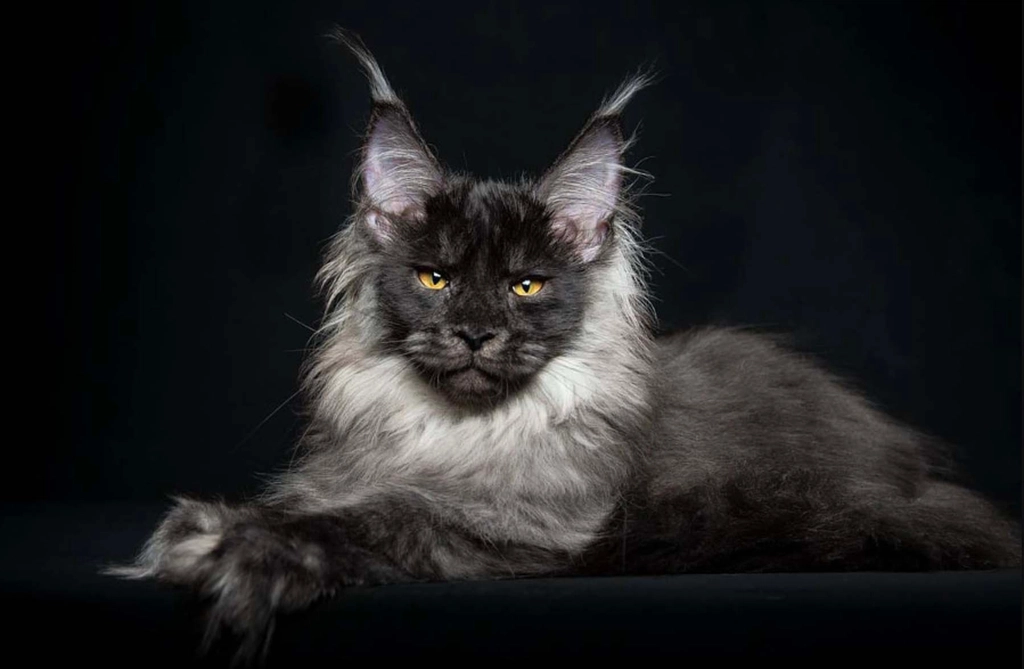 Photo Credit: Rawpixel
In the heart of New England, where the air is crisp and the forests whisper secrets, roams the Maine Coon, scientifically known as *Felis catus*. This gentle giant, with its tufted ears and bushy tail, is a sight to behold as it navigates the rugged terrain of its native habitat. Imagine a large, muscular cat, its fur a tapestry of browns, blacks, and creams, blending seamlessly with the dappled sunlight filtering through the trees. With a playful leap, it pounces on a fallen leaf, showcasing its impressive size and agility, a true testament to its wild ancestry.
What makes the Maine Coon so captivating to both scientists and nature enthusiasts alike? It’s not just their striking appearance; it’s their rich history and unique traits that spark curiosity. These cats are known for their friendly demeanor and intelligence, often forming strong bonds with their human companions. Their playful antics and curious nature make them delightful to watch, whether they are exploring the nooks and crannies of a home or lounging lazily in a sunbeam. As we delve deeper into the world of the Maine Coon, we will uncover the secrets of their behavior, diet, and the vital role they play in their ecosystem, revealing why these magnificent felines have earned their place in the hearts of many.
The Maine Coon is a captivating member of the animal kingdom, sitting comfortably within the taxonomic hierarchy that classifies all living organisms. This breed of domestic cat is part of the Kingdom Animalia, which includes all animals, and it belongs to the Phylum Chordata, meaning it has a backbone. As a member of the Class Mammalia, the Maine Coon shares traits like warm-bloodedness and fur with other mammals. Its place in the Order Carnivora highlights its meat-eating habits, while the Family Felidae connects it to all cats, big and small. What makes the Maine Coon particularly special is its size, tufted ears, and bushy tail, which set it apart from other domestic cats, making it a true giant among felines.
| Taxonomic Rank | Scientific Name | Meaning & Significance |
|---|---|---|
| Kingdom | Animalia | This name comes from the Latin word for “animal,” highlighting that Maine Coons are part of the vast world of living creatures. |
| Phylum | Chordata | Derived from the Greek word “chordē,” meaning “string,” this term refers to animals with a notochord, or backbone, which is a key feature of the Maine Coon. |
| Class | Mammalia | This classification comes from the Latin “mamma,” meaning “breast,” indicating that Maine Coons, like all mammals, nurse their young with milk. |
| Order | Carnivora | From the Latin “carnivorus,” meaning “meat-eater,” this term reflects the Maine Coon’s diet, which primarily consists of protein-rich foods. |
| Family | Felidae | This name comes from the Latin “felis,” meaning “cat,” and connects the Maine Coon to its wild relatives, emphasizing its feline characteristics. |
| Genus | Felis | Also derived from Latin, “felis” means “cat,” and it includes all small cats, showcasing the Maine Coon’s domestic lineage. |
Understanding the Maine Coon’s classification reveals much about its evolutionary journey. As a domesticated breed, it has adapted to living alongside humans while retaining many traits of its wild ancestors. Its size and physical features, such as tufted ears and a thick coat, are adaptations that likely helped it survive in the harsh climates of its native New England. This blend of wild and domestic characteristics not only makes the Maine Coon a beloved pet but also a fascinating example of how species can evolve and adapt over time.
The Maine Coon cat has a rich evolutionary history that stretches back thousands of years. This breed is believed to have originated in the United States, specifically in the state of Maine, during the 19th century. However, its ancestors can be traced back to ancient felids, which roamed the Earth long before the first Maine Coons appeared. As these early cats adapted to their environments, they laid the groundwork for the diverse breeds we see today, including the Maine Coon.
The ancestors of the Maine Coon likely included a mix of domestic cats brought to North America by early settlers and larger wild cats that inhabited the region. Over time, these cats adapted to the harsh New England climate, developing traits that would help them thrive in cold, snowy conditions. One major evolutionary transition was the development of their long, tufted ears and bushy tails, which not only provided warmth but also helped with balance and agility in snowy environments. Their robust size and muscular build were also advantageous, allowing them to hunt effectively and defend themselves against larger predators.
The adaptations of the Maine Coon have played a crucial role in its survival. Their physical traits not only help them endure the cold but also enhance their hunting skills, making them effective predators. As a result, the Maine Coon has thrived in its native habitat, becoming a beloved breed known for its friendly nature and impressive size. This blend of adaptability and charm has allowed the Maine Coon to capture the hearts of cat lovers around the world.
The Maine Coon is a strikingly large and muscular cat, often leaving a lasting impression with its impressive stature and bushy tail. These gentle giants can weigh anywhere from 15 pounds for females to a whopping 25 pounds for males, making them one of the largest domestic cat breeds. Their bodies are long and sturdy, with a broad chest and strong legs that give them a powerful appearance. The Maine Coon’s tufted ears and bushy fur add to its wild, majestic look, making it seem like a small lynx or a forest dweller.
| Feature | Description |
|---|---|
| Weight | Up to 15 lbs for females and 25 lbs for males |
| Skin Type | Hair |
| Fur Length | Long and shaggy, with a soft undercoat |
| Ear Tufts | Prominent tufts of fur at the tips of the ears |
| Tail | Long and bushy, often resembling a plume |
| Color | Variety of colors and patterns, including tabby, solid, and bi-color |
These physical features are not just for show; they serve important purposes in the Maine Coon’s life. The long, shaggy fur helps keep them warm in cold climates, while the bushy tail can be used for balance and warmth when curled around their bodies. The tufted ears not only add to their charm but also help to funnel sound, enhancing their hearing abilities. With their robust build and striking appearance, Maine Coons are perfectly adapted to thrive in a variety of environments, making them both beautiful and functional companions.
The Maine Coon calls the northeastern United States its home, particularly thriving in the state of Maine. This breed is well-suited to the rugged landscapes of New England, where dense forests, rolling hills, and picturesque lakes create a stunning backdrop. The Maine Coon’s natural habitat often includes areas with plenty of trees and open spaces, allowing them to explore and play. These cats are known for their love of the outdoors, making the lush greenery and varied terrain of their home region a perfect playground.
The climate in this region is characterized by cold winters and warm summers, which is ideal for the Maine Coon. These cats are well-adapted to handle the chill, thanks to their thick, water-repellent fur that keeps them warm even in the snow. The temperature can drop significantly, but the Maine Coon’s sturdy build and fluffy coat provide excellent insulation. During the warmer months, they enjoy the sunshine and the chance to roam freely, making the seasonal changes a delightful experience for them.
Over time, the Maine Coon has developed several adaptations that help it thrive in its environment. Its large size and tufted ears not only give it a majestic appearance but also serve practical purposes. The tufted ears help to funnel sound, enhancing their hearing, which is crucial for hunting. Additionally, their bushy tails can be wrapped around their bodies for extra warmth during cold nights. These features, combined with their playful and friendly nature, make the Maine Coon a beloved companion in homes across its native region.
The daily life of a Maine Coon is a blend of playful antics and relaxed lounging. These cats are known for their curious nature, often exploring their surroundings with a sense of adventure. Mornings might find them stretching luxuriously in a sunbeam, followed by a playful chase of a feather toy or a gentle pounce on a crumpled piece of paper. As the day unfolds, they may take a few catnaps, but their inquisitive minds keep them alert to the sounds and movements around them. Evenings are often filled with social interactions, whether it’s a cozy cuddle with their human companions or a spirited game with fellow pets.
Social behavior is a key aspect of the Maine Coon’s life. These cats are known for their friendly and sociable demeanor, often forming strong bonds with their families. They thrive in group settings, whether with other cats or humans, and are known to be quite vocal, using a variety of sounds to communicate. Their chirps and trills can express everything from excitement to a simple greeting. Maine Coons are also known to exhibit playful behaviors, engaging in games that mimic hunting, which helps strengthen their social ties and keeps their instincts sharp.
| Behavior Type | Description |
|---|---|
| Activity Patterns | Maine Coons are active during the day, often engaging in play and exploration, followed by periods of rest and relaxation. |
| Social Structure | These cats are highly social, enjoying the company of humans and other pets, and often forming close bonds with their families. |
| Communication Methods | Maine Coons use a range of vocalizations, including chirps and trills, to express their needs and emotions, making them quite chatty. |
The behaviors of Maine Coons are not just for fun; they play a crucial role in their survival. Their social nature helps them form alliances, whether with humans or other animals, which can provide safety and companionship. Their playful hunting behaviors keep their instincts sharp, ensuring they remain agile and alert. By engaging in these daily activities, Maine Coons not only enrich their lives but also enhance their ability to thrive in their environments.
The Maine Coon is an omnivore, which means it enjoys a varied diet that includes both animal and plant-based foods. This breed has a hearty appetite and is known for its love of high-protein meals. In the wild, Maine Coons would hunt small mammals, birds, and even insects, showcasing their natural hunting instincts. They are also known to nibble on grass and other vegetation, which can help with digestion. Their feeding behavior is quite adaptable, allowing them to thrive in different environments, whether they are hunting in the wild or enjoying a meal at home.
| Dietary Aspect | Details |
|---|---|
| Diet Type | Omnivore |
| Favorite Foods | High-protein cat food, fish, and small mammals |
| Prey Items | Rats, mice, birds, and insects |
| Hunting/Foraging Strategies | Stalking and pouncing on prey, using stealth and agility |
This diverse diet not only supports the Maine Coon’s impressive size and energy levels but also plays a crucial role in its ecological niche. By hunting small animals, these cats help control local rodent populations, contributing to a balanced ecosystem. Their foraging habits also encourage exploration and exercise, shaping their daily routines into a mix of play, hunting, and relaxation. Whether they are prowling through the underbrush or lounging in a sunbeam, the Maine Coon’s diet is a key part of what makes them such engaging companions.
Maine Coons have a fascinating mating behavior that is influenced by the changing seasons. Typically, their breeding season occurs in the spring and summer months when the days are longer and warmer. During this time, male Maine Coons become more vocal and display their charm to attract females. They may engage in playful chases and show off their strength, which helps them establish dominance and attract a mate. Once a female is ready to mate, she will signal her interest through specific vocalizations and body language, leading to a brief but intense courtship.
| Reproductive Aspect | Details |
|---|---|
| Gestation Period | Approximately 65-67 days |
| Litter Size | Average of 5 kittens |
| Age of Maturity | About 5-6 months |
| Name of Young | Kittens |
Once the kittens are born, Maine Coons exhibit strong parental care. The mother cat is very attentive, keeping her young safe and warm while nursing them. Kittens are born blind and deaf, relying entirely on their mother for nourishment and protection. As they grow, they begin to explore their surroundings, developing their playful and curious nature. By around five to six months, they reach maturity and start to show their unique personalities. The bond between the mother and her kittens is crucial, as it helps them learn essential survival skills and social behaviors that will serve them well as they transition into adulthood.
The Maine Coon occupies a special place in the food web, primarily as a predator rather than prey. These large, fluffy cats are skilled hunters, often targeting small mammals, birds, and insects. However, despite their prowess, they are not without their own set of dangers. In the wild, they face threats from various predators and environmental challenges that can impact their survival.
To defend themselves against these threats, Maine Coons have developed several survival strategies. Their size and strength can deter some predators, while their keen senses help them detect danger early. Additionally, their natural agility allows them to escape quickly if needed. When cornered, they may use their sharp claws and teeth to defend themselves. These clever cats also tend to be cautious, often choosing to stay close to home where they feel safe, using their intelligence to navigate the challenges of their environment.
A keystone species is a vital part of its ecosystem, playing a crucial role in maintaining the structure and balance of that environment. If removed, the entire ecosystem could change dramatically. While the Maine Coon is a beloved domestic cat known for its size and playful personality, it does not qualify as a keystone species. Instead, it is more of a charming participant in the ecosystems where it lives, particularly in human-influenced environments.
Maine Coons can impact their surroundings in several ways, primarily through their hunting behavior. As skilled predators, they help control populations of small mammals, birds, and insects. This predation is important because it keeps these populations in check, preventing overpopulation that could lead to resource depletion. For example, by hunting rodents, Maine Coons help protect gardens and crops from being overrun by these pests.
Additionally, Maine Coons are known for their playful and curious nature, which can lead them to explore and interact with their environment in unique ways. This behavior can help disperse seeds from plants they encounter, contributing to plant diversity in their habitats. Their presence can also influence the behavior of other animals, as their hunting activities may cause prey species to alter their patterns of movement and feeding.
If Maine Coons were to disappear from their ecosystems, the balance could shift. Without these cats to keep rodent populations in check, we might see a surge in these small mammals, leading to increased competition for food and resources among other species. This could result in a decline in plant life and a ripple effect throughout the food web. While Maine Coons may not be keystone species, their presence still contributes to the intricate tapestry of life in their habitats, showcasing the interconnectedness of all living things.
The Maine Coon cat plays a significant role in its ecosystem, acting as both a predator and a companion to humans. As a skilled hunter, this breed helps control populations of small mammals and birds, which can prevent overpopulation and maintain a balanced environment. Their presence in homes and communities also fosters a connection between people and nature, encouraging a greater appreciation for wildlife and the importance of biodiversity.
| Ecosystem Service | Impact |
|---|---|
| Predation | Controls populations of rodents and birds, preventing overpopulation. |
| Companionship | Encourages human appreciation for wildlife and biodiversity. |
| Seed Dispersal | May inadvertently help in spreading seeds through their fur or by carrying them in their mouths. |
| Soil Aeration | As they dig and play, they help aerate the soil, promoting healthy plant growth. |
Maine Coons are not just adorable companions; they actively shape their surroundings. For instance, when they hunt, they help keep the populations of small mammals like mice and voles in check. This predation is crucial because these animals can cause damage to crops and gardens if their numbers grow too high. Additionally, as Maine Coons roam their territories, they may inadvertently assist in seed dispersal, helping plants to spread and thrive in new areas. Their playful digging can also aerate the soil, which is beneficial for plant roots and overall soil health.
The broader ecological importance of Maine Coons extends beyond their immediate environment. By maintaining the balance of local wildlife populations, they contribute to a healthier ecosystem. Their interactions with humans also promote a deeper understanding of the natural world, encouraging conservation efforts and fostering a sense of responsibility towards protecting habitats. In this way, Maine Coons are not just pets; they are integral players in the intricate web of life that sustains our planet.
In the intricate web of life, symbiosis refers to the close interactions between different species, which can take many forms. These relationships can be mutualistic, where both species benefit, parasitic, where one benefits at the other’s expense, or commensal, where one benefits while the other is neither helped nor harmed. Understanding these connections helps us appreciate how species like the Maine Coon cat fit into their ecosystems and interact with other living beings.
| Species/Type | Relationship Type | Description |
|---|---|---|
| Birds (e.g., sparrows) | Commensal | Maine Coons may share their environment with birds, which can benefit from the cat’s hunting activities. As the cat hunts small mammals, it may inadvertently flush out birds, allowing them to feed more easily. |
| Humans | Mutualistic | Humans provide care, food, and companionship to Maine Coons, while these cats offer affection and pest control, helping to keep homes free of rodents. |
| Fleas | Parasitic | Fleas can infest Maine Coons, feeding on their blood and causing discomfort. This relationship is harmful to the cat, as it can lead to health issues if not managed. |
The evolution of these relationships showcases the adaptability of the Maine Coon and its ability to thrive alongside other species. Over time, these interactions have shaped the behaviors and lifestyles of both the Maine Coon and its partners. By understanding these connections, we can see how the Maine Coon not only survives but also enriches its environment, creating a balance that benefits all involved.
The Maine Coon is not just a beloved pet; it’s a fascinating creature with a rich history and unique traits that make it stand out in the feline world. Here are some surprising facts that will intrigue nature enthusiasts of all ages.
The Maine Coon cat has a storied history intertwined with human culture, particularly in the northeastern United States. Believed to have originated in Maine, these cats were once thought to be the result of crossbreeding between domestic cats and long-haired cats brought by seafarers. Their impressive size and friendly demeanor quickly made them popular among farmers and families, who valued them for their hunting skills and companionship. Over the years, the Maine Coon has become a symbol of New England charm, celebrated in folklore and even featured in cat shows, where their majestic appearance captures the hearts of many.
Today, the relationship between Maine Coons and humans continues to evolve. As beloved pets, they are often found lounging in homes, providing comfort and joy to their families. However, this relationship is not without its challenges. Issues such as overpopulation and abandonment can lead to conflicts, prompting many animal welfare organizations to promote responsible pet ownership and spaying or neutering. Additionally, Maine Coons are sometimes involved in conservation efforts, as their hunting instincts help control local rodent populations, benefiting both humans and the environment. This blend of companionship and ecological balance highlights the importance of understanding and nurturing our bond with these remarkable cats.
As we look to the future, the relationship between Maine Coons and humanity holds great promise. With increased awareness about animal welfare and the importance of responsible pet ownership, these gentle giants can continue to thrive alongside us. By fostering a deeper understanding of their needs and behaviors, we can ensure that Maine Coons remain cherished companions and valuable members of our communities for generations to come.
The Maine Coon cat, a beloved breed known for its friendly demeanor and impressive size, currently holds a conservation status of “Not Listed.” This means that it is not considered endangered or threatened at this time. Population trends for Maine Coons appear stable, as they are popular pets and are bred in many households across the United States and beyond. Their charm and adaptability have helped maintain a healthy population, making them a common sight in homes.
| Conservation Factor | Status/Details |
|---|---|
| IUCN Status | Not Listed |
| Population Estimates | Stable, popular as pets |
| Trend Direction | Stable |
Despite their stable status, Maine Coons face some challenges. One of the main threats to their well-being is the risk of genetic health issues due to inbreeding, especially in breeding programs that prioritize specific traits. Additionally, outdoor Maine Coons can encounter dangers such as traffic, predators, and diseases. Responsible pet ownership, including spaying and neutering, can help mitigate these risks and ensure healthier populations.
Conservation efforts for Maine Coons primarily focus on responsible breeding practices and education for pet owners. Many breeders are committed to maintaining genetic diversity and ensuring the health of their cats. Organizations dedicated to cat welfare also promote the importance of adopting rather than buying pets, which can help reduce the number of homeless animals. With these efforts in place, the outlook for Maine Coons remains positive, allowing them to continue enchanting families for generations to come.
| Question | Answer |
|---|---|
| What is the natural habitat of Maine Coons? | Maine Coons are originally from the northeastern United States, particularly Maine. They thrive in a variety of environments, including forests and rural areas, where they can climb trees and hunt small animals. |
| What do Maine Coons eat? | Maine Coons are omnivores, which means they eat both plants and animals. Their diet typically includes high-quality cat food, supplemented with meat, fish, and sometimes vegetables to ensure they get all the nutrients they need. |
| What is the behavior of Maine Coons like? | Maine Coons are known for their friendly and sociable nature. They are often described as "gentle giants" because of their large size and affectionate demeanor, making them great companions for families. |
| How do Maine Coons reproduce? | Maine Coons reproduce like most cats, with a gestation period of about 65 to 67 days. A female Maine Coon can have a litter of 2 to 6 kittens, which are born blind and depend on their mother for care and nourishment. |
| What threats do Maine Coons face? | While Maine Coons are not currently listed as endangered, they can face threats from habitat loss and overpopulation. Additionally, like all domestic cats, they are at risk from diseases and accidents if allowed to roam freely. |
| What are some interesting characteristics of Maine Coons? | Maine Coons are one of the largest domesticated cat breeds, with some weighing up to 25 pounds! They have tufted ears, bushy tails, and a thick coat that helps them stay warm in cold weather, making them well-suited for their northern origins. |
| Are Maine Coons good pets for families? | Yes, Maine Coons are excellent pets for families due to their friendly and playful nature. They tend to get along well with children and other pets, making them a popular choice for households looking for a loving companion. |