Taxonomy & Classification
- Kingdom
- Animalia
- Class
- mammalia
- Family
- Canidae

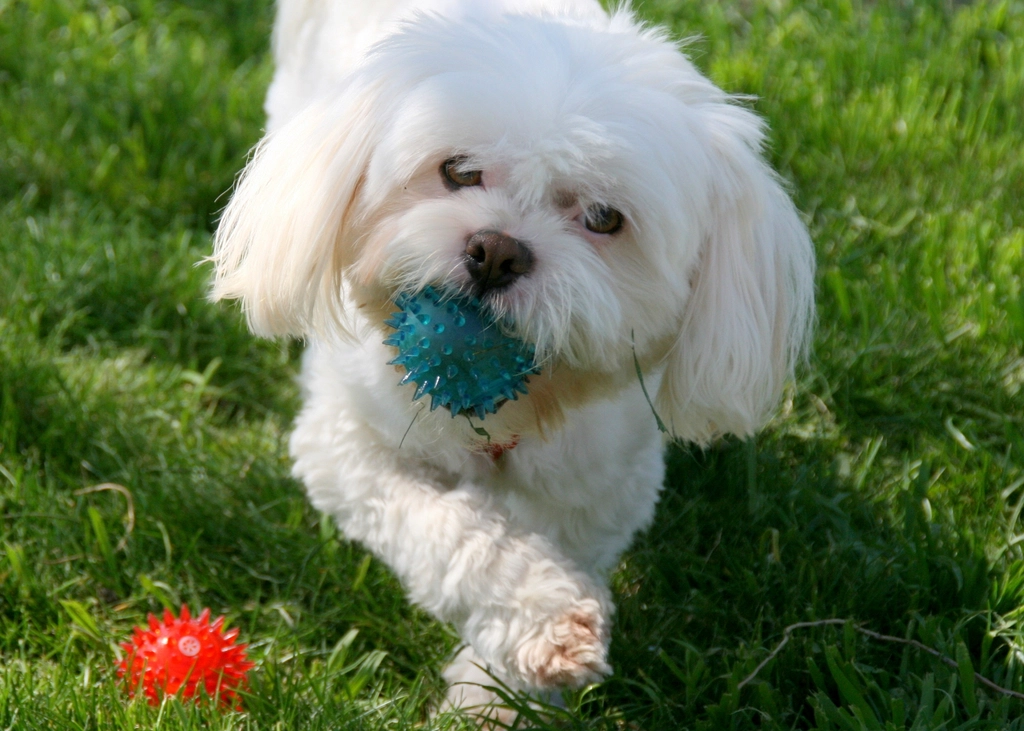 Photo Credit: Rawpixel
Meet the Maltipoo, a delightful hybrid known scientifically as Canis lupus familiaris, which is a fancy way of saying it belongs to the domestic dog family. This charming mix of the Maltese and Poodle is a small dog with a big personality, often standing between 8 to 14 inches tall. With its soft, curly coat and bright, expressive eyes, the Maltipoo captures the hearts of everyone it meets. Its playful spirit and affectionate nature make it a favorite among families and individuals alike, drawing the attention of scientists and animal lovers who marvel at its unique blend of traits.
Imagine a sunny afternoon in a cozy urban park, where a Maltipoo bounds joyfully across the grass, its fluffy fur bouncing with each playful leap. This little dog is not just a pretty face; it embodies a fascinating mix of intelligence and charm inherited from its parent breeds. The Poodle, known for its cleverness, and the Maltese, celebrated for its gentle demeanor, come together in the Maltipoo to create a companion that is both smart and loving. As we explore the world of the Maltipoo, we will uncover its history, behavior, and the special role it plays in our lives, revealing why this hybrid has become such a cherished member of the canine family.
The Maltipoo is a delightful blend of two beloved dog breeds: the Maltese and the Poodle. This charming hybrid sits within the animal kingdom’s vast tree of life, classified under the Kingdom Animalia, which includes all animals. What makes the Maltipoo particularly special is its combination of traits from both parent breeds, resulting in a small, intelligent, and affectionate companion. With its playful demeanor and hypoallergenic coat, the Maltipoo has captured the hearts of many families, showcasing the beauty of genetic diversity in the animal world.
| Taxonomic Rank | Scientific Name | Meaning & Significance |
|---|---|---|
| Kingdom | Animalia | This term comes from the Latin word “animalis,” meaning “having breath” or “living being,” highlighting the Maltipoo’s status as a living organism within the vast realm of animals. |
| Class | Mammalia | Mammals are warm-blooded animals that have fur or hair and typically give live birth. The name “Mammalia” is derived from the Latin “mamma,” meaning “breast,” referring to the way mothers nourish their young with milk. |
| Family | Canidae | This family includes dogs, wolves, foxes, and other canines. The name “Canidae” comes from the Latin word “canis,” meaning “dog,” which reflects the Maltipoo’s lineage as a domesticated dog breed. |
Understanding the Maltipoo’s classification reveals much about its evolutionary history. As a hybrid, it showcases the fascinating interplay of genetics between the Maltese and Poodle, both of which have their own unique traits and histories. The Maltese, known for its long, silky coat and gentle nature, and the Poodle, celebrated for its intelligence and hypoallergenic fur, contribute to the Maltipoo’s endearing qualities. This blend not only highlights the adaptability of dogs but also emphasizes how selective breeding can create new companions that fit perfectly into our lives.
The Maltipoo, a lively and affectionate hybrid, has a rich evolutionary story that begins with its parent breeds, the Maltese and the Poodle. The timeline of this adorable mix stretches back centuries, as both the Maltese and Poodle have their own fascinating histories. The Maltese, known for its long, silky coat and gentle demeanor, traces its roots to ancient Mediterranean civilizations, while the Poodle, celebrated for its intelligence and versatility, originated in Germany as a water retriever. The Maltipoo emerged as a popular designer breed in the late 20th century, combining the best traits of both its ancestors.
The journey of the Maltipoo’s ancestors reveals significant evolutionary transitions. The Maltese, a toy breed, was bred primarily for companionship, showcasing traits like a friendly temperament and a small size. Meanwhile, the Poodle underwent a transformation from a working dog to a beloved family pet, developing a curly coat that is not only stylish but also hypoallergenic. This unique fur type helped the Poodle adapt to various environments, making it a favorite among dog lovers with allergies. As these two breeds were crossed, the Maltipoo inherited a blend of their characteristics, resulting in a small dog with a playful spirit and a loving nature.
The adaptations of the Maltipoo have played a crucial role in its survival and popularity. Its small size and friendly demeanor make it an ideal companion for families and individuals alike. The hypoallergenic coat allows it to coexist comfortably with those who have allergies, broadening its appeal. Additionally, the intelligence and playful nature inherited from its ancestors ensure that the Maltipoo remains an engaging and cherished member of the family. As a result, this delightful hybrid continues to thrive in homes around the world, bringing happiness and companionship to many.
The Maltipoo is a small, lively dog that captures hearts with its playful spirit and endearing looks. This hybrid breed typically stands between 8 to 14 inches tall, making it a perfect companion for both city dwellers and families. Its body is compact and sturdy, with a rounded head that features expressive, dark eyes that sparkle with curiosity. The Maltipoo’s ears are often floppy, adding to its charming appearance, while its tail is usually curled over its back, giving it a cheerful demeanor.
| Feature | Description |
|---|---|
| Size | 8 to 14 inches tall |
| Weight | 5 to 20 pounds |
| Coat Color | Varies widely, including white, cream, apricot, and gray |
| Coat Type | Soft, curly, or wavy, resembling a Poodle’s coat |
| Skin Type | Covered in fur, hypoallergenic properties |
The Maltipoo’s physical features are not just for show; they serve important purposes in its daily life. The soft, curly coat helps to keep the dog warm and dry, while also being less likely to trigger allergies in sensitive humans. Its small size makes it agile and adaptable, allowing it to navigate various environments with ease. The expressive eyes and playful demeanor invite interaction, making the Maltipoo a beloved companion that thrives on social connections. Together, these traits create a delightful pet that is both charming and functional, perfectly suited for a life filled with love and adventure.
The Maltipoo, a delightful mix of the Maltese and Poodle, often finds its home in cozy, family-friendly environments. These small dogs thrive in urban apartments, suburban houses, and even rural settings, as long as they are surrounded by love and companionship. Their playful nature makes them perfect for homes where they can interact with people and other pets, creating a lively atmosphere filled with joy and laughter.
Maltipoos are adaptable and can live comfortably in various climates, but they prefer moderate temperatures. They do best in environments that are not too hot or too cold, as extreme weather can be challenging for their small size and delicate coats. A temperate climate allows them to enjoy outdoor playtime without overheating or getting too chilly, making it essential for their well-being.
These charming dogs have adapted well to their environments, showcasing their versatility. Their friendly disposition and intelligence make them excellent companions, whether in a bustling city or a quiet countryside. Maltipoos are also known for their low-shedding coats, which can be a bonus for families with allergies. This adaptability, combined with their affectionate nature, ensures that they fit seamlessly into a variety of homes, bringing joy wherever they go.
A typical day in the life of a Maltipoo is filled with energy, curiosity, and plenty of love. These small dogs wake up ready to greet the world, often with a wagging tail and a playful bark. Their mornings might start with a cozy cuddle session with their human, followed by a brisk walk to explore the neighborhood. Maltipoos are known for their playful nature, so you can expect them to engage in games of fetch or chase around the house. As the day unfolds, they enjoy a mix of playtime, napping, and, of course, mealtime, which is always a highlight.
Socially, Maltipoos are incredibly friendly and thrive on companionship. They are known to bond closely with their families and often get along well with other pets. Their playful demeanor makes them great playmates for children, and they love to be included in family activities. Maltipoos communicate through a variety of sounds, from cheerful barks to soft whines, expressing their needs and emotions. Their social structure is quite simple; they see their human family as their pack and often seek to please them, which strengthens their bond.
| Behavior Type | Description |
|---|---|
| Activity Patterns | Maltipoos enjoy a mix of play, exploration, and rest throughout the day. They thrive on regular walks and interactive play sessions. |
| Social Structure | These dogs view their human family as their pack, forming strong bonds and often seeking companionship from other pets. |
| Communication Methods | Maltipoos use a range of vocalizations, including barks and whines, to express their feelings and needs, making them quite expressive. |
The behaviors of Maltipoos are not just charming; they play a crucial role in their survival and happiness. Their social nature helps them form strong bonds with their families, ensuring they receive love and care. By communicating effectively, they can express their needs, whether it’s for food, play, or attention. This blend of playfulness and social interaction not only enriches their lives but also strengthens the connections they have with their humans, making them beloved companions in any household.
The Maltipoo is an omnivore, which means it enjoys a varied diet that includes both plant and animal-based foods. This hybrid dog thrives on a balanced mix of high-quality dog food, which often contains meat, vegetables, and grains. Maltipoos are known for their playful and curious nature, which can lead them to explore different food options, making mealtime an exciting adventure. They typically obtain their food from their human companions, who provide them with nutritious meals tailored to their needs.
| Dietary Aspect | Details |
|---|---|
| Diet Type | Omnivore |
| Favorite Foods | High-quality dog food, lean meats, vegetables, and some fruits |
| Prey Items | Not applicable, as they are domesticated |
| Hunting/Foraging Strategies | Relies on humans for food; enjoys exploring and tasting different foods |
The Maltipoo’s diet plays a significant role in its overall health and daily routine. A well-balanced diet helps maintain their energy levels, keeping them active and playful throughout the day. This hybrid’s love for food also encourages social interactions with their families, as mealtime often becomes a bonding experience. By providing a nutritious diet, owners can ensure their Maltipoo remains happy, healthy, and ready for all the adventures life has to offer.
Maltipoos, the charming mix of Maltese and Poodle, have a fascinating approach to reproduction. Their mating behavior is often influenced by the time of year, with many dogs showing increased interest in breeding during the spring and early summer months. This is when the days are longer and warmer, creating a more inviting environment for these playful pups to find a mate. During this period, female Maltipoos may go into heat, a cycle that typically occurs twice a year, signaling their readiness to mate.
| Reproductive Aspect | Details |
|---|---|
| Gestation Period | Approximately 63 days |
| Litter Size | Usually 2 to 6 puppies |
| Age of Maturity | About 6 to 12 months |
| Name of Young | Puppies |
Once the puppies are born, Maltipoo parents take their roles very seriously. The mother is especially attentive, providing warmth, nourishment, and protection to her tiny pups. In the first few weeks, the puppies rely entirely on their mother for food and care. As they grow, they begin to explore their surroundings, developing their playful personalities. By the time they reach maturity, around 6 to 12 months, these little ones are ready to join the world as lively companions, carrying on the affectionate traits of their Maltese and Poodle heritage.
The Maltipoo, a delightful mix of the Maltese and Poodle, occupies a unique niche in the human-dominated environment. While they are beloved companions, these small dogs are not at the top of the food web. Instead, they face various dangers from larger animals and environmental threats. Understanding these risks helps us appreciate the importance of keeping our furry friends safe and sound.
To defend themselves against these threats, Maltipoos often rely on their agility and keen senses. Their small size allows them to dart quickly to safety, while their alertness helps them detect danger before it gets too close. Additionally, they can use their vocalizations to bark and alert their owners to potential threats. With a loving and watchful owner, these charming dogs can navigate their world with confidence, enjoying life while staying safe from harm.
A keystone species is a vital part of an ecosystem, meaning its presence and activities have a significant impact on the environment and other living things. If removed, the entire ecosystem could change dramatically. While the Maltipoo is a beloved companion animal, it does not qualify as a keystone species. This hybrid dog, a mix of the Maltese and Poodle, primarily exists in human environments and does not play a critical role in natural ecosystems like some other species do.
Maltipoos are primarily pets, and their influence is mostly felt in homes rather than in the wild. However, they do contribute to their immediate environments in meaningful ways. For instance, their playful nature encourages physical activity in their owners, promoting a healthier lifestyle. This interaction can lead to stronger bonds between humans and animals, fostering a sense of community and emotional well-being. Additionally, Maltipoos can help teach children about responsibility and empathy through pet care.
Moreover, as omnivores, Maltipoos can influence local food chains, albeit indirectly. When they consume food scraps or leftovers, they help reduce waste, which can have a positive effect on the environment. Their presence in a household can also lead to increased awareness of animal welfare and the importance of adopting pets, which can help reduce the number of animals in shelters.
If Maltipoos were to disappear, the immediate impact would be felt in homes where they provide companionship and joy. Families might experience a loss of emotional support and the benefits of having a pet. Additionally, the absence of such hybrid dogs could lead to a decrease in awareness about responsible pet ownership and animal welfare. While they may not be keystone species in the traditional sense, Maltipoos enrich human lives and contribute to the social fabric of communities.
The Maltipoo, a charming blend of the Maltese and Poodle, plays a subtle yet significant role in its ecosystem. As a small, affectionate dog, it thrives in human environments, often serving as a companion animal. This unique position allows the Maltipoo to influence its surroundings in various ways, from promoting social interactions among people to encouraging outdoor activities. By being a part of family life, Maltipoos help create bonds that can lead to a greater appreciation for nature and the environment.
| Ecosystem Service | Impact |
|---|---|
| Companionship | Enhances social connections and emotional well-being in humans. |
| Encouragement of Outdoor Activity | Promotes exercise and exploration of natural spaces. |
| Waste Contribution | Provides organic matter that can enrich soil when managed properly. |
| Pollinator Support | Can help in the pollination of plants by attracting insects. |
Maltipoos, with their playful nature, often encourage their owners to spend more time outdoors. This can lead to increased interaction with local parks and green spaces, fostering a connection to nature. For instance, when families take their Maltipoo for walks, they not only get exercise but also engage with their environment, observing plants and wildlife. Additionally, the organic waste produced by these dogs can contribute to soil health when composted, providing nutrients that help plants thrive.
The broader ecological importance of the Maltipoo lies in its ability to connect people with nature. By fostering companionship and encouraging outdoor activities, these small dogs help cultivate a sense of responsibility towards the environment. As families grow closer through shared experiences with their Maltipoo, they may become more invested in conservation efforts and the well-being of local ecosystems. In this way, the Maltipoo is not just a pet; it is a bridge between humans and the natural world, reminding us of the joy and importance of our surroundings.
In the intricate web of life, animals often form partnerships that can be classified into different types of relationships. These connections can be mutualistic, where both species benefit, parasitic, where one benefits at the other’s expense, or commensal, where one benefits while the other is neither helped nor harmed. Understanding these relationships helps us appreciate the balance of ecosystems and the roles various species play within them.
| Species/Type | Relationship Type | Description |
|---|---|---|
| Humans | Mutualistic | Maltipoos thrive as beloved pets, providing companionship and emotional support to humans, while receiving care, food, and shelter in return. |
| Fleas | Parasitic | Fleas can infest Maltipoos, feeding on their blood and causing discomfort, which is harmful to the dog. |
| Other Pets | Commensal | Maltipoos may coexist with other pets, like cats or birds, where they share space without significantly affecting each other. |
These relationships have evolved over time, shaped by the needs and behaviors of the species involved. The bond between Maltipoos and humans is a prime example of mutualism, where both parties gain from the relationship. As these small dogs provide joy and companionship, humans offer them a safe and loving home. On the other hand, parasitic relationships, like those with fleas, highlight the challenges Maltipoos face in their environments. Understanding these dynamics not only enriches our knowledge of Maltipoos but also emphasizes the importance of caring for our pets and their well-being in a shared world.
The Maltipoo, a delightful mix of the Maltese and Poodle, is not just a cute companion; it has some surprising traits that make it truly special. Here are a few intriguing facts that will captivate nature enthusiasts of all ages.
The Maltipoo, a charming hybrid of the Maltese and Poodle, has woven itself into the fabric of human life for many years. This delightful mix has roots that trace back to the 1990s when designer dog breeds began to gain popularity. The Maltipoo’s playful nature and affectionate demeanor have made it a beloved companion in households around the world. In various cultures, small dogs like the Maltipoo symbolize loyalty and companionship, often appearing in art and literature as symbols of love and friendship. Their presence in our lives reflects a long-standing bond between humans and dogs, showcasing how these animals have evolved alongside us.
Today, Maltipoos are not just pets; they are family members. Their interactions with humans are filled with joy and companionship, but they also highlight the responsibilities that come with pet ownership. As more people adopt these small dogs, the importance of proper care, training, and socialization becomes clear. Maltipoos thrive in environments where they receive love and attention, and they often help reduce stress and loneliness for their owners. However, the rise in popularity of designer breeds has also led to concerns about breeding practices and the health of these dogs. Responsible breeding and adoption practices are essential to ensure that Maltipoos remain healthy and happy companions.
As we look to the future, the relationship between Maltipoos and humanity is likely to deepen. With ongoing discussions about animal welfare and responsible breeding, there is hope for healthier and happier Maltipoos. As more families recognize the joy these small dogs bring, we can expect to see an increase in awareness about their needs and the importance of adopting from shelters. The bond we share with Maltipoos is a testament to the love and companionship that animals can offer, reminding us that our lives are richer when we share them with our furry friends.
The Maltipoo, a beloved hybrid of the Maltese and Poodle, does not have a formal conservation status like many wild species. Instead, it exists within the realm of domesticated animals, where its population is largely influenced by human breeding practices. As a designer dog, the Maltipoo has gained popularity over the years, leading to a steady increase in its numbers. However, specific population estimates are challenging to determine due to the lack of centralized breeding records.
| Conservation Factor | Status/Details |
|---|---|
| IUCN Status | Not assessed |
| Population Estimates | Not specifically quantified |
| Trend Direction | Increasing due to popularity |
The main threats to Maltipoos primarily stem from irresponsible breeding practices. Some breeders may prioritize profit over the health and well-being of the dogs, leading to genetic issues that can affect their quality of life. Additionally, as a small breed, Maltipoos can be vulnerable to health problems such as dental issues, patellar luxation (a knee problem), and certain skin conditions. These challenges can arise from poor breeding choices and a lack of proper care.
Conservation efforts for Maltipoos focus on promoting responsible breeding and ensuring that these dogs receive the care they need. Organizations and breed clubs often advocate for ethical practices, encouraging potential owners to choose reputable breeders who prioritize health testing and the overall well-being of their dogs. With the right attention and care, the outlook for Maltipoos remains bright, as they continue to thrive as cherished companions in many households around the world.
| Question | Answer |
|---|---|
| What is a Maltipoo? | A Maltipoo is a delightful mix between a Maltese and a Poodle. This hybrid breed is known for its friendly nature and fluffy coat, making it a popular choice for families and individuals alike. |
| What is the habitat of a Maltipoo? | Maltipoos are primarily indoor dogs and thrive in home environments. They adapt well to apartments or houses, as long as they receive enough attention and exercise. |
| What do Maltipoos eat? | Maltipoos are omnivores, which means they eat both plant and animal-based foods. A balanced diet of high-quality dog food, along with occasional fruits and vegetables, keeps them healthy and happy. |
| What is the behavior of a Maltipoo? | Maltipoos are known for their playful and affectionate behavior. They are social dogs that enjoy being around people and other pets, making them great companions. |
| How do Maltipoos reproduce? | Maltipoos reproduce like most dogs, with a female going into heat and mating with a male. After a gestation period of about 63 days, the female gives birth to a litter of puppies, usually ranging from two to six. |
| What threats do Maltipoos face? | Like many small breeds, Maltipoos can be prone to certain health issues, such as dental problems and patellar luxation, which is when the kneecap dislocates. Regular vet check-ups and a healthy lifestyle can help mitigate these risks. |
| What are some interesting characteristics of Maltipoos? | Maltipoos often have a soft, curly coat that can come in various colors, including white, cream, and apricot. They are also known for their intelligence, making them relatively easy to train and eager to learn new tricks. |