Taxonomy & Classification
- Kingdom
- Animalia
- Phylum
- Chordata
- Class
- Mammalia
- Order
- Primates
- Family
- Cercopithecidae
- Genus
- Mandrillus
- Species
- Mandrillus Sphinx

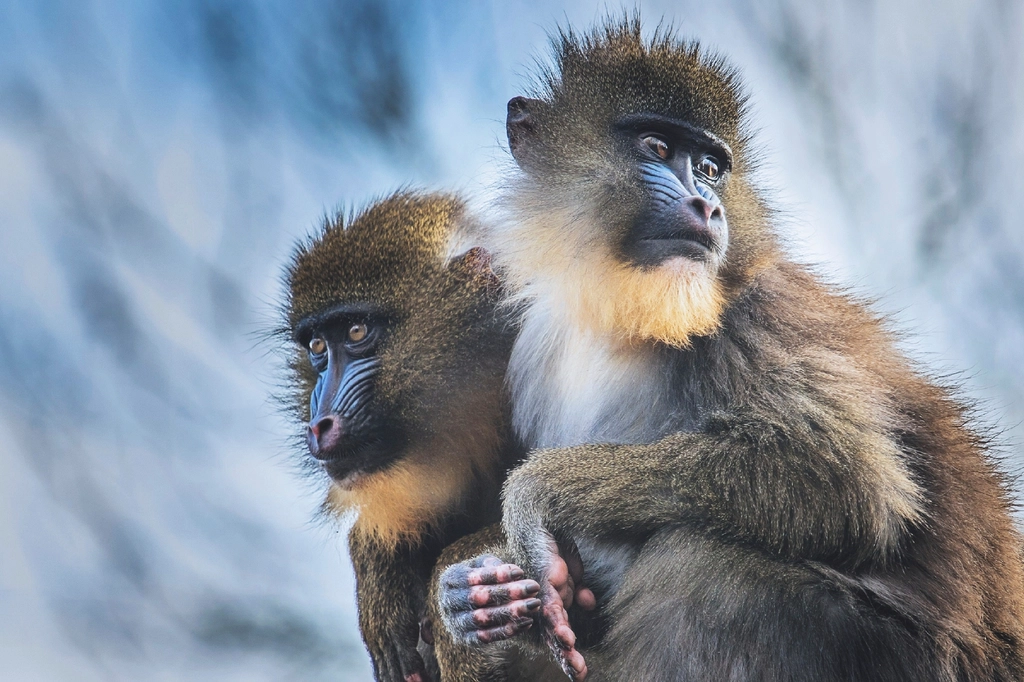 Photo Credit: Rawpixel
In the heart of Central Africa’s lush tropical forests, the mandrill, scientifically known as Mandrillus sphinx, emerges as one of nature’s most colorful wonders. Picture a vibrant scene where sunlight filters through the thick canopy, casting dappled shadows on the forest floor. Here, the mandrill stands out with its striking blue and red facial markings, a bold display that captures the attention of anyone lucky enough to witness it. With a robust body that can weigh up to 30 kilograms (about 66 pounds), this primate is not just a feast for the eyes; it is also a fascinating subject for scientists and nature lovers alike.
The mandrill’s vivid appearance is more than just a pretty face; it plays a crucial role in their social interactions and mating rituals. Males flaunt their colorful features to attract females, showcasing their health and vitality. This vibrant display is a key part of their behavior, which is rich and complex, filled with social dynamics that mirror our own. As these remarkable creatures forage for fruits and other delicacies in their dense habitat, they help maintain the balance of their ecosystem, making them a vital part of the forest’s intricate web of life. Join us as we delve deeper into the world of the mandrill, exploring its behaviors, diet, and the challenges it faces in a rapidly changing environment.
The mandrill, a striking primate known for its vibrant facial coloration and impressive size, occupies a special place in the animal kingdom. Taxonomically, it belongs to the Kingdom Animalia, Phylum Chordata, Class Mammalia, Order Primates, Family Cercopithecidae, and Genus Mandrillus. What sets the mandrill apart is not just its colorful appearance but also its social behavior and intelligence. These animals are highly social, living in large groups called troops, and they exhibit complex communication skills, making them a captivating subject for both scientists and animal lovers alike.
| Taxonomic Rank | Scientific Name | Meaning & Significance |
|---|---|---|
| Kingdom | Animalia | This name comes from the Latin word “animalis,” meaning “having breath” or “living.” It signifies all living organisms that are not plants or fungi. |
| Phylum | Chordata | Derived from the Greek word “chordē,” meaning “string,” this name refers to animals that have a notochord, a flexible rod that supports the body during development. |
| Class | Mammalia | This term comes from the Latin “mamma,” meaning “breast.” It highlights that mammals, including mandrills, nurse their young with milk produced by mammary glands. |
| Order | Primates | From the Latin “primus,” meaning “first,” this classification includes humans, apes, monkeys, and prosimians, emphasizing their advanced brain development and social structures. |
| Family | Cercopithecidae | This name comes from the Greek “kērkos,” meaning “tail,” and “pithekos,” meaning “monkey.” It refers to the long-tailed monkeys that are part of this family. |
| Genus | Mandrillus | Derived from the word “mandrill,” which is thought to come from the Dutch “mandril,” meaning “male monkey.” This name reflects the species’ distinctive male characteristics, including their colorful faces. |
The mandrill’s classification reveals much about its evolutionary journey. As a member of the primate order, it shares a common ancestor with humans and other primates, highlighting the deep connections within the animal kingdom. Its place in the Cercopithecidae family indicates adaptations to a social lifestyle, which has shaped its behavior and physical traits over millions of years. Understanding where the mandrill fits in the tree of life not only enriches our knowledge of this extraordinary animal but also sheds light on the evolutionary processes that have shaped all primates, including ourselves.
The evolutionary journey of the mandrill stretches back millions of years, weaving through the rich tapestry of primate history. This vibrant primate, known for its colorful face and impressive size, is a member of the Cercopithecidae family, which includes many other Old World monkeys. The mandrill’s ancestors roamed the forests of Africa, adapting to their environments in ways that would shape their survival and social structures.
Mandrills are believed to have diverged from their closest relatives around 2 to 3 million years ago. Their lineage can be traced back to early primates that inhabited the dense forests of Africa. Over time, these ancestors developed traits that allowed them to thrive in their specific habitats. One significant transition was the shift from a more arboreal lifestyle, where they spent most of their time in trees, to a semi-terrestrial existence, meaning they began to spend more time on the ground. This change opened up new opportunities for foraging and social interaction.
The adaptations of the mandrill have been vital for its survival in the wild. Their vibrant colors not only attract mates but also help maintain social bonds within their troops. Being large and strong deters potential predators, while their complex social structures provide safety in numbers. The flexibility in their diet allows them to thrive in various environments, ensuring they can find food even when resources are scarce. Together, these traits have helped mandrills flourish in the lush forests of Central Africa, making them a captivating example of evolution in action.
The mandrill is a stunning sight to behold, a true marvel of nature. With a robust body that can weigh between 11.5 to 30 kilograms (25 to 60 pounds), this primate boasts a powerful build. Its long limbs and strong hands are perfectly designed for climbing and foraging in the dense forests of Central Africa. The mandrill’s most striking feature is its face, adorned with vibrant colors that seem to tell a story of its own. The combination of its size and vivid facial markings creates an unforgettable impression, making it one of the most visually captivating animals in the wild.
| Feature | Description |
|---|---|
| Size | Weight ranges from 11.5 to 30 kg (25 to 60 lbs), making them one of the largest monkeys. |
| Color | Bright blue and red skin on the face, with a golden beard and a mix of brown and gray fur on the body. |
| Skin Type | Covered in fur, providing warmth and protection in their natural habitat. |
The mandrill’s vibrant colors serve more than just aesthetic purposes; they play a crucial role in social interactions. The bright hues of their faces are used to communicate emotions and establish dominance within their groups. Their strong, muscular bodies allow them to navigate their forest homes with agility, while their fur keeps them warm and camouflaged among the foliage. Together, these features not only enhance their beauty but also equip them for survival in the wild, making the mandrill a true testament to the wonders of evolution.
The mandrill calls the lush, dense tropical forests of Central Africa its home. These vibrant habitats are often found near rivers and streams, where the thick canopy of trees provides both shelter and a rich source of food. The interplay of sunlight filtering through the leaves creates a dappled effect on the forest floor, making it a lively and colorful environment. Here, the mandrill can be seen foraging among the underbrush, surrounded by the sounds of chirping birds and rustling leaves.
The climate in these regions is typically warm and humid, with temperatures often reaching between 20 to 30 degrees Celsius (68 to 86 degrees Fahrenheit). Rainfall is abundant, especially during the wet season, which helps sustain the rich biodiversity of the forest. This environment is crucial for the mandrill, as it thrives in areas where food sources like fruits, seeds, and leaves are plentiful. The humidity also supports the growth of the dense vegetation that provides cover from predators.
Mandrills have adapted beautifully to their forest homes. Their strong limbs and agile bodies allow them to navigate the complex branches of the trees with ease. Their vibrant colors, especially the males’ striking blue and red facial markings, play a role in social interactions and mating displays, helping them communicate with one another in the thick foliage. These adaptations not only help them survive but also thrive in their rich, tropical environment, making them a vital part of the forest ecosystem.
The daily life of a mandrill is a vibrant tapestry of activity, woven through the lush canopies of Central Africa’s tropical forests. As the sun rises, these colorful primates begin their day, foraging for fruits, seeds, and leaves. They are primarily diurnal, meaning they are active during the day, and their routines often include grooming, playing, and socializing. Mandrills are known to be quite agile, moving through the trees with ease as they search for food and interact with their troop members.
Social behavior is at the heart of mandrill life. These primates live in troops that can number in the hundreds, creating a complex social structure. Within these groups, individuals form strong bonds through grooming, which helps to reinforce relationships and reduce tension. Communication is key; mandrills use a variety of vocalizations, facial expressions, and body language to convey their feelings and intentions. This social dynamic not only fosters cooperation but also helps maintain order within the troop, ensuring that everyone knows their place.
| Behavior Type | Description |
|---|---|
| Activity Patterns | Mandrills forage for food, groom each other, and engage in play during the day, often resting in the shade during the hottest hours. |
| Social Structure | They live in large troops, with a hierarchy that includes dominant males and females, fostering cooperation and social bonds. |
| Communication Methods | Mandrills use vocalizations, facial expressions, and body language to communicate, helping to maintain social harmony and convey emotions. |
The behaviors of mandrills are not just fascinating; they are essential for survival. By living in large groups, they can better protect themselves from predators and ensure that food resources are shared. Grooming and social interactions strengthen bonds, which can lead to increased cooperation in foraging and caring for young. In this way, the vibrant social life of the mandrill is a key factor in its ability to thrive in the wild, showcasing the intricate connections between behavior and survival in the animal kingdom.
The mandrill is an omnivore, which means it enjoys a varied diet that includes both plant and animal matter. These fascinating primates primarily feast on fruits, which are abundant in their tropical forest homes. They also munch on roots and insects, showcasing their adaptability in finding food. Mandrills are known for their foraging behavior, often moving through the forest in groups to search for tasty treats. Their keen sense of smell helps them locate ripe fruits, while their strong jaws allow them to crack open tough seeds and roots.
| Dietary Aspect | Details |
|---|---|
| Diet Type | Omnivore |
| Favorite Foods | Fruits, roots |
| Prey Items | Insects |
| Hunting/Foraging Strategies | Forages in groups, uses keen sense of smell |
The mandrill’s diverse diet plays a crucial role in its ecology and daily routine. By consuming a variety of foods, they help disperse seeds throughout their habitat, promoting plant growth and maintaining the health of their forest ecosystem. Their foraging activities also encourage social interactions within their groups, as they communicate and work together to find food. This dynamic lifestyle not only sustains the mandrills but also contributes to the vibrant tapestry of life in the tropical forests they inhabit.
Mating behavior in mandrills is as colorful as their appearance. During the breeding season, which typically occurs from late summer to early fall, males display their vibrant faces and engage in elaborate courtship rituals. These displays include vocalizations and physical posturing to attract females. The dominant males often have the first choice of mates, but females also play a crucial role in selecting their partners based on these displays.
| Reproductive Aspect | Details |
|---|---|
| Gestation Period | Approximately 6 months |
| Litter Size | 1 |
| Age of Maturity | 3 to 5 years |
| Name of Young | Infant |
Once the young mandrill, known as an infant, is born, the mother takes on the primary role of caregiver. She is attentive and protective, ensuring her baby is safe and well-fed. The infant clings to its mother for warmth and security, gradually learning the ways of the mandrill world. As they grow, these young primates begin to explore their surroundings, developing social skills and foraging techniques. By the time they reach maturity at around three to five years, they are ready to join the vibrant community of mandrills, contributing to the social fabric of their troop.
The mandrill plays a crucial role in its ecosystem, sitting near the top of the food web in its tropical forest habitat. As an omnivore, it helps control the populations of fruits and small animals, contributing to the balance of its environment. However, despite its size and strength, the mandrill faces several dangers that threaten its survival.
To defend against these threats, mandrills have developed several survival strategies. They often live in large groups, which provides safety in numbers. When danger approaches, they can communicate through loud vocalizations and display their impressive size and colorful features to intimidate potential predators. Additionally, their agility and speed allow them to escape quickly into the dense foliage of their forest home, making it harder for predators to catch them. These clever tactics help ensure that mandrills can thrive in their vibrant yet perilous world.
A keystone species is an organism that has a disproportionately large impact on its environment relative to its abundance. This means that if it were removed, the ecosystem would change dramatically. The mandrill, with its vibrant colors and complex social structure, qualifies as a keystone species in its tropical forest habitat. Its role is crucial not just for its own survival but for the health of the entire ecosystem.
Mandrills are omnivores, meaning they eat both plants and animals. This diverse diet allows them to influence the growth of various plant species by dispersing seeds through their droppings. When mandrills consume fruits, they help in the germination of seeds, which contributes to the regeneration of the forest. This process is vital for maintaining the biodiversity of their habitat, as a variety of plants supports numerous other species, from insects to larger mammals.
Additionally, mandrills are social animals that live in large groups. Their foraging behavior can impact the distribution of food resources in their environment. As they move through the forest, they can create pathways that other animals use, facilitating movement and access to food. This behavior not only benefits other species but also helps maintain the balance of the ecosystem.
Moreover, mandrills are prey for larger predators, which means they play a role in the food web. By being part of this intricate network, they help sustain the populations of these predators, which in turn keeps the ecosystem in check. Their presence ensures that the natural order of life in the forest remains intact.
If mandrills were to disappear from their habitat, the consequences would be significant. Without their seed dispersal, many plant species could decline, leading to less food for other animals and a decrease in biodiversity. The loss of mandrills would disrupt the balance of the ecosystem, potentially leading to overpopulation of certain species and the decline of others. This ripple effect could transform the lush tropical forests into a less vibrant and less diverse environment, showcasing just how vital these colorful primates are to their world.
The mandrill plays a vital role in shaping its ecosystem, particularly within the dense tropical forests of Central Africa. As a keystone species, its activities significantly influence the environment around it. Mandrills are social animals that live in troops, which allows them to interact with their habitat in ways that promote biodiversity. Their foraging habits help disperse seeds, contributing to the growth of various plant species. This interaction not only supports the forest’s health but also creates a dynamic environment for other wildlife.
| Ecosystem Service | Impact |
|---|---|
| Seed Dispersal | Mandrills consume fruits and excrete seeds, helping to spread plant species throughout their habitat. |
| Soil Aeration | As they forage and dig for roots, mandrills help aerate the soil, promoting healthier plant growth. |
| Prey Population Control | By feeding on small animals, mandrills help maintain balanced populations of various species. |
| Habitat Structure | Their activities can influence the structure of the forest, creating openings that allow sunlight to reach the forest floor. |
Mandrills are not just foragers; they are also important players in their ecosystem’s food web. By eating a variety of fruits and small animals, they help regulate the populations of these species. For example, when mandrills consume fruits, they ensure that certain plant species do not become overly dominant, allowing for a diverse range of flora to thrive. This diversity, in turn, supports a wide array of other animals, from insects to larger mammals, creating a rich tapestry of life in the forest.
The broader ecological importance of mandrills cannot be overstated. Their role as seed dispersers and soil aerators contributes to the overall health of their tropical forest habitat. Without mandrills, the balance of this ecosystem could shift dramatically, leading to a decline in plant diversity and the animals that depend on those plants. By understanding the mandrill’s impact, we gain insight into the intricate connections that sustain life in these vibrant forests, reminding us of the delicate balance that exists in nature.
In the intricate web of life, symbiosis refers to the close and often long-term interactions between different species. These relationships can take many forms, including mutualism, where both species benefit, parasitism, where one benefits at the expense of the other, and commensalism, where one benefits while the other is neither helped nor harmed. Mandrills, with their vibrant personalities and social structures, engage in various ecological relationships that highlight the interconnectedness of life in their tropical forest habitats.
| Species/Type | Relationship Type | Description |
|---|---|---|
| Fruit Trees | Mutualistic | Mandrills help disperse the seeds of fruit trees by eating their fruits and excreting the seeds in different locations, promoting forest growth. |
| Ticks | Parasitic | Ticks attach to mandrills, feeding on their blood, which can weaken the primates and transmit diseases. |
| Birds (e.g., oxpeckers) | Commensal | Birds may perch on mandrills to feed on ticks and other parasites, benefiting from a meal while the mandrills remain largely unaffected. |
These relationships have evolved over time, shaped by the needs and behaviors of the species involved. The mutualistic bond between mandrills and fruit trees is a prime example of how both can thrive together, with mandrills gaining nourishment while aiding in the trees’ reproduction. On the other hand, parasitic relationships, like those with ticks, remind us that not all interactions are beneficial. Meanwhile, the presence of birds that feed on parasites showcases the beauty of commensalism, where one species finds a meal without impacting the other. Understanding these connections helps us appreciate the delicate balance of ecosystems and the roles each species plays in maintaining the health of their environment.
The mandrill is not just another primate; it’s a vibrant symbol of the rich biodiversity found in Central Africa’s tropical forests. With its striking colors and fascinating behaviors, this remarkable animal has many surprises up its sleeve.
The mandrill, with its striking colors and impressive size, has captivated human imagination for centuries. Historically, these primates have been featured in various cultures, often symbolizing strength and vitality. Ancient African tribes revered them, incorporating mandrills into their folklore and art. Their vibrant faces and social behaviors have also made them subjects of fascination in literature and media, where they are often depicted as wise or mischievous characters. This cultural significance highlights the deep-rooted connection between mandrills and humanity, showcasing how these animals have inspired stories and traditions across generations.
In contemporary times, the relationship between mandrills and humans has evolved, marked by both conservation efforts and challenges. As deforestation and habitat loss threaten their populations, many organizations are working tirelessly to protect these magnificent primates and their environments. However, conflicts can arise when human activities encroach on mandrill habitats, leading to competition for resources. Unlike domesticated animals, mandrills remain wild and are not suited for life alongside humans. This wildness adds to their allure but also complicates interactions, as they can sometimes raid crops or come into contact with human settlements.
Looking ahead, the future of the mandrill-human relationship hinges on our ability to balance conservation with the needs of local communities. As awareness grows about the ecological importance of mandrills, there is hope for a more harmonious coexistence. By fostering respect and understanding, we can ensure that these vibrant primates continue to thrive in their natural habitats, enriching our world with their presence for generations to come.
The mandrill is currently classified as Near Threatened by the International Union for Conservation of Nature (IUCN). This status indicates that while the species is not yet endangered, it faces significant risks that could lead to a decline in its population if conservation efforts are not maintained. Population estimates suggest that there are fewer than 100,000 mandrills remaining in the wild, and their numbers are believed to be decreasing. This decline is primarily due to habitat loss and hunting pressures.
| Conservation Factor | Status/Details |
|---|---|
| IUCN Status | Near Threatened |
| Population Estimates | Fewer than 100,000 |
| Trend Direction | Decreasing |
The main threats to mandrills stem from human activities. Deforestation, driven by logging and agricultural expansion, is a significant concern, as it destroys the lush habitats these primates rely on for food and shelter. Additionally, hunting for bushmeat poses a direct threat to their populations. As humans encroach on their territory, mandrills face increased competition for resources and a higher risk of conflict.
Conservation efforts are underway to protect the mandrill and its habitat. Various organizations are working to establish protected areas and promote sustainable land-use practices that benefit both wildlife and local communities. Education and awareness campaigns are also crucial, helping people understand the importance of preserving these vibrant primates. With continued efforts, there is hope that the mandrill can thrive in its natural environment, ensuring that future generations can marvel at its colorful presence in the wild.
| Question | Answer |
|---|---|
| What is the natural habitat of Mandrills? | Mandrills live in dense and coastal tropical forests. These lush environments provide them with plenty of food and places to hide from predators. |
| What do Mandrills eat? | Mandrills are omnivores, which means they eat both plants and animals. Their diet includes fruits, seeds, and insects, making them quite adaptable in their search for food. |
| How do Mandrills behave in the wild? | Mandrills are social animals that live in large groups called troops. They communicate using a variety of vocalizations and body language, which helps them maintain social bonds and warn each other of danger. |
| How do Mandrills reproduce? | Mandrills typically breed once a year, with females giving birth to a single infant after a gestation period of about six months. The young are cared for by their mothers and sometimes other females in the troop. |
| What threats do Mandrills face? | Mandrills are classified as Near Threatened due to habitat loss and hunting. Deforestation for agriculture and logging reduces their living space, while hunting for bushmeat poses a direct threat to their populations. |
| What are some interesting characteristics of Mandrills? | Mandrills are known for their striking facial features, including bright blue and red skin on their faces. Males are particularly colorful, which helps them attract mates and establish dominance within their troops. |
| How do Mandrills interact with their environment? | Mandrills play an important role in their ecosystem by helping to disperse seeds through their diet. As they eat fruits and move around the forest, they contribute to the growth of new plants, which benefits the entire habitat. |