Taxonomy & Classification
- Kingdom
- Animalia
- Phylum
- Chordata
- Class
- Mammalia
- Order
- Carnivora
- Family
- Mustelidae
- Genus
- Mustela
- Species
- Mustela furo

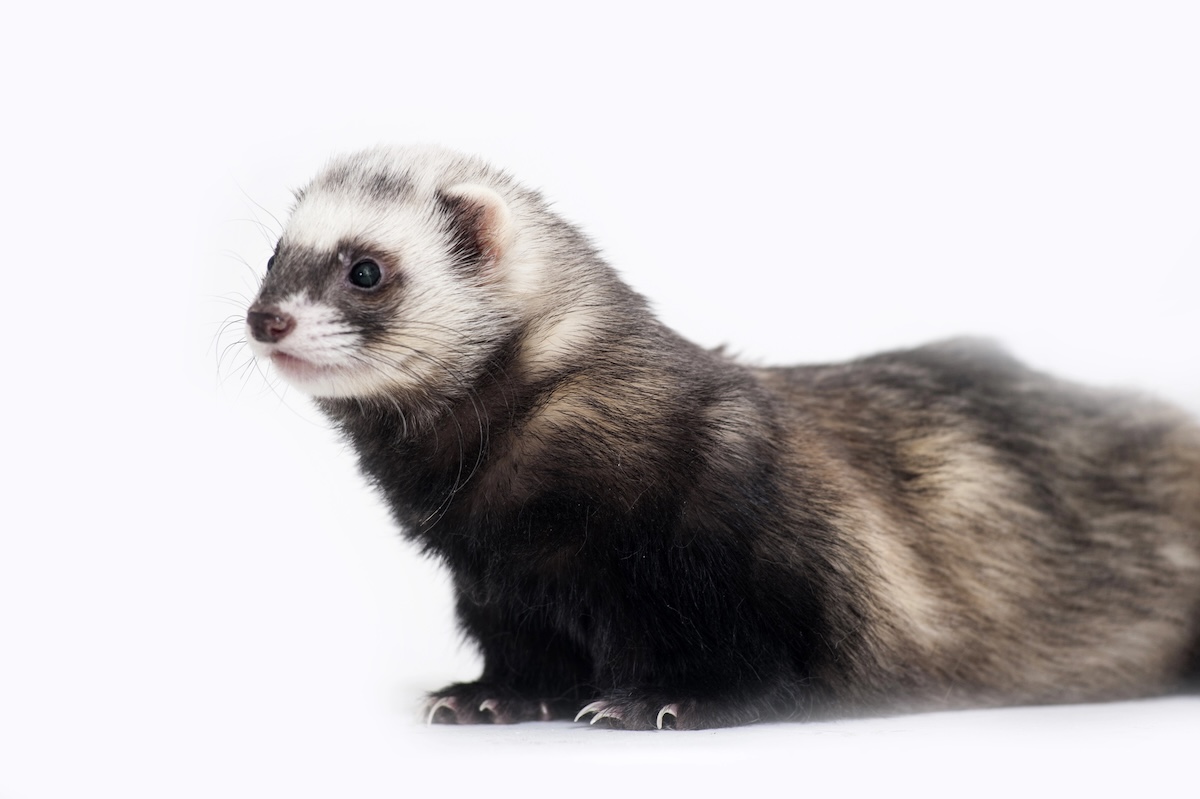 Photo Credit: evdoha on Deposit Photos
In the enchanting world of small mammals, the Angora ferret, scientifically known as Mustela putorius furo, stands out with its playful spirit and striking appearance. Imagine a sun-dappled forest where these agile creatures dart through the underbrush, their sleek bodies gliding effortlessly as they explore their surroundings. With their long, slender frames and soft, fluffy fur, Angora ferrets are not just a delight to behold; they are also a marvel of evolution, perfectly adapted to their roles as both hunters and prey in the wild.
What makes the Angora ferret particularly captivating to scientists and nature lovers alike is its unique blend of curiosity and agility. These small mammals are known for their inquisitive nature, often investigating every nook and cranny of their habitat. Their keen sense of smell and sharp instincts help them locate food, primarily consisting of small animals, which they hunt with impressive skill. As they navigate through lush grasslands and dense forests, Angora ferrets play a vital role in their ecosystems, helping to maintain the balance of nature. Join us as we delve deeper into the life of this remarkable creature, exploring its behaviors, habitats, and the fascinating relationships it shares with the world around it.
The Angora ferret, a captivating member of the animal kingdom, holds a special place in the tree of life. This small mammal belongs to the family Mustelidae, which includes weasels, otters, and badgers. What sets the Angora ferret apart is its striking appearance, characterized by a long, slender body and a luxurious coat that can come in various colors. This breed is a domesticated version of the European polecat, showcasing the fascinating relationship between humans and animals through selective breeding. The Angora ferret’s playful nature and intelligence make it a beloved pet, but its classification also reveals much about its evolutionary journey.
| Taxonomic Rank | Scientific Name | Meaning & Significance |
|---|---|---|
| Kingdom | Animalia | This name signifies that the Angora ferret is part of the vast group of multicellular organisms that are primarily heterotrophic, meaning they consume other organisms for energy. |
| Phylum | Chordata | Chordata refers to animals that have a notochord, a flexible rod that supports the body. This group includes all vertebrates, highlighting the ferret’s backbone and complex nervous system. |
| Class | Mammalia | Mammalia indicates that Angora ferrets are warm-blooded animals that possess mammary glands, allowing females to nurse their young. This class is known for its fur and live births. |
| Order | Carnivora | Carnivora, meaning “meat-eaters,” includes animals that primarily consume meat. The Angora ferret’s diet reflects this classification, as it thrives on a protein-rich diet. |
| Family | Mustelidae | Mustelidae is the family of weasels, otters, and ferrets. The name is derived from the Latin word “mustela,” which means weasel, emphasizing the ferret’s agile and slender form. |
| Genus | Mustela | Mustela, also from Latin, translates to “weasel.” This genus includes various small carnivorous mammals, showcasing the ferret’s close relatives and their shared characteristics. |
The classification of the Angora ferret reveals a rich evolutionary history that connects it to a diverse array of mammals. As a member of the Carnivora order, it shares traits with other meat-eating animals, while its place in the Mustelidae family highlights its agility and adaptability. Understanding its taxonomic position not only sheds light on its physical attributes and behaviors but also illustrates the intricate web of life that links all species. The Angora ferret’s journey from wild polecat to cherished pet is a testament to the dynamic relationship between nature and humanity, reminding us of the wonders of evolution.
The evolutionary journey of the Angora ferret is a tale that stretches back millions of years, weaving through the rich tapestry of life on Earth. This small mammal, part of the Mustelidae family, shares a lineage with other mustelids like weasels and otters. The story begins in the late Eocene epoch, around 35 million years ago, when the ancestors of modern mustelids began to emerge. Over time, these ancestors adapted to various environments, leading to the diverse forms we see today.
The early mustelids were small, agile creatures that thrived in a variety of habitats. As they evolved, they developed traits that helped them survive in changing climates and landscapes. One significant transition occurred during the Miocene epoch, about 23 million years ago, when mustelids began to diversify into specialized forms. This period saw the emergence of the genus Mustela, which includes the Angora ferret. These ferrets adapted to a more terrestrial lifestyle, honing their hunting skills and developing a keen sense of smell to track down prey.
The adaptations of the Angora ferret have been crucial for its survival in a world filled with challenges. Its streamlined body allows for agile movement, while its thick fur provides insulation against cold weather. The sharp teeth and claws enable it to catch prey effectively, ensuring a steady food supply. With a highly developed sense of smell, the ferret can navigate its environment with confidence, avoiding threats and finding resources. Together, these traits have allowed the Angora ferret to thrive in various habitats, showcasing the wonders of evolution in action.
The Angora ferret presents a delightful sight, with its long, slender body that seems to flow gracefully as it moves. This small mammal, weighing between 1.5 to 4.5 pounds, is built for agility and speed. Its small nose adds a touch of charm, while its long, shiny fur glistens in the light, inviting curious hands to reach out and touch. The overall impression is one of elegance and playfulness, making it a captivating companion in the animal world.
| Feature | Description |
|---|---|
| Size | 1.5 to 4.5 lbs, making it lightweight and nimble. |
| Skin Type | Soft fur that provides warmth and protection. |
| Distinctive Feature | Long, thin body that enhances agility; small nose that adds to its endearing appearance; long, shiny fur that catches the eye. |
These physical traits work together beautifully to support the Angora ferret’s lifestyle. Its long, thin body allows for quick movements through tight spaces, perfect for hunting and exploring. The soft fur not only keeps it warm but also helps it blend into its surroundings, providing a layer of camouflage against predators. Together, these features make the Angora ferret a master of its environment, showcasing the wonders of evolution in action.
The Angora ferret thrives in a variety of habitats that offer both shelter and opportunities for exploration. Picture a landscape where lush forests meet sprawling grasslands, creating a patchwork of greenery and open space. These environments provide the perfect playground for the ferret, filled with nooks and crannies to investigate. The dappled sunlight filtering through the trees and the gentle rustle of grass underfoot create an inviting atmosphere for this curious little mammal.
To flourish, the Angora ferret prefers climates that are temperate, meaning they enjoy moderate temperatures—not too hot and not too cold. These areas often experience a mix of sunny days and occasional rain, which helps maintain the lush vegetation that the ferret relies on for cover and food. The environment is typically rich in biodiversity, providing a variety of small animals and plants that contribute to a balanced ecosystem.
Adaptation is key to the Angora ferret’s success in these habitats. With its keen sense of smell and agile body, it can navigate through dense underbrush and hunt for prey. The ferret’s fur, which can vary in color, also helps it blend into its surroundings, making it less visible to predators. This clever little mammal has evolved to take full advantage of its environment, ensuring it can thrive in both the forest’s shadows and the open grasslands.
The daily life of an Angora ferret is a blend of playful exploration and solitary reflection. These small mammals are most active during dawn and dusk, a behavior known as crepuscular. As the sun rises or sets, the ferret emerges from its cozy den, ready to embark on a series of adventures. They spend their time foraging for food, which typically includes small rodents, birds, and insects. With their keen sense of smell and sharp eyesight, Angora ferrets navigate their surroundings with agility, darting through grass and underbrush in search of their next meal.
Socially, Angora ferrets are quite independent. Unlike some animals that thrive in groups, these ferrets prefer a solitary lifestyle. They establish their own territories, which they mark with scent to communicate their presence to others. While they may occasionally interact with other ferrets, these encounters are often brief and centered around mating or establishing dominance. Their social behavior is characterized by a mix of curiosity and caution, as they are always on the lookout for potential threats while exploring their environment.
| Behavior Type | Description |
|---|---|
| Activity Patterns | Angora ferrets are crepuscular, meaning they are most active during dawn and dusk, engaging in foraging and exploration. |
| Social Structure | These ferrets are solitary animals, preferring to live alone and establish their own territories. |
| Communication Methods | They communicate primarily through scent marking, which helps them establish territory and signal their presence to other ferrets. |
The behaviors of Angora ferrets are finely tuned to ensure their survival in the wild. Their solitary nature allows them to avoid competition for resources, while their crepuscular activity helps them evade predators. By marking their territory, they maintain a safe space to hunt and rest. This combination of independence and strategic behavior not only supports their individual needs but also plays a crucial role in the delicate balance of their ecosystem.
The Angora ferret is a true carnivore, meaning it primarily eats meat. This small mammal has a keen sense of smell and sharp instincts that help it locate and catch its prey. With a diet that includes a variety of small animals, the Angora ferret is an agile hunter, often stalking its targets with stealth and precision. Its feeding behavior is not just about survival; it also plays a crucial role in maintaining the balance of its ecosystem by controlling the populations of its prey.
| Dietary Aspect | Details |
|---|---|
| Diet Type | Carnivore |
| Favorite Foods | Mice, rats, gophers, small birds, small reptiles, and small amphibians |
| Prey Items | Small mammals, birds, and various small creatures |
| Hunting/Foraging Strategies | Uses keen sense of smell and stealth to stalk and catch prey |
The Angora ferret’s diet significantly influences its daily routine and ecological role. By preying on small mammals and birds, it helps keep these populations in check, which is vital for a balanced ecosystem. This hunting lifestyle also means that the ferret must be active and alert, spending much of its time exploring its surroundings in search of food. The interplay between its diet and behavior showcases the fascinating connections within nature, where every creature plays a part in the grand tapestry of life.
When it comes to mating, Angora ferrets exhibit some intriguing behaviors. The breeding season typically occurs in the spring, when the days grow longer and warmer. During this time, males become quite active, engaging in playful chases and vocalizations to attract females. The courtship can be quite spirited, with males often performing elaborate displays to impress potential mates. Once a female is receptive, she will mate with the male, leading to the fascinating journey of reproduction.
| Reproductive Aspect | Details |
|---|---|
| Gestation Period | 42 days |
| Litter Size | Typically 4-6 pups |
| Age of Maturity | 4 – 8 months |
| Name of Young | Pups |
After the pups are born, the mother ferret takes on the vital role of caregiver. She provides warmth and nourishment, nursing her young for several weeks. As the pups grow, they begin to explore their surroundings, developing their playful and curious nature. By the time they reach about four months old, they start to learn essential survival skills, such as hunting and foraging. This nurturing phase is crucial, as it helps shape the pups into independent adults ready to embark on their own adventures in the wild.
The Angora ferret occupies a fascinating niche in the food web, primarily as a small carnivore. While it is agile and skilled at hunting, it is also vulnerable to various predators and threats. This delicate balance makes the Angora ferret an important player in its ecosystem, where it helps control populations of small animals while also serving as prey for larger creatures.
To survive against these dangers, Angora ferrets have developed several clever defensive behaviors. They are known for their agility and quick reflexes, allowing them to dart away from danger. When threatened, they may also use their sharp teeth and claws to defend themselves. Additionally, their natural curiosity can lead them to explore hiding spots, where they can evade predators. By staying alert and using their environment wisely, Angora ferrets enhance their chances of survival in a world filled with potential threats.
A keystone species is an organism that plays a critical role in maintaining the structure of its ecosystem. This means that its presence or absence can significantly impact the environment and other species within it. The Angora ferret, while charming and agile, does not qualify as a keystone species. Its solitary lifestyle and specific dietary habits mean that it does not have the same broad ecological influence as other animals, such as wolves or sea otters, which can dramatically shape their habitats.
Despite not being a keystone species, the Angora ferret still contributes to its ecosystem in meaningful ways. As a carnivore, it helps control the populations of small mammals and insects, ensuring that these populations do not explode and disrupt the balance of the ecosystem. For example, by preying on rodents, the ferret helps maintain a healthy population of these animals, which in turn affects the plants they feed on. This predator-prey relationship is vital for the health of grasslands and forests where the ferret resides.
Additionally, the Angora ferret’s hunting behavior can influence the behavior of its prey. When ferrets are active, small mammals may alter their foraging patterns to avoid becoming a meal. This change can lead to a more diverse plant life, as certain plants may thrive when their herbivore competitors are less active. The ferret’s role in this dynamic showcases how even smaller animals can have ripple effects throughout their environment.
If the Angora ferret were to disappear from its habitat, the consequences could be significant, albeit not as dramatic as the loss of a keystone species. Rodent populations might surge, leading to overgrazing and a decline in plant diversity. This shift could disrupt the entire ecosystem, affecting not only the plants but also the other animals that rely on those plants for food and shelter. While the Angora ferret may not be a keystone species, its presence still plays a valuable role in the intricate web of life in its environment.
The Angora ferret occupies a vital ecological niche, acting as both predator and prey within its habitat. Found in forests and grasslands, this small carnivore plays a significant role in controlling the populations of small mammals and insects. By hunting these creatures, the Angora ferret helps maintain a balanced ecosystem, ensuring that no single species dominates the environment. This balance is crucial for the health of the entire ecosystem, as it allows for a diverse range of plants and animals to thrive.
| Ecosystem Service | Impact |
|---|---|
| Population Control | Regulates the numbers of small mammals and insects, preventing overpopulation. |
| Nutrient Cycling | Contributes to the decomposition process through its waste, enriching the soil. |
| Food Source | Serves as prey for larger predators, supporting the food web. |
| Habitat Modification | Creates burrows that can be used by other species for shelter. |
The Angora ferret’s influence on its environment is evident in various ways. For instance, by preying on rodents, it helps keep their populations in check, which in turn protects the vegetation that these animals might otherwise overconsume. Additionally, the ferret’s waste products enrich the soil, promoting plant growth and supporting a diverse array of life. Its burrowing activities can also create spaces that benefit other small animals, showcasing how interconnected life can be in these ecosystems.
The broader ecological importance of the Angora ferret cannot be overstated. As a keystone species, its presence is essential for maintaining the balance of its habitat. Without the Angora ferret, the dynamics of the ecosystem could shift dramatically, leading to overpopulation of certain species and a decline in biodiversity. This small mammal exemplifies how even the tiniest players in nature can have a profound impact on the world around them, reminding us of the intricate web of life that sustains our planet.
In the intricate web of life, symbiosis refers to the close and often long-term interactions between different species. These relationships can take many forms, including mutualism, where both species benefit, parasitism, where one benefits at the expense of the other, and commensalism, where one benefits while the other is neither helped nor harmed. The Angora ferret, with its playful nature and keen hunting skills, engages in various ecological relationships that highlight the interconnectedness of life in its forest and grassland habitats.
| Species/Type | Relationship Type | Description |
|---|---|---|
| Birds (e.g., Magpies) | Mutualistic | Angora ferrets may benefit from birds that alert them to nearby predators, while the birds can find insects stirred up by the ferrets. |
| Ticks | Parasitic | Ticks can latch onto Angora ferrets, feeding on their blood and potentially causing health issues for the ferrets. |
| Plants (e.g., shrubs) | Commensal | Ferrets may use shrubs for shelter and protection, benefiting from the cover while the plants remain unaffected. |
These relationships have evolved over time, shaped by the needs and behaviors of the species involved. The mutualistic interactions, like those with birds, enhance the survival of the Angora ferret by providing crucial information about threats in their environment. Meanwhile, parasitic relationships, such as those with ticks, remind us of the challenges these small mammals face. Commensal relationships with plants offer shelter, showcasing how the Angora ferret navigates its habitat. Together, these connections illustrate the delicate balance of ecosystems, where every species plays a role in the grand story of life.
The Angora ferret is a captivating little mammal that often surprises those who take the time to learn about it. With its long, slender body and shiny fur, this creature is not just a pretty face; it has some remarkable traits and behaviors that make it truly special.
The Angora ferret has woven itself into the fabric of human culture for centuries. Historically, these charming animals were domesticated for their hunting prowess, helping humans catch vermin and small game. In various cultures, they have been symbols of companionship and playfulness, often appearing in art and folklore. Their soft, fluffy coats and lively personalities have made them beloved pets, capturing the hearts of families around the world. This bond between humans and Angora ferrets reflects a deep-rooted connection that has evolved over time, showcasing how these small mammals have influenced our lives.
Today, the relationship between Angora ferrets and humanity is multifaceted. While many people keep them as pets, there are also concerns about their conservation. In some regions, wild ferret populations face threats from habitat loss and competition with invasive species. Domestication has led to a variety of breeds, including the Angora, which is known for its long, luxurious fur. However, this popularity can sometimes lead to neglect or abandonment, highlighting the need for responsible pet ownership. Efforts are underway to educate the public about proper care and the importance of preserving their wild relatives, ensuring that both domesticated and wild Angora ferrets can thrive.
As we look to the future, the relationship between Angora ferrets and humanity holds promise and challenges. With increased awareness about animal welfare and conservation, there is hope for a more harmonious coexistence. By fostering responsible pet ownership and supporting conservation efforts, we can ensure that these delightful creatures continue to enrich our lives while also protecting their wild counterparts. The journey ahead is one of learning, compassion, and shared adventure, as we navigate the intricate bond we share with the Angora ferret.
The Angora ferret currently holds a conservation status of “Least Concern,” according to the International Union for Conservation of Nature (IUCN). This means that, at present, the species is not facing an immediate threat of extinction. However, specific population estimates remain unknown, which makes it challenging to fully understand their numbers and trends. While they are not currently endangered, ongoing monitoring is essential to ensure that their populations remain stable.
| Conservation Factor | Status/Details |
|---|---|
| IUCN Status | Least Concern |
| Estimated Population Size | Unknown |
| Population Trend | Stable |
Despite their current stable status, Angora ferrets face several threats that could impact their future. Habitat loss is a significant concern, as urban development and agricultural expansion encroach on their natural environments. Additionally, these small mammals may be affected by climate change, which can alter their habitats and food sources. Predation by larger animals and competition for resources with other species also pose challenges to their survival.
Conservation efforts for the Angora ferret focus on habitat preservation and monitoring population health. Organizations dedicated to wildlife conservation are working to protect the ecosystems where these ferrets thrive. By raising awareness and promoting sustainable practices, they aim to ensure that Angora ferrets continue to flourish in the wild. With ongoing efforts, the outlook for this charming species remains hopeful, as they adapt to changing environments and maintain their role in the ecosystem.
| Question | Answer |
|---|---|
| What is the natural habitat of the Angora Ferret? | Angora Ferrets are typically found in forests and grasslands. These environments provide them with plenty of places to hide and hunt, which is essential for their survival. |
| What do Angora Ferrets eat? | As carnivores, Angora Ferrets primarily eat meat. Their diet consists of small animals like rodents and birds, which they catch using their quick reflexes and agile bodies. |
| How do Angora Ferrets behave in the wild? | Angora Ferrets are known for their playful and curious nature. They are social animals that often live in groups, using their agility to explore their surroundings and interact with each other. |
| How do Angora Ferrets reproduce? | During the breeding season, female Angora Ferrets can have multiple litters. After a gestation period of about 6 weeks, the female gives birth to a litter of kits, which are cared for until they are old enough to fend for themselves. |
| What threats do Angora Ferrets face? | While Angora Ferrets are currently listed as Least Concern, they still face threats from habitat loss and hunting. As human activities expand, their natural habitats can be destroyed, making it harder for them to find food and shelter. |
| What is a distinctive feature of the Angora Ferret? | One of the most distinctive features of the Angora Ferret is its long, thin body and shiny fur. This unique appearance helps them navigate through tight spaces while hunting or escaping from predators. |
| Are Angora Ferrets kept as pets? | Yes, Angora Ferrets are popular pets due to their playful and affectionate nature. However, they require a lot of attention and care, including a proper diet and plenty of space to play and explore. |