Taxonomy & Classification
- Kingdom
- Animalia
- Phylum
- Chordata
- Class
- Aves
- Order
- Charadriiformes
- Family
- Laridae
- Genus
- Larus
- Species
- Larus argentatus

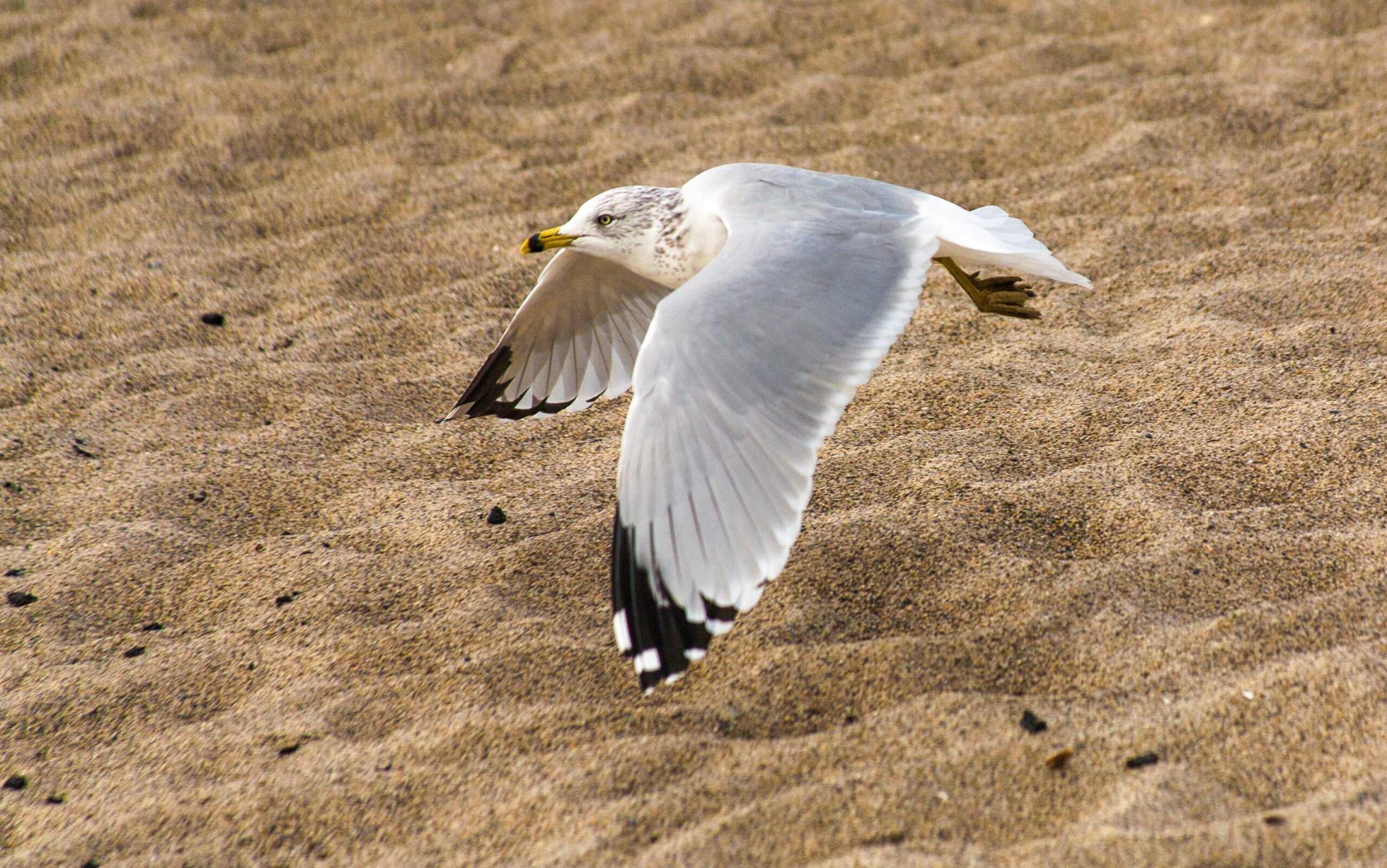 Photo Credit: Hiàn (alt) / Wikimedia Commons
Meet the seagull, or Larus, a bird that embodies the spirit of coastal life. Picture a bright blue sky stretching endlessly above a sandy beach, where these agile birds soar effortlessly on the salty breeze. With their striking white feathers and sharp, intelligent eyes, seagulls are not just beautiful to watch; they are also incredibly adaptable. Their ability to thrive in both natural and urban environments makes them a fascinating subject for scientists and nature lovers alike.
As you stroll along the shore, you might see a seagull diving gracefully into the waves, searching for fish, or perched on a pier, eyeing the bustling activity around it. These birds are opportunistic feeders, meaning they will eat whatever is available, from fish to discarded snacks left by beachgoers. This adaptability is key to their survival and has allowed them to flourish in diverse habitats. With their lively personalities and complex social behaviors, seagulls are more than just a common sight; they are a vital part of the coastal ecosystem, playing important roles as both predators and scavengers. Join us as we dive deeper into the world of seagulls, exploring their behaviors, habitats, and the unique relationships they share with the environment and humans.
Seagulls are intriguing members of the animal kingdom, classified within the vast and diverse realm of birds. They belong to the class Aves, which encompasses all birds, and are part of the order Charadriiformes, a group that includes shorebirds and waders. What sets seagulls apart is their adaptability; they thrive in various environments, from coastal regions to urban areas. Their ability to scavenge and find food in different habitats showcases their intelligence and resourcefulness, making them a familiar sight in many parts of the world.
| Taxonomic Rank | Scientific Name | Meaning & Significance |
|---|---|---|
| Kingdom | Animalia | This name means “animals” in Latin, highlighting that seagulls are multicellular organisms that consume organic material for energy. |
| Phylum | Chordata | Chordata refers to animals with a backbone. Seagulls, like all birds, have a spinal column that supports their body structure. |
| Class | Aves | Aves is the Latin word for “birds.” This classification emphasizes their feathers, which are unique to birds and essential for flight. |
| Order | Charadriiformes | This name combines “Charadrius,” a genus of shorebirds, and “formes,” meaning “shaped like.” It reflects the diverse shapes and sizes of birds in this order. |
| Family | Laridae | The name Laridae comes from the Latin word “larus,” meaning “seagull.” This family includes various gull species known for their adaptability. |
| Genus | Larus | Larus is derived from the Latin word for “gull.” It signifies the typical characteristics of these birds, such as their strong wings and distinctive calls. |
Understanding the taxonomic classification of seagulls reveals much about their evolutionary journey. As members of the Charadriiformes order, they share a common ancestry with other shorebirds, indicating that they have adapted to life near water over millions of years. Their classification within the Laridae family highlights their specialized traits, such as their scavenging behavior and social structures. This evolutionary history not only showcases their resilience but also their role in various ecosystems, where they contribute to the balance of nature.
The evolutionary journey of seagulls stretches back millions of years, tracing their lineage to the early ancestors of modern birds. These ancestors emerged during the late Cretaceous period, around 100 million years ago, when the world was a very different place. As the ages passed, these birds adapted to various environments, leading to the diverse family of gulls we see today, known scientifically as Laridae.
The story of seagulls begins with their distant relatives, the shorebirds, which roamed the Earth alongside dinosaurs. Over time, these early birds developed traits that allowed them to thrive in coastal habitats. One major transition occurred as they adapted to a life near water, leading to the evolution of their webbed feet, which help them swim and take off from the surface of the ocean. Another significant change was the development of their strong, pointed beaks, perfect for catching fish and scavenging for food. As they spread across the globe, seagulls also learned to exploit human environments, showcasing their remarkable adaptability.
These adaptations have been crucial for seagulls’ survival in a changing world. Their webbed feet and strong beaks allow them to exploit a variety of food sources, from fish to discarded human snacks. Their social behavior enhances their chances of finding food and avoiding predators, while their ability to thrive in urban settings demonstrates their remarkable flexibility. As seagulls continue to soar above coastlines and cities alike, they remind us of the power of evolution and the endless possibilities of adaptation in the natural world.
Seagulls are striking birds that command attention with their graceful presence along coastlines and urban areas alike. Their bodies are streamlined, designed for both soaring through the sky and diving for food. With a wingspan that can stretch impressively wide, these birds can glide effortlessly on ocean breezes. Their long legs and webbed feet allow them to navigate both land and water, making them versatile hunters and foragers.
| Feature | Description |
|---|---|
| Height | 11-30 inches |
| Weight | Four ounces to four pounds |
| Most Distinctive Feature | Long bill, hooked at the end |
| Color | Typically white with gray or black markings |
| Skin Type | Feathers, which provide insulation and waterproofing |
These physical traits work together to enhance the seagull’s survival in various environments. The long, hooked bill is perfect for catching fish and scavenging, while their lightweight bodies allow for agile flight. The feathers not only keep them warm but also help them stay dry, which is essential for a bird that spends much of its time near water. With their keen eyesight and adaptability, seagulls thrive in diverse habitats, from sandy beaches to bustling city parks, showcasing their ability to make the most of their surroundings.
Seagulls thrive in a variety of coastal environments, where land meets the sea. Picture sandy beaches, rocky shorelines, and bustling piers filled with the sounds of waves crashing and people enjoying the outdoors. These birds are often seen gliding effortlessly above the water, their wings outstretched against the backdrop of a bright blue sky. They are equally at home on grassy dunes or perched on cliffs, always on the lookout for their next meal.
Seagulls prefer climates that offer a mix of temperate and mild conditions. They are often found in areas where the weather is not too extreme, allowing them to forage for food and nest comfortably. These birds are adaptable and can thrive in both urban settings, like city parks and waterfronts, and natural habitats along the coast. They enjoy environments with plenty of open space, which helps them spot potential food sources and evade predators.
To survive in these diverse habitats, seagulls have developed several clever adaptations. Their strong, pointed wings allow them to soar gracefully over the ocean, conserving energy while searching for fish or scraps of food. Their keen eyesight helps them spot meals from great distances, whether they are diving into the water or scavenging along the beach. Additionally, their ability to thrive in both wild and urban environments showcases their resourcefulness, making them a common sight in many coastal regions around the world.
Seagulls lead vibrant lives filled with activity and adventure. As dawn breaks, these agile birds awaken to the sounds of the ocean and the bustling world around them. Their day often begins with a hearty breakfast, which might include fish, crustaceans, or even scraps left behind by beachgoers. With their keen eyesight, seagulls can spot potential meals from great heights, swooping down to snatch up their food with impressive precision. Throughout the day, they engage in various behaviors, from soaring gracefully on ocean breezes to diving for fish, showcasing their adaptability and resourcefulness.
Socially, seagulls are quite the chatterboxes, often found in large groups known as colonies. These colonies can range from a few dozen to thousands of birds, depending on the location and season. Within these groups, seagulls communicate through a variety of calls and body language, helping to establish social hierarchies and maintain order. They often engage in playful interactions, such as chasing each other or performing aerial acrobatics. This social structure not only strengthens their bonds but also enhances their ability to find food and protect one another from predators.
| Behavior Type | Description |
|---|---|
| Feeding | Seagulls are opportunistic feeders, often scavenging for food along beaches and piers. They can dive for fish or steal from other birds. |
| Social Structure | Seagulls form colonies that help them communicate and protect each other. They establish pecking orders within these groups. |
| Communication | These birds use a range of vocalizations and body movements to convey messages, from warning calls to mating displays. |
The behaviors of seagulls are essential for their survival in the wild. By working together in colonies, they can better locate food and defend against threats. Their ability to adapt to different environments, whether coastal or urban, showcases their resilience. Through social interactions and effective communication, seagulls not only thrive but also create a dynamic community that enhances their chances of survival in a constantly changing world.
Seagulls are opportunistic feeders, meaning they eat a wide variety of foods depending on what is available. As carnivores, they primarily hunt for fish, but their diet can also include insects, earthworms, and even small mammals like rodents. These adaptable birds are known for their clever foraging strategies, often scavenging near human activity or diving into the water to catch their meals. Their ability to thrive in diverse environments allows them to take advantage of different food sources throughout the day.
| Dietary Aspect | Details |
|---|---|
| Diet Type | Carnivore |
| Favorite Foods | Fish, insects, earthworms, rodents, reptiles, amphibians, and birds |
| Prey Items | Small fish, crabs, and various invertebrates |
| Hunting/Foraging Strategies | Diving, scavenging, and stealing food from other birds |
This diverse diet plays a crucial role in the seagull’s ecology and daily routine. By being flexible in their eating habits, seagulls can adapt to changing environments and food availability. This adaptability not only helps them survive but also influences the ecosystems they inhabit. As they scavenge and hunt, seagulls help control populations of smaller animals and contribute to the balance of their coastal habitats. Their daily activities, from foraging to socializing, reflect their role as both predators and scavengers in the vibrant tapestry of life along the shore.
Seagulls are known for their lively courtship rituals, which often take place during the spring and summer months. During this breeding season, male seagulls perform impressive displays to attract females. These displays can include soaring flights, vocal calls, and even presenting food as a gift. Once a pair has formed a bond, they will often mate for life, returning to the same nesting sites year after year. This strong partnership is essential for raising their young, as both parents play a crucial role in the nurturing process.
| Reproductive Aspect | Details |
|---|---|
| Gestation Period | About 3 to 4 weeks |
| Litter Size | Typically 1 to 3 eggs |
| Age of Maturity | 3 to 4 years |
| Name of Young | Chicks |
After the eggs hatch, the chicks are covered in downy feathers and are relatively helpless. However, they quickly learn to follow their parents and are fed a diet of regurgitated food. Parental care is vital during this time, as both mother and father seagull work together to protect and feed their young. As the chicks grow, they develop their flying skills and learn to forage for food. By the time they reach maturity, they are ready to take on the world, often returning to the same nesting grounds to start the cycle anew. This nurturing process highlights the strong family bonds that seagulls form, ensuring the survival of their species.
Seagulls play a vital role in the coastal food web, acting as both predators and prey. These adaptable birds feast on a variety of foods, from fish to discarded human snacks, which places them in a unique position. However, their opportunistic feeding habits also make them vulnerable to various threats in their environment.
To survive these dangers, seagulls have developed several clever strategies. They often nest in colonies, which helps protect them from predators. When threatened, they can be quite vocal, using loud calls to warn others of danger. Additionally, their ability to adapt to urban environments allows them to find food and shelter in places where other birds might struggle. With their keen instincts and social behaviors, seagulls continue to thrive despite the challenges they face.
A keystone species is a vital part of its ecosystem, meaning its presence and activities have a significant impact on the environment and other organisms. Seagulls can be considered a keystone species in coastal ecosystems due to their role in maintaining the balance of various populations. Their feeding habits and interactions with other species help shape the community around them, making them essential players in their habitats.
Seagulls are opportunistic feeders, which means they eat whatever is available, from fish to insects and even human leftovers. This diverse diet allows them to control populations of smaller animals, such as fish and invertebrates, which can prevent any one species from becoming too dominant. For example, by preying on fish, seagulls help maintain healthy fish populations, ensuring that the ecosystem remains balanced. Additionally, their scavenging behavior helps clean up waste, which can reduce the spread of disease among other wildlife.
Moreover, seagulls serve as prey for larger birds of prey and mammals, creating a link in the food web. Their presence supports a variety of predators, which rely on them for sustenance. This interconnectedness highlights how seagulls contribute to the overall health of their coastal environments. Their nesting habits also influence the vegetation in their habitats, as their droppings provide nutrients that promote plant growth, further supporting the ecosystem.
If seagulls were to disappear from their ecosystems, the effects would be profound. Fish populations could surge unchecked, leading to overpopulation and potential collapse of local fisheries. The absence of scavenging seagulls would result in increased waste accumulation, which could foster disease among other wildlife. Additionally, the predators that rely on seagulls for food would struggle to find alternative sources, potentially leading to declines in their populations as well. In essence, the loss of seagulls would ripple through the ecosystem, disrupting the delicate balance that sustains life along our coastlines.
Seagulls occupy a fascinating ecological niche along coastlines and urban areas, where land meets the sea. These adaptable birds thrive in diverse environments, from sandy beaches to bustling piers. Their presence is not just a delightful sight for beachgoers; it plays a crucial role in maintaining the balance of their ecosystems. By foraging for food and interacting with other species, seagulls help shape their surroundings in significant ways.
| Ecosystem Service | Impact |
|---|---|
| Foraging | Seagulls help control fish populations by preying on smaller fish and invertebrates. |
| Scavenging | They clean up waste by consuming leftover food and organic debris, preventing pollution. |
| Seed Dispersal | Seagulls can aid in the spread of plant seeds through their droppings, promoting vegetation growth. |
| Prey for Other Species | As both predator and prey, seagulls support the food web, providing sustenance for larger birds and mammals. |
Seagulls are opportunistic feeders, which means they eat whatever is available. This includes fish, crustaceans, and even human food scraps. By consuming a variety of items, they help regulate populations of these species, ensuring that no single group dominates the ecosystem. For example, when seagulls feast on small fish, they help maintain a balance in the marine food web. Additionally, their scavenging habits contribute to a cleaner environment by reducing waste, which can otherwise lead to pollution and attract pests.
The broader ecological importance of seagulls cannot be overstated. As a keystone species, their activities influence many other organisms in their habitat. By controlling fish populations and cleaning up waste, seagulls help maintain the health of coastal ecosystems. Their role in seed dispersal also supports plant diversity, which is essential for a thriving environment. In essence, seagulls are not just birds soaring above the waves; they are vital players in the intricate web of life that sustains coastal and urban ecosystems.
In the intricate web of life, seagulls engage in various partnerships with other species, showcasing the beauty of symbiosis. Symbiosis refers to the close interactions between different species, which can be beneficial, harmful, or neutral. These relationships can take many forms, such as mutualism, where both species gain advantages, parasitism, where one benefits at the other’s expense, and commensalism, where one species benefits while the other is neither helped nor harmed. Seagulls, with their adaptable nature, often find themselves in these diverse ecological relationships, enriching their lives and the environments they inhabit.
| Species/Type | Relationship Type | Description |
|---|---|---|
| Fish | Mutualistic | Seagulls often feed on fish, helping to control fish populations while benefiting from a reliable food source. |
| Other seabirds | Commensal | Seagulls may follow larger seabirds to scavenge leftovers from their catches, gaining food without affecting the larger birds. |
| Humans | Commensal | Seagulls thrive in urban areas, often scavenging discarded food from human activities, benefiting from our waste without impacting us. |
These relationships have evolved over time, shaped by the needs and behaviors of the species involved. Seagulls have adapted to take advantage of the resources available in their environments, whether it’s following fish or scavenging from human leftovers. This adaptability not only helps seagulls survive but also plays a role in maintaining the balance of their ecosystems. By interacting with other species, seagulls contribute to the dynamic nature of coastal and urban habitats, highlighting the interconnectedness of life on our planet.
Seagulls are often seen as the quintessential birds of the coast, but there’s so much more to these fascinating creatures than meets the eye. Here are some surprising facts that reveal their remarkable adaptations and behaviors.
Seagulls have long been intertwined with human history, serving as both symbols and companions along coastlines. Ancient cultures revered these birds, often associating them with the sea and its mysteries. In many coastal communities, seagulls were seen as messengers of good fortune or harbingers of change. Their presence has inspired countless stories, songs, and artworks, reflecting humanity’s fascination with these agile birds. As people settled near oceans and rivers, seagulls became familiar sights, sharing the bounty of the waters and the vibrant life of bustling harbors.
Today, the relationship between seagulls and humans is complex and multifaceted. While many people appreciate their beauty and adaptability, others view them as pests, especially in urban areas where they scavenge for food. Conservation efforts are underway to protect seagull populations, as some species face threats from habitat loss and pollution. Interestingly, seagulls have also adapted to human environments, often seen foraging in parks, parking lots, and even at outdoor cafes. This adaptability has led to both conflict and coexistence, as these birds navigate the challenges of urban life while still relying on their natural coastal habitats.
As we look to the future, the relationship between seagulls and humanity will likely continue to evolve. With increasing urbanization and climate change, these birds may face new challenges, but their resilience is undeniable. By fostering a deeper understanding of seagulls and their role in our ecosystems, we can work towards a harmonious coexistence. Embracing their presence can enrich our lives, reminding us of the beauty and complexity of the natural world that surrounds us.
Seagulls, often seen gliding gracefully over coastal waters and urban landscapes, currently hold a conservation status of “Least Concern.” This means that, overall, their populations are stable and not facing immediate threats of extinction. In fact, their numbers are estimated to be in the millions, showcasing their adaptability and resilience in various environments. While some local populations may experience fluctuations, the global outlook for seagulls remains positive.
| Conservation Factor | Status/Details |
|---|---|
| IUCN Status | Least Concern |
| Estimated Population Size | Millions |
| Population Trend | Stable |
Despite their overall stable status, seagulls face several challenges that can impact their local populations. Habitat loss due to coastal development and pollution poses significant threats. Additionally, they often encounter dangers from human activities, such as fishing nets and plastic waste, which can lead to injury or death. Climate change also plays a role, as rising sea levels and changing weather patterns can disrupt their breeding and feeding grounds.
Conservation efforts for seagulls focus on habitat protection and pollution reduction. Many organizations work to clean up coastal areas and promote sustainable practices that benefit both wildlife and humans. Public awareness campaigns help educate people about the importance of keeping our oceans clean and protecting the natural habitats where seagulls thrive. With continued efforts, the outlook for seagulls remains bright, ensuring that these iconic birds will continue to grace our shores for generations to come.
| Question | Answer |
|---|---|
| Where do seagulls live? | Seagulls are commonly found along coasts and beaches. They thrive in areas where they can easily access food from the ocean and nearby land. |
| What do seagulls eat? | Seagulls are carnivores, meaning they primarily eat meat. Their diet includes fish, crustaceans, and even scraps from human food, making them opportunistic feeders. |
| How do seagulls behave? | Seagulls are known for their social behavior, often seen in large groups. They communicate with a variety of calls and are also quite intelligent, using tools to access food. |
| How do seagulls reproduce? | Seagulls typically mate for life and build nests on the ground or cliffs. The female usually lays 2 to 3 eggs, which both parents help to incubate until they hatch. |
| What threats do seagulls face? | While seagulls are currently classified as Least Concern, they face threats from habitat loss and pollution. Human activities can disrupt their nesting sites and food sources. |
| What is a unique characteristic of seagulls? | One of the most distinctive features of seagulls is their long bill, which is often hooked at the end. This adaptation helps them catch and eat a variety of prey. |
| Can seagulls drink saltwater? | Yes, seagulls can drink saltwater! They have special glands that filter out the salt, allowing them to stay hydrated even in their coastal habitats. |