Taxonomy & Classification
- Kingdom
- Animalia
- Phylum
- Chordata
- Class
- Mammalia
- Order
- Carnivora
- Family
- Felidae
- Genus
- Leptailurus
- Species
- Leptailurus serval

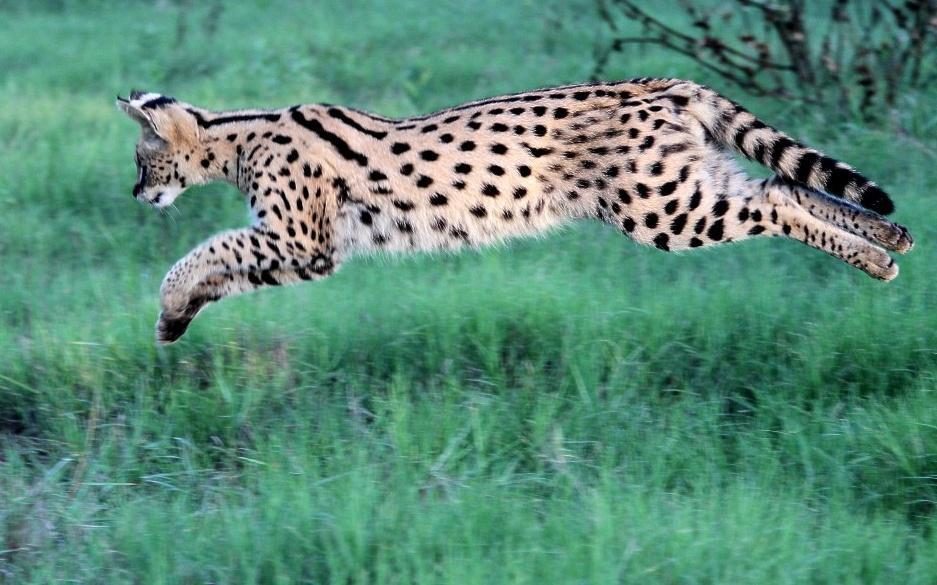 Photo Credit: Loopy30 / Wikimedia Commons
In the sun-drenched grasslands of Africa, the serval, scientifically known as Leptailurus serval, prowls with an elegance that captivates all who encounter it. With its long legs and large, tufted ears, this striking feline is perfectly designed for life in the wild. Imagine a golden landscape where the tall grasses sway gently in the breeze, and the serval’s spotted coat blends seamlessly with its surroundings, allowing it to stalk its prey with stealth and grace. Its keen senses and remarkable agility make it a master hunter, capable of leaping up to ten feet in the air to catch birds mid-flight.
Scientists and nature enthusiasts alike are drawn to the serval not just for its beauty, but also for its unique adaptations. This agile cat thrives in a variety of habitats, from wetlands to savannas, showcasing its versatility in the wild. The serval’s role in the ecosystem is vital, as it helps control populations of small mammals and birds, maintaining a balance in its environment. As we explore the life of the serval, we will uncover the secrets of its behavior, diet, and the fascinating relationships it forms within its habitat, revealing why this remarkable feline continues to inspire awe and curiosity in the hearts of many.
The serval, a sleek and agile feline, occupies a distinctive place in the animal kingdom. Classified within the family Felidae, which includes all cats, the serval is known for its long legs, large ears, and striking coat patterned with spots and stripes. This unique combination of features not only aids in its hunting prowess but also sets it apart from other members of the cat family. With its keen sense of hearing and ability to leap high into the air, the serval is a master of its environment, primarily found in the grasslands and wetlands of Africa.
| Taxonomic Rank | Scientific Name | Meaning & Significance |
|---|---|---|
| Kingdom | Animalia | This name signifies that the serval is part of the broad group of multicellular organisms that are primarily heterotrophic, meaning they consume other organisms for energy. |
| Phylum | Chordata | Chordata refers to animals that have a notochord, a flexible rod that supports the body. In servals, this structure is present during their early development, showcasing their evolutionary link to other vertebrates. |
| Class | Mammalia | Mammalia indicates that servals are warm-blooded animals with fur and mammary glands, which allow females to nurse their young. This class includes all mammals, highlighting their shared characteristics. |
| Order | Carnivora | Carnivora is the order that includes meat-eating mammals. The serval’s sharp teeth and claws are adaptations for hunting, emphasizing its role as a predator in the ecosystem. |
| Family | Felidae | Felidae is the family of cats, which encompasses both big cats like lions and tigers and smaller ones like the serval. This classification reflects their shared traits, such as retractable claws and keen senses. |
| Genus | Leptailurus | Leptailurus comes from Greek roots meaning “slender tail,” which aptly describes the serval’s long, elegant tail that aids in balance and communication. |
| Species | Leptailurus serval | The species name “serval” is derived from the Portuguese word “cerval,” which refers to a type of deer. This connection highlights the serval’s hunting habits, as it often preys on small mammals and birds. |
Understanding the serval’s classification reveals much about its evolutionary history. As a member of the Felidae family, the serval shares a common ancestor with other cats, tracing back millions of years. Its adaptations, such as long legs for running and large ears for detecting prey, illustrate how it has evolved to thrive in its specific habitat. This evolutionary journey not only showcases the serval’s unique traits but also highlights the intricate web of life that connects all species within the animal kingdom.
The evolutionary journey of the serval, a captivating member of the Felidae family, stretches back millions of years. This agile feline, scientifically known as Leptailurus serval, has adapted to its environment in remarkable ways. Its ancestors roamed the Earth during the late Miocene epoch, around 10 million years ago, when the landscape was vastly different, filled with dense forests and open savannas. Over time, these early cats evolved, adapting to changing climates and habitats, leading to the serval we recognize today.
The serval’s lineage can be traced back to small, nimble felids that thrived in diverse environments. As the climate shifted, these ancestors began to favor open grasslands, which provided ample opportunities for hunting. This transition marked a significant evolutionary step, as it led to the development of longer legs and a more slender body, allowing for greater speed and agility. The serval’s large ears, which can rotate independently, evolved to enhance its hearing, making it easier to detect prey hidden in tall grass.
These evolutionary adaptations have been vital for the serval’s survival in the wild. The combination of speed, agility, and keen senses allows it to thrive in the open savannas of Africa, where it hunts a variety of prey. Its ability to blend into its surroundings helps it avoid detection, while its flexible diet ensures it can find food even in challenging conditions. As a result, the serval stands as a testament to the power of evolution, showcasing how species can adapt and flourish in a changing world.
The serval is a striking feline that captures attention with its elegant form and playful demeanor. With long, slender legs and a graceful body, it stands out in the wild. Its most notable features are its large, round ears that resemble dish-shaped satellites, giving it an almost cartoonish charm. These ears are not just for show; they help the serval detect even the faintest sounds of prey in the tall grasses of its savanna home. The serval’s body is built for agility, allowing it to leap high and run swiftly, making it a skilled hunter.
| Feature | Description |
|---|---|
| Weight | 3.5kg – 19kg (7.7lbs – 41.9lbs) |
| Skin Type | Fur |
| Most Distinctive Feature | Large and round dish-like ears |
The serval’s physical characteristics are perfectly suited for its environment and lifestyle. Its lightweight frame allows for quick movements, while its fur provides camouflage among the grasses, helping it blend into its surroundings. The large ears not only enhance its hearing but also contribute to its keen sense of awareness, crucial for spotting potential meals. Together, these features create a feline that is not only beautiful but also a master of survival in the wild.
The serval thrives in a vibrant tapestry of wetlands and grasslands, where the sun-drenched landscape meets shimmering water. Picture vast stretches of golden grasses swaying gently in the breeze, dotted with patches of lush greenery. These habitats are alive with the sounds of chirping birds and rustling leaves, creating a perfect backdrop for this agile feline. The serval’s keen eyes scan the terrain, ready to pounce on unsuspecting prey that flits through the tall grass.
This remarkable cat prefers areas that are not only rich in vegetation but also close to water sources. The climate in these regions is typically warm, with seasonal rains that transform the landscape into a lush paradise. Servals are often found in places where the grass is tall enough to provide cover, allowing them to stalk their prey effectively. The combination of wetland and grassland creates a diverse ecosystem, supporting a variety of animals that the serval can hunt.
To thrive in these specific habitats, the serval has developed several fascinating adaptations. Its long legs allow it to navigate through tall grass with ease, while its keen hearing helps it detect the slightest movements of prey. The serval’s spotted coat provides excellent camouflage, blending seamlessly into the dappled light of its environment. These traits not only enhance its hunting skills but also ensure that it remains a stealthy predator in the wild.
The serval leads a life that is both intriguing and purposeful, primarily active during the twilight hours of dawn and dusk. This crepuscular lifestyle allows the serval to take advantage of cooler temperatures while hunting for its favorite meals, which include small mammals, birds, and even insects. As the sun sets, the serval emerges from its hiding spots, using its keen senses to navigate the tall grasses of its habitat. With its exceptional hearing and sight, this agile feline stalks its prey with stealth and precision, showcasing its remarkable hunting skills.
While servals are generally solitary animals, they do exhibit interesting social behaviors, especially during mating season. Males and females come together briefly to mate, after which they go their separate ways. Outside of this period, servals prefer to maintain their independence, marking their territory with scent markings to communicate their presence to others. This solitary nature helps them avoid competition for food and resources, allowing them to thrive in their chosen environments.
| Behavior Type | Description |
|---|---|
| Activity Patterns | Servals are crepuscular, meaning they are most active during dawn and dusk, which helps them hunt effectively in cooler temperatures. |
| Social Structure | Servals are primarily solitary, preferring to live and hunt alone, except during mating season when they temporarily come together. |
| Communication Methods | They communicate through scent marking and vocalizations, which help establish territory and signal their presence to other servals. |
The behaviors of the serval are finely tuned to ensure its survival in the wild. By being active during the cooler parts of the day, it conserves energy and increases its chances of catching prey. Its solitary nature reduces competition for food, while its keen communication methods help it maintain its territory. Together, these traits make the serval a successful hunter and a master of its environment, showcasing the delicate balance of life in the wild.
The serval is a carnivore, which means it primarily eats meat. This agile feline has a diet that mainly consists of small mammals, birds, and amphibians. With its keen senses and impressive hunting skills, the serval is well-equipped to stalk and capture its prey. It often uses its excellent hearing to locate rodents hiding in the grass, and its long legs allow it to leap high into the air to catch birds in flight.
| Dietary Aspect | Details |
|---|---|
| Diet Type | Carnivore |
| Favorite Foods | Rodents, birds, frogs |
| Prey Items | Small mammals, various bird species, amphibians |
| Hunting Strategies | Stalking, pouncing, leaping |
The serval’s diet plays a crucial role in its ecology and daily routine. By preying on a variety of small animals, it helps maintain the balance of the ecosystem in its habitat. This feline’s hunting activities not only provide it with the energy needed for survival but also influence the populations of its prey species. As a result, the serval’s feeding habits are essential for the health of the grasslands and wetlands it calls home.
When it comes to mating, servals are quite the romantic adventurers! Their breeding season typically peaks during the warmer months, when food is plentiful and the days are longer. Males will often engage in a series of vocalizations, including growls and purrs, to attract females. Once a female is ready to mate, she will signal her interest through specific behaviors, such as rolling on the ground and marking her territory. This courtship can be a lively affair, filled with playful chases and affectionate nuzzles.
| Reproductive Aspect | Details |
|---|---|
| Gestation Period | 72 days |
| Average Litter Size | 2 |
| Age of Sexual Maturity | 18 – 24 months |
| Name of Young | Kitten |
After the gestation period, which lasts about 72 days, the female serval gives birth to a litter of typically two kittens. These tiny furballs are born blind and helpless, relying entirely on their mother for warmth and nourishment. As they grow, the mother provides not just food but also essential lessons in survival. She teaches them how to hunt and navigate their environment, skills that are crucial for their independence. By the time they reach sexual maturity at around 18 to 24 months, these young servals are well-equipped to venture out on their own, ready to embrace the wild world that awaits them.
The serval occupies a fascinating position in the food web, acting as both predator and prey. As a skilled hunter, it primarily feeds on small mammals, birds, and amphibians, showcasing its role as a carnivore. However, this agile feline is not at the top of the food chain. It faces various dangers that threaten its survival in the wild.
To defend itself against these threats, the serval employs a range of survival strategies. Its keen eyesight and acute hearing help it detect danger from afar, allowing it to escape before being spotted. When threatened, the serval can quickly leap into tall grass or dense vegetation, using its camouflage to blend in with the surroundings. This clever feline also relies on its agility and speed to evade larger predators, making it a master of stealth in its vibrant habitat.
A keystone species is a vital part of its ecosystem, playing a crucial role in maintaining the structure and balance of that environment. The serval, with its unique hunting skills and specific habitat needs, qualifies as a keystone species in the wetlands and grasslands it inhabits. By controlling populations of small mammals and birds, the serval helps to ensure that these species do not overpopulate, which could lead to a cascade of negative effects on the ecosystem.
The serval’s impact on its environment is significant. As a carnivore, it primarily preys on small mammals, birds, and amphibians. By keeping these populations in check, the serval helps maintain a healthy balance among various species. For example, if the serval were to decline in numbers, the population of rodents could explode, leading to overgrazing of vegetation. This overgrazing could then affect other animals that rely on those plants for food and shelter, disrupting the entire ecosystem.
Moreover, the serval’s hunting behavior influences the behavior of its prey. The presence of this agile feline encourages smaller mammals to be more cautious and vigilant, which can lead to healthier populations. This dynamic creates a ripple effect, as the behaviors of prey species can impact plant life and the overall health of the habitat. The serval also contributes to nutrient cycling in its environment through its waste, which enriches the soil and supports plant growth.
If the serval were to disappear from its habitat, the consequences could be dire. Without this skilled predator, populations of small mammals could surge, leading to overgrazing and depletion of vegetation. This change would not only affect the plants but also the other animals that depend on those plants for food and shelter. The delicate balance of the ecosystem would be disrupted, potentially leading to a decline in biodiversity and the overall health of the wetlands and grasslands. In essence, the serval is not just a beautiful animal; it is a crucial player in the intricate web of life that sustains its environment.
The serval, a captivating feline native to the wetlands and grasslands of Africa, plays a vital role in its ecosystem. As a carnivore, it helps regulate populations of small mammals, birds, and amphibians, ensuring that no single species dominates the environment. This balance is crucial for maintaining biodiversity, which is the variety of life in a particular habitat. By controlling prey populations, the serval indirectly supports the health of plant life and the overall stability of its ecosystem.
| Ecosystem Service | Impact |
|---|---|
| Population Control | Regulates numbers of small mammals and birds, preventing overpopulation. |
| Seed Dispersal | Through its hunting, it helps disperse seeds from the plants consumed by its prey. |
| Habitat Maintenance | Encourages a diverse range of species by maintaining a balanced food web. |
The serval’s influence can be seen in various ways. For instance, by preying on rodents, it helps keep their populations in check, which in turn prevents overgrazing of vegetation. This is important because healthy plant life supports other animals and insects, creating a rich tapestry of life. Additionally, when servals hunt birds, they help maintain the balance of avian species, ensuring that no single type becomes too dominant. This intricate web of interactions showcases how the serval contributes to a thriving ecosystem.
The broader ecological importance of the serval cannot be overstated. As a keystone species, its presence is essential for the health of its habitat. Without the serval, the delicate balance of the wetlands and grasslands could be disrupted, leading to a decline in biodiversity. This highlights the interconnectedness of all species within an ecosystem, reminding us that every animal, no matter how small, plays a significant role in the grand story of nature. By understanding and protecting the serval, we help safeguard the intricate web of life that sustains our planet.
In the intricate web of life, animals often form partnerships that can be beneficial, harmful, or neutral. These relationships, known as symbiosis, play a crucial role in the survival and thriving of species within their ecosystems. For the serval, a sleek and agile feline, these interactions can range from mutualistic partnerships, where both species gain benefits, to commensal relationships, where one species benefits while the other is neither helped nor harmed. Understanding these connections helps us appreciate the delicate balance of nature and the roles different animals play in their habitats.
| Species/Type | Relationship Type | Description |
|---|---|---|
| Birds (e.g., oxpeckers) | Mutualistic | Oxpeckers feed on ticks and parasites found on the serval’s skin, providing relief to the serval while gaining a meal. |
| Small mammals (e.g., rodents) | Predatory | While not a partnership in the traditional sense, the serval preys on small mammals, helping to control their populations. |
| Plants (e.g., grasses) | Commensal | Grasses provide cover for the serval while it hunts, benefiting from the serval’s presence without being affected. |
These relationships have evolved over time, shaped by the needs and behaviors of the species involved. The serval’s interactions with birds like oxpeckers illustrate a beautiful example of mutualism, where both parties thrive. Meanwhile, the serval’s role as a predator helps maintain the balance of small mammal populations, ensuring that no single species dominates the ecosystem. As these partnerships develop, they contribute to the overall health of the environment, showcasing the interconnectedness of life in the wetlands and grasslands where the serval resides.
The serval is a captivating feline that often surprises those who take the time to learn about it. With its striking appearance and unique behaviors, this agile cat has much to offer to nature enthusiasts.
Throughout history, the serval has captivated human imagination and culture. In various African societies, this elegant feline has been depicted in art and folklore, symbolizing grace and agility. Ancient Egyptians revered cats, and while the serval was not domesticated like the house cat, it still held a place in their mythology. The serval’s striking appearance and hunting prowess have made it a subject of fascination, often representing the wild beauty of the African landscape. As humans have encountered these animals, they have woven stories and meanings around them, highlighting the deep connection between servals and the cultures that share their habitats.
In modern times, the relationship between servals and humans has evolved significantly. Conservation efforts are underway to protect these beautiful cats and their habitats, as they face threats from habitat loss and poaching. However, conflicts can arise when servals venture into agricultural areas, where they may prey on livestock. Some people have even attempted to domesticate servals, leading to a controversial trend of keeping them as exotic pets. While these interactions can foster appreciation for the species, they also raise ethical questions about wildlife conservation and animal welfare. Balancing the needs of servals with human interests is crucial for a harmonious coexistence.
As we look to the future, the relationship between servals and humanity holds both promise and challenges. With increased awareness of conservation needs, there is hope for better protection of these magnificent cats and their habitats. Education and community engagement can foster a deeper understanding of servals, encouraging people to appreciate them in the wild rather than as pets. By promoting coexistence and respecting the natural world, we can ensure that servals continue to thrive alongside us, enriching our lives with their beauty and grace.
The serval, a sleek and agile feline native to Africa, currently holds a conservation status of “Least Concern.” This means that, for now, the serval is not considered at risk of extinction. Its population is estimated to be stable, which is encouraging news for wildlife enthusiasts and conservationists alike. However, ongoing monitoring is essential to ensure that this status remains secure as environmental changes and human activities continue to impact its habitat.
| Conservation Factor | Status/Details |
|---|---|
| IUCN Status | Least Concern |
| Estimated Population Size | Stable |
| Trend Direction | Stable |
Despite its current stable status, the serval faces several threats that could impact its future. Habitat loss is a significant concern, as wetlands and grasslands are increasingly converted for agriculture and urban development. Additionally, hunting and poaching pose risks, as servals are sometimes targeted for their beautiful fur. These pressures can disrupt their natural behaviors and reduce their available living space, making it crucial to address these challenges.
Conservation efforts are underway to protect the serval and its habitat. Various organizations are working to raise awareness about the importance of preserving wetlands and grasslands, which are vital for the serval’s survival. Protected areas and wildlife reserves play a key role in safeguarding these habitats. With continued support and effective conservation strategies, the outlook for the serval remains hopeful, allowing future generations to appreciate this elegant feline in the wild.
| Question | Answer |
|---|---|
| What is the natural habitat of a Serval? | Servals thrive in wetlands and grasslands, often found near water sources. These environments provide them with plenty of cover and hunting opportunities, as they are skilled at stalking their prey through tall grasses. |
| What do Servals eat? | As carnivores, Servals primarily hunt small mammals, birds, and insects. Their keen senses and agile bodies make them excellent hunters, allowing them to catch prey with impressive speed and precision. |
| How do Servals behave in the wild? | Servals are solitary animals, meaning they prefer to live alone except during mating season or when a mother is raising her kittens. They are also known for their playful nature, often engaging in leaps and pounces, which helps them practice their hunting skills. |
| How do Servals reproduce? | During mating season, female Servals attract males with vocalizations and scent markings. After a gestation period of about 70 to 75 days, the female gives birth to a litter of one to four kittens, which she raises alone until they are old enough to hunt. |
| What threats do Servals face? | While Servals are currently classified as Least Concern, they still face threats from habitat loss and hunting. As human development expands, their natural habitats are being destroyed, which can lead to a decline in their populations. |
| What is a unique characteristic of the Serval? | One of the most distinctive features of the Serval is its large, round, dish-like ears. These ears are not just for show; they help the Serval detect sounds from far away, making it easier to locate prey hidden in the grass. |
| Can Servals be kept as pets? | While some people may be tempted to keep Servals as pets, they are wild animals with specific needs that are difficult to meet in a home environment. Additionally, owning a Serval may be illegal in some areas, so it's important to research local laws and consider the animal's welfare before making such a decision. |