Taxonomy & Classification
- Kingdom
- Animalia
- Phylum
- Chordata
- Class
- Actinopterygii
- Order
- Characiformes
- Family
- Characidae
- Genus
- Metynnis

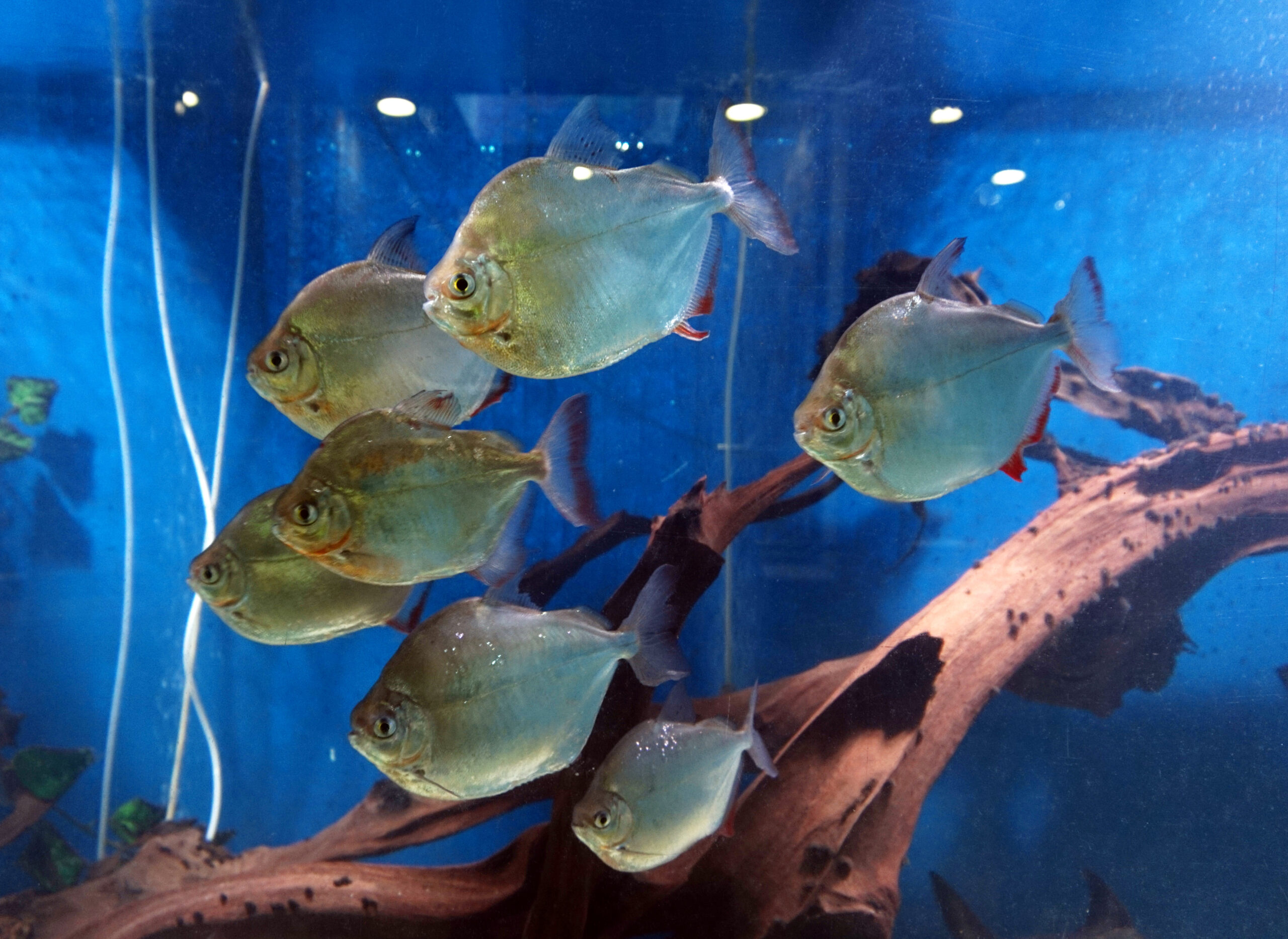 Photo Credit: Kulmalukko / Wikimedia Commons
In the shimmering waters of South America, the Silver Dollar, scientifically known as Metynnis, glides gracefully through its lush habitat. With its distinctive flat, disc-shaped body that resembles a shiny coin, this captivating fish captures the attention of anyone lucky enough to spot it. The sunlight dances on its silvery scales, creating a mesmerizing display that reflects the vibrant life of the tropical rivers it calls home. Scientists and nature enthusiasts alike are drawn to the Silver Dollar not just for its beauty, but also for its intriguing behaviors and vital role in the ecosystem.
Imagine a winding river, its banks adorned with dense greenery, where the Silver Dollar swims in schools, darting among the submerged plants and floating debris. These fish are most active during the day, showcasing their playful nature as they explore their surroundings. Their omnivorous diet, which includes both plant matter and small invertebrates, highlights their adaptability in the wild. As we dive deeper into the world of the Silver Dollar, we will uncover the secrets of its life cycle, its interactions with other species, and the important role it plays in maintaining the balance of its aquatic environment. Join us on this adventure to learn more about this remarkable fish and the vibrant ecosystem it inhabits.
The Silver Dollar, scientifically known as Metynnis, occupies a distinctive position in the tree of life. This freshwater fish belongs to the kingdom Animalia, which includes all animals, and is part of the phylum Chordata, characterized by having a backbone. What sets the Silver Dollar apart is its unique disc-shaped body, which not only gives it its name but also aids in its ability to navigate through the waters of South America, where it is commonly found. With its shimmering scales that reflect light like a silver coin, this fish is not just a visual delight but also an important part of its ecosystem.
| Taxonomic Rank | Scientific Name | Meaning & Significance |
|---|---|---|
| Kingdom | Animalia | This term means “animals” in Latin, encompassing all multicellular organisms that are heterotrophic, meaning they consume organic material for energy. |
| Phylum | Chordata | Derived from the Greek word “chordē,” meaning “string,” this phylum includes animals with a notochord, a flexible rod that supports the body, at some stage of development. |
| Class | Actinopterygii | This class, meaning “ray-finned fishes,” refers to fish that have fins supported by bony rays, allowing for a wide range of movement in the water. |
| Order | Characiformes | From the Greek “charax,” meaning “sharp,” this order includes many species known for their sharp teeth and vibrant colors, often found in freshwater habitats. |
| Family | Characidae | This family name comes from the same root as the order, highlighting the sharpness of their teeth and their diverse adaptations in freshwater environments. |
| Genus | Metynnis | The name “Metynnis” is derived from the indigenous term for these fish, reflecting their cultural significance and the unique characteristics that distinguish them from other genera. |
Understanding the Silver Dollar’s classification reveals much about its evolutionary journey. As a member of the Characidae family, it shares a common ancestry with other freshwater fish, showcasing adaptations that have allowed it to thrive in diverse aquatic environments. Its unique body shape and social behavior, often seen swimming in schools, highlight the evolutionary pressures that have shaped its survival strategies. By studying the Silver Dollar, we gain insights into the intricate web of life in freshwater ecosystems and the evolutionary paths that have led to the rich diversity of species we see today.
The evolutionary journey of the Silver Dollar, or Metynnis, stretches back millions of years, tracing its roots to the ancient waters of South America. This captivating fish belongs to the family Characidae, which is known for its diverse and colorful members. The timeline of its evolution reveals a story of adaptation and survival, shaped by the changing environments of rivers and lakes.
Ancestral forms of the Silver Dollar likely resembled other early characins, small fish that thrived in freshwater habitats. Over time, these ancestors underwent significant changes, adapting to their surroundings. One major transition was the development of a flattened, disc-like body shape, which not only aids in maneuverability but also helps them evade predators. As they evolved, their diet shifted, allowing them to become more versatile feeders, consuming a variety of plant matter and small invertebrates. This adaptability was crucial as it enabled them to thrive in different aquatic environments, from slow-moving rivers to still ponds.
These evolutionary adaptations have played a vital role in the survival of the Silver Dollar. The flattened body shape not only enhances their agility but also allows them to blend into their surroundings, making it harder for predators to spot them. Their ability to feed on a wide range of plant materials ensures they can find food in various habitats, while their schooling behavior provides safety in numbers. Together, these traits have helped the Silver Dollar thrive in the ever-changing waters of South America, showcasing the wonders of evolution in action.
The Silver Dollar is a striking fish that captures attention with its flat, disc-shaped body. This unique form gives it a sleek, almost coin-like appearance, allowing it to glide gracefully through the water. Its body is not just for show; it helps the fish navigate its environment with ease, making quick turns and dodging potential predators. The overall impression is one of elegance and agility, a true marvel of aquatic design.
| Feature | Description |
|---|---|
| Size | Typically grows to about 6 inches in length |
| Color | Shimmering silver with hints of green or blue |
| Skin Type | Covered in smooth, reflective scales |
| Body Shape | Flat and disc-like, resembling a silver dollar coin |
These features work together to enhance the Silver Dollar’s survival in its natural habitat. The flat body allows it to blend in with the shimmering surface of the water, making it less visible to predators lurking below. Its reflective scales not only add to its beauty but also help in camouflage, as they can mimic the light patterns of the surrounding environment. This combination of form and function makes the Silver Dollar a master of evasion, thriving in the vibrant ecosystems of South American rivers and lakes.
The Silver Dollar, known scientifically as Metynnis, thrives in the lush, vibrant waters of tropical rivers. Picture a winding river, its banks lined with dense vegetation, where sunlight filters through the leaves, creating a dappled effect on the water’s surface. These rivers are often teeming with life, from colorful plants to a variety of fish darting among the shadows. The Silver Dollar finds its home in these well-vegetated areas, where it can easily navigate through the underwater foliage, seeking both food and shelter.
The climate in these regions is typically warm and humid, with temperatures often ranging from 75 to 85 degrees Fahrenheit. The waters are usually slow-moving and rich in nutrients, providing an ideal environment for the Silver Dollar. These fish prefer areas with plenty of plants, as the vegetation not only offers hiding spots from predators but also serves as a source of food. The combination of warm temperatures and abundant plant life creates a thriving ecosystem that supports the Silver Dollar and its companions.
Adapted to its habitat, the Silver Dollar has developed several traits that enhance its survival. Its flat, disc-shaped body allows it to maneuver easily among the plants, while its silver coloration helps it blend in with the shimmering water. This camouflage is crucial for evading predators. Additionally, the Silver Dollar is a social fish, often found in schools, which provides safety in numbers. By living in groups, they can better protect themselves from threats while also enjoying the benefits of foraging together in their lush, tropical home.
The daily life of a Silver Dollar is a captivating blend of activity and tranquility. These fish are most active during the day, swimming gracefully through their freshwater habitats. They spend their time foraging for food, which mainly consists of plant matter, small insects, and algae. As they glide through the water, their flat, disc-shaped bodies allow them to maneuver easily among the aquatic plants. This agility helps them avoid predators while searching for their next meal.
Socially, Silver Dollars are known for their strong group dynamics. They thrive in schools, which are groups of fish that swim together for safety and social interaction. Being part of a school provides them with protection against larger predators, as there is safety in numbers. Within these schools, Silver Dollars communicate through subtle movements and body language, signaling to one another when to swim faster or change direction. This social behavior not only enhances their survival but also fosters a sense of community among them.
| Behavior Type | Description |
|---|---|
| Activity Patterns | Active during the day, foraging for food and swimming in schools. |
| Social Structure | Live in schools for safety and social interaction, enhancing their survival. |
| Communication Methods | Use body language and movements to signal to each other within the school. |
The behaviors of Silver Dollars are essential for their survival in the wild. By swimming in schools, they reduce the risk of being targeted by predators, as a larger group can confuse and deter attackers. Their ability to communicate effectively within the school ensures that they can respond quickly to threats and changes in their environment. This combination of social behavior and adaptability not only helps them thrive but also enriches the vibrant ecosystems they inhabit.
The Silver Dollar, or Metynnis, has a diverse diet that reflects its omnivorous nature. This means it enjoys a variety of foods, both plant and animal-based. In the wild, these fish primarily feed on small invertebrates, which are tiny animals without backbones, like insects and worms. They are also known to munch on aquatic plants, making their meals a delightful mix of greens and proteins. Silver Dollars are social eaters, often foraging in groups, which helps them find food more efficiently and stay safe from predators.
| Dietary Aspect | Details |
|---|---|
| Diet Type | Omnivore |
| Favorite Foods | Small invertebrates and aquatic plants |
| Prey Items | Insects, worms, and other tiny creatures |
| Hunting/Foraging Strategies | Forages in groups, using social behavior to locate food |
This varied diet plays a crucial role in the Silver Dollar’s ecology and daily routine. By consuming both plant matter and small animals, these fish help maintain the balance of their aquatic environment. Their foraging behavior not only supports their own health but also contributes to the overall health of their habitat. As they swim through the waters, they are not just searching for food; they are also participating in a complex web of life that connects many species in their ecosystem.
The mating behavior of Silver Dollars is a lively spectacle, especially during their breeding season, which typically occurs in warmer months. During this time, males become particularly vibrant, showcasing their bright colors to attract females. They engage in a fascinating courtship dance, swimming in circles and nudging the females to encourage them to spawn. This energetic display is not just for show; it helps ensure that the females are ready to lay their eggs, which can happen in shallow waters among plants or debris.
| Reproductive Aspect | Details |
|---|---|
| Gestation Period | 3 days |
| Average Litter Size | 2,000 |
| Age of Maturity | 6 months |
| Name of Young | Fry |
Once the eggs are laid, the Silver Dollar parents take a step back, allowing nature to take its course. The eggs hatch into tiny fry, which are incredibly small and vulnerable. These young fish are on their own from the start, but they quickly learn to navigate their environment. As they grow, they develop the skills needed to find food and avoid predators. Within just a few months, these fry mature into young adults, ready to join the vibrant community of Silver Dollars in their freshwater homes. The journey from egg to adult is a remarkable transformation, showcasing the resilience and adaptability of these fascinating fish.
The Silver Dollar, or Metynnis, plays an intriguing role in its aquatic food web. As a freshwater fish, it occupies a middle position, feeding on a variety of plant matter and small invertebrates while also serving as a meal for larger predators. This balance is crucial for maintaining the health of its ecosystem, but it also means that the Silver Dollar faces numerous dangers in its natural habitat.
To survive against these threats, Silver Dollars have developed several clever defensive behaviors. They often swim in schools, which provides safety in numbers, making it harder for predators to single out an individual fish. Additionally, their flat, disc-shaped bodies allow them to quickly dart into dense vegetation, where they can hide from hungry eyes. By using these strategies, Silver Dollars increase their chances of evading danger and thriving in their vibrant, watery world.
A keystone species is a vital part of its ecosystem, meaning its presence and activities have a significant impact on the environment and other organisms. The Silver Dollar, or Metynnis, qualifies as a keystone species in its tropical river habitat. This fish plays a crucial role in maintaining the balance of its ecosystem, influencing both the plant life and the animal communities around it.
Silver Dollars are omnivores, which means they eat both plants and small animals. By feeding on aquatic plants and algae, they help control plant growth, preventing any one species from dominating the environment. This grazing behavior promotes biodiversity, allowing various plant species to thrive. Additionally, their diet includes small invertebrates, which helps regulate those populations, ensuring that no single species becomes too abundant. This balance is essential for the health of the entire ecosystem.
Moreover, Silver Dollars are social fish that swim in schools. This group behavior not only provides safety in numbers from predators but also influences the movement of nutrients and energy through the water. As they swim together, they stir up sediment and organic matter, which can enhance the growth of beneficial microorganisms. These microorganisms, in turn, support the food web, benefiting other fish and aquatic life.
If Silver Dollars were to disappear from their habitat, the effects would ripple throughout the ecosystem. Without their grazing, certain plant species could overgrow, choking out others and reducing biodiversity. The imbalance in invertebrate populations could lead to overpopulation of some species, which might disrupt the food chain. Larger predators that rely on Silver Dollars as a food source would also suffer, potentially leading to their decline. In essence, the absence of this remarkable fish would create a cascade of changes, threatening the health and stability of the entire river ecosystem.
The Silver Dollar, scientifically known as Metynnis, plays a crucial role in its ecosystem, particularly in the lush, tropical rivers of South America. This fascinating fish occupies a unique ecological niche, where it contributes to the health and balance of its aquatic environment. By feeding on a variety of plant matter and small invertebrates, the Silver Dollar helps control algae growth and supports the overall biodiversity of its habitat. Its presence is essential for maintaining the intricate web of life that thrives in these vibrant waters.
| Ecosystem Service | Impact |
|---|---|
| Algae Control | Prevents overgrowth, promoting a balanced aquatic environment. |
| Nutrient Cycling | Contributes to the breakdown of organic matter, enriching the water. |
| Food Source | Serves as prey for larger fish and birds, supporting the food web. |
| Habitat Structure | Influences the growth of aquatic plants, providing shelter for other species. |
The Silver Dollar’s influence extends beyond its immediate feeding habits. For instance, as it grazes on aquatic plants, it helps maintain healthy vegetation levels, which in turn provides shelter and breeding grounds for various fish and invertebrate species. This interaction fosters a diverse community of organisms, each playing its part in the ecosystem. Additionally, the Silver Dollar’s waste products enrich the water with nutrients, supporting the growth of algae and other plants that are vital for the survival of many aquatic creatures.
The broader ecological importance of the Silver Dollar cannot be overstated. As a keystone species, its activities significantly shape the structure and function of its habitat. By maintaining balance within the ecosystem, the Silver Dollar ensures that a variety of life forms can thrive alongside it. This interconnectedness highlights the delicate nature of freshwater ecosystems and the vital roles that each species, including the Silver Dollar, plays in sustaining the health of our planet’s waterways.
In the intricate web of life, symbiosis refers to the close and often long-term interactions between different species. These relationships can take many forms, including mutualism, where both species benefit, parasitism, where one benefits at the expense of the other, and commensalism, where one benefits while the other is neither helped nor harmed. Understanding these ecological relationships helps us appreciate the balance of nature and the roles that various species play in their environments.
| Species/Type | Relationship Type | Description |
|---|---|---|
| Water Hyacinth | Mutualistic | The Silver Dollar benefits from the shade and shelter provided by the water hyacinth, while the plant benefits from the nutrients released in the water by the fish. |
| Cleaner Fish | Mutualistic | Silver Dollars may interact with small cleaner fish that remove parasites from their skin, promoting health for both species. |
| Leeches | Parasitic | Leeches attach to Silver Dollars to feed on their blood, which can weaken the fish if the infestation is severe. |
| Snails | Commensal | Snails may inhabit the same waters as Silver Dollars, feeding on algae without affecting the fish, benefiting from the same habitat. |
These relationships have evolved over time, shaped by the needs and behaviors of the species involved. Mutualistic partnerships, like those with water hyacinths and cleaner fish, enhance the survival and health of the Silver Dollar, while parasitic interactions with leeches can pose challenges. Commensal relationships, such as those with snails, illustrate how different species can coexist in the same environment, each playing a role in the ecosystem. By understanding these connections, we gain insight into the delicate balance of life in tropical rivers and the importance of every species in maintaining that balance.
The Silver Dollar, known scientifically as Metynnis, is a captivating fish that swims through the vibrant waters of South America. With its unique shape and fascinating behaviors, this fish has much more to offer than meets the eye.
The Silver Dollar, or Metynnis, has a rich history intertwined with human culture and exploration. Indigenous peoples of South America have long revered this striking fish, often incorporating it into their diets and traditional practices. The shimmering, coin-like appearance of the Silver Dollar has also made it a symbol of prosperity and abundance in various cultures. As explorers and naturalists ventured into the Amazon and other tropical rivers, they documented the beauty and significance of this fish, further embedding it into the tapestry of human fascination with the natural world.
Today, the relationship between Silver Dollars and humanity is multifaceted, encompassing conservation efforts, aquaculture, and even the aquarium trade. As habitats face threats from pollution and deforestation, conservationists work tirelessly to protect the delicate ecosystems where these fish thrive. In some regions, Silver Dollars are bred in captivity for the aquarium industry, allowing enthusiasts to enjoy their beauty while reducing pressure on wild populations. However, conflicts can arise when these fish are introduced into non-native environments, where they may disrupt local ecosystems. This highlights the need for responsible practices in both conservation and aquaculture.
As we look to the future, the relationship between Silver Dollars and humanity will likely evolve. With increasing awareness of environmental issues, there is hope for more sustainable practices in aquaculture and conservation. By fostering a deeper understanding of the ecological roles these fish play, we can ensure that future generations appreciate and protect the vibrant ecosystems they inhabit. The journey of the Silver Dollar continues, reminding us of the intricate connections between all living beings and the importance of stewardship in our shared world.
The Silver Dollar, scientifically known as Metynnis, currently holds a conservation status of “Least Concern” according to the International Union for Conservation of Nature (IUCN). This means that, at present, the species is not facing any immediate threat of extinction. Population estimates suggest that Silver Dollars are relatively stable, allowing them to thrive in their natural habitats across tropical rivers in South America. However, ongoing monitoring is essential to ensure that their populations remain healthy and robust.
| Conservation Factor | Status/Details |
|---|---|
| IUCN Status | Least Concern |
| Population Estimates | Stable |
| Trend Direction | Stable |
Despite their current stable status, Silver Dollars face several threats that could impact their future. Habitat destruction is a significant concern, as deforestation and pollution can degrade the lush river environments they depend on. Additionally, overfishing and the aquarium trade can put pressure on local populations, especially in areas where these fish are highly sought after. Climate change also poses a risk, as rising water temperatures and altered rainfall patterns can disrupt their habitats.
Conservation efforts are underway to protect the Silver Dollar and its environment. Organizations are working to promote sustainable fishing practices and raise awareness about the importance of preserving freshwater ecosystems. By protecting their habitats and ensuring responsible trade practices, we can help maintain the delicate balance of life in these vibrant rivers. With continued efforts, the outlook for the Silver Dollar remains hopeful, allowing future generations to appreciate this captivating fish.
| Question | Answer |
|---|---|
| What is the natural habitat of the Silver Dollar? | Silver Dollars thrive in tropical well-vegetated rivers. These environments provide plenty of plants and hiding spots, which are essential for their safety and comfort. |
| What do Silver Dollars eat? | Silver Dollars are omnivores, meaning they eat both plants and animals. Their diet includes aquatic plants, algae, and small invertebrates, which helps them stay healthy and energetic. |
| How do Silver Dollars behave in the wild? | These fish are known for their peaceful nature and often swim in schools. This social behavior helps them feel secure and allows them to communicate with each other through body language. |
| How do Silver Dollars reproduce? | During breeding, Silver Dollars lay eggs in shallow areas of their habitat. The males will often display vibrant colors to attract females, and after the eggs are laid, both parents may guard the area to protect their young. |
| What threats do Silver Dollars face in the wild? | While Silver Dollars are currently classified as Least Concern, they face threats from habitat destruction and pollution. Changes in their environment can impact their food sources and breeding grounds. |
| What is the most distinctive feature of Silver Dollars? | The most distinctive feature of Silver Dollars is their flat, disc-shaped body. This unique shape helps them navigate through dense vegetation and evade predators in their natural habitat. |
| Can Silver Dollars be kept in aquariums? | Yes, Silver Dollars are popular in home aquariums due to their striking appearance and friendly nature. However, they require a spacious tank with plenty of plants and swimming space to thrive. |