Taxonomy & Classification
- Kingdom
- Animalia
- Phylum
- Chordata
- Class
- Reptilia
- Order
- Testudines
- Family
- Chelydridae
- Genus
- Chelydra
- Species
- Chelydridae

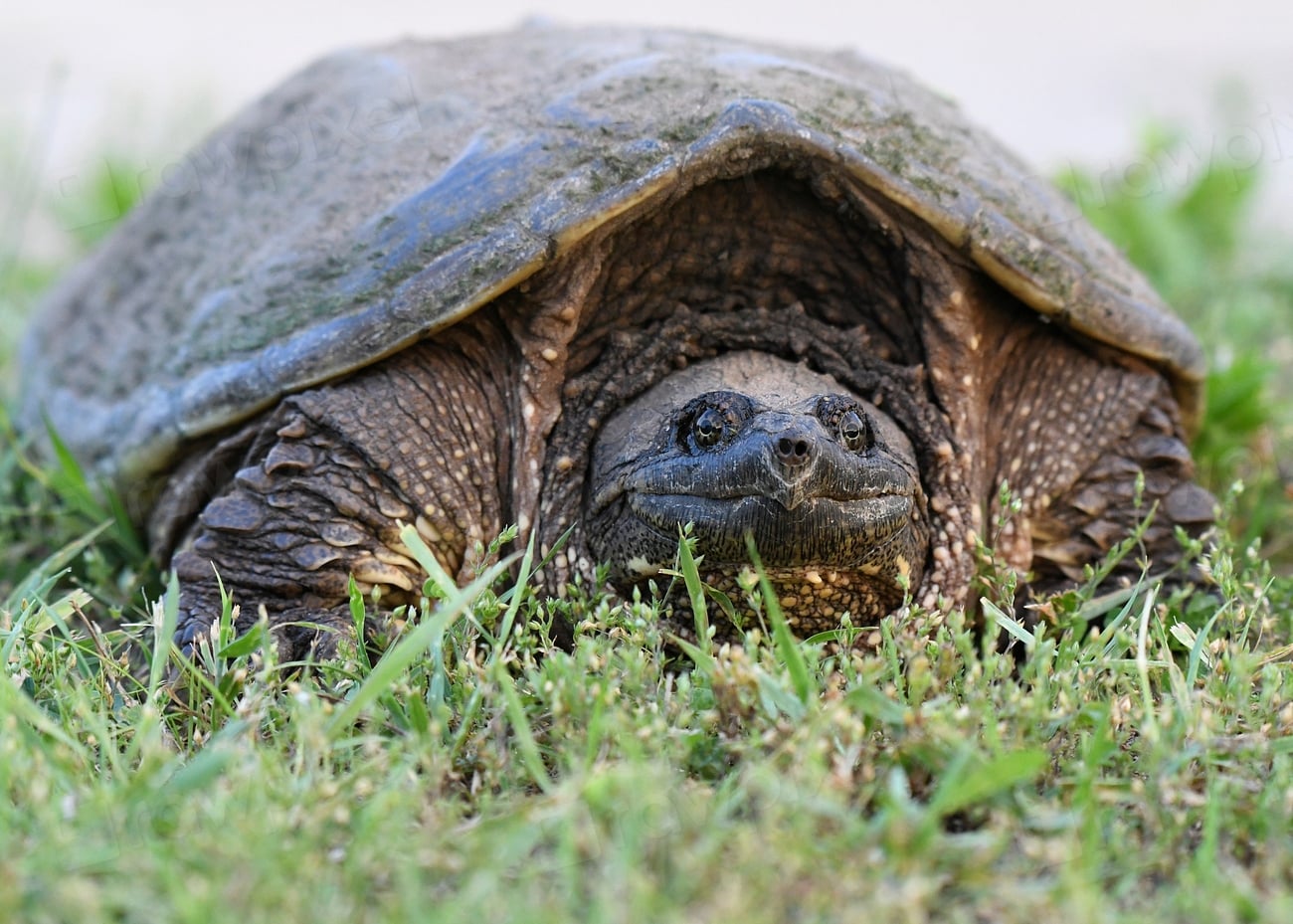 Photo Credit: U.S. Fish and Wildlife Service / Rawpixel
In the tranquil waters of North America’s rivers and lakes, the snapping turtle, known scientifically as Chelydra serpentina, glides through its aquatic realm with an air of ancient wisdom. With a shell that resembles a rugged, weathered rock and a powerful beak-like jaw, this reptile is a living link to a time when dinosaurs roamed the Earth. Its distinctive features, including a long tail and a head that can turn quickly, make it a fascinating subject for scientists and nature lovers alike. Observing a snapping turtle in its natural habitat is like stepping into a prehistoric world, where survival is a daily adventure.
As the sun rises, the snapping turtle emerges from the depths, basking on a sun-warmed log or the muddy banks of a serene marsh. Its keen eyes scan the surroundings, ready to catch a glimpse of fish, frogs, or even the occasional bird that wanders too close. This omnivorous diet not only showcases its adaptability but also highlights its role as a keystone species, meaning it helps maintain the balance of its ecosystem. With a history that stretches back over 75 million years, the snapping turtle is not just a creature of the water; it is a testament to the resilience of life on Earth, captivating the hearts and minds of those who seek to understand the wonders of the natural world.
The snapping turtle, a captivating member of the animal kingdom, holds a special place in the tree of life. Scientifically classified under the phylum Chordata, which includes all animals with a backbone, this ancient reptile belongs to the class Reptilia and the order Testudines, which encompasses all turtles. What sets snapping turtles apart is their powerful jaws and distinctive, serrated shells, which give them a prehistoric appearance. These features not only make them formidable predators but also highlight their evolutionary adaptations that have allowed them to thrive in freshwater habitats for millions of years.
| Taxonomic Rank | Scientific Name | Meaning & Significance |
|---|---|---|
| Kingdom | Animalia | This name signifies that snapping turtles are part of the vast group of multicellular organisms known as animals, which are characterized by their ability to move and respond to their environment. |
| Phylum | Chordata | Chordata means “having a notochord,” a flexible rod that supports the body. In snapping turtles, this structure is replaced by a backbone, a key feature of vertebrates. |
| Class | Reptilia | Reptilia refers to reptiles, which are cold-blooded animals that lay eggs and have scaly skin. Snapping turtles exemplify these traits, thriving in various climates. |
| Order | Testudines | Testudines comes from the Latin word for turtle. This order is defined by the presence of a bony or cartilaginous shell that protects the animal, a hallmark of turtles. |
| Family | Chelydridae | Chelydridae is derived from the Greek word “chelydra,” meaning “tortoise.” This family includes snapping turtles, known for their strong, snapping jaws. |
| Genus | Chelydra | The genus name Chelydra emphasizes the turtle’s unique characteristics, particularly its large size and aggressive behavior when threatened. |
Understanding the snapping turtle’s classification reveals much about its evolutionary journey. As a member of the ancient lineage of reptiles, snapping turtles have adapted to their environments over millions of years, developing traits that enhance their survival. Their powerful jaws and robust shells are not just for show; they are essential tools for hunting and defense. This classification not only highlights their biological connections to other reptiles but also underscores their role in the ecosystem as both predator and prey, showcasing the intricate web of life that has evolved over time.
The evolutionary journey of the snapping turtle stretches back millions of years, tracing its roots to the late Cretaceous period, around 75 million years ago. This ancient lineage has seen the snapping turtle adapt and thrive through dramatic changes in climate and environment, evolving into the resilient species we recognize today. As one of the oldest living turtle lineages, snapping turtles have weathered the storms of time, showcasing a remarkable ability to survive and adapt.
The ancestors of modern snapping turtles belonged to a group of reptiles known as archosaurs, which also included dinosaurs and crocodiles. Over time, these early turtles began to develop distinct features that set them apart. One major transition occurred when turtles started to develop their hard shells, providing protection from predators. This adaptation was crucial, as it allowed them to retreat into their shells when threatened. As the environment continued to change, snapping turtles evolved a powerful beak-like jaw, enabling them to grasp and crush prey with ease. This adaptation was particularly beneficial as it allowed them to take advantage of a diverse diet, including fish, amphibians, and even small mammals.
The adaptations of the snapping turtle have played a vital role in its survival. With strong jaws and a long neck, it can efficiently hunt and capture prey, while its camouflage provides an extra layer of protection against predators. This combination of features allows snapping turtles to thrive in diverse environments, ensuring their place in the ecosystem for millions of years. As they continue to navigate the waters of their habitats, these ancient reptiles remind us of the power of evolution and the intricate web of life on our planet.
The snapping turtle is a striking figure in the world of reptiles, with a robust and somewhat prehistoric appearance. Its shell, a hard protective covering, is often rugged and textured, giving it a rugged charm. The turtle’s body is stout and powerful, with a broad head that features a strong jaw capable of delivering a formidable bite. Its limbs are short but muscular, allowing it to navigate both water and land with surprising agility. The overall impression is one of strength and resilience, perfectly adapted to its environment.
| Feature | Description |
|---|---|
| Weight | 10 – 35 lbs. |
| Shell Color | Dark brown to olive green, often with a mottled pattern |
| Skin Type | Scales, providing protection and a rough texture |
| Head | Broad with a strong jaw and sharp beak-like mouth |
| Limbs | Short and muscular, equipped with webbed feet for swimming |
These physical features work together to create a creature that is both formidable and well-suited for survival. The snapping turtle’s heavy shell not only protects it from predators but also helps it blend into its muddy surroundings. Its powerful jaws are perfect for catching prey, while its webbed feet allow for efficient swimming in rivers and ponds. This combination of strength, camouflage, and adaptability makes the snapping turtle a true survivor in its aquatic habitat.
The snapping turtle thrives in a variety of watery environments, painting a picture of life along the edges of slow-moving rivers, serene lakes, and lush marshlands. These habitats are often rich with vegetation, providing both shelter and food. The murky waters are perfect for these turtles, allowing them to blend in with their surroundings as they hunt for fish, amphibians, and even plants. Imagine a peaceful scene where the sun glimmers on the water’s surface, and the gentle sounds of nature surround a snapping turtle as it basks on a warm rock or glides silently beneath the surface.
Snapping turtles prefer climates that range from temperate to subtropical, which means they enjoy warm summers and cooler winters. They are often found in areas where the water temperature can fluctuate, but they need access to shallow waters for nesting and feeding. These turtles are quite adaptable, but they thrive best in environments where they can easily find food and have places to hide from predators. The presence of aquatic plants and soft mud at the bottom of their habitats is essential for their survival, as it provides both nourishment and a safe haven.
Over time, snapping turtles have developed several adaptations that help them thrive in these specific habitats. Their strong, powerful jaws allow them to catch a variety of prey, while their camouflaged shells help them avoid detection by both predators and unsuspecting meals. They are also excellent swimmers, using their webbed feet to navigate through the water with ease. When the weather turns cold, snapping turtles can enter a state of brumation, similar to hibernation, allowing them to survive in cooler temperatures until spring returns. These adaptations make them well-suited to their watery homes, ensuring their survival in a changing world.
The daily life of a snapping turtle is a blend of quiet observation and strategic movement. These reptiles are primarily active during the warmer months, basking in the sun to warm their bodies and diving into the water to hunt for food. Their diet consists of a mix of plants, fish, and small animals, making them opportunistic feeders. As the sun sets, snapping turtles often become more active, searching for their next meal in the murky waters where they can stealthily approach their prey.
While snapping turtles are mostly solitary creatures, they do have interesting interactions with one another, especially during the breeding season. Males and females come together to mate, but outside of this time, they prefer to keep to themselves. When they do encounter each other, snapping turtles communicate through body language, using their powerful jaws and movements to establish dominance or show submission. This behavior helps them avoid unnecessary conflicts, allowing them to focus on survival.
| Behavior Type | Description |
|---|---|
| Activity Patterns | Active during warm months, basking in the sun and hunting at dusk. |
| Social Structure | Primarily solitary, coming together only for mating. |
| Communication Methods | Use body language and movements to convey dominance or submission. |
The behaviors of snapping turtles are finely tuned to ensure their survival in the wild. By being solitary, they reduce competition for food and minimize the risk of confrontation with other turtles. Their ability to communicate effectively, even without vocal sounds, allows them to navigate social interactions when necessary. This combination of strategies helps them thrive in their aquatic habitats, making them well-adapted survivors in the ever-changing world around them.
The snapping turtle is an omnivore, which means it enjoys a varied diet that includes both plants and animals. This adaptable eater has a particular fondness for fish, birds, and frogs, making it a versatile predator in its watery habitat. Snapping turtles are known for their patient hunting style; they often lie in wait, camouflaged among the mud and vegetation, until their prey comes close enough to catch. With their powerful jaws and quick reflexes, they can snap up a meal in the blink of an eye.
| Dietary Aspect | Details |
|---|---|
| Diet Type | Omnivore |
| Favorite Foods | Fish, birds, frogs |
| Prey Items | Small mammals, aquatic invertebrates |
| Hunting/Foraging Strategies | Ambush predator, lying in wait for prey |
The diet of the snapping turtle plays a crucial role in its ecological niche. By consuming a variety of organisms, it helps maintain the balance of its aquatic ecosystem. This feeding behavior not only influences the populations of its prey but also shapes its daily routine, as it must spend time hunting and foraging to meet its energy needs. In this way, the snapping turtle is not just a solitary hunter; it is an integral part of the vibrant tapestry of life in its watery world.
As spring arrives and temperatures rise, snapping turtles engage in a fascinating courtship ritual. Mating typically occurs in shallow waters, where males use their strong claws to grasp females. This can be quite a sight, as the turtles may swim together for hours, showcasing their unique bond. After mating, the female prepares for a crucial part of her life cycle: laying eggs. This breeding season usually takes place from April to June, when the conditions are just right for the next generation to thrive.
| Reproductive Aspect | Details |
|---|---|
| Gestation Period | Approximately 60 to 90 days |
| Litter Size | 25 to 80 eggs |
| Age of Maturity | 10 to 20 years |
| Name of Young | Hatchlings |
Once the eggs are laid, the female buries them in sandy or loose soil, providing a safe environment for the developing embryos. After the gestation period, the hatchlings emerge, usually in late summer or early fall. These tiny turtles are independent from the moment they break free from their eggs, instinctively knowing how to find water and food. While snapping turtles do not provide parental care after laying eggs, the young are equipped with the skills they need to survive. As they grow, they will face various challenges in their aquatic habitats, gradually maturing into the impressive adults that roam the waters for decades to come.
The snapping turtle plays a crucial role in its ecosystem, sitting comfortably in the middle of the food web. As an omnivore, it helps control populations of fish, amphibians, and aquatic plants, while also serving as a meal for larger predators. This balance is essential for maintaining healthy waterways, where each species contributes to the overall health of the environment.
Despite these threats, snapping turtles have developed impressive defensive behaviors to survive. Their tough, armored shells provide a strong barrier against many predators, allowing them to retreat into their protective casing when danger approaches. Additionally, snapping turtles can be surprisingly quick in the water, using their powerful limbs to propel themselves away from threats. When cornered, they can deliver a fierce bite, showcasing their strong jaws as a last line of defense. These adaptations help ensure that snapping turtles continue to thrive in their watery homes.
A keystone species is a vital part of its ecosystem, meaning its presence and activities have a significant impact on the environment and other living things. The snapping turtle qualifies as a keystone species due to its role in maintaining the balance of aquatic ecosystems. By influencing the populations of various species and contributing to nutrient cycling, snapping turtles help shape their habitats in important ways.
One of the most notable impacts of snapping turtles is their role in controlling fish and amphibian populations. As omnivores, they consume a wide range of prey, including fish, frogs, and even aquatic plants. This predation helps keep these populations in check, preventing any one species from becoming too dominant. For example, if snapping turtles were to disappear, fish populations could explode, leading to overgrazing of aquatic vegetation and disrupting the entire ecosystem.
Snapping turtles also contribute to nutrient cycling in their habitats. When they feed, they help break down organic matter, which enriches the water and supports the growth of plants. This process is essential for maintaining healthy aquatic environments. Additionally, their nesting behavior can create habitats for other species. When they dig nests in sandy or loose soil, they inadvertently create spaces that can be used by other animals for nesting or shelter.
If snapping turtles were to vanish from their habitats, the consequences could be severe. Without these turtles, fish and amphibian populations could surge, leading to a decline in aquatic plants due to overgrazing. This imbalance would ripple through the ecosystem, affecting not only the water quality but also the many species that rely on healthy aquatic environments. The loss of snapping turtles would ultimately disrupt the intricate web of life that thrives in lakes, rivers, and marshlands, highlighting just how crucial they are to their ecosystems.
The snapping turtle occupies a crucial ecological niche in freshwater habitats like slow rivers, lakes, and marshlands. As an omnivore, it plays a significant role in maintaining the balance of its ecosystem. By feeding on a variety of plants and animals, the snapping turtle helps regulate populations of fish, amphibians, and aquatic vegetation. This not only keeps the ecosystem healthy but also supports a diverse range of other species that share its habitat.
| Ecosystem Service | Impact |
|---|---|
| Population Control | Regulates fish and amphibian numbers, preventing overpopulation. |
| Nutrient Cycling | Contributes to the breakdown of organic matter, enriching the soil and water. |
| Habitat Creation | Creates nesting sites and shelters for other species through its activities. |
| Food Source | Serves as prey for larger predators, supporting the food web. |
The influence of snapping turtles extends beyond their immediate feeding habits. For instance, by consuming excess vegetation, they help maintain the health of aquatic ecosystems, allowing sunlight to penetrate the water and support the growth of beneficial plants. Their nesting activities also create small depressions in the soil, which can collect rainwater and provide habitats for various insects and amphibians. This interaction fosters a rich biodiversity, as many species rely on the environments shaped by snapping turtles.
The broader ecological importance of snapping turtles cannot be overstated. As a keystone species, their presence is vital for the stability of their ecosystems. Without them, the balance of aquatic life could be disrupted, leading to overgrowth of certain plants and a decline in fish populations. By understanding the role of snapping turtles, we gain insight into the intricate web of life that sustains our natural world, reminding us of the interconnectedness of all living things.
In the intricate web of life, many species form partnerships that enhance their survival and well-being. These relationships can be classified into three main types: mutualism, where both species benefit; commensalism, where one benefits while the other is neither helped nor harmed; and parasitism, where one benefits at the expense of the other. The snapping turtle, with its ancient lineage and adaptable nature, engages in various ecological relationships that highlight the interconnectedness of life in freshwater habitats.
| Species/Type | Relationship Type | Description |
|---|---|---|
| Fish (e.g., minnows) | Commensalism | Small fish often swim near snapping turtles, benefiting from the protection the turtle provides while feeding on leftover scraps from the turtle’s meals. |
| Water plants | Mutualism | Snapping turtles help control the growth of aquatic plants by feeding on them, which in turn allows for a healthier ecosystem where both plants and animals can thrive. |
| Leeches | Parasitism | Leeches may attach to snapping turtles, feeding on their blood. This relationship benefits the leeches but can be harmful to the turtles. |
These relationships have evolved over time, shaped by the needs and behaviors of the species involved. The snapping turtle’s role as both a predator and prey creates a dynamic balance in its ecosystem. By interacting with various organisms, snapping turtles contribute to the health of their habitats while also gaining advantages that help them thrive. Understanding these connections deepens our appreciation for the natural world and the delicate balance that sustains it.
The snapping turtle is a fascinating reptile that has captured the interest of nature enthusiasts for centuries. With its ancient lineage and unique adaptations, this creature offers a glimpse into the wonders of the natural world.
The relationship between snapping turtles and humanity is as old as the turtles themselves, stretching back through centuries of cultural significance. In many Native American traditions, these turtles symbolize strength and resilience, often appearing in creation stories and folklore. Their tough exterior and ancient lineage have made them subjects of fascination and respect. Historically, people have encountered snapping turtles in their natural habitats, leading to a mix of admiration and caution due to their powerful bite and defensive nature. This complex relationship has woven the snapping turtle into the fabric of human culture, where it is both revered and feared.
Today, our interactions with snapping turtles are multifaceted, reflecting both conservation efforts and conflicts. As habitats are threatened by urban development and pollution, conservationists work tirelessly to protect these ancient reptiles and their ecosystems. However, conflicts arise when snapping turtles venture into human spaces, sometimes leading to misunderstandings. Some people may see them as pests, while others recognize their ecological importance. Interestingly, there are also efforts to domesticate or rehabilitate injured turtles, showcasing a growing appreciation for their role in our environment.
As we look to the future, the relationship between snapping turtles and humanity holds promise. With increased awareness of environmental issues, more people are recognizing the importance of preserving these ancient reptiles and their habitats. By fostering a sense of stewardship, we can ensure that snapping turtles continue to thrive alongside us. As we learn more about their role in our ecosystems, we can build a future where humans and snapping turtles coexist harmoniously, benefiting from each other’s presence in the natural world.
The conservation status of the snapping turtle is currently classified as “Least Concern” by the International Union for Conservation of Nature (IUCN). This means that, overall, the species is not facing an immediate threat of extinction. However, population trends can vary by region, and while some areas may see stable numbers, others may experience declines due to various environmental pressures.
| Conservation Factor | Status/Details |
|---|---|
| IUCN Status | Least Concern |
| Population Estimates | Stable in many regions, but localized declines noted |
| Trend Direction | Varies by region; some populations declining |
One of the main threats to snapping turtles comes from habitat loss. As wetlands and waterways are drained for development or agriculture, these turtles lose their homes. Additionally, road mortality is a significant concern, as many turtles are struck by vehicles while crossing roads, especially during nesting season. Pollution and climate change also pose risks, affecting water quality and the availability of food sources.
Conservation efforts are underway to protect snapping turtles and their habitats. Organizations are working to raise awareness about the importance of these reptiles in ecosystems and to promote safe passage for turtles crossing roads. By preserving wetlands and ensuring clean water, we can help maintain healthy populations of snapping turtles. With continued efforts, the outlook for this ancient species remains hopeful, allowing future generations to appreciate their role in nature.
| Question | Answer |
|---|---|
| Where do Snapping Turtles live? | Snapping Turtles are commonly found in slow-moving rivers, lakes, and marshlands. They prefer areas with plenty of vegetation and soft mud, which helps them hide from predators and ambush prey. |
| What do Snapping Turtles eat? | Snapping Turtles are omnivores, meaning they eat both plants and animals. Their diet includes fish, frogs, insects, and even some aquatic plants, making them adaptable eaters in their watery homes. |
| How do Snapping Turtles behave? | Snapping Turtles are known for their strong personalities and can be quite aggressive if threatened. They are mostly solitary creatures, spending much of their time submerged in water, but they can also bask in the sun on warm days. |
| How do Snapping Turtles reproduce? | During the warmer months, female Snapping Turtles lay eggs in sandy or soft soil. They can lay anywhere from 20 to 50 eggs at a time, and after about 60 to 90 days, the baby turtles hatch and make their way to the water. |
| What threats do Snapping Turtles face? | While Snapping Turtles are currently classified as Least Concern, they still face threats from habitat loss and pollution. Additionally, they can be vulnerable to predators like raccoons and humans, who may hunt them for food or sport. |
| What are some interesting characteristics of Snapping Turtles? | One fascinating feature of Snapping Turtles is their powerful jaws, which can deliver a strong bite. They also have a long neck that allows them to reach out and grab prey without moving their bodies much, making them excellent ambush hunters. |
| How long do Snapping Turtles live? | Snapping Turtles can live for several decades, with some individuals reaching ages of 30 years or more in the wild. Their longevity is partly due to their ability to adapt to various environments and their relatively low number of natural predators. |