Taxonomy & Classification
- Kingdom
- Animalia
- Phylum
- Chordata
- Class
- Reptilia
- Order
- Squamata
- Family
- Colubridae
- Genus
- Alsophis
- Species
- Alsophis antiguae

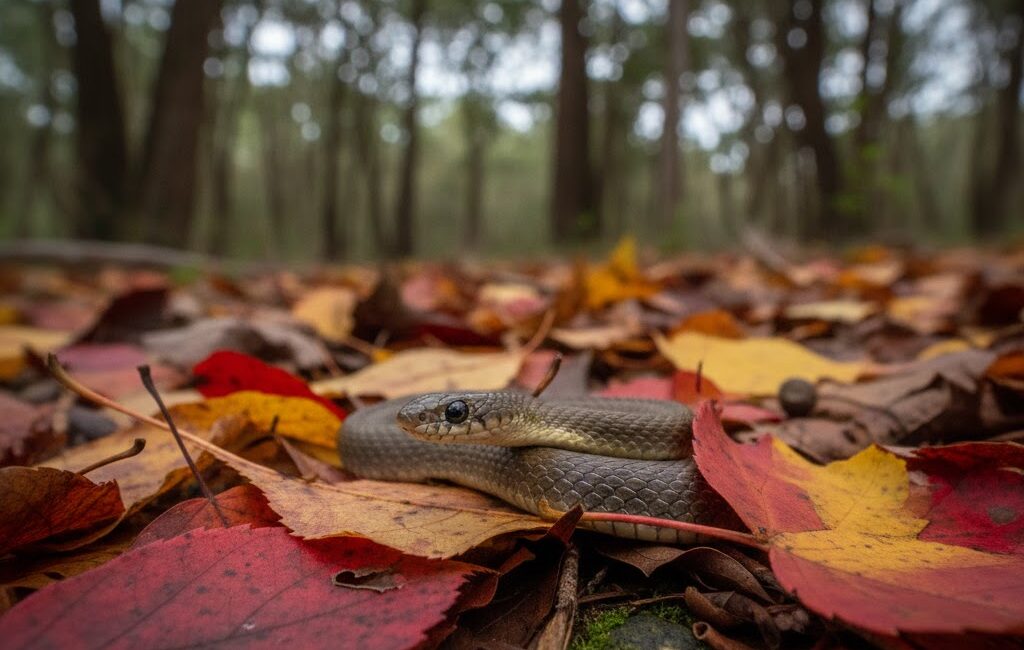 Photo Credit: AnimalsDiscovered
In the sun-drenched woodlands of Antigua, the Antiguan Racer Snake, or Alsophis antiguae, weaves through the underbrush with a grace that captivates all who are lucky enough to spot it. This slender, non-venomous snake, reaching lengths of up to three feet, is a master of camouflage, blending seamlessly with the vibrant greens and browns of its tropical habitat. Its smooth scales glisten in the dappled sunlight, showcasing a palette of earthy tones that help it remain hidden from both predators and prey. As it glides effortlessly over the forest floor, the Antiguan Racer embodies the spirit of resilience and adaptation, making it a fascinating subject for scientists and nature enthusiasts alike.
What truly sets the Antiguan Racer apart is not just its striking appearance but its critical role in the ecosystem. This agile serpent is a dedicated carnivore, primarily feasting on small lizards, which it hunts with remarkable skill. Its presence helps maintain the balance of life in its environment, making it a keystone species—an organism that has a disproportionately large impact on its surroundings. However, the Antiguan Racer’s story is also one of survival against the odds, as it faces threats from habitat loss and invasive species. As we explore the life of this extraordinary snake, we uncover not only its unique behaviors and adaptations but also the urgent need for conservation efforts to protect this remarkable creature and its home.
The Antiguan Racer Snake, scientifically known as Alsophis antiguae, holds a special place in the tree of life. This slender, non-venomous snake is a member of the Colubridae family, which includes many harmless snakes found around the world. What makes the Antiguan Racer particularly intriguing is its status as one of the rarest snakes on the planet, with a population that has dwindled to just a few hundred individuals. This vulnerability highlights the importance of conservation efforts and the delicate balance of ecosystems where these snakes thrive.
| Taxonomic Rank | Scientific Name | Meaning & Significance |
|---|---|---|
| Kingdom | Animalia | This name signifies that the Antiguan Racer is part of the vast group of multicellular organisms that are primarily heterotrophic, meaning they consume other organisms for energy. |
| Phylum | Chordata | Chordata refers to animals that have a notochord, a flexible rod that supports the body. In snakes, this structure is replaced by a backbone, which allows for their unique flexibility and movement. |
| Class | Reptilia | Reptilia indicates that the Antiguan Racer is a reptile, a group of cold-blooded vertebrates that typically lay eggs and have scaly skin, helping them retain moisture in their often dry habitats. |
| Order | Squamata | Squamata is the order that includes lizards and snakes, characterized by their scaly skin and the ability to shed it periodically, a process known as ecdysis. |
| Family | Colubridae | This family encompasses a wide variety of snakes, most of which are non-venomous. The Antiguan Racer’s classification here emphasizes its harmless nature and adaptability. |
| Genus | Alsophis | Alsophis is derived from Greek, meaning “a snake that is not venomous.” This name reflects the Antiguan Racer’s non-threatening behavior and its role in controlling pest populations. |
Understanding the Antiguan Racer’s classification reveals much about its evolutionary journey. As a member of the Colubridae family, it shares a lineage with many other non-venomous snakes, showcasing adaptations that have allowed it to survive in specific environments. Its unique position within the Chordata phylum and Reptilia class highlights the evolutionary traits that have enabled reptiles to thrive on land. The Antiguan Racer’s rarity serves as a reminder of the fragility of ecosystems and the importance of preserving biodiversity for future generations.
The Antiguan Racer Snake, known scientifically as Alsophis antiguae, has a captivating evolutionary story that stretches back millions of years. This slender serpent is a product of the Caribbean’s unique geological history, evolving on the island of Antigua. Its journey through time reflects the dynamic changes in its environment, shaped by both natural forces and human impact.
The ancestors of the Antiguan Racer likely emerged from a group of snakes that adapted to island life. As the Caribbean islands formed and shifted, these snakes faced new challenges and opportunities. Over time, they developed traits that allowed them to thrive in their specific habitats. One major transition was the shift from larger, more robust snakes to the slender, agile form we see today. This change helped them navigate the dense vegetation of their island home, making it easier to hunt for small prey and evade predators.
These adaptations have been crucial for the Antiguan Racer’s survival. By evolving a streamlined body and effective camouflage, it can hunt efficiently while avoiding detection by both predators and humans. Its non-venomous nature allows it to coexist peacefully with other species, while its adaptability ensures it can thrive in the face of changing environmental conditions. Together, these traits tell a story of resilience and evolution, showcasing how life can flourish even in the most challenging circumstances.
The Antiguan Racer Snake is a slender marvel of nature, gliding gracefully through its tropical habitat. With a body that can reach lengths of up to three feet, this snake is both agile and elegant. Its form is streamlined, allowing it to navigate through the underbrush and trees with ease. The racer’s head is slightly wider than its neck, giving it a distinct profile that adds to its charm.
| Feature | Description |
|---|---|
| Size | Up to 3 feet long |
| Color | Variable shades, often featuring a mix of browns, greens, and yellows |
| Skin Type | Covered in smooth, shiny scales |
| Most Distinctive Feature | Variable markings that can include spots or stripes |
These physical traits work together beautifully to enhance the Antiguan Racer’s survival. Its slender body allows for quick movements, making it an adept hunter of small prey like lizards and insects. The variable markings on its skin provide excellent camouflage among the leaves and branches, helping it blend into its surroundings and avoid predators. The smooth scales not only give it a sleek appearance but also reduce friction as it moves, allowing for swift escapes when necessary. In the vibrant ecosystem of Antigua, every feature of this snake plays a crucial role in its life and survival.
The Antiguan Racer Snake thrives in a vibrant world of woodlands and thick undergrowth. Picture a lush landscape filled with tall trees, dense shrubs, and a carpet of leaves that rustle underfoot. This snake’s home is a tapestry of greens and browns, where sunlight filters through the canopy, creating a dappled effect on the forest floor. Here, the air is warm and humid, providing the perfect environment for this agile serpent to navigate its surroundings.
This snake prefers a climate that is consistently warm, typical of tropical regions. The humidity in its habitat helps keep its skin moist, which is essential for its health. The Antiguan Racer Snake enjoys temperatures that rarely dip below 70 degrees Fahrenheit, allowing it to remain active throughout the year. The combination of warmth and moisture creates a thriving ecosystem, rich in the insects and small animals that make up its diet.
To survive in this specific environment, the Antiguan Racer Snake has developed several clever adaptations. Its slender body allows it to weave through the dense underbrush with ease, while its coloration helps it blend into the leafy surroundings, making it less visible to predators. This camouflage is crucial for both hunting and avoiding danger. By being perfectly suited to its woodland home, the Antiguan Racer Snake continues to thrive in a world that is both beautiful and challenging.
As the sun rises over the lush landscapes of Antigua, the Antiguan Racer Snake begins its day. This diurnal snake, meaning it is active during the day, emerges from its hiding spots among the leaves and underbrush. With its slender body and keen senses, it slithers through the vibrant foliage, searching for food. The Antiguan Racer primarily feeds on small lizards and insects, using its agility to navigate the terrain. Throughout the day, it basks in the warm sunlight, soaking up energy to fuel its activities.
While the Antiguan Racer is mostly solitary, it does have interesting interactions with its environment. These snakes are not known for forming social groups, but they can occasionally be seen in the same area, especially when food is plentiful. When they do encounter one another, their interactions are often brief and non-aggressive. Communication among racers is subtle; they rely on body language and scent to convey their presence and intentions.
| Behavior Type | Description |
|---|---|
| Activity Patterns | Active during the day, hunting for food and basking in the sun. |
| Social Structure | Primarily solitary, with occasional encounters with other racers. |
| Communication Methods | Uses body language and scent to communicate with others. |
The behaviors of the Antiguan Racer Snake are finely tuned to ensure its survival in a challenging environment. By being diurnal, it takes advantage of the warmth and light to hunt effectively. Its solitary nature allows it to avoid competition for food, while its ability to communicate through subtle cues helps it navigate encounters with other snakes. Together, these behaviors create a lifestyle that supports its existence in the vibrant ecosystems of Antigua.
The Antiguan Racer Snake is a dedicated carnivore, which means it primarily eats meat. Its favorite meals consist mainly of small lizards, which it skillfully hunts in its tropical habitat. This snake is known for its quick movements and keen eyesight, allowing it to spot its prey among the foliage. When it finds a lizard, the Antiguan Racer strikes with precision, using its speed to catch its meal before it can escape.
| Dietary Aspect | Details |
|---|---|
| Diet Type | Carnivore |
| Favorite Foods | Small lizards |
| Prey Items | Primarily lizards |
| Hunting/Foraging Strategies | Uses speed and keen eyesight to catch prey |
This diet plays a crucial role in the Antiguan Racer Snake’s ecology and daily routine. By preying on lizards, it helps control their populations, maintaining a balance in its ecosystem. The snake’s active hunting during the day aligns with its diurnal lifestyle, allowing it to maximize its foraging opportunities. This relationship with its prey not only shapes its behavior but also influences the overall health of the habitats it occupies.
The mating behavior of the Antiguan Racer Snake is a captivating spectacle that unfolds during the breeding season, which typically occurs in the warmer months. Males engage in a series of courtship rituals, including intricate displays of movement and scent marking to attract females. Once a female is receptive, she will mate with one or more males, ensuring genetic diversity in her offspring. This fascinating process sets the stage for the next generation of these slender snakes.
| Reproductive Aspect | Details |
|---|---|
| Gestation Period | Approximately 60 to 70 days |
| Litter Size | Typically 4 to 10 young |
| Age of Maturity | About 2 to 3 years |
| Name of Young | Hatchlings |
After the eggs hatch, the young snakes, known as hatchlings, emerge fully formed and ready to face the world. Unlike some other species, the Antiguan Racer Snake does not exhibit extensive parental care. Instead, the hatchlings are independent from the moment they leave the eggs. They quickly learn to navigate their environment, relying on their instincts to hunt and avoid predators. As they grow, these young snakes develop the skills necessary to thrive in their lush habitat, gradually maturing into the agile adults that glide through the underbrush.
The Antiguan Racer Snake plays a crucial role in its ecosystem, primarily as a predator of small lizards. This slender snake occupies a unique position in the food web, helping to control the populations of its prey. However, it is not without its own challenges. The Antiguan Racer faces significant dangers that threaten its survival, particularly from invasive species that disrupt the delicate balance of its habitat.
To defend itself against these threats, the Antiguan Racer Snake has developed several survival strategies. It relies on its agility and speed to escape predators, often darting into dense vegetation where it can hide. Additionally, its slender body allows it to navigate through tight spaces, making it harder for larger animals to catch it. By staying alert and using its natural camouflage, the Antiguan Racer can blend into its surroundings, helping it avoid detection and increasing its chances of survival in a challenging environment.
A keystone species is an organism that has a disproportionately large impact on its environment relative to its abundance. In the case of the Antiguan Racer Snake, or Alsophis antiguae, it indeed qualifies as a keystone species within its ecosystem. This slender, non-venomous snake plays a vital role in maintaining the balance of its habitat, particularly in the woodlands and thick undergrowth of Antigua.
The Antiguan Racer Snake primarily preys on small lizards, which helps regulate their populations. By keeping these lizard numbers in check, the snake prevents overgrazing of vegetation that lizards might otherwise consume excessively. This balance is crucial for the health of the ecosystem, as it allows various plant species to thrive, which in turn supports other wildlife. Additionally, the snake itself serves as prey for larger birds and mammals, contributing to the food web and ensuring energy flows through the ecosystem.
Moreover, the presence of the Antiguan Racer Snake can indicate the overall health of its environment. When this snake thrives, it often means that the ecosystem is balanced and functioning well. Conversely, a decline in its population can signal problems, such as habitat loss or pollution, which can have cascading effects on other species.
If the Antiguan Racer Snake were to disappear, the consequences could be severe. Without this snake to keep lizard populations in check, those lizards could multiply rapidly, leading to overconsumption of vegetation. This overgrazing could result in habitat degradation, affecting not only plants but also the many other species that rely on those plants for food and shelter. The loss of the Antiguan Racer would disrupt the delicate balance of its ecosystem, potentially leading to a decline in biodiversity and the overall health of the environment.
The Antiguan Racer Snake, known scientifically as Alsophis antiguae, occupies a vital ecological niche in its tropical habitat. This slender, non-venomous snake plays a key role in maintaining the balance of its ecosystem. By preying on small lizards, it helps regulate their populations, ensuring that no single species becomes too dominant. This balance is crucial for the health of the woodlands and thick undergrowth where it resides, as it allows for a diverse range of species to thrive.
| Ecosystem Service | Impact |
|---|---|
| Population Control | Regulates the number of small lizards, preventing overpopulation. |
| Food Source | Serves as prey for larger predators, contributing to the food web. |
| Habitat Health | Promotes biodiversity by maintaining a balanced ecosystem. |
The influence of the Antiguan Racer Snake extends beyond just its role as a predator. By keeping lizard populations in check, it indirectly supports the growth of various plant species that rely on these lizards for seed dispersal. When lizard numbers are balanced, plants can flourish, creating a rich environment for other animals and insects. This interconnectedness highlights how the presence of one species can ripple through the ecosystem, affecting many others.
The broader ecological importance of the Antiguan Racer Snake cannot be overstated. As a keystone species, its presence is essential for the health of its habitat. Without it, the delicate balance of the woodland ecosystem could be disrupted, leading to a decline in biodiversity. By understanding and protecting the Antiguan Racer Snake, we also safeguard the intricate web of life that depends on it, ensuring that future generations can enjoy the vibrant ecosystems of Antigua.
In the intricate web of life, symbiosis refers to the close interactions between different species, which can take on various forms. These relationships can be mutualistic, where both species benefit, parasitic, where one benefits at the expense of the other, or commensal, where one benefits while the other is neither helped nor harmed. The Antiguan Racer Snake, a slender and agile inhabitant of Antigua’s woodlands, engages in several fascinating ecological relationships that highlight the interconnectedness of life in its tropical habitat.
| Species/Type | Relationship Type | Description |
|---|---|---|
| Small Lizards | Predatory | The Antiguan Racer Snake preys on small lizards, helping to control their populations while obtaining food for itself. |
| Birds | Commensal | Some birds may benefit from the snake’s hunting activities by scavenging on the remains of lizards it has caught. |
| Insects | Mutualistic | Insects that live in the underbrush may benefit from the snake’s presence, as it helps keep the lizard population in check, allowing for a more balanced ecosystem. |
The relationships that the Antiguan Racer Snake has developed with other species are a testament to the evolutionary processes that shape ecosystems. Over time, these interactions have allowed the snake to thrive while also contributing to the health of its environment. By preying on small lizards, the snake not only secures its own food but also helps maintain a balance in the population of these lizards. Meanwhile, the birds and insects that benefit from the snake’s activities illustrate how interconnected life can be, with each species playing a role in the grand tapestry of nature.
The Antiguan Racer Snake is not just any snake; it’s a symbol of resilience and adaptation in the Caribbean. This slender serpent has a fascinating story that captivates both scientists and nature lovers alike.
The Antiguan Racer Snake, known scientifically as Alsophis antiguae, has a rich history intertwined with human culture and exploration. Historically, this snake was often overlooked, living quietly in the lush landscapes of Antigua. However, as people began to explore the Caribbean, they encountered this slender serpent, which became a symbol of the island’s unique biodiversity. The Antiguan Racer has inspired local folklore and has been featured in stories that highlight the beauty and mystery of the natural world. Its presence has reminded communities of the importance of preserving their natural heritage.
In modern times, the relationship between the Antiguan Racer Snake and humanity has evolved significantly. Conservation efforts have become crucial as this species faced threats from habitat loss and invasive species. Organizations and local communities have come together to protect the snake’s habitat, ensuring that it continues to thrive in the wild. While some people may still fear snakes, many have come to appreciate the Antiguan Racer for its role in the ecosystem. Education programs aim to reduce conflict by teaching people about the snake’s non-venomous nature and its importance in controlling pest populations.
The future of the Antiguan Racer Snake and its relationship with humanity looks promising, provided that conservation efforts continue to gain momentum. As awareness grows about the importance of biodiversity, more people are likely to embrace the idea of coexistence with this remarkable snake. By fostering a sense of stewardship for the environment, communities can ensure that the Antiguan Racer not only survives but thrives, becoming a lasting symbol of the Caribbean’s rich natural heritage. Together, humans and the Antiguan Racer can weave a story of resilience and harmony in the face of change.
The Antiguan Racer Snake, or Alsophis antiguae, is currently classified as Critically Endangered, a status that highlights the urgent need for conservation efforts. With an estimated population of around 1,000 individuals, this snake has faced significant challenges in its survival. The population trend is concerning, as it remains vulnerable to various threats that could further diminish its numbers.
| Conservation Factor | Status/Details |
|---|---|
| IUCN Status | Critically Endangered |
| Estimated Population Size | Approximately 1,000 individuals |
| Population Trend | Declining |
The main threats to the Antiguan Racer Snake stem from habitat loss and invasive species. As human development expands, the lush woodlands that provide shelter and food for this snake are being cleared. Additionally, non-native predators, such as rats and feral cats, pose a significant risk, preying on the Racer Snake and competing for resources. These challenges create a precarious situation for a species already on the brink of extinction.
Conservation efforts are underway to protect the Antiguan Racer Snake and its habitat. Organizations are working to restore its natural environment and control invasive species. By raising awareness and engaging local communities, these initiatives aim to foster a sense of stewardship for this remarkable snake. With continued support and effective conservation strategies, there is hope for the Antiguan Racer Snake to rebound and thrive once more in its native landscape.
| Question | Answer |
|---|---|
| What is the habitat of the Antiguan Racer Snake? | The Antiguan Racer Snake primarily lives in woodlands and thick undergrowth. This environment provides the cover and hunting grounds it needs to thrive, as it can easily hide from predators and ambush its prey. |
| What does the Antiguan Racer Snake eat? | This snake is a carnivore, meaning it primarily eats other animals. Its diet mainly consists of small lizards and insects, which it captures using its quick reflexes and keen eyesight. |
| How does the Antiguan Racer Snake behave? | The Antiguan Racer Snake is known for being active during the day, which is called diurnal behavior. It is also quite agile, often seen climbing trees or basking in the sun to regulate its body temperature. |
| How does the Antiguan Racer Snake reproduce? | This species is oviparous, meaning it lays eggs. The female typically lays a small clutch of eggs in a hidden location, where they will incubate until they hatch, usually in a few weeks. |
| What are the main threats to the Antiguan Racer Snake? | The Antiguan Racer Snake is critically endangered, facing threats from habitat loss and invasive species. Predators like rats and feral cats can significantly impact their population, as they prey on the snakes and their eggs. |
| What is an interesting characteristic of the Antiguan Racer Snake? | One of the most distinctive features of the Antiguan Racer Snake is its variable markings. These markings can range in color and pattern, helping it blend into its surroundings and avoid detection by both predators and prey. |
| Why is the Antiguan Racer Snake important to its ecosystem? | The Antiguan Racer Snake plays a crucial role in controlling the populations of small lizards and insects. By keeping these populations in check, it helps maintain a balanced ecosystem, which is vital for the health of its habitat. |