Taxonomy & Classification
- Kingdom
- Animalia
- Phylum
- Chordata
- Class
- Mammalia
- Order
- Primates
- Family
- Hominidae
- Species
- Hominoidea

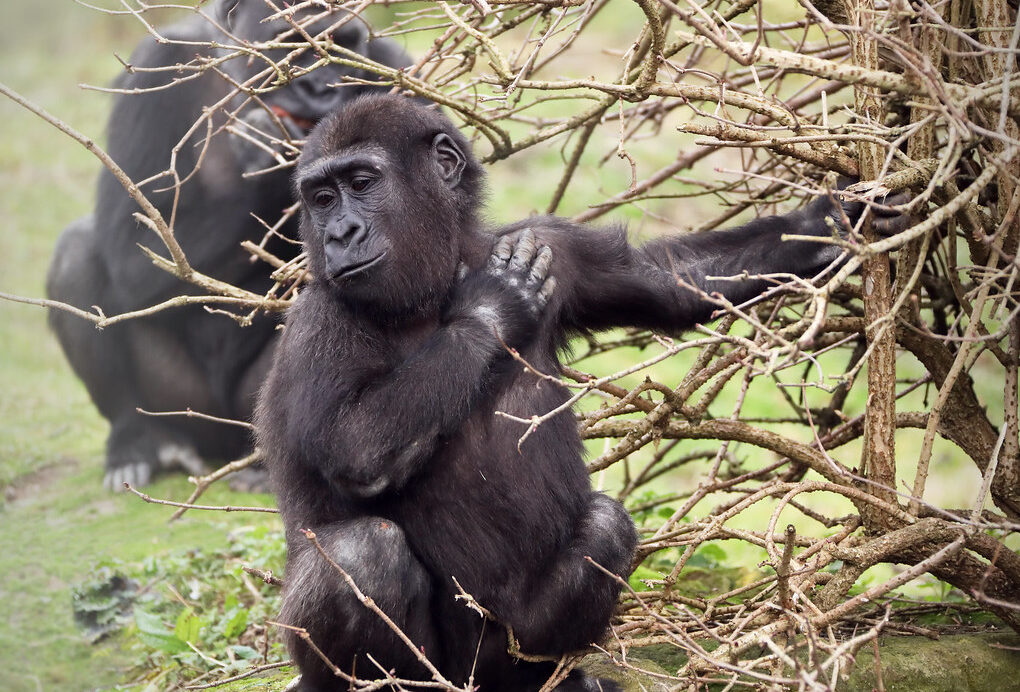 "The Patriotic Ape" by charlieishere@btinternet.com is licensed under CC BY 2.0
In the heart of the lush rainforest, the agile gibbon, known scientifically as Hylobatidae, swings gracefully from branch to branch. With its long arms and slender body, this enchanting ape is a master of the treetops, effortlessly navigating the vibrant green canopy. Gibbons are famous for their melodious calls that echo through the forest, creating a symphony of sounds that not only communicate with one another but also captivate anyone lucky enough to hear them. Their striking black or golden fur, combined with expressive faces, makes them one of the most visually stunning members of the primate family.
What truly fascinates scientists and nature lovers alike is the gibbon’s remarkable intelligence and social behavior. These primates live in tight-knit family groups, showcasing complex social structures that mirror our own. They are known for their playful antics and strong bonds, often seen grooming each other or engaging in acrobatic displays. As we explore the world of gibbons, we will uncover their unique adaptations, their vital role in the ecosystem, and the challenges they face in a rapidly changing environment. Join us on this adventure to learn more about these extraordinary creatures and the secrets of their rainforest home.
Ape occupies a special place in the tree of life, showcasing a blend of intelligence, social behavior, and physical adaptability that sets it apart from many other animals. As members of the family Hominidae, which includes gorillas, chimpanzees, and humans, apes are classified within the order Primates. This group is known for its advanced cognitive abilities and complex social structures. Unlike many other mammals, apes lack tails, which is a distinctive feature that highlights their evolutionary journey. Their ability to use tools and communicate in sophisticated ways further emphasizes their unique position in the animal kingdom.
| Taxonomic Rank | Scientific Name | Meaning & Significance |
|---|---|---|
| Kingdom | Animalia | This name comes from the Latin word “animalis,” meaning “having breath.” It signifies all living organisms that are not plants or fungi, highlighting the diverse life forms that share our planet. |
| Phylum | Chordata | Derived from the Greek word “chordē,” meaning “string,” this classification refers to animals with a notochord, a flexible rod that supports the body. This feature is crucial in the development of vertebrates, including apes. |
| Class | Mammalia | This term comes from the Latin “mamma,” meaning “breast.” It reflects the defining characteristic of mammals: the ability to nurse their young with milk produced by mammary glands. |
| Order | Primates | From the Latin word “primus,” meaning “first,” this classification highlights the evolutionary significance of primates, which are often seen as the most advanced group of mammals due to their complex behaviors and social structures. |
| Family | Hominidae | This name is derived from “homo,” meaning “man,” and “idae,” a suffix used in taxonomy. It signifies the family of great apes, which includes humans and our closest relatives, emphasizing our shared ancestry. |
The classification of apes reveals a rich evolutionary history that connects them to both their primate relatives and to humans. By understanding their taxonomic position, we can appreciate the intricate web of life that has led to the development of advanced traits such as tool use and social cooperation. This journey through time not only highlights the adaptability of apes but also underscores the shared heritage that links all living beings on Earth. As we explore the lives of these remarkable animals, we gain insight into our own place in the natural world.
The evolutionary journey of apes stretches back millions of years, weaving through a complex tapestry of change and adaptation. This story begins in the late Eocene epoch, around 55 million years ago, when the first primates emerged. Over time, these early ancestors branched out, leading to the diverse group we now recognize as apes, which includes gorillas, chimpanzees, orangutans, and humans. The path of evolution is marked by significant transitions that shaped their physical and behavioral traits.
The earliest ancestors of modern apes were small, tree-dwelling creatures that thrived in the lush forests of Africa and Asia. As they evolved, they developed traits that allowed them to navigate their arboreal homes more effectively. One major transition occurred around 20 million years ago, when the lineage that would lead to modern apes began to diverge from the Old World monkeys. This divergence brought about changes in their skeletal structure, particularly in the shoulder and arm bones, enabling a greater range of motion for swinging through trees.
Another significant shift happened around 10 million years ago, when the first true apes appeared. These early apes, like Proconsul, showcased a mix of monkey-like and ape-like features, including a more upright posture and larger brains. As time progressed, the evolution of bipedalism—walking on two legs—became a crucial adaptation, especially for the ancestors of humans. This ability freed their hands for tool use and complex social interactions, setting the stage for the development of culture and communication.
These adaptations have been vital for the survival of apes in their ever-changing environments. The ability to navigate trees efficiently has allowed them to escape predators and find food, while larger brains have fostered social bonds and problem-solving skills. Bipedalism opened up new opportunities for exploration and resource gathering, and complex social structures have enabled them to thrive in groups. Together, these traits illustrate the remarkable journey of apes through time, showcasing their resilience and adaptability in the natural world.
Ape bodies are a stunning blend of strength and agility, designed for life both in trees and on the ground. Their limbs are long and muscular, allowing them to swing gracefully from branch to branch. With broad chests and powerful shoulders, they exhibit a robust physique that speaks to their evolutionary adaptations. Their expressive faces, often framed by thick hair, reveal a range of emotions, making them not just fascinating to observe but also deeply relatable.
| Feature | Description |
|---|---|
| Height | Varies significantly among species, ranging from about 3 to 6 feet tall. |
| Weight | Can range from 50 to over 400 pounds, depending on the species. |
| Most Distinctive Feature | Long arms that are often longer than their legs, perfect for brachiation, or swinging through trees. |
| Color | Fur color varies widely, from black and brown to lighter shades like blonde or gray. |
| Skin Type | Thick skin covered with hair, providing protection and insulation. |
These physical traits work together to create a highly adaptable animal. The long arms and strong shoulders enable apes to navigate their arboreal habitats with ease, while their varied sizes and weights allow them to thrive in different environments. The coloration of their fur not only helps with camouflage among the leaves but also plays a role in social interactions. Together, these features make apes not just survivors but also intelligent beings capable of complex social behaviors.
Ape habitats are often lush and vibrant, filled with towering trees and dense foliage. These intelligent primates thrive in environments that offer both shelter and sustenance. Picture a rainforest, where sunlight filters through the leaves, creating a dappled effect on the forest floor. Here, the air is rich with the sounds of chirping birds and rustling leaves, as apes swing from branch to branch, expertly navigating their green world. They also inhabit mountainous regions, where steep cliffs and rocky outcrops provide a different kind of challenge and adventure.
The climate in these regions varies, but generally, apes prefer warm, humid environments. Rainforests provide the moisture they need, while the mountains offer cooler temperatures at higher elevations. These areas experience a mix of wet and dry seasons, which helps sustain the diverse plant life that apes rely on for food. The rich biodiversity in these habitats ensures that apes have access to fruits, leaves, and other vegetation, which are essential for their diet.
To thrive in such diverse environments, apes have developed remarkable adaptations. Their long limbs and flexible joints allow them to move effortlessly through the trees, while their strong fingers help them grasp branches and manipulate food. Additionally, their social structures enable them to work together to find food and protect one another from predators. This combination of physical prowess and social intelligence makes apes well-suited to their habitats, allowing them to flourish in both the dense forests and rugged mountains they call home.
A typical day in the life of an ape is a blend of activity, social interaction, and exploration. As the sun rises, these intelligent primates begin their day by foraging for food, which often includes fruits, leaves, and insects. They are known for their dexterous hands, which help them skillfully pick ripe fruits from high branches. Throughout the day, they engage in playful activities, swinging from tree to tree, and sometimes even using tools, like sticks, to extract termites from their mounds. As the sun sets, they settle down in their nests, made from leaves and branches, to rest and prepare for another day of adventure.
Social behavior is at the heart of ape life. These animals are community-minded, often living in groups called troops. Within these troops, they form strong bonds, grooming each other to reinforce friendships and reduce stress. Communication is key in their social structure; they use a variety of vocalizations, gestures, and facial expressions to convey messages. For example, a loud call can signal danger, while a gentle touch can express affection. The dynamics within a troop can be complex, with hierarchies that help maintain order and cooperation, ensuring that everyone plays a role in the group’s survival.
| Behavior Type | Description |
|---|---|
| Foraging | Apes search for food, using their strong hands to pick fruits and leaves, and sometimes employing tools to access hard-to-reach snacks. |
| Grooming | This activity strengthens social bonds and helps keep their fur clean, which is important for health and comfort. |
| Communication | Apes use sounds, gestures, and facial expressions to share information, warn of danger, or express emotions. |
| Play | Young apes engage in playful activities, which are crucial for developing social skills and physical coordination. |
| Resting | At the end of the day, apes build nests in trees to sleep safely, away from predators. |
These behaviors are not just for fun; they are essential for survival. By foraging together, apes increase their chances of finding food. Grooming helps maintain health and strengthens social ties, which can be vital during tough times. Communication ensures that everyone in the troop is aware of potential threats, while play fosters the skills needed for adult life. In this way, the daily activities of apes weave a rich tapestry of life that supports their survival in the wild.
Ape diets are primarily herbivorous, meaning they mainly eat plants. These intelligent primates have a varied menu that includes leaves, fruits, flowers, and seeds. Their feeding behavior is quite fascinating; they often forage in trees, using their strong limbs to reach high branches. Apes are known to be selective eaters, choosing the ripest and most nutritious foods available. This careful selection helps them maintain their health and energy levels, which is crucial for their active lifestyles.
| Dietary Aspect | Details |
|---|---|
| Diet Type | Herbivore |
| Favorite Foods | Fruits, leaves, flowers, and seeds |
| Prey Items | Varies, but primarily plant-based |
| Hunting/Foraging Strategies | Foraging in trees, selective eating, and using tools to access food |
This plant-based diet plays a significant role in shaping the ecology of apes and their daily routines. By consuming a variety of plant materials, they help disperse seeds throughout their habitats, promoting plant growth and biodiversity. Their foraging habits also influence the structure of the forest, as they often target specific trees and plants. This interaction with their environment not only sustains them but also supports the intricate web of life in their ecosystems.
Ape mating behavior is a captivating aspect of their lives, often marked by complex social interactions. During the breeding season, which can vary depending on the species, males may display their strength and agility to attract females. This can include vocalizations, grooming, and even playful wrestling. These displays not only help establish dominance but also strengthen social bonds within their groups. Once a female is receptive, mating occurs, leading to a new generation of these intelligent primates.
| Reproductive Aspect | Details |
|---|---|
| Gestation Period | Eight months |
| Litter Size | One |
| Age of Maturity | 4 to 6 years |
| Name of Young | Infant, baby |
Once the infant is born, parental care becomes a vital part of its development. Ape mothers are incredibly nurturing, often carrying their young on their backs or in their arms for the first few months. This close contact not only provides warmth and protection but also fosters a strong bond between mother and child. As the infant grows, it begins to explore its surroundings, learning essential skills through observation and play. By the time they reach maturity, usually around four to six years, these young apes are well-equipped to navigate their complex social structures and thrive in their vibrant habitats.
Ape species play a crucial role in their ecosystems, often sitting near the top of the food web. While they are not the primary predators, their intelligence and social structures help them navigate their environments effectively. However, they face numerous dangers that threaten their survival, primarily due to human activities and natural predators.
To defend themselves against these threats, apes have developed a range of survival strategies. They often live in groups, which provides safety in numbers and allows them to watch for danger together. When faced with predators, they can use their agility to escape quickly into the trees. Additionally, their vocalizations and body language help communicate warnings to one another, ensuring that everyone stays alert. These clever adaptations showcase their resilience in the face of challenges, allowing them to thrive despite the dangers they encounter.
A keystone species is an organism that has a disproportionately large impact on its environment relative to its abundance. This means that if it were removed, the ecosystem would change dramatically. Apes qualify as keystone species because of their significant role in maintaining the health and balance of their habitats. Their activities influence many other species and the overall structure of their ecosystems.
One of the most important ways apes impact their environment is through their feeding habits. As herbivores, they consume a variety of plants, including leaves, fruits, and flowers. This foraging behavior helps to control plant populations and promotes biodiversity. For example, by eating certain fruits, apes help disperse seeds throughout the forest. This process, known as seed dispersal, allows new plants to grow in different areas, which is vital for forest regeneration.
Additionally, apes create pathways in dense vegetation as they move through their habitats. These trails not only make it easier for other animals to navigate but also help maintain the health of the ecosystem by allowing sunlight to reach the forest floor. This light encourages the growth of smaller plants, which in turn supports a variety of insects and other wildlife.
Moreover, the social structures of ape communities contribute to their ecological impact. Living in groups, they engage in behaviors that promote cooperation and resource sharing. This community-minded approach helps ensure that food sources are utilized sustainably, preventing overconsumption of any one type of plant.
If apes were to disappear from their ecosystems, the consequences would be profound. Without their seed dispersal, many plant species could decline, leading to less diverse forests. This loss would affect not only the plants but also the animals that rely on them for food and shelter. The intricate web of life that depends on apes would unravel, resulting in a less resilient ecosystem. In essence, the absence of apes would create a ripple effect, altering the landscape and diminishing the richness of biodiversity.
Ape species play a vital role in their ecosystems, acting as both consumers and contributors to the health of their environments. These intelligent primates inhabit diverse areas, including lush rainforests and mountainous regions, where they thrive among the trees. Their ecological niche is defined by their herbivorous diet, primarily consisting of leaves, fruits, and flowers. By foraging for food, apes help to shape the plant community, influencing which species thrive and which decline. This interaction not only supports their own survival but also maintains the balance of their habitats.
| Ecosystem Service | Impact |
|---|---|
| Seed Dispersal | Apes consume fruits and then excrete the seeds, helping to spread plants across their habitat. |
| Vegetation Control | By feeding on certain plants, apes help regulate plant growth and maintain biodiversity. |
| Soil Enrichment | Their waste adds nutrients to the soil, promoting healthy plant growth. |
| Habitat Creation | As they move through trees, apes create pathways that other animals can use, enhancing habitat connectivity. |
For example, when apes eat fruits, they often travel long distances before they digest and excrete the seeds. This process not only helps the plants reproduce but also allows for the establishment of new plant populations in different areas. Additionally, by munching on leaves and branches, apes can control the growth of certain plant species, preventing any one type from dominating the landscape. This balance is crucial for maintaining a diverse ecosystem where various species can thrive together.
The broader ecological importance of apes cannot be overstated. As keystone species, their presence significantly influences the structure and function of their habitats. If apes were to disappear, the effects would ripple through the ecosystem, leading to changes in plant communities and the animals that depend on them. By understanding and protecting these remarkable primates, we not only safeguard their future but also the health of the ecosystems they help sustain.
In the intricate web of life, symbiosis plays a vital role in shaping the relationships between different species. Symbiosis refers to the close interactions between organisms, which can be beneficial, harmful, or neutral. These ecological relationships can be classified into three main types: mutualism, where both species benefit; parasitism, where one species benefits at the expense of another; and commensalism, where one species benefits while the other is neither helped nor harmed. Apes, with their complex social structures and intelligence, engage in various symbiotic relationships that highlight the interconnectedness of life in their habitats.
| Species/Type | Relationship Type | Description |
|---|---|---|
| Birds (e.g., oxpeckers) | Mutualistic | These birds often perch on apes, eating ticks and parasites from their fur. The birds get food, while the apes enjoy a cleaner coat. |
| Fungi | Mutualistic | Some apes may interact with fungi in their environment, which can help decompose organic matter, enriching the soil and promoting plant growth that apes rely on for food. |
| Insects (e.g., ants) | Parasitic | While foraging, apes can sometimes disturb ant nests, leading to bites. In this case, the ants benefit from the disturbance, while the apes experience discomfort. |
| Trees | Commensal | Apes use trees for shelter and food without harming them. The trees provide a habitat and sustenance, while the apes do not affect the trees’ health. |
These relationships have evolved over time, shaped by the needs and behaviors of the species involved. Mutualistic partnerships, like those with birds, enhance the health of apes while providing food for their feathered friends. In contrast, parasitic interactions remind us that not all relationships are beneficial. Understanding these connections helps us appreciate the delicate balance of ecosystems where apes thrive. By fostering these relationships, apes contribute to the health of their environment, showcasing the importance of cooperation and coexistence in the natural world.
Ape species are some of the most intriguing animals on our planet, showcasing incredible intelligence and social structures that often mirror our own. Here are some surprising facts that highlight their remarkable traits and behaviors.
Throughout history, the relationship between apes and humanity has been rich and complex. From ancient cave paintings depicting these primates to modern-day documentaries showcasing their intelligence, apes have captured our imagination. They hold a significant place in various cultures, often symbolizing strength, wisdom, and the connection to our own evolutionary past. This connection is not just a matter of fascination; it reflects our shared ancestry, as humans and apes diverged from a common ancestor millions of years ago. This historical bond has led to a deep cultural significance, influencing art, literature, and even scientific research.
In today’s world, our interactions with apes are multifaceted, encompassing conservation efforts, conflicts over habitat, and even attempts at domestication. As deforestation and habitat destruction threaten their natural environments, many organizations are working tirelessly to protect these incredible animals. However, this often leads to conflicts, as human expansion encroaches on ape territories, resulting in competition for resources. While some people advocate for the conservation of apes in the wild, others explore the idea of domestication, raising ethical questions about the role of these intelligent beings in our lives. The balance between protecting their habitats and addressing human needs is a delicate one, requiring thoughtful solutions.
Looking ahead, the future of the relationship between apes and humanity hinges on our ability to coexist harmoniously. As we learn more about their social structures and intelligence, we have the opportunity to foster a deeper respect for these remarkable beings. By prioritizing conservation and ethical interactions, we can ensure that apes continue to thrive in their natural habitats while enriching our understanding of the natural world. The journey forward is one of collaboration, where both humans and apes can benefit from a shared commitment to preserving the planet’s biodiversity.
The conservation status of apes is a pressing concern, as many species are facing significant threats that jeopardize their survival. Currently, several ape species are classified as endangered or critically endangered, with populations declining due to habitat loss and poaching. The overall trend indicates that without immediate and effective conservation efforts, these intelligent primates may face extinction in the near future.
| Conservation Factor | Status/Details |
|---|---|
| IUCN Status | Endangered to Critically Endangered |
| Population Estimates | Varies by species; some populations are in the thousands |
| Trend Direction | Declining |
The main threats to apes are primarily driven by human activities. Deforestation, which is the clearing of forests for agriculture or urban development, destroys their natural habitats. This loss of habitat not only reduces the space where apes can live and find food but also fragments their populations, making it harder for them to breed and thrive. Additionally, poaching, or illegal hunting, poses a severe risk, as some apes are hunted for bushmeat or captured for the illegal pet trade. These pressures create a challenging environment for apes, pushing many species closer to extinction.
Conservation efforts are underway to protect these remarkable animals and their habitats. Organizations are working to establish protected areas, enforce anti-poaching laws, and promote sustainable land-use practices. Education and community involvement are also crucial, as local populations can play a significant role in conservation. The outlook for apes varies by species, but with continued dedication and support, there is hope that these intelligent primates can be saved from the brink of extinction and thrive in their natural environments once again.
| Question | Answer |
|---|---|
| What is the natural habitat of apes? | Apes are found in a variety of habitats, including mountains, rainforests, and forests. These environments provide them with the trees they need for climbing and foraging for food. |
| What do apes eat? | Apes are primarily herbivores, meaning they mainly eat plants. Their diet includes fruits, leaves, flowers, and seeds, which provide them with the nutrients they need to thrive. |
| How do apes behave in the wild? | Apes are known for their social behavior, often living in groups called troops. They communicate with each other through vocalizations, gestures, and facial expressions, showing a range of emotions and social bonds. |
| How do apes reproduce? | Apes typically have a long gestation period, which can last from about 6 to 9 months, depending on the species. After giving birth, mothers are very nurturing, often carrying their young on their backs for several months. |
| What are the main threats to apes? | Apes face several threats, including habitat loss due to deforestation and hunting. These activities can lead to declining populations and even extinction for some species. |
| What is a unique characteristic of apes? | One of the most distinctive features of apes is their ability to use tools. Some species, like chimpanzees, have been observed using sticks to extract termites from mounds, showcasing their intelligence and problem-solving skills. |
| How do apes communicate? | Apes communicate using a variety of sounds, gestures, and facial expressions. This complex communication system helps them convey emotions, warn of danger, and strengthen social bonds within their groups. |