Taxonomy & Classification
- Kingdom
- Animalia
- Phylum
- Chordata
- Class
- Aves
- Order
- Anseriformes
- Family
- Anatidae
- Genus
- Cygnus
- Species
- Cygnus atratus

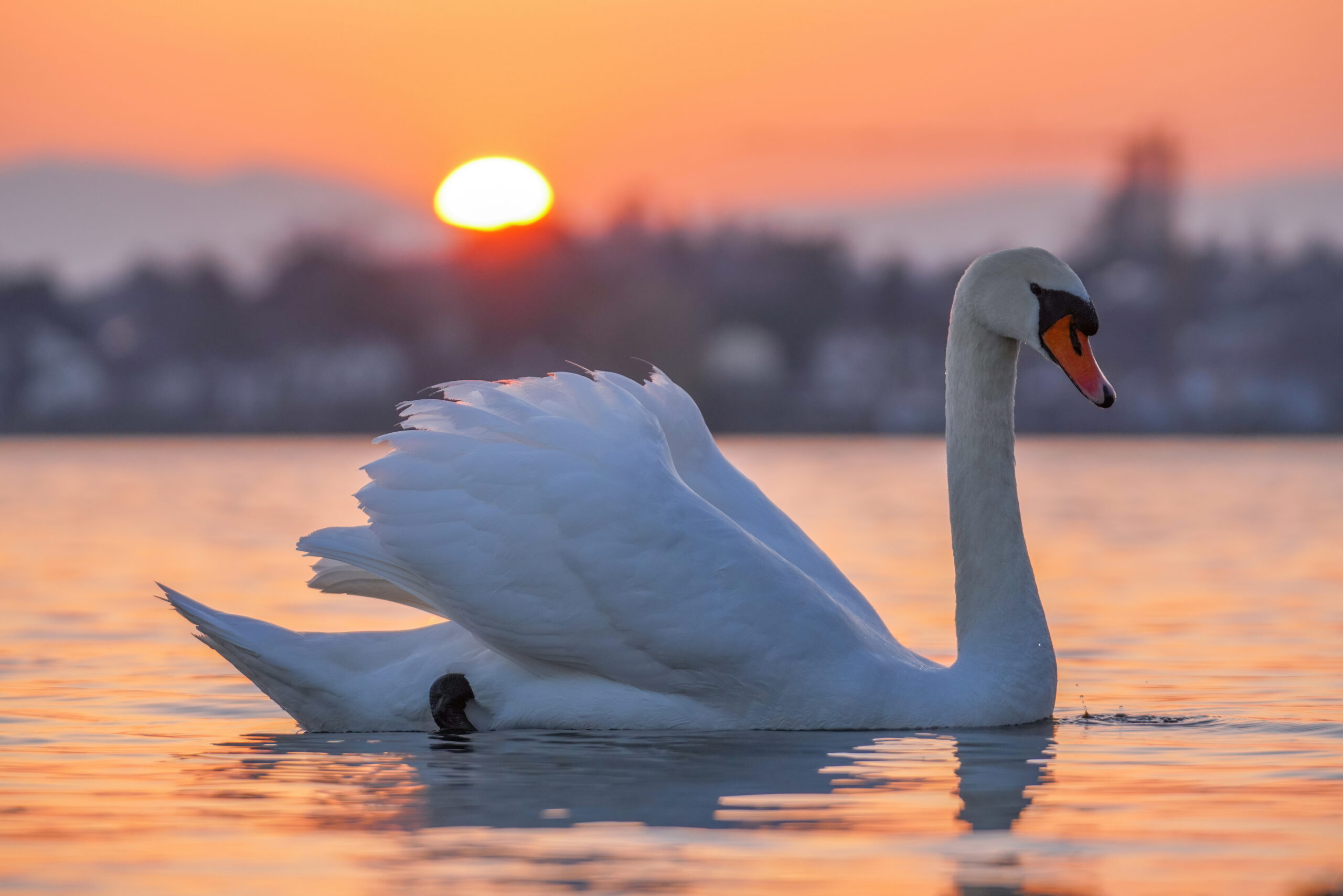 Photo Credit: Giles Laurent / Wikimedia Commons
In the shimmering waters of serene lakes and tranquil ponds, the swan, known scientifically as Cygnus, glides gracefully, embodying elegance and beauty. With its long, curved neck and striking white plumage, this majestic bird captures the hearts of all who encounter it. Swans are not just a pretty sight; they are fascinating creatures that intrigue scientists and nature lovers alike. Their ability to navigate both land and water with such poise makes them a symbol of grace in the animal kingdom.
As the sun rises, casting golden rays across the water, swans awaken to a world filled with soft ripples and gentle breezes. Their large, robust bodies, which can weigh between 10 to 15 kilograms, create a stunning contrast against the lush greenery that surrounds their habitat. These birds are omnivores, meaning they enjoy a varied diet of aquatic plants and small animals, showcasing their adaptability in the wild. With their captivating courtship rituals and strong family bonds, swans reveal a complex social structure that adds depth to their already enchanting lives. Join us as we dive deeper into the world of swans, exploring their behaviors, habitats, and the vital roles they play in our ecosystems.
Swans are elegant birds that hold a special place in the animal kingdom, showcasing a unique blend of beauty and grace. Taxonomically, they belong to the Kingdom Animalia, which includes all animals, and are classified under the Phylum Chordata, meaning they have a backbone. Within the Class Aves, or birds, swans are part of the Order Anseriformes, which includes waterfowl like ducks and geese. Their family, Anatidae, is known for its members’ webbed feet and aquatic lifestyles. The genus Cygnus is where swans truly shine, characterized by their long necks and striking plumage. This classification not only highlights their physical traits but also their evolutionary adaptations to life in and around water.
| Taxonomic Rank | Scientific Name | Meaning & Significance |
|---|---|---|
| Kingdom | Animalia | From the Latin word “animalis,” meaning “having breath,” which reflects the living nature of these organisms. |
| Phylum | Chordata | Derived from the Greek word “chordē,” meaning “string,” referring to the notochord, a flexible rod that supports the body in the early stages of development. |
| Class | Aves | From the Latin word for “bird,” highlighting the defining characteristics of feathers and the ability to fly, although swans are often seen gliding gracefully on water. |
| Order | Anseriformes | From the Latin “anser,” meaning “goose,” and “forma,” meaning “shape,” indicating the overall form and lifestyle of these waterfowl. |
| Family | Anatidae | From the Latin “anates,” meaning “ducks,” which encompasses all waterfowl, emphasizing their shared habitat and adaptations. |
| Genus | Cygnus | From the Greek word for “swan,” which reflects the beauty and elegance of these birds, often associated with grace in various cultures. |
The classification of swans reveals much about their evolutionary history. As members of the Anatidae family, swans share a common ancestor with ducks and geese, showcasing adaptations that have allowed them to thrive in aquatic environments. Their long necks and strong bodies are perfect for foraging in water, while their social behaviors, such as forming lifelong pair bonds, highlight their complex interactions. Understanding where swans fit in the tree of life not only deepens our appreciation for these magnificent birds but also illustrates the intricate web of relationships that connect all living things.
The evolutionary journey of swans stretches back millions of years, tracing their lineage to the family Anatidae, which includes ducks and geese. This family emerged during the late Eocene epoch, around 40 million years ago. Over time, swans evolved distinct characteristics that set them apart from their relatives, adapting to various environments and lifestyles across the globe.
The ancestors of modern swans were likely smaller, more agile birds that inhabited freshwater habitats. As they evolved, they developed longer necks and larger bodies, allowing them to forage more effectively in deeper waters. This transition was crucial for accessing a wider range of food sources, including aquatic plants and small invertebrates. The development of strong, webbed feet enabled swans to swim gracefully and efficiently, making them adept at navigating their watery homes.
These adaptations have been key to the survival of swans in diverse environments. Their long necks and webbed feet allow them to thrive in aquatic ecosystems, while their strong wings facilitate migration to find food and suitable nesting sites. The social behaviors and vocalizations enhance their ability to live in groups, ensuring that they can raise their young successfully and defend against predators. Through millions of years of evolution, swans have become symbols of beauty and resilience in the natural world.
Swans are the embodiment of elegance, gliding effortlessly across the water with their long necks and graceful bodies. Their large, robust frames can weigh between 10 to 15 kilograms, which is about 22 to 33 pounds. This substantial size gives them a commanding presence, while their long, slender necks create a striking silhouette against the backdrop of lakes and rivers. With their wings outstretched, swans reveal powerful muscles that allow them to soar gracefully through the air, showcasing their impressive wingspan.
| Feature | Description |
|---|---|
| Weight | 10 kg – 15 kg (22 lbs – 33 lbs) |
| Skin Type | Feathers |
The combination of their weight and feathered bodies serves multiple purposes in the wild. The feathers not only provide insulation, keeping swans warm in cooler waters, but they also help with buoyancy, allowing these magnificent birds to float effortlessly. Their size and strength enable them to defend their territory and navigate through various aquatic environments, making them well-adapted to their habitats. Together, these features create a stunning picture of survival and beauty in the natural world.
Swans are often found in large, shallow wetlands and open water, where they create a stunning tableau of nature. Picture a serene lake or a tranquil pond, surrounded by lush greenery and vibrant wildflowers. The water glistens under the sun, reflecting the swans’ pristine white feathers as they glide gracefully across the surface. These habitats provide not only a beautiful backdrop but also essential resources for swans, including ample food and safe nesting sites.
Swans thrive in climates that offer a mix of temperate and mild conditions. They prefer areas where the water is calm and rich in aquatic plants, which serve as their primary food source. These birds are also found in regions that experience seasonal changes, as they migrate to warmer areas during the colder months. The wetlands they inhabit often have a variety of habitats, including marshes and estuaries, which provide the perfect environment for their lifestyle.
To flourish in these specific habitats, swans have developed several adaptations. Their long necks allow them to reach underwater vegetation easily, while their strong legs enable them to swim efficiently. Additionally, their webbed feet act like paddles, helping them navigate through the water with ease. Swans also have a unique ability to regulate their body temperature, allowing them to stay comfortable in varying climates. These adaptations not only enhance their survival but also contribute to their majestic presence in the natural world.
Swans lead a daily life that is both serene and structured, filled with activities that reflect their graceful nature. Each morning, they awaken to the soft sounds of water lapping against the shore. As the sun rises, they begin their day by foraging for food, dabbling in the water to find aquatic plants, seeds, and small invertebrates. Their long necks allow them to reach deep underwater, showcasing their adaptability. Throughout the day, swans engage in preening, a behavior where they clean and arrange their feathers to maintain their waterproof coating. This is essential for keeping them buoyant and warm.
Socially, swans are known for their strong bonds and cooperative behavior. They often form lifelong partnerships, which is quite special in the bird world. These pairs work together to raise their young, known as cygnets, and are protective of their family unit. Swans communicate through a variety of vocalizations, including trumpeting calls and soft honks, which help them maintain contact with each other. When in a flock, they exhibit a hierarchy, with dominant individuals leading the group during migration or foraging. This social structure is vital for their survival, as it helps them navigate their environment and find food more efficiently.
| Behavior Type | Description |
|---|---|
| Foraging | Swans search for food by dabbling in water, using their long necks to reach underwater plants and small creatures. |
| Preening | They clean their feathers to ensure they remain waterproof and insulated, which is crucial for their buoyancy. |
| Pair Bonding | Swans often mate for life, forming strong partnerships that help them raise their young together. |
| Communication | They use a range of vocalizations, including honks and trumpets, to stay in touch with their flock and signal danger. |
| Social Hierarchy | In flocks, swans establish a pecking order, with dominant individuals leading during foraging and migration. |
The behaviors of swans are not just beautiful to observe; they are essential for their survival. By foraging effectively and maintaining strong social bonds, swans can thrive in their habitats. Their communication skills help them stay connected with their partners and flock members, ensuring they can respond quickly to threats. In a world where every day brings new challenges, these behaviors allow swans to navigate their environment with grace and resilience.
Swans are omnivores, which means they enjoy a varied diet that includes both plant and animal matter. These graceful birds primarily feed on aquatic plants, which they find in the shallow waters of lakes and ponds. With their long necks, swans can reach down to the bottom of the water to nibble on tender roots and leaves. They also supplement their diet with insects and small fish, showcasing their adaptability in foraging for food. Swans often use their strong beaks to filter through the water, picking out tasty morsels as they glide along.
| Dietary Aspect | Details |
|---|---|
| Diet Type | Omnivore |
| Favorite Foods | Aquatic plants, insects, small fish |
| Prey Items | Roots, leaves, larvae, and small fish |
| Hunting/Foraging Strategies | Filtering food from water with their beaks, diving for plants |
The diet of swans plays a crucial role in their ecology and daily routine. By feeding on aquatic plants, they help maintain the health of their habitats, preventing overgrowth and promoting biodiversity. Their foraging behavior also influences the food web, as they consume insects and small fish, which can affect the populations of these species. This balance is essential for the ecosystems they inhabit, and it shapes their daily activities, from the early morning foraging to the serene moments spent gliding across the water.
Swans are known for their captivating courtship rituals, which often take place during the breeding season in spring. During this time, male swans, called cobbs, perform elaborate displays to attract females, known as pens. These displays can include synchronized swimming, head bobbing, and even gentle nuzzling. Once a pair has formed a bond, they will mate for life, returning to the same nesting site year after year. This strong partnership is essential for raising their young, as both parents play a vital role in the nurturing process.
| Reproductive Aspect | Details |
|---|---|
| Gestation Period | About 35 to 40 days |
| Litter Size | Typically 4 to 8 cygnets |
| Age of Maturity | About 3 to 4 years |
| Name of Young | Cygnets |
After the eggs hatch, the cygnets are covered in soft down feathers, which help keep them warm. They are precocial, meaning they can swim and feed themselves shortly after hatching, but they still rely on their parents for protection and guidance. The cobb and pen work together to keep their young safe from predators and teach them essential survival skills. As the cygnets grow, they develop their adult feathers and learn to navigate their watery world. By the time they reach maturity, they will have transformed into the majestic swans they were destined to be, ready to start the cycle anew.
Swans occupy a vital position in the food web, serving as both prey and predators in their aquatic habitats. These magnificent birds primarily feed on aquatic plants, but they can also consume small fish and invertebrates. While they are graceful and powerful in their own right, swans must remain vigilant against various threats that could disrupt their serene existence.
To defend themselves against these dangers, swans have developed several survival strategies. They are known for their strong wings and can take flight if threatened. When on land, they can be surprisingly aggressive, using their powerful beaks to ward off intruders. Additionally, swans often stay in groups, which provides safety in numbers. By being alert and aware of their surroundings, they can quickly react to potential threats, ensuring their survival in the wild.
A keystone species is an organism that plays a critical role in maintaining the structure of its ecosystem. This means that its presence and activities significantly influence the environment and the other species living there. Swans, with their graceful presence and unique behaviors, can indeed be considered a keystone species in their habitats, particularly in wetlands and open water areas.
Swans contribute to their ecosystems in several important ways. First, their feeding habits help control aquatic plant populations. By grazing on these plants, swans prevent any one species from dominating the area, which allows for a diverse range of plant life to thrive. This diversity is crucial because it supports various other organisms, from insects to fish, creating a balanced ecosystem. Additionally, swans are known to create nesting sites that can benefit other species. Their large nests provide shelter and protection for smaller birds and animals, fostering a community of wildlife.
Moreover, swans play a role in nutrient cycling. As they feed and move through the water, they stir up sediments, which can release nutrients back into the water column. This process supports the growth of algae and other aquatic plants, which are essential for the health of the ecosystem. Swans also serve as indicators of environmental health; their presence often signifies a well-balanced ecosystem, while their decline can signal problems such as pollution or habitat loss.
If swans were to disappear from their ecosystems, the effects could be profound. Without these birds, aquatic plant life could become unbalanced, leading to overgrowth of certain species and a decline in biodiversity. This shift would not only affect the plants but also the myriad of animals that rely on a diverse habitat for food and shelter. The absence of swans would disrupt the nutrient cycling process, potentially leading to poorer water quality and a decline in fish populations. In essence, the loss of swans would ripple through the ecosystem, highlighting just how vital these elegant birds are to the health of their watery homes.
Swans are not just beautiful birds; they play a vital role in shaping their ecosystems. Found in large, shallow wetlands and open water, these graceful creatures occupy an ecological niche that allows them to influence their surroundings in many ways. By feeding on aquatic plants and small animals, swans help maintain the balance of their habitats, ensuring that no single species dominates. Their presence supports a diverse community of plants and animals, making them essential players in the intricate web of life.
| Ecosystem Service | Impact |
|---|---|
| Vegetation Control | Swans feed on aquatic plants, preventing overgrowth and promoting biodiversity. |
| Nutrient Cycling | Their droppings enrich the water, providing nutrients for other organisms. |
| Habitat Creation | By grazing, swans help shape the structure of wetlands, creating habitats for other species. |
| Seed Dispersal | Swans can help spread seeds of aquatic plants, aiding in plant diversity. |
Swans influence their ecosystems in specific and fascinating ways. For instance, when they graze on aquatic vegetation, they prevent certain plants from taking over, which allows a variety of species to thrive. This grazing behavior not only keeps the water clear but also creates open spaces for fish and other wildlife to flourish. Additionally, their droppings act as a natural fertilizer, enriching the water with nutrients that support the growth of algae and other aquatic plants. This nutrient cycling is crucial for maintaining a healthy ecosystem.
The broader ecological importance of swans cannot be overstated. As keystone species, their activities help maintain the structure and health of their habitats. By supporting a diverse range of life, swans contribute to the resilience of wetlands, making them more capable of withstanding environmental changes. Their presence is a sign of a balanced ecosystem, where various species coexist and thrive. In this way, swans are not just beautiful to behold; they are essential guardians of the natural world, ensuring that their ecosystems remain vibrant and dynamic.
In the intricate web of life, swans engage in various partnerships with other species, showcasing the beauty of symbiosis. Symbiosis refers to the close interactions between different species, which can be beneficial, harmful, or neutral. These relationships can take many forms, such as mutualism, where both species gain advantages, parasitism, where one benefits at the other’s expense, and commensalism, where one species benefits while the other is neither helped nor harmed. Understanding these connections helps us appreciate the delicate balance of ecosystems and the roles that different species play within them.
| Species/Type | Relationship Type | Description |
|---|---|---|
| Water lilies | Mutualistic | Swans benefit from the shelter and food provided by water lilies, while the swans help keep the water clear by grazing on algae, promoting the health of the lilies. |
| Remora fish | Commensal | Remoras attach themselves to swans, gaining protection and transportation without affecting the swans. |
| Leeches | Parasitic | Leeches can attach to swans, feeding on their blood, which can weaken the birds if the infestation is severe. |
These relationships have evolved over time, shaped by the needs and behaviors of the species involved. Mutualistic partnerships, like that between swans and water lilies, highlight how cooperation can enhance survival for both parties. In contrast, parasitic relationships, such as those with leeches, remind us of the challenges that can arise in nature. Each interaction plays a role in the ecosystem, demonstrating how interconnected life truly is. By studying these relationships, we gain insight into the complexities of nature and the importance of preserving these delicate balances.
Swans are not just symbols of beauty and grace; they are also full of surprises that reveal their fascinating lives. Here are some intriguing facts that showcase the remarkable world of these elegant birds.
Swans have long captivated human imagination, appearing in art, folklore, and literature throughout history. These majestic birds symbolize love, beauty, and fidelity, often depicted in fairy tales and myths. In many cultures, swans are seen as messengers of transformation and grace. Ancient Egyptians revered them, associating them with the goddess of love, while in European folklore, they are often linked to romantic tales of loyalty and devotion. This deep-rooted cultural significance has fostered a unique bond between swans and humanity, making them not just birds, but symbols of our shared stories and values.
Today, the relationship between swans and humans is multifaceted, encompassing conservation efforts, conflicts, and even domestication. As urban development encroaches on their natural habitats, swans face challenges such as pollution and habitat loss. Conservationists work tirelessly to protect these birds, creating reserves and promoting awareness about their ecological importance. However, conflicts can arise when swans are perceived as nuisances in parks or waterways, leading to calls for culling or relocation. Interestingly, some swan species have been domesticated, leading to a variety of breeds that grace gardens and ponds, showcasing the adaptability of these birds to human environments.
As we look to the future, the relationship between swans and humanity will likely continue to evolve. With increasing awareness of environmental issues, more people are recognizing the importance of protecting these beautiful birds and their habitats. Education and conservation efforts can help bridge the gap between human activities and the needs of swans, fostering a harmonious coexistence. By nurturing this relationship, we can ensure that future generations will also be enchanted by the elegance of swans, both in the wild and in our cultural narratives.
The conservation status of swans is currently classified as Near Threatened. This means that while they are not yet endangered, their populations are facing challenges that could lead to a decline if not addressed. Recent estimates suggest that swan populations are stable in some regions, but in others, they are experiencing a downward trend due to various environmental pressures.
| Conservation Factor | Status/Details |
|---|---|
| IUCN Status | Near Threatened |
| Population Estimates | Varies by species; some populations are stable, while others are declining |
| Trend Direction | Stable in some areas, declining in others |
Swans face several significant threats that impact their survival. Habitat loss is one of the most pressing issues, as wetlands and lakes are drained or polluted for agriculture and urban development. Additionally, climate change is altering their habitats, affecting food availability and breeding patterns. Human activities, such as hunting and disturbance from boats, also pose risks to these majestic birds.
Conservation efforts are underway to protect swan populations and their habitats. Organizations are working to restore wetlands, implement protective regulations, and raise awareness about the importance of these birds in our ecosystems. With continued efforts and public support, there is hope for a brighter future for swans, ensuring that they continue to grace our waters for generations to come.
| Question | Answer |
|---|---|
| What is the natural habitat of swans? | Swans are commonly found in large, shallow wetlands and open water areas. They prefer habitats that provide plenty of space for swimming and foraging for food. |
| What do swans eat? | Swans are omnivores, which means they eat both plants and animals. Their diet mainly consists of aquatic plants, algae, and small fish or insects they find in the water. |
| How do swans behave in the wild? | Swans are known for their graceful movements and strong social bonds. They often form lifelong partnerships and can be seen swimming together, preening each other, and protecting their territory. |
| How do swans reproduce? | Swans typically mate for life and build their nests near water. The female lays a clutch of eggs, usually between 3 to 8, and both parents help care for the cygnets, or baby swans, once they hatch. |
| What threats do swans face? | Swans are considered near threatened due to habitat loss, pollution, and hunting. Human activities can disrupt their nesting sites and food sources, making it harder for them to survive. |
| What are some interesting characteristics of swans? | Swans are among the largest flying birds, with some species having wingspans of up to 10 feet! They are also known for their beautiful plumage, which can be white, black, or a mix of both, depending on the species. |
| Can swans be aggressive? | Yes, swans can be quite territorial, especially during breeding season. They may hiss, flap their wings, or even charge at perceived threats to protect their nests and young. |