Taxonomy & Classification
- Kingdom
- Animalia
- Phylum
- Chordata
- Class
- Aves
- Order
- Anseriformes
- Family
- Anatidae
- Genus
- Cygnus
- Species
- Cygnus columbianus

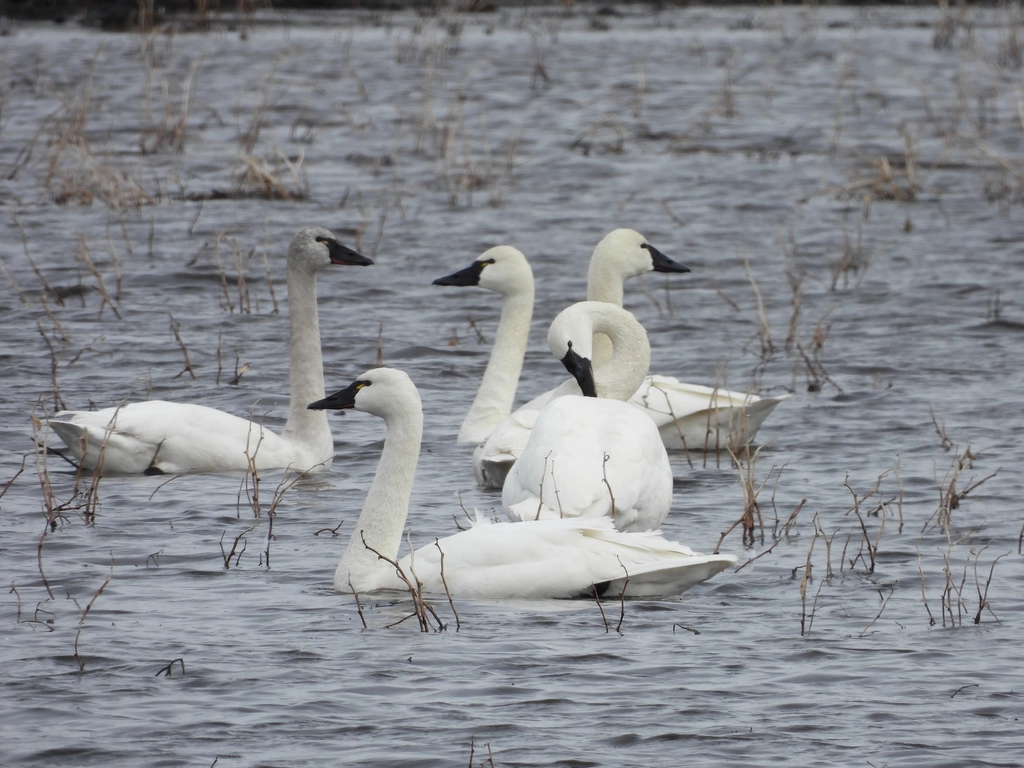 Photo Credit: Rawpixel
In the serene landscapes of the Arctic tundra, the Tundra Swan, scientifically known as Cygnus columbianus, glides gracefully across shimmering lakes and marshes. With its striking white feathers and long, elegant neck, this bird is a true symbol of beauty in the wild. As it moves through its habitat, the Tundra Swan captivates onlookers with its majestic presence, making it a favorite among birdwatchers and nature enthusiasts alike. Scientists are particularly intrigued by this species, not only for its stunning appearance but also for its fascinating behaviors and vital role in the ecosystem.
Imagine standing by a tranquil lake at dawn, the air crisp and cool, as the first rays of sunlight dance on the water’s surface. The Tundra Swan emerges, its wings outstretched, creating ripples that shimmer like diamonds. These swans are not just beautiful; they are also skilled foragers, diving beneath the water to feast on aquatic plants and invertebrates. Their diet and social interactions play a crucial role in maintaining the health of their wetland habitats. As we explore the life of the Tundra Swan, we will uncover the secrets of its migration patterns, breeding habits, and the challenges it faces in a changing world, inviting readers of all ages to appreciate the wonders of this remarkable bird.
The Tundra Swan, a graceful bird known for its striking white plumage and long neck, occupies a special place in the animal kingdom. Taxonomically, it belongs to the Kingdom Animalia, which includes all animals, and is classified under the Phylum Chordata, meaning it has a backbone. This elegant bird is part of the Class Aves, which encompasses all birds, and falls within the Order Anseriformes, a group that includes ducks, geese, and swans. The Tundra Swan is a member of the Family Anatidae, known for their aquatic lifestyle and webbed feet. Its scientific name, Cygnus columbianus, reflects its lineage and highlights its connection to the natural world, making it a fascinating subject for both scientists and nature enthusiasts alike.
| Taxonomic Rank | Scientific Name | Meaning & Significance |
|---|---|---|
| Kingdom | Animalia | This name signifies that Tundra Swans are part of the vast group of multicellular organisms that are heterotrophic, meaning they consume other organisms for energy. |
| Phylum | Chordata | Chordata means “having a notochord,” which is a flexible rod that supports the body. This feature is a key characteristic of animals with backbones, like the Tundra Swan. |
| Class | Aves | Aves is the Latin word for birds. This classification highlights the Tundra Swan’s feathers, beak, and ability to lay eggs, all essential traits of birds. |
| Order | Anseriformes | This order includes waterfowl like ducks and geese. The name comes from “anser,” the Latin word for goose, indicating the Tundra Swan’s close relatives. |
| Family | Anatidae | Anatidae is derived from the Latin word “anas,” meaning duck. This family encompasses all swans, ducks, and geese, showcasing the Tundra Swan’s aquatic adaptations. |
| Genus | Cygnus | Cygnus is the Latin word for swan, emphasizing the Tundra Swan’s elegant form and behavior, which are characteristic of swans. |
| Species | columbianus | This species name honors the explorer Christopher Columbus, linking the Tundra Swan to the exploration of the New World and its natural wonders. |
The classification of the Tundra Swan reveals much about its evolutionary history. As a member of the Anatidae family, it shares common ancestors with other waterfowl, showcasing adaptations that allow it to thrive in aquatic environments. Its lineage reflects a long history of evolution, where traits such as migratory behavior and social structures have developed to enhance survival in diverse habitats. Understanding its taxonomic position not only highlights the Tundra Swan’s unique characteristics but also connects it to the broader tapestry of life on Earth, illustrating the intricate relationships among species that have evolved over millions of years.
The evolutionary journey of the Tundra Swan stretches back millions of years, weaving through the complex tapestry of avian history. This elegant bird, scientifically known as Cygnus columbianus, is part of the Anatidae family, which includes ducks, geese, and swans. The ancestors of modern swans began to diverge from other waterfowl around 20 million years ago, during the Miocene epoch, a time when the Earth was undergoing significant climatic changes.
The early ancestors of swans were smaller and less specialized than today’s Tundra Swan. Over time, these birds adapted to their environments, developing longer necks and larger bodies, which allowed them to forage more efficiently in aquatic habitats. The transition from these ancestral forms to the Tundra Swan involved a series of adaptations that enhanced their survival in cold, northern climates. As they evolved, they became more proficient at migrating long distances, a trait that would prove essential for finding food and suitable breeding grounds.
The adaptations of the Tundra Swan have been crucial for its survival in harsh environments. Their long necks and strong wings allow them to navigate vast landscapes in search of food and suitable habitats. The thick plumage keeps them warm during the bitterly cold winters, while their social behavior fosters cooperation and protection. Together, these traits not only highlight the Tundra Swan’s evolutionary success but also illustrate the intricate relationship between species and their environments.
The Tundra Swan is a vision of elegance and strength, gliding effortlessly across the water’s surface. With its long neck and broad wings, this bird commands attention wherever it goes. Its body is robust yet streamlined, designed for both grace in flight and efficiency in swimming. The striking contrast of its pure white feathers against the deep blue of the water creates a breathtaking sight, especially when they take to the skies in a V-formation, showcasing their impressive wingspan.
| Feature | Description |
|---|---|
| Weight | 134.0 to 370.4 ounces |
| Skin Type | Feathers |
| Most Distinctive Feature | Yellow marking at base of bill |
These physical characteristics are not just for show; they play vital roles in the Tundra Swan’s survival. The lightweight feathers allow for efficient flight, enabling these birds to migrate long distances between their breeding and wintering grounds. The yellow marking at the base of their bill is not only visually striking but also serves as a signal to other swans, helping them communicate and bond during the breeding season. Together, these features create a bird that is not only beautiful but also perfectly adapted to its environment.
The Tundra Swan thrives in a breathtaking habitat that combines the beauty of wetlands and the serenity of open water. Picture vast, shimmering lakes surrounded by lush marshes and grassy meadows. These areas are often dotted with patches of ice during the colder months, creating a stunning contrast against the swan’s brilliant white feathers. As they glide gracefully across the water, Tundra Swans are often seen in pairs or small family groups, adding to the picturesque scene of their natural environment.
The climate where Tundra Swans make their home is as diverse as the regions they inhabit. They prefer areas with cold temperatures, especially during the breeding season, which typically occurs in the spring. These swans are well-suited to environments that experience long, harsh winters, as well as milder summers. The wetlands they inhabit are rich in aquatic plants, which provide essential food sources. The presence of open water is crucial, as it allows them to forage for food and find safe places to rest.
To thrive in these specific habitats, Tundra Swans have developed several remarkable adaptations. Their strong, webbed feet make them excellent swimmers, allowing them to navigate through icy waters with ease. Their long necks enable them to reach underwater vegetation, which is a primary food source. Additionally, their thick plumage provides insulation against the cold, keeping them warm even in frigid temperatures. These adaptations not only help them survive but also allow them to flourish in the stunning yet challenging environments they call home.
The daily life of a Tundra Swan is a blend of grace and purpose, filled with activities that revolve around foraging, socializing, and resting. As dawn breaks, these swans awaken in their wetland homes, stretching their long necks and flapping their broad wings. They begin their day by searching for food, often dabbling in shallow waters to find aquatic plants, seeds, and small invertebrates. Throughout the day, they alternate between feeding and preening, ensuring their feathers remain waterproof and in top condition. As the sun sets, they gather in safe spots to rest, often forming tight-knit groups for added security against potential predators.
Social behavior is a cornerstone of Tundra Swan life. These birds are highly social and prefer to live in flocks, which can range from a few individuals to several hundred. Within these groups, they communicate through a variety of vocalizations, including soft honks and trumpeting calls that help maintain cohesion and alert others to danger. The swans engage in playful interactions, such as synchronized swimming and gentle sparring, which strengthen their bonds. This social structure not only enhances their safety but also plays a crucial role in their breeding success, as they often mate for life and raise their young together.
| Behavior Type | Description |
|---|---|
| Feeding | Tundra Swans forage for aquatic plants, seeds, and small invertebrates in shallow waters. |
| Social Structure | They live in flocks, which can vary in size, providing safety in numbers. |
| Communication | Swans use a range of vocalizations, including honks and trumpets, to communicate with each other. |
| Resting | At the end of the day, they gather in groups to rest, often in safe, secluded areas. |
These behaviors are not just for show; they are vital for the survival of Tundra Swans. By foraging in groups, they can cover more ground and find food more efficiently. Their social bonds help protect them from predators, as there is safety in numbers. Communication ensures that all members of the flock are aware of potential threats and can respond quickly. Together, these daily activities and social dynamics create a harmonious existence that allows Tundra Swans to thrive in their beautiful, wetland habitats.
The Tundra Swan has a diverse diet that reflects its omnivorous nature, meaning it enjoys both plant and animal foods. These elegant birds primarily feed on aquatic vegetation, such as grasses and sedges, which they find in their wetland habitats. They also indulge in small invertebrates, particularly mollusks, which are soft-bodied animals like clams and snails. Tundra Swans are skilled foragers, using their long necks to reach underwater plants and dabbling at the surface to catch their favorite snacks.
| Dietary Aspect | Details |
|---|---|
| Diet Type | Omnivore |
| Favorite Foods | Aquatic plants, grasses, and mollusks |
| Prey Items | Mollusks, including clams and snails |
| Hunting/Foraging Strategies | Foraging in shallow waters and dabbling at the surface |
The diet of the Tundra Swan plays a crucial role in its ecology and daily routine. By consuming a mix of plants and small animals, these swans help maintain the health of their wetland ecosystems. Their foraging activities not only provide them with essential nutrients but also influence the growth of aquatic vegetation, creating a balanced habitat for other wildlife. As they glide gracefully through their environment, Tundra Swans contribute to the intricate web of life that thrives in these beautiful landscapes.
As the chill of winter begins to fade, Tundra Swans embark on a remarkable journey of love and family. During the breeding season, which typically occurs from late April to early June, these swans engage in elaborate courtship displays. Males and females perform synchronized movements, including head bobbing and graceful swimming, to strengthen their bond. Once paired, they will often mate for life, returning to the same nesting sites year after year, creating a sense of stability in their lives.
| Reproductive Aspect | Details |
|---|---|
| Gestation Period | About 30 days |
| Litter Size | 3 to 5 eggs |
| Age of Maturity | About 3 to 4 years |
| Name of Young | Cygnets |
Once the eggs hatch, the devoted parents take on the important role of caregivers. The cygnets, as the young swans are called, are precocial, meaning they are relatively mature and mobile shortly after hatching. They can swim and dive for food almost immediately, but they still rely on their parents for protection and guidance. The parents lead their young to safe feeding areas and teach them essential survival skills. As the cygnets grow, they develop their striking white feathers and learn to navigate the vast wetlands, preparing them for the journey into adulthood. This nurturing process not only strengthens family bonds but also ensures the continuation of their majestic lineage.
The Tundra Swan plays a vital role in its ecosystem, sitting near the top of the food web. As a large waterfowl, it primarily feeds on aquatic plants, but it is not without its own set of challenges. While these swans are majestic and powerful, they face various predators and threats that can impact their survival.
To defend themselves against these dangers, Tundra Swans have developed several survival strategies. They often rely on their size and strength to deter smaller predators. When threatened, they can become aggressive, using their powerful wings to ward off attackers. Additionally, these swans are known for their strong family bonds, often traveling in groups, which provides safety in numbers. By staying vigilant and using their natural instincts, Tundra Swans navigate the challenges of their environment, ensuring their place in the wild.
A keystone species is an organism that has a disproportionately large impact on its environment relative to its abundance. In other words, if a keystone species is removed, the entire ecosystem can change dramatically. The Tundra Swan, with its significant role in wetland habitats, qualifies as a keystone species. Its presence influences various ecological processes, making it an essential part of its ecosystem.
Tundra Swans contribute to their environment in several important ways. First, their feeding habits help shape the plant communities in wetlands. By foraging on aquatic vegetation, they prevent certain plants from becoming overly dominant, allowing a diverse range of species to thrive. This diversity is crucial for maintaining healthy ecosystems, as it supports various other wildlife, from insects to fish.
Additionally, Tundra Swans are known to create habitats for other species. When they feed, they disturb the sediment in the water, which can help release nutrients. These nutrients promote the growth of algae and other plants, providing food and shelter for smaller aquatic animals. This chain reaction supports a vibrant food web, where many species depend on one another for survival.
Moreover, Tundra Swans are social animals that often flock together. Their group behavior can influence the movement and distribution of other wildlife in the area. For example, their presence can attract predators, which in turn affects the population dynamics of smaller animals. This interconnectedness highlights the swan’s role in maintaining balance within its ecosystem.
If Tundra Swans were to disappear, the consequences would ripple through their ecosystem. Without these swans, aquatic plant life could become unbalanced, leading to overgrowth of certain species and a decline in overall biodiversity. This shift would affect not only the plants but also the animals that rely on them for food and habitat. The absence of Tundra Swans would disrupt the delicate web of life in wetlands, demonstrating just how vital they are to the health of their environment.
The Tundra Swan plays a vital role in its ecosystem, acting as both a forager and a contributor to the health of wetland environments. By feeding on aquatic plants and invertebrates, these swans help maintain the balance of their habitats. Their presence influences the distribution of plant species and the overall biodiversity of the areas they inhabit. As they migrate between breeding and wintering grounds, they also connect different ecosystems, spreading nutrients and seeds along their journey.
| Ecosystem Service | Impact |
|---|---|
| Foraging | Controls aquatic plant growth and promotes biodiversity. |
| Nutrient Cycling | Redistributes nutrients through droppings, enriching the soil. |
| Seed Dispersal | Helps in the spread of various plant species across ecosystems. |
| Habitat Creation | Encourages the growth of wetland plants that provide shelter for other species. |
The Tundra Swan’s foraging habits significantly influence the aquatic ecosystems they inhabit. By consuming large amounts of aquatic vegetation, they prevent any single plant species from dominating the landscape. This creates a diverse habitat that supports various organisms, from tiny insects to larger mammals. Additionally, their droppings enrich the soil with nutrients, promoting healthy plant growth. As they migrate, they also carry seeds in their feathers and digestive systems, helping to establish new plant communities in different areas.
The broader ecological importance of the Tundra Swan cannot be overstated. As a keystone species, their presence is crucial for maintaining the health and balance of wetland ecosystems. Without them, the intricate web of life that depends on these habitats could unravel. By supporting biodiversity and nutrient cycling, Tundra Swans help ensure that their ecosystems remain vibrant and resilient, showcasing the interconnectedness of all living things. Their graceful presence is not just a beautiful sight; it is a reminder of the delicate balance that sustains life on our planet.
In the intricate web of nature, symbiosis refers to the close and often long-term interactions between different species. These relationships can take many forms, including mutualism, where both species benefit, parasitism, where one benefits at the expense of the other, and commensalism, where one benefits while the other is neither helped nor harmed. The Tundra Swan, with its elegant presence in wetland ecosystems, engages in various ecological partnerships that highlight the interconnectedness of life.
| Species/Type | Relationship Type | Description |
|---|---|---|
| Waterfowl and Aquatic Plants | Mutualistic | Tundra Swans feed on aquatic plants, which helps control plant growth, while the plants benefit from nutrient cycling in the water. |
| Invertebrates | Commensal | As Tundra Swans forage, they stir up sediment, making it easier for small invertebrates to access food, benefiting them without affecting the swans. |
| Predators (e.g., foxes) | Parasitic | While Tundra Swans are not typically preyed upon, their nests can attract predators, which can lead to loss of eggs or young swans. |
These relationships have evolved over time, shaped by the needs and behaviors of the species involved. The Tundra Swan’s interactions with aquatic plants and invertebrates illustrate a balance where both parties thrive. By foraging for food, the swans help maintain healthy ecosystems, while the plants and invertebrates benefit from the swans’ activities. Understanding these connections deepens our appreciation for the delicate balance of nature and the roles each species plays in sustaining life on Earth.
The Tundra Swan is a captivating bird that enchants nature lovers with its beauty and intriguing behaviors. Here are some surprising facts that showcase just how remarkable this species truly is.
The Tundra Swan has long been intertwined with human culture, captivating our imaginations and inspiring stories across generations. Historically, these elegant birds have been admired for their beauty and grace, often appearing in folklore and art. Indigenous peoples of North America, for instance, have revered the Tundra Swan, viewing it as a symbol of purity and love. Their migratory patterns, which signal the changing seasons, have also made them significant in agricultural communities, marking the time for planting and harvesting.
In modern times, the relationship between Tundra Swans and humanity has evolved, focusing on conservation and coexistence. As habitats are threatened by climate change and human development, efforts have been made to protect these magnificent birds and their environments. Organizations work tirelessly to monitor swan populations and restore wetlands, ensuring that these habitats remain vibrant. However, conflicts can arise, particularly in agricultural areas where swans may feed on crops. Some farmers view them as pests, leading to tensions that require careful management and understanding.
As we look to the future, the relationship between Tundra Swans and humanity holds promise. With increased awareness of environmental issues, more people are recognizing the importance of protecting these birds and their habitats. By fostering a spirit of cooperation and understanding, we can ensure that Tundra Swans continue to grace our skies and wetlands for generations to come. Together, we can create a world where both humans and swans thrive, celebrating the beauty of nature in harmony.
The Tundra Swan, known for its stunning white feathers and graceful presence, currently holds a conservation status of “Least Concern.” This means that, as of now, the species is not facing immediate threats of extinction. With an estimated population size of around 280,000 individuals, Tundra Swans are relatively stable in their numbers. However, like many wildlife species, they are still affected by environmental changes and human activities.
| Conservation Factor | Status/Details |
|---|---|
| IUCN Status | Least Concern |
| Estimated Population Size | 280,000 |
| Population Trend | Stable |
Despite their current stable status, Tundra Swans face several threats that could impact their future. Habitat loss is a significant concern, as wetlands are drained for agriculture and urban development. Additionally, climate change poses risks by altering their breeding and feeding grounds. Pollution in water bodies can also affect the quality of their food sources, making it harder for these swans to thrive.
Conservation efforts are underway to protect the Tundra Swan and its habitat. Organizations are working to preserve wetland areas and promote sustainable land use practices. Public awareness campaigns help educate communities about the importance of these beautiful birds and their ecosystems. With continued efforts, the outlook for the Tundra Swan remains hopeful, allowing future generations to enjoy their elegance and grace in the wild.
| Question | Answer |
|---|---|
| What is the habitat of the Tundra Swan? | Tundra Swans are commonly found in the Arctic and sub-Arctic regions. They prefer wetlands, lakes, and coastal areas where they can find plenty of food and nesting sites. |
| What do Tundra Swans eat? | Tundra Swans are omnivores, which means they eat both plants and animals. Their diet mainly consists of aquatic plants, seeds, and small invertebrates, providing them with the nutrients they need to thrive. |
| How do Tundra Swans behave in the wild? | Tundra Swans are known for their graceful movements and strong social bonds. They often travel in family groups and communicate with a variety of vocalizations, including trumpeting calls that can be heard from a distance. |
| How do Tundra Swans reproduce? | Tundra Swans typically mate for life and return to the same nesting sites each year. They build their nests near water, using grasses and reeds, and the female usually lays 3 to 5 eggs, which both parents help to incubate. |
| What threats do Tundra Swans face? | While Tundra Swans are currently listed as Least Concern, they face threats from habitat loss and climate change. Pollution and hunting can also impact their populations, making conservation efforts important for their future. |
| What is a distinctive feature of the Tundra Swan? | The most distinctive feature of the Tundra Swan is the yellow marking at the base of its bill. This bright splash of color helps to identify them among other swan species and adds to their beauty. |
| Are Tundra Swans migratory birds? | Yes, Tundra Swans are migratory birds. They travel thousands of miles between their breeding grounds in the Arctic and their wintering areas in the southern United States and parts of Canada. |