Taxonomy & Classification
- Kingdom
- Animalia
- Phylum
- Chordata
- Class
- Mammalia
- Order
- Primates
- Family
- Cercopithecidae
- Genus
- Chlorocebus
- Species
- Chlorocebus pygerythrus

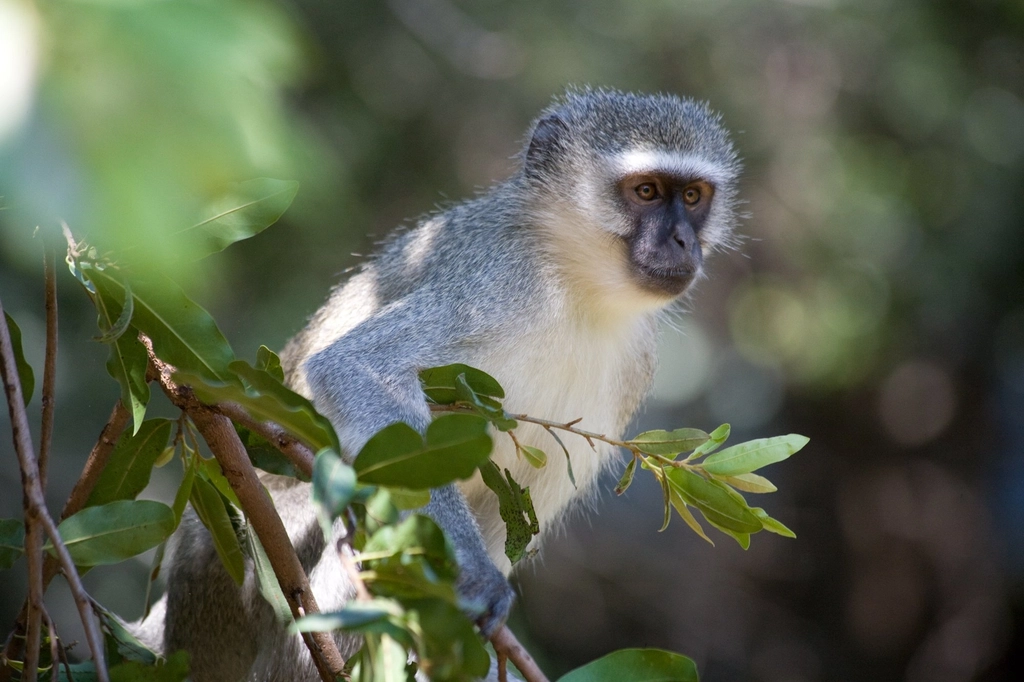 Photo Credit: Rawpixel
In the sun-drenched savannas and lush riverine forests of Eastern Africa, the Vervet Monkey, scientifically known as Chlorocebus, swings gracefully from branch to branch. With its striking greenish-gray fur, bright white face, and expressive black features, this lively primate captures the attention of anyone lucky enough to spot it. Vervet Monkeys are not just beautiful; they are also incredibly social creatures, often seen grooming one another or chattering excitedly in their tight-knit groups. Their playful antics and clever behaviors make them a favorite among both scientists and nature enthusiasts alike.
What truly fascinates researchers is the Vervet Monkey’s complex social structure and communication skills. These monkeys have a rich vocabulary of vocalizations, each sound conveying different messages about danger or food sources. For example, a specific alarm call can alert others to the presence of a predator, like a hawk or a leopard, while another call might signal the discovery of a tasty treat. This ability to communicate effectively not only helps them survive but also highlights their intelligence and adaptability in the wild. As we delve deeper into the world of the Vervet Monkey, we will explore their habitat, diet, social behaviors, and the vital role they play in their ecosystem, revealing just how remarkable these little primates truly are.
The Vervet Monkey, scientifically known as Chlorocebus, occupies a fascinating niche in the tree of life. This lively primate belongs to the family Cercopithecidae, which includes many other Old World monkeys. What sets Vervet Monkeys apart is their remarkable social structure and communication skills. They are known for their complex vocalizations, which help them alert their troop to various dangers, showcasing a level of social intelligence that is quite impressive in the animal kingdom.
| Taxonomic Rank | Scientific Name | Meaning & Significance |
|---|---|---|
| Kingdom | Animalia | This name signifies that Vervet Monkeys are part of the vast group of multicellular organisms that are primarily heterotrophic, meaning they consume other organisms for energy. |
| Phylum | Chordata | Chordata refers to animals that have a notochord, a flexible rod that supports the body. In Vervet Monkeys, this structure is present during their early development. |
| Class | Mammalia | Mammalia indicates that these monkeys are warm-blooded, have fur, and typically give live birth, traits that define mammals. |
| Order | Primates | Primates are characterized by their flexible limbs and highly developed brains. This order includes humans, apes, and monkeys, highlighting the Vervet’s advanced cognitive abilities. |
| Family | Cercopithecidae | This family name means “tail of a monkey,” which is fitting as Vervet Monkeys have long, expressive tails that aid in balance and communication. |
| Genus | Chlorocebus | Chlorocebus translates to “green monkey,” a nod to the animal’s often greenish fur and its habitat in the lush environments of Africa. |
Understanding the Vervet Monkey’s classification reveals much about its evolutionary journey. As a member of the primate order, it shares a common ancestor with humans and other primates, highlighting the deep connections within the animal kingdom. The Vervet’s social behaviors and communication skills suggest adaptations that have evolved over time, allowing them to thrive in their environments. This classification not only helps us appreciate their biological traits but also emphasizes the intricate web of life that connects all living beings.
The evolutionary journey of the Vervet Monkey, known scientifically as Chlorocebus, stretches back millions of years. These lively primates are part of the Cercopithecidae family, which includes a variety of Old World monkeys. The story of the Vervet Monkey is intertwined with the evolution of primates, showcasing how they adapted to their environments over time.
The ancestors of Vervet Monkeys roamed the Earth around 25 million years ago, during the Miocene epoch. This period was crucial for primate evolution, as it saw the emergence of many modern species. Early primates began to develop traits that would help them thrive in diverse habitats. As they adapted to life in trees, they became more agile and social, forming groups that enhanced their survival. Over time, these ancestral forms evolved into the Vervet Monkey we recognize today, characterized by their distinctive coloration and social behaviors.
The adaptations of the Vervet Monkey have played a vital role in their survival. Their social structure fosters cooperation and protection, while their vocal communication enhances group cohesion. The ability to see colors helps them identify food sources, and their flexible diet allows them to exploit different habitats. With their agility, they can swiftly escape threats, ensuring their place in the diverse ecosystems of Africa. Through these evolutionary changes, Vervet Monkeys have become a successful and resilient species, thriving in the wild.
The Vervet Monkey is a lively and agile primate that captures attention with its striking appearance. With a body that typically weighs between 3.5 to 5 kilograms, or about 7 to 10 pounds, these monkeys are small yet robust. Their limbs are long and slender, perfectly designed for climbing and leaping through the trees of their African habitats. The most eye-catching aspect of their physical form is their black face, which contrasts sharply with the soft, grayish-green fur that covers the rest of their bodies. This combination gives them a playful yet dignified look, making them a favorite among wildlife enthusiasts.
| Feature | Description |
|---|---|
| Weight | 3.5kg – 5kg (7lbs – 10lbs) |
| Skin Type | Fur |
| Most Distinctive Feature | Black face with white ear tufts |
The Vervet Monkey’s physical features are not just for show; they play vital roles in its survival. The black face with white ear tufts helps these monkeys communicate with one another, signaling emotions and intentions in their social groups. Their fur provides insulation and protection from the elements, while their agile bodies allow them to navigate the treetops with ease, escaping predators and foraging for food. Together, these characteristics create a well-adapted primate that thrives in its environment, showcasing the beauty and complexity of nature.
The Vervet Monkey thrives in the vibrant landscapes of Eastern Africa, where it finds its home in lush riverine acacia forests. These forests are characterized by tall, leafy trees that provide ample shade and shelter. The monkeys can often be seen swinging gracefully from branch to branch, their playful antics bringing life to the dappled sunlight filtering through the leaves. The rich biodiversity of these habitats supports not only the Vervet Monkeys but also a variety of other wildlife, creating a lively ecosystem.
The climate in these regions is typically warm and tropical, with a mix of wet and dry seasons. Vervet Monkeys prefer areas where water is readily available, as they rely on it for drinking and bathing. The riverine environment provides not only hydration but also a rich source of food, including fruits, leaves, and insects. These monkeys are well-suited to the fluctuating weather patterns, adapting to both the rainy and dry spells that characterize their habitat.
Adaptation is key to the survival of the Vervet Monkey in its riverine home. Their agile bodies and strong limbs allow them to navigate the trees with ease, while their social structures help them thrive in groups. Living in troops provides safety in numbers, as they can alert each other to potential dangers. Additionally, their varied diet enables them to take advantage of the seasonal abundance of food, ensuring they can find nourishment throughout the year. This clever adaptability makes the Vervet Monkey a true survivor in the dynamic environments of Eastern Africa.
The Vervet Monkey’s day is a lively tapestry of activity, woven with the threads of foraging, socializing, and grooming. As diurnal creatures, they rise with the sun, ready to explore their surroundings. Mornings are often spent searching for food, which includes fruits, seeds, and insects. These monkeys are agile climbers, darting through trees to find their favorite snacks. As the day unfolds, they engage in playful antics, swinging from branches and chasing one another, showcasing their boundless energy and curiosity.
Social behavior is at the heart of Vervet Monkey life. They live in troops, which are groups that can range from a few individuals to over fifty. Within these troops, complex relationships develop, marked by grooming sessions that strengthen bonds and establish hierarchies. Communication is key; they use a variety of vocalizations, body language, and facial expressions to convey messages. For instance, a specific alarm call can alert the troop to the presence of a predator, allowing them to react quickly and stay safe. This social structure not only fosters cooperation but also enhances their survival in the wild.
| Behavior Type | Description |
|---|---|
| Foraging | Vervet Monkeys search for fruits, seeds, and insects, using their agility to navigate trees. |
| Social Structure | They live in troops, forming complex relationships and hierarchies within the group. |
| Grooming | Grooming sessions help strengthen social bonds and maintain group cohesion. |
| Communication | They use vocalizations and body language to convey messages, including alarm calls for predators. |
These behaviors are not just for fun; they play a crucial role in the survival of Vervet Monkeys. By foraging together, they increase their chances of finding food, while their social bonds help them navigate challenges in their environment. The ability to communicate effectively allows them to respond swiftly to threats, ensuring that the troop can protect itself. In the vibrant world of Vervet Monkeys, every action contributes to the well-being of the group, highlighting the importance of cooperation in the wild.
The Vervet Monkey is an omnivore, which means it enjoys a varied diet that includes both plant and animal matter. These playful primates primarily feast on leaves, fruits, and insects, showcasing their adaptability in the wild. Their foraging behavior is quite social; they often search for food in groups, which not only helps them find more to eat but also keeps them safe from predators. With their keen eyesight and agile movements, Vervet Monkeys are skilled at spotting ripe fruits high in trees and can quickly navigate their environment to reach their favorite snacks.
| Dietary Aspect | Details |
|---|---|
| Diet Type | Omnivore |
| Favorite Foods | Leaves, fruits |
| Prey Items | Insects |
| Hunting/Foraging Strategies | Forages in groups, uses keen eyesight to spot food |
The diet of the Vervet Monkey plays a crucial role in shaping its ecology and daily routine. By consuming a mix of fruits and insects, these monkeys help in seed dispersal, which is vital for the health of their forest habitats. Their social foraging behavior not only strengthens group bonds but also enhances their chances of survival in the wild. As they navigate their environment, Vervet Monkeys contribute to the balance of their ecosystem, making them an important part of the vibrant tapestry of life in Eastern Africa.
When it comes to mating, Vervet Monkeys have a lively and social approach. They typically breed throughout the year, but certain seasons may see increased activity. Males often engage in displays to attract females, showcasing their strength and health. These displays can include vocalizations, grooming, and playful interactions. Once a female is ready to mate, she will signal her interest through specific behaviors, and the pair will engage in a brief courtship before mating occurs.
| Reproductive Aspect | Details |
|---|---|
| Gestation Period | 163 days |
| Average Litter Size | 1 |
| Age of Sexual Maturity | 2 – 5 years |
| Name of Young | Infant |
After the gestation period of about 163 days, a single infant is born. Vervet Monkey mothers are attentive and nurturing, providing their young with the care they need to thrive. The infants cling to their mothers for warmth and security, learning essential skills through observation and interaction. As they grow, they begin to explore their surroundings, gradually gaining independence. By the time they reach sexual maturity, which can occur between 2 to 5 years of age, they are well-equipped to navigate the complexities of their social world, continuing the cycle of life in their vibrant communities.
The Vervet Monkey plays a vital role in its ecosystem, sitting comfortably in the middle of the food web. As an omnivore, it helps control insect populations while also serving as a food source for various predators. This lively primate is not just a playful resident of Eastern Africa’s forests; it is also a key player in maintaining the balance of its environment.
To survive against these threats, Vervet Monkeys have developed clever defensive behaviors. They are known for their alarm calls, which alert other monkeys to danger, allowing them to escape quickly. Their social structure also plays a crucial role; by living in groups, they can keep watch for predators. When faced with danger, they often use their agility to climb trees, where they can find safety among the branches. These strategies help them navigate the challenges of their environment and continue to thrive in the wild.
A keystone species is a vital part of its ecosystem, meaning its presence and activities have a significant impact on the environment and other living things. The Vervet Monkey, known scientifically as Chlorocebus, qualifies as a keystone species due to its role in maintaining the balance of its habitat in Eastern Africa. By influencing the populations of other species and contributing to the health of its ecosystem, the Vervet Monkey plays a crucial role in the intricate web of life.
Vervet Monkeys are omnivores, which means they eat both plants and animals. This diverse diet allows them to help control insect populations, as they consume a variety of insects along with fruits and leaves. By keeping insect numbers in check, they help protect the plants in their riverine acacia forest habitat, ensuring that these trees can thrive. Additionally, their foraging behavior can aid in seed dispersal. When they eat fruits and then move to different areas, they inadvertently spread seeds through their droppings, promoting plant growth and diversity.
Moreover, Vervet Monkeys are social animals that live in troops. Their interactions within these groups can influence the behavior of other species in their environment. For example, their alarm calls alert other animals to the presence of predators, which can help keep the entire community safer. This behavior not only benefits the monkeys but also supports the survival of various species that share their habitat.
If Vervet Monkeys were to disappear from their ecosystem, the effects would ripple throughout the environment. Insect populations could surge, leading to overgrazing of plants and a decline in vegetation health. This, in turn, would affect other animals that rely on those plants for food and shelter. The loss of their social structure would also mean fewer alarm calls, leaving many species vulnerable to predators. Overall, the absence of Vervet Monkeys would disrupt the delicate balance of their ecosystem, highlighting just how important these lively primates truly are.
The Vervet Monkey, known scientifically as Chlorocebus, plays a crucial role in its ecosystem, particularly within the riverine acacia forests of Eastern Africa. This lively primate occupies an ecological niche that allows it to interact with various elements of its environment. By foraging for food and socializing in groups, Vervet Monkeys contribute to the health and balance of their habitat, influencing both plant and animal communities.
| Ecosystem Service | Impact |
|---|---|
| Seed Dispersal | Vervet Monkeys help spread seeds from the fruits they eat, promoting plant growth and diversity. |
| Pest Control | By consuming insects, they help regulate pest populations, benefiting other species and plants. |
| Soil Aeration | Their foraging behavior disturbs the soil, which can enhance nutrient cycling and plant health. |
| Food Source | They serve as prey for larger predators, maintaining the balance of the food web. |
Vervet Monkeys are not just playful creatures; they are active participants in their ecosystem. For example, as they munch on fruits and leaves, they inadvertently help with seed dispersal. This means that new plants can grow in different areas, which is essential for maintaining biodiversity. Additionally, their diet includes a variety of insects, which helps keep those populations in check. This natural pest control is vital for the health of the plants in their habitat, allowing them to thrive without being overwhelmed by pests.
The broader ecological importance of Vervet Monkeys cannot be overstated. As a keystone species, their activities significantly influence the structure and function of their ecosystem. By promoting plant diversity through seed dispersal and controlling insect populations, they help create a balanced environment that supports a wide range of other species. In this way, Vervet Monkeys are not just inhabitants of their forest; they are essential architects of their ecosystem, shaping the world around them in ways that benefit countless other organisms.
In the intricate web of life, symbiosis refers to the close and often long-term interactions between different species. These relationships can take many forms, including mutualism, where both species benefit, commensalism, where one benefits while the other is neither helped nor harmed, and parasitism, where one species benefits at the expense of the other. Vervet monkeys, known for their lively social structures and adaptability, engage in various ecological partnerships that highlight the interconnectedness of life in their riverine acacia forest habitat.
| Species/Type | Relationship Type | Description |
|---|---|---|
| Birds (e.g., oxpeckers) | Mutualistic | Vervet monkeys often host birds that feed on parasites found on their skin. The birds get a meal, while the monkeys enjoy a cleaner coat. |
| Acacia Trees | Commensal | Vervet monkeys benefit from the fruits and leaves of acacia trees, while the trees are largely unaffected by the monkeys’ foraging. |
| Ticks and other parasites | Parasitic | Ticks latch onto vervet monkeys, feeding on their blood. This relationship harms the monkeys, as it can lead to health issues. |
These relationships have evolved over time, shaped by the needs and behaviors of the species involved. The mutualistic bond between vervet monkeys and birds, for instance, showcases how cooperation can enhance survival. By allowing birds to remove pests, vervet monkeys not only improve their own health but also provide a reliable food source for their feathered friends. Meanwhile, the relationship with acacia trees highlights the importance of habitat in supporting diverse life forms. Understanding these connections helps us appreciate the delicate balance of ecosystems and the roles each species plays in maintaining it.
Vervet monkeys are not just charming with their playful antics; they also possess some surprising traits that make them truly captivating. Here are a few intriguing facts that showcase their unique behaviors and adaptations.
The relationship between Vervet Monkeys and humans has a rich history that dates back centuries. These lively primates have been part of African folklore and culture, often symbolizing cleverness and adaptability. In many communities, they are seen as both playful companions and mischievous pests. Their striking appearance and social behaviors have captured the imagination of people, leading to various cultural representations. Historically, Vervet Monkeys have been observed in close proximity to human settlements, where they often forage for food scraps, creating a unique bond that has evolved over time.
Today, the interactions between Vervet Monkeys and humans are complex and multifaceted. On one hand, conservation efforts aim to protect their habitats and ensure their survival in the wild. Organizations work tirelessly to educate communities about the importance of preserving these primates and their ecosystems. On the other hand, conflicts arise when Vervet Monkeys raid crops or invade homes in search of food, leading to tensions between them and local farmers. Some people have even attempted to domesticate these monkeys, although this practice raises ethical concerns and can disrupt their natural behaviors.
The future of the relationship between Vervet Monkeys and humanity holds both promise and challenges. As awareness of conservation grows, there is hope for more harmonious coexistence. By fostering understanding and respect for these intelligent primates, communities can work together to find solutions that benefit both humans and Vervet Monkeys. With continued education and conservation efforts, we can ensure that these lively creatures remain a vibrant part of our shared world for generations to come.
The Vervet Monkey, known scientifically as Chlorocebus, currently holds a conservation status of “Least Concern” according to the International Union for Conservation of Nature (IUCN). This means that, at present, the species is not facing an immediate threat of extinction. Their population is considered sustainable, indicating that they are thriving in their natural habitats across Eastern Africa. However, while their numbers are stable, ongoing monitoring is essential to ensure that they remain healthy and abundant in the wild.
| Conservation Factor | Status/Details |
|---|---|
| IUCN Status | Least Concern |
| Estimated Population Size | Sustainable |
| Population Trend | Stable |
Despite their current stable status, Vervet Monkeys face several threats that could impact their future. Habitat loss is a significant concern, primarily due to agricultural expansion and urban development. As humans encroach on their natural environments, these playful primates lose vital resources like food and shelter. Additionally, they can sometimes come into conflict with farmers, leading to negative perceptions and even culling in some areas. Climate change also poses a long-term risk, as shifting weather patterns can alter their habitats and food availability.
Conservation efforts are underway to protect Vervet Monkeys and their habitats. Various organizations are working to raise awareness about the importance of preserving these lively primates and their ecosystems. Community-based initiatives encourage local populations to coexist peacefully with Vervet Monkeys, promoting sustainable practices that benefit both humans and wildlife. With continued support and effective conservation strategies, the outlook for Vervet Monkeys remains positive, ensuring that future generations can enjoy the sight of these charming creatures in the wild.
| Question | Answer |
|---|---|
| What is the natural habitat of Vervet Monkeys? | Vervet Monkeys thrive in riverine acacia forests, which are lush areas near rivers and streams. These forests provide them with plenty of food and places to hide from predators. |
| What do Vervet Monkeys eat? | Vervet Monkeys are omnivores, meaning they eat both plants and animals. Their diet includes fruits, leaves, seeds, and insects, allowing them to adapt to different food sources in their environment. |
| How do Vervet Monkeys behave in groups? | Vervet Monkeys are social animals that live in groups called troops. These troops can have up to 50 members, and they communicate using a variety of vocalizations, body language, and facial expressions. |
| How do Vervet Monkeys reproduce? | Vervet Monkeys typically have a gestation period of about six months. After this time, females give birth to a single baby, which they care for closely, teaching it important survival skills. |
| What are the main threats to Vervet Monkeys? | While Vervet Monkeys are currently classified as Least Concern, they face threats from habitat loss due to human activities like farming and urban development. They can also be hunted in some areas, which impacts their populations. |
| What is a distinctive feature of Vervet Monkeys? | One of the most distinctive features of Vervet Monkeys is their black face, which is framed by white ear tufts. This striking appearance helps them stand out in their natural habitat. |
| Can Vervet Monkeys use tools? | Yes, Vervet Monkeys have been observed using tools, such as stones to crack open nuts. This ability shows their intelligence and adaptability in finding food. |