Taxonomy & Classification
- Kingdom
- Animalia
- Phylum
- Chordata
- Class
- Mammalia
- Order
- Artiodactyla
- Family
- Cervidae
- Genus
- Odocoileus
- Species
- Odocoileus virginianus

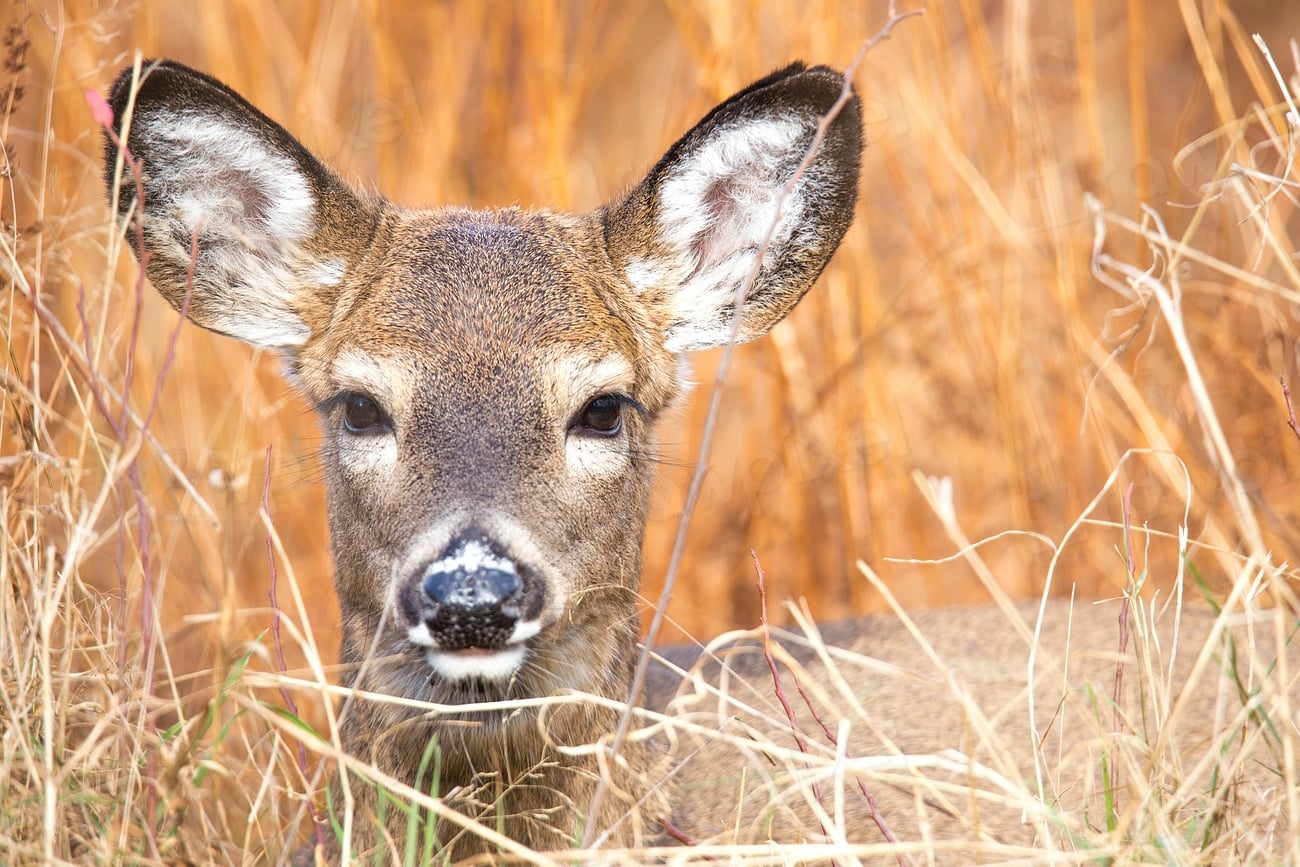 Photo Credit: National Park Service / Rawpixel
In the heart of North America’s lush forests, the white-tailed deer, scientifically known as Odocoileus virginianus, gracefully roams its territory. Picture a serene morning where the sun peeks through the trees, casting dappled light on the forest floor. Here, the white-tailed deer stands tall, its sleek, tawny coat shimmering in the golden rays. With its most distinctive feature—a fluffy white tail that flicks up like a flag when startled—this elegant animal captivates both scientists and nature lovers alike. The tail not only serves as a warning signal to other deer but also plays a role in communication, making it a fascinating subject for study.
As these deer navigate their environment, they embody a perfect blend of beauty and adaptability. Their large, expressive eyes and keen sense of hearing help them detect potential dangers, while their powerful legs allow for swift escapes through dense underbrush. White-tailed deer are herbivores, munching on a variety of plants, from tender grasses to juicy fruits, which helps shape their ecosystem. This adaptability to different habitats—from woodlands to suburban backyards—makes them a keystone species, meaning they play a crucial role in maintaining the balance of their environment. Join us as we explore the captivating world of the white-tailed deer, uncovering its behaviors, life cycle, and the vital role it plays in the natural world.
The white-tailed deer, a graceful inhabitant of North American forests, holds a special place in the animal kingdom. Taxonomically, it belongs to the Kingdom Animalia, which includes all animals, and is classified under the Phylum Chordata, known for creatures with a backbone. This elegant mammal is part of the Class Mammalia, which encompasses warm-blooded animals that nurse their young with milk. Within the Order Artiodactyla, the white-tailed deer is grouped with even-toed ungulates, meaning it has an even number of toes on each foot. Its family, Cervidae, includes all deer species, while the genus Odocoileus specifically refers to the deer that are known for their distinctive tail and agile movements. What makes the white-tailed deer particularly captivating is its ability to adapt to various habitats, from dense forests to open fields, showcasing its resilience and versatility.
| Taxonomic Rank | Scientific Name | Meaning & Significance |
|---|---|---|
| Kingdom | Animalia | This name comes from the Latin word “animalis,” meaning “having breath,” highlighting the living nature of all animals. |
| Phylum | Chordata | Derived from the Greek word “chordē,” meaning “string,” this refers to the notochord, a flexible rod that supports the body in all chordates during some stage of development. |
| Class | Mammalia | This term comes from the Latin “mamma,” meaning “breast,” emphasizing the characteristic of mammals to nurse their young with milk. |
| Order | Artiodactyla | From the Greek “artios,” meaning “even,” and “daktulos,” meaning “finger,” this order includes animals with an even number of toes, like the white-tailed deer. |
| Family | Cervidae | This name is derived from the Latin “cervus,” meaning “deer,” which directly connects to the family of animals that includes all deer species. |
| Genus | Odocoileus | From the Greek “odous,” meaning “tooth,” and “koilos,” meaning “hollow,” this genus refers to the unique dental structure of deer, which helps them graze effectively. |
The classification of the white-tailed deer reveals much about its evolutionary journey. As a member of the Cervidae family, it shares a common ancestor with other deer species, showcasing adaptations that have allowed it to thrive in diverse environments. Its place in the Artiodactyla order highlights its evolutionary relationship with other even-toed ungulates, such as cows and pigs, emphasizing the shared traits that have developed over millions of years. Understanding its taxonomic position not only enriches our knowledge of this beautiful animal but also illustrates the intricate web of life that connects all living beings on our planet.
The evolutionary journey of the white-tailed deer stretches back millions of years, weaving through the tapestry of time and adaptation. This species, scientifically known as Odocoileus virginianus, is part of the Cervidae family, which includes all deer. The ancestors of modern deer first appeared around 20 million years ago during the Miocene epoch, a time when the Earth was undergoing significant climatic changes. As forests expanded and grasslands emerged, these early deer began to adapt to their shifting environments.
The earliest members of the Cervidae family were small, agile creatures that roamed the forests and plains. Over time, they evolved into larger forms, developing longer legs and more specialized teeth for grazing. One significant transition occurred when deer began to adapt to a herbivorous diet, allowing them to thrive in diverse habitats. This shift was crucial as it enabled them to exploit a variety of plant resources, from tender leaves to tough grasses.
These evolutionary adaptations have played a vital role in the survival of white-tailed deer. Their antlers not only serve as tools for competition but also signal health and vitality to potential mates. Camouflage helps them evade predators, while their speed and agility allow them to escape threats. Living in social groups enhances their ability to detect danger, and their adaptability to various habitats ensures they can thrive in changing environments. Together, these traits have made the white-tailed deer one of the most successful and widespread mammals in North America.
The white-tailed deer is a stunning sight, embodying both elegance and strength. With a body that can reach heights of up to 3.9 feet at the shoulder, these deer are built for agility and speed. Their slender legs support a robust frame, allowing them to navigate through dense forests and open fields with ease. The most striking feature is their white tail, which they raise as a warning signal to other deer when danger approaches. This combination of grace and alertness makes the white-tailed deer a captivating presence in its natural habitat.
| Feature | Description |
|---|---|
| Height | 0.33m-1.1m (1.7ft-3.9ft) |
| Weight | 40kg-232kg (150lbs-611lbs) |
| Skin Type | Hair |
| Most Distinctive Feature | White tail |
These physical characteristics work together to enhance the white-tailed deer’s survival. Their height allows them to see over tall grass and detect predators from a distance, while their weight provides the strength needed to escape threats quickly. The soft, brown hair of their coat offers excellent camouflage among the trees and underbrush, helping them blend into their surroundings. When they raise their white tails, it not only signals danger to other deer but also serves as a visual cue for fawns to follow their mothers. Each feature plays a vital role in their daily lives, ensuring they thrive in the wild.
The white-tailed deer thrives in a diverse range of habitats that paint a picturesque scene of North America. Imagine wandering through a lush forest where towering hardwood trees stretch toward the sky, their leaves whispering in the breeze. Below, a carpet of soft grass and wildflowers provides a perfect dining spot. These deer are also found in open croplands, where they nibble on tender crops, and in brushlands and pasturelands, where they can easily hide from predators. This blend of environments creates a rich tapestry of life, making it an ideal home for these graceful animals.
White-tailed deer are adaptable creatures, thriving in various climates and environmental conditions. They prefer areas with a mix of cover and open space, allowing them to find food while staying safe from danger. These deer are often found in regions that experience four distinct seasons, from warm summers to cold winters. They are particularly fond of areas with abundant vegetation, which provides both food and shelter. The presence of water sources, like streams and ponds, is also crucial for their survival, as they need to stay hydrated.
Over time, white-tailed deer have developed remarkable adaptations to their habitats. Their keen sense of smell and acute hearing help them detect predators from afar, while their agility allows them to dart away quickly when threatened. Their ability to thrive in both wooded areas and open fields means they can find food and shelter in various environments. This flexibility has enabled them to flourish across a wide range of landscapes, making them one of the most successful large mammals in North America.
White-tailed deer lead a daily life that is both rhythmic and adaptable. As dawn breaks, these animals begin to stir, often engaging in activities like grazing on tender grasses, leaves, and fruits. They are most active during the early morning and late afternoon, a behavior known as crepuscular activity, which means they prefer to be out and about during the twilight hours. This timing helps them avoid the heat of the day and reduces the risk of encountering predators. Throughout the day, they may rest in the shade, keeping a watchful eye on their surroundings while ruminating, which is when they chew their food again to aid digestion.
Socially, white-tailed deer are known for their herd behavior. They often form groups, especially females and their young, which provides safety in numbers. These herds can vary in size, from just a few individuals to larger groups, depending on the season and availability of food. Males, or bucks, tend to be more solitary, especially outside of the breeding season. Communication among deer is vital; they use a variety of sounds, body language, and even scents to convey messages. For instance, a snort can signal alarm, while a gentle bleat might call to a fawn.
| Behavior Type | Description |
|---|---|
| Activity Patterns | White-tailed deer are crepuscular, meaning they are most active during dawn and dusk, allowing them to feed while avoiding predators. |
| Social Structure | They often form herds, especially females with fawns, which enhances safety and increases foraging efficiency. |
| Communication Methods | Deer communicate through sounds, body language, and scent marking, using snorts and bleats to convey different messages. |
The behaviors of white-tailed deer are finely tuned to ensure their survival in the wild. By being active during the cooler parts of the day, they conserve energy and reduce the risk of overheating. Their social structures provide protection against predators, while their communication methods help maintain group cohesion and alert others to danger. Together, these behaviors create a well-rounded strategy for thriving in their natural habitat, showcasing the intricate balance of life in the animal kingdom.
White-tailed deer are herbivores, meaning they primarily eat plants. Their diet is diverse and changes with the seasons, allowing them to thrive in various environments. These deer are known for their keen sense of smell and excellent eyesight, which help them locate food. They often feed during the early morning and late evening when it is cooler and safer from predators. With their strong, agile bodies, white-tailed deer can easily navigate through dense vegetation to find their favorite snacks.
| Dietary Aspect | Details |
|---|---|
| Diet Type | Herbivore |
| Favorite Foods | Leaves, grasses, fruits, nuts, and tender shoots |
| Prey Items | None, as they are not predators |
| Hunting/Foraging Strategies | Grazing and browsing, using keen senses to locate food |
The diet of white-tailed deer plays a crucial role in their ecology and daily routine. By consuming a variety of plants, they help maintain the health of their habitats, promoting new growth and supporting other wildlife. Their foraging habits also influence the distribution of plant species in their environment. As they move through their territory, they leave behind traces of their feeding, which can create opportunities for other animals. This interconnectedness highlights the importance of white-tailed deer in the ecosystems they inhabit, showcasing how their dietary choices shape the world around them.
As the crisp air of autumn settles in, white-tailed deer enter their breeding season, a time filled with excitement and competition. Males, known as bucks, engage in a series of displays to attract females, or does. They may spar with other bucks, using their antlers to establish dominance and show off their strength. This mating ritual peaks in late fall, when does are ready to mate, leading to a flurry of activity as bucks chase and court them.
| Reproductive Aspect | Details |
|---|---|
| Gestation Period | 200-207 days |
| Litter Size | 1-2 fawns |
| Age of Sexual Maturity | 12 months |
| Name of Young | Fawn |
After a gestation period of about 200 to 207 days, does give birth to one or two fawns, usually in late spring. This timing is crucial, as it allows the young to grow during the warm months when food is plentiful. The fawns are born with a beautiful spotted coat that helps them blend into their surroundings, providing camouflage from predators. Does are attentive mothers, often moving their fawns to different locations to keep them safe. As the fawns grow, they learn essential survival skills from their mothers, such as foraging for food and recognizing danger. By the time they reach sexual maturity at around one year old, these young deer are well-equipped to navigate the challenges of the wild, continuing the cycle of life in the forest.
White-tailed deer play a vital role in the food web, serving as both prey and herbivores. They graze on a variety of plants, helping to shape their ecosystem. However, their position also makes them vulnerable to a range of predators and threats. Understanding these dangers is crucial for appreciating the challenges these graceful animals face in the wild.
To survive these threats, white-tailed deer have developed several defensive behaviors. They are incredibly alert, using their keen senses of sight and hearing to detect danger. When they sense a predator, they often freeze in place, blending into their surroundings. If they need to escape, they can sprint away at impressive speeds, reaching up to 30 miles per hour. Additionally, their strong social bonds help them stay vigilant, as they often graze in groups, watching out for each other. These strategies are essential for navigating the challenges of their environment and ensuring their survival.
A keystone species is an organism that has a disproportionately large impact on its environment relative to its abundance. In the case of the white-tailed deer, this animal does indeed play a keystone role in its ecosystem. By influencing the structure and composition of the habitats they inhabit, white-tailed deer help maintain the balance of their surroundings, making them essential players in the ecological drama of North America.
White-tailed deer are herbivores, meaning they primarily consume plants. Their grazing habits can significantly shape the landscape. For instance, by feeding on young saplings and various shrubs, they help control plant populations, which in turn affects the types of plants that thrive in an area. This selective feeding can promote biodiversity, allowing a variety of plant species to flourish, which benefits other animals that rely on those plants for food and shelter.
Moreover, these deer are a crucial food source for predators such as wolves, coyotes, and mountain lions. When deer populations are healthy, they support these predator species, which helps maintain a balanced food web. If deer numbers decline, it can lead to a ripple effect, causing predator populations to suffer as well. Additionally, the presence of white-tailed deer can influence the behavior of other herbivores in the area, as they often establish feeding patterns that others may follow.
If white-tailed deer were to disappear from their ecosystems, the consequences would be profound. Without their grazing, certain plant species could become overgrown, leading to a decline in biodiversity. This overgrowth could choke out other plants, disrupting habitats for countless species. Additionally, predators that rely on deer for food would struggle to survive, potentially leading to their decline as well. The intricate balance of the ecosystem would be thrown into disarray, highlighting just how vital these deer are to the health of their environment.
The white-tailed deer occupies a crucial ecological niche in North America, acting as both a herbivore and a keystone species. By grazing on a variety of plants, these deer help maintain the balance of their habitats, which include hardwood forests, croplands, and brushlands. Their presence influences the growth patterns of vegetation, creating a dynamic environment that supports a wide range of other species. This interaction not only shapes the landscape but also contributes to the overall health of the ecosystem.
| Ecosystem Service | Impact |
|---|---|
| Vegetation Control | By feeding on young plants and shrubs, white-tailed deer help regulate plant growth, preventing any single species from dominating the landscape. |
| Seed Dispersal | As deer consume fruits and nuts, they inadvertently aid in seed dispersal, promoting plant diversity and regeneration in their habitats. |
| Food Source | White-tailed deer serve as a vital food source for predators such as wolves, coyotes, and mountain lions, supporting the food web. |
| Soil Health | Their grazing habits can stimulate new plant growth, which in turn helps maintain soil health and prevents erosion. |
The influence of white-tailed deer extends beyond their immediate actions. For instance, their grazing patterns can create open spaces in dense forests, allowing sunlight to reach the forest floor. This encourages the growth of a variety of plants, which in turn attracts insects and birds, enriching the biodiversity of the area. Additionally, when deer consume fruits, they help in the dispersal of seeds, allowing new plants to take root in different locations. This natural cycle of growth and decay is essential for maintaining the health of their ecosystems.
The broader ecological importance of white-tailed deer cannot be overstated. As a keystone species, their presence supports a complex web of life, influencing not just the plants they eat but also the animals that rely on those plants for food and shelter. By shaping their environment, white-tailed deer play a vital role in sustaining the ecosystems they inhabit. Their interactions with other species and their environment highlight the interconnectedness of life, reminding us of the delicate balance that exists in nature.
In the intricate web of nature, white-tailed deer engage in various partnerships with other species, showcasing the beauty of symbiosis. Symbiosis refers to the close interactions between different species, which can be beneficial, harmful, or neutral. These relationships can take many forms, such as mutualism, where both species gain advantages, parasitism, where one benefits at the other’s expense, and commensalism, where one species benefits while the other is neither helped nor harmed. Understanding these connections helps us appreciate the delicate balance of ecosystems and the roles that each species plays within them.
| Species/Type | Relationship Type | Description |
|---|---|---|
| Ticks | Parasitic | Ticks attach to white-tailed deer to feed on their blood, which can weaken the deer and transmit diseases. |
| Birds (e.g., oxpeckers) | Mutualistic | Some birds feed on ticks and parasites found on the deer, helping to keep the deer healthy while gaining a meal. |
| Plants (e.g., acorns) | Commensal | White-tailed deer consume acorns and other plants, aiding in seed dispersal, which benefits the plants but does not affect the deer. |
These relationships have evolved over time, shaped by the needs and behaviors of the species involved. For instance, the mutualistic bond between deer and birds highlights how cooperation can lead to healthier populations. Meanwhile, the parasitic relationship with ticks illustrates the challenges that come with being a prey species. Each interaction plays a role in the ecosystem, influencing population dynamics and the health of habitats. By understanding these connections, we can better appreciate the complexity of nature and the importance of preserving these relationships for future generations.
White-tailed deer are not just common sights in North American forests; they are full of surprises that reveal their adaptability and unique behaviors. Here are some intriguing facts that showcase the wonders of these graceful animals.
The relationship between white-tailed deer and humanity is rich and complex, woven through centuries of shared history. Native American tribes revered these graceful animals, seeing them as symbols of strength and resilience. They relied on deer for food, clothing, and tools, crafting every part of the animal into something useful. As European settlers arrived, they too recognized the importance of white-tailed deer, hunting them for sustenance and sport. This cultural significance has persisted, with deer often appearing in folklore and art, representing the beauty of the natural world.
Today, our interactions with white-tailed deer are multifaceted, reflecting both harmony and conflict. On one hand, conservation efforts aim to protect their habitats and ensure healthy populations. Many communities celebrate deer through wildlife management programs that promote coexistence. However, conflicts arise as urban areas expand into deer territories, leading to increased encounters between humans and these animals. Car accidents involving deer are a common concern, and some farmers view them as pests that damage crops. Interestingly, some people have even attempted to domesticate deer, raising them for meat or as exotic pets, which raises questions about the ethics of such practices.
As we look to the future, the relationship between white-tailed deer and humanity will likely continue to evolve. With growing urbanization and climate change, finding ways to coexist will be crucial. Education and awareness can foster a deeper understanding of these animals, encouraging respect and appreciation. By embracing sustainable practices and promoting conservation, we can ensure that white-tailed deer remain a cherished part of our natural heritage, enriching our lives and ecosystems for generations to come.
The white-tailed deer is currently classified as “Least Concern” on the IUCN Red List, indicating that this species is not facing an immediate threat of extinction. In fact, their population is quite robust, although exact numbers are difficult to determine. These deer are widespread across North America, thriving in various habitats, which has contributed to their stable population trends in many areas.
| Conservation Factor | Status/Details |
|---|---|
| IUCN Status | Least Concern |
| Estimated Population Size | Unknown |
| Population Trend | Stable |
Despite their stable status, white-tailed deer face several challenges that can impact their populations. Habitat loss due to urban development and agriculture reduces the space where these deer can roam and find food. Additionally, vehicle collisions pose a significant threat, as these deer often cross roads, leading to dangerous encounters with cars. Predation by natural enemies, such as coyotes, can also affect local populations, especially in areas where deer are more vulnerable.
Conservation efforts for white-tailed deer are ongoing and have shown positive results. Many regions have implemented hunting regulations to maintain healthy population levels and prevent overpopulation, which can lead to habitat degradation. Wildlife management programs focus on preserving their habitats and ensuring that these deer can thrive alongside human development. With continued efforts, the outlook for white-tailed deer remains optimistic, allowing future generations to enjoy the sight of these graceful animals in the wild.
| Question | Answer |
|---|---|
| What is the habitat of White-tail deer? | White-tail deer thrive in a variety of environments. They prefer a mixture of hardwoods, croplands, brushlands, and pasturelands, which provide both food and shelter. |
| What do White-tail deer eat? | As herbivores, White-tail deer primarily eat plants. Their diet includes leaves, fruits, nuts, and grasses, which they find in their natural habitats. |
| What are some common behaviors of White-tail deer? | White-tail deer are known for their agility and alertness. They often communicate through body language and vocalizations, and they are most active during dawn and dusk, a behavior known as crepuscular activity. |
| How do White-tail deer reproduce? | White-tail deer typically mate in the fall, during a season called the rut. After a gestation period of about 200 days, females give birth to one or two fawns, which are spotted for camouflage. |
| What threats do White-tail deer face? | While White-tail deer are currently classified as Least Concern, they face threats from habitat loss and vehicle collisions. Predators like coyotes can also impact their populations, especially among fawns. |
| What is the most distinctive feature of White-tail deer? | The most distinctive feature of White-tail deer is their white tail. When alarmed, they raise their tails, which serves as a warning signal to other deer in the area. |
| Are White-tail deer social animals? | Yes, White-tail deer can be quite social, especially in the winter months. They often form small groups, called herds, which can help them stay safe from predators. |