Taxonomy & Classification
- Kingdom
- Animalia
- Phylum
- Chordata
- Class
- Aves
- Order
- Passeriformes
- Family
- Phylloscopidae
- Genus
- Phylloscopus
- Species
- Phylloscopus trochilus

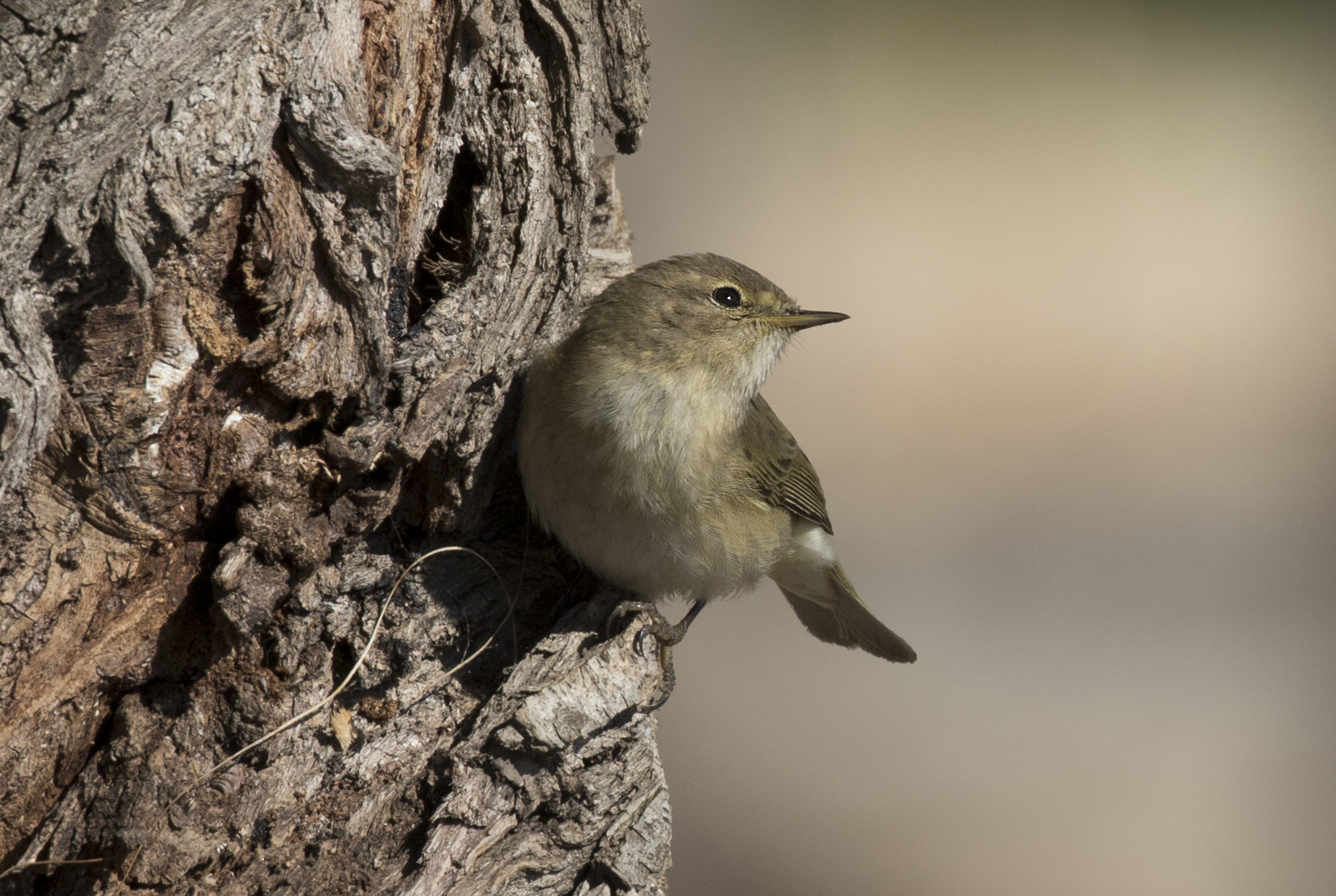 Photo Credit: Zcebeci / Wikimedia Commons
In the heart of lush woodlands, the Willow Warbler, known scientifically as Phylloscopus trochilus, flits gracefully among the branches, a tiny marvel of nature. This petite bird, measuring just about 5 inches long and weighing a mere half an ounce, is a vibrant splash of life against the backdrop of green leaves and dappled sunlight. With its olive-green plumage and bright yellow underparts, the Willow Warbler is not just a feast for the eyes; its sweet, melodic song fills the air, enchanting anyone lucky enough to hear it.
Scientists and nature enthusiasts alike are captivated by the Willow Warbler’s remarkable adaptability and its role in the ecosystem. As an insectivore, it plays a crucial part in controlling insect populations, helping to maintain the balance of its woodland home. Each spring, these birds engage in delightful courtship displays, with males singing their cheerful tunes to attract females, creating a symphony of sound that heralds the arrival of warmer days. The Willow Warbler’s journey through the seasons, from its migratory patterns to its nesting habits, offers a window into the intricate relationships that define life in the wild. Join us as we explore the enchanting world of the Willow Warbler, uncovering the secrets of its life and the vital role it plays in our natural environment.
The Willow Warbler, a small and lively bird, holds a special place in the tree of life. It belongs to the kingdom Animalia, which includes all animals, and is classified under the phylum Chordata, meaning it has a backbone. This charming little songbird is part of the class Aves, which encompasses all birds, and it falls within the order Passeriformes, known for its diverse group of perching birds. The Willow Warbler is particularly notable for its melodious song and its ability to adapt to various habitats, making it a beloved sight in gardens and woodlands across Europe and Asia.
| Taxonomic Rank | Scientific Name | Meaning & Significance |
|---|---|---|
| Kingdom | Animalia | This name comes from the Latin word “animalis,” meaning “having breath” or “living.” It signifies all living organisms that are not plants or fungi. |
| Phylum | Chordata | Derived from the Greek word “chorde,” meaning “string” or “cord,” this name refers to animals with a notochord, a flexible rod that supports the body, which in vertebrates becomes the backbone. |
| Class | Aves | This term comes from the Latin word for “bird.” It highlights the unique characteristics of birds, such as feathers and the ability to lay eggs. |
| Order | Passeriformes | From the Latin “passer,” meaning “sparrow,” this name refers to the largest order of birds, known for their perching habits and diverse vocalizations. |
| Family | Phylloscopidae | This name combines the Greek words “phyllon,” meaning “leaf,” and “skopeo,” meaning “to look.” It reflects the warbler’s tendency to forage among leaves. |
| Genus | Phylloscopus | Also from Greek, “phyllon” means “leaf” and “skopos” means “watcher.” This name emphasizes the bird’s habitat and behavior, as it often flits about in foliage. |
Understanding the Willow Warbler’s classification reveals much about its evolutionary journey. As a member of the Phylloscopidae family, it shares traits with other warblers, such as a preference for insect-rich environments and a distinctive song. This lineage highlights the adaptations that have allowed these birds to thrive in various ecosystems. The Willow Warbler’s ability to migrate long distances also speaks to its evolutionary success, showcasing how species can adapt to changing climates and habitats over time. Through its taxonomic position, we gain insight into the intricate web of life that connects all living beings.
The evolutionary journey of the Willow Warbler stretches back millions of years, weaving through the tapestry of time to reveal a lineage rich in adaptation and survival. This small songbird, belonging to the family Phylloscopidae, has evolved alongside changing climates and landscapes, showcasing the resilience of life. Its ancestors roamed the Earth during the late Cretaceous period, a time when dinosaurs still dominated the skies and forests were teeming with primitive birds.
The Willow Warbler’s ancestors were likely small, insect-eating birds that thrived in dense foliage. Over time, as the environment shifted, these birds adapted to various habitats, leading to the emergence of the Phylloscopus genus. This transition marked a significant evolutionary step, as these birds developed specialized traits to exploit their surroundings. The ability to flit through branches and expertly glean insects from leaves became crucial for survival, allowing them to thrive in diverse ecosystems.
These adaptations have been essential for the Willow Warbler’s survival in a world full of challenges. Their ability to migrate allows them to escape harsh winters and find abundant food sources, while their camouflage helps them evade predators. The adaptability in their diet ensures they can thrive in various environments, making them resilient to changes in their habitat. Together, these traits not only highlight the Willow Warbler’s evolutionary success but also remind us of the intricate connections between species and their environments.
The Willow Warbler is a delightful little bird that captures the eye with its charming presence. Measuring just about 5 inches in height, this petite avian marvel weighs in at a mere half an ounce, making it light enough to flit effortlessly among the branches. Its body is slender and streamlined, perfectly designed for agile movements as it darts through foliage in search of insects. The most striking feature is the clear yellow stripe that runs above its eye, giving it a cheerful and inquisitive expression. This vibrant splash of color, combined with its soft, greenish-yellow plumage, allows it to blend seamlessly into the sun-dappled leaves of its woodland habitat.
| Feature | Description |
|---|---|
| Height | 5 inches |
| Weight | Half an ounce |
| Skin Type | Feathers |
| Most Distinctive Feature | Clear yellow stripe on eye |
The combination of the Willow Warbler’s petite size and its vibrant coloration serves multiple purposes in the wild. The light weight allows it to maneuver quickly through branches, escaping predators and catching insects with ease. Meanwhile, the yellow stripe above its eye not only adds to its beauty but may also play a role in communication with other warblers. Together, these features create a bird that is not only a joy to observe but also a master of survival in its natural environment.
The Willow Warbler thrives in a world of open woodlands, where sunlight filters through the leaves and a gentle breeze rustles the branches. These vibrant birds prefer areas with a mix of trees and shrubs, creating a perfect playground for their lively antics. Imagine walking through a serene forest, where the air is filled with the sweet melodies of birdsong, and you might just spot a Willow Warbler flitting from branch to branch, searching for tasty insects and singing its cheerful tune.
This little songbird enjoys a climate that varies with the seasons. In Europe, it finds its home in temperate regions, where summers are warm and winters can be chilly. The Willow Warbler is also known to migrate to Africa during the colder months, seeking milder temperatures and abundant food sources. These birds thrive in environments that offer a mix of sun and shade, allowing them to forage for insects while also finding shelter among the trees.
Adaptation is key to the Willow Warbler’s success in these habitats. With its slender body and agile flight, it can easily navigate through the branches and leaves of its woodland home. The bird’s diet, primarily consisting of insects, allows it to take advantage of the rich biodiversity found in these areas. Additionally, its beautiful song not only attracts mates but also helps establish territory, ensuring that it can thrive in the lush environments it calls home.
The Willow Warbler starts its day with the soft glow of dawn, flitting from branch to branch in search of breakfast. These small birds are known for their energetic foraging, often hunting for insects and small invertebrates among the leaves and twigs. As the sun rises higher, the warbler can be seen singing its sweet, melodic song, a delightful sound that fills the air and announces its presence. Throughout the day, it engages in a variety of activities, including preening its feathers to keep them in top condition and taking short flights to explore its surroundings.
While the Willow Warbler is primarily solitary, it does have moments of social interaction, especially during the breeding season. These birds may gather in small groups, particularly when food is abundant. They communicate with each other through a series of chirps and calls, which help them maintain contact and establish territory. During these interactions, they may engage in playful displays, fluttering their wings and hopping around to show off their agility. This social behavior, though limited, plays a crucial role in their lives, especially when it comes to finding mates and raising young.
| Behavior Type | Description |
|---|---|
| Foraging | Willow Warblers search for insects and small invertebrates among leaves and branches, using their keen eyesight to spot food. |
| Communication | They use a variety of chirps and songs to communicate with each other, especially during the breeding season to attract mates and defend territory. |
| Social Interaction | While mostly solitary, they may gather in small groups when food is plentiful, engaging in playful displays and maintaining contact through calls. |
| Preening | Regularly preening helps keep their feathers clean and waterproof, which is essential for insulation and flight. |
The behaviors of the Willow Warbler are finely tuned to ensure its survival in the wild. By foraging effectively and communicating with others, even in small groups, these birds can find food and mates more easily. Their solitary nature allows them to be agile and adaptable, while their social interactions provide opportunities for collaboration during critical times. Each action, from singing to foraging, plays a vital role in the delicate balance of life in their woodland habitat.
The Willow Warbler has a diet primarily composed of insects and spiders, making it a true insectivore. These small birds are adept foragers, using their keen eyesight and agile movements to hunt for food among the leaves and branches. They often flit about in search of their favorite snacks, capturing their prey mid-air or picking them off surfaces with their quick beaks. This lively feeding behavior not only sustains them but also plays a vital role in controlling insect populations in their habitats.
| Dietary Aspect | Details |
|---|---|
| Diet Type | Carnivore |
| Favorite Foods | Insects and spiders |
| Prey Items | Flies, beetles, caterpillars, and various small arachnids |
| Hunting/Foraging Strategies | Flitting between branches, catching insects in mid-air, and picking off prey from leaves |
The Willow Warbler’s diet significantly influences its daily routine and ecological role. By consuming a variety of insects and spiders, these birds help maintain a balance in their ecosystem, preventing any one species from becoming too dominant. Their energetic foraging habits also mean they are constantly on the move, which keeps them fit and agile. This lively lifestyle not only supports their survival but also enriches the biodiversity of the woodlands they inhabit.
As spring arrives, the Willow Warbler begins its enchanting courtship rituals. Males sing sweet, melodic tunes to attract females, filling the air with their cheerful notes. This breeding season is a time of vibrant activity, as pairs form bonds and prepare for nesting. The female will choose a suitable location, often hidden among the foliage, to build her nest, which is typically made of grass, moss, and feathers. This cozy home is where the magic of new life will unfold.
| Reproductive Aspect | Details |
|---|---|
| Gestation Period | 10 days |
| Litter Size | 3 to 6 eggs |
| Age of Maturity | 1 year |
| Name of Young | Nestling, fledgling |
Once the eggs hatch, the Willow Warbler parents spring into action. They work tirelessly to feed their nestlings, bringing them a diet rich in insects to help them grow strong. The young birds remain in the nest for about two weeks, during which they develop their feathers and learn to stretch their wings. After this period, they become fledglings, ready to take their first flight. The parents continue to care for them, teaching them essential survival skills until they are fully independent. This nurturing phase is crucial, as it helps the young Willow Warblers transition into the vibrant adults they will soon become, ready to sing their own songs in the warm spring air.
The Willow Warbler occupies a vital role in the food web, serving as both predator and prey. As an insect-eating bird, it helps control insect populations, contributing to the balance of its ecosystem. However, it also faces numerous dangers that threaten its survival, making it an important species to monitor in the wild.
To defend itself against these threats, the Willow Warbler employs several clever strategies. It often relies on its ability to blend into its surroundings, using camouflage to avoid detection by predators. When threatened, it may also take to the air, darting quickly between branches to escape. Additionally, these birds are known for their agility and quick movements, which help them evade larger birds and mammals. By staying alert and using their natural instincts, Willow Warblers can navigate the challenges of their environment and continue to thrive.
A keystone species is an organism that plays a crucial role in maintaining the structure of its ecosystem. Its presence or absence can significantly impact the environment and the other species living there. The Willow Warbler, with its lively presence in open woodlands, does not fit the classic definition of a keystone species. However, it still plays an important role in its habitat, influencing the balance of insect populations and contributing to the overall health of its ecosystem.
The Willow Warbler primarily feeds on insects and spiders, making it an effective predator in its environment. By consuming these small creatures, it helps regulate their populations, preventing any one species from becoming too dominant. This natural pest control is vital, especially in woodlands where insects can quickly multiply. Additionally, the Willow Warbler’s foraging habits encourage the growth of healthy plant life, as fewer pests mean less damage to vegetation.
Moreover, the Willow Warbler serves as a food source for larger predators, such as birds of prey. This connection highlights its role in the food web, where energy flows from one organism to another. The presence of Willow Warblers can indicate a healthy ecosystem, as they thrive in areas with abundant food and suitable nesting sites. Their melodic songs also contribute to the rich tapestry of sounds in their habitat, enhancing the overall biodiversity.
If the Willow Warbler were to disappear, the effects could ripple through its ecosystem. Insect populations might surge unchecked, leading to overgrazing of plants and a decline in vegetation health. This imbalance could affect other species that rely on those plants for food and shelter. Additionally, larger predators that depend on the Willow Warbler for sustenance would face food shortages, potentially leading to their decline as well. The loss of this small bird could disrupt the delicate balance of life in its woodland home, showcasing how even the smallest creatures can have a significant impact on their environment.
The Willow Warbler occupies a vital ecological niche in its habitat, primarily found in open woodlands where trees and sunlight create a vibrant environment. This small bird plays a significant role in its ecosystem, influencing both plant and animal life. By feeding on insects and spiders, the Willow Warbler helps regulate insect populations, ensuring that these creatures do not overwhelm the environment. Its presence supports a balanced food web, where various species depend on one another for survival.
| Ecosystem Service | Impact |
|---|---|
| Insect Control | Reduces the population of harmful insects, promoting plant health. |
| Seed Dispersal | Assists in the spread of plant seeds through its foraging activities. |
| Food Source | Serves as prey for larger birds and mammals, contributing to the food web. |
| Habitat Indicator | Indicates the health of woodland ecosystems, as they thrive in balanced environments. |
The Willow Warbler’s influence extends beyond just insect control. For instance, as it flits through the trees, it inadvertently helps with seed dispersal. When it forages for insects, it may also brush against plants, allowing seeds to drop and take root in new areas. This process is essential for maintaining plant diversity in its habitat. Additionally, the Willow Warbler serves as a food source for larger predators, such as hawks and owls, linking it to the broader food web and highlighting its importance in the cycle of life.
In a larger context, the Willow Warbler is a key player in maintaining the health of woodland ecosystems. Its presence indicates a balanced environment, where various species coexist harmoniously. By controlling insect populations and aiding in plant reproduction, the Willow Warbler helps sustain the intricate web of life that supports countless other organisms. This small bird, with its cheerful song and lively behavior, is a reminder of how interconnected all living things are and how even the tiniest creatures can have a profound impact on their surroundings.
In the intricate web of nature, symbiosis refers to the close and often long-term interactions between different species. These relationships can take many forms, including mutualism, where both species benefit, parasitism, where one benefits at the expense of the other, and commensalism, where one benefits while the other is neither helped nor harmed. The Willow Warbler, a small and lively bird, engages in various ecological relationships that highlight the interconnectedness of life in its woodland habitat.
| Species/Type | Relationship Type | Description |
|---|---|---|
| Brood Parasites (e.g., Common Cuckoo) | Parasitic | The Willow Warbler may fall victim to brood parasitism, where the Common Cuckoo lays its eggs in the warbler’s nest. The warbler then unwittingly raises the cuckoo chick, which often outcompetes the warbler’s own young for food. |
| Insects (e.g., Aphids) | Mutualistic | While the Willow Warbler primarily feeds on insects, its presence can help control insect populations, benefiting the surrounding plant life. In turn, the plants provide a habitat and food source for the warbler. |
| Trees (e.g., Willows) | Commensal | The Willow Warbler nests in trees, particularly willows, which provide shelter and safety. The trees are not affected by the warbler’s presence, but the bird gains a secure place to raise its young. |
These relationships have evolved over time, shaped by the needs and behaviors of the species involved. The Willow Warbler’s interactions with other organisms illustrate the delicate balance of ecosystems. By preying on insects, it helps maintain healthy plant life, while its nesting habits provide a safe haven in the trees. Understanding these connections not only enriches our appreciation of the Willow Warbler but also highlights the importance of preserving the habitats that support such diverse life forms.
The Willow Warbler is a small but captivating bird that enchants nature lovers with its lively behavior and beautiful songs. Here are some surprising facts that showcase the wonders of this delightful avian species.
The Willow Warbler has long been a cherished companion to humanity, weaving its way into our history and culture. These small, melodious birds have inspired poets and musicians, their sweet songs echoing through the ages. In many cultures, the arrival of the Willow Warbler heralds the arrival of spring, symbolizing renewal and hope. Ancient peoples often associated these birds with good fortune, believing that their presence could bring blessings to the land. As we have observed their vibrant lives, the Willow Warbler has become a symbol of the beauty of nature, reminding us of the delicate balance between humans and the wild.
Today, our interactions with the Willow Warbler are shaped by both conservation efforts and challenges. As habitats are altered by urban development and agriculture, these birds face threats to their nesting sites and food sources. Conservationists are working tirelessly to protect the open woodlands that the Willow Warbler calls home, advocating for sustainable practices that benefit both the birds and the ecosystems they inhabit. However, conflicts can arise when human activities disrupt their natural behaviors, such as during migration. Understanding these dynamics is crucial for fostering a harmonious relationship between humans and these enchanting songbirds.
As we look to the future, the relationship between the Willow Warbler and humanity holds promise. With increased awareness of environmental issues, more people are recognizing the importance of protecting our natural world. By working together to preserve habitats and promote biodiversity, we can ensure that the sweet songs of the Willow Warbler continue to fill our woodlands for generations to come. This partnership between humans and nature is vital, reminding us that we share this planet with incredible creatures that enrich our lives and ecosystems.
The Willow Warbler, a charming little songbird, currently holds a conservation status of “Least Concern.” This means that, overall, the species is not facing immediate threats of extinction. With an estimated population size ranging from 400 to 600 million individuals, the Willow Warbler is considered to be quite abundant. However, while the overall numbers are healthy, it is essential to keep an eye on population trends, as changes in habitat and climate can impact their future.
| Conservation Factor | Status/Details |
|---|---|
| IUCN Status | Least Concern |
| Estimated Population Size | 400-600 million |
| Population Trend | Stable, but monitoring needed |
Despite their current stable status, Willow Warblers face several threats that could impact their populations in the long run. Habitat loss is a significant concern, as deforestation and urban development reduce the open woodlands they prefer. Additionally, climate change poses a risk by altering their migratory patterns and the availability of food sources. These small birds rely heavily on insects, and shifts in climate can affect insect populations, which in turn affects the Willow Warbler’s ability to thrive.
Conservation efforts are underway to ensure the future of the Willow Warbler remains bright. Protecting their natural habitats is crucial, and many organizations are working to preserve woodlands and promote sustainable land use. Public awareness campaigns also play a vital role in educating communities about the importance of these birds and their ecosystems. With continued efforts and monitoring, the outlook for the Willow Warbler is hopeful, allowing future generations to enjoy their delightful songs and lively presence in nature.
| Question | Answer |
|---|---|
| What is the habitat of the Willow Warbler? | The Willow Warbler prefers open woodlands and areas with plenty of trees. These birds thrive in environments where they can easily find insects and other food sources, as well as places to build their nests. |
| What does the Willow Warbler eat? | Willow Warblers are primarily insectivores, meaning they mainly eat insects. They enjoy a diet rich in caterpillars, beetles, and other small invertebrates, which they skillfully catch while flitting through the branches. |
| How does the Willow Warbler behave? | These birds are known for their lively and energetic behavior. They often move quickly through trees and shrubs, singing their cheerful songs, especially during the breeding season to attract mates. |
| How do Willow Warblers reproduce? | Willow Warblers typically build their nests in dense vegetation close to the ground. The female lays about 4 to 6 eggs, which she incubates for around two weeks before they hatch, leading to a busy time for both parents as they feed the chicks. |
| What threats do Willow Warblers face? | While the Willow Warbler is currently classified as Least Concern, they still face threats from habitat loss and climate change. Changes in their environment can affect their food supply and nesting sites, making it harder for them to thrive. |
| What is a distinctive feature of the Willow Warbler? | One of the most distinctive features of the Willow Warbler is the clear yellow stripe above its eye. This bright marking helps to identify the bird and adds to its charm as it flits through the trees. |
| Are Willow Warblers migratory? | Yes, Willow Warblers are migratory birds. They travel long distances between their breeding grounds in Europe and their wintering areas in Africa, showcasing their incredible endurance and navigational skills. |