Taxonomy & Classification
- Kingdom
- Animalia
- Phylum
- Chordata
- Class
- Mammalia
- Order
- Carnivora
- Family
- Mustelidae
- Genus
- Gulo
- Species
- Gulo gulo

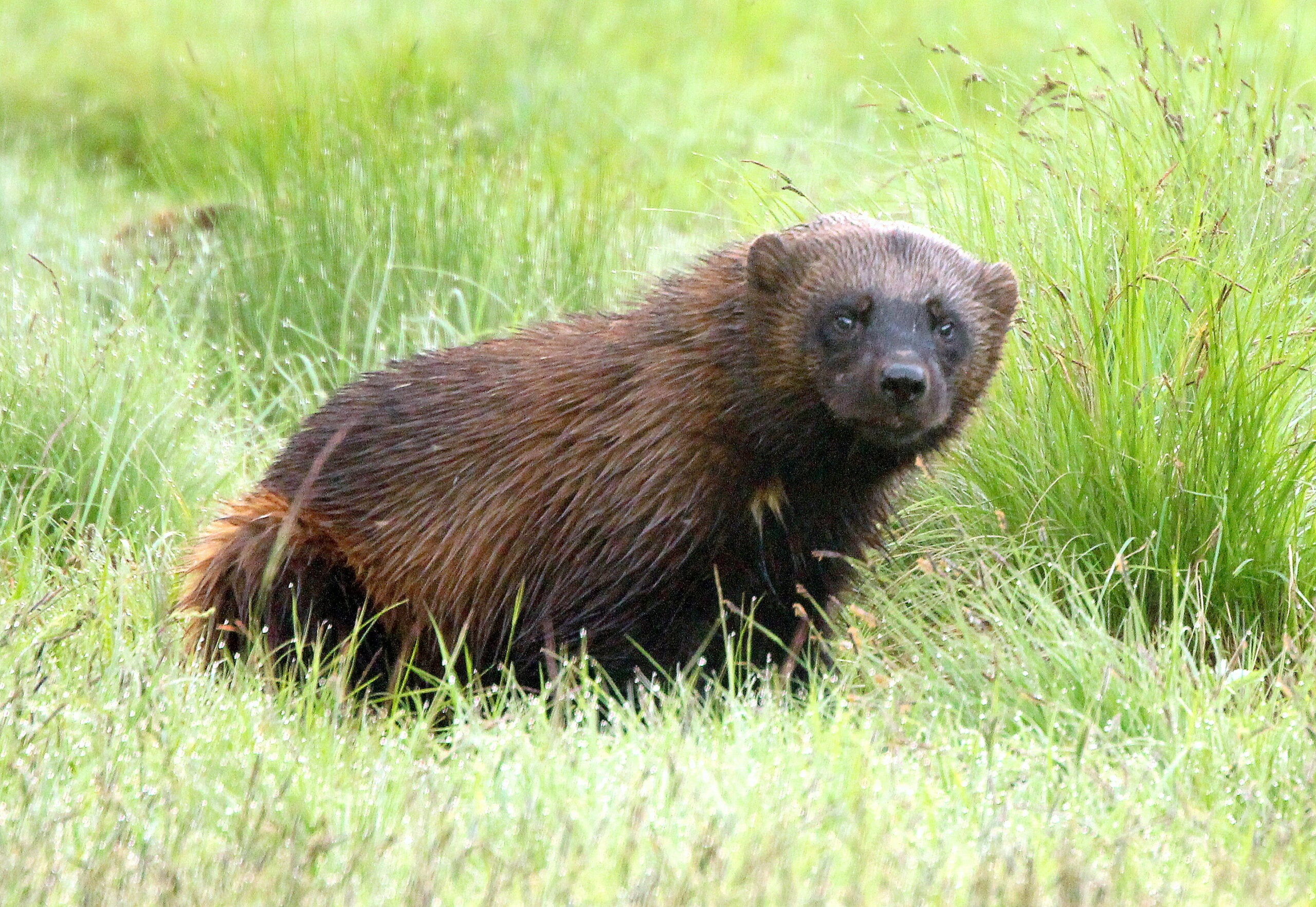 Photo Credit: yrjö jyske from Finland / Wikimedia
In the heart of the rugged wilderness, where snow-capped mountains meet dense, sprawling forests, roams the wolverine, scientifically known as Gulo gulo. This remarkable mammal, often cloaked in a thick, dark fur coat with striking light stripes, is a master of survival in some of the harshest environments on Earth. With its stocky body and powerful limbs, the wolverine is built for adventure, capable of traversing vast territories in search of food. Its keen sense of smell and sharp claws make it an adept hunter and scavenger, allowing it to thrive where few others can.
Wolverines are not just tough; they are also fascinating to scientists and nature enthusiasts alike. Their solitary nature and impressive strength have earned them a reputation as the “glutton” of the animal kingdom, a name that reflects their hearty appetite and bold feeding behavior. These tenacious creatures play a vital role in their ecosystems, acting as both predators and scavengers, which helps maintain the balance of life in their habitats. As we delve deeper into the world of the wolverine, we will explore its unique behaviors, diet, and the challenges it faces in a rapidly changing environment, revealing why this fierce little mammal continues to capture our imagination.
The wolverine, known scientifically as Gulo gulo, occupies a distinctive position in the animal kingdom. It belongs to the Kingdom Animalia, which includes all animals, and is classified under the Phylum Chordata, meaning it has a backbone. As a member of the Class Mammalia, wolverines are warm-blooded and nurse their young with milk. They fall under the Order Carnivora, which includes meat-eating animals like lions and bears. What sets the wolverine apart is its tenacity and strength, often taking on prey much larger than itself. This fierce little mammal is not just a survivor; it’s a symbol of resilience in the wild.
| Taxonomic Rank | Scientific Name | Meaning & Significance |
|---|---|---|
| Kingdom | Animalia | This name comes from the Latin word for “animal,” highlighting that wolverines are part of the vast group of living organisms that are not plants or fungi. |
| Phylum | Chordata | Derived from the Greek word “chordē,” meaning “string,” this refers to the wolverine’s backbone, a key feature of all vertebrates. |
| Class | Mammalia | This term comes from the Latin “mamma,” meaning “breast,” indicating that wolverines, like all mammals, have mammary glands to feed their young. |
| Order | Carnivora | From the Latin “carnivorus,” meaning “meat-eater,” this classification reflects the wolverine’s diet, which primarily consists of meat. |
| Family | Mustelidae | This name comes from the Latin “mustela,” meaning “weasel,” as wolverines are closely related to weasels, otters, and ferrets. |
| Genus | Gulo | Derived from the Latin word for “glutton,” this name highlights the wolverine’s voracious appetite and its ability to consume large amounts of food. |
| Species | Gulo gulo | The repetition of “gulo” emphasizes its gluttonous nature, reinforcing the idea that this animal is a fierce and determined forager. |
The wolverine’s classification reveals much about its evolutionary history. As a member of the Mustelidae family, it shares a common ancestor with other small to medium-sized carnivores, showcasing adaptations that have allowed it to thrive in harsh environments. Its robust body and powerful limbs are perfect for traversing snowy landscapes, while its strong jaws enable it to crack open frozen carcasses. This evolutionary journey highlights not just survival, but also the wolverine’s role as an important predator in its ecosystem, helping to maintain the balance of nature.
The evolutionary journey of the wolverine, scientifically named Gulo gulo, stretches back millions of years, weaving through the tapestry of life on Earth. This tenacious mammal belongs to the Mustelidae family, which includes weasels, otters, and badgers. The wolverine’s ancestors roamed the planet during the late Miocene epoch, around 10 million years ago, adapting to a variety of environments as they evolved.
Wolverines are part of a lineage that has seen significant changes over time. Their ancestors were larger and more robust, likely adapting to the colder climates of the northern hemisphere. As the Earth cooled and ice ages came and went, these ancestors developed traits that would help them thrive in harsh conditions. The wolverine’s stocky body and thick fur are adaptations that emerged from this evolutionary pressure, allowing them to conserve heat and navigate through deep snow. Over time, they became specialized scavengers and hunters, honing their skills to survive in the challenging environments of the Arctic and subarctic regions.
The adaptations of the wolverine have been vital for its survival in some of the most extreme environments on Earth. Their powerful jaws and thick fur allow them to thrive in icy conditions, while their large paws help them move effortlessly through snow. By being solitary and having a strong sense of smell, wolverines can efficiently hunt and scavenge, ensuring they find enough food to sustain themselves. These traits not only highlight the wolverine’s resilience but also illustrate the intricate dance of evolution that shapes life on our planet.
The wolverine is a powerhouse of a mammal, compact yet muscular, exuding an air of rugged resilience. With a stocky body that can weigh between 10 to 31 kilograms (22 to 70 pounds), it is built for endurance and strength. Its short legs are sturdy, allowing it to navigate through snow and rough terrain with ease. The wolverine’s broad head and sharp, pointed ears give it a keen sense of hearing, while its bushy tail adds balance and agility to its movements.
| Feature | Description |
|---|---|
| Size | Compact and muscular, weighing between 10-31 kg (22-70 lbs) |
| Color | Dark brown fur with lighter stripes along the sides |
| Skin Type | Thick fur that provides insulation against cold |
| Head | Broad with sharp, pointed ears for excellent hearing |
| Tail | Bushy and long, aiding in balance and agility |
The wolverine’s physical features are not just for show; they are finely tuned for survival in harsh environments. Its thick fur acts as a natural insulator, keeping it warm in frigid temperatures, while its muscular build allows it to tackle prey much larger than itself. The combination of keen senses and agile movements makes the wolverine a formidable predator, capable of traversing vast, snowy landscapes in search of food. Each characteristic plays a vital role in its ability to thrive in the wild, showcasing the incredible adaptability of this tenacious animal.
The wolverine thrives in some of the wildest and most rugged places on Earth. Picture vast, snow-capped mountains and dense, sprawling forests where the air is crisp and the ground is often blanketed in a thick layer of snow. These habitats are not just beautiful; they provide the perfect backdrop for the wolverine’s adventurous lifestyle. With its powerful build and keen instincts, this animal roams through these challenging terrains, always on the lookout for food and shelter.
Wolverines prefer cold climates, which is no surprise given their thick fur that keeps them warm even in freezing temperatures. They are often found in areas with heavy snowfall, as this helps them hunt for food like small mammals and carrion, which is the remains of dead animals. The environment is typically rugged, with plenty of rocky outcrops and dense vegetation, allowing them to hide and stalk their prey effectively. These conditions are essential for their survival, as they rely on both the cold and the cover of the forest to thrive.
To make the most of their challenging habitats, wolverines have developed some impressive adaptations. Their broad, large paws act like snowshoes, helping them move easily across deep snow. This feature allows them to travel long distances in search of food. Additionally, their thick fur not only keeps them warm but also provides camouflage among the trees and snow, making it easier for them to blend into their surroundings. These adaptations are crucial for a life spent in some of the most remote and harsh environments on the planet.
The daily life of a wolverine is a blend of adventure and survival. These tenacious animals are primarily solitary, roaming vast territories in search of food and shelter. A typical day might begin with the wolverine waking up in its den, often hidden under a pile of snow or in a rocky crevice. After a good stretch, it sets off to explore its surroundings, using its keen sense of smell to locate potential meals. Wolverines are opportunistic eaters, meaning they will take advantage of whatever food sources are available, from small mammals to carrion, which is the remains of dead animals. Their strong legs and sharp claws help them traverse rugged terrain, making them skilled climbers and diggers.
Socially, wolverines are quite independent. They prefer to live alone, marking their territory with scent to communicate their presence to others. While they may occasionally come together during mating season or when a mother is raising her young, they generally avoid forming groups. This solitary lifestyle allows them to cover large areas in search of food without competition. However, they are not entirely antisocial; they can be quite vocal, using a range of sounds like growls, whines, and even chirps to express themselves. These vocalizations can signal everything from alarm to mating calls, showcasing their ability to communicate effectively even in solitude.
| Behavior Type | Description |
|---|---|
| Activity Patterns | Wolverines are primarily active during the day and night, often traveling several miles in search of food. |
| Social Structure | Wolverines are solitary animals, preferring to live and hunt alone, except during mating season or when raising young. |
| Communication Methods | They use vocalizations like growls and chirps, as well as scent marking, to communicate with others and establish territory. |
The behaviors of wolverines are finely tuned to ensure their survival in harsh environments. Their solitary nature allows them to be stealthy hunters, minimizing competition for food. By marking their territory and using vocalizations, they maintain their space while still being able to communicate when necessary. This combination of independence and adaptability makes wolverines resilient survivors in the wild, thriving in some of the most challenging habitats on Earth.
The wolverine is a true carnivore, meaning it primarily eats meat. This fierce little mammal has a hearty appetite and is known for its bold feeding behavior. Wolverines are opportunistic hunters, which means they take advantage of whatever food is available. They are not picky eaters and will consume a variety of prey, from large animals like caribou and moose to smaller creatures such as sheep. They are also known to scavenge, meaning they will eat the remains of animals killed by other predators.
| Dietary Aspect | Details |
|---|---|
| Diet Type | Carnivore |
| Favorite Foods | Caribou, moose, sheep, and eggs |
| Prey Items | Large mammals and bird eggs |
| Hunting/Foraging Strategies | Opportunistic hunting and scavenging |
The wolverine’s diet plays a crucial role in its ecology and daily routine. By feeding on large herbivores, it helps control their populations, which can have a ripple effect on the ecosystem. Additionally, its scavenging habits ensure that nothing goes to waste, contributing to the health of its habitat. This adaptability in diet allows the wolverine to thrive in harsh environments, showcasing its resilience and resourcefulness in the wild.
Wolverines have a fascinating mating ritual that takes place during the late winter months, typically from March to April. During this time, males will travel long distances to find females, often engaging in vocalizations and scent-marking to attract a mate. Once a pair has formed, they will stay together for a short period, but wolverines are generally solitary animals. After mating, the female will prepare for the arrival of her young, which will be born a few months later.
| Reproductive Aspect | Details |
|---|---|
| Gestation Period | About 30 to 50 days |
| Litter Size | Average of 3 |
| Age of Maturity | 1 to 2 years |
| Name of Young | Kits |
Once the kits are born, they are completely dependent on their mother for survival. The female wolverine is a dedicated parent, providing warmth and nourishment to her young in a den, often located in a secluded area. As the kits grow, they begin to explore their surroundings and learn essential survival skills from their mother. By the time they reach maturity at about one to two years old, they are ready to venture out on their own, continuing the cycle of life in the wild. This nurturing phase is crucial, as it equips the young wolverines with the knowledge they need to thrive in their rugged habitats.
The wolverine, a fierce and resilient mammal, plays a vital role in its ecosystem as both a scavenger and a predator. Positioned near the top of the food web, it helps maintain the balance of its environment by controlling prey populations and cleaning up carrion, or dead animals. This means that while it is a formidable hunter, it also relies on the remains of other animals to survive, showcasing its adaptability in the wild.
To defend itself against these dangers, the wolverine employs a variety of clever strategies. Its thick fur and fat layer provide insulation against the cold, allowing it to thrive in frigid environments. When faced with larger predators, wolverines are known for their fierce demeanor and tenacity, often standing their ground rather than backing down. They also use their keen sense of smell to locate food and avoid danger, making them resourceful survivors in the wild. With their ability to traverse rugged terrain and their impressive strength, wolverines are well-equipped to navigate the challenges of their environment.
A keystone species is an organism that has a disproportionately large impact on its environment relative to its abundance. In simpler terms, these species play a crucial role in maintaining the structure of an ecosystem. The wolverine, known scientifically as Gulo gulo, qualifies as a keystone species due to its unique behaviors and ecological contributions. By influencing the populations of other species and the overall health of its habitat, the wolverine helps to shape the ecosystem in which it lives.
Wolverines are opportunistic carnivores, meaning they eat a variety of foods, primarily meat. Their scavenging habits allow them to consume leftover carcasses from larger predators, such as wolves and bears. This not only helps to clean up the environment but also provides nutrients back into the soil, promoting plant growth. Additionally, by preying on smaller mammals, wolverines help regulate their populations, ensuring that no single species dominates the ecosystem. This balance is vital for maintaining biodiversity, which is the variety of life in a particular habitat.
Wolverines also have a significant impact on the distribution of other species. For example, their presence can influence the behavior of herbivores, like deer and elk, which may avoid areas where wolverines are active. This can lead to healthier vegetation, as plants have a chance to grow without being overgrazed. Furthermore, wolverines are known to create pathways through snow and dense underbrush, which can benefit other animals by providing easier access to food and shelter.
If wolverines were to disappear from their ecosystems, the effects could be profound. Without these tenacious scavengers and predators, the populations of smaller mammals could explode, leading to overgrazing and a decline in plant diversity. This imbalance could ripple through the food web, affecting not only the plants but also the larger animals that rely on them for food and shelter. Ultimately, the loss of wolverines would disrupt the delicate balance of their mountainous and forested habitats, highlighting just how vital they are to the health of their ecosystems.
The wolverine, known scientifically as Gulo gulo, occupies a vital ecological niche in its mountainous and forested habitats. As a solitary carnivore, it plays a significant role in shaping the ecosystems it inhabits. By hunting and scavenging, the wolverine influences the populations of other species, helping to maintain a balance in the food web. Its presence is a testament to the health of its environment, as these resilient mammals thrive in areas that are often remote and rugged.
| Ecosystem Service | Impact |
|---|---|
| Predation | Controls populations of prey species, preventing overgrazing and promoting plant diversity. |
| Scavenging | Clears carcasses from the environment, which helps reduce disease spread and recycles nutrients back into the soil. |
| Seed Dispersal | Through their feeding habits, wolverines can inadvertently help disperse seeds, aiding in plant regeneration. |
| Habitat Modification | Their foraging behavior can create openings in dense vegetation, allowing sunlight to reach the forest floor and supporting new plant growth. |
Wolverines are not just fierce hunters; they also have a knack for scavenging. When they find a carcass, they can consume large amounts of meat, which not only nourishes them but also helps clean up the environment. This scavenging behavior is crucial, as it prevents the buildup of decaying animals that could harbor diseases. For example, when a wolverine feasts on a deer carcass, it not only sustains itself but also contributes to the overall health of the ecosystem by recycling nutrients back into the soil.
The broader ecological importance of the wolverine cannot be overstated. As a keystone species, its activities have a ripple effect throughout its habitat. By controlling prey populations and facilitating nutrient cycling, wolverines help maintain the balance of their ecosystems. Their presence indicates a thriving environment, rich in biodiversity. Protecting these remarkable mammals is essential not only for their survival but also for the health of the ecosystems they help shape.
In the intricate web of life, animals often form partnerships that can be beneficial, harmful, or neutral. These relationships are known as symbiosis, a term that describes how different species interact with one another in their ecosystems. Symbiotic relationships can take many forms, including mutualism, where both species benefit; parasitism, where one species benefits at the expense of another; and commensalism, where one species benefits while the other is neither helped nor harmed. Understanding these connections helps us appreciate the delicate balance of nature and the roles that various species play in their environments.
| Species/Type | Relationship Type | Description |
|---|---|---|
| Scavengers (like ravens) | Mutualistic | Wolverines and scavengers often work together. Wolverines leave behind scraps of their kills, which scavengers eat. In return, the presence of scavengers can alert wolverines to potential threats in their territory. |
| Small mammals (like rodents) | Parasitic | Wolverines may prey on small mammals, which can be seen as a parasitic relationship. While the wolverine benefits by gaining food, the small mammals suffer as they become prey. |
| Plants (like berry bushes) | Commensal | Wolverines may inadvertently help plants by dispersing seeds through their droppings. While the plants benefit from this, the wolverines are not affected by the plants in any significant way. |
These relationships have evolved over time, shaped by the needs and behaviors of the species involved. Wolverines, as opportunistic carnivores, have adapted to their environments by forming connections with other animals and plants. These partnerships not only enhance their survival but also contribute to the health of their ecosystems. By understanding these interactions, we can see how every creature, big or small, plays a part in the grand story of life on Earth.
Wolverines are often misunderstood, but these fierce little mammals are full of surprises that can captivate anyone interested in the natural world. Here are some intriguing facts about wolverines that showcase their unique traits and behaviors.
The wolverine, a tenacious and resilient mammal, has long captured the imagination of humans. Historically, these creatures have been both feared and revered, often appearing in folklore and indigenous cultures. In many Native American traditions, the wolverine symbolizes strength and perseverance, embodying the spirit of survival in harsh environments. Early explorers and settlers encountered wolverines in the wild, often noting their fierce nature and impressive ability to thrive in rugged terrains. This complex relationship has shaped how we view wolverines today, blending admiration with caution.
In modern times, the interactions between wolverines and humans have evolved significantly. Conservation efforts are underway to protect these elusive animals, as their populations face threats from habitat loss and climate change. However, conflicts can arise, particularly in areas where wolverines may prey on livestock or compete for resources. While domestication is not a viable option for wolverines due to their wild nature and specific habitat needs, understanding their behavior and ecology is crucial for fostering coexistence. Wildlife biologists and conservationists work tirelessly to educate communities about the importance of wolverines in maintaining healthy ecosystems.
As we look to the future, the relationship between wolverines and humanity holds both challenges and opportunities. With ongoing climate change and habitat fragmentation, it is essential to prioritize conservation efforts that protect these remarkable animals and their environments. By fostering a deeper understanding of wolverines and promoting coexistence, we can ensure that future generations will continue to marvel at their strength and resilience in the wild. Together, we can create a world where wolverines thrive alongside us, enriching our natural heritage.
The wolverine, a tenacious and resilient mammal, currently holds a conservation status of “Least Concern” according to the International Union for Conservation of Nature (IUCN). This means that, overall, wolverines are not facing immediate extinction threats. However, their populations are not uniform across their range. In some areas, particularly in the contiguous United States, wolverine numbers are declining due to habitat loss and climate change. Understanding these trends is crucial for ensuring the long-term survival of this remarkable species.
| Conservation Factor | Status/Details |
|---|---|
| IUCN Status | Least Concern |
| Population Estimates | Estimated 25,000 to 30,000 individuals globally |
| Trend Direction | Declining in some regions, stable in others |
Despite their resilient nature, wolverines face several significant threats. One of the primary challenges is habitat loss, often caused by human activities such as logging, mining, and urban development. Additionally, climate change poses a serious risk, as rising temperatures can reduce the snowpack that wolverines rely on for denning and hunting. These factors can lead to fragmentation of their habitats, making it harder for wolverines to find food and mates.
Conservation efforts are underway to help protect wolverines and their habitats. Organizations and wildlife agencies are working to monitor populations and promote habitat preservation. By creating protected areas and implementing sustainable land-use practices, we can help ensure that wolverines continue to thrive in the wild. The outlook for this species remains cautiously optimistic, as long as we remain committed to addressing the challenges they face. With continued awareness and action, we can help secure a future for these incredible animals.
| Question | Answer |
|---|---|
| What is the habitat of a wolverine? | Wolverines are found in mountainous regions and dense forests. They prefer cold climates, often inhabiting areas with snow, which helps them hunt and find food. |
| What do wolverines eat? | Wolverines are carnivores, meaning they primarily eat meat. Their diet includes small mammals, birds, and even carrion, which is the remains of dead animals. |
| How do wolverines behave in the wild? | Wolverines are known for their solitary nature, often roaming alone in search of food. They are also very territorial and can cover large distances, sometimes up to 30 miles in a day. |
| How do wolverines reproduce? | Wolverines typically mate in late summer, and after a gestation period of about 30 to 40 days, the female gives birth to 2 to 4 kits in a den. The kits are born blind and rely on their mother for food and protection. |
| What threats do wolverines face? | Wolverines face threats from habitat loss due to human activities like logging and development. Climate change also poses a risk, as it affects their cold habitats and food availability. |
| What are some interesting characteristics of wolverines? | Wolverines are known for their strength and tenacity, often taking down prey much larger than themselves. They have thick fur that keeps them warm in freezing temperatures and large paws that help them travel through snow. |
| Are wolverines social animals? | No, wolverines are generally solitary creatures. They prefer to live alone, except during mating season or when a mother is raising her young. |