Taxonomy & Classification
- Kingdom
- Animalia
- Phylum
- Chordata
- Class
- Mammalia
- Order
- Diprotodontia
- Family
- Vombatidae
- Genus
- Vombatus
- Species
- Vombatus Ursinus

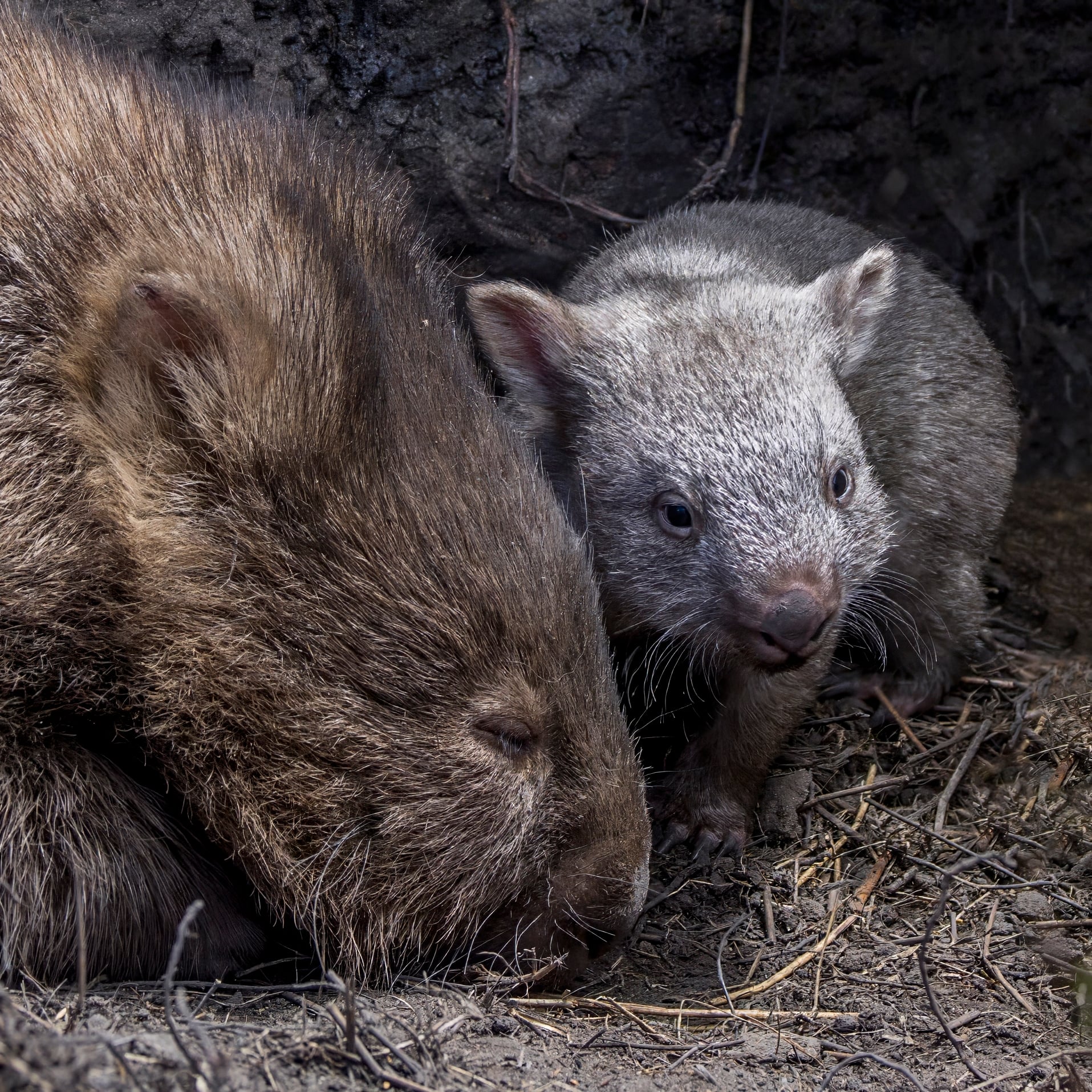 Photo Credit: Charlesjsharp / Wikimedia Commons
In the heart of Australia, where the sun filters through the leaves of eucalyptus trees, lives the wombat, scientifically known as Vombatus. These stout marsupials are a delightful sight, resembling small, furry tanks as they lumber through their natural habitat. With their barrel-shaped bodies, short legs, and adorable faces, wombats are not just charming; they are also fascinating creatures that have captured the attention of scientists and nature lovers alike. Their unique adaptations, such as their powerful claws for digging and their ability to thrive in various environments, make them a subject of study and admiration.
Imagine a warm evening as the sun sets, casting a golden glow over the Australian bush. Wombats emerge from their burrows, which they expertly excavate with their strong limbs. These nocturnal animals are most active at night, foraging for grasses and roots that make up their diet. Their flat teeth are perfectly designed for grinding tough plant material, allowing them to thrive in the diverse landscapes they call home. As they wander through the underbrush, wombats play a crucial role in their ecosystem, helping to maintain the balance of plant life. With their endearing appearance and vital ecological contributions, wombats invite us to explore the wonders of the natural world and the importance of conservation efforts to protect these remarkable marsupials.
Wombats are intriguing marsupials that hold a special place in the animal kingdom. They belong to the class Mammalia, which means they are warm-blooded animals that nurse their young with milk. What sets wombats apart is their sturdy, stocky bodies and their unique way of life. These burrowing animals are known for their strong limbs and powerful claws, which they use to dig extensive tunnel systems in the Australian bush. Their fascinating adaptations not only help them survive in their environment but also make them a vital part of the ecosystem.
| Taxonomic Rank | Scientific Name | Meaning & Significance |
|---|---|---|
| Kingdom | Animalia | This name signifies that wombats are part of the vast group of multicellular organisms that are primarily heterotrophic, meaning they consume organic material for energy. |
| Phylum | Chordata | Chordata refers to animals that have a notochord, a flexible rod that supports the body. In wombats, this structure is present during their early development. |
| Class | Mammalia | Mammalia indicates that wombats are mammals, characterized by their ability to produce milk and their warm-blooded nature. |
| Order | Diprotodontia | This order includes animals with two forward-facing incisors in the lower jaw, a feature that helps wombats graze on tough vegetation. |
| Family | Vombatidae | The family name Vombatidae is derived from the Latin word “vombatus,” which is a nod to the wombat’s distinctive shape and burrowing lifestyle. |
| Genus | Vombatus | The genus name Vombatus comes from the same Latin root, emphasizing the wombat’s unique characteristics and its place within the family of burrowing marsupials. |
Understanding the taxonomic classification of wombats reveals much about their evolutionary journey. As members of the order Diprotodontia, wombats share a common ancestor with kangaroos and koalas, showcasing the diverse adaptations that have evolved in Australian marsupials. Their classification not only highlights their physical traits but also underscores their ecological role in their habitats. By digging tunnels, wombats help aerate the soil and create homes for other creatures, demonstrating how interconnected life is in the natural world.
The evolutionary journey of wombats stretches back millions of years, weaving through the tapestry of time in Australia. These sturdy marsupials belong to the family Vombatidae and the genus Vombatus. Their ancestors roamed the Earth during the late Eocene epoch, around 40 million years ago, when the climate was warmer and more humid. As the environment changed, so did the wombat’s lineage, adapting to the unique challenges of their Australian habitat.
Wombats are part of a larger group known as marsupials, which are mammals that give birth to relatively undeveloped young that continue to grow in a pouch. Their ancestors were once more diverse, with some species resembling small bears or even giant wombat-like creatures. Over time, as Australia became more arid and the landscape shifted, wombats evolved to become more specialized. They developed strong, stocky bodies and powerful limbs, perfect for digging extensive burrows in the hard, dry soil. This adaptation not only provided shelter from predators but also helped them regulate their body temperature in the fluctuating climate.
Wombats’ evolutionary adaptations have been crucial for their survival in the wild. Their burrowing behavior not only protects them from predators but also creates a stable microenvironment that helps them cope with temperature extremes. The ability to consume tough vegetation ensures they have a reliable food source, while their low metabolism allows them to thrive even when food is scarce. Together, these traits have enabled wombats to endure and flourish in the diverse landscapes of Australia for millions of years.
Wombats are stout, sturdy marsupials that exude a sense of rugged charm. With their barrel-shaped bodies and short legs, they appear almost like living, breathing boulders as they trundle through the Australian bush. Their broad heads and powerful jaws are perfectly designed for munching on tough grasses and roots, while their compact form allows them to navigate their burrows with ease. These fascinating animals have a low center of gravity, which helps them maintain balance as they dig and forage.
| Feature | Description |
|---|---|
| Weight | 20-35 kg (44-77 lbs) |
| Skin Type | Fur |
The combination of their weight and fur plays a crucial role in their survival. The thick fur not only provides insulation against the varying Australian climate but also offers protection from predators. Their hefty build allows them to dig extensive burrows, which serve as safe havens from threats and harsh weather. Together, these features create a well-adapted animal that thrives in its environment, showcasing the wonders of evolution in action.
Wombats call the diverse landscapes of Australia their home, thriving in a variety of habitats that range from lush woodlands to coastal shrublands. Picture a sun-dappled forest where tall trees stretch toward the sky, their leaves whispering in the breeze. Beneath these giants, wombats roam the underbrush, their sturdy bodies moving through a tapestry of ferns and grasses. In coastal areas, they can be found among low shrubs, where the salty air mingles with the earthy scent of the land. This blend of environments provides wombats with both shelter and food, making it a perfect place for them to live and thrive.
Wombats prefer climates that are temperate, meaning they enjoy mild weather—not too hot and not too cold. They thrive in areas with moderate rainfall, which helps keep the vegetation lush and green. These marsupials are well-suited to environments that offer a mix of open spaces and dense cover, allowing them to forage for food while also having places to hide from predators. The combination of these conditions creates a balanced ecosystem where wombats can find the grasses and roots they love to munch on.
To adapt to their specific habitats, wombats have developed several interesting traits. Their strong, stocky bodies are perfect for digging burrows, which provide them with a safe retreat from the elements and potential threats. These burrows can be quite extensive, allowing wombats to create a cozy underground home. Their powerful claws help them dig through tough soil, while their herbivorous diet means they can thrive on the fibrous plants found in their surroundings. This ability to modify their environment and utilize available resources is key to their survival in the wild.
Wombats lead a life that is both simple and captivating. These nocturnal marsupials are most active during the cooler hours of the night, when they emerge from their burrows to forage for food. Their diet mainly consists of grasses, roots, and bark, which they munch on with their strong, ever-growing teeth. As they wander through their territory, wombats can cover several kilometers in search of tasty treats. During the day, they retreat to their burrows, which they dig with impressive strength, creating a cozy underground home that protects them from the heat and potential predators.
While wombats are primarily solitary animals, they do have interesting social behaviors. They establish territories that they mark with scent, using their strong sense of smell to communicate with others. Although they prefer to live alone, wombats may occasionally cross paths with one another, especially during mating season. When they do interact, they often engage in a series of grunts and snorts, which serve as a form of communication. This social dynamic allows them to maintain their independence while still being aware of their neighbors.
| Behavior Type | Description |
|---|---|
| Activity Patterns | Nocturnal foraging for food, primarily at night; burrowing during the day. |
| Social Structure | Solitary animals with established territories; occasional interactions during mating season. |
| Communication Methods | Use of grunts and snorts to communicate with other wombats, especially when near their territory. |
Wombats’ behaviors are finely tuned to ensure their survival in the wild. By being nocturnal, they avoid the heat of the day and reduce the risk of encountering predators. Their solitary nature allows them to maintain control over their territory, ensuring they have access to food without competition. The ability to communicate through sounds helps them navigate their social interactions, making it easier to coexist with others while still enjoying their independence. In this way, wombats have adapted beautifully to their environment, thriving in the diverse landscapes of Australia.
Wombats are herbivores, which means they primarily eat plants. Their diet mainly consists of grasses, shrubs, and roots. These sturdy marsupials have strong, flat teeth that are perfect for grinding down tough plant material. Wombats are known for their unique feeding behavior; they often graze in the cool of the night, using their keen sense of smell to locate their favorite foods. With their powerful limbs, they can dig up roots and pull up grasses, making them well-adapted for their plant-based diet.
| Dietary Aspect | Details |
|---|---|
| Diet Type | Herbivore |
| Favorite Foods | Grass, shrubs, and roots |
| Prey Items | None (strictly plant-based) |
| Hunting/Foraging Strategies | Grazing at night, using strong teeth to grind plants |
This plant-based diet plays a crucial role in shaping the wombat’s ecology and daily routine. By feeding on grasses and roots, wombats help maintain the health of their habitats, promoting plant growth and soil stability. Their nocturnal foraging habits allow them to avoid the heat of the day, making them well-suited to their environment. As they dig and graze, wombats contribute to the ecosystem, creating burrows that can provide shelter for other animals. In this way, their diet not only sustains them but also supports the broader community of life around them.
Wombats have a fascinating mating ritual that takes place during the breeding season, which typically occurs in the cooler months of the year. Males often engage in a series of vocalizations and physical displays to attract females. Once a female is ready to mate, she will signal her interest, and the pair will engage in a brief courtship. After mating, the female wombat will carry her developing young in her pouch, a special skin fold that provides a safe and nurturing environment.
| Reproductive Aspect | Details |
|---|---|
| Gestation Period | About 20 to 30 days |
| Litter Size | 1 |
| Age of Maturity | About 1 to 2 years |
| Name of Young | Joey |
After the joey is born, it is incredibly tiny and underdeveloped, about the size of a jellybean. It crawls into its mother’s pouch, where it will continue to grow and develop for several months. The pouch provides warmth and protection, allowing the joey to nurse and gain strength. As the young wombat matures, it will begin to venture out of the pouch, exploring the world around it while still relying on its mother for guidance and safety. Eventually, the young wombat will become more independent, learning to forage and navigate its environment, preparing for a life of its own in the wild.
Wombats occupy a unique position in the food web of Australia. As herbivores, they primarily feed on grasses and roots, making them an essential part of the ecosystem. However, they are not at the top of the food chain. Various predators and environmental threats can impact their populations, highlighting the delicate balance of nature.
To defend themselves against these dangers, wombats have developed several clever survival strategies. Their thick, tough skin acts as armor against bites and scratches. When threatened, they can quickly burrow into their underground homes, using their powerful claws to dig. This ability to retreat into their burrows not only provides safety but also helps them evade predators. Wombats are also known for their stubbornness; if cornered, they can stand their ground and use their weight to push back against threats. These adaptations help them navigate the challenges of their environment and continue to thrive in the wild.
A keystone species is an organism that plays a critical role in maintaining the structure of its ecosystem. Without it, the ecosystem could change dramatically, often leading to the decline of many other species. Wombats, with their unique behaviors and ecological contributions, qualify as a keystone species in their native Australian habitats.
Wombats are herbivores, primarily feeding on grasses, shrubs, and roots. Their grazing habits help control plant growth, preventing any one species from dominating the landscape. This balance allows a variety of plants to thrive, which in turn supports a diverse range of animals that rely on those plants for food and shelter. Additionally, wombats are known for their burrowing behavior. Their extensive tunnel systems aerate the soil, improving its quality and promoting healthy plant growth. This activity also creates habitats for other creatures, such as insects and small mammals, enhancing biodiversity.
Moreover, wombats play a role in seed dispersal. As they munch on various plants, they inadvertently transport seeds through their droppings. This process helps to spread plant species across the landscape, contributing to the overall health of the ecosystem. Their presence can even influence the types of vegetation that grow in an area, shaping the environment in ways that benefit many other organisms.
If wombats were to disappear from their ecosystems, the consequences could be severe. Without their grazing, certain plant species might overgrow, choking out others and reducing overall biodiversity. The soil would become compacted without their burrowing, leading to poorer plant health and less water retention. This decline would ripple through the food web, affecting not just plants but also the many animals that depend on them for survival. In essence, the loss of wombats would disrupt the delicate balance of their ecosystems, highlighting just how vital these remarkable marsupials are to the health of their environment.
Wombats play a vital role in shaping their ecosystems, particularly in the woodlands and coastal shrublands of Australia. As herbivores, they primarily feed on grasses, shrubs, and roots, which helps maintain the balance of plant life in their habitats. By grazing on these plants, wombats prevent overgrowth, allowing a variety of species to thrive. Their burrowing behavior also creates homes for other animals, making them an essential part of the ecological community.
| Ecosystem Service | Impact |
|---|---|
| Soil Aeration | Wombat burrows help to aerate the soil, improving water infiltration and nutrient cycling. |
| Seed Dispersal | As wombats consume plants, they inadvertently help in seed dispersal through their droppings. |
| Habitat Creation | The burrows provide shelter for various small animals, enhancing biodiversity. |
| Grazing Control | By grazing on certain plants, wombats help control plant populations and promote healthy growth. |
Wombats influence their environment in several specific ways. Their burrowing not only aerates the soil but also creates a network of tunnels that can be used by other species, such as insects and small mammals. This activity helps to improve soil health, allowing plants to grow more robustly. Additionally, wombats contribute to seed dispersal. When they eat fruits and plants, the seeds pass through their digestive systems and are deposited in new locations, promoting plant diversity. This natural process is crucial for the regeneration of plant life in their habitats.
The broader ecological importance of wombats cannot be overstated. As a keystone species, their presence helps maintain the structure of their ecosystems. Without wombats, the balance of plant life could shift dramatically, leading to overgrowth and a decline in biodiversity. Their role in soil health, plant diversity, and habitat creation supports a wide range of other species, making wombats essential for the health and stability of their environments. By understanding and protecting these remarkable marsupials, we can help preserve the intricate web of life they support.
In the intricate web of life, symbiosis refers to the close interactions between different species, which can take on various forms. These relationships can be mutualistic, where both species benefit, parasitic, where one benefits at the expense of the other, or commensal, where one benefits while the other is neither helped nor harmed. Wombats, those sturdy marsupials of Australia, engage in several fascinating ecological relationships that highlight the interconnectedness of nature.
| Species/Type | Relationship Type | Description |
|---|---|---|
| Burrowing Owls | Commensal | Burrowing owls often use abandoned wombat burrows for shelter, benefiting from the wombat’s digging without affecting the wombat. |
| Fleas and Ticks | Parasitic | These tiny pests live on wombats, feeding on their blood, which can harm the wombat’s health. |
| Various Plants | Mutualistic | Wombats help disperse seeds through their droppings, aiding plant reproduction while benefiting from the plants they consume. |
These relationships have evolved over time, shaped by the needs and behaviors of the species involved. Wombats, by digging extensive burrows, create homes for other animals, showcasing a mutual benefit that enhances biodiversity. Meanwhile, the presence of parasites like fleas and ticks highlights the challenges wombats face in their environment. Understanding these connections not only enriches our knowledge of wombats but also emphasizes the importance of preserving their habitats, ensuring that these intricate relationships continue to thrive.
Wombats are truly captivating marsupials that offer a treasure trove of surprises for nature enthusiasts. These sturdy creatures are not just adorable; they have some remarkable traits and behaviors that set them apart in the animal kingdom.
Wombats have long captured the imagination of humans, weaving their way into the cultural fabric of Australia. Indigenous Australians have revered these sturdy marsupials for thousands of years, often featuring them in stories and art. Wombats symbolize strength and resilience, embodying the rugged spirit of the Australian landscape. Historical encounters between wombats and settlers often highlighted their unique behaviors, such as their burrowing habits and nocturnal lifestyle. These interactions have fostered a deep appreciation for wombats, making them a beloved part of Australia’s natural heritage.
Today, the relationship between wombats and humans is complex and multifaceted. Conservation efforts are underway to protect these remarkable animals, especially as their habitats face threats from urban development and climate change. However, conflicts can arise, particularly in agricultural areas where wombats may damage crops or compete for resources. While some people have attempted to domesticate wombats, these animals thrive best in their natural environments, where they can dig extensive burrows and roam freely. Understanding and respecting their needs is crucial for fostering a harmonious coexistence.
Looking ahead, the future of the relationship between wombats and humanity hinges on our ability to balance conservation with the needs of agriculture and urban development. As awareness grows about the ecological importance of wombats, more people are likely to advocate for their protection. By fostering a deeper understanding of these fascinating marsupials, we can ensure that wombats continue to thrive in the wild, enriching the Australian landscape for generations to come.
Wombats are currently classified as endangered, which means their populations are at risk of declining further. While exact population estimates can be tricky to pin down, it is believed that there are fewer than 20,000 individuals left in the wild. This number reflects a concerning trend, as habitat loss and other threats continue to impact their survival. Conservationists are working hard to monitor and protect these beloved marsupials, but the challenges they face are significant.
| Conservation Factor | Status/Details |
|---|---|
| IUCN Status | Endangered |
| Population Estimates | Fewer than 20,000 |
| Trend Direction | Declining |
The main threats to wombats include habitat destruction, which occurs when forests and grasslands are cleared for agriculture or urban development. Additionally, road accidents pose a significant risk, as these nocturnal animals often wander onto roads at night. Invasive species, such as feral dogs and cats, also threaten wombat populations by preying on them or competing for food. Climate change is another looming concern, as it can alter their habitats and food sources.
Despite these challenges, there is hope for wombats. Conservation efforts are underway to protect their habitats and raise awareness about their plight. Organizations are working to create wildlife corridors that allow wombats to safely cross roads and access essential resources. Additionally, community engagement and education programs are helping to foster a deeper appreciation for these remarkable marsupials. With continued support and action, there is a chance to stabilize and even increase wombat populations in the future.
| Question | Answer |
|---|---|
| What is the natural habitat of wombats? | Wombats are typically found in woodland and coastal shrubland areas. These environments provide them with plenty of vegetation to eat and burrowing sites to create their homes. |
| What do wombats eat? | Wombats are herbivores, which means they primarily eat plants. Their diet consists mainly of grasses, roots, and bark, which they can easily digest thanks to their specialized stomachs. |
| How do wombats behave in the wild? | Wombats are mostly nocturnal, meaning they are active at night. They are known for their solitary nature, often spending time alone in their burrows, which they dig with powerful claws. |
| How do wombats reproduce? | Wombats have a unique reproductive cycle. After a gestation period of about 20 to 30 days, a single baby, called a joey, is born and continues to develop in its mother's pouch for several months. |
| What threats do wombats face? | Wombats are currently classified as endangered, facing threats from habitat loss, road accidents, and diseases like mange. Conservation efforts are crucial to help protect their populations. |
| What are some interesting characteristics of wombats? | Wombats have a unique cube-shaped poop, which helps mark their territory. They are also known for their strong, stocky bodies and can run surprisingly fast when they feel threatened. |
| Can wombats be kept as pets? | While wombats are fascinating creatures, they are not suitable as pets. They have specific habitat needs and require a diet that is difficult to replicate in a home environment. |