Taxonomy & Classification
- Kingdom
- Animalia
- Phylum
- Chordata
- Class
- Reptilia
- Order
- Testudines
- Family
- Geoemydidae
- Genus
- Geoemydidae
- Species
- Glyptemys insculpta

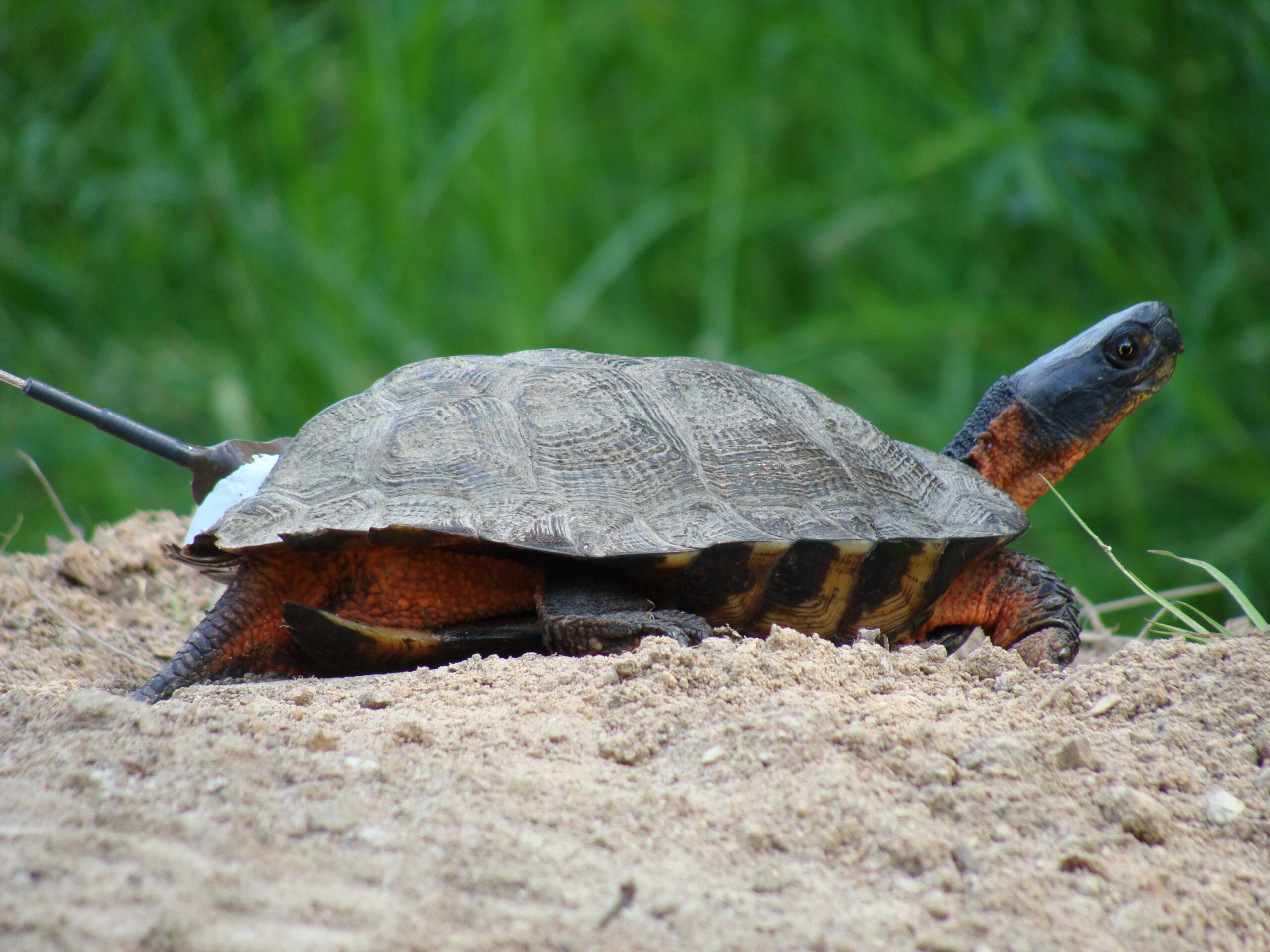 Photo Credit: Fæ / Wikimedia Commons
In the heart of North America’s lush forests, the Wood Turtle, or *Glyptemys insculpta*, glides gracefully through its vibrant habitat. Picture a sun-dappled stream winding through a canopy of green, where this charming reptile makes its home. With a beautifully patterned shell that resembles a work of art, the Wood Turtle stands out among its peers. Its shell is not just a protective barrier; it tells a story of resilience and adaptation, showcasing intricate designs that vary from one individual to another. This turtle’s striking appearance, combined with its fascinating behaviors, captivates both scientists and nature lovers alike.
As the sun rises, the Wood Turtle emerges from its hiding spots, often basking on warm rocks or logs, soaking up the sun’s rays. This endearing creature is an omnivore, meaning it enjoys a diverse diet that includes everything from juicy earthworms to crunchy leaves. Its role in the ecosystem is vital, acting as a keystone species that helps maintain the balance of its environment. Sadly, the Wood Turtle faces challenges in the wild, with its population classified as endangered. This makes understanding and protecting this remarkable turtle even more important, as it continues to inspire curiosity and admiration in all who encounter it.
The Wood Turtle, scientifically known as *Glyptemys insculpta*, occupies a special place in the tree of life. This intriguing reptile belongs to the Kingdom Animalia, which includes all animals, and is classified under the Phylum Chordata, meaning it has a backbone. As a member of the Class Reptilia, it shares its lineage with snakes, lizards, and other turtles. What sets the Wood Turtle apart is its unique combination of terrestrial and aquatic habits, making it a true amphibious marvel. Its striking, sculpted shell and vibrant skin patterns not only captivate the eye but also serve as a testament to its adaptability in various habitats.
| Taxonomic Rank | Scientific Name | Meaning & Significance |
|---|---|---|
| Kingdom | Animalia | This name signifies that Wood Turtles are part of the vast group of multicellular organisms that are primarily heterotrophic, meaning they consume other organisms for energy. |
| Phylum | Chordata | Chordata refers to animals with a notochord, a flexible rod that provides support. In Wood Turtles, this structure is replaced by a backbone as they mature. |
| Class | Reptilia | Reptilia indicates that Wood Turtles are reptiles, characterized by their scaly skin and ability to lay eggs on land, traits that help them thrive in diverse environments. |
| Order | Testudines | Testudines is the order that includes all turtles and tortoises, highlighting their distinctive bony or cartilaginous shell that protects them from predators. |
| Family | Geoemydidae | This family name means “earth turtles,” reflecting the Wood Turtle’s preference for terrestrial habitats, even though it is also comfortable in water. |
| Genus | Glyptemys | The genus name Glyptemys comes from Greek roots meaning “carved” and “turtle,” which aptly describes the Wood Turtle’s beautifully textured shell. |
| Species | insculpta | This species name means “sculpted” in Latin, referring to the intricate patterns and textures found on the turtle’s shell, which help it blend into its surroundings. |
The classification of the Wood Turtle reveals much about its evolutionary journey. As a member of the Geoemydidae family, it shares a common ancestor with other turtles that adapted to both land and water environments. This adaptability is a key factor in its survival, allowing it to thrive in various ecosystems across North America. The unique features of the Wood Turtle, from its sculpted shell to its behavior, reflect millions of years of evolution, showcasing how life on Earth has diversified and adapted to meet the challenges of different habitats. Understanding its place in the animal kingdom not only highlights its biological significance but also emphasizes the importance of conserving such remarkable species for future generations.
The evolutionary journey of the Wood Turtle, or *Glyptemys insculpta*, stretches back millions of years, weaving through the rich tapestry of life on Earth. This species is part of a lineage that has adapted to various environments, showcasing the incredible resilience and versatility of turtles. The Wood Turtle’s ancestors roamed the planet during the late Cretaceous period, around 100 million years ago, when dinosaurs still dominated the landscape.
As time progressed, turtles underwent significant changes, adapting to their surroundings and evolving into the diverse forms we see today. Early turtles, like the ancestors of the Wood Turtle, had more primitive shells and were primarily aquatic. Over millions of years, these reptiles transitioned to a semi-terrestrial lifestyle, developing stronger limbs and more robust shells to navigate both land and water. This shift allowed them to exploit new habitats, leading to the emergence of the Wood Turtle, which thrives in forested areas near rivers and streams.
The adaptations of the Wood Turtle have played a crucial role in its survival over the ages. By being omnivorous, it can thrive in various ecosystems, ensuring it has access to food regardless of seasonal changes. The strong, domed shell not only protects against predators but also helps in thermoregulation, allowing the turtle to maintain its body temperature. Additionally, their behavioral traits, like basking, enhance their overall health and vitality. Together, these features have enabled the Wood Turtle to persist through changing climates and landscapes, making it a resilient inhabitant of North America’s forests and waterways.
The Wood Turtle is a captivating sight, blending elegance with a sturdy build. Its shell, a hard outer layer, is not just a protective fortress but also a canvas of nature’s artistry. The turtle’s body is compact and robust, typically reaching about 6 to 8 inches in length. With a weight of up to 3 pounds, it carries its shell with a sense of pride, showcasing the intricate patterns that tell the story of its life. The Wood Turtle’s limbs are strong and well-adapted for both land and water, allowing it to navigate its environment with ease.
| Feature | Description |
|---|---|
| Size | 6 to 8 inches in length |
| Weight | Up to 3 pounds |
| Skin Type | Hard outer shell |
| Most Distinctive Feature | Scutes with beautiful growth rings |
The Wood Turtle’s features are not just for show; they serve vital purposes in its survival. The hard shell protects it from predators, while the beautiful growth rings on its scutes can help researchers determine its age and health. Its compact size and strong limbs allow it to thrive in both terrestrial and aquatic habitats, making it a versatile inhabitant of its environment. Together, these characteristics create a well-rounded and resilient creature, perfectly adapted to the challenges of its woodland and riverbank homes.
The Wood Turtle thrives in a variety of lush environments that paint a picture of nature’s beauty. Imagine wandering through a sun-dappled deciduous forest, where the leaves rustle gently in the breeze. Here, the ground is often moist, thanks to nearby rivers and streams that weave through the landscape. These turtles also enjoy the company of marshes and bogs, where the air is rich with the scent of wet earth and vibrant plant life. This blend of habitats creates a perfect home for the Wood Turtle, offering both shelter and food.
The Wood Turtle prefers climates that are temperate, meaning they experience distinct seasons. They thrive in areas where the temperature can vary, allowing them to bask in the sun during warmer months and find shelter during colder times. These turtles are often found near freshwater sources, which provide not only hydration but also a rich ecosystem teeming with food. The combination of moist soil and diverse vegetation is essential for their survival, as it supports the insects and plants they rely on.
To adapt to these specific habitats, the Wood Turtle has developed several clever strategies. Its strong legs allow it to navigate through both water and land with ease, while its hard shell provides protection from predators. The turtle’s ability to forage for food in both aquatic and terrestrial environments means it can take advantage of the rich resources available in its home. By being flexible and resourceful, the Wood Turtle has carved out a niche in these vibrant ecosystems, showcasing the wonders of nature’s adaptability.
The Wood Turtle’s daily life is a blend of leisurely activities and purposeful behaviors. As the sun rises, these turtles emerge from their hiding spots, often found basking on warm rocks or logs to soak up the sun’s rays. This basking is crucial for their body temperature regulation, as they are ectothermic, meaning they rely on external heat sources to warm up. Throughout the day, they wander through their forest and riverbank habitats, foraging for a variety of foods, including berries, plants, and small invertebrates. Their routine is punctuated by moments of exploration and the occasional retreat into the safety of their shells when danger approaches.
Socially, Wood Turtles exhibit a fascinating mix of solitary and group behaviors. While they are often seen alone, they can also gather in small groups, especially in areas rich in food. These gatherings are not just for feeding; they also provide opportunities for social interaction. Wood Turtles communicate through subtle body language and vocalizations, such as soft grunts or hisses, which help them establish their presence and maintain social bonds. This social structure allows them to navigate their environment more effectively, as they can learn from one another about food sources and potential threats.
| Behavior Type | Description |
|---|---|
| Basking | Wood Turtles bask in the sun to regulate their body temperature, essential for their metabolism. |
| Foraging | They search for food, including fruits, plants, and small invertebrates, to sustain their energy needs. |
| Social Interaction | While often solitary, they can form small groups, using body language and sounds to communicate. |
| Retreating | When threatened, they withdraw into their shells for protection, a key survival strategy. |
The behaviors of Wood Turtles are finely tuned to ensure their survival in the wild. By basking, they maintain the energy needed for daily activities, while foraging allows them to find the nutrients essential for growth and reproduction. Their ability to socialize, even if only occasionally, helps them stay aware of their surroundings and learn from each other. When faced with danger, their instinct to retreat into their shells provides a vital defense mechanism. Together, these behaviors create a balanced lifestyle that supports their health and longevity in the diverse ecosystems they inhabit.
The Wood Turtle is an omnivore, which means it enjoys a varied diet that includes both plants and animals. This adaptable turtle primarily feeds on insects, earthworms, and small arthropods like millipedes. With a keen sense of sight and a curious nature, the Wood Turtle forages for food in its forest and riverbank habitats. It often uses its strong, beak-like jaws to capture prey, and it has been observed digging in the soil to uncover hidden treats.
| Dietary Aspect | Details |
|---|---|
| Diet Type | Omnivore |
| Favorite Foods | Insects, earthworms, small arthropods |
| Prey Items | Millipedes, various insects |
| Hunting/Foraging Strategies | Forages in soil and vegetation, uses sight to locate food |
The Wood Turtle’s diet plays a crucial role in its ecology and daily routine. By consuming a mix of plant and animal matter, it helps maintain the balance of its ecosystem, contributing to soil health and controlling insect populations. This diverse diet also means that the Wood Turtle must be active and alert, constantly searching for food throughout the day. As it forages, it interacts with its environment, shaping not only its own life but also the lives of other creatures in its habitat.
As spring arrives, the Wood Turtle begins its courtship rituals, a time filled with excitement and anticipation. Males engage in a series of displays to attract females, including head bobbing and gentle nudging. Once a pair has formed, they mate, and the female prepares for the important task of laying eggs. The breeding season typically occurs from late spring to early summer, when the warm weather encourages these turtles to seek out suitable nesting sites.
| Reproductive Aspect | Details |
|---|---|
| Gestation Period | 8 months |
| Litter Size | 3 to 12 eggs |
| Age of Maturity | 14 years |
| Name of Young | Hatchling |
After laying her eggs in a carefully chosen nest, the female Wood Turtle leaves them to develop on their own. The eggs incubate for about eight months, often through the cold months of winter. When spring arrives, the hatchlings emerge, breaking free from their shells and beginning their journey into the world. These tiny turtles are independent from the moment they hatch, relying on their instincts to find food and shelter. As they grow, they will face various challenges, but with time and experience, they will mature into the resilient adults that contribute to the Wood Turtle population.
The Wood Turtle plays a vital role in its ecosystem, nestled within the food web as both a prey and a contributor to the environment. This charming reptile finds itself at the mercy of various predators while also helping to maintain the balance of its habitat. By feeding on a mix of plants and small animals, it helps control populations of insects and contributes to nutrient cycling in the soil.
To defend itself against these threats, the Wood Turtle employs several clever survival strategies. When faced with danger, it can retreat into its hard shell, which acts as a protective barrier. Additionally, its ability to blend into the forest floor helps it avoid detection. The Wood Turtle also has a unique behavior of basking in the sun, which not only warms its body but can also make it less appealing to some predators. By using these tactics, the Wood Turtle continues to navigate the challenges of its environment, showcasing the resilience of nature.
A keystone species is an organism that has a disproportionately large impact on its environment relative to its abundance. In other words, if it were removed, the ecosystem would change dramatically. The Wood Turtle, known scientifically as *Glyptemys insculpta*, qualifies as a keystone species due to its unique role in the habitats it occupies, particularly in deciduous forests and near freshwater sources.
Wood Turtles contribute to their ecosystems in several important ways. As omnivores, they help control insect populations by feeding on various invertebrates, including insects and earthworms. This natural pest control can benefit plant life, as fewer pests mean healthier vegetation. Additionally, their foraging habits help to aerate the soil, which is essential for plant growth. When Wood Turtles dig into the ground to find food, they disturb the soil, allowing air and nutrients to reach plant roots more effectively.
Moreover, Wood Turtles are known to be important seed dispersers. As they consume fruits and berries, they inadvertently spread seeds through their droppings. This process helps maintain plant diversity in their habitats, allowing different species to thrive. Their presence also supports a variety of other wildlife, as many animals rely on the same habitats and food sources that Wood Turtles do.
If Wood Turtles were to disappear from their ecosystems, the effects would ripple through the environment. Insect populations could surge, leading to increased plant damage and a decline in vegetation health. Without the turtles to aerate the soil, plant growth could suffer, affecting the entire food web. Additionally, the loss of seed dispersal would hinder the growth of various plant species, reducing biodiversity. Ultimately, the absence of Wood Turtles would create an imbalance, demonstrating just how vital they are to the health of their ecosystems.
The Wood Turtle, known scientifically as *Glyptemys insculpta*, plays a vital role in its ecosystem, acting as a keystone species. This means that its presence has a significant impact on the environment, influencing the health and balance of the habitats it occupies. Found in lush deciduous forests, marshes, and along rivers and streams, the Wood Turtle contributes to the intricate web of life in these areas. By foraging for food and interacting with other species, it helps maintain the ecological balance, ensuring that various plants and animals thrive.
| Ecosystem Service | Impact |
|---|---|
| Soil Aeration | As Wood Turtles dig for food, they help aerate the soil, allowing water and nutrients to penetrate more easily. |
| Seed Dispersal | By consuming fruits and plants, they help spread seeds, promoting plant diversity in their habitats. |
| Food Source | Wood Turtles serve as prey for various predators, contributing to the food web. |
| Water Quality Improvement | By foraging in aquatic environments, they help control algae and maintain healthy water systems. |
The influence of the Wood Turtle extends beyond its immediate actions. For example, when these turtles forage for insects and plants, they inadvertently aerate the soil, which helps water and nutrients reach the roots of nearby plants. This process is essential for plant health and growth. Additionally, as they munch on fruits, they play a crucial role in seed dispersal, allowing new plants to grow in different areas. This not only enhances biodiversity but also supports the overall health of the ecosystem. Their presence attracts various predators, creating a balanced food web that sustains multiple species.
The broader ecological importance of the Wood Turtle cannot be overstated. By maintaining soil health, promoting plant diversity, and serving as a food source for other animals, these turtles help create a thriving environment for countless organisms. Their role as a keystone species means that without them, the delicate balance of their ecosystems could be disrupted, leading to a decline in biodiversity. Protecting the Wood Turtle is not just about saving one species; it’s about preserving the intricate connections that sustain life in our forests and waterways.
In the intricate web of life, many species form partnerships that enhance their survival and well-being. These relationships, known as symbiosis, can take various forms, including mutualism, where both species benefit, commensalism, where one benefits while the other is neither helped nor harmed, and parasitism, where one species benefits at the expense of another. The Wood Turtle, or *Glyptemys insculpta*, engages in several fascinating ecological relationships that illustrate the interconnectedness of nature.
| Species/Type | Relationship Type | Description |
|---|---|---|
| Birds (e.g., Red-winged Blackbirds) | Commensalism | These birds often nest near Wood Turtles, benefiting from the turtle’s presence, which may deter predators. |
| Insects (e.g., ants) | Mutualism | Wood Turtles may disturb the soil while foraging, helping ants access food sources while benefiting from the insects’ presence as a food source. |
| Parasites (e.g., leeches) | Parasitism | Leeches attach to Wood Turtles to feed on their blood, benefiting at the turtle’s expense. |
These relationships have evolved over time, shaped by the needs and behaviors of the species involved. The Wood Turtle’s interactions with birds and insects highlight the delicate balance of ecosystems, where cooperation can lead to mutual benefits. Meanwhile, the presence of parasites like leeches serves as a reminder of the challenges that come with living in a complex environment. Understanding these connections not only enriches our appreciation of the Wood Turtle but also emphasizes the importance of preserving the habitats that support such diverse relationships.
The Wood Turtle is a captivating reptile that holds many secrets within its shell. This remarkable creature, known for its striking appearance and unique behaviors, offers a glimpse into the wonders of nature. Here are some surprising facts that will surely intrigue nature enthusiasts of all ages.
The Wood Turtle, or *Glyptemys insculpta*, has a long history of interaction with humans that dates back centuries. Indigenous peoples of North America revered this turtle, often incorporating it into their cultural stories and traditions. The Wood Turtle’s striking appearance and gentle nature made it a symbol of resilience and connection to the earth. In some cultures, it was seen as a messenger of wisdom, embodying the balance between land and water. These historical encounters highlight the deep-rooted relationship between this species and humanity, showcasing how nature has inspired human creativity and spirituality.
Today, the relationship between Wood Turtles and humans is more complex. As urban development expands and natural habitats shrink, these turtles face significant challenges. Conservation efforts are underway to protect their populations, as they are classified as a species of concern in many areas. However, conflicts arise when human activities, such as agriculture and road construction, disrupt their habitats. Some people even keep Wood Turtles as pets, which can lead to issues of domestication and the illegal pet trade. Balancing the needs of these turtles with human interests is crucial for their survival.
Looking ahead, the future of the Wood Turtle and its relationship with humanity hinges on our ability to foster understanding and respect for this species. As awareness grows about the ecological importance of Wood Turtles, more people are likely to engage in conservation efforts. By protecting their habitats and promoting sustainable practices, we can ensure that these turtles continue to thrive alongside us. The journey of the Wood Turtle is a reminder that our fates are intertwined, and by caring for the natural world, we ultimately care for ourselves.
The Wood Turtle, known scientifically as *Glyptemys insculpta*, is currently classified as endangered. This means that its population is at risk of declining further, with estimates suggesting there are only several thousand individuals left in the wild. The trend for this species is concerning, as habitat loss and other threats continue to impact their numbers. Conservationists are working hard to understand and protect these turtles, but the challenges they face are significant.
| Conservation Factor | Status/Details |
|---|---|
| IUCN Status | Endangered |
| Estimated Population Size | Several thousand |
| Population Trend | Declining |
The main threats to the Wood Turtle are numerous and complex. Habitat destruction is a significant issue, as urban development and agriculture encroach on their natural environments. Additionally, these turtles are often victims of road mortality, meaning they can be hit by cars while crossing roads. Pollution and climate change also pose risks, affecting the quality of their habitats and food sources. These factors combined create a challenging situation for the Wood Turtle, making it harder for them to thrive.
Despite these challenges, there is hope for the Wood Turtle. Conservation efforts are underway to protect their habitats and raise awareness about their plight. Organizations are working to create safe passageways across roads and restore areas where these turtles can live and breed. Education programs are also helping communities understand the importance of preserving this species. With continued dedication and support, there is a chance for the Wood Turtle to rebound and flourish once again in its natural habitat.
| Question | Answer |
|---|---|
| What is the natural habitat of the Wood Turtle? | Wood Turtles thrive in a variety of environments, including deciduous forests, rain forests, marshes, bogs, rivers, and streams. They prefer areas near water, as they often bask in the sun on riverbanks or forage for food in the surrounding vegetation. |
| What do Wood Turtles eat? | Wood Turtles are omnivores, which means they eat both plants and animals. Their diet includes fruits, berries, insects, and even small fish, making them adaptable to different food sources in their habitat. |
| How do Wood Turtles behave in the wild? | Wood Turtles are known for their calm and gentle nature. They are often seen basking in the sun or slowly wandering through their habitat, and they can be quite social, sometimes foraging in groups. |
| How do Wood Turtles reproduce? | During the breeding season, which typically occurs in late spring, female Wood Turtles lay eggs in sandy or loose soil. After about 60 to 90 days, the eggs hatch, and the tiny turtles emerge, ready to start their lives in the wild. |
| What are the main threats to Wood Turtles? | Wood Turtles face several threats, including habitat loss due to development and pollution. They are also vulnerable to poaching and being hit by vehicles as they cross roads, which can significantly impact their populations. |
| What is a distinctive feature of the Wood Turtle? | One of the most distinctive features of the Wood Turtle is its scutes, which are the hard, protective plates on its shell. These scutes often have beautiful growth rings, making each turtle's shell unique and visually striking. |
| Are Wood Turtles endangered? | Yes, Wood Turtles are classified as endangered due to their declining populations. Conservation efforts are underway to protect their habitats and ensure their survival in the wild. |