Taxonomy & Classification
- Kingdom
- Animalia
- Phylum
- Arthropoda
- Class
- Diplopoda
- Order
- Arthropleurida
- Family
- Arthropleuridae
- Genus
- Arthropleura
- Species
- Arthropleura armata

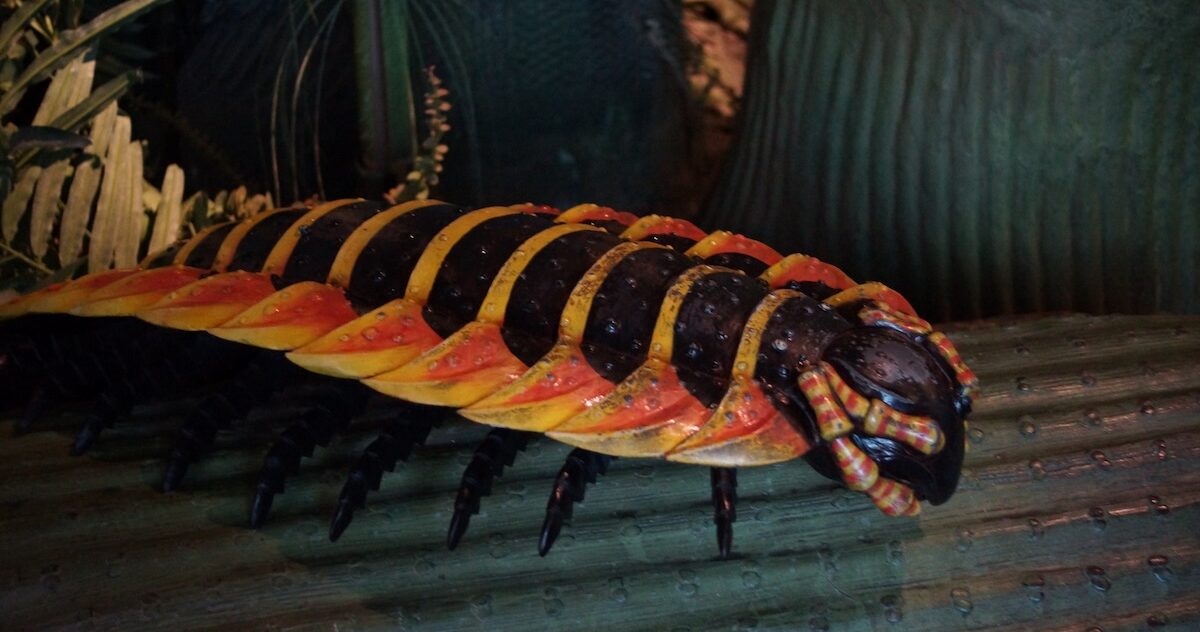 Photo Credit: poeticpenguin on Deposit Photos
In the lush, green world of the Carboniferous period, a giant named Arthropleura, or Arthropleura armata, roamed the earth. Imagine a creature stretching up to 8.5 feet long, resembling a massive millipede with a segmented body covered in hard, protective plates. Its size alone makes it a standout in the prehistoric landscape, but it’s the sheer mystery of its existence that captivates scientists and nature enthusiasts alike. This ancient giant thrived in a time when towering trees and dense vegetation created a paradise for plant-eating creatures, making it a key player in its ecosystem.
As Arthropleura crawled through the humid underbrush, it feasted on the abundant plant life that surrounded it, contributing to the health of its environment. The Carboniferous period was a time of great biodiversity, and Arthropleura’s role as a herbivore helped shape the landscape, breaking down plant material and enriching the soil. Its impressive size and unique adaptations, such as its ability to navigate through thick foliage, make it a fascinating subject of study. By exploring the life of Arthropleura, we not only uncover the secrets of a long-lost world but also gain insight into the evolutionary history of arthropods, the group that includes insects, spiders, and crustaceans. Join us as we delve deeper into the life and times of this extraordinary creature, revealing the wonders of a prehistoric paradise.
Arthropleura holds a fascinating position in the tree of life, classified within the Kingdom Animalia and the Phylum Arthropoda. This ancient giant, which lived during the Carboniferous period, is often recognized as one of the largest terrestrial arthropods ever to roam the Earth. What sets Arthropleura apart is its impressive size, reaching lengths of up to 2.5 meters (about 8 feet), and its unique body structure, which features a series of hard, segmented plates. These characteristics not only make it a standout in the animal kingdom but also provide insights into the evolutionary adaptations of arthropods, particularly in their transition from aquatic to terrestrial environments.
| Taxonomic Rank | Scientific Name | Meaning & Significance |
|---|---|---|
| Kingdom | Animalia | This name means “animals” in Latin, highlighting the diverse group of multicellular organisms that share certain characteristics, such as the ability to move and respond to their environment. |
| Phylum | Arthropoda | Derived from Greek, meaning “jointed feet,” this name refers to the jointed appendages that are a defining feature of this vast group, which includes insects, arachnids, and crustaceans. |
| Class | Diplopoda | This term means “double feet,” indicating that members of this class typically have two pairs of legs per body segment, a feature that contributes to their unique locomotion. |
| Order | Arthropleurida | The name combines “arthro” (joint) and “pleura” (side), referring to the jointed, segmented body structure that characterizes this order of ancient millipede-like creatures. |
| Family | Arthropleuridae | This family name reflects the genus Arthropleura, emphasizing its distinct lineage within the larger group of arthropods. |
| Genus | Arthropleura | Meaning “jointed side,” this name highlights the segmented body and jointed appendages that are key features of this remarkable organism. |
The classification of Arthropleura reveals much about its evolutionary history and the adaptations that allowed it to thrive in a world vastly different from our own. As a member of the Ecdysozoa group, which includes animals that shed their exoskeletons, Arthropleura showcases the evolutionary innovations that enabled arthropods to conquer land. Its size and structure suggest that it played a significant role in the ecosystems of its time, likely influencing the development of terrestrial habitats and the evolution of other land-dwelling species. Understanding where Arthropleura fits in the tree of life not only enriches our knowledge of ancient biodiversity but also highlights the incredible journey of life on Earth.
The story of Arthropleura unfolds during the Carboniferous period, around 359 to 299 million years ago. This era was marked by lush forests and a warm climate, creating a perfect environment for a variety of life forms to thrive. Among these was Arthropleura, a giant millipede-like creature that roamed the ancient landscapes, showcasing the incredible diversity of early terrestrial ecosystems.
Arthropleura belonged to a group called Arthropoda, which includes modern insects, spiders, and crustaceans. Its ancestors were smaller, simpler organisms that gradually evolved to adapt to life on land. Over millions of years, these early arthropods developed key features that allowed them to thrive in terrestrial habitats. One major transition was the development of a hard exoskeleton, which provided protection against predators and environmental challenges. As they grew larger, they also evolved specialized limbs for better movement and foraging, allowing them to navigate through dense vegetation.
These adaptations were vital for Arthropleura’s survival in a rapidly changing world. Its impressive size and robust exoskeleton offered protection from predators, while its ability to breathe air allowed it to explore new habitats. By feeding on plants, it not only sustained itself but also contributed to the health of its ecosystem. Arthropleura’s evolutionary journey illustrates how life on Earth has continually adapted to meet the challenges of its environment, paving the way for the diverse array of species we see today.
Imagine a creature that roamed the Earth over 300 million years ago, a giant among its peers. Arthropleura was an impressive sight, stretching up to 8.5 feet long, with a body that resembled a massive, segmented caterpillar. Its numerous jointed segments gave it a flexible, undulating movement, while hard plates covered its back, providing both protection and structure. This ancient arthropod was not just large; it was a marvel of evolution, perfectly adapted to its lush, prehistoric environment.
| Feature | Description |
|---|---|
| Weight | 110 lbs |
| Length | Up to 8.5 feet |
| Body Structure | Numerous jointed segments with hard plates |
| Color | Likely dark or earthy tones for camouflage |
| Skin Type | Hard exoskeleton for protection |
The combination of Arthropleura’s size, jointed segments, and protective plates made it a formidable presence in its environment. The hard exoskeleton not only shielded it from predators but also helped it navigate through dense vegetation. Its dark, earthy colors likely blended seamlessly with the forest floor, allowing it to remain hidden from both prey and threats. Together, these features created a creature that was not just a survivor but a dominant force in the lush, Carboniferous world.
Arthropleura thrived in a world that was a lush, green paradise, filled with towering trees and dense vegetation. Picture vast coal forests, where the air was thick with humidity and the ground was carpeted with ferns and mosses. This ancient giant roamed the forest floor, navigating through a maze of plant life, where sunlight filtered through the leaves, creating a dappled effect on the ground. The environment was rich in organic material, providing plenty of food and shelter for this massive creature.
The climate during the time of Arthropleura was warm and humid, ideal for the growth of the lush vegetation it depended on. These forests experienced high levels of rainfall, which contributed to the swampy conditions that were perfect for the development of rich, organic soils. The warmth of the Carboniferous period allowed for a diverse array of plant species to flourish, creating a vibrant ecosystem that supported not only Arthropleura but many other ancient organisms as well.
To thrive in such a specific habitat, Arthropleura developed several adaptations. Its large size allowed it to navigate through dense underbrush, while its segmented body provided flexibility to maneuver around obstacles. The creature’s diet likely consisted of decaying plant matter, which was abundant in its environment. This ability to break down organic material helped recycle nutrients back into the soil, making Arthropleura an important player in its ecosystem. By evolving to fit perfectly into its lush surroundings, Arthropleura played a vital role in the ancient world of the Carboniferous period.
Arthropleura’s daily life was a blend of foraging, resting, and navigating its lush, prehistoric environment. As a giant millipede-like creature, it spent much of its time crawling through the dense underbrush of Carboniferous forests. With its many legs, it moved gracefully over fallen leaves and decaying plant matter, searching for food. This ancient giant primarily feasted on decomposing vegetation, playing a crucial role in recycling nutrients back into the soil. During the day, it would bask in the warm, humid air, soaking up the sun’s rays before retreating to the safety of the forest floor as dusk approached.
Socially, Arthropleura exhibited intriguing group dynamics. While it was primarily a solitary forager, evidence suggests that these creatures occasionally gathered in small groups, especially during mating seasons. This behavior likely provided safety in numbers, as being part of a group could help deter predators. Communication among these ancient arthropods may have involved subtle movements and chemical signals, allowing them to convey information about food sources or potential threats.
| Behavior Type | Description |
|---|---|
| Foraging | Arthropleura searched for decaying plant matter, using its many legs to navigate the forest floor. |
| Resting | During the heat of the day, it would bask in the sun, then seek shelter at night to avoid predators. |
| Group Dynamics | Occasionally gathered in small groups, especially during mating seasons, for safety and social interaction. |
| Communication | Used subtle movements and chemical signals to share information about food and threats. |
The behaviors of Arthropleura were essential for its survival in a world filled with both opportunities and dangers. By foraging effectively, it ensured a steady food supply, while its social interactions provided safety from predators. The ability to communicate and gather in groups during critical times further enhanced its chances of thriving in the lush, competitive environment of the Carboniferous period. Each of these activities contributed to the delicate balance of life in a time long before humans walked the Earth.
Arthropleura was primarily a herbivore, meaning it mainly fed on plant material. This ancient giant had a diet rich in the lush vegetation that surrounded it during the Carboniferous period. With its impressive size, it could easily munch on ferns, leaves, and other types of plant matter. Its feeding behavior involved slowly crawling through the dense underbrush, using its many legs to navigate the terrain while searching for tasty greens.
| Dietary Aspect | Details |
|---|---|
| Diet Type | Herbivore |
| Favorite Foods | Ferns, leaves, and other plant material |
| Prey Items | Not applicable, as it did not consume other animals |
| Hunting/Foraging Strategies | Slowly crawled through vegetation, using its many legs to navigate and find food |
This plant-based diet played a crucial role in shaping Arthropleura’s ecology and daily routine. By consuming vast amounts of plant material, it helped to recycle nutrients back into the soil, supporting the growth of new plants. Its foraging habits also meant that it spent a significant portion of its day searching for food, which was essential for its survival in a world filled with towering trees and dense foliage. In this way, Arthropleura was not just a consumer of plants but an important player in its prehistoric ecosystem.
When it comes to mating, Arthropleura had its own intriguing rituals. During the breeding season, which likely coincided with the warm, humid months of the Carboniferous period, these ancient creatures would engage in courtship behaviors. Males may have displayed their size and strength to attract females, a common practice in the animal kingdom. Once a pair successfully mated, the female would prepare to lay her eggs in a safe, moist environment, ensuring the best chance for her offspring to thrive.
| Reproductive Aspect | Details |
|---|---|
| Gestation Period | Approximately 2-3 months |
| Litter Size | Up to 100 eggs |
| Age of Maturity | 1-2 years |
| Name of Young | Juveniles |
After the eggs are laid, the young Arthropleura, known as juveniles, would hatch and begin their journey into the world. These tiny versions of their parents would rely on the rich, decaying plant matter around them for nourishment. As they grew, they would molt, shedding their exoskeletons to accommodate their increasing size. This process allowed them to develop into the impressive adults they were destined to become. While there is limited evidence of parental care, it is likely that the moist, sheltered environments chosen for egg-laying provided some protection for the young as they ventured into their lush, prehistoric habitat.
Arthropleura, the colossal millipede-like creature of the Carboniferous period, held a significant role in its ancient ecosystem. As a herbivore, it primarily fed on the abundant plant life, making it a vital part of the food web. However, being a large prey item also meant that it faced various dangers from predators lurking in the shadows of the lush forests.
To survive these threats, Arthropleura likely employed several defensive strategies. Its size alone would have deterred some smaller predators, while its hard exoskeleton provided a tough barrier against attacks. Additionally, it may have used its ability to curl into a tight ball, a behavior seen in modern millipedes, to protect its vulnerable underside. By blending into the dense foliage of its environment, it could also evade detection, allowing this ancient giant to thrive in a world filled with dangers.
A keystone species is a vital part of its ecosystem, playing a role that is crucial for maintaining the structure and health of that environment. If removed, the ecosystem could change dramatically, often leading to a decline in biodiversity. Arthropleura, a giant herbivorous creature from the Carboniferous period, qualifies as a keystone species due to its significant impact on the lush, prehistoric forests it inhabited.
Arthropleura’s role in its ecosystem was multifaceted. As a herbivore, it fed on the abundant plant life, helping to control vegetation growth. This grazing behavior would have prevented certain plant species from dominating the landscape, allowing a variety of plants to thrive. By munching on leaves and stems, Arthropleura also contributed to nutrient cycling. When it consumed plants, it broke them down, returning essential nutrients to the soil through its waste. This process enriched the soil, promoting the growth of more plants and supporting a diverse array of other organisms.
Additionally, Arthropleura likely served as a food source for larger predators of its time. Its presence in the food web would have supported the survival of various carnivorous species, creating a balanced ecosystem. The interactions between Arthropleura and other organisms helped maintain the delicate balance of life in the Carboniferous forests, showcasing its keystone role.
If Arthropleura were to disappear, the consequences would be significant. Without this giant herbivore, certain plant species could overgrow, leading to a decline in plant diversity. This change would ripple through the ecosystem, affecting not only the plants but also the animals that depend on them for food and habitat. The balance of the Carboniferous forests would be disrupted, potentially leading to a less resilient environment. In essence, the loss of Arthropleura would mean a loss of stability and diversity in its ancient world.
Arthropleura, a giant millipede-like creature from the Carboniferous period, played a crucial role in shaping its ecosystem. As a herbivore, it thrived in the lush, dense forests of its time, where it fed on a variety of plant materials. This ancient giant not only influenced the vegetation around it but also contributed to the overall health of its environment. By munching on plants, Arthropleura helped to control plant growth and promote biodiversity, creating a balanced ecosystem that supported a wide range of other organisms.
| Ecosystem Service | Impact |
|---|---|
| Plant Consumption | Regulated plant growth and diversity |
| Soil Aeration | Improved soil quality and nutrient cycling |
| Decomposition | Facilitated breakdown of organic matter |
| Habitat Creation | Provided shelter for smaller organisms |
Arthropleura’s influence extended beyond just eating plants. By moving through the forest floor, it helped aerate the soil, allowing air and water to reach plant roots more effectively. This process is essential for healthy plant growth and nutrient cycling, which keeps the ecosystem thriving. Additionally, as it consumed dead plant material, Arthropleura contributed to decomposition, breaking down organic matter and returning vital nutrients to the soil. This cycle of life and death is fundamental for maintaining the balance of any ecosystem.
The broader ecological importance of Arthropleura cannot be overstated. As a keystone species, its presence was vital for the stability of its environment. Without it, the lush forests of the Carboniferous period might have become overgrown or unbalanced, leading to a decline in biodiversity. By supporting various plant and animal life, Arthropleura helped create a rich tapestry of life that laid the groundwork for future ecosystems. Its legacy reminds us of the interconnectedness of all living things and the vital roles that even the smallest creatures can play in the grand story of life on Earth.
In the intricate web of life, symbiosis refers to the close interactions between different species, which can take many forms. These relationships can be mutualistic, where both species benefit, parasitic, where one benefits at the expense of the other, or commensal, where one benefits while the other is neither helped nor harmed. Understanding these connections helps us appreciate the delicate balance of ecosystems, even those from ancient times, like the Carboniferous period when Arthropleura roamed the Earth.
| Species/Type | Relationship Type | Description |
|---|---|---|
| Fungi | Mutualistic | Arthropleura may have formed partnerships with fungi, which helped decompose plant material, enriching the soil and providing nutrients for both species. |
| Plants | Commensal | As a herbivore, Arthropleura fed on various plants, benefiting from their abundance while the plants were largely unaffected by its grazing. |
| Predatory Insects | Parasitic | While not a direct relationship, predatory insects may have targeted Arthropleura, showcasing the dangers it faced in its environment. |
The evolution of these relationships likely shaped the survival strategies of Arthropleura and its partners. Mutualistic interactions, like those with fungi, would have enhanced nutrient availability, promoting growth in both species. Meanwhile, the herbivorous diet of Arthropleura allowed it to thrive in the lush forests, while the presence of predatory insects reminded it of the constant challenges in its ecosystem. These dynamic interactions illustrate how species adapt and evolve together, creating a rich tapestry of life that has persisted through the ages.
Arthropleura, a giant millipede-like creature from the Carboniferous period, is a captivating example of prehistoric life. This ancient animal, which roamed the Earth over 300 million years ago, offers a glimpse into a world filled with lush vegetation and unique adaptations. Here are some surprising facts that showcase the extraordinary nature of Arthropleura.
No response
Arthropleura, the colossal millipede-like creature that once roamed the Earth during the Carboniferous period, is classified as extinct. This means that there are no living members of this fascinating group today. The last of these ancient giants disappeared millions of years ago, and while they thrived in their lush, prehistoric environment, they ultimately succumbed to the changing conditions of the planet.
| Conservation Factor | Status/Details |
|---|---|
| IUCN Status | Extinct |
| Population Estimates | None |
| Trend Direction | Declining (historically) |
The main threats to Arthropleura were likely environmental changes that occurred during the late Paleozoic era. As the climate shifted and the lush forests that supported their diet began to dwindle, these massive creatures faced habitat loss. Additionally, competition with other species for resources and changes in the ecosystem dynamics may have contributed to their decline. The combination of these factors created a challenging environment that ultimately led to their extinction.
While there are no current conservation efforts for Arthropleura, studying its life and extinction can provide valuable insights into the importance of biodiversity and ecosystem health. Understanding how ancient species like Arthropleura interacted with their environment helps scientists today recognize the signs of ecological imbalance. By learning from the past, we can work to protect the diverse species that inhabit our planet now, ensuring that they do not meet a similar fate.
| Question | Answer |
|---|---|
| What was the habitat of Arthropleura? | Arthropleura lived in various environments, primarily in the coal forests of the Carboniferous Period. These lush, warm areas were filled with giant plants and provided plenty of food for this massive creature. |
| What did Arthropleura eat? | Arthropleura was a herbivore, meaning it primarily fed on plants. Its diet likely consisted of leaves, ferns, and other vegetation found in its forest habitat. |
| How did Arthropleura behave? | While we can't observe Arthropleura directly, scientists believe it was a slow-moving creature. Its size and body structure suggest it may have crawled along the forest floor, munching on plants as it went. |
| How did Arthropleura reproduce? | Details about Arthropleura's reproduction are not well-documented, but like many arthropods, it likely laid eggs. The young would have hatched and grown into adults, possibly going through several molts as they developed. |
| What threats did Arthropleura face? | As an extinct species, Arthropleura faced threats from environmental changes that led to its eventual extinction. Factors like climate shifts and habitat loss likely played significant roles in its decline. |
| What are some interesting characteristics of Arthropleura? | One of the most distinctive features of Arthropleura was its numerous jointed segments and hard plates covering its body. This made it look like a giant millipede, and it could grow up to 8.5 feet long, making it one of the largest land arthropods ever! |
| Why is Arthropleura important to study? | Studying Arthropleura helps scientists understand the evolution of arthropods and the ecosystems of the past. It provides insights into how ancient environments functioned and how species adapted to their surroundings. |