Taxonomy & Classification
- Kingdom
- Animalia
- Phylum
- Chordata
- Class
- Actinopterygii
- Order
- Cypriniformes
- Family
- Cyprinidae
- Genus
- Danio
- Species
- Danio rerio

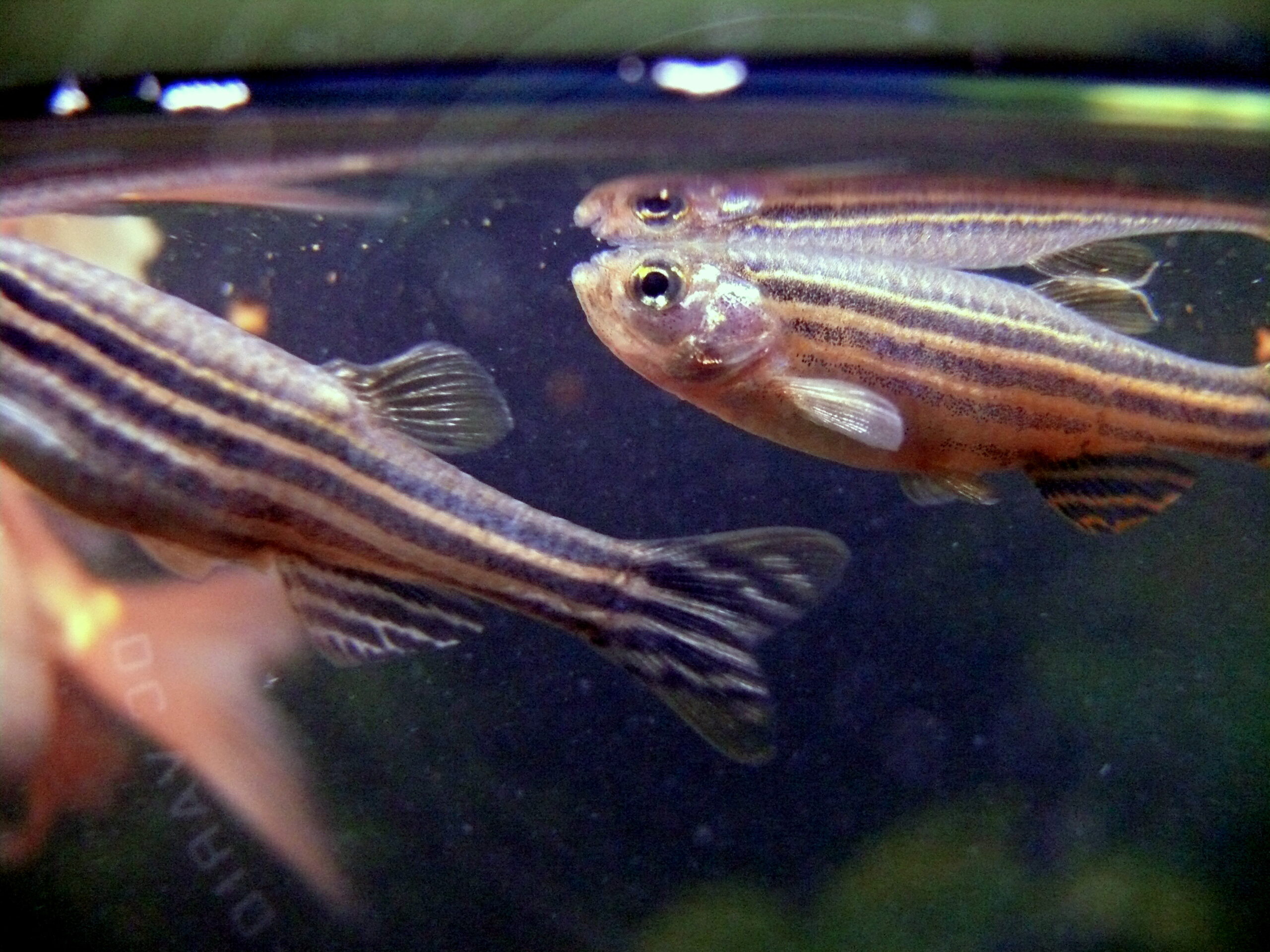 Photo Credit: Cherus / Wikimedia Commons
In the shimmering waters of Southeast Asia, the zebrafish, or Danio rerio, glides gracefully among the lush greenery of freshwater streams and ponds. With its striking, vivid stripes that dance across its small, streamlined body, this little fish is not just a feast for the eyes but also a marvel of nature. Measuring only about 1 to 2 inches long, the zebrafish captivates both scientists and nature enthusiasts alike, thanks to its vibrant appearance and lively behavior. As it darts through the gentle currents, it showcases a world of color and movement that invites curiosity and wonder.
Zebrafish are more than just pretty faces; they play a crucial role in their ecosystems. These small fish are omnivores, meaning they enjoy a varied diet that includes both plant and animal matter, such as insects and tiny crustaceans. Their lively antics and social interactions make them a joy to observe, especially during breeding season when males display their brightest colors to attract females. Scientists are particularly fascinated by zebrafish because they are often used in research to study genetics, development, and even human diseases. With their unique characteristics and important ecological role, zebrafish remind us of the intricate connections that exist in the natural world, sparking a sense of adventure and discovery in all who encounter them.
Zebrafish, scientifically known as Danio rerio, occupies a special place in the tree of life. This small, striped fish belongs to the kingdom Animalia, which includes all animals, and is part of the phylum Chordata, meaning it has a backbone. What sets zebrafish apart is not just their striking appearance, with horizontal blue and silver stripes, but also their incredible adaptability and transparency during early development. These features make them a favorite among scientists for research, especially in genetics and developmental biology.
| Taxonomic Rank | Scientific Name | Meaning & Significance |
|---|---|---|
| Kingdom | Animalia | This name means “animals” in Latin, highlighting that zebrafish are part of the vast group of multicellular organisms that consume organic material. |
| Phylum | Chordata | Derived from the Greek word “chordē,” meaning “string,” this classification indicates that zebrafish possess a notochord, a flexible rod that supports their body during development. |
| Class | Actinopterygii | This term means “ray-finned fishes,” referring to the bony rays that support their fins, a characteristic that distinguishes them from other fish classes. |
| Order | Cypriniformes | This name comes from “Cyprinus,” the Latin word for carp, indicating that zebrafish are related to other freshwater fish like carps and minnows. |
| Family | Cyprinidae | Also known as the carp family, this name reflects the group’s diverse range of species, many of which are important in aquaculture and as pets. |
| Genus | Danio | This name is derived from the Latin word for “small fish,” which aptly describes the size and nature of zebrafish. |
| Species | Danio rerio | The species name “rerio” is thought to be derived from a local name in India, where these fish are commonly found, emphasizing their geographical roots. |
Understanding the taxonomic classification of zebrafish reveals much about their evolutionary journey. As members of the Chordata phylum, they share a common ancestry with all vertebrates, including mammals, birds, and reptiles. Their position within the Actinopterygii class highlights their adaptation to aquatic life, showcasing the evolutionary innovations that have allowed fish to thrive in diverse environments. Zebrafish serve as a living link to the past, helping scientists unravel the mysteries of evolution and the development of complex life forms.
The evolutionary journey of the zebrafish, or Danio rerio, stretches back millions of years, tracing its lineage to ancient freshwater fish that swam in the rivers and lakes of Southeast Asia. These small, vibrant fish are part of the family Cyprinidae, which is known for its diverse members, including carps and minnows. The zebrafish itself has adapted over time, evolving traits that have allowed it to thrive in various aquatic environments.
The ancestors of zebrafish were likely simple, streamlined fish that relied on basic survival strategies. As they evolved, they developed more complex features, such as the ability to navigate through murky waters and evade predators. One significant transition was the development of their striking stripes, which not only serve as a form of camouflage but also play a role in social interactions and mating displays. Over time, these adaptations helped zebrafish become more resilient and versatile in their habitats.
The adaptations of zebrafish have been crucial for their survival in the wild. Their coloration not only aids in evading predators but also enhances their social interactions, which are vital for breeding. The ability to reproduce in large numbers ensures that even if some eggs are lost to predators, enough will survive to maintain the population. Their regenerative capabilities are a fascinating evolutionary trait that not only helps them recover from injuries but also provides insights into healing processes in other species, including humans. Overall, these evolutionary changes have made zebrafish a resilient and successful species in the aquatic world.
The zebrafish is a small yet captivating fish that captures the eye with its vibrant appearance. Typically measuring around 1 to 2 inches long, this little swimmer boasts a streamlined body that allows it to dart gracefully through the water. Its most striking feature is the series of vivid stripes that run horizontally along its sides, creating a mesmerizing pattern of blue and silver. These stripes not only enhance its beauty but also play a crucial role in its survival.
| Feature | Description |
|---|---|
| Size | 1 to 2 inches long |
| Color | Blue and silver with vivid stripes |
| Skin Type | Covered in scales |
| Most Distinctive Feature | Horizontal stripes that enhance camouflage |
The combination of size, color, and skin type works together to create a fish that is not only visually stunning but also well-adapted to its environment. The zebrafish’s stripes help it blend into the shimmering waters of its Southeast Asian habitat, providing camouflage from predators. Its small size allows it to navigate through tight spaces among plants and rocks, making it a master of evasion. Together, these features ensure that the zebrafish thrives in its aquatic world, showcasing the beauty of nature’s design.
Zebrafish thrive in the tranquil waters of freshwater streams and ponds, where they dart among the lush vegetation and gentle currents. These habitats are often adorned with soft, sandy bottoms and plenty of hiding spots, such as rocks and plants. The shimmering surface reflects the sunlight, creating a warm and inviting environment for these lively fish.
Zebrafish prefer warm climates, typically found in regions where temperatures range from 20 to 28 degrees Celsius (68 to 82 degrees Fahrenheit). They flourish in shallow waters, where the sunlight penetrates easily, promoting the growth of algae and other plants that provide food and shelter. The water is usually clear, allowing these fish to see and evade predators while also making it easier for them to find mates.
Over time, zebrafish have developed several adaptations that help them thrive in their specific habitats. Their small size allows them to navigate through tight spaces among plants and rocks, while their quick swimming abilities help them escape from larger fish. Additionally, their vibrant stripes not only make them visually appealing but also serve as a form of camouflage, blending in with the dappled light filtering through the water. These clever adaptations ensure that zebrafish can not only survive but also flourish in their freshwater homes.
Zebrafish lead a lively and engaging daily life, filled with activities that keep them active and alert. As dawn breaks, these small fish awaken from their slumber, ready to explore their watery world. They spend their days swimming through the gentle currents of their freshwater habitats, foraging for tiny food particles like algae and small insects. Their agile bodies allow them to dart quickly, making them adept at navigating through plants and rocks. As the sun sets, zebrafish often engage in playful interactions, showcasing their vibrant stripes as they swim in and out of the shadows.
Social behavior is a key aspect of zebrafish life. These fish are known for their strong group dynamics, often forming schools that can consist of several individuals. Swimming together not only provides safety in numbers but also enhances their social interactions. Within these schools, zebrafish communicate through body language and subtle movements, signaling their intentions to one another. This social structure helps them establish hierarchies, where dominant fish may lead the group while others follow closely behind. Their cooperative nature fosters a sense of community, making their underwater world a bustling and vibrant place.
| Behavior Type | Description |
|---|---|
| Activity Patterns | Zebrafish are diurnal, meaning they are active during the day. They spend their time swimming, foraging, and exploring their environment. |
| Social Structure | These fish thrive in schools, which provide safety and enhance social interactions. They often establish hierarchies within the group. |
| Communication Methods | Zebrafish communicate through body movements and postures, using their stripes and swimming patterns to convey messages to one another. |
The behaviors of zebrafish are not just fascinating; they are essential for survival. By swimming in schools, they reduce the risk of predation, as it becomes harder for predators to single out an individual. Their social interactions also help them find food more efficiently and navigate their environment together. In this way, zebrafish exemplify how cooperation and communication can enhance the chances of survival in the wild, making their daily lives a blend of adventure and strategy.
Zebrafish are omnivores, which means they enjoy a varied diet that includes both plant and animal matter. These small fish are particularly fond of munching on insects, brine shrimp, and crustaceans. Their feeding behavior is quite active; they often dart around their environment, using their keen eyesight to spot potential meals. When they find food, they quickly swim in to snatch it up, showcasing their agile movements and energetic nature.
| Dietary Aspect | Details |
|---|---|
| Diet Type | Omnivore |
| Favorite Foods | Insects, brine shrimp, crustaceans |
| Prey Items | Small aquatic organisms |
| Hunting/Foraging Strategies | Active swimming and keen eyesight to locate food |
This diverse diet plays a crucial role in the zebrafish’s ecology and daily routine. By consuming a variety of foods, they help maintain the balance of their aquatic ecosystem, controlling insect populations and contributing to the food web. Their energetic foraging habits also keep them active, which is essential for their health and well-being. In turn, this lively lifestyle makes zebrafish a joy to observe, whether in the wild or in an aquarium setting.
When it comes to mating, zebrafish are quite the social swimmers! They typically breed during the warmer months, often in the early morning when the light is just right. Males display their vibrant colors and perform energetic dances to attract females. This courtship ritual is not just for show; it helps the female choose the healthiest mate. Once a female is ready, she releases her eggs, and the male fertilizes them almost immediately. This synchronized dance of life is a beautiful sight in the underwater world.
| Reproductive Aspect | Details |
|---|---|
| Gestation Period | Approximately 24 hours |
| Litter Size | Up to 200 eggs |
| Age of Maturity | 2 – 3 months |
| Name of Young | Fry |
After the eggs hatch, the tiny fry emerge, ready to explore their surroundings. Interestingly, zebrafish parents do not provide care for their young after the eggs are laid. Instead, the fry must fend for themselves right from the start. They grow quickly, feeding on tiny particles in the water and gradually transitioning to larger foods as they mature. Within just a few months, these little fish will develop into adults, ready to start the cycle all over again. This rapid growth and independence are part of what makes zebrafish such a fascinating species to study!
Zebrafish play a crucial role in their aquatic food web, serving as both prey and predator. These small fish are a tasty snack for a variety of larger animals, while also helping to control populations of tiny organisms in their environment. Their position in the food web highlights the delicate balance of life in freshwater ecosystems, where every species, including the zebrafish, contributes to the overall health of the habitat.
To survive these dangers, zebrafish have developed several clever strategies. They often swim in schools, which helps confuse predators and makes it harder for them to target a single fish. Additionally, their ability to quickly dart into hiding spots among plants and rocks provides a safe refuge from hungry eyes. When faced with danger, zebrafish can also exhibit a behavior called “freezing,” where they remain motionless to avoid detection. These adaptations are essential for their survival in a world filled with threats.
A keystone species is a vital part of its ecosystem, meaning its presence and activities have a significant impact on the environment and other organisms. The zebrafish, or Danio rerio, is often considered a keystone species in its freshwater habitats. This small fish plays a crucial role in maintaining the balance of its ecosystem, influencing both the community of organisms around it and the health of the aquatic environment.
Zebrafish contribute to their ecosystem in several important ways. As omnivores, they help control the populations of insects and small crustaceans, which can otherwise become overwhelming if left unchecked. By munching on these organisms, zebrafish help maintain a balanced food web. Additionally, their breeding habits and social behavior encourage a diverse community of fish and other aquatic life. When zebrafish spawn, they create a rich environment that supports the growth of various microorganisms, which in turn provide food for other species.
Moreover, zebrafish serve as a food source for larger predators, such as birds and bigger fish. This makes them an integral part of the food chain, linking different levels of the ecosystem together. Their presence supports not only their own species but also the health of the entire aquatic community.
If zebrafish were to disappear from their ecosystems, the consequences could be severe. Without these small fish, insect populations could explode, leading to imbalances that affect water quality and the health of other aquatic organisms. Larger predators would also struggle to find food, potentially leading to declines in their populations. The loss of zebrafish would ripple through the ecosystem, demonstrating just how interconnected life in freshwater habitats truly is.
Zebrafish, known scientifically as Danio rerio, play a vital role in their freshwater ecosystems. These small, striped fish inhabit streams and ponds, where they contribute to the balance of their environment. As both prey and predator, zebrafish help regulate populations of insects and other small organisms, ensuring that no single species overwhelms the ecosystem. Their presence supports a diverse community of aquatic life, making them an essential part of the food web.
| Ecosystem Service | Impact |
|---|---|
| Population Control | Zebrafish help keep insect populations in check, preventing overpopulation that could harm plant life. |
| Nutrient Cycling | By consuming organic matter and excreting waste, zebrafish contribute to nutrient cycling in their habitats. |
| Habitat Structure | Their breeding activities can influence the growth of aquatic plants, which provide shelter for other species. |
| Food Source | Zebrafish serve as a crucial food source for larger fish and birds, supporting higher trophic levels. |
Zebrafish influence their ecosystems in several specific ways. For instance, by feeding on insect larvae and small crustaceans, they help maintain a balanced population of these organisms. This is important because too many insects can lead to overgrazing of aquatic plants, which are essential for oxygen production and habitat structure. Additionally, during their breeding season, zebrafish create nests that can alter the surrounding environment, promoting the growth of beneficial aquatic vegetation. This not only provides shelter for other fish but also enhances the overall health of the ecosystem.
The broader ecological importance of zebrafish cannot be overstated. As a keystone species, their activities support a diverse range of life forms, from tiny microorganisms to larger predators. By maintaining the balance of their freshwater habitats, zebrafish help ensure that ecosystems remain resilient and capable of supporting various species. Their role in nutrient cycling and population control highlights how interconnected life is in these environments, reminding us of the delicate balance that sustains our natural world.
In the intricate web of life, zebrafish engage in various partnerships with other species, showcasing the beauty of symbiosis. Symbiosis refers to the close interactions between different organisms, which can be beneficial, harmful, or neutral. These relationships can take many forms, such as mutualism, where both species gain advantages, parasitism, where one benefits at the other’s expense, and commensalism, where one species benefits while the other is neither helped nor harmed. Understanding these connections helps us appreciate the delicate balance of ecosystems and the roles that each species plays within them.
| Species/Type | Relationship Type | Description |
|---|---|---|
| Cleaner Shrimp | Mutualistic | Zebrafish often visit cleaner shrimp, which remove parasites and dead skin from their bodies. In return, the shrimp get a meal, benefiting both parties. |
| Leeches | Parasitic | Some leeches attach to zebrafish to feed on their blood. This relationship harms the zebrafish, as it can lead to stress and health issues. |
| Algae | Commensal | Algae can grow on the surfaces of zebrafish habitats. While the algae benefit from the water and light, the zebrafish are unaffected by their presence. |
These relationships have evolved over time, shaped by the needs and adaptations of the species involved. Mutualistic partnerships, like that with cleaner shrimp, enhance the health and survival of zebrafish, while parasitic interactions, such as with leeches, highlight the challenges they face in their environment. Commensal relationships, like those with algae, illustrate how life can thrive alongside one another without direct interaction. By studying these connections, we gain insight into the complex dynamics of ecosystems and the importance of each species in maintaining ecological balance.
Zebrafish are not just ordinary fish; they are tiny marvels of nature that have captured the attention of scientists and nature lovers alike. Their vibrant stripes and lively behavior make them a joy to observe, but there’s so much more to discover about these fascinating creatures.
Zebrafish, or Danio rerio, have a long history of interaction with humans that dates back centuries. Originating from the freshwater streams of Southeast Asia, these small, striped fish have been admired for their beauty and lively nature. In many cultures, they symbolize good fortune and are often kept in aquariums for their vibrant colors and energetic swimming. Their presence in homes and public spaces has made them a beloved part of aquatic life, inspiring art, folklore, and even scientific curiosity.
Today, the relationship between zebrafish and humanity has evolved significantly. These fish are not only popular pets but also play a crucial role in scientific research. Their transparent embryos allow scientists to observe developmental processes in real-time, making them invaluable for studies in genetics, medicine, and environmental science. However, as urbanization and pollution threaten their natural habitats, conservation efforts are becoming increasingly important. Balancing the needs of zebrafish in the wild with their use in laboratories and aquariums presents both challenges and opportunities for collaboration.
Looking ahead, the future of the zebrafish-human relationship holds great promise. As we continue to learn from these remarkable fish, there is potential for breakthroughs in medicine and environmental conservation. By fostering a deeper understanding of their needs and habitats, we can ensure that zebrafish thrive both in our homes and in the wild. This partnership not only enriches our lives but also contributes to the health of our planet’s ecosystems. Together, we can create a world where both humans and zebrafish flourish.
The conservation status of zebrafish, scientifically known as Danio rerio, is currently classified as “Least Concern” by the International Union for Conservation of Nature (IUCN). This means that, overall, they are not facing immediate threats to their survival. In fact, their population is estimated to be in the hundreds of millions, or even billions, which indicates a stable and healthy presence in their natural habitats.
| Conservation Factor | Status/Details |
|---|---|
| IUCN Status | Least Concern |
| Estimated Population Size | Hundreds of millions to billions |
| Population Trend | Stable |
Despite their stable status, zebrafish face some challenges in their natural environments. Habitat loss is a significant threat, primarily due to human activities such as urban development and pollution. As freshwater streams and ponds are altered or contaminated, the delicate ecosystems that zebrafish rely on can be disrupted. Additionally, climate change poses a risk, as shifting temperatures and weather patterns can affect their breeding and feeding habits.
Conservation efforts for zebrafish are not as urgent as for many other species, but they still play an important role in maintaining healthy aquatic ecosystems. Awareness campaigns and habitat protection initiatives help ensure that these vibrant fish continue to thrive. As long as their environments are preserved and protected, the outlook for zebrafish remains bright, allowing future generations to enjoy their lively presence in the waters of Southeast Asia and beyond.
| Question | Answer |
|---|---|
| Where do zebrafish live? | Zebrafish are found in freshwater streams and ponds, primarily in South Asia. They thrive in shallow waters with plenty of vegetation, which provides shelter and food. |
| What do zebrafish eat? | Zebrafish are omnivores, meaning they eat both plants and animals. Their diet includes tiny insects, algae, and other small organisms found in their aquatic environment. |
| How do zebrafish behave in the wild? | Zebrafish are social creatures that often swim in groups, known as schools. This behavior helps them avoid predators and increases their chances of finding food. |
| How do zebrafish reproduce? | Zebrafish are known for their rapid reproduction. A female can lay hundreds of eggs at once, which are fertilized by the male shortly after being laid. The eggs hatch in about 24 hours. |
| What threats do zebrafish face? | While zebrafish are currently classified as Least Concern, they can be threatened by habitat destruction and pollution. Changes in their environment can impact their populations and breeding success. |
| What is a unique characteristic of zebrafish? | One of the most distinctive features of zebrafish is their vivid stripes. These stripes not only make them visually striking but also play a role in communication and camouflage. |
| Why are zebrafish important for scientific research? | Zebrafish are widely used in scientific research due to their transparent embryos, which allow scientists to observe development in real time. They help researchers study genetics, disease, and drug testing. |