Taxonomy & Classification
- Kingdom
- Animalia
- Phylum
- Chordata
- Class
- Mammalia
- Order
- Artiodactyla
- Family
- Bovidae
- Genus
- Bos
- Species
- Bos taurus indicus

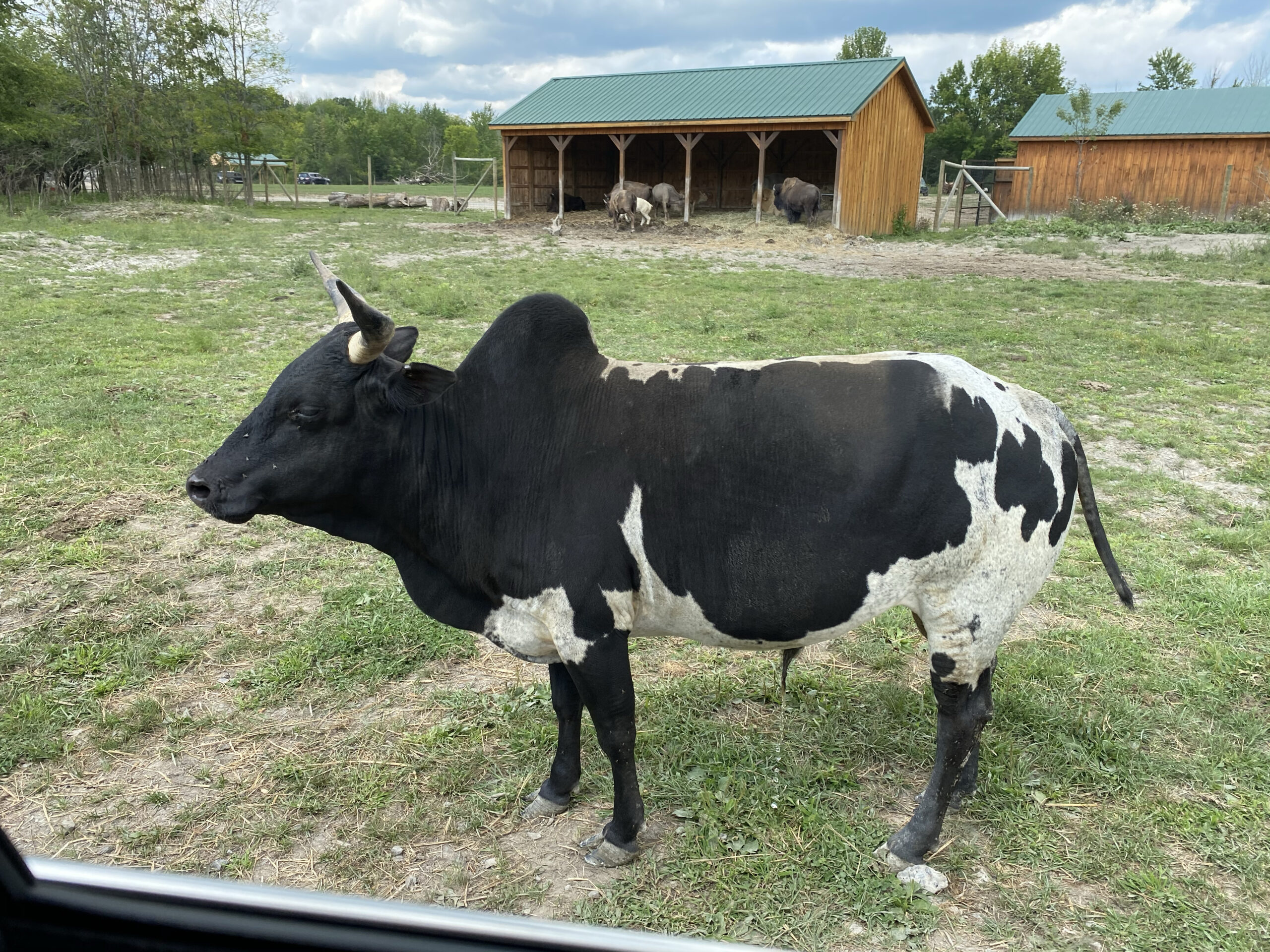 Photo Credit: OceanUp / Wikimedia Commons
In the sun-drenched fields of South Asia, the Zebu, known scientifically as Bos indicus, roams gracefully, embodying the spirit of resilience and adaptability. With its distinctive hump over the shoulders and long, drooping ears, this domesticated bovine stands out among its relatives. The Zebu’s sturdy frame and gentle demeanor make it a beloved companion to farmers, while its ability to thrive in hot climates captivates scientists and nature enthusiasts alike. These remarkable features not only help the Zebu survive in challenging environments but also tell a story of evolution and human connection that spans thousands of years.
Imagine a warm afternoon where the Zebu grazes peacefully on lush grasses, surrounded by the vibrant sounds of nature. As the sun filters through the leaves of nearby trees, these gentle giants move in herds, showcasing their social nature and strong bonds. Their unique adaptations, such as the ability to tolerate heat and resist certain diseases, make them vital to the ecosystems they inhabit. In this article, we will explore the Zebu’s fascinating life, from its role in agriculture to its impact on the environment, revealing why this extraordinary animal continues to intrigue people around the world.
The Zebu, a domesticated form of cattle, holds a special place in the animal kingdom. Scientifically classified under the genus Bos, it is part of the Bovidae family, which includes other hoofed animals like bison and antelopes. What sets the Zebu apart is its distinctive hump over its shoulders, a feature that not only makes it visually striking but also plays a crucial role in its adaptation to hot climates. This unique adaptation allows Zebu to thrive in tropical regions, showcasing the incredible diversity of life on our planet.
| Taxonomic Rank | Scientific Name | Meaning & Significance |
|---|---|---|
| Kingdom | Animalia | This name comes from the Latin word “animalis,” meaning “having breath” or “living.” It signifies all living organisms that breathe and move. |
| Phylum | Chordata | Derived from the Latin “chorda,” meaning “string,” this term refers to animals with a notochord, a flexible rod that supports the body during development. |
| Class | Mammalia | This name comes from the Latin “mamma,” meaning “breast,” highlighting the defining feature of mammals: females possess mammary glands to nourish their young. |
| Order | Artiodactyla | From the Greek “artios,” meaning “even,” and “daktulos,” meaning “finger,” this order includes animals with an even number of toes, like Zebu. |
| Family | Bovidae | This name is derived from the Latin “bos,” meaning “cow” or “ox,” which reflects the family’s association with cattle and similar animals. |
| Genus | Bos | Also from the Latin word for “cow,” this genus encompasses various species of cattle, emphasizing their domesticated nature and importance to humans. |
Understanding the Zebu’s classification reveals much about its evolutionary journey. As a member of the Bovidae family, it shares a common ancestor with other ruminants, which are animals that digest food in a unique way using a specialized stomach. This evolutionary path has equipped the Zebu with traits that allow it to adapt to diverse environments, particularly in warmer climates. Its unique features, such as the hump and ability to withstand heat, are not just adaptations but also tell a story of survival and resilience in the face of changing habitats. The Zebu is not just a domesticated animal; it is a testament to the wonders of evolution and the intricate web of life on Earth.
The evolutionary journey of the Zebu, a domesticated form of cattle, stretches back thousands of years, intertwining with human history and agriculture. This fascinating animal is believed to have originated in the Indian subcontinent, with its ancestors roaming the Earth as early as 10,000 years ago. Over time, these early cattle adapted to various environments, leading to the emergence of the Zebu we know today.
The story begins with the wild ancestors of modern cattle, known as aurochs, which were large, powerful animals that roamed Europe, Asia, and North Africa. As humans began to domesticate these animals, selective breeding played a crucial role in shaping their traits. The Zebu’s ancestors adapted to the hot, arid climates of South Asia, developing features that would help them thrive in such challenging environments. One of the most significant transitions was the development of a hump on their backs, which stores fat and provides energy during times of scarcity. This adaptation allowed them to survive in regions where food and water were not always plentiful.
The adaptations of the Zebu have been vital for its survival in diverse environments. The ability to store fat in its hump not only provides energy during droughts but also helps the animal maintain its strength. Loose skin and large ears work together to keep the Zebu cool, allowing it to thrive in the sweltering heat of its native habitats. These evolutionary traits have made the Zebu an essential part of agricultural life in many regions, showcasing how nature and human needs can intertwine beautifully.
The Zebu stands out with its sturdy, muscular build and distinctive features that make it a captivating sight. With a robust body structure, this domesticated bovine exudes strength and resilience. Its large, rounded hump over the shoulders is a hallmark trait, giving it a unique silhouette that sets it apart from other cattle. The Zebu’s legs are strong and well-proportioned, allowing it to navigate various terrains with ease, while its broad head and expressive eyes add to its charm.
| Feature | Description |
|---|---|
| Weight | 150-200 kg (331-440 lbs) |
| Skin Type | Leather |
These physical characteristics are not just for show; they play vital roles in the Zebu’s survival. The thick leather skin provides protection against harsh weather and pests, while the substantial weight and muscular build help it thrive in various environments, from arid regions to lush pastures. The Zebu’s unique hump stores fat, which serves as an energy reserve during times of scarcity. Together, these features create a well-adapted animal that has successfully coexisted with humans for centuries, proving its worth in agriculture and beyond.
The Zebu thrives in a variety of habitats, painting a vivid picture of life in tropical jungles and open plains. Imagine lush green forests filled with towering trees, where sunlight filters through the leaves, creating a dappled effect on the forest floor. In contrast, picture wide-open spaces where grass sways gently in the breeze, dotted with shrubs and occasional water sources. These environments provide the Zebu with ample food and space to roam, making them ideal homes for this adaptable animal.
Zebus are well-suited to warm climates, often found in regions where temperatures can soar. They prefer areas with a mix of sun and shade, allowing them to regulate their body temperature. These animals thrive in environments that experience seasonal rainfall, which helps sustain the grasses and plants they graze on. The combination of heat and moisture creates a perfect setting for their survival, as they can find both food and shelter.
Over time, Zebus have developed remarkable adaptations to their habitats. Their large, floppy ears help dissipate heat, keeping them cool under the blazing sun. Additionally, their hump, made of muscle and fat, serves as a reserve of energy during times when food is scarce. This unique feature allows them to survive in areas where resources may fluctuate, showcasing their resilience and ability to thrive in diverse environments.
Zebus lead a daily life that revolves around their herd, engaging in activities that are essential for their well-being. As the sun rises, these gentle giants begin their day by grazing on grasses and shrubs, which provide them with the nutrients they need. They spend several hours munching on their favorite plants, using their strong tongues to pull leaves and grass into their mouths. Throughout the day, they also take breaks to rest and ruminate, a process where they chew their food again to aid digestion. This leisurely lifestyle allows them to conserve energy while ensuring they get the most out of their meals.
Socially, zebus are highly interactive animals that thrive in groups. They form tight-knit herds, which can consist of several individuals, often led by a dominant female. Within these groups, zebus communicate through a variety of vocalizations, body language, and even subtle facial expressions. This social structure is crucial for their survival, as it helps them protect one another from predators and fosters strong bonds among members. Young zebus learn important social skills by observing and interacting with older herd members, ensuring that knowledge and behaviors are passed down through generations.
| Behavior Type | Description |
|---|---|
| Grazing | Zebus spend a significant part of their day eating grasses and shrubs, using their strong tongues to grasp and pull food. |
| Ruminating | After grazing, they rest and chew their food again to aid digestion, a process that helps them extract maximum nutrients. |
| Social Structure | Herds are typically led by a dominant female, with strong bonds formed among members for protection and support. |
| Communication | Zebus use vocalizations, body language, and facial expressions to communicate with each other, helping maintain social harmony. |
The behaviors of zebus are finely tuned to ensure their survival in the wild and in domesticated settings. By grazing and ruminating, they maximize their food intake, which is vital for their health. Their social structures not only provide safety in numbers but also create a supportive environment where young zebus can learn and grow. This combination of feeding habits and social interactions makes zebus well-adapted to their environments, allowing them to thrive alongside humans and in the wild.
Zebus are herbivores, which means they primarily eat plants. Their diet mainly consists of grasses, seeds, and flowers. These gentle giants have a unique way of feeding that involves grazing, where they use their strong tongues to pull grass and other vegetation into their mouths. This feeding behavior is not just about munching; it’s a vital part of their daily routine and plays a significant role in their social interactions within the herd.
| Dietary Aspect | Details |
|---|---|
| Diet Type | Herbivore |
| Favorite Foods | Grass, seeds, and flowers |
| Prey Items | None (as they do not eat meat) |
| Hunting/Foraging Strategies | Grazing using their tongues to pull vegetation |
The Zebu’s diet shapes its ecology and daily routine in many ways. By grazing on grasses and other plants, they help maintain the health of their environment, promoting new growth and supporting the ecosystem. Their feeding habits also influence their social structure, as they often graze together in herds, strengthening bonds and ensuring safety in numbers. This connection to their diet highlights the important role Zebus play in their habitats, making them not just consumers of plants, but also vital contributors to the balance of their ecosystems.
Zebus have a fascinating mating behavior that is closely tied to their breeding season. During this time, males, known as bulls, become more active and vocal, often engaging in displays of strength to attract females. The breeding season can vary depending on the region, but it typically occurs when environmental conditions are favorable, ensuring that the young have the best chance of survival. Once a female, or cow, is ready to mate, she will signal her receptiveness through specific behaviors, and the bull will pursue her, leading to a brief courtship before mating occurs.
| Reproductive Aspect | Details |
|---|---|
| Gestation Period | Approximately 9 months |
| Litter Size | 1 |
| Age of Maturity | About 1 to 2 years |
| Name of Young | Calf |
After a successful mating, the cow will carry her calf for about nine months, similar to human gestation. Once born, the calf is nurtured with its mother’s milk, which is rich in nutrients essential for growth. Zebus are attentive parents, and the mother will protect her young from potential threats while teaching them vital survival skills. As the calf grows, it begins to graze alongside its mother, gradually transitioning to a diet of grass and other plants. By the time they reach maturity at around one to two years, these young zebus are well-equipped to thrive in their environment, continuing the cycle of life in their herds.
The Zebu occupies a significant role in the food web, primarily as a herbivore. This means it feeds on plants, which places it at the base of the food chain. However, being a large, slow-moving animal makes it vulnerable to various predators. In the wild, Zebus can be found in regions where they must be cautious of their surroundings, as they are not at the top of the food chain. Their size and strength may deter some threats, but they still face dangers from both natural predators and human activities.
To survive these threats, Zebus have developed several defensive behaviors. They often stay in herds, which provides safety in numbers, making it harder for predators to single out an individual. When threatened, they can use their powerful bodies to defend themselves, and their keen senses help them detect danger early. Additionally, Zebus are known to be quite agile for their size, allowing them to flee from predators when necessary. These strategies, combined with their adaptability to various environments, help ensure their survival in the wild.
A keystone species is an organism that plays a critical role in maintaining the structure of its ecosystem. Its presence or absence can significantly impact the environment and the other species that inhabit it. The Zebu, a domesticated form of cattle, qualifies as a keystone species in certain ecosystems, particularly in tropical jungles and open plains where it thrives. By influencing plant life and serving as a resource for other animals, Zebus help shape their surroundings in important ways.
Zebus are herbivores, meaning they primarily consume plants. Their grazing habits can help control the growth of certain plant species, preventing any one type from dominating the landscape. This promotes biodiversity, allowing various plants to flourish and providing habitats for other organisms. For example, by eating grasses and shrubs, Zebus create open spaces that can be used by smaller animals and insects, which in turn support a wider range of wildlife.
Moreover, Zebus contribute to nutrient cycling in their ecosystems. As they graze, they not only consume vegetation but also deposit manure, which enriches the soil. This natural fertilizer boosts plant growth, creating a healthier environment for other species. Additionally, their presence can attract predators, such as large birds of prey, which rely on the Zebu for food. This interaction helps maintain the balance of the food web, ensuring that various species can coexist.
If Zebus were to disappear from their ecosystems, the consequences could be profound. Without their grazing, certain plant species might overgrow, leading to a decline in biodiversity. This could disrupt the balance of the ecosystem, affecting not only plants but also the animals that depend on them for food and shelter. The loss of Zebus would ripple through the food web, potentially leading to the decline of various species, including predators that rely on them. In essence, the absence of this gentle giant would create a cascade of changes, highlighting just how vital Zebus are to their environments.
The Zebu, a domesticated form of cattle, plays a vital role in its ecosystem, particularly in tropical jungles and open plains. As a herbivore, it primarily feeds on grasses, seeds, and flowers, which helps shape the plant community in its habitat. By grazing, Zebus not only consume vegetation but also promote new growth, allowing a variety of plant species to thrive. This interaction with their environment highlights their ecological niche, where they contribute to the balance of their ecosystem.
| Ecosystem Service | Impact |
|---|---|
| Grazing | Controls plant growth and promotes biodiversity |
| Soil Fertilization | Enhances soil quality through manure, enriching nutrients |
| Seed Dispersal | Helps in spreading seeds through their movement and droppings |
| Food Source | Provides sustenance for predators and scavengers |
Zebus influence their environment in several specific ways. Their grazing habits help maintain the health of grasslands by preventing overgrowth, which can lead to habitat loss for other species. Additionally, their manure acts as a natural fertilizer, enriching the soil and promoting the growth of various plants. This nutrient-rich environment supports a diverse array of wildlife, from insects to larger mammals, creating a vibrant ecosystem. Furthermore, as Zebus roam, they inadvertently assist in seed dispersal, allowing new plants to take root in different areas.
The broader ecological importance of Zebus cannot be overstated. As a keystone species, their presence helps maintain the structure of their ecosystem. Without them, the balance of plant and animal life could be disrupted, leading to a decline in biodiversity. By supporting various ecological processes, Zebus contribute to the resilience of their habitats, ensuring that both flora and fauna can thrive. Their role exemplifies how interconnected life is in nature, reminding us of the importance of every species in maintaining the health of our planet.
In the intricate web of life, symbiosis refers to the close and often long-term interactions between different species. These relationships can take many forms, including mutualism, where both species benefit, parasitism, where one benefits at the expense of the other, and commensalism, where one benefits while the other is neither helped nor harmed. Zebu, with their gentle nature and significant role in agriculture, engage in various ecological partnerships that highlight the beauty of these interactions.
| Species/Type | Relationship Type | Description |
|---|---|---|
| Oxpecker Birds | Mutualistic | Oxpeckers perch on zebus, feeding on ticks and parasites found on their skin. In return, zebus enjoy a cleaner coat and reduced irritation from pests. |
| Fleas | Parasitic | Fleas can infest zebus, feeding on their blood. This relationship harms the zebu, causing discomfort and potential health issues. |
| Grass and Plants | Mutualistic | Zebus graze on grasses, which helps control plant growth. In turn, their manure enriches the soil, promoting healthy plant life. |
These relationships have evolved over time, shaped by the needs and behaviors of the species involved. The mutualistic partnerships, like those with oxpecker birds, showcase how cooperation can lead to benefits for both parties. Meanwhile, parasitic relationships, such as those with fleas, remind us that not all interactions are positive. Understanding these dynamics helps us appreciate the delicate balance of ecosystems, where each species plays a role in maintaining the health and stability of their environment.
Zebus are not just ordinary cattle; they are fascinating animals with a rich history and unique adaptations that make them stand out in the animal kingdom. Here are some surprising facts that will surely intrigue nature enthusiasts of all ages.
The Zebu, a domesticated form of cattle, has a long and storied relationship with humanity that dates back thousands of years. Originating in South Asia, these animals have been integral to various cultures, serving not only as a source of food but also as symbols of wealth and status. In many regions, particularly in India, Zebus are revered and often associated with religious practices. Their unique physical traits, such as the prominent hump on their backs, have made them easily recognizable and culturally significant, embodying the connection between humans and the natural world.
Today, the interactions between Zebus and humans are multifaceted, reflecting both cooperation and conflict. In agricultural settings, Zebus are valued for their strength and endurance, often used as draft animals to plow fields and transport goods. However, as human populations expand and land use changes, conflicts can arise, particularly in areas where grazing lands overlap with agricultural fields. Conservation efforts are also underway to protect these animals and their habitats, ensuring that they continue to thrive alongside human communities. The domestication of Zebus has led to various breeds, each adapted to specific environments and human needs, showcasing the dynamic relationship between species and their caretakers.
As we look to the future, the relationship between Zebus and humanity is likely to evolve further. With the challenges posed by climate change and urbanization, finding a balance between agricultural needs and conservation will be crucial. By fostering sustainable practices and respecting the cultural significance of Zebus, we can ensure that these remarkable animals continue to play a vital role in our lives. The journey ahead will require collaboration and understanding, but the bond between Zebus and humans can thrive if nurtured with care and respect.
The Zebu, a domesticated breed of cattle, currently holds a conservation status of “Least Concern” according to the International Union for Conservation of Nature (IUCN). This means that, overall, Zebus are not facing immediate threats to their survival. Their population is stable, and they are widely distributed across various regions, particularly in tropical and subtropical areas. While they are not endangered, ongoing monitoring is essential to ensure their continued well-being.
| Conservation Factor | Status/Details |
|---|---|
| IUCN Status | Least Concern |
| Population Estimates | Stable and widespread |
| Trend Direction | Stable |
Despite their stable status, Zebus face several challenges that could impact their future. One of the main threats is habitat loss due to agricultural expansion and urban development. As humans convert land for farming or building, the natural environments that Zebus rely on can shrink. Additionally, climate change poses a risk, as shifting weather patterns can affect the availability of food and water sources. Diseases, often spread through close contact with other livestock, can also threaten their health and population numbers.
Conservation efforts for Zebus focus on sustainable farming practices and habitat preservation. Organizations and local communities are working together to promote responsible land use that benefits both agriculture and wildlife. By raising awareness about the importance of maintaining healthy ecosystems, these initiatives aim to ensure that Zebus continue to thrive alongside humans. With ongoing support and careful management, the outlook for Zebus remains positive, allowing them to play their vital role in agriculture and culture for generations to come.
| Question | Answer |
|---|---|
| What is the natural habitat of Zebu? | Zebu are commonly found in tropical jungles and open plains. These environments provide them with plenty of space to graze and roam, which is essential for their herbivorous diet. |
| What do Zebu eat? | Zebu are herbivores, meaning they primarily eat plants. Their diet consists of grasses, leaves, and other vegetation, which they graze on throughout the day. |
| How do Zebu behave in their herds? | Zebu are social animals that live in herds. They communicate with each other through vocalizations and body language, forming strong bonds within their groups. |
| How do Zebu reproduce? | Zebu typically reach sexual maturity around 2 to 3 years of age. The female Zebu gives birth to a single calf after a gestation period of about nine months, similar to humans. |
| What threats do Zebu face in the wild? | While Zebu are currently classified as Least Concern, they can face threats from habitat loss and climate change. Additionally, they may be at risk from diseases that can spread in domestic populations. |
| What are some interesting characteristics of Zebu? | Zebu are known for their distinctive hump on their backs, which is made of muscle and fat. This adaptation helps them survive in hot climates by storing energy and providing insulation. |
| Can Zebu adapt to different environments? | Yes, Zebu are highly adaptable animals. They can thrive in various climates, from hot and dry regions to more humid areas, making them valuable livestock in many parts of the world. |