Taxonomy & Classification
- Kingdom
- Animalia
- Phylum
- Chordata
- Class
- Aves
- Order
- Psittaciformes
- Family
- Psittacidae
- Genus
- Amazona

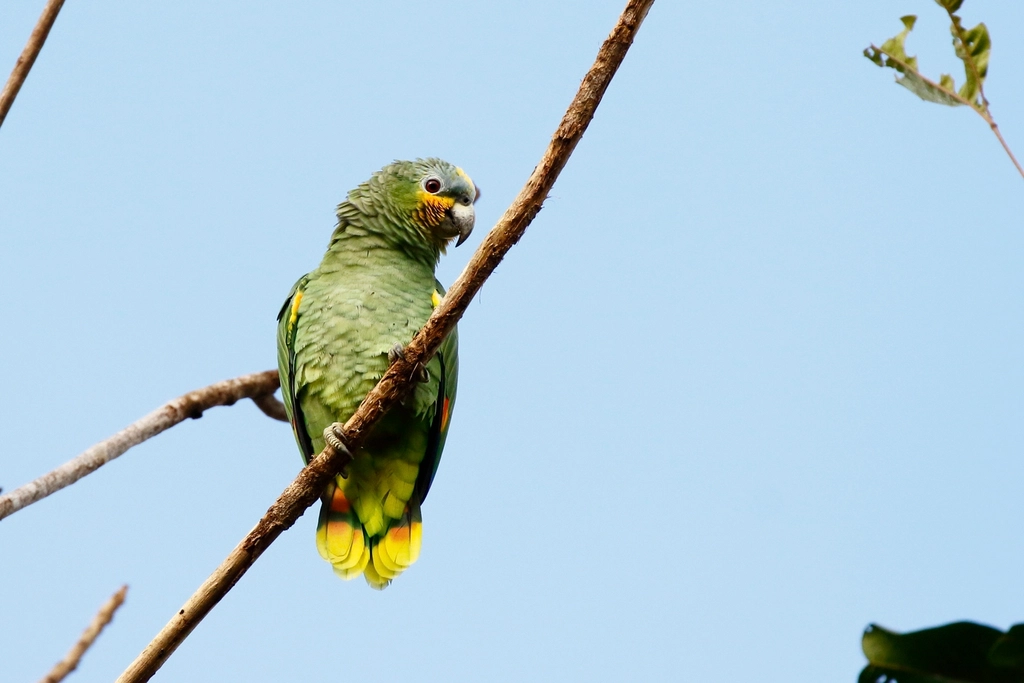 Photo Credit: Rawpixel
In the heart of South America, the Amazon Parrot, scientifically known as Amazona, flits through the vibrant canopies of lush rainforests. With its striking green feathers adorned with splashes of yellow, blue, and red, this bird is a living jewel of the wild. Its strong, curved beak is perfectly designed for cracking open seeds and fruits, making it a master forager in its tropical home. The Amazon Parrot is not just a feast for the eyes; it captivates scientists and nature lovers alike with its intelligence and social behavior, often seen interacting with its flock in playful displays of communication.
Imagine walking through a dense forest where the air is filled with the sounds of rustling leaves and the calls of exotic birds. The Amazon Parrot thrives in this vibrant ecosystem, where it plays a crucial role in seed dispersal, helping to maintain the health of its habitat. As these parrots soar through the trees, their lively chatter and colorful presence bring the rainforest to life. With a diet primarily consisting of fruits, nuts, and seeds, they contribute to the rich tapestry of life in their environment. In this article, we will explore the fascinating world of the Amazon Parrot, delving into its behavior, diet, and the challenges it faces in a rapidly changing world. Join us on this adventure to uncover the secrets of one of nature’s most enchanting birds.
The Amazon Parrot holds a special place in the tree of life, showcasing the incredible diversity of the animal kingdom. This vibrant bird belongs to the class Aves, which includes all birds, and is part of the order Psittaciformes, known for its colorful members like parrots and cockatoos. What sets the Amazon Parrot apart is not just its striking plumage but also its intelligence and social behavior. These parrots are known for their ability to mimic sounds and human speech, making them popular companions. Their lively personalities and strong social bonds with their flock members highlight their complex emotional lives.
| Taxonomic Rank | Scientific Name | Meaning & Significance |
|---|---|---|
| Kingdom | Animalia | This name signifies that Amazon Parrots are part of the vast group of multicellular organisms that are primarily heterotrophic, meaning they consume other organisms for energy. |
| Phylum | Chordata | Chordata refers to animals that have a notochord, a flexible rod that supports the body. In birds, this structure is replaced by a backbone, which is crucial for their flight. |
| Class | Aves | Aves is the class that includes all birds, characterized by feathers, beaks, and the ability to lay eggs. This classification highlights the Amazon Parrot’s adaptations for flight and survival. |
| Order | Psittaciformes | This order encompasses parrots, known for their strong, curved beaks and zygodactyl feet, which allow them to grasp branches and manipulate food with ease. |
| Family | Psittacidae | Psittacidae is the family of true parrots, emphasizing their social nature and intelligence, traits that are essential for their survival in the wild. |
| Genus | Amazona | The genus name Amazona is derived from the Amazon River, where many of these parrots are found. It reflects their natural habitat and the lush environments they thrive in. |
Understanding the Amazon Parrot’s classification reveals much about its evolutionary history. As part of the Psittaciformes order, these birds share a common ancestor with other parrots, which evolved unique adaptations for life in the trees of tropical forests. Their vibrant colors and social behaviors have developed as survival strategies, helping them communicate and thrive in their complex environments. This classification not only highlights their biological connections but also emphasizes the importance of preserving their habitats, ensuring that these intelligent and colorful birds continue to flourish in the wild.
The evolutionary journey of the Amazon Parrot stretches back millions of years, weaving through the lush landscapes of South America. This vibrant bird, part of the family Psittacidae, has adapted to its environment in remarkable ways, showcasing the power of evolution. The ancestors of modern parrots began to diverge from other bird lineages around 60 million years ago, during a time when the world was a very different place.
Early ancestors of the Amazon Parrot were likely small, tree-dwelling birds that thrived in the dense forests of the tropics. Over time, these birds developed strong, curved beaks, perfect for cracking open tough seeds and nuts. This adaptation allowed them to exploit a food source that many other birds could not, giving them a significant advantage. As they evolved, their vibrant plumage became more pronounced, likely serving as a way to attract mates and communicate with one another in the thick foliage of their habitats.
These adaptations have been crucial for the survival of the Amazon Parrot in its natural habitat. The strong beak allows it to thrive on a diet that many other birds cannot access, while its bright colors and social nature help it navigate the complexities of life in a flock. Intelligence plays a key role in their ability to adapt to changing environments, making them resilient in the face of challenges. Together, these traits have ensured that the Amazon Parrot remains a vibrant and successful species in the rich tapestry of the avian world.
The Amazon Parrot is a dazzling spectacle of nature, captivating anyone who lays eyes on it. With a sturdy body that can weigh anywhere from 7.6 to 32 ounces, this bird is built for both agility and strength. Its vibrant plumage bursts with colors that range from deep greens to bright yellows and blues, creating a living rainbow that stands out against the lush backdrop of its rainforest home. The Amazon Parrot’s feathers are not just for show; they are essential for flight and protection, covering its body in a soft, warm layer that helps it thrive in various climates.
| Feature | Description |
|---|---|
| Weight | 7.6 ounces to 32 ounces |
| Skin Type | Feathers |
| Most Distinctive Feature | Colorful feathers |
These striking features work together to enhance the Amazon Parrot’s survival in the wild. The vibrant colors of its feathers not only attract potential mates but also help it blend into the colorful foliage of its habitat, providing camouflage from predators. The lightweight yet sturdy body allows for agile flight, enabling the parrot to navigate through dense trees in search of food. With feathers that insulate and protect, the Amazon Parrot is perfectly equipped to thrive in the diverse environments of South America, showcasing the beauty and complexity of nature’s designs.
The Amazon Parrot thrives in a variety of lush habitats that paint a vibrant picture of its home. Imagine walking through dense rainforests, where sunlight filters through a canopy of green leaves, creating a mosaic of light and shadow. These birds are often found in woodlands and savannas, where they can easily navigate through trees and open spaces. They also enjoy the company of palm groves and cloud forests, where the air is cool and moist, providing the perfect environment for their lively antics.
The Amazon Parrot prefers warm climates, typically found in areas with temperatures ranging from 70 to 90 degrees Fahrenheit. These birds thrive in environments that offer plenty of food sources, such as fruits, seeds, and nuts. They are also drawn to regions with high humidity, which is often found in tropical and subtropical areas. The combination of warmth and moisture creates a rich ecosystem that supports the diverse plant life these parrots rely on for sustenance.
To flourish in their habitats, Amazon Parrots have developed several clever adaptations. Their strong, curved beaks are perfect for cracking open tough seeds and nuts, while their vibrant plumage helps them blend into the colorful foliage of their surroundings. Additionally, their social nature allows them to communicate effectively with one another, which is essential for finding food and avoiding predators. These adaptations not only enhance their survival but also make them a delightful part of the ecosystems they inhabit.
The daily life of an Amazon Parrot is a lively tapestry woven with activity, social interaction, and communication. As dawn breaks, these colorful birds awaken to the sounds of the rainforest, stretching their wings and calling out to one another. Their day is filled with foraging for fruits, seeds, and nuts, which they skillfully crack open with their strong beaks. Throughout the day, they engage in playful antics, swinging from branches and exploring their surroundings, all while keeping a watchful eye for potential predators.
Social behavior is at the heart of the Amazon Parrot’s existence. These birds are highly social creatures, often found in flocks that can range from a few individuals to several dozen. Within these groups, they establish complex relationships, communicating through a variety of vocalizations and body language. Their chatter can be a mix of squawks, whistles, and even mimicked sounds from their environment, showcasing their intelligence and adaptability. The bonds formed within these flocks are crucial, as they help with cooperative foraging and provide safety in numbers against threats.
| Behavior Type | Description |
|---|---|
| Activity Patterns | Amazon Parrots are diurnal, meaning they are active during the day. They spend their mornings foraging for food and their afternoons socializing and playing. |
| Social Structure | These birds live in flocks, which helps them establish social hierarchies and strong bonds. They often engage in mutual grooming, reinforcing their relationships. |
| Communication Methods | Amazon Parrots use a range of vocalizations, including squawks and whistles, to communicate. They can also mimic sounds from their surroundings, showcasing their intelligence. |
The behaviors of Amazon Parrots are not just for fun; they play a vital role in their survival. By foraging in groups, they can find food more efficiently and keep an eye out for predators. Their social interactions help strengthen their community, ensuring that they can support one another in times of danger. Through their vibrant communication and playful nature, Amazon Parrots thrive in the rich tapestry of the rainforest, embodying the spirit of their lush habitat.
The Amazon Parrot primarily follows a herbivorous diet, which means it mainly eats plant-based foods. These lively birds are known for their strong, curved beaks that are perfectly designed for cracking open seeds and nuts. They also enjoy munching on fruits, flowers, and leaves, making them essential players in their ecosystem. By feeding on a variety of plants, Amazon Parrots help with seed dispersal, which is crucial for the growth of new plants in their rainforest homes.
| Dietary Aspect | Details |
|---|---|
| Diet Type | Herbivore |
| Favorite Foods | Fruits, seeds, nuts, flowers, and leaves |
| Prey Items | None, as they do not eat animal matter |
| Hunting/Foraging Strategies | Forage in trees and shrubs, using their strong beaks to access food |
This diverse diet not only sustains the Amazon Parrot but also shapes its daily routine. These birds spend a significant part of their day foraging for food, often in flocks, which adds a social element to their feeding behavior. By consuming a wide range of plant materials, they play a vital role in maintaining the health of their rainforest habitat, ensuring that both they and the ecosystem thrive together.
The mating behavior of the Amazon Parrot is as vibrant as its plumage. During the breeding season, which typically occurs from late winter to early summer, these parrots engage in elaborate courtship displays. Males often perform acrobatic flights and vocalize with a series of whistles and squawks to attract a mate. Once a pair forms, they become quite devoted to each other, often seen preening one another and sharing food. This strong bond is essential for raising their young, as both parents play a crucial role in nurturing their offspring.
| Reproductive Aspect | Details |
|---|---|
| Gestation Period | 28 to 30 days |
| Litter Size | 2 to 4 eggs |
| Age of Maturity | 2 to 3 years |
| Name of Young | Chick |
Once the eggs hatch, the young chicks are completely dependent on their parents for survival. The parents take turns incubating the eggs and later feeding the chicks a diet rich in nutrients. This care is vital, as the chicks grow rapidly, developing their feathers and learning to fly within a few months. As they mature, the young Amazon Parrots begin to explore their surroundings, practicing their vocalizations and social behaviors. Eventually, they will leave the nest, ready to embark on their own adventures in the wild, but the lessons learned from their parents will stay with them for life.
The Amazon Parrot plays a vital role in its ecosystem, often found perched high in the trees of South American rainforests. As a herbivore, it helps in seed dispersal, which is crucial for plant growth and forest regeneration. However, this colorful bird faces numerous dangers that threaten its survival in the wild.
To defend itself against these threats, the Amazon Parrot employs a variety of survival strategies. Its bright plumage can help it blend into the vibrant foliage, making it harder for predators to spot. Additionally, these parrots are known for their loud calls, which can alert other birds to danger. When threatened, they may also use their strong beaks to defend themselves. By staying in flocks, they can keep a lookout for each other, enhancing their chances of survival in a world filled with challenges.
A keystone species is a vital part of its ecosystem, meaning its presence has a significant impact on the environment and other living things. The Amazon Parrot qualifies as a keystone species due to its crucial role in seed dispersal and its influence on plant diversity. By helping to spread seeds throughout its habitat, this colorful bird supports the growth of various plant species, which in turn sustains the entire ecosystem.
The Amazon Parrot’s diet primarily consists of fruits, seeds, and nuts, making it an important herbivore in its environment. As it feeds, the parrot consumes seeds and then travels to different areas, where it excretes the seeds in new locations. This process not only helps plants reproduce but also encourages genetic diversity among plant populations. For example, when an Amazon Parrot eats a fruit from a particular tree and later drops the seeds far away, it allows that tree species to spread into new areas, creating a richer and more varied forest.
Additionally, the Amazon Parrot’s presence attracts other wildlife. Many animals rely on the same fruits and seeds that the parrot eats. When the parrot helps to maintain a healthy population of these plants, it indirectly supports other species, including insects, mammals, and even other birds. This interconnectedness highlights how the Amazon Parrot contributes to a balanced ecosystem, where each species plays a role in the survival of others.
If the Amazon Parrot were to disappear, the effects would ripple through the ecosystem. Without this bird, many plant species might struggle to reproduce, leading to a decline in plant diversity. This decline would affect other animals that rely on those plants for food and shelter, potentially causing a chain reaction that disrupts the entire ecosystem. The vibrant rainforests of South America could become less lush and diverse, illustrating just how crucial the Amazon Parrot is to its home.
The Amazon Parrot occupies a crucial ecological niche in its vibrant South American habitats, including rainforests, woodlands, and savannas. As a herbivore, this colorful bird primarily feeds on fruits, seeds, and nuts, playing a significant role in the health of its ecosystem. By consuming and later excreting seeds, the Amazon Parrot aids in plant reproduction and growth, ensuring the continuation of various tree species. This interaction not only supports the parrot’s food supply but also helps maintain the rich biodiversity of its environment.
| Ecosystem Service | Impact |
|---|---|
| Seed Dispersal | Helps in the growth of new plants and trees, promoting forest health. |
| Food Source for Predators | Serves as prey for larger birds and mammals, contributing to the food web. |
| Pollination | While primarily seed eaters, they can also assist in pollinating certain plants. |
| Habitat Formation | Influences the structure of the forest by aiding in the growth of specific plant species. |
The Amazon Parrot’s influence extends beyond just seed dispersal. For instance, as these parrots munch on fruits, they help to spread the seeds of various trees, such as the Brazil nut and the cacao tree. This not only supports the growth of these important plants but also creates habitats for countless other species. Additionally, their presence in the ecosystem provides a food source for larger predators, such as hawks and snakes, thus maintaining the balance of the food web.
The broader ecological importance of the Amazon Parrot cannot be overstated. As a keystone species, its activities help shape the structure and diversity of its environment. By facilitating plant growth and serving as a vital link in the food chain, the Amazon Parrot contributes to the overall health of its ecosystem. Protecting these vibrant birds is essential, as their decline could lead to significant changes in the delicate balance of their habitats, affecting countless other species that rely on the same resources.
In the intricate web of life, symbiosis plays a vital role in shaping ecosystems. This term refers to the close interactions between different species, which can be beneficial, harmful, or neutral. These relationships can take many forms, such as mutualism, where both species gain advantages, parasitism, where one benefits at the other’s expense, and commensalism, where one species benefits while the other is neither helped nor harmed. The Amazon Parrot, with its vibrant colors and lively personality, engages in various ecological partnerships that highlight the interconnectedness of nature.
| Species/Type | Relationship Type | Description |
|---|---|---|
| Fruit Trees | Mutualistic | The Amazon Parrot feeds on the fruits of these trees, helping to disperse their seeds through its droppings, which promotes new plant growth. |
| Termites | Commensal | While foraging, Amazon Parrots may disturb termite mounds, allowing other birds to access the insects without harming the termites themselves. |
| Predatory Birds | Parasitic | In some cases, larger predatory birds may prey on young Amazon Parrots, illustrating a relationship where the predator benefits at the expense of the parrot. |
These relationships have evolved over time, shaped by the needs and behaviors of the species involved. The mutualistic bond between the Amazon Parrot and fruit trees is a prime example of how cooperation can enhance survival. As the parrot feasts on fruits, it unwittingly aids in the trees’ reproduction, creating a cycle of life that benefits both. Meanwhile, the commensal interactions with termites show how different species can coexist, with one gaining an advantage without affecting the other. However, the presence of predatory birds serves as a reminder of the challenges that the Amazon Parrot faces in its environment. Understanding these relationships not only highlights the complexity of ecosystems but also emphasizes the importance of preserving the habitats where these interactions occur.
The Amazon Parrot is not just a colorful bird; it’s a fascinating creature with a wealth of surprising traits that make it stand out in the animal kingdom. Here are some intriguing facts that will surely captivate nature enthusiasts of all ages.
The Amazon Parrot has long been intertwined with human history, captivating cultures across the globe. These vibrant birds, known for their striking colors and playful personalities, have been featured in folklore, art, and even as symbols of freedom. Indigenous peoples of South America revered them, often associating them with the spirit world. Their ability to mimic human speech has made them popular companions, leading to their presence in homes and stories throughout the ages. This rich cultural significance highlights the deep connection between the Amazon Parrot and humanity, a bond that has evolved over centuries.
Today, the relationship between Amazon Parrots and humans is complex and multifaceted. On one hand, conservation efforts are underway to protect their natural habitats from deforestation and illegal trapping. Organizations work tirelessly to ensure these birds thrive in the wild, recognizing their role in maintaining the health of ecosystems. However, conflicts arise as these parrots sometimes raid crops, leading to tensions with farmers. Additionally, the demand for pet Amazon Parrots has led to domestication practices that can impact their wild populations. Balancing these interactions is crucial for the future of both the birds and the people who share their environment.
As we look to the future, the relationship between Amazon Parrots and humanity holds both challenges and opportunities. With increased awareness of their ecological importance, there is hope for more effective conservation strategies. By fostering a deeper understanding of these remarkable birds, we can work towards a harmonious coexistence that benefits both the Amazon Parrots and the communities that share their habitat. Together, we can ensure that future generations will continue to marvel at the beauty and intelligence of these extraordinary creatures.
The Amazon Parrot is currently facing significant challenges in the wild, leading to a conservation status that raises concerns among wildlife enthusiasts and scientists alike. While exact population numbers are difficult to determine, it is estimated that many populations are declining. This decline is primarily due to habitat loss and illegal trapping for the pet trade, which has put pressure on their numbers.
| Conservation Factor | Status/Details |
|---|---|
| IUCN Status | Near Threatened |
| Estimated Population Size | Exact numbers are unclear, but many populations are declining |
| Population Trend | Decreasing |
The main threats to the Amazon Parrot stem from human activities. Deforestation, driven by agriculture and logging, is destroying their natural habitats, making it harder for them to find food and nesting sites. Additionally, the illegal pet trade poses a severe risk, as these birds are often captured and sold, further reducing their wild populations. Climate change also plays a role, altering the ecosystems that these parrots depend on for survival.
Conservation efforts are underway to help protect the Amazon Parrot and its habitat. Organizations are working to enforce laws against illegal trapping and to promote sustainable land use practices that preserve the forests where these birds thrive. Education programs are also being developed to raise awareness about the importance of protecting these vibrant parrots. With continued efforts and support, there is hope that the Amazon Parrot can recover and flourish in its natural environment once again.
| Question | Answer |
|---|---|
| What is the natural habitat of Amazon Parrots? | Amazon Parrots thrive in a variety of habitats, including woodlands, savannas, and rainforests. They are also found in palm groves and cloud forests, which provide them with plenty of food and shelter. |
| What do Amazon Parrots eat? | These colorful birds are herbivores, meaning they primarily eat plant-based foods. Their diet includes fruits, seeds, nuts, and flowers, which provide them with the nutrients they need to stay healthy. |
| How do Amazon Parrots behave in the wild? | Amazon Parrots are known for their playful and social nature. They often live in flocks, which helps them stay safe from predators and allows them to communicate with each other through a variety of sounds and calls. |
| How do Amazon Parrots reproduce? | During the breeding season, Amazon Parrots form monogamous pairs, meaning they mate with one partner for life. The female typically lays 2 to 4 eggs in a tree cavity, and both parents help care for the chicks once they hatch. |
| What threats do Amazon Parrots face? | Amazon Parrots are threatened by habitat loss due to deforestation and illegal trapping for the pet trade. These factors have led to a decline in their populations, making conservation efforts crucial for their survival. |
| What are some interesting characteristics of Amazon Parrots? | One of the most distinctive features of Amazon Parrots is their vibrant, colorful feathers, which can vary greatly among species. They are also known for their ability to mimic human speech and other sounds, making them popular pets. |
| How long do Amazon Parrots live? | In the wild, Amazon Parrots can live up to 50 years or more, depending on their species and environmental conditions. In captivity, with proper care, they can live even longer, sometimes reaching ages of 70 years or more. |