Taxonomy & Classification
- Kingdom
- Animalia
- Phylum
- Chordata
- Class
- Mammalia
- Order
- Carnivora
- Family
- Ursidae
- Genus
- Ursus
- Species
- Ursidae

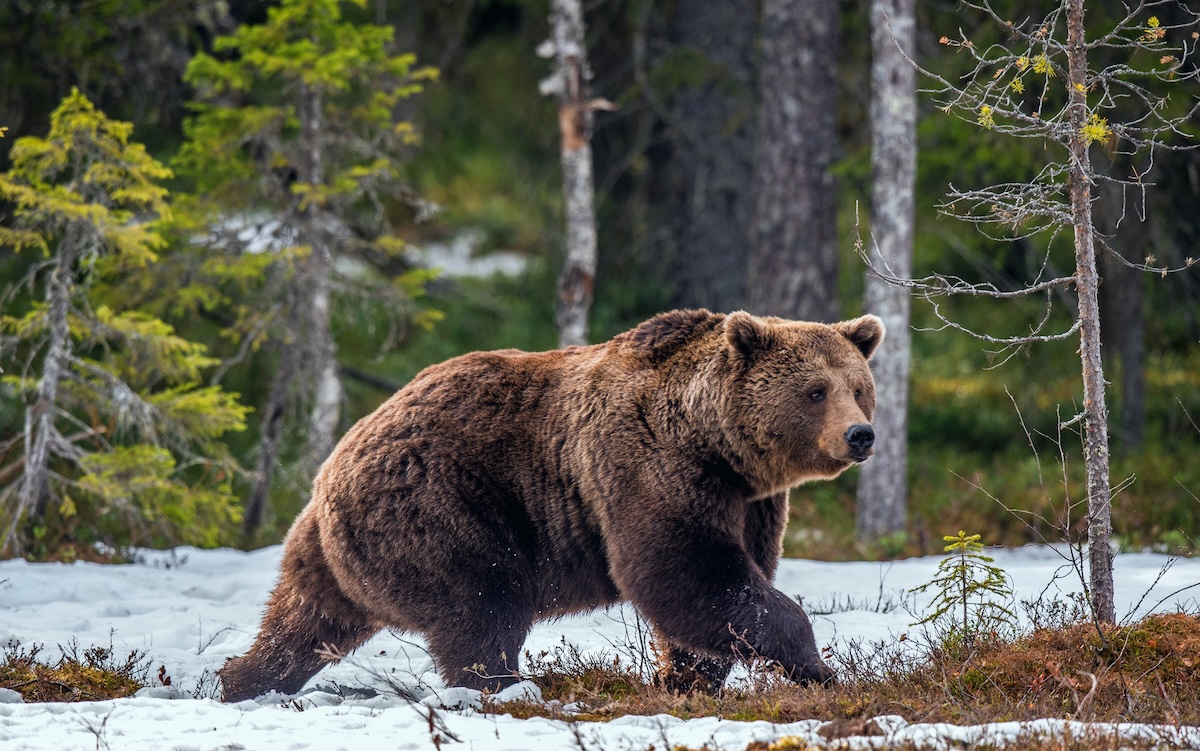 Photo Credit: SURZet at Deposit Photos
In the heart of the forest, where sunlight filters through the leaves and the air is rich with the scent of pine, lives the bear, known scientifically as Ursus. With their powerful bodies, thick fur, and keen senses, bears are among nature’s most captivating animals. Whether it’s the lumbering grizzly, the sleek black bear, or the majestic polar bear, each species showcases unique adaptations that allow them to thrive in diverse habitats. Their impressive size and strength command respect, while their playful antics and nurturing behaviors reveal a softer side that fascinates both scientists and nature lovers alike.
Imagine a bear ambling through a lush meadow, its massive paws leaving prints in the soft earth. As it forages for berries or fish, you can see the intelligence in its eyes, a reminder of their complex social structures and behaviors. Bears are omnivores, meaning they enjoy a varied diet that includes everything from fruits and nuts to small mammals and fish. This adaptability not only helps them survive in different environments but also plays a crucial role in maintaining the balance of their ecosystems. As we explore the world of bears, we will uncover their evolutionary history, their vital role in nature, and the challenges they face in a rapidly changing world. Join us on this adventure to learn more about these incredible animals and the secrets they hold.
Bears hold a special place in the tree of life, showcasing a blend of strength, adaptability, and social behavior that sets them apart in the animal kingdom. Classified within the family Ursidae, these magnificent mammals are part of the order Carnivora, which includes other meat-eating animals like lions and wolves. What makes bears particularly intriguing is their ability to thrive in diverse habitats, from dense forests to icy tundras. Their size, intelligence, and varied diets—ranging from berries to fish—demonstrate their remarkable adaptability, making them a subject of fascination for scientists and nature lovers alike.
| Taxonomic Rank | Scientific Name | Meaning & Significance |
|---|---|---|
| Kingdom | Animalia | This name comes from the Latin word “animalis,” meaning “having breath.” It signifies all living creatures that breathe and move. |
| Phylum | Chordata | Derived from the Greek word “chordē,” meaning “string,” this classification includes animals with a backbone, highlighting the structural support that allows for movement and growth. |
| Class | Mammalia | This term comes from the Latin “mamma,” meaning “breast.” It refers to animals that nurse their young with milk, a key feature of bears and their nurturing behavior. |
| Order | Carnivora | From the Latin “carnivorus,” meaning “meat-eating,” this order includes animals that primarily consume meat, although many bears are omnivorous, eating both plants and animals. |
| Family | Ursidae | This name is derived from the Latin word “ursus,” meaning “bear.” It directly connects to the physical and behavioral traits that define these powerful animals. |
| Genus | Ursus | Also from the Latin “ursus,” this genus encompasses the various species of bears, emphasizing their shared characteristics and evolutionary lineage. |
Understanding where bears fit in the taxonomic hierarchy reveals much about their evolutionary journey. As members of the Carnivora order, bears share a common ancestor with other meat-eating mammals, yet their omnivorous diet and social structures have allowed them to adapt to a wide range of environments. This adaptability not only showcases their resilience but also highlights the intricate connections between species in the animal kingdom. By studying bears and their classification, we gain insights into the evolutionary processes that shape life on Earth, reminding us of the delicate balance that sustains our natural world.
The evolutionary journey of bears stretches back millions of years, weaving through the tapestry of time to reveal a lineage that is both ancient and adaptable. Bears belong to the family Ursidae, which emerged around 38 million years ago during the late Eocene epoch. This was a time when the Earth was undergoing significant climatic changes, setting the stage for the diverse forms of life we see today.
The earliest bear-like ancestors were small, tree-dwelling creatures that roamed the forests of North America and Eurasia. These early forms, known as Arctotherium, were quite different from the bears we know today. Over time, as the climate shifted and habitats changed, these ancestors evolved into larger, more robust animals. The transition from tree-dwelling to ground-dwelling lifestyles marked a significant turning point, allowing bears to exploit new food sources and environments.
As bears continued to evolve, they developed a range of adaptations that helped them thrive in various habitats, from icy tundras to dense forests. Their size increased, and they became more powerful, which aided in foraging and hunting. The evolution of their diet also shifted, with some species becoming more omnivorous, allowing them to consume both plants and animals.
These adaptations have been vital for the survival of bears throughout their evolutionary history. Their powerful limbs and acute sense of smell enable them to navigate their environments effectively, while their thick fur and hibernation strategies help them endure extreme weather conditions. The ability to adapt their diet has allowed bears to flourish in various ecosystems, ensuring their place as one of nature’s most resilient mammals. As they continue to roam the forests and mountains, bears remind us of the intricate connections between evolution and survival in the wild.
Bears are truly awe-inspiring animals, embodying a powerful presence that commands respect in the wild. Their bodies are robust and muscular, designed for both strength and agility. With a broad, rounded head and a strong neck, they exude an air of confidence. Their limbs are thick and sturdy, equipped with large paws that help them navigate various terrains, from dense forests to rocky mountains. The combination of their size and physical structure makes them one of the most formidable mammals on the planet.
| Feature | Description |
|---|---|
| Weight | 50 to 1,500 pounds, depending on the species |
| Skin Type | Fur, which provides insulation and camouflage |
| Body Shape | Stocky and muscular, with a broad chest and strong limbs |
| Head | Large and rounded, with a pronounced snout |
| Paws | Large and powerful, equipped with sharp claws for digging and climbing |
The features of bears work together in a remarkable way to enhance their survival. Their thick fur not only keeps them warm in chilly climates but also helps them blend into their surroundings, making it easier to hunt or avoid predators. The sheer weight and muscle mass allow them to overpower prey and defend themselves when necessary. With their strong limbs and sharp claws, bears can climb trees, dig for food, and traverse various landscapes, showcasing their adaptability in the wild. Each characteristic plays a vital role in their daily lives, ensuring they thrive in diverse environments.
Bears are often found in lush forests and rugged mountainous regions, where they roam freely among towering trees and rocky outcrops. These habitats provide a rich tapestry of life, filled with the sounds of rustling leaves and the gentle trickle of streams. The dappled sunlight filters through the canopy, creating a serene environment that is both peaceful and vibrant. Here, bears can find plenty of food, shelter, and space to thrive, making it an ideal home for these magnificent animals.
Bears thrive in climates that range from temperate to subarctic, where they can experience distinct seasons. They prefer areas with ample rainfall, which supports the growth of vegetation and provides a steady supply of food. These environments often have cold winters, prompting bears to enter a state called hibernation, where their metabolism slows down significantly. This adaptation allows them to survive when food is scarce, as they rely on stored body fat to get through the long, harsh months.
To make the most of their habitats, bears have developed several fascinating adaptations. Their thick fur keeps them warm in chilly climates, while their strong limbs and sharp claws help them climb trees and dig for food. Bears are also excellent foragers, using their keen sense of smell to locate berries, roots, and even fish in streams. This versatility allows them to thrive in various environments, showcasing their remarkable ability to adapt to the world around them.
Bears lead a daily life that is both fascinating and complex. As primarily solitary animals, they spend much of their time foraging for food, exploring their territory, and resting. Their days often begin at dawn when they emerge from their dens or resting spots, ready to search for breakfast. Bears are opportunistic eaters, meaning they will consume whatever food is available, from berries and nuts to fish and small mammals. This adaptability helps them thrive in various environments. As the sun sets, they may continue their activities, often wandering far and wide in search of sustenance.
Social behavior among bears is intriguing, even though they are mostly solitary. While they prefer to live alone, they do interact with others during certain times of the year, especially during mating season or when a mother is raising her cubs. These interactions can be brief and are often marked by a mix of curiosity and caution. Bears communicate through a variety of vocalizations, body language, and scent markings. For instance, a low growl can signal annoyance, while a playful stance might indicate a friendly encounter.
| Behavior Type | Description |
|---|---|
| Foraging | Bears search for food, using their keen sense of smell to locate berries, roots, and fish. |
| Territoriality | They establish and defend their territory, marking it with scent to communicate their presence. |
| Social Interactions | While mostly solitary, bears may interact during mating season or when mothers are with cubs. |
| Vocalizations | Bears use sounds like growls, huffs, and grunts to express emotions and communicate with others. |
Understanding these behaviors is crucial for a bear’s survival. Their solitary nature allows them to avoid competition for food, while their ability to communicate effectively helps them navigate encounters with other bears. By adapting their behaviors to their environment and social dynamics, bears can thrive in the wild, ensuring their place in the ecosystem.
Bears are omnivores, which means they eat both plants and animals. This diverse diet allows them to thrive in various environments. Depending on the season and their location, bears can be found munching on berries, digging for roots, or catching fish in rivers. Their feeding behavior is quite adaptable; they often use their keen sense of smell to locate food sources, and their powerful claws help them dig or catch prey.
| Dietary Aspect | Details |
|---|---|
| Diet Type | Omnivore |
| Favorite Foods | Berries, nuts, roots, fish, and insects |
| Prey Items | Fish, insects, and small mammals |
| Hunting/Foraging Strategies | Using keen sense of smell, digging, and fishing |
This varied diet plays a crucial role in shaping a bear’s ecology and daily routine. By consuming a wide range of foods, bears help maintain the balance of their ecosystems. For instance, when they catch fish, they not only feed themselves but also contribute nutrients to the soil when they leave behind remains. Their foraging habits also help disperse seeds, promoting plant growth. As they search for food, bears cover large territories, which is essential for their survival and the health of their habitats.
When it comes to mating, bears have a unique and intriguing approach. The breeding season typically occurs in late spring to early summer, when males and females come together to mate. During this time, male bears may travel long distances to find a female in estrus, which means she is ready to mate. Courtship can involve playful behaviors, vocalizations, and even some wrestling. After a successful mating, the female bear will go through a fascinating process of gestation, which is the time she carries her developing young.
| Reproductive Aspect | Details |
|---|---|
| Gestation Period | Approximately 7 to 8 months |
| Litter Size | Average of 2 |
| Age of Maturity | 3 to 5 years |
| Name of Young | Cubs |
Once the cubs are born, usually in a cozy den during the winter months, the mother bear becomes fiercely protective. The cubs are born blind and helpless, relying entirely on their mother for warmth, food, and safety. As they grow, the mother teaches them essential survival skills, such as foraging for food and navigating their environment. This nurturing phase lasts for about two years, during which the cubs learn to be independent. Eventually, they will venture out on their own, ready to face the world as young adults, equipped with the knowledge and instincts passed down from their mother.
Bears are often seen as apex predators, meaning they sit at the top of the food web in their habitats. This powerful position allows them to play a crucial role in maintaining the balance of their ecosystems. However, despite their size and strength, bears face various dangers that threaten their survival. These threats can come from both natural predators and human activities, making their lives more challenging than one might think.
To defend themselves against these threats, bears have developed a range of survival strategies. They are known for their impressive strength and size, which can deter many potential predators. When faced with danger, a bear may stand on its hind legs to appear larger or make loud vocalizations to scare off intruders. Additionally, their keen sense of smell helps them detect threats from afar, allowing them to avoid confrontations whenever possible. By using these tactics, bears navigate the challenges of their environment, showcasing their resilience in the wild.
A keystone species is an animal that has a disproportionately large impact on its environment relative to its abundance. In simpler terms, these species play a crucial role in maintaining the structure of an ecosystem. Bears certainly qualify as keystone species due to their significant influence on the habitats they occupy. Their presence or absence can dramatically alter the landscape and the lives of many other organisms.
Bears are omnivores, meaning they eat both plants and animals, which allows them to interact with various components of their ecosystem. For instance, when bears forage for food, they often dig up roots and disturb the soil, which can help aerate it and promote plant growth. This activity not only benefits the plants but also creates opportunities for other animals to thrive. Additionally, bears are known to consume large amounts of berries and fruits, which helps in seed dispersal. As they move through their habitat, they spread seeds in their droppings, contributing to the growth of new plants in different areas.
Moreover, bears are apex predators, meaning they sit at the top of the food chain. By preying on certain species, they help control populations of herbivores, which in turn prevents overgrazing and allows vegetation to flourish. This balance is essential for maintaining healthy ecosystems. When bears catch fish, they also leave behind remains that provide food for scavengers like eagles and coyotes, further illustrating their role in the food web.
If bears were to disappear from their ecosystems, the consequences would be profound. Without these magnificent animals, herbivore populations could surge unchecked, leading to overgrazing and a decline in plant diversity. This would not only affect the plants but also the many species that rely on them for food and shelter. The entire ecosystem could become unbalanced, demonstrating just how vital bears are to the health and stability of their environments. Their absence would echo through the food web, affecting countless lives and altering the landscape forever.
Bears occupy a vital ecological niche, acting as both predators and scavengers in their habitats. These magnificent animals are found in forested and mountainous regions, where they play a crucial role in shaping the environment around them. As omnivores, bears consume a wide variety of foods, from berries and nuts to fish and small mammals. This diverse diet not only sustains them but also influences the populations of other species, making bears essential players in their ecosystems.
| Ecosystem Service | Impact |
|---|---|
| Seed Dispersal | Bears help spread seeds through their droppings, promoting plant growth and diversity. |
| Population Control | As predators, they help regulate the populations of herbivores, preventing overgrazing. |
| Scavenging | Bears consume carrion, which helps clean up the environment and recycle nutrients. |
| Habitat Modification | By digging and foraging, bears create spaces that benefit other species. |
Bears influence their ecosystems in many fascinating ways. For instance, when they forage for food, they dig up roots and disturb the soil, which can create new habitats for plants and smaller animals. Their foraging also helps to aerate the soil, making it easier for new plants to grow. Additionally, when bears consume fruits and berries, they play a key role in seed dispersal. The seeds pass through their digestive systems and are deposited in new locations, allowing forests to expand and thrive.
The broader ecological importance of bears cannot be overstated. As keystone species, they maintain the balance of their ecosystems, ensuring that no single species dominates. Their presence supports a rich tapestry of life, from the plants they help propagate to the smaller animals that benefit from the habitats they create. By understanding the role of bears in nature, we can appreciate the intricate connections that sustain our planet’s biodiversity.
In the intricate web of nature, animals often form partnerships that benefit them in various ways. These relationships can be classified into three main types: mutualism, where both species gain; commensalism, where one benefits while the other is neither helped nor harmed; and parasitism, where one species benefits at the expense of another. Bears, with their diverse habitats and behaviors, engage in several of these ecological relationships, showcasing the interconnectedness of life in the wild.
| Species/Type | Relationship Type | Description |
|---|---|---|
| Birds (e.g., oxpeckers) | Mutualistic | These birds often perch on bears, feeding on ticks and parasites found on their skin. The birds get a meal, while the bears enjoy a cleaner coat. |
| Plants (e.g., berry bushes) | Mutualistic | Bears help disperse seeds from the berries they eat. As they roam, they excrete the seeds in different locations, promoting plant growth. |
| Ticks | Parasitic | Ticks attach to bears to feed on their blood. While the ticks benefit, they can harm the bears by causing irritation and potential disease. |
These relationships have evolved over time, shaped by the needs and behaviors of the species involved. Mutualistic partnerships, like those between bears and birds, highlight how cooperation can enhance survival for both parties. Meanwhile, parasitic relationships, such as those with ticks, remind us that not all interactions are beneficial. Understanding these connections helps us appreciate the delicate balance of ecosystems and the roles that each species plays in maintaining that balance.
Bears are truly captivating animals, and there’s so much more to them than meets the eye. Here are some surprising facts that will spark your curiosity about these magnificent creatures.
Throughout history, bears have held a significant place in human culture and mythology. From ancient cave paintings to modern folklore, these majestic animals have inspired awe and respect. Many indigenous cultures view bears as symbols of strength, courage, and wisdom. In some traditions, they are seen as protectors or guides, embodying the spirit of the wilderness. This deep-rooted connection has shaped how humans perceive and interact with bears, often leading to a blend of reverence and fear.
In contemporary times, the relationship between bears and humans is complex and multifaceted. As urban areas expand into bear habitats, encounters between the two have become more common. While some communities work towards conservation efforts to protect bear populations, others face challenges such as property damage and safety concerns. In some regions, bears are even domesticated for specific purposes, although this practice raises ethical questions about animal welfare. The balance between protecting these magnificent creatures and ensuring human safety is a delicate one, requiring cooperation and understanding from both sides.
Looking ahead, the future of the relationship between bears and humanity will depend on our ability to coexist harmoniously. As climate change and habitat loss continue to threaten bear populations, it is crucial for us to prioritize conservation efforts and educate ourselves about these incredible animals. By fostering a sense of respect and understanding, we can ensure that bears remain a vital part of our natural world for generations to come.
Bears are facing significant challenges in the wild, with many species classified as endangered. Their populations are declining due to various human activities and environmental changes. While some bear species, like the American black bear, are more stable, others, such as the polar bear, are experiencing alarming decreases. The overall trend indicates that without concerted conservation efforts, these magnificent animals may continue to dwindle in number.
| Conservation Factor | Status/Details |
|---|---|
| IUCN Status | Endangered |
| Population Estimates | Varies by species; some populations are in the thousands, while others are critically low |
| Trend Direction | Declining for many species, particularly due to habitat loss and climate change |
The main threats to bears are largely driven by human activities. Habitat loss is a significant concern, as forests and natural areas are cleared for agriculture, urban development, and logging. Climate change also poses a serious risk, especially for polar bears, whose sea ice habitats are melting at alarming rates. Additionally, poaching and illegal hunting further threaten bear populations, as they are often targeted for their fur, meat, and body parts, which can be sold on the black market.
Despite these challenges, there is hope for bears through various conservation efforts. Organizations and governments are working together to protect bear habitats, enforce anti-poaching laws, and raise awareness about the importance of these animals in ecosystems. Community-based initiatives are also helping to foster coexistence between bears and humans, reducing conflicts and promoting understanding. With continued dedication and support, there is a chance to reverse the decline and ensure that future generations can marvel at these incredible animals in the wild.
| Question | Answer |
|---|---|
| Where do bears live? | Bears are found in a variety of habitats, primarily in forested and mountainous regions. They prefer areas with plenty of food sources and cover for shelter, which helps them stay safe from predators and harsh weather. |
| What do bears eat? | Bears are omnivores, meaning they eat both plants and animals. Their diet can include fruits, nuts, insects, fish, and small mammals, depending on the season and what is available in their environment. |
| How do bears behave in the wild? | Bears are generally solitary animals, except for mothers with cubs or during mating season. They are known for their intelligence and can be quite curious, often exploring their surroundings to find food or investigate new scents. |
| How do bears reproduce? | Bears typically mate in the spring, and after a gestation period of about 7 to 8 months, females give birth to one to four cubs in a den. The cubs are born blind and helpless, relying on their mother for warmth and nourishment. |
| What threats do bears face? | Bears face several threats, including habitat loss due to human development and climate change. They are also at risk from poaching and illegal hunting, which can significantly impact their populations. |
| What are some interesting characteristics of bears? | Bears have an excellent sense of smell, which is about seven times better than that of a bloodhound! They can also run surprisingly fast, reaching speeds of up to 30 miles per hour, despite their large size. |
| Are bears endangered? | Some bear species are considered endangered due to habitat loss and hunting pressures. Conservation efforts are in place to protect these magnificent animals and their habitats, helping to ensure their survival for future generations. |