Taxonomy & Classification
- Kingdom
- Animalia
- Phylum
- Chordata
- Class
- Aves
- Order
- Coraciiformes
- Family
- Meropidae
- Genus
- Merops

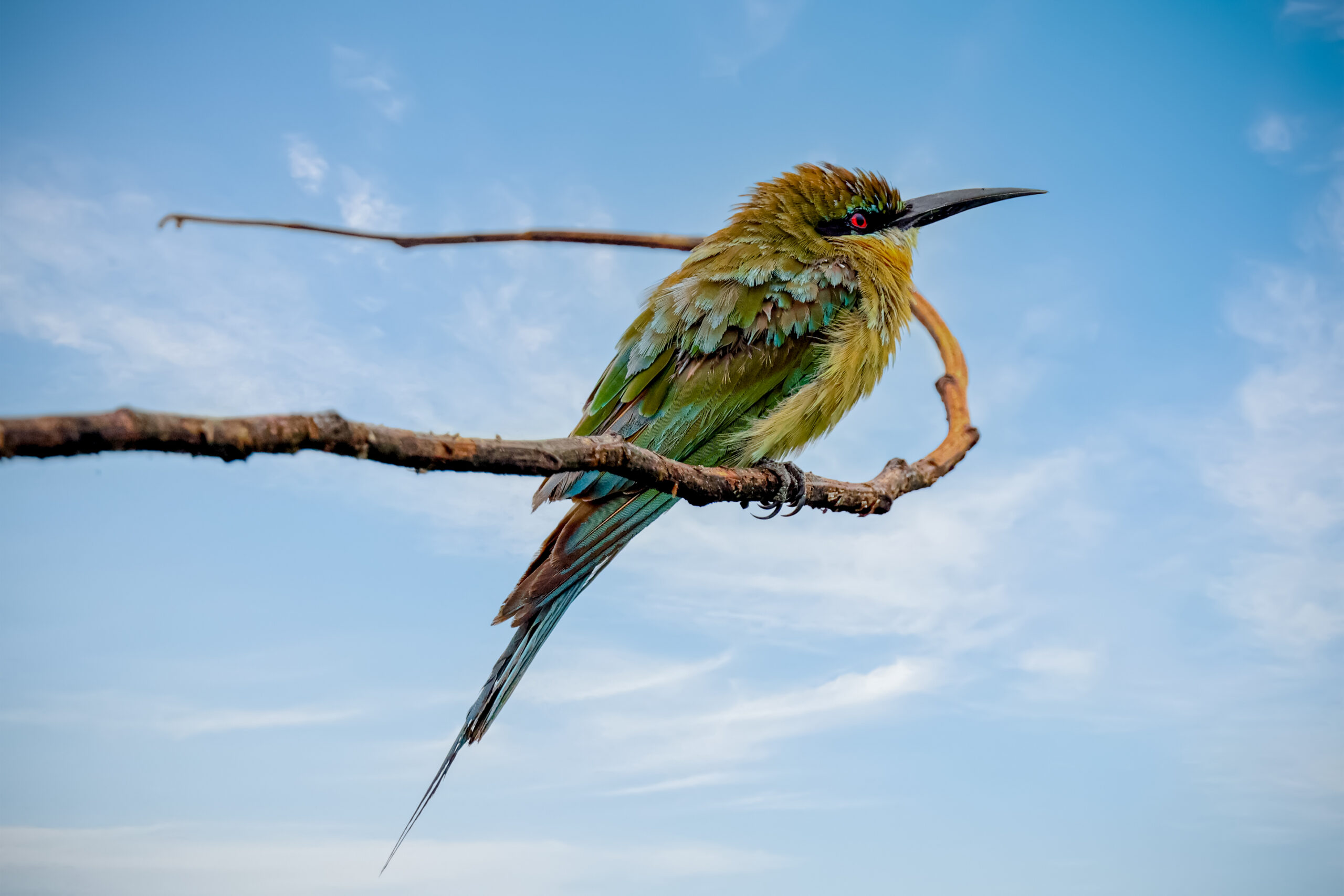 Photo Credit: Drsssuresh1961 / Wikimedia
In the sun-drenched woodlands of Africa and parts of Europe, the Bee-Eater, known scientifically as Merops, flits gracefully through the air, a living rainbow against the blue sky. With its long, curved bill perfectly designed for snatching insects mid-flight, this bird is a master of aerial acrobatics. Its vibrant plumage, a dazzling mix of greens, yellows, and blues, not only catches the eye but also serves as a signal of its health and vitality, making it a favorite among birdwatchers and scientists alike.
As the day begins, the Bee-Eater awakens to a chorus of chirps and whistles, ready to embark on its daily hunt. These diurnal birds, meaning they are active during the day, perch on branches, scanning the skies for their favorite delicacies—flying insects. Their keen eyesight allows them to spot a bee or dragonfly from a distance, and with a swift dive, they catch their meal with precision. This remarkable feeding behavior not only showcases their agility but also highlights their role in controlling insect populations, making them vital players in their ecosystems. Join us as we explore the enchanting world of the Bee-Eater, uncovering its behaviors, habitats, and the fascinating relationships it shares with the environment.
The Bee-Eater is a vibrant and agile bird that occupies a special place in the tree of life. Belonging to the family Meropidae, these birds are known for their striking plumage and acrobatic flight. They are part of the order Coraciiformes, which includes other colorful birds like kingfishers and rollers. What sets Bee-Eaters apart is their diet, primarily consisting of bees and wasps, which they catch mid-air with impressive precision. This unique feeding behavior not only showcases their hunting skills but also highlights their role in the ecosystem as natural pest controllers.
| Taxonomic Rank | Scientific Name | Meaning & Significance |
|---|---|---|
| Kingdom | Animalia | This name signifies that Bee-Eaters are part of the vast group of multicellular organisms that are primarily heterotrophic, meaning they consume other organisms for energy. |
| Phylum | Chordata | Chordata refers to animals that have a notochord, a flexible rod that supports the body. In Bee-Eaters, this structure is present during their development, linking them to other vertebrates. |
| Class | Aves | Aves is the class that includes all birds. The name comes from the Latin word for bird, highlighting their unique adaptations for flight, such as feathers and hollow bones. |
| Order | Coraciiformes | This order includes birds known for their colorful plumage and zygodactyl feet, which means they have two toes facing forward and two backward, aiding in gripping branches. |
| Family | Meropidae | The family name Meropidae is derived from the Greek word “merops,” which means “bee-eater.” This directly reflects their primary diet and hunting behavior. |
| Genus | Merops | The genus name Merops also comes from the Greek word for bee-eater, emphasizing the bird’s specialized feeding habits and its close relationship with other species in the family. |
Understanding the Bee-Eater’s classification reveals much about its evolutionary journey. As members of the Coraciiformes order, they share a common ancestor with other colorful birds, suggesting that vibrant plumage may have evolved as a means of attracting mates or deterring predators. Their specialized diet of bees and wasps indicates a long history of adaptation to their environment, showcasing how these birds have evolved unique traits to thrive in their habitats. This fascinating lineage not only highlights their ecological role but also connects them to the broader tapestry of life on Earth.
The evolutionary journey of the Bee-Eater is a colorful tale that stretches back millions of years. These birds belong to the family Meropidae and the genus Merops, with their ancestors tracing their lineage to the late Eocene epoch, around 34 to 56 million years ago. Over time, Bee-Eaters have adapted to a variety of environments, showcasing their remarkable ability to thrive in diverse habitats across Africa, Europe, and Asia.
The ancestors of modern Bee-Eaters were likely insectivorous birds that began to specialize in catching flying insects, particularly bees and wasps. This shift in diet was a significant evolutionary transition, allowing them to exploit a niche that few other birds occupied. As they evolved, their physical characteristics changed to enhance their hunting skills. Their long, pointed wings and streamlined bodies made them agile fliers, perfect for snatching insects mid-air. Additionally, their vibrant plumage evolved not just for beauty but also for social signaling, helping them attract mates and establish territories.
The adaptations of the Bee-Eater have been crucial for their survival in a competitive world. Their vibrant colors not only attract mates but also play a role in social interactions, while their specialized wings and beaks make them expert hunters. By nesting in colonies, they enhance their safety against predators, ensuring that their young have a better chance of survival. These evolutionary traits have allowed Bee-Eaters to flourish, showcasing the beauty and complexity of nature’s design.
The Bee-Eater is a dazzling spectacle of nature, showcasing a blend of colors and forms that captivate the eye. With a slender body that can weigh anywhere from 0.5 to 3 ounces, these birds are lightweight and built for agility. Their long, curved bills are perhaps their most distinctive feature, perfectly designed for snatching insects mid-flight. The overall impression is one of grace and vibrancy, as their feathers shimmer in hues of green, blue, and yellow, making them stand out against the backdrop of their natural habitats.
| Feature | Description |
|---|---|
| Size | Lightweight, ranging from 0.5 to 3 ounces |
| Color | Vibrant plumage with shades of green, blue, and yellow |
| Skin Type | Feathers, providing insulation and flight capability |
| Most Distinctive Feature | Long, curved bills for catching flying insects |
These striking features work together to enhance the Bee-Eater’s survival in the wild. The lightweight body allows for swift, agile movements as they dart through the air, while their colorful feathers help them blend into the lush environments they inhabit. The long, curved bills are not just for show; they are essential tools for catching bees and other insects, which make up a significant part of their diet. This combination of beauty and functionality makes the Bee-Eater a true marvel of the avian world, perfectly adapted to its ecological niche.
The Bee-Eater thrives in a variety of habitats that are as colorful as the birds themselves. Picture semi-open woodlands where sunlight filters through the leaves, creating a patchwork of light and shadow. These birds also love shrublands, where they can dart between bushes, and rainforests, where the lush greenery provides both food and shelter. In addition, they can be found in sub-deserts, where the dry landscape offers a unique environment for their hunting skills.
Bee-Eaters prefer warm climates, often found in areas that experience a mix of sunny days and occasional rain. They thrive in regions where insects, especially bees, are plentiful, as these are their primary food source. The environmental conditions they favor include open spaces with nearby perches, like branches or wires, from which they can launch their aerial hunts. These birds are also sensitive to extreme cold, so they tend to migrate to warmer areas during the winter months.
To make the most of their diverse habitats, Bee-Eaters have developed several clever adaptations. Their long, pointed wings allow for agile flight, enabling them to catch insects mid-air with impressive precision. Their vibrant colors not only make them a joy to watch but also help them blend into the dappled light of their surroundings, providing a bit of camouflage from predators. By nesting in burrows dug into sandy banks, they create safe havens for their young, ensuring that they can thrive in the various environments they call home.
As the sun rises, the Bee-Eater begins its day in a lively chorus of chirps and whistles. These diurnal birds, meaning they are active during the day, start their morning by preening their vibrant feathers, ensuring they are as dazzling as ever. After a quick grooming session, they take to the skies, showcasing their impressive aerial skills. With sharp eyesight, they scan the landscape for their favorite meal: bees and other flying insects. Once they spot a target, they swoop down with precision, catching their prey mid-flight. This daily routine of hunting and feeding is not just about survival; it’s a thrilling display of agility and grace.
Bee-Eaters are social birds that thrive in colonies, often seen perched together on branches or wires. These groups can range from a few pairs to several dozen individuals, creating a bustling community. Within these colonies, they engage in playful interactions, such as chasing each other and sharing food. Communication is key in their social structure, and they use a variety of calls and body language to convey messages. This social behavior not only strengthens their bonds but also enhances their ability to spot predators and find food together. The lively chatter and cooperative spirit of a Bee-Eater colony make for a vibrant atmosphere, filled with energy and camaraderie.
| Behavior Type | Description |
|---|---|
| Activity Patterns | Bee-Eaters are diurnal, meaning they are active during the day, primarily hunting for insects like bees. |
| Social Structure | They live in colonies, which can consist of a few pairs to many individuals, fostering a strong community. |
| Communication Methods | These birds use a variety of calls and body language to communicate, helping them coordinate activities and warn of danger. |
The behaviors of Bee-Eaters are finely tuned to ensure their survival in the wild. By living in colonies, they benefit from the safety of numbers, making it easier to spot predators. Their social interactions not only strengthen their community but also enhance their hunting success. With their impressive aerial skills and cooperative spirit, Bee-Eaters exemplify how teamwork and communication can lead to thriving in the natural world.
The Bee-Eater’s diet is primarily insectivorous, meaning it mainly feeds on insects. These colorful birds have a particular fondness for flying insects, which they skillfully catch in mid-air. With their sharp eyesight and quick reflexes, Bee-Eaters can spot their prey from a distance, swooping down to snatch it up with their pointed beaks. This hunting technique not only showcases their agility but also highlights their role as important controllers of insect populations in their ecosystems.
| Dietary Aspect | Details |
|---|---|
| Diet Type | Insectivore |
| Favorite Foods | Flies, beetles, dragonflies, butterflies, cicadas |
| Prey Items | Various flying insects |
| Hunting/Foraging Strategies | Catch insects mid-flight using sharp eyesight and quick reflexes |
This diet not only shapes the Bee-Eater’s daily routine but also influences its ecological role. By consuming large quantities of insects, these birds help maintain a balance in their environment, preventing any one species from becoming too dominant. Their vibrant presence and energetic hunting behavior add a splash of color and excitement to the ecosystems they inhabit, making them a vital part of the natural world.
During the breeding season, which typically occurs in spring and summer, Bee-Eaters engage in a captivating courtship display. Males perform aerial acrobatics, showcasing their vibrant colors to attract a mate. They often engage in a delightful ritual of feeding, where the male presents food to the female, a gesture that strengthens their bond. Once a pair forms, they work together to find a suitable nesting site, usually in sandy banks or cliffs, where they can dig a burrow to lay their eggs.
| Reproductive Aspect | Details |
|---|---|
| Gestation Period | About 3 weeks |
| Litter Size | 3 to 7 eggs |
| Age of Maturity | 1 year |
| Name of Young | Chicks |
After the eggs hatch, both parents take on the important role of caring for their chicks. They feed the young by regurgitating insects, ensuring that the chicks receive the nutrients they need to grow strong. As the days pass, the chicks develop their feathers and learn to fly, gradually becoming more independent. By the time they reach maturity at one year old, these vibrant birds are ready to take on the skies, continuing the cycle of life in their colorful world.
The Bee-Eater plays a vital role in its ecosystem, primarily as an insectivore that helps control insect populations. Positioned in the food web, these birds are not only beautiful but also serve as prey for various predators. Their vibrant colors and agile flight make them a delight to observe, but they also face significant dangers that threaten their survival.
To defend themselves against these threats, Bee-Eaters have developed several survival strategies. They often nest in colonies, which provides safety in numbers, making it harder for predators to target them. Their keen eyesight allows them to spot danger from afar, and their swift, agile flight helps them evade attacks. Additionally, by choosing nesting sites in sandy banks or cliffs, they can create burrows that are less accessible to ground predators. These clever adaptations help ensure that these vibrant birds continue to thrive in their natural habitats.
A keystone species is a vital part of its ecosystem, meaning its presence and activities have a significant impact on the environment and other living things. The Bee-Eater, with its colorful feathers and insect-catching prowess, qualifies as a keystone species. By controlling insect populations and influencing the dynamics of its habitat, the Bee-Eater plays a crucial role in maintaining the balance of its ecosystem.
One of the most important ways the Bee-Eater impacts its environment is through its diet. These birds primarily feast on flying insects, particularly bees, wasps, and other pollinators. By keeping these populations in check, Bee-Eaters help prevent any one species from overwhelming the ecosystem. This balance is essential for the health of plants that rely on these insects for pollination. Without the Bee-Eater, certain insect populations could explode, leading to overgrazing of vegetation and a decline in plant diversity.
Additionally, Bee-Eaters are social birds that often live in colonies. This group behavior not only enhances their hunting efficiency but also creates a vibrant community that attracts other species. Their presence can indicate a healthy environment, as they thrive in semi-open woodlands, shrublands, and rainforests. The habitats they prefer are often rich in biodiversity, and their activities can help sustain other wildlife by promoting a balanced ecosystem.
If the Bee-Eater were to disappear, the consequences could be significant. Insect populations might surge unchecked, leading to potential crop damage and a decline in plant health due to overgrazing. This imbalance could ripple through the food web, affecting not only plants but also other animals that rely on those plants for food and shelter. The loss of this colorful bird would not only diminish the beauty of its habitat but also disrupt the intricate connections that sustain life in its ecosystem.
The Bee-Eater occupies a crucial ecological niche as a vibrant insectivore, meaning it primarily feeds on insects. These birds are often found in semi-open woodlands, shrublands, and even rainforests, where they thrive in sunny environments. Their striking colors and agile flight not only make them a delight to observe but also play a significant role in maintaining the balance of their ecosystems. By controlling insect populations, Bee-Eaters help ensure that the environment remains healthy and vibrant.
| Ecosystem Service | Impact |
|---|---|
| Insect Population Control | Bee-Eaters help keep insect numbers in check, preventing overpopulation that can harm plants and other animals. |
| Food Source for Predators | As part of the food web, Bee-Eaters provide nourishment for larger birds and mammals, supporting biodiversity. |
| Seed Dispersal | While primarily insectivorous, Bee-Eaters can also contribute to seed dispersal through their droppings, aiding plant growth. |
In their quest for food, Bee-Eaters consume a variety of flying insects, including bees, wasps, and dragonflies. This diet is not just a personal preference; it has a ripple effect on the ecosystem. By preying on these insects, they help control their populations, which can otherwise explode and lead to imbalances. For instance, a surge in bee populations could threaten flowering plants, as too many bees can lead to over-pollination or damage to delicate blooms. Thus, Bee-Eaters act as natural pest controllers, ensuring that no single species dominates the landscape.
The broader ecological importance of the Bee-Eater cannot be overstated. As a keystone species, their presence supports a diverse range of life forms, from the plants that rely on balanced insect populations to the predators that depend on Bee-Eaters for food. By maintaining this delicate balance, they contribute to the overall health of their habitats. In essence, the Bee-Eater is not just a beautiful bird; it is a vital player in the intricate web of life, showcasing how interconnected all living things truly are.
In the intricate web of nature, symbiosis plays a vital role in the survival and thriving of various species. Symbiosis refers to the close and often long-term interactions between different biological species. These relationships can take many forms, including mutualism, where both species benefit, parasitism, where one benefits at the expense of the other, and commensalism, where one benefits while the other is neither helped nor harmed. The Bee-Eater, with its vibrant colors and agile flight, engages in several fascinating partnerships that illustrate these ecological relationships.
| Species/Type | Relationship Type | Description |
|---|---|---|
| Bees | Mutualistic | Bee-Eaters feed on bees, helping control their populations, while the bees benefit from the pollination services provided by other insects attracted to the same flowers. |
| Termites | Commensal | Bee-Eaters often nest near termite mounds, benefiting from the open ground created by the termites, which makes it easier for them to hunt for insects. |
| Other birds | Mutualistic | Bee-Eaters may flock with other insectivorous birds, increasing their foraging success as they can spot more insects together than alone. |
These relationships have evolved over time, shaped by the needs and behaviors of the species involved. The Bee-Eater’s role as an insectivore not only helps maintain the balance of insect populations but also fosters connections with other species that enhance its survival. By working together, whether through mutual benefits or simple coexistence, these animals create a dynamic ecosystem where each plays a part in the grand story of life.
The Bee-Eater is a dazzling bird that captures the imagination of nature lovers with its vibrant colors and fascinating behaviors. These birds are not just beautiful; they have some surprising traits that make them truly special.
Throughout history, Bee-Eaters have captivated human imagination and culture. These colorful birds have been depicted in ancient art and folklore, often symbolizing joy and beauty. In many cultures, their vibrant plumage and graceful flight have inspired stories and songs. For instance, in some African traditions, Bee-Eaters are seen as messengers of good fortune, while in other regions, they are celebrated for their role in controlling insect populations. This long-standing relationship highlights how humans have admired and respected these birds for their ecological contributions and aesthetic appeal.
In modern times, the interaction between Bee-Eaters and humanity has evolved, focusing on conservation and habitat protection. As urbanization and agricultural expansion threaten their natural habitats, conservationists are working to safeguard these birds and their environments. However, conflicts can arise, particularly in agricultural areas where Bee-Eaters may be seen as pests due to their feeding habits. While they help control insect populations, some farmers worry about the impact on their crops. Efforts to educate communities about the ecological benefits of Bee-Eaters are crucial in fostering a harmonious coexistence.
Looking ahead, the future of the relationship between Bee-Eaters and humanity hinges on our ability to balance development with conservation. As awareness grows about the importance of biodiversity, more people are likely to appreciate the role these birds play in our ecosystems. By fostering a deeper understanding and respect for Bee-Eaters, we can ensure that future generations will continue to enjoy their vibrant presence in the skies. Together, we can create a world where both humans and these stunning birds thrive.
The conservation status of the Bee-Eater is currently classified as Least Concern by the International Union for Conservation of Nature (IUCN). This means that, overall, these birds are not facing immediate threats that could lead to their extinction. However, specific population estimates remain unknown, making it difficult to assess their numbers accurately. While they are generally stable, ongoing monitoring is essential to ensure that their populations continue to thrive.
| Conservation Factor | Status/Details |
|---|---|
| IUCN Status | Least Concern |
| Estimated Population Size | Unknown |
| Population Trend | Stable |
Despite their current stable status, Bee-Eaters face several threats that could impact their populations in the future. Habitat loss is a significant concern, as urban development and agricultural expansion can destroy the semi-open woodlands and shrublands they rely on for nesting and foraging. Additionally, pesticide use in farming can reduce the availability of their primary food source—flying insects. These factors, combined with climate change, could disrupt their habitats and food supply, making it crucial to keep an eye on their well-being.
Conservation efforts are underway to protect the habitats of Bee-Eaters and ensure their populations remain stable. Organizations and local communities are working together to promote sustainable land use practices that minimize habitat destruction. By raising awareness about the importance of these colorful birds and their role in the ecosystem, conservationists hope to foster a greater appreciation for Bee-Eaters. With continued efforts, the outlook for these vibrant birds remains hopeful, allowing future generations to enjoy their beauty and ecological contributions.
| Question | Answer |
|---|---|
| What is the habitat of the Bee-Eater? | Bee-Eaters thrive in semi-open woodlands, shrublands, rainforests, and even sub-deserts. They prefer areas where they can easily spot their prey, which includes flying insects, especially bees. |
| What do Bee-Eaters eat? | Bee-Eaters are insectivores, meaning their diet mainly consists of insects. They are particularly fond of bees, wasps, and other flying insects, which they catch mid-air with their swift flight. |
| How do Bee-Eaters behave? | These colorful birds are known for their social behavior, often seen in small groups. They are also quite acrobatic, performing aerial displays to catch insects and impress potential mates. |
| How do Bee-Eaters reproduce? | During the breeding season, Bee-Eaters create burrows in sandy banks where they lay their eggs. The female typically lays 3 to 7 eggs, and both parents take turns incubating them until they hatch. |
| What threats do Bee-Eaters face? | While Bee-Eaters are currently classified as Least Concern, they still face threats from habitat loss due to deforestation and agricultural expansion. Pesticides can also reduce their food supply, impacting their populations. |
| What are some interesting characteristics of Bee-Eaters? | One of the most distinctive features of Bee-Eaters is their long, curved bills, which are perfectly adapted for catching insects in flight. They also have vibrant plumage, often displaying bright greens, blues, and yellows, making them a favorite among birdwatchers. |
| Are Bee-Eaters migratory? | Some species of Bee-Eaters are migratory, traveling to warmer regions during the winter months. They often return to the same nesting sites each year, showcasing their strong homing instincts. |