Taxonomy & Classification
- Kingdom
- Animalia
- Phylum
- Chordata
- Class
- Mammalia
- Order
- Artiodactyla
- Family
- Camelidae
- Genus
- Camelus
- Species
- Camelus dromedarius

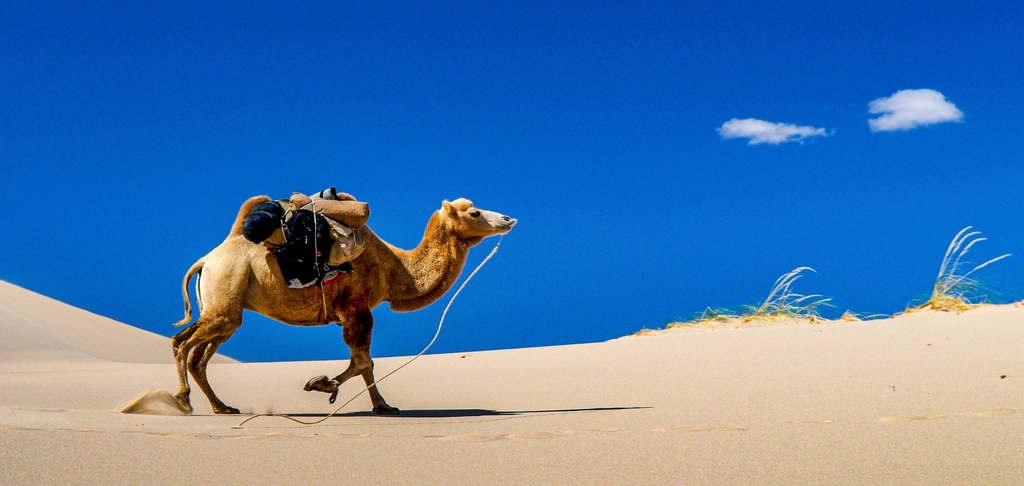 Photo Credit: Rawpixel
In the sun-drenched expanses of the desert, the dromedary camel, scientifically known as Camelus dromedarius, stands as a symbol of resilience and adaptability. With its single, iconic hump and long, graceful legs, this remarkable animal is perfectly designed for life in one of the harshest environments on Earth. Picture a vast landscape of golden sands stretching endlessly, where the sun blazes overhead and the air shimmers with heat. Here, the dromedary roams, effortlessly navigating the arid terrain, showcasing its ability to thrive where few others can.
What makes the dromedary camel so captivating to scientists and nature lovers alike is not just its striking appearance but also its incredible adaptations. These animals can go for days without water, thanks to their unique physiology that allows them to conserve moisture. Their thick fur insulates them from the scorching sun during the day and the chilly nights, while their broad, padded feet prevent them from sinking into the sand. As we delve deeper into the world of camels, we will explore their fascinating behaviors, their vital role in desert ecosystems, and their long-standing relationship with humans, revealing why these magnificent creatures are often called the “ships of the desert.”
Camels hold a special place in the animal kingdom, showcasing a fascinating blend of adaptability and resilience. Classified within the Kingdom Animalia, they belong to the Phylum Chordata, which includes all animals with a backbone. As members of the Class Mammalia, camels are warm-blooded, have fur, and nurse their young with milk. Their unique adaptations, such as the ability to thrive in arid environments and store fat in their humps, make them stand out among mammals. Camels are part of the Order Artiodactyla, which includes even-toed ungulates like pigs and deer, and they belong to the Family Camelidae, which is home to their close relatives, llamas and alpacas.
| Taxonomic Rank | Scientific Name | Meaning & Significance |
|---|---|---|
| Kingdom | Animalia | The name means “animals” in Latin, highlighting the diverse group of living organisms that share certain characteristics, such as being multicellular and capable of movement. |
| Phylum | Chordata | This term comes from the Greek word “chord,” referring to the notochord, a flexible rod that supports the body. All chordates, including camels, have a backbone at some stage of their development. |
| Class | Mammalia | Derived from the Latin word “mamma,” meaning “breast,” this class includes animals that produce milk for their young, a key feature of camels and other mammals. |
| Order | Artiodactyla | This name means “even-toed,” referring to the structure of their feet. Camels have two toes on each foot, which helps them walk on soft sand without sinking. |
| Family | Camelidae | The name comes from the Latin “camelus,” which means “camel.” This family includes animals that are well-adapted to harsh environments, showcasing their evolutionary success. |
| Genus | Camelus | This scientific name is derived from the Latin word for camel, emphasizing the unique characteristics of these animals, such as their ability to store water and survive in deserts. |
Understanding the taxonomic classification of camels reveals much about their evolutionary journey. As members of the Camelidae family, they share a common ancestor with llamas and alpacas, which adapted to different environments over millions of years. Their classification within the Artiodactyla order highlights their specialized adaptations for life in arid regions, showcasing how evolution shapes the traits that allow species to thrive in diverse habitats. Camels are not just remarkable animals; they are living examples of nature’s ingenuity in the face of environmental challenges.
The evolutionary journey of camels stretches back millions of years, tracing their lineage to ancient ancestors that roamed the Earth during the late Eocene epoch, around 40 million years ago. These early relatives were quite different from the camels we know today, adapting to a variety of environments as they evolved. Over time, they migrated across continents, leading to the diverse species we see now, including the dromedary and Bactrian camels.
The story begins with the ancestors of camels, which were small, deer-like creatures that thrived in lush, forested areas. As the climate changed and grasslands expanded, these animals adapted to new habitats. One major transition occurred when they developed longer legs and a more elongated body, allowing them to travel greater distances in search of food and water. This adaptation was crucial as they began to inhabit arid regions. Over time, they also evolved their iconic humps, which serve as fat storage, providing energy during long journeys without food.
These remarkable adaptations have enabled camels to thrive in some of the harshest environments on Earth. Their ability to store fat in their humps allows them to go for long periods without food, while their thick fur and specialized feet help them navigate extreme temperatures and sandy terrain. With efficient kidneys and unique nostrils, camels are perfectly equipped to survive in the desert, showcasing the incredible power of evolution in shaping life on our planet.
When you first lay eyes on a camel, you can’t help but be struck by its impressive stature and distinctive features. These magnificent animals boast a robust body that can weigh anywhere from 300 to 690 kilograms, or about 660 to 1,500 pounds. Their long, curved necks rise gracefully from their sturdy frames, leading to a large hump that is not just for show. This hump, a unique characteristic of camels, stores fat, which the animal can convert into energy when food is scarce. With their long legs and padded feet, camels are built for traversing the harsh, sandy landscapes of deserts, making them true masters of their environment.
| Feature | Description |
|---|---|
| Weight | 300kg – 690kg (660lbs – 1,500lbs) |
| Skin Type | Hair |
| Most Distinctive Feature | Long, curved neck and large hump |
The combination of these features is a testament to the camel’s incredible adaptability. Their thick hair helps insulate them against the extreme temperatures of the desert, keeping them cool during the day and warm at night. The large hump not only serves as a fat reserve but also helps them maintain balance while walking on uneven terrain. With their long legs, camels can stride over sand dunes with ease, conserving energy as they travel long distances in search of food and water. Together, these physical traits make camels perfectly suited for life in one of the harshest environments on Earth.
In the vast stretches of arid landscapes, camels thrive in environments that many other animals would find inhospitable. Picture endless golden sands, rocky outcrops, and sparse vegetation, where the sun blazes down during the day and cools off at night. These resilient animals are perfectly suited to life in deserts and scrublands, where they roam freely, often in search of water and food. Their homes are not just barren wastelands; they are vibrant ecosystems filled with life, albeit in a form that has adapted to the harsh conditions.
Camels are well-equipped to handle the extreme climate of their habitats. They endure scorching daytime temperatures that can soar above 100 degrees Fahrenheit (38 degrees Celsius) and chilly nights that can drop to near freezing. These animals have developed a remarkable ability to withstand dehydration, often going for long periods without water. The sparse vegetation in their environment, primarily consisting of tough, drought-resistant plants, provides the necessary nutrients, though it may not always be plentiful.
To survive in such challenging conditions, camels have evolved a series of incredible adaptations. Their bodies are designed to conserve water, allowing them to lose up to 25% of their body weight without suffering harm. They have thick fur that insulates them from the heat during the day and keeps them warm at night. Additionally, their unique feet are wide and padded, enabling them to walk easily on sand without sinking. These adaptations not only help them thrive in their harsh habitats but also make them one of nature’s most extraordinary survivors.
Camels lead a daily life that is both structured and adaptable, perfectly suited to their arid habitats. As diurnal animals, they are most active during the day, rising with the sun to graze on sparse vegetation. Their mornings often begin with a leisurely stroll, allowing them to forage for food like dry grasses and shrubs. As the sun climbs higher, camels take breaks to rest and conserve energy, often finding shade under sparse trees or rock formations. In the cooler hours of the evening, they resume their activities, continuing to graze and socialize with their herd.
Socially, camels are known for their strong group dynamics. They typically live in herds, which can range from a few individuals to larger groups. This social structure provides safety in numbers, as there is strength in unity against potential predators. Within the herd, camels communicate through a variety of vocalizations, body language, and even subtle facial expressions. They form bonds with one another, often seen grooming each other or standing close together, reinforcing their social ties. This camaraderie is essential for their well-being, as it helps them navigate the challenges of their harsh environment.
| Behavior Type | Description |
|---|---|
| Activity Patterns | Camels are diurnal, meaning they are active during the day, grazing in the morning and evening while resting during the hottest part of the day. |
| Social Structure | They live in herds, which provide safety and companionship, allowing them to work together to find food and water. |
| Communication Methods | Camels communicate through vocalizations, body language, and grooming behaviors, helping to strengthen social bonds within the herd. |
The behaviors of camels are finely tuned to ensure their survival in challenging environments. By being active during the day, they can take advantage of cooler temperatures for foraging. Their social structure not only offers protection but also enhances their ability to find resources together. Through effective communication, they maintain strong relationships that are vital for their emotional health and overall success in the wild. In this way, camels exemplify the intricate balance of life in the desert, thriving against the odds.
Camels are herbivores, which means they primarily eat plants. Their diet consists mainly of thorny and salty plants, grass, and grains. These remarkable animals have evolved to thrive in harsh desert environments, where food can be scarce. To obtain their meals, camels use their strong lips to grasp tough vegetation, allowing them to munch on plants that many other animals would find unappetizing. Their ability to go for long periods without water also helps them survive in places where food and hydration are hard to come by.
| Dietary Aspect | Details |
|---|---|
| Diet Type | Herbivore |
| Favorite Foods | Thorny and salty plants, grass, grains |
| Prey Items | None (as herbivores, they do not hunt) |
| Foraging Strategies | Using strong lips to grasp tough vegetation |
This specialized diet plays a crucial role in shaping the camel’s ecology and daily routine. By consuming plants that are often overlooked by other animals, camels help maintain the balance of their desert ecosystems. Their foraging habits also allow them to travel long distances in search of food, which is essential for their survival in such a challenging environment. This adaptability not only supports their own health but also influences the plant life in their habitats, showcasing the interconnectedness of life in the desert.
When it comes to mating, camels have a fascinating courtship ritual that often takes place during the breeding season, which varies depending on their environment. Males, known as bulls, will compete for the attention of females, or cows, by displaying their strength and stamina. This can involve vocalizations, physical displays, and even a bit of wrestling. Once a female is ready to mate, she will signal her interest, and the pair will engage in a brief but intense courtship before mating occurs.
| Reproductive Aspect | Details |
|---|---|
| Gestation Period | 390 – 410 days |
| Average Litter Size | 1 |
| Age of Sexual Maturity | 3 – 5 years |
| Name of Young | Calf |
After a long gestation period, which lasts nearly a year, a single calf is born. This young camel is quite vulnerable at birth, but it quickly begins to develop. The mother provides attentive care, nurturing her calf with warmth and protection. As the calf grows, it learns essential survival skills by observing its mother and mimicking her behavior. Within a few months, the calf starts to graze on solid food, but it will continue to nurse for several months. By the time it reaches sexual maturity at around three to five years, the young camel is well-equipped to thrive in its harsh environment, ready to embark on its own journey in the vast desert landscapes.
Camels play a vital role in their ecosystems, often serving as prey for various predators while also influencing the vegetation in their arid habitats. As herbivores, they help maintain the balance of plant life, which in turn supports other species. However, their position in the food web makes them vulnerable to several threats, both natural and human-induced.
To survive these dangers, camels have developed a range of defensive behaviors and strategies. Their size and strength can deter some predators, while their keen senses help them detect danger early. Camels are also known for their ability to go long periods without water, allowing them to endure harsh conditions when resources are scarce. When threatened, they can run surprisingly fast for their size, and their thick skin provides protection against bites and harsh weather. These adaptations make camels resilient survivors in the challenging environments they call home.
A keystone species is an organism that has a disproportionately large impact on its environment relative to its abundance. This means that if it were removed, the ecosystem would change dramatically. Camels, with their unique adaptations and behaviors, qualify as a keystone species in their arid habitats. Their presence helps shape the ecosystem, influencing both plant life and the animals that share their environment.
Camels are herbivores, meaning they primarily eat plants, and they have a special knack for thriving in harsh conditions. By grazing on thorny and salty vegetation, they help control plant growth, preventing any one species from dominating the landscape. This grazing behavior promotes biodiversity, allowing a variety of plants to flourish. Additionally, camels are known to dig for water and create small depressions in the ground, which can collect rainwater. This not only benefits them but also provides water sources for other animals in the area.
Moreover, camels are social animals that often travel in herds. This group behavior can lead to the creation of trails through the desert, which other animals may use. These trails can help smaller creatures navigate their environment more easily, enhancing the overall connectivity of the ecosystem. Furthermore, as they move through their habitat, camels contribute to seed dispersal. Seeds that pass through their digestive systems can be deposited in new locations, promoting plant growth in areas where they may not have otherwise thrived.
If camels were to disappear from their ecosystems, the consequences would be significant. Without their grazing, certain plants could overgrow, leading to a decline in biodiversity. The loss of water collection points would also affect many other species that rely on these resources. Additionally, the absence of camels would disrupt the food web, as predators that depend on them for sustenance would struggle to find alternative prey. Overall, the removal of camels would create a ripple effect, altering the delicate balance of life in their arid habitats.
Camels are fascinating animals that play a crucial role in their ecosystems, particularly in arid environments like deserts and scrublands. As herbivores, they have adapted to thrive in harsh conditions where food and water are scarce. Their unique adaptations not only help them survive but also shape the landscape around them, influencing the plants and animals that share their habitat. By grazing on tough, thorny plants, camels help maintain the balance of their ecosystem, ensuring that no single species dominates the landscape.
| Ecosystem Service | Impact |
|---|---|
| Grazing | Controls plant growth and promotes biodiversity by preventing any one species from taking over. |
| Seed Dispersal | Helps spread seeds through their droppings, aiding in plant reproduction and diversity. |
| Soil Aeration | Their movement through the landscape helps to aerate the soil, improving its quality and water retention. |
| Water Source | Provide water to other animals by creating water holes when they dig in search of moisture. |
For example, when camels graze, they often choose the tougher plants that other animals might avoid. This selective feeding helps to keep the plant community diverse, allowing more delicate species to thrive. Additionally, as camels move across the landscape, they inadvertently aerate the soil, which can improve its ability to retain water. This is especially important in arid regions where every drop counts. Their droppings also play a vital role in the ecosystem, as they contain seeds that can sprout into new plants, further enriching the environment.
The broader ecological importance of camels cannot be overstated. As a keystone species, their presence helps maintain the delicate balance of their ecosystems. If camels were to disappear, the consequences would ripple through the food web, affecting not only the plants they graze on but also the many other species that rely on those plants for survival. By shaping their environment, camels ensure that life in the desert continues to thrive, showcasing the intricate connections that exist within nature.
In the intricate web of life, symbiosis plays a vital role, connecting different species in various ways. Symbiosis refers to the close and often long-term interactions between two different biological species. These relationships can be mutualistic, where both species benefit, parasitic, where one benefits at the expense of the other, or commensal, where one benefits while the other is neither helped nor harmed. Camels, with their unique adaptations to arid environments, engage in several fascinating partnerships with other species, showcasing the beauty of ecological relationships.
| Species/Type | Relationship Type | Description |
|---|---|---|
| Oxpeckers | Mutualistic | These birds perch on camels, eating ticks and parasites from their skin. In return, camels enjoy relief from irritating pests. |
| Desert plants | Commensal | Camels help disperse seeds of certain desert plants through their droppings, aiding plant growth without affecting the camels. |
| Sandflies | Parasitic | These tiny insects can feed on camel blood, which can lead to discomfort and health issues for the camels. |
The evolution of these relationships is a testament to nature’s adaptability and resilience. Over time, camels have developed partnerships that not only enhance their survival but also contribute to the health of their ecosystems. Mutualistic relationships, like those with oxpeckers, highlight how species can work together for mutual benefit, while parasitic interactions remind us of the challenges that come with living in a shared environment. Understanding these connections deepens our appreciation for the delicate balance of life in the wild, where every species plays a role in the grand tapestry of nature.
Camels are often called the “ships of the desert,” and for good reason! These incredible animals have adapted to thrive in some of the harshest environments on Earth. Here are some surprising facts that showcase their remarkable abilities and history.
Throughout history, camels have been more than just animals; they have been vital companions to humanity, especially in arid regions. These remarkable creatures have served as a primary mode of transportation across vast deserts, earning them the nickname “ships of the desert.” In many cultures, camels symbolize endurance and resilience, often appearing in folklore, art, and even religious texts. Their ability to traverse harsh landscapes has made them indispensable to trade routes, connecting distant communities and facilitating cultural exchanges.
In modern times, the relationship between camels and humans continues to evolve. While many people still rely on camels for transportation and agricultural work, there are growing concerns about their conservation. In some areas, camels face threats from habitat loss and climate change, which can lead to conflicts with human populations. Domestication has also changed the dynamics of this relationship, as camels are bred for specific traits, such as milk production or strength. This domestication has created a bond that is both practical and emotional, as many families consider their camels part of their lives.
As we look to the future, the relationship between camels and humanity is likely to become even more complex. With the challenges posed by climate change and urbanization, finding a balance between conservation and human needs will be crucial. Education and awareness about the importance of camels in ecosystems and cultures can help foster a deeper appreciation for these incredible animals. By working together, we can ensure that camels continue to thrive alongside us, preserving their legacy for generations to come.
The conservation status of camels is currently classified as “Least Concern” by the International Union for Conservation of Nature (IUCN). This means that, at present, they are not facing an immediate threat of extinction. With an estimated population size of around 20 million, camels are relatively abundant compared to many other species. However, it is essential to monitor their populations and habitats to ensure they remain stable in the face of changing environmental conditions.
| Conservation Factor | Status/Details |
|---|---|
| IUCN Status | Least Concern |
| Estimated Population Size | 20 million |
| Population Trend | Stable |
Despite their current stable status, camels face several threats that could impact their future. Habitat loss due to urbanization and agricultural expansion is a significant concern. As human populations grow, more land is converted for farming and development, reducing the natural spaces where camels roam. Additionally, climate change poses a risk, as it can alter the delicate ecosystems of arid regions, affecting the availability of food and water sources for these resilient animals.
Conservation efforts are underway to ensure that camels continue to thrive in their natural habitats. Organizations are working to protect their environments and promote sustainable practices that benefit both camels and local communities. By raising awareness about the importance of these animals and their ecosystems, we can help secure a brighter future for camels. With continued support and monitoring, the outlook for these remarkable creatures remains positive, allowing them to maintain their vital role in the ecosystems they inhabit.
| Question | Answer |
|---|---|
| Where do camels live? | Camels are primarily found in arid environments, such as deserts and scrublands. They are well-adapted to these dry habitats, where they can withstand extreme temperatures and scarce water sources. |
| What do camels eat? | Camels are herbivores, which means they primarily eat plants. Their diet consists of tough grasses, leaves, and shrubs, which they can digest thanks to their specialized stomachs. |
| How do camels behave in their environment? | Camels are social animals that often travel in groups called caravans. They are known for their endurance and can walk long distances without water, making them excellent companions for desert travelers. |
| How do camels reproduce? | Camels typically mate during the cooler months. After a gestation period of about 13 months, a single calf is born, which can stand and walk shortly after birth, helping it keep up with the herd. |
| What threats do camels face? | While camels are currently classified as Least Concern, they face threats from habitat loss and climate change. Additionally, domesticated camels can be affected by diseases and competition for resources. |
| What is a unique characteristic of camels? | One of the most distinctive features of camels is their large hump, which stores fat. This adaptation allows them to survive long periods without food, as they can convert the fat into energy when needed. |
| How do camels conserve water? | Camels have remarkable adaptations for conserving water. They can tolerate losing up to 25% of their body weight due to dehydration and can drink large amounts of water in one go when it is available. |