Taxonomy & Classification
- Kingdom
- Animalia
- Phylum
- Chordata
- Class
- Mammalia
- Order
- Artiodactyla
- Family
- Bovidae
- Genus
- Capra
- Species
- Capra aegagrus hircus

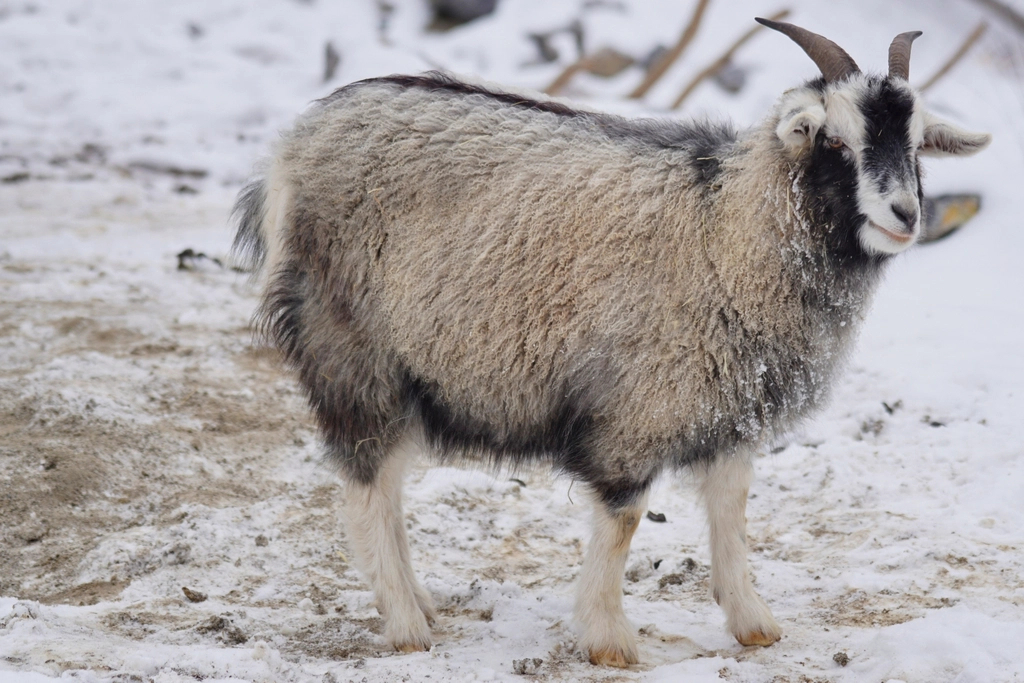 Photo Credit: Rawpixel
In the rugged mountains of Central Asia, the Cashmere goat, scientifically known as Capra hircus, roams gracefully across the rocky terrain. With its thick, luxurious coat that glistens in the sunlight, this remarkable animal is not just a sight to behold but also a marvel of nature. The Cashmere goat’s soft undercoat, which is harvested to create the world-renowned cashmere wool, has captivated both scientists and fashion enthusiasts alike. Its sturdy build and agile movements allow it to navigate steep slopes with ease, making it perfectly suited for life in harsh climates.
As the sun rises over the rolling hills, the Cashmere goat begins its day, foraging for tender grasses and shrubs that thrive in its mountainous habitat. These goats are social creatures, often seen grazing in groups, their playful interactions adding a lively touch to the serene landscape. What makes them particularly fascinating is their ability to adapt to extreme weather conditions, showcasing their resilience and unique evolutionary traits. From their striking appearance to their vital role in the ecosystem, Cashmere goats are a testament to the wonders of the natural world, inviting us to explore their lives and the environments they inhabit.
The Cashmere goat, known scientifically as Capra hircus, occupies a special place in the tree of life. This remarkable animal belongs to the kingdom Animalia, which includes all animals, and is classified under the phylum Chordata, meaning it has a backbone. As a member of the class Mammalia, Cashmere goats are warm-blooded and nurse their young with milk. They fall under the order Artiodactyla, which includes even-toed ungulates like deer and cows. What sets Cashmere goats apart is their luxurious cashmere wool, a soft and warm fiber that has made them highly valued by humans for thousands of years. Their ability to thrive in harsh climates, combined with their unique wool production, makes them a fascinating subject of study in both biology and agriculture.
| Taxonomic Rank | Scientific Name | Meaning & Significance |
|---|---|---|
| Kingdom | Animalia | This name signifies that Cashmere goats are part of the vast group of multicellular organisms known as animals. |
| Phylum | Chordata | Chordata means “having a notochord,” which is a flexible rod that supports the body, a feature that all vertebrates share. |
| Class | Mammalia | Mammalia refers to mammals, animals that possess mammary glands to produce milk for their young, highlighting their nurturing nature. |
| Order | Artiodactyla | This term means “even-toed,” indicating that Cashmere goats have an even number of toes, which helps them navigate rocky terrains. |
| Family | Bovidae | Bovidae includes animals like goats and sheep, known for their grazing habits and social structures. |
| Genus | Capra | Capra is the Latin word for “goat,” emphasizing the animal’s role in agriculture and its domestication by humans. |
| Species | Capra hircus | The species name hircus means “goat” in Latin, specifically referring to the domestic goat, which has been bred for various traits, including wool production. |
The classification of the Cashmere goat reveals a rich evolutionary history that connects it to a diverse lineage of mammals. As a domesticated species, it has adapted to human needs while retaining many of its wild ancestors’ traits. This adaptability not only showcases the goat’s resilience but also highlights the intricate relationship between humans and animals throughout history. Understanding its taxonomic position helps us appreciate the Cashmere goat’s role in ecosystems and agriculture, as well as its significance in the broader narrative of life on Earth.
The evolutionary journey of the Cashmere goat, scientifically known as Capra hircus, stretches back thousands of years. These goats are part of the Bovidae family, which includes other hoofed animals like sheep and antelopes. Their story begins in the rugged mountains of Central Asia, where their ancestors roamed the earth around 10,000 years ago. Over time, these early goats adapted to their harsh environments, leading to the development of traits that would help them thrive in diverse habitats.
The ancestors of the Cashmere goat were wild goats, known as ibexes, which were well-suited for life in rocky terrains. As humans began to domesticate these animals, selective breeding played a crucial role in shaping their characteristics. This process led to the emergence of the Cashmere goat, prized for its soft, warm undercoat. The transition from wild to domesticated life brought about significant changes, including a shift in behavior and physical traits that enhanced their ability to live alongside humans.
The adaptations of the Cashmere goat have been vital for their survival in challenging environments. Their soft undercoat not only provides warmth but also makes them highly valued by humans for cashmere wool. Their ability to eat a wide range of plants ensures they can find food even when resources are scarce. With their strong bodies and social nature, these goats can navigate steep terrains and protect themselves from predators. Together, these traits have allowed the Cashmere goat to thrive both in the wild and in domesticated settings, showcasing the incredible power of evolution in shaping life on Earth.
The Cashmere goat presents a striking silhouette, characterized by its sturdy build and graceful posture. With a compact body and strong legs, this goat is well-adapted to rugged terrains. Its most captivating feature is the luxurious coat, which consists of a thick outer layer and a soft, downy undercoat. This combination not only adds to its visual appeal but also serves a vital purpose in its survival.
| Feature | Description |
|---|---|
| Size | Medium-sized, typically weighing between 100 to 150 pounds |
| Color | Varies widely, including shades of white, black, brown, and gray |
| Skin Type | Covered in hair, with a soft undercoat that produces cashmere fibers |
| Distinctive Feature | Soft, downy fibers of their undercoats, prized for their warmth and softness |
The combination of a robust body and a luxurious coat allows the Cashmere goat to thrive in harsh climates. The outer hair protects against wind and rain, while the soft undercoat traps warmth, keeping the goat cozy during cold weather. This clever adaptation not only helps them survive but also makes them highly sought after for their cashmere, a material that is both lightweight and incredibly warm. In the wild, these features work together to ensure that Cashmere goats can navigate their mountainous habitats with ease and grace.
The Cashmere goat thrives in a variety of habitats, but it is most commonly found in colder climates. Picture rolling hills and rugged mountains, where the air is crisp and the landscape is dotted with rocky outcrops. These goats are well-suited to the harsh conditions of their natural environment, often seen grazing on sparse vegetation that clings to life in the chilly air. Their thick, soft undercoat, known for producing luxurious cashmere wool, is a perfect match for these cool surroundings.
The climate that Cashmere goats prefer is typically cold and dry, with plenty of sunshine. They are well-adapted to withstand harsh winters, where temperatures can drop significantly. These goats thrive in environments that experience seasonal changes, allowing them to grow their thick coats in preparation for the colder months. The dry air and open spaces of their habitats also help keep their wool clean and free from moisture, which is essential for producing high-quality cashmere.
Adaptation is key to the survival of the Cashmere goat in these challenging environments. Over time, they have developed a thick, dual-layered coat that provides insulation against the cold. The outer layer is coarse and protects against wind and rain, while the soft undercoat traps warmth. Their sturdy hooves allow them to navigate rocky terrains with ease, making them agile climbers. This combination of physical traits ensures that they can thrive in the rugged landscapes they call home.
The daily life of a Cashmere goat is a blend of foraging, socializing, and resting. As the sun rises, these goats begin their day by grazing on the lush grasses and shrubs that dot their mountainous habitats. They are particularly fond of tender leaves and shoots, which provide the nutrients they need to thrive. Throughout the day, they alternate between munching on their favorite plants and taking leisurely breaks to ruminate, a process where they chew their food again to aid digestion. This routine helps them maintain their energy levels and stay healthy in their often chilly environments.
Cashmere goats are known for their sociable nature, often forming tight-knit groups called herds. Within these herds, they establish a hierarchy, where each goat has its place. This social structure is essential for their well-being, as it allows them to communicate effectively and look out for one another. They use a variety of vocalizations, from bleats to grunts, to express their needs and emotions. When one goat senses danger, it can alert the others, ensuring the safety of the entire group. This camaraderie not only strengthens their bonds but also enhances their survival in the wild.
| Behavior Type | Description |
|---|---|
| Grazing | Cashmere goats spend a significant part of their day foraging for grasses, leaves, and shrubs, which are essential for their diet. |
| Ruminating | After grazing, they rest and chew their food again to aid digestion, a process known as ruminating. |
| Social Structure | They live in herds with a clear hierarchy, which helps maintain order and ensures safety. |
| Communication | These goats communicate through various sounds, alerting each other to danger or expressing needs. |
The behaviors of Cashmere goats are finely tuned to ensure their survival in the wild. By grazing and ruminating, they obtain the necessary nutrients to thrive in harsh climates. Their social interactions and communication skills not only foster strong relationships within the herd but also enhance their ability to respond to threats. This combination of foraging, social bonding, and alertness to danger makes Cashmere goats well-equipped to navigate their rugged environments.
The Cashmere goat is a herbivore, which means it primarily eats plants. These goats have a special knack for foraging, using their keen sense of smell and agile bodies to navigate rocky terrains in search of tasty vegetation. Their diet mainly consists of grasses, leaves, and shrubs, which they munch on throughout the day. This feeding behavior not only helps them stay nourished but also plays a vital role in maintaining the health of their habitat by controlling plant growth.
| Dietary Aspect | Details |
|---|---|
| Diet Type | Herbivore |
| Favorite Foods | Grasses, leaves, shrubs |
| Prey Items | None (as herbivores, they do not eat other animals) |
| Hunting/Foraging Strategies | Using keen sense of smell and agility to navigate rocky terrains |
The diet of the Cashmere goat significantly influences its ecology and daily routine. By grazing on various plants, these goats help shape their environment, promoting biodiversity and preventing overgrowth of certain species. Their foraging habits also dictate their movement patterns, as they often roam in search of fresh pastures. This constant quest for food not only keeps them healthy but also fosters social interactions within their herds, making their lives rich and dynamic in the wild.
When it comes to the mating behavior of Cashmere goats, the breeding season typically occurs in the fall. During this time, males, known as bucks, become quite active and vocal, using their deep bleats to attract females, or does. Bucks may engage in displays of strength, such as head-butting, to establish dominance and win the attention of potential mates. This lively courtship is essential for ensuring the continuation of their lineage.
| Reproductive Aspect | Details |
|---|---|
| Gestation Period | Five months |
| Litter Size | Typically one |
| Age of Maturity | Males: 4 to 8 months; Females: 7 months |
| Name of Young | Kid |
Once the gestation period of about five months concludes, the doe gives birth to a single kid, although twins can occasionally occur. The young kid is born with a soft, fuzzy coat that will eventually develop into the luxurious cashmere for which these goats are famous. Parental care is crucial during the early weeks of life. The mother is attentive, providing warmth and nourishment through her milk. As the kid grows, it begins to explore its surroundings, learning to graze and socialize with other goats. This nurturing environment helps the young develop into healthy adults, ready to thrive in their rugged habitats.
In the intricate web of life, the Cashmere goat plays a vital role as a herbivore, primarily feeding on grasses and shrubs. This position makes it a key player in its ecosystem, helping to maintain the balance of plant life in its mountainous habitats. However, like all animals, Cashmere goats face various dangers that threaten their survival.
To defend themselves against these threats, Cashmere goats have developed several survival strategies. Their strong legs and agile bodies allow them to navigate rocky terrains quickly, making it harder for predators like coyotes to catch them. Additionally, they often stay in groups, which provides safety in numbers. When danger approaches, these goats can also use their keen senses to detect threats early, giving them a chance to escape or find shelter. Through these behaviors, Cashmere goats continue to thrive in their challenging environments.
A keystone species is an organism that has a disproportionately large impact on its environment relative to its abundance. These species play critical roles in maintaining the structure of an ecosystem. The Cashmere goat, or Capra hircus, while not a classic example of a keystone species, does contribute significantly to its ecosystem, particularly in the regions where it thrives.
Cashmere goats are herbivores, meaning they primarily eat plants. By grazing on grasses and shrubs, they help control plant growth and maintain the balance of their habitat. This grazing behavior prevents certain plant species from dominating the landscape, allowing a diverse range of flora to flourish. In turn, this diversity supports various other species, from insects to larger mammals, creating a rich tapestry of life.
Additionally, these goats are sociable animals, often found in groups. Their social behavior can influence the dynamics of their environment. For instance, when they graze together, they can more effectively manage the vegetation in their area, which can benefit other herbivores that share the same habitat. Their presence can also attract predators, which helps maintain the balance of the food web.
Moreover, Cashmere goats contribute to soil health. As they graze, they help aerate the soil and their droppings provide essential nutrients, enriching the ground for other plants. This process is vital for the overall health of the ecosystem, as it promotes plant growth and supports a variety of life forms.
If Cashmere goats were to disappear from their ecosystems, the consequences could be significant. Without their grazing, certain plant species might overgrow, leading to a decline in plant diversity. This could disrupt the balance of the ecosystem, affecting not only other herbivores but also the predators that rely on them. The loss of these goats would ripple through the food web, potentially leading to a less resilient environment. In essence, while they may not be the most obvious keystone species, Cashmere goats play an important role in maintaining the health and balance of their ecosystems.
The Cashmere goat, scientifically known as Capra hircus, plays a vital role in its ecosystem, particularly in the colder climates where it thrives. As a herbivore, it primarily feeds on grasses and shrubs, which helps shape the plant community in its habitat. By grazing, these goats not only control plant growth but also promote biodiversity, allowing various plant species to flourish. This interaction creates a balanced environment where different organisms can thrive, making the Cashmere goat an essential player in its ecological niche.
| Ecosystem Service | Impact |
|---|---|
| Grazing | Controls plant growth and promotes biodiversity. |
| Soil Fertilization | Contributes nutrients to the soil through manure. |
| Seed Dispersal | Helps in spreading plant seeds through their movement. |
| Habitat Creation | Creates open spaces that benefit other wildlife. |
The influence of Cashmere goats extends beyond their immediate grazing habits. For instance, their grazing patterns can prevent overgrowth of certain plant species, which in turn allows other plants to thrive. This creates a diverse habitat that supports various insects, birds, and small mammals. Additionally, their manure enriches the soil, providing essential nutrients that help plants grow. As they roam, they also inadvertently disperse seeds, aiding in the propagation of various plant species. This interconnectedness highlights how the Cashmere goat contributes to a healthy ecosystem.
The broader ecological importance of the Cashmere goat cannot be overstated. As a keystone species, their presence helps maintain the structure of their environment. By influencing plant diversity and soil health, they support a wide range of other organisms, from insects to larger mammals. In this way, the Cashmere goat is not just a source of luxurious cashmere wool; it is a crucial component of the ecosystem, ensuring that the natural world remains vibrant and balanced. Their role exemplifies the intricate connections that exist within nature, reminding us of the importance of every species in maintaining ecological harmony.
In the intricate tapestry of nature, symbiosis refers to the close and often long-term interactions between different species. These relationships can take many forms, including mutualism, where both species benefit, parasitism, where one benefits at the expense of the other, and commensalism, where one benefits while the other is neither helped nor harmed. The Cashmere goat, known for its luxurious wool, engages in various ecological relationships that highlight the interconnectedness of life in its habitat.
| Species/Type | Relationship Type | Description |
|---|---|---|
| Sheep | Mutualistic | Cashmere goats and sheep often graze together. This partnership helps both species by providing safety in numbers from predators and allowing them to share grazing areas, which can lead to healthier pastures. |
| Ticks | Parasitic | Ticks are small parasites that can latch onto Cashmere goats, feeding on their blood. This relationship can harm the goats by causing irritation and potentially spreading diseases. |
| Birds (like oxpeckers) | Commensal | Some birds may perch on Cashmere goats, feeding on insects found in their fur. While the birds benefit from a meal, the goats are generally unaffected by their presence. |
These relationships have evolved over time, shaped by the needs and behaviors of the species involved. The mutualistic interactions, like those with sheep, enhance survival and resource sharing, while parasitic relationships, such as with ticks, highlight the challenges that come with living in close quarters with other organisms. Commensal relationships, like those with certain birds, showcase the balance of nature, where one species can thrive without impacting the other. Understanding these connections helps us appreciate the delicate balance of ecosystems and the roles that each species plays in maintaining it.
The Cashmere goat, known for its luxurious wool, is more than just a source of soft fibers. This fascinating animal has a rich history and unique adaptations that make it truly special.
The Cashmere goat, or Capra hircus, has woven itself into the fabric of human culture for thousands of years. Originating in the harsh climates of Central Asia, these goats have been cherished for their soft, warm wool, known as cashmere. This luxurious fiber has not only provided warmth but has also become a symbol of status and elegance in various societies. Historical records show that cashmere was traded along the Silk Road, connecting distant cultures and economies. The relationship between humans and Cashmere goats is steeped in tradition, with many communities relying on these animals for their livelihoods, crafting garments that tell stories of heritage and craftsmanship.
Today, the interaction between Cashmere goats and humans continues to evolve. As demand for cashmere grows, so do concerns about sustainable farming practices. Overgrazing can lead to land degradation, threatening both the goats and their habitats. Conservation efforts are underway to promote responsible herding and to protect the delicate ecosystems where these goats thrive. Additionally, domestication has led to a variety of breeds, each adapted to different environments and farming methods. However, this close relationship can sometimes lead to conflict, especially when goats wander into agricultural lands, causing tension between herders and farmers.
Looking ahead, the future of the relationship between Cashmere goats and humanity hinges on balance. As we continue to appreciate the beauty and utility of cashmere, it is crucial to prioritize sustainable practices that protect these animals and their habitats. By fostering a deeper understanding of their ecological role and the challenges they face, we can ensure that Cashmere goats remain a cherished part of our world for generations to come. Together, we can weave a future that honors both the goats and the people who depend on them.
The Cashmere goat, scientifically known as Capra hircus, currently holds a conservation status of “Least Concern” according to the International Union for Conservation of Nature (IUCN). With an estimated population size of around 700 million, these goats are thriving in various regions, particularly in Central Asia. Their numbers indicate a stable population trend, which is encouraging for their future.
| Conservation Factor | Status/Details |
|---|---|
| IUCN Status | Least Concern |
| Estimated Population Size | 700 million |
| Population Trend | Stable |
Despite their stable status, Cashmere goats face several threats that could impact their future. Habitat loss due to agricultural expansion and urban development poses a significant risk. Additionally, climate change is altering their natural environments, affecting food availability and breeding patterns. Overgrazing, often caused by high population densities, can lead to land degradation, further threatening their habitats.
Conservation efforts are underway to ensure the continued well-being of Cashmere goats. Sustainable farming practices are being promoted to balance agricultural needs with the preservation of their habitats. Organizations are also working to educate local communities about the importance of these goats, not just for their wool but also for their role in maintaining healthy ecosystems. With ongoing efforts, the outlook for Cashmere goats remains positive, allowing them to continue their legacy in the natural world.
| Question | Answer |
|---|---|
| What is the natural habitat of Cashmere Goats? | Cashmere Goats thrive in colder climates, particularly in mountainous regions like the Himalayas. They are well-adapted to harsh weather, which helps them produce their luxurious cashmere fibers. |
| What do Cashmere Goats eat? | As herbivores, Cashmere Goats primarily feed on grasses, shrubs, and other vegetation. Their diet is rich in fiber, which is essential for their health and helps them produce high-quality cashmere. |
| How do Cashmere Goats behave in the wild? | Cashmere Goats are social animals that often live in herds. They are known for their curious nature and can be quite playful, often engaging in activities like climbing and exploring their surroundings. |
| How do Cashmere Goats reproduce? | Cashmere Goats typically breed in the fall, with a gestation period of about five months. After this time, females usually give birth to one or two kids, which are the young goats. |
| What threats do Cashmere Goats face? | While Cashmere Goats are currently classified as Least Concern, they can face threats from habitat loss and climate change. Additionally, overgrazing can lead to land degradation, impacting their food sources. |
| What is the most distinctive feature of Cashmere Goats? | The most notable characteristic of Cashmere Goats is their soft, downy undercoat, which is the source of cashmere wool. This luxurious fiber is highly sought after for its warmth and softness. |
| Are Cashmere Goats friendly towards humans? | Yes, Cashmere Goats can be quite friendly and social with humans, especially if they are raised in a domesticated environment. They often enjoy interaction and can form strong bonds with their caretakers. |