Taxonomy & Classification
- Kingdom
- Animalia
- Phylum
- Chordata
- Class
- Aves
- Order
- Passeriformes
- Family
- Paridae
- Genus
- Poecile

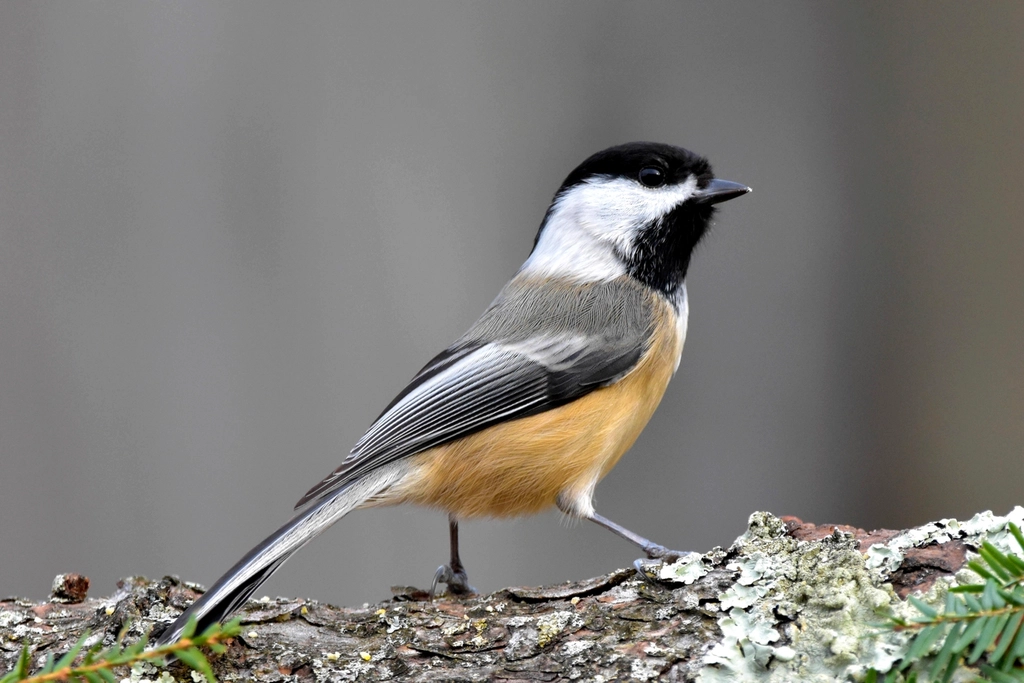 Photo Credit: Rawpixel
In the heart of North America’s woodlands, the chickadee, scientifically known as Poecile, flits about with a joyful energy that captivates all who encounter it. These small birds, measuring just 6 to 8 inches long, are easily recognized by their striking black caps and white cheeks, which give them a charming, almost cartoonish appearance. As they dart from branch to branch, their cheerful calls—often sounding like “chick-a-dee-dee-dee”—echo through the trees, inviting both seasoned birdwatchers and curious children to pause and listen.
Chickadees are not just delightful to observe; they play a crucial role in their ecosystem. These lively little birds are omnivores, meaning they enjoy a varied diet that includes insects, seeds, and berries. Their foraging habits help control insect populations, making them important players in the balance of nature. Scientists and nature enthusiasts alike are fascinated by their social behaviors, especially their ability to recognize individual calls and their remarkable memory for food caches. As we explore the world of the chickadee, we will uncover the secrets of their lives, their habitats, and the vital roles they play in the environment, all while celebrating the joy they bring to our natural surroundings.
The chickadee is a small, lively bird that holds a special place in the tree of life. Belonging to the kingdom Animalia, it is part of the phylum Chordata, which includes all animals with a backbone. This delightful little bird is classified under the class Aves, meaning it is a member of the avian family. What makes chickadees particularly interesting is their social behavior and distinctive calls, which sound like their name. These charming traits, along with their adaptability to various habitats, make them a beloved sight in backyards and forests alike.
| Taxonomic Rank | Scientific Name | Meaning & Significance |
|---|---|---|
| Kingdom | Animalia | This name comes from the Latin word for “animal,” highlighting that chickadees are part of the vast group of living organisms that are not plants or fungi. |
| Phylum | Chordata | Derived from the Greek word “chordē,” meaning “string,” this term refers to animals that have a notochord, a flexible rod that supports the body, at some stage of their development. |
| Class | Aves | This Latin term simply means “birds,” indicating that chickadees are warm-blooded, feathered creatures that lay eggs. |
| Order | Passeriformes | From the Latin “passer,” meaning “sparrow,” this order includes perching birds known for their singing abilities, which is a key feature of chickadees. |
| Family | Paridae | This name comes from the Latin word “parus,” which refers to small birds, emphasizing the chickadee’s small size and its close relatives, like titmice. |
| Genus | Poecile | Derived from the Greek word “poikilos,” meaning “varied” or “diverse,” this name reflects the variety of species within this genus, including different types of chickadees. |
Understanding the chickadee’s classification reveals much about its evolutionary journey. As a member of the Passeriformes order, it shares a lineage with many other songbirds, showcasing the rich diversity of avian life. The chickadee’s adaptability and social nature have allowed it to thrive in various environments, from dense forests to suburban backyards. This classification not only highlights its physical traits but also its behaviors, connecting it to a broader narrative of survival and evolution in the animal kingdom.
The evolutionary journey of the chickadee stretches back millions of years, weaving through the rich tapestry of avian history. These small, energetic birds belong to the family Paridae and the genus Poecile, which emerged during the late Eocene epoch, around 34 to 56 million years ago. As the world transformed, so did the ancestors of chickadees, adapting to changing climates and environments, leading to the vibrant species we see today.
The early ancestors of chickadees were small, insect-eating birds that thrived in forested areas. Over time, they developed traits that allowed them to exploit a variety of food sources, including seeds and berries. This shift was crucial as it enabled them to survive in diverse habitats, from dense woodlands to open parks. As they evolved, chickadees also honed their social behaviors, forming flocks that provided safety in numbers. This communal living not only helped them find food more efficiently but also allowed them to share information about predators.
Chickadees have thrived thanks to these remarkable adaptations. Their flexible diet allows them to find food year-round, while their social structures enhance their safety and efficiency. The ability to communicate through unique calls not only helps them stay connected but also plays a crucial role in their territorial behavior. With their feather insulation, they can endure frigid temperatures, making them resilient in various habitats. Together, these traits have ensured that chickadees continue to flourish in the ever-changing world around them.
The chickadee is a delightful little bird that captures the heart with its charming appearance and lively personality. With a compact body that measures just a few inches long, it flits about with an energetic grace. Its most striking feature is the distinctive “cap” of dark feathers that adorns its head, giving it a playful, almost mischievous look. The combination of its round shape and short tail adds to its endearing presence, making it a favorite among birdwatchers and nature lovers alike.
| Feature | Description |
|---|---|
| Weight | 0.3 to 0.4 oz |
| Skin Type | Feathers |
| Most Distinctive Feature | Cap of dark feathers on head |
The chickadee’s features are not just for show; they play vital roles in its survival. The lightweight body allows for agile movements as it darts through branches and flits from tree to tree in search of food. Its feathers provide insulation, keeping it warm during chilly weather, while the dark cap helps it blend into the shadows of the forest, offering a bit of camouflage from predators. Together, these characteristics create a perfect blend of form and function, allowing the chickadee to thrive in its woodland habitat.
The chickadee thrives in open woodlands, where sunlight filters through the leaves and the air is filled with the sounds of nature. These lively birds are often found flitting among the branches of trees, darting from one perch to another with a cheerful energy. Their habitats are a mix of deciduous and coniferous trees, creating a perfect playground for these curious little birds. The ground is often covered with a carpet of fallen leaves and twigs, providing ample opportunities for foraging.
Chickadees prefer climates that offer a balance of warmth and coolness, making them well-suited for temperate regions. They thrive in areas with distinct seasons, where they can enjoy the beauty of spring blossoms and the vibrant colors of autumn leaves. These birds are also quite adaptable, often found in suburban areas where trees and shrubs provide shelter and food. They need a habitat that offers plenty of insects and seeds, especially during the breeding season when they require extra energy to feed their young.
To survive in their chosen environments, chickadees have developed several clever adaptations. Their small size allows them to navigate through dense branches and foliage with ease, while their strong legs and sharp claws help them cling to tree trunks and branches. Chickadees are also known for their remarkable memory, which enables them to hide food in various locations and later retrieve it when resources are scarce. This ability to adapt to changing conditions and find food sources is key to their success in diverse habitats.
As dawn breaks, the chickadee begins its day with a burst of energy. These small birds are known for their lively antics, flitting from branch to branch in search of breakfast. Their diet mainly consists of seeds, insects, and berries, which they skillfully forage for among the leaves. Throughout the day, chickadees engage in a variety of activities, including preening their feathers to keep them clean and warm, and singing their distinctive “chick-a-dee-dee-dee” call, which is not just a cheerful tune but also a vital part of their communication.
Chickadees are social creatures that thrive in flocks, often seen darting together through the trees. This group behavior is essential for their survival, as it helps them stay safe from predators. Within these flocks, chickadees establish a hierarchy, with dominant birds often leading the way to food sources. They communicate with each other using a range of calls and body language, allowing them to share information about danger or food availability. This social structure not only strengthens their bonds but also enhances their ability to thrive in their environment.
| Behavior Type | Description |
|---|---|
| Activity Patterns | Chickadees are active during the day, foraging for food, preening, and singing. They often take short flights between branches. |
| Social Structure | Chickadees live in flocks, establishing a hierarchy where dominant individuals lead and access food first. |
| Communication Methods | They use a variety of calls, including their signature “chick-a-dee-dee-dee,” to convey messages about food and threats. |
In the wild, these behaviors are not just playful quirks; they are essential for survival. By foraging in groups, chickadees can find food more efficiently and reduce the risk of being caught by predators. Their social interactions and communication skills help them navigate their environment, ensuring they can thrive in the ever-changing world of the forest. Each day is a new adventure, filled with the sounds of their cheerful calls and the rustle of leaves as they flit about, embodying the spirit of resilience and community.
Chickadees are omnivores, which means they enjoy a varied diet that includes both plant and animal matter. These lively little birds are particularly fond of insects, which they hunt for with impressive agility. They often forage in trees and shrubs, using their sharp eyesight to spot tasty morsels. Chickadees are known for their clever feeding strategies, such as hanging upside down to reach food or pecking at tree bark to uncover hidden insects. Their playful nature makes feeding time an exciting adventure, as they dart around in search of their next meal.
| Dietary Aspect | Details |
|---|---|
| Diet Type | Omnivore |
| Favorite Foods | Insects, seeds, berries |
| Prey Items | Various insects, including caterpillars and beetles |
| Hunting/Foraging Strategies | Flitting through trees, hanging upside down, pecking at bark |
The chickadee’s diverse diet plays a crucial role in its daily life and the ecosystem it inhabits. By consuming insects, they help control pest populations, while their seed-eating habits aid in plant propagation. This adaptability not only supports their survival but also contributes to the health of their woodland habitats. As they flit from branch to branch, chickadees are not just searching for food; they are also engaging in a vital dance of life that connects them to the world around them.
As spring arrives, chickadees engage in a lively courtship dance that sets the stage for their breeding season. Males are known for their cheerful songs, which they use to attract females and establish their territory. Once a pair has formed, they work together to find a suitable nesting site, often choosing tree cavities or old woodpecker holes. This cooperative spirit is essential, as both parents will play a role in raising their young.
| Reproductive Aspect | Details |
|---|---|
| Gestation Period | About 12 to 14 days |
| Litter Size | 3 to 8 eggs |
| Age of Maturity | About 1 year |
| Name of Young | Chickadees or nestlings |
Once the eggs hatch, the parents are dedicated caregivers. They tirelessly bring food to their nestlings, which are born blind and helpless. As the days pass, the young chickadees grow rapidly, developing feathers and learning to chirp. After about two to three weeks, they are ready to leave the nest and explore the world. Even after fledging, the young birds often stay close to their parents, learning essential survival skills. This nurturing process helps ensure that the next generation of chickadees is well-prepared to thrive in their woodland homes.
Chickadees play a vital role in their ecosystem, acting as both foragers and prey. Positioned in the food web, they help control insect populations while also serving as a food source for various predators. Their lively presence in woodlands and backyards makes them a beloved sight, but it also places them in the crosshairs of many dangers.
To survive these threats, chickadees have developed clever defensive behaviors. They often use their agility to dart between branches, making it hard for predators to catch them. When danger approaches, they emit alarm calls that warn other birds in the area. Additionally, chickadees are known to hide food in various locations, which not only helps them survive during lean times but also keeps them busy and less vulnerable to predators. Their ability to adapt and respond to threats is a testament to their resilience in the wild.
A keystone species is an organism that has a disproportionately large impact on its environment relative to its abundance. In other words, if it were removed, the ecosystem would change dramatically. Chickadees, with their lively presence and essential roles in their habitats, can indeed be considered a keystone species. Their activities influence various aspects of the ecosystem, making them vital players in the woodland communities they inhabit.
Chickadees contribute significantly to their ecosystems in several ways. As omnivores, they consume a wide range of foods, including insects, seeds, and berries. This diet helps control insect populations, which can otherwise explode and lead to plant damage. By keeping these populations in check, chickadees help maintain the balance of their woodland habitats. Additionally, their foraging behavior aids in seed dispersal. When they eat seeds and berries, they often drop some, allowing new plants to grow in different areas, promoting biodiversity.
Moreover, chickadees are social birds that often flock together. This group behavior not only enhances their foraging efficiency but also provides safety in numbers from predators. Their presence attracts other species, creating a vibrant community of birds and animals that rely on one another for survival. The cheerful songs of chickadees also play a role in communication, helping to establish territory and strengthen social bonds within their flocks.
If chickadees were to disappear from their ecosystems, the effects would be profound. Insect populations could surge, leading to overgrazing of plants and a decline in vegetation health. This, in turn, would affect other species that rely on those plants for food and shelter. The loss of chickadees would disrupt the delicate balance of their woodland habitats, highlighting just how crucial these small birds are to the health and stability of their ecosystems.
The chickadee occupies a vital ecological niche in open woodlands, where it plays a significant role in maintaining the balance of its environment. These small, energetic birds are not just delightful to watch; they are also essential players in their ecosystems. By foraging for insects and seeds, chickadees help control insect populations and promote plant growth, making them key contributors to the health of their habitats. Their cheerful calls and lively behavior bring a sense of vibrancy to the woodlands, reminding us of the interconnectedness of all living things.
| Ecosystem Service | Impact |
|---|---|
| Insect control | Chickadees eat a variety of insects, helping to keep their populations in check. |
| Seed dispersal | By feeding on seeds and fruits, chickadees help spread plant species throughout their habitat. |
| Food source | They serve as prey for larger birds and mammals, contributing to the food web. |
| Habitat indicators | The presence of chickadees can indicate the health of woodland ecosystems. |
Chickadees influence their environment in several specific ways. For instance, by consuming a wide range of insects, they help control pests that could otherwise damage trees and plants. This natural pest control is crucial for maintaining the health of the forest. Additionally, when chickadees eat seeds, they often drop them in different locations, allowing new plants to grow in areas where they might not have otherwise taken root. This behavior not only supports plant diversity but also creates habitats for other wildlife.
The broader ecological importance of chickadees cannot be overstated. As a keystone species, their presence is essential for the stability of their ecosystems. If chickadees were to disappear, the balance of insect populations would shift, potentially leading to overpopulation and the decline of plant life. This ripple effect could disrupt the entire woodland community, affecting countless other species. By understanding the role of chickadees, we gain insight into the intricate web of life that sustains our natural world, reminding us of the importance of every creature, no matter how small.
In the intricate web of nature, symbiosis refers to the close and often long-term interactions between different species. These relationships can take many forms, including mutualism, where both species benefit, parasitism, where one benefits at the expense of the other, and commensalism, where one benefits while the other is neither helped nor harmed. Chickadees, with their lively personalities and social behavior, engage in various ecological partnerships that highlight the interconnectedness of life in their woodland habitats.
| Species/Type | Relationship Type | Description |
|---|---|---|
| Oak Trees | Mutualistic | Chickadees help control insect populations on oak trees, while the trees provide shelter and food sources for the birds. |
| Woodpeckers | Commensal | Chickadees often use the cavities created by woodpeckers for nesting, benefiting from the woodpeckers’ work without affecting them. |
| Parasites (like mites) | Parasitic | Some mites may live on chickadees, feeding on their blood or skin, which can harm the birds but benefits the mites. |
These relationships have evolved over time, shaped by the needs and behaviors of the species involved. Mutualistic partnerships, like those with oak trees, enhance the survival of both the chickadees and the trees, creating a thriving ecosystem. Commensal relationships, such as those with woodpeckers, showcase how species can share resources without direct competition. Meanwhile, parasitic interactions remind us that not all relationships are beneficial. Understanding these connections helps us appreciate the delicate balance of nature and the roles each species plays in maintaining it.
Chickadees are small, lively birds that bring joy to anyone lucky enough to spot them. Their playful nature and distinctive calls make them a favorite among birdwatchers and nature enthusiasts alike. Here are some surprising facts about these charming little birds that might just inspire you to learn more about them.
Chickadees have danced through the pages of human history, often symbolizing joy and resilience. These small birds, with their cheerful calls and curious nature, have been part of folklore and cultural stories across North America. Indigenous peoples revered them, seeing them as messengers of change and good fortune. Their playful antics and friendly demeanor have made them a beloved subject in art and literature, reminding us of the beauty of the natural world. As we’ve shared our spaces with these birds, they have woven themselves into the fabric of our lives, becoming a source of inspiration and connection to nature.
Today, our interactions with chickadees are multifaceted, reflecting both harmony and conflict. Many people enjoy feeding chickadees in their backyards, creating a delightful bond as these birds become accustomed to human presence. This practice not only brings joy but also aids in conservation efforts, as feeding stations can help support local populations, especially during harsh winters. However, urbanization poses challenges, as habitat loss threatens their natural environments. Additionally, some people may inadvertently create conflicts by using pesticides, which can harm the insects that chickadees rely on for food. Understanding these dynamics is crucial for fostering a positive relationship with these charming birds.
As we look to the future, the relationship between chickadees and humanity holds promise. By fostering awareness and appreciation for these birds, we can work together to create environments where they thrive. Conservation efforts, community engagement, and responsible practices can help ensure that chickadees continue to bring joy and vitality to our lives. As we learn more about their needs and behaviors, we can deepen our connection with these delightful birds, ensuring that future generations will also experience the wonder of chickadees flitting through the trees.
The conservation status of chickadees is currently classified as “Least Concern” by the International Union for Conservation of Nature (IUCN). This means that, overall, they are not facing immediate threats to their survival. With an estimated population size of around 43 million, chickadees are thriving in their habitats. Their numbers remain stable, which is a positive sign for these charming little birds.
| Conservation Factor | Status/Details |
|---|---|
| IUCN Status | Least Concern |
| Estimated Population Size | 43 million |
| Population Trend | Stable |
Despite their healthy population, chickadees face several threats that could impact their future. Habitat loss is a significant concern, as urban development and deforestation reduce the open woodlands they rely on for food and nesting. Additionally, climate change can alter their habitats and food availability, making it harder for them to thrive. Predation by larger birds and other animals also poses a risk, especially for their young.
Conservation efforts are underway to ensure that chickadees continue to flourish. Organizations are working to protect their habitats by promoting sustainable forestry practices and creating bird-friendly spaces in urban areas. Public awareness campaigns encourage people to plant native trees and shrubs, which provide essential food and shelter for these birds. With ongoing efforts and a stable population, the outlook for chickadees remains bright, allowing future generations to enjoy their delightful presence in nature.
| Question | Answer |
|---|---|
| What is the natural habitat of Chickadees? | Chickadees thrive in open woodlands, which are areas with plenty of trees but also some open spaces. They enjoy places where they can easily find food and build nests, often in deciduous or mixed forests. |
| What do Chickadees eat? | Chickadees are omnivores, meaning they eat both plants and animals. Their diet includes seeds, insects, and berries, which they often forage for in trees and shrubs. |
| How do Chickadees behave in the wild? | Chickadees are known for their curious and friendly nature. They often flit from branch to branch, and they are social birds that can be seen in small flocks, especially during the winter months. |
| How do Chickadees reproduce? | During the breeding season, which typically occurs in spring, female Chickadees build nests in tree cavities or old woodpecker holes. They lay about 5 to 12 eggs, which both parents help to incubate until they hatch. |
| What threats do Chickadees face? | While Chickadees are currently classified as Least Concern, they face threats from habitat loss and predators like cats and hawks. Climate change can also impact their food sources and nesting sites. |
| What is a distinctive feature of Chickadees? | One of the most distinctive features of Chickadees is their "cap" of dark feathers on their heads. This unique coloring helps them stand out and is a key identifier for birdwatchers. |
| Can Chickadees recognize individual humans? | Yes, Chickadees are known to recognize individual humans, especially those who frequently feed them. They can remember faces and may even become comfortable enough to eat from a person's hand. |