Taxonomy & Classification
- Kingdom
- Animalia
- Phylum
- Arthropoda
- Class
- Insecta
- Order
- Blattaria
- Family
- Blattidae
- Species
- Blattaria

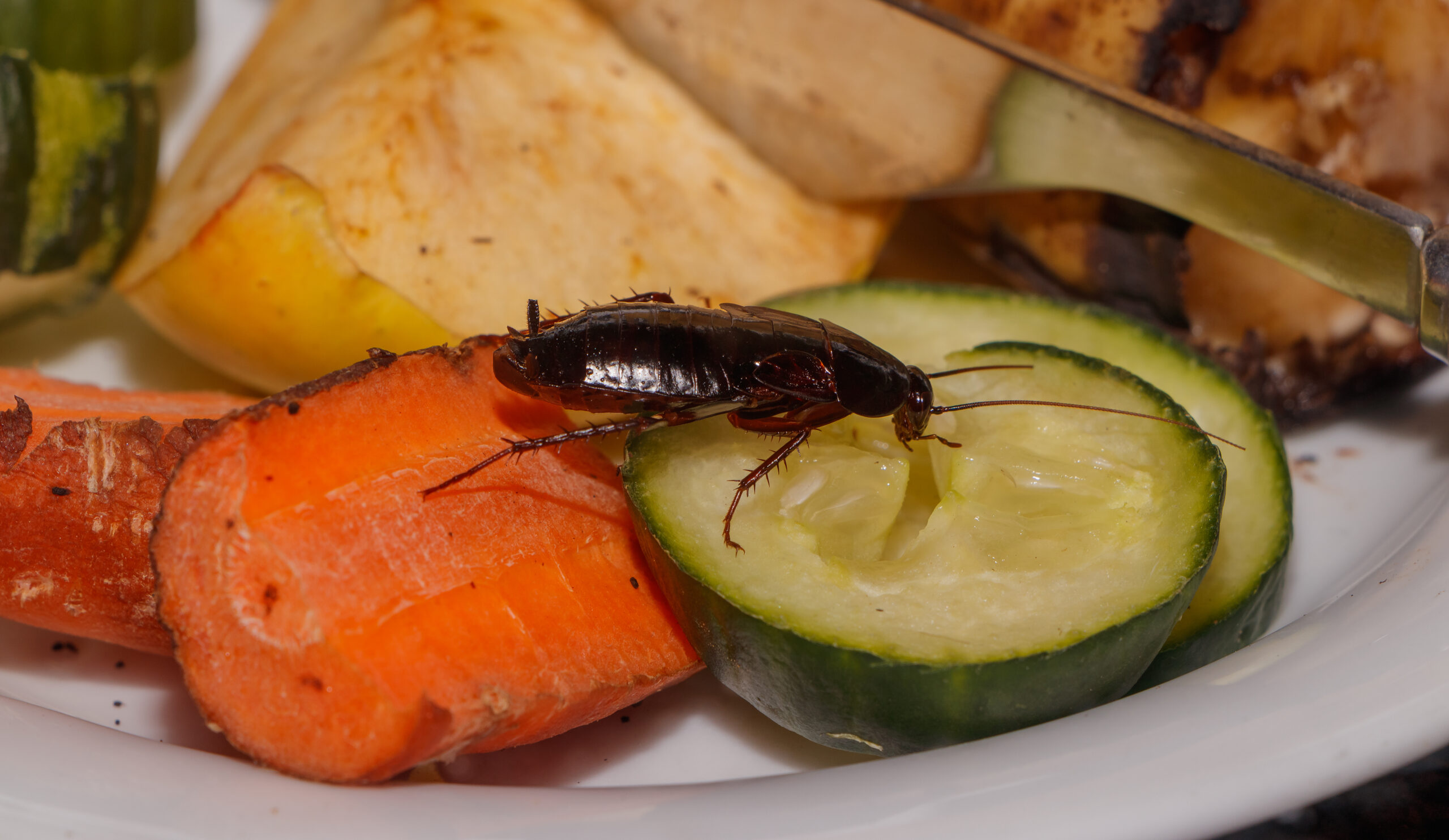 Photo Credit: Llez / Wikimedia Commons
Meet the cockroach, scientifically known as Blattodea, a creature that has thrived on Earth for over 300 million years. Picture a dimly lit kitchen corner, where this resilient insect scuttles across the floor, its sleek, shiny body glinting in the faint light. With long, delicate antennae that sense the world around it, the cockroach is a master of survival, able to navigate through the darkest nooks and crannies in search of food. Its flattened, oval shape allows it to slip into tight spaces, making it a true escape artist in the bustling human environment.
Cockroaches are often misunderstood, seen as pests rather than the fascinating survivors they truly are. Scientists and nature enthusiasts alike are captivated by their incredible adaptability and resilience. These omnivorous insects can thrive in a variety of habitats, from urban kitchens to damp basements, showcasing their ability to make the most of whatever environment they find themselves in. As we delve deeper into the world of cockroaches, we will explore their unique behaviors, their role in the ecosystem, and the surprising ways they interact with humans. Get ready to discover the hidden wonders of these ancient insects that have witnessed the rise and fall of civilizations!
Cockroaches are often misunderstood, but they hold a fascinating position in the tree of life. Belonging to the kingdom Animalia, these resilient insects are part of the phylum Arthropoda, which includes all animals with exoskeletons, segmented bodies, and jointed legs. What sets cockroaches apart is their incredible adaptability; they can thrive in diverse environments, from tropical rainforests to urban settings. With over 4,500 species worldwide, these insects have survived for millions of years, showcasing their evolutionary success and unique biological traits.
| Taxonomic Rank | Scientific Name | Meaning & Significance |
|---|---|---|
| Kingdom | Animalia | The name “Animalia” comes from the Latin word “animalis,” meaning “having breath” or “living.” This classification highlights that cockroaches are living organisms that breathe and move. |
| Phylum | Arthropoda | “Arthropoda” means “jointed feet” in Greek, referring to the jointed legs and appendages that allow cockroaches to scuttle quickly and navigate their environments with ease. |
| Class | Insecta | The term “Insecta” is derived from the Latin word “insectum,” meaning “cut into sections.” This reflects the segmented body structure of cockroaches, which is a key characteristic of insects. |
| Order | Blattaria | “Blattaria” comes from the Latin word “blatta,” meaning “cockroach.” This name emphasizes the specific group of insects that includes these hardy survivors. |
| Family | Blattidae | The family name “Blattidae” is also derived from “blatta,” indicating that this family encompasses the true cockroaches, known for their flat bodies and long antennae. |
Understanding the taxonomic classification of cockroaches reveals much about their evolutionary journey. As members of the ancient phylum Arthropoda, they share a lineage with other invertebrates, showcasing traits that have allowed them to endure through drastic changes in the environment. Their classification not only highlights their biological features but also underscores their role in ecosystems as scavengers, helping to break down organic matter. This remarkable adaptability and resilience make cockroaches a testament to the power of evolution in shaping life on Earth.
The evolutionary journey of the cockroach stretches back over 300 million years, making it one of the oldest living insects on Earth. These tenacious survivors first appeared during the Carboniferous period, a time when lush forests dominated the landscape. As the planet changed, so did the cockroach, adapting to various environments and challenges, which has allowed them to thrive in diverse habitats around the globe.
Cockroaches are believed to have evolved from ancient ancestors that resembled modern-day roaches but were much larger. These early insects were part of a group called the Dictyoptera, which also includes termites and mantids. Over millions of years, cockroaches underwent significant changes, such as developing a flattened body shape that helps them squeeze into tight spaces. They also evolved strong, flexible wings, allowing some species to glide and escape predators. Their ability to reproduce quickly and in large numbers has been a key factor in their survival, enabling them to colonize new areas rapidly.
These remarkable adaptations have played a crucial role in the cockroach’s survival through the ages. Their ability to thrive in diverse environments, reproduce rapidly, and withstand harsh conditions has made them one of the most successful groups of insects on the planet. As they continue to scuttle through our homes and gardens, they remind us of the power of evolution and the resilience of life.
When you first encounter a cockroach, you might be struck by its sleek, shiny body and the way it scuttles with surprising speed. These insects have a flattened, oval shape that allows them to slip into tight spaces, making them masters of concealment. Their long, spindly legs propel them forward, while their long antennae, which can be as long as their bodies, help them navigate their surroundings with incredible precision. The overall impression is one of agility and resilience, perfectly adapted to thrive in a variety of environments.
| Feature | Description |
|---|---|
| Weight | 30 grams |
| Skin Type | Shell |
| Most Distinctive Feature | Long antennae and dark body |
The combination of a lightweight shell and a dark body not only aids in camouflage but also provides protection from predators. The shell, which is hard and durable, acts as a shield against physical threats, while the long antennae serve as sensory tools, helping cockroaches detect changes in their environment. Together, these features make cockroaches incredibly adept at surviving in diverse habitats, from urban landscapes to tropical forests, showcasing their remarkable ability to adapt and thrive.
Cockroaches thrive in environments that many would consider uninviting. Picture a dimly lit corner of a kitchen, where crumbs gather beneath the refrigerator, or the damp crevices of a basement. These insects prefer dark, moist, and often dirty places, where they can find food and shelter. Their ability to squeeze into tight spaces makes them masters of survival in urban settings, where they can easily go unnoticed.
Cockroaches are not picky about climate; they can be found in a variety of environmental conditions. However, they do prefer warm and humid areas, as these conditions help them thrive. Temperatures between 70°F and 90°F (21°C to 32°C) are ideal for their activity. They are often found in places where moisture is abundant, which is why kitchens and bathrooms are prime real estate for these insects.
Over millions of years, cockroaches have developed impressive adaptations to their habitats. Their flat bodies allow them to slip into narrow spaces, while their long antennae help them navigate in the dark. They can also survive without food for weeks, making them incredibly resilient. This adaptability not only helps them find shelter but also allows them to evade predators and thrive in environments that many other species would find inhospitable.
As the sun sets and darkness blankets the world, cockroaches begin their bustling nightly activities. These nocturnal insects are most active after dusk, when they venture out in search of food and shelter. With their keen senses, they navigate through their surroundings, using their long antennae to detect smells and vibrations. Their diet is quite varied, ranging from decaying organic matter to crumbs left behind by humans. This adaptability allows them to thrive in many environments, making them true survivors of the night.
Cockroaches are social creatures, often found in groups, especially when food is plentiful. They communicate with each other through chemical signals called pheromones, which help them share information about food sources and potential dangers. This social behavior is not just about finding food; it also plays a role in their safety. When one cockroach senses danger, it can alert others, prompting them to scatter and hide. This group dynamic enhances their chances of survival, as they can rely on one another for protection and support.
| Behavior Type | Description |
|---|---|
| Activity Patterns | Nocturnal foraging for food, primarily at night when they feel safest. |
| Social Structure | Often found in groups, especially in areas with abundant food sources. |
| Communication Methods | Use pheromones to convey information about food and threats to other cockroaches. |
In the grand scheme of survival, these behaviors are crucial. By being active at night, cockroaches avoid many predators that hunt during the day. Their ability to communicate and work together enhances their chances of finding food and escaping danger. This combination of nocturnal habits and social interaction not only helps them thrive in various environments but also ensures that they continue to be one of the most resilient species on the planet.
Cockroaches are omnivores, which means they eat a wide variety of foods. Their diet is incredibly flexible, allowing them to thrive in many environments. These resourceful insects are known for their ability to consume almost anything organic, from decaying plant matter to leftover food scraps. They have a particular fondness for sugary and fatty foods, which they seek out with impressive determination.
| Dietary Aspect | Details |
|---|---|
| Diet Type | Omnivore |
| Favorite Foods | Sugary and fatty foods, as well as decaying organic matter |
| Prey Items | Anything organic, including food scraps and plant material |
| Hunting/Foraging Strategies | Active foragers at night, using their keen sense of smell to locate food |
This diverse diet plays a crucial role in the cockroach’s ecology and daily routine. By consuming a wide range of organic materials, they help break down waste and recycle nutrients back into the ecosystem. Their nocturnal foraging habits allow them to avoid many predators while efficiently seeking out food. This adaptability not only ensures their survival but also makes them important players in maintaining the balance of their habitats.
Cockroaches have a fascinating mating ritual that often takes place during warm months when conditions are just right for breeding. Males will perform a series of courtship behaviors, including releasing pheromones—chemical signals that attract females. Once a female is ready to mate, she will accept the male’s advances, and together they will engage in a brief but intense mating session. After mating, the female will begin the process of laying her eggs, which is a crucial step in the life cycle of these resilient insects.
| Reproductive Aspect | Details |
|---|---|
| Gestation Period | 28 days |
| Average Litter Size | 40 |
| Age of Sexual Maturity | 4-6 months |
| Name of Young | Eggs |
Once the eggs are laid, they are encased in a protective structure called an ootheca, which resembles a small, brown capsule. This casing helps shield the developing embryos from predators and environmental hazards. After about 28 days, the young cockroaches, known as nymphs, emerge from the eggs. These nymphs are miniature versions of adult cockroaches but lack wings and are often lighter in color. As they grow, they will molt several times, shedding their exoskeletons to accommodate their increasing size. This process continues until they reach maturity, usually within four to six months, at which point they are ready to start the cycle all over again.
Cockroaches play a crucial role in the food web, serving as both prey and scavengers. They are a food source for many animals, helping to maintain the balance of ecosystems. Their ability to consume decaying organic matter also aids in nutrient recycling, making them important contributors to their habitats. However, this position also places them in the crosshairs of various predators and threats.
To survive these dangers, cockroaches have developed impressive defensive behaviors. They can quickly scurry away from threats, thanks to their fast reflexes and agile bodies. When cornered, some species can even play dead, a tactic that might confuse predators. Additionally, their hard exoskeleton provides a layer of protection against physical attacks. With these survival strategies, cockroaches have thrived for millions of years, proving their resilience in the face of danger.
A keystone species is an organism that has a disproportionately large impact on its environment relative to its abundance. This means that if it were removed, the ecosystem would change dramatically. Cockroaches, often seen as pests, actually qualify as keystone species in many ecosystems. Their role is vital, influencing both the environment and the organisms that share their habitat.
Cockroaches contribute significantly to nutrient cycling. As omnivores, they consume a wide variety of organic matter, including decaying plant material and even waste. By breaking down this material, they help decompose it, returning essential nutrients to the soil. This process enriches the ground, promoting plant growth and supporting other organisms that rely on healthy soil. Additionally, cockroaches serve as a food source for many predators, including birds, reptiles, and small mammals. Their presence helps sustain these populations, creating a balanced food web.
Moreover, cockroaches play a role in controlling pest populations. By feeding on decaying organic matter, they help limit the spread of harmful bacteria and fungi. This scavenging behavior can reduce the likelihood of disease outbreaks in their environment. Their ability to thrive in various habitats also means they can adapt to changing conditions, making them resilient contributors to ecosystem stability.
If cockroaches were to disappear, the effects would ripple through the ecosystem. Nutrient cycling would slow down, leading to poorer soil quality and reduced plant growth. This decline could affect herbivores that rely on those plants, ultimately impacting the entire food web. Predators that depend on cockroaches for food would struggle to find alternative sources, leading to population declines. In essence, the absence of cockroaches would disrupt the delicate balance of many ecosystems, highlighting their importance in the natural world.
Cockroaches may not be the most glamorous insects, but they play a vital role in shaping their ecosystems. These adaptable creatures thrive in dark, moist environments, often found in places that many other animals avoid. By feeding on a wide variety of organic materials, including decaying plant matter and food scraps, cockroaches help recycle nutrients back into the soil. This process is essential for maintaining healthy ecosystems, as it supports plant growth and contributes to the overall balance of life.
| Ecosystem Service | Impact |
|---|---|
| Nutrient Recycling | Break down organic matter, enriching the soil. |
| Food Source | Provide sustenance for various predators. |
| Soil Aeration | Help improve soil structure through their burrowing. |
| Decomposition | Assist in breaking down waste materials. |
Cockroaches are not just scavengers; they are also key players in the food web. Many animals, such as birds, reptiles, and small mammals, rely on cockroaches as a food source. This relationship helps maintain the balance of predator and prey in their habitats. Additionally, as cockroaches burrow through the soil, they create channels that allow air and water to penetrate deeper, promoting healthier plant growth. Their ability to consume and break down waste materials also aids in decomposition, ensuring that nutrients are returned to the ecosystem efficiently.
The broader ecological importance of cockroaches cannot be overstated. As keystone species, their presence supports a diverse range of life forms. If cockroaches were to disappear, the effects would ripple through the ecosystem, leading to imbalances that could harm many other species. By fulfilling their roles as recyclers and food sources, cockroaches contribute to the resilience and sustainability of their environments, reminding us that even the smallest creatures can have a big impact on the world around us.
Symbiosis is a term that describes the close relationships between different species, where they interact in various ways. These interactions can be beneficial, harmful, or neutral for the species involved. In the world of cockroaches, these relationships can be quite intriguing. While many people think of cockroaches as pests, they actually engage in a variety of ecological partnerships that help them survive and thrive in their environments. Understanding these relationships reveals the complexity of life and the interconnectedness of all living things.
| Species/Type | Relationship Type | Description |
|---|---|---|
| Fungi | Mutualistic | Cockroaches often harbor fungi in their guts, which help break down tough plant materials. In return, the cockroaches benefit from easier digestion and access to nutrients. |
| Parasites (like nematodes) | Parasitic | Some nematodes, or roundworms, live inside cockroaches, feeding on their tissues. This relationship can weaken the cockroach, making it more vulnerable to predators. |
| Ants | Commensal | Cockroaches can sometimes be found in ant nests, where they benefit from the protection provided by the ants. The ants are generally unaffected by the presence of cockroaches. |
These relationships have evolved over millions of years, shaped by the needs and survival strategies of each species. Mutualistic partnerships, like those with fungi, enhance the cockroach’s ability to digest food, while parasitic relationships can pose risks to their health. Commensal interactions, such as those with ants, provide shelter without harming either party. Each of these connections highlights the delicate balance of ecosystems, where every species plays a role in the grand tapestry of life. By studying these interactions, we gain a deeper appreciation for the resilience and adaptability of cockroaches and their companions in the natural world.
Cockroaches are often seen as pests, but these ancient insects are full of surprises that reveal their incredible adaptability and resilience. Here are some intriguing facts that might just change your perspective on these misunderstood creatures.
Throughout history, cockroaches have been both reviled and revered by humans. These ancient insects have been around for over 300 million years, witnessing the rise and fall of civilizations. In many cultures, they symbolize resilience and survival, often appearing in folklore and art. However, their presence in homes has led to a reputation as pests, causing fear and disgust. This duality in perception highlights the complex relationship between cockroaches and humanity, where they are both a source of fascination and a cause for concern.
In modern times, our interactions with cockroaches have evolved. While many people view them as unwelcome intruders, scientists recognize their ecological importance. Cockroaches are scavengers, helping to break down organic matter and recycle nutrients back into the soil. Some researchers are even exploring their potential in waste management and environmental conservation. However, conflicts arise when these insects invade our living spaces, leading to efforts in pest control and extermination. Interestingly, some cultures have embraced cockroaches as pets, showcasing a shift in perspective that highlights their adaptability and resilience.
As we look to the future, the relationship between cockroaches and humanity may continue to shift. With growing awareness of their ecological roles, we might find new ways to coexist with these resilient insects. Instead of viewing them solely as pests, we can appreciate their contributions to the environment and explore innovative uses for their unique abilities. By fostering a deeper understanding of cockroaches, we can transform our interactions with them, paving the way for a more harmonious relationship in the years to come.
Cockroaches are currently classified as “Least Concern” on the IUCN Red List, which means they are not at immediate risk of extinction. With an estimated population size in the billions, these resilient insects are thriving in various environments around the globe. Their adaptability and ability to reproduce quickly contribute to their stable population trends, allowing them to flourish even in challenging conditions.
| Conservation Factor | Status/Details |
|---|---|
| IUCN Status | Least Concern |
| Estimated Population Size | Billions |
| Population Trend | Stable |
Despite their impressive numbers, cockroaches face several threats that can impact their habitats. Urbanization, for instance, can lead to the destruction of their natural environments, while the use of pesticides poses a significant risk to their populations. Additionally, climate change may alter the ecosystems they inhabit, affecting their food sources and breeding grounds. However, their remarkable resilience often allows them to adapt to these challenges.
Conservation efforts for cockroaches are not as prominent as those for more endangered species, but their ecological role is increasingly recognized. By maintaining healthy environments and reducing pesticide use, we can help ensure that these ancient insects continue to thrive. The outlook for cockroaches remains positive, as their adaptability and resourcefulness make them well-suited to survive in a rapidly changing world.
| Question | Answer |
|---|---|
| Where do cockroaches live? | Cockroaches prefer dark, moist, and dirty places. You can often find them in kitchens, basements, and even sewers, where they can easily hide and find food. |
| What do cockroaches eat? | Cockroaches are omnivores, which means they eat both plants and animals. Their diet can include anything from crumbs of food to decaying organic matter, making them quite adaptable. |
| How do cockroaches behave? | Cockroaches are mostly nocturnal, meaning they are active at night. They are social insects and often live in groups, which helps them find food and stay safe from predators. |
| How do cockroaches reproduce? | Cockroaches reproduce by laying eggs in protective cases called oothecae. A female can produce several oothecae in her lifetime, each containing multiple eggs, leading to rapid population growth. |
| What are the threats to cockroaches? | While cockroaches are classified as "Least Concern" in terms of conservation status, they face threats from pesticides and habitat destruction. However, their ability to adapt helps them survive in many environments. |
| What is an interesting fact about cockroaches? | Cockroaches have long antennae that help them sense their surroundings. These antennae are so sensitive that they can detect changes in the air, helping them avoid danger. |
| Can cockroaches survive without their heads? | Yes, cockroaches can survive for weeks without their heads! They breathe through tiny holes in their bodies, so losing their head doesn't stop them from living for a while. |