Taxonomy & Classification
- Kingdom
- Animalia
- Phylum
- Arthropoda
- Class
- Insecta
- Order
- Coleoptera
- Family
- Coccinellidae
- Genus
- Harmonia
- Species
- Harmonia axyridis

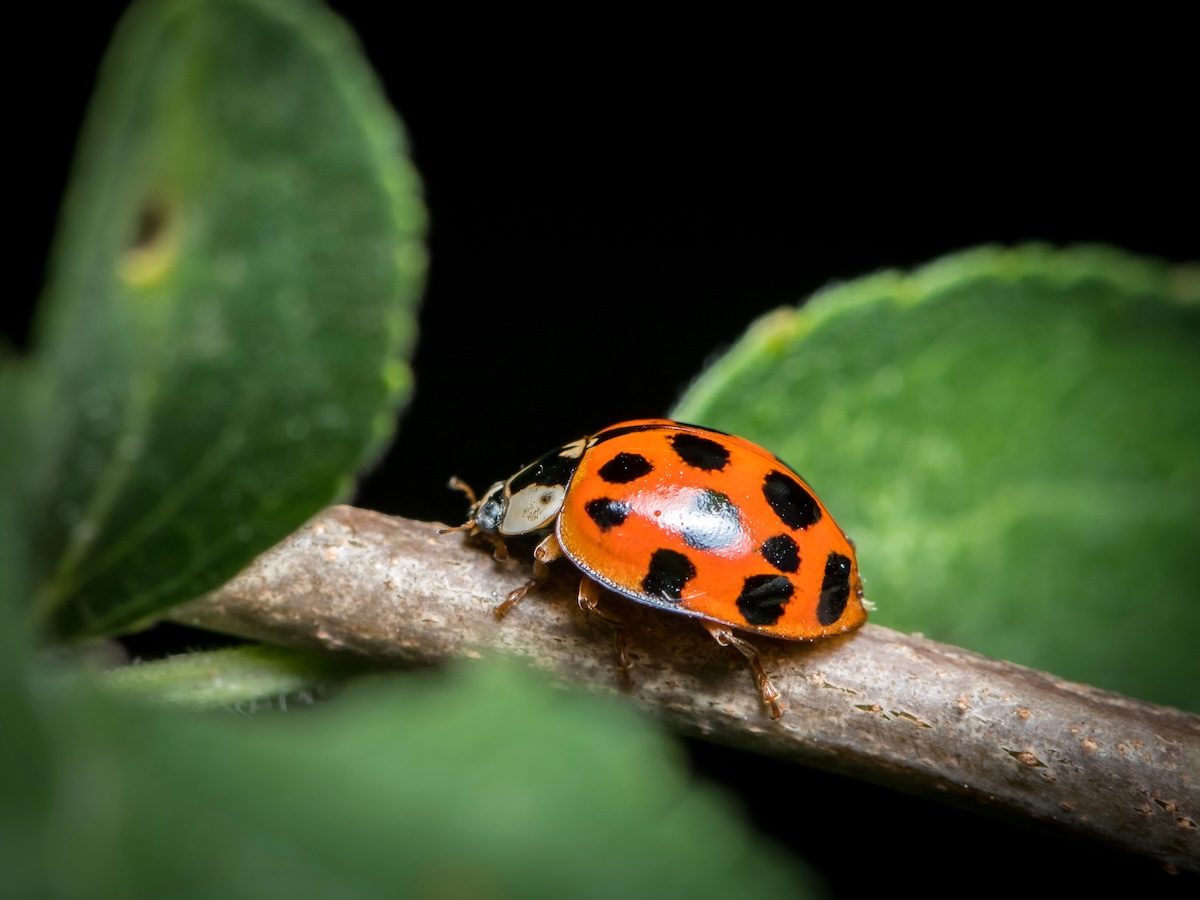 Photo Credit: coboflupi at Deposit Photos
In the vibrant tapestry of nature, the Asian Lady Beetle, scientifically known as Harmonia axyridis, stands out with its striking colors and charming demeanor. Picture a sunny afternoon in a lush orchard, where these small, oval-shaped insects flit about, their bright orange and black-spotted bodies glistening in the sunlight. As they crawl along the rough bark of trees or rest on the delicate petals of flowers, they play a crucial role in the ecosystem, captivating the attention of scientists and nature lovers alike.
What makes the Asian Lady Beetle particularly intriguing is not just its beauty but also its impressive appetite for pests like aphids, tiny insects that can damage plants. This beetle is a natural pest controller, helping to maintain the balance in gardens and fields. With a life cycle that includes fascinating courtship dances and a knack for finding cozy winter hideouts, the Asian Lady Beetle is a remarkable example of nature’s ingenuity. As we explore the world of Harmonia axyridis, we will uncover its evolutionary history, behavior, and the vital role it plays in our environment, revealing why this little beetle is so much more than just a pretty face.
The Asian Lady Beetle, scientifically known as Harmonia axyridis, occupies a fascinating niche in the tree of life. This small but vibrant insect belongs to the kingdom Animalia, which includes all animals, and is part of the phylum Arthropoda, home to creatures with exoskeletons, segmented bodies, and jointed legs. What sets the Asian Lady Beetle apart is its striking color variations and its role as a natural pest controller. With its ability to consume aphids and other garden pests, it plays a vital role in maintaining ecological balance, making it a friend to gardeners and farmers alike.
| Taxonomic Rank | Scientific Name | Meaning & Significance |
|---|---|---|
| Kingdom | Animalia | The name “Animalia” comes from the Latin word “animalis,” meaning “having breath” or “living.” This reflects the vital, breathing nature of all animals. |
| Phylum | Arthropoda | “Arthropoda” means “jointed feet” in Greek, highlighting the characteristic jointed limbs of this diverse group, which includes insects, spiders, and crustaceans. |
| Class | Insecta | The term “Insecta” is derived from the Latin word “insectum,” meaning “cut into sections.” This refers to the segmented body structure of insects, which is a key feature of their anatomy. |
| Order | Coleoptera | “Coleoptera” translates to “sheath wing” in Greek, describing the hard, protective wing covers that beetles possess, which help them survive in various environments. |
| Family | Coccinellidae | The name “Coccinellidae” comes from the Latin “coccineus,” meaning “scarlet,” referring to the bright red color of many lady beetles, including the Asian Lady Beetle. |
| Genus | Harmonia | “Harmonia” is derived from the Greek word for harmony, reflecting the beetle’s beneficial role in ecosystems by controlling pest populations. |
Understanding the Asian Lady Beetle’s classification reveals much about its evolutionary journey. As a member of the Coccinellidae family, it shares a lineage with other lady beetles, which have adapted over millions of years to thrive in various habitats. Its unique adaptations, such as its varied coloration and predatory habits, showcase the incredible diversity of life forms that have evolved to fill specific ecological roles. This classification not only highlights its biological connections but also emphasizes the importance of preserving the delicate balance of ecosystems where these beetles play a crucial part.
The evolutionary journey of the Asian Lady Beetle, or Harmonia axyridis, stretches back millions of years, intertwining with the history of its family, Coccinellidae. This family, commonly known as ladybugs, has a rich lineage that dates back to the late Cretaceous period, around 100 million years ago. As the world changed, so did these beetles, adapting to new environments and challenges, leading to the diverse forms we see today.
The ancestors of the Asian Lady Beetle were likely small, soft-bodied insects that thrived in lush, prehistoric landscapes. Over time, they developed hard exoskeletons, a protective outer shell that shields them from predators and harsh weather. This transition was crucial, as it allowed them to occupy a variety of habitats, from gardens to forests. As they evolved, they also became more colorful, with bright reds and yellows that serve as warning signals to potential predators. This adaptation, known as aposematism, helps them survive by letting other animals know they are not a tasty snack.
These adaptations have played a vital role in the survival of the Asian Lady Beetle. Their hard exoskeleton and bright colors deter predators, while their ability to eat a variety of foods ensures they can find nourishment in different environments. The clever strategy of overwintering allows them to endure cold seasons, and their rapid reproduction means they can bounce back quickly when conditions improve. Together, these traits have made the Asian Lady Beetle a resilient and successful inhabitant of our world.
The Asian Lady Beetle is a striking little insect that captures attention with its colorful appearance and distinctive shape. Its body is oval and somewhat flattened, giving it a sleek profile that allows it to navigate through various environments with ease. Typically, these beetles are about 0.3 to 0.4 inches long, making them small enough to fit comfortably on a fingertip. Their vibrant colors range from bright orange to deep red, often adorned with black spots that create a beautiful contrast. This combination of colors not only makes them visually appealing but also serves important functions in their survival.
| Feature | Description |
|---|---|
| Size | Approximately 0.3 to 0.4 inches long |
| Color | Bright orange to deep red, often with black spots |
| Skin Type | Exoskeleton, providing protection and support |
| Body Shape | Oval and somewhat flattened, aiding in movement |
The Asian Lady Beetle’s vibrant colors and unique body structure are not just for show; they play crucial roles in its survival. The bright hues can serve as a warning to potential predators, signaling that they might not be a tasty meal. Meanwhile, the exoskeleton acts as a protective armor, shielding the beetle from physical harm and environmental challenges. Together, these features create a well-adapted insect that thrives in various habitats, from gardens to forests, showcasing the beauty and complexity of nature’s designs.
The Asian Lady Beetle thrives in a variety of habitats, painting a picture of life in lush forests and sprawling orchards. These vibrant insects can often be spotted clinging to tree trunks, nestled among leaves, or even exploring the colorful blooms of flowers. Their homes are rich in biodiversity, providing plenty of food sources and shelter. The interplay of sunlight filtering through the canopy and the cool shade of the underbrush creates a perfect environment for these beetles to flourish.
The Asian Lady Beetle prefers climates that offer a mix of warmth and moisture. They thrive in temperate regions, where the seasons change, allowing them to take advantage of the abundance of food in spring and summer. These beetles are particularly fond of sunny spots, as they need warmth to stay active. However, they also seek shelter during colder months, often finding refuge in homes or under tree bark to escape the chill.
Adaptation is key to the survival of the Asian Lady Beetle in its chosen habitats. With a keen ability to find food, they feast on aphids and other pests, making them beneficial for gardens and crops. Their bright colors serve as a warning to predators, signaling that they are not a tasty snack. Additionally, their ability to enter a state of dormancy during winter allows them to endure harsh conditions, ensuring they emerge ready to thrive when spring arrives.
The Asian Lady Beetle leads a busy life filled with activities that revolve around foraging, mating, and seeking shelter. Each day begins with a quest for food, as these beetles are voracious eaters of aphids and other soft-bodied insects. They can often be seen crawling on leaves, using their keen eyesight to spot their next meal. As the sun rises, they become more active, basking in the warmth to energize themselves for the day ahead. When evening falls, they seek out safe places to rest, often clustering together in groups to stay warm and protected from predators.
Socially, Asian Lady Beetles exhibit interesting group dynamics. They are known to gather in large numbers, especially during the fall when they prepare for winter. This behavior, called infestation, helps them find warmth and safety. Within these groups, they communicate through chemical signals, releasing pheromones that can attract others or signal alarm. This social structure not only aids in finding mates but also enhances their survival by providing safety in numbers. When they cluster together, they can deter potential predators, making it harder for birds and other animals to pick them off.
| Behavior Type | Description |
|---|---|
| Foraging | Asian Lady Beetles actively search for food, primarily aphids, using their excellent vision to locate prey. |
| Infestation | During colder months, they gather in large groups to stay warm and protect each other from predators. |
| Communication | They use pheromones to communicate, signaling alarm or attracting mates through chemical scents. |
These behaviors are crucial for the survival of Asian Lady Beetles. By foraging effectively, they ensure they have enough energy to thrive. Their tendency to cluster together not only provides warmth but also creates a protective barrier against threats. Through their unique communication methods, they maintain social bonds that are essential for reproduction and group cohesion. Together, these activities help them navigate the challenges of their environment, ensuring their continued success in the wild.
The Asian Lady Beetle has a diet primarily composed of soft-bodied insects, making it an insectivore. These beetles are particularly fond of aphids, which are tiny sap-sucking pests that can wreak havoc on plants. With their keen eyesight and agile movements, Asian Lady Beetles are skilled hunters. They often search for their prey on the undersides of leaves or among clusters of plants, where aphids tend to gather. This feeding behavior not only sustains the beetles but also helps control pest populations in gardens and agricultural fields.
| Dietary Aspect | Details |
|---|---|
| Diet Type | Insectivore |
| Favorite Foods | Aphids, plant scale, and other soft-bodied insects |
| Prey Items | Aphids, mealybugs, and spider mites |
| Hunting/Foraging Strategies | Searching on leaves, using keen eyesight to spot prey |
The diet of the Asian Lady Beetle plays a crucial role in its ecology and daily routine. By feeding on aphids and similar pests, these beetles help maintain a balance in their ecosystems, preventing overpopulation of harmful insects. This not only benefits the plants they inhabit but also supports other wildlife that relies on healthy vegetation. As they forage, Asian Lady Beetles contribute to the intricate web of life, showcasing how even the smallest creatures can have a significant impact on their environment.
As the warm days of spring arrive, Asian Lady Beetles begin their courtship rituals. Males and females engage in a dance of sorts, where they touch each other with their antennae and perform a series of movements to attract a mate. This mating behavior is crucial, as it sets the stage for the next generation. The breeding season typically peaks in late spring to early summer, when conditions are just right for the survival of their young.
| Reproductive Aspect | Details |
|---|---|
| Gestation Period | Approximately 1 week |
| Litter Size | 20 to 30 eggs |
| Age of Maturity | 3 to 4 weeks |
| Name of Young | Larva |
Once the eggs hatch, the young Asian Lady Beetles emerge as larvae. These larvae are quite different from their adult counterparts, looking more like tiny alligators than the colorful beetles they will become. The larvae are voracious eaters, consuming aphids and other soft-bodied insects to fuel their growth. After a few weeks of feeding and growing, they enter a pupal stage, where they undergo a transformation. This process, called metamorphosis, allows them to develop into adults. While the Asian Lady Beetles do not provide direct parental care, the environment they choose for laying eggs is crucial for the survival of their young, ensuring they have plenty of food and shelter as they grow into their vibrant adult forms.
The Asian Lady Beetle plays an important role in the food web, acting as both predator and prey. As a beneficial insect, it helps control pest populations, particularly aphids, which are tiny insects that can damage plants. However, this vibrant beetle also faces various dangers in its environment, making it a target for several predators and threats.
To defend themselves against these threats, Asian Lady Beetles have developed several clever survival strategies. One of their most fascinating tactics is their ability to secrete a yellowish fluid when threatened, which can deter predators with its unpleasant taste. Additionally, their bright colors serve as a warning signal, indicating to potential attackers that they might not be a tasty meal. By combining these defensive behaviors with their keen ability to find shelter, Asian Lady Beetles can navigate the challenges of their environment and continue to thrive.
A keystone species is an organism that has a disproportionately large impact on its environment relative to its abundance. This means that if it were removed, the ecosystem would change dramatically. The Asian Lady Beetle, or Harmonia axyridis, qualifies as a keystone species due to its significant role in controlling pest populations and influencing the health of its habitat.
Asian Lady Beetles are voracious predators, primarily feeding on soft-bodied insects like aphids. These tiny pests can multiply quickly and cause serious damage to plants, particularly in orchards and gardens. By keeping aphid populations in check, Asian Lady Beetles help maintain the balance of their ecosystems. This not only benefits the plants but also supports other species that rely on healthy vegetation for food and shelter.
In addition to controlling pests, Asian Lady Beetles contribute to the food web. They serve as a food source for various birds and other predators. Their presence can enhance biodiversity, as a healthy population of lady beetles can support a wider range of species in the ecosystem. Furthermore, their group behavior during infestations can create a unique dynamic, influencing the interactions among different organisms in their habitat.
If Asian Lady Beetles were to disappear, the consequences could be severe. Without these beetles, aphid populations would likely explode, leading to widespread damage to crops and plants. This could result in a decline in plant health, affecting not only the plants themselves but also the animals that depend on them for food and shelter. The ripple effects would extend throughout the ecosystem, demonstrating just how vital the Asian Lady Beetle is to maintaining ecological balance.
The Asian Lady Beetle, known scientifically as Harmonia axyridis, plays a vital role in its ecosystem, particularly in forests and orchards. This small insect is a natural pest controller, helping to maintain the balance of various plant and insect populations. By preying on soft-bodied insects like aphids, the Asian Lady Beetle helps protect crops and plants, making it an essential player in agricultural and natural environments alike. Its presence indicates a healthy ecosystem, as it thrives in areas rich in biodiversity.
| Ecosystem Service | Impact |
|---|---|
| Pest Control | Reduces populations of harmful insects like aphids, benefiting plants and crops. |
| Food Source | Serves as prey for birds and other predators, contributing to the food web. |
| Pollination Support | While not primary pollinators, their presence in gardens can enhance pollination activities. |
| Biodiversity Indicator | Indicates a healthy ecosystem with a variety of species present. |
The influence of the Asian Lady Beetle extends beyond just pest control. For instance, in orchards, these beetles can significantly reduce the number of aphids, which are notorious for damaging fruit trees. By keeping aphid populations in check, the Asian Lady Beetle helps ensure that trees remain healthy and productive. Additionally, their role as a food source for birds and other predators highlights their importance in the food web, where every species relies on one another for survival.
The broader ecological importance of the Asian Lady Beetle cannot be overstated. As a keystone species, its presence helps maintain the balance of its ecosystem. If these beetles were to disappear, the resulting increase in pest populations could lead to significant damage to crops and plants, disrupting the entire food chain. By supporting biodiversity and contributing to pest control, the Asian Lady Beetle exemplifies how even the smallest creatures can have a profound impact on the environment.
In the intricate web of life, symbiosis refers to the close interactions between different species, which can take on various forms. These relationships can be mutualistic, where both species benefit, parasitic, where one benefits at the expense of the other, or commensal, where one benefits while the other is neither helped nor harmed. The Asian Lady Beetle, known scientifically as Harmonia axyridis, engages in several fascinating ecological partnerships that highlight the complexity of nature and the interconnectedness of life.
| Species/Type | Relationship Type | Description |
|---|---|---|
| Aphids | Mutualistic | While the Asian Lady Beetle preys on aphids, it helps control their populations, benefiting farmers and gardeners by reducing crop damage. |
| Ants | Commensal | Some ants protect aphids from predators like lady beetles, creating a relationship where ants benefit from the honeydew produced by aphids, while lady beetles are indirectly affected. |
| Fungi | Parasitic | Certain fungi can infect Asian Lady Beetles, leading to disease and death, showcasing a relationship where the fungus benefits at the beetle’s expense. |
The evolution of these relationships is a testament to the adaptability of species in their quest for survival. Over time, the Asian Lady Beetle has developed strategies that not only enhance its own survival but also influence the dynamics of its ecosystem. By preying on aphids, it plays a crucial role in maintaining balance, while its interactions with ants and fungi illustrate the diverse ways life forms can coexist. These partnerships are essential for the health of ecosystems, demonstrating that every species, no matter how small, contributes to the grand tapestry of life.
The Asian Lady Beetle, known scientifically as Harmonia axyridis, is more than just a colorful little bug; it’s a fascinating part of our ecosystem. These beetles are not only beautiful but also possess some surprising traits that make them stand out in the insect world.
The Asian Lady Beetle, or Harmonia axyridis, has a long history of interaction with humans that dates back centuries. Originally from Asia, these beetles were introduced to North America in the 1970s as a natural pest control agent. Farmers and gardeners welcomed them for their appetite for aphids and other harmful insects. Culturally, they have been seen as symbols of good luck in various traditions, often associated with prosperity and protection. Their vibrant colors and charming appearance have made them a favorite among children and adults alike, sparking curiosity and admiration.
Today, the relationship between Asian Lady Beetles and humans is a mix of cooperation and conflict. While they continue to be valued for their pest control abilities, they can also become a nuisance when they invade homes in large numbers during the fall. This behavior, known as “overwintering,” occurs when they seek shelter from the cold. Some people may find their presence bothersome, leading to efforts to manage their populations. Conservationists emphasize the importance of these beetles in maintaining healthy ecosystems, as they help control pest populations naturally, reducing the need for chemical pesticides.
As we look to the future, the relationship between Asian Lady Beetles and humanity will likely continue to evolve. With increasing awareness of the importance of biodiversity and natural pest control, more people may come to appreciate these beetles for their ecological contributions. However, managing their populations in urban areas will remain a challenge. By fostering a deeper understanding of their role in our environment, we can find ways to coexist with these fascinating insects, ensuring that they remain a beneficial part of our world for generations to come.
The Asian Lady Beetle, or Harmonia axyridis, currently holds a conservation status of “Not Evaluated” according to the International Union for Conservation of Nature (IUCN). This means that there hasn’t been enough comprehensive research to determine its population trends or overall health. However, these beetles are widespread and have adapted well to various environments, particularly in North America, where they were introduced in the 1970s. Their ability to thrive in diverse habitats suggests that they are not facing immediate threats to their survival.
| Conservation Factor | Status/Details |
|---|---|
| IUCN Status | Not Evaluated |
| Population Estimates | Not specifically quantified |
| Trend Direction | Stable in many areas |
Despite their adaptability, Asian Lady Beetles face several challenges. One of the main threats is habitat loss due to urban development and agricultural practices. As natural spaces are converted into cities or farmland, these beetles lose their homes and food sources. Additionally, they can be affected by pesticide use, which targets not only harmful pests but also beneficial insects like themselves. Climate change also poses a risk, as shifting weather patterns can disrupt their life cycles and habitats.
Conservation efforts for the Asian Lady Beetle are not currently a major focus, given its status as “Not Evaluated.” However, promoting awareness about the importance of maintaining healthy ecosystems can indirectly benefit these beetles. Encouraging practices like organic farming and reducing pesticide use can help create a more hospitable environment for them. As research continues, understanding their role in ecosystems will be crucial for ensuring their long-term survival and the health of the environments they inhabit.
| Question | Answer |
|---|---|
| What is the habitat of the Asian Lady Beetle? | Asian Lady Beetles primarily thrive in forests and orchards. They enjoy areas where they can find plenty of food, like aphids and other small insects, which are their favorite snacks. |
| What do Asian Lady Beetles eat? | These beetles are insectivores, meaning they primarily eat other insects. Their diet mainly consists of aphids, which are tiny pests that can harm plants, making lady beetles helpful in gardens and farms. |
| How do Asian Lady Beetles behave? | Asian Lady Beetles are known for their friendly and beneficial behavior, as they help control pest populations. They can often be seen gathering in large groups, especially during the fall when they seek shelter for the winter. |
| How do Asian Lady Beetles reproduce? | During the spring, female Asian Lady Beetles lay clusters of eggs on the undersides of leaves. Each female can lay hundreds of eggs, which hatch into larvae that will eventually grow into adult beetles. |
| What threats do Asian Lady Beetles face? | While Asian Lady Beetles are not currently evaluated for conservation status, they can face threats from habitat loss and pesticides. These chemicals can harm their populations by reducing their food sources and directly affecting their health. |
| What are some interesting characteristics of Asian Lady Beetles? | One fascinating feature of Asian Lady Beetles is their ability to change color based on their environment. They can also produce a yellow fluid when threatened, which can deter predators. This fluid has a strong smell and can stain surfaces. |
| Are Asian Lady Beetles harmful to humans? | Asian Lady Beetles are generally harmless to humans. However, they can sometimes bite if they feel threatened, but their bites are not dangerous and usually do not cause serious harm. |