Taxonomy & Classification
- Kingdom
- Animalia
- Phylum
- Chordata
- Class
- Amphibia
- Order
- Anura
- Family
- Hylidae
- Genus
- Hyla

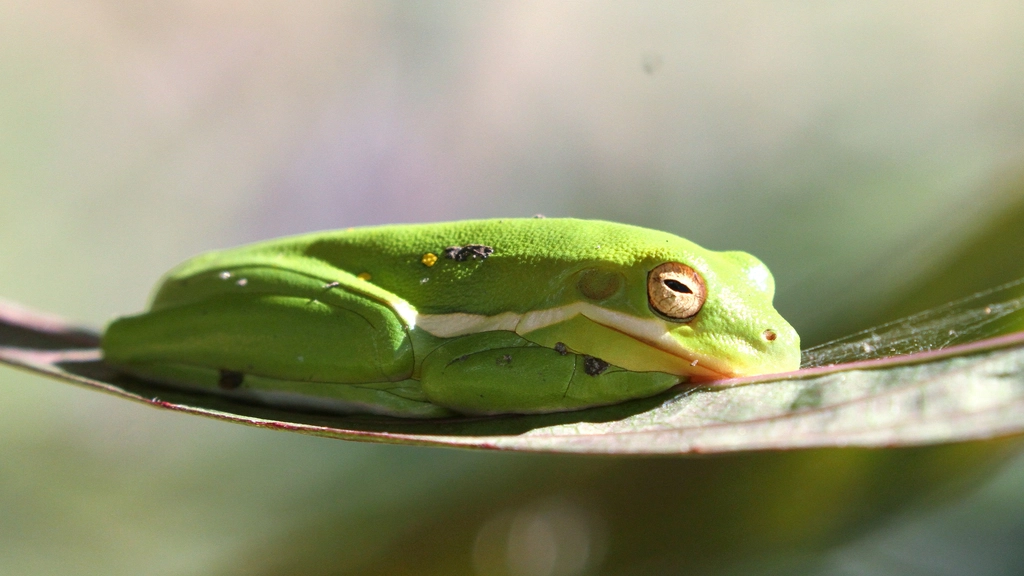 Photo Credit: Rawpixel
In the heart of the southeastern United States, the Green Tree Frog, or Hyla cinerea, leaps gracefully among the vibrant leaves and shimmering waters of its lush habitat. Imagine a warm, humid evening where the air is filled with the sweet scent of blooming flowers and the gentle croaks of these frogs create a symphony of sound. With their striking bright green skin, which can sometimes appear almost golden in the sunlight, these little amphibians are not just a feast for the eyes; they are a vital part of their ecosystem. Their slender bodies, reaching up to three inches in length, are perfectly designed for climbing and blending into the foliage, making them both agile hunters and elusive prey.
Scientists and nature enthusiasts alike are captivated by the Green Tree Frog for many reasons. One of the most intriguing aspects of this species is its remarkable ability to adapt to its environment. These frogs thrive in wetlands and marshes, where they play a crucial role in controlling insect populations. As they hunt for small insects, they help maintain the balance of their ecosystem. Additionally, their enchanting mating calls, which echo through the night, not only attract potential mates but also serve as a fascinating study for researchers exploring communication in the animal kingdom. Join us as we dive deeper into the world of the Green Tree Frog, exploring its behaviors, life cycle, and the important role it plays in the natural world.
The Green Tree Frog, scientifically known as Hyla cinerea, occupies a special place in the animal kingdom. This vibrant amphibian is a member of the Hylidae family, which is known for its tree-dwelling species. What sets the Green Tree Frog apart is its striking green color, which helps it blend seamlessly into the lush foliage of its southern U.S. and Central American habitats. With its ability to thrive in both wet and dry environments, this frog showcases the incredible adaptability of amphibians, making it a captivating subject for both scientists and nature enthusiasts alike.
| Taxonomic Rank | Scientific Name | Meaning & Significance |
|---|---|---|
| Kingdom | Animalia | This classification includes all animals, highlighting the Green Tree Frog’s status as a living organism that moves, eats, and reproduces. |
| Phylum | Chordata | Chordates are animals with a backbone. The Green Tree Frog has a spinal column, which is essential for its movement and support. |
| Class | Amphibia | Amphibians are unique for their dual life, spending time both in water and on land. The Green Tree Frog’s life cycle includes a tadpole stage in water before it transforms into a frog. |
| Order | Anura | This order includes all frogs and toads, characterized by their lack of a tail in adulthood. The Green Tree Frog’s agile body and long limbs help it leap gracefully through trees. |
| Family | Hylidae | Known as tree frogs, this family is adapted for climbing. The Green Tree Frog’s sticky toe pads allow it to cling to branches and leaves. |
| Genus | Hyla | The name Hyla comes from the Greek word for “wood” or “forest,” reflecting the Green Tree Frog’s natural habitat among trees. |
| Species | cinerea | This Latin term means “ash-colored,” which refers to the frog’s coloration that can vary but often includes shades of green and gray. |
Understanding the Green Tree Frog’s classification reveals much about its evolutionary journey. As an amphibian, it shares a common ancestry with other frogs and toads, showcasing the adaptations that have allowed it to thrive in diverse environments. Its position within the Hylidae family emphasizes its specialized traits for arboreal life, while the genus name Hyla connects it to the lush forests it calls home. This classification not only highlights its biological relationships but also underscores the importance of habitat conservation for the survival of such remarkable species.
The evolutionary journey of the Green Tree Frog, or Hyla cinerea, stretches back millions of years, intertwining with the history of amphibians. These remarkable animals first appeared during the late Devonian period, around 360 million years ago. As the Earth transformed, so did the ancestors of modern frogs, adapting to diverse environments and climates. The lineage that led to the Green Tree Frog took shape in the lush, humid habitats of the southeastern United States, where they evolved to thrive in the trees and wetlands.
The ancestors of the Green Tree Frog were likely more aquatic, resembling the early amphibians that lived both in water and on land. Over time, these ancestors transitioned to a more arboreal lifestyle, developing adaptations that allowed them to climb and navigate the vertical world of trees. This shift was crucial, as it opened up new feeding opportunities and provided protection from predators. The evolution of specialized toe pads, which help them grip onto surfaces, marked a significant change, allowing them to explore their leafy homes with ease.
The adaptations of the Green Tree Frog have been essential for its survival in a world filled with challenges. The sticky toe pads enable them to escape predators and find food high in the trees, while their vocal sacs play a crucial role in reproduction, ensuring the continuation of their species. Their vibrant coloration not only aids in camouflage but also helps them manage their body temperature, allowing them to thrive in the warm, humid climates they call home. Each of these traits has contributed to the Green Tree Frog’s success, making it a resilient inhabitant of its environment.
The Green Tree Frog is a delightful sight, embodying the lushness of its forest home. With a slender body that can reach up to three inches in length, this amphibian is perfectly designed for life among the branches. Its limbs are long and agile, allowing it to leap gracefully from leaf to leaf. The frog’s vibrant green skin glistens in the sunlight, making it a striking presence against the backdrop of its leafy surroundings.
| Feature | Description |
|---|---|
| Weight | A few ounces |
| Skin Type | Permeable, allowing for moisture absorption |
| Most Distinctive Feature | Amphibious lifestyle, primarily living in trees |
These features work together to create a perfect survival strategy. The Green Tree Frog’s lightweight body allows it to navigate the treetops with ease, while its permeable skin helps it stay hydrated in a humid environment. The bright green color not only dazzles the eye but also provides excellent camouflage among the leaves, protecting it from predators. Together, these characteristics make the Green Tree Frog a master of its arboreal domain, thriving in the vibrant ecosystems of wetlands and forests.
The Green Tree Frog thrives in a world of lush greenery and shimmering waters. Picture a vibrant landscape filled with tall trees, dense shrubs, and the gentle sounds of water flowing through wetlands. These frogs are often found perched on leaves or branches, blending seamlessly into their surroundings. Their bright green color mimics the foliage, making them masters of camouflage in their leafy homes.
This amphibian prefers warm, humid environments, which are essential for its survival. The climate in these regions typically features mild temperatures and plenty of rainfall, creating the perfect conditions for the Green Tree Frog to thrive. Wetlands and marshlands provide not only a habitat but also a breeding ground, where the frogs can lay their eggs in the water, ensuring that their young have a safe place to grow.
Adaptation is key for the Green Tree Frog, allowing it to flourish in these specific habitats. Its ability to absorb moisture through its skin helps it stay hydrated in the warm climate. Additionally, the frog’s strong, sticky toe pads enable it to climb and navigate through the trees with ease, while its vibrant coloration serves as both camouflage and a warning to potential predators. This combination of traits ensures that the Green Tree Frog remains a lively and integral part of its ecosystem.
The Green Tree Frog leads a lively and dynamic daily life, filled with activities that reflect its vibrant environment. As the sun rises, these frogs emerge from their nighttime hiding spots, often nestled among leaves or in the crevices of trees. Their day typically begins with basking in the warm sunlight, which helps them regulate their body temperature. As the day progresses, they engage in various activities such as foraging for insects, which are their primary food source. These frogs are most active during the warmer months, taking advantage of the abundant food supply and ideal weather conditions.
Social behavior plays a significant role in the life of the Green Tree Frog. These amphibians are known to be social creatures, often found in groups, especially during the breeding season. Males call out to attract females, creating a chorus of croaks that fills the air. This vocal communication is not just about attracting mates; it also helps establish territory among males. The social structure is fluid, with frogs often moving between groups, which allows for genetic diversity and stronger populations. Their interactions are essential for maintaining a healthy community, as they rely on each other for cues about food and potential threats.
| Behavior Type | Description |
|---|---|
| Foraging | Green Tree Frogs actively hunt for insects, using their long, sticky tongues to catch prey. |
| Vocal Communication | Males croak to attract females and establish territory, creating a symphony of sounds in their habitat. |
| Group Dynamics | These frogs often gather in groups, especially during breeding, promoting social interaction and genetic diversity. |
| Territorial Behavior | Males defend their calling spots from other males, ensuring they have the best chance to attract mates. |
The behaviors of the Green Tree Frog are not just fascinating; they are vital for survival. By foraging in groups, they increase their chances of finding food while also keeping an eye out for predators. Their vocalizations help them communicate effectively, ensuring that they can attract mates and establish territories. This social structure and communication are essential for thriving in their lush habitats, allowing them to adapt and flourish in the wild. Through these daily activities, the Green Tree Frog exemplifies the intricate balance of life in nature, where every call and leap contributes to the survival of the species.
The Green Tree Frog is a carnivore, which means it primarily eats other animals. This little amphibian has a diet that consists mainly of small insects, making it a skilled hunter in its lush, leafy habitat. With its keen eyesight and quick reflexes, the Green Tree Frog captures its prey using its long, sticky tongue. When an unsuspecting fly or mosquito flits by, this agile frog can snap it up in the blink of an eye, showcasing its impressive feeding behavior.
| Dietary Aspect | Details |
|---|---|
| Diet Type | Carnivore |
| Favorite Foods | Flies, mosquitoes, crickets, moths, and other small insects |
| Prey Items | Small insects that are abundant in their environment |
| Hunting/Foraging Strategies | Uses keen eyesight and a long, sticky tongue to catch prey quickly |
The diet of the Green Tree Frog plays a crucial role in its ecology and daily routine. By feeding on a variety of insects, it helps control their populations, contributing to the balance of its ecosystem. This frog’s active hunting behavior also means it must be alert and agile, leading to a lifestyle filled with movement and excitement. As it navigates through its habitat, the Green Tree Frog not only sustains itself but also participates in the intricate web of life that surrounds it.
As spring arrives, the Green Tree Frog begins its enchanting mating ritual. Males call out with a series of melodic croaks, creating a symphony that fills the air. This vocal performance is not just for show; it attracts females who are ready to mate. The breeding season typically peaks during warm, rainy nights when the conditions are just right for these frogs to lay their eggs in water. Once a female chooses a mate, she will lay her eggs in clusters, often in shallow ponds or marshes, ensuring a safe environment for the next generation.
| Reproductive Aspect | Details |
|---|---|
| Gestation Period | Eggs hatch within 5 to 10 days |
| Litter Size | Up to 400 eggs per clutch |
| Age of Maturity | 2 years |
| Name of Young | Tadpole |
After hatching, the young Green Tree Frogs, known as tadpoles, begin their journey in the water. These tadpoles are equipped with gills for breathing underwater and a tail for swimming. As they grow, they undergo a fascinating transformation called metamorphosis. During this process, they develop legs, lose their tails, and eventually transition to breathing air with lungs. While the tadpoles are mostly on their own, they benefit from the safety of their aquatic environment until they are ready to venture onto land as fully formed frogs. This remarkable journey from egg to adult showcases the resilience and adaptability of the Green Tree Frog in its vibrant ecosystem.
The Green Tree Frog plays a vital role in its ecosystem, nestled within the food web as both predator and prey. This lively amphibian feasts on insects, helping to control their populations. However, it also finds itself on the menu for various predators, making its survival a delicate balance in nature’s intricate design.
To defend against these threats, the Green Tree Frog employs several clever strategies. Its bright green color helps it blend into the leaves and branches of its forest home, making it harder for predators to spot. When threatened, it can also freeze in place, becoming nearly invisible. Additionally, this amphibian has a unique ability to secrete toxins through its skin, which can deter some would-be attackers. By using these survival tactics, the Green Tree Frog continues to thrive in its vibrant habitat, showcasing the resilience of nature.
A keystone species is an organism that has a disproportionately large impact on its environment relative to its abundance. In simpler terms, if you remove a keystone species, the entire ecosystem can change dramatically. The Green Tree Frog, or Hyla cinerea, qualifies as a keystone species in its habitat of forested wetlands and marshlands. Its presence is crucial for maintaining the balance of its ecosystem, influencing both the populations of other species and the health of its environment.
The Green Tree Frog plays a vital role in controlling insect populations. As a carnivore, it primarily feeds on small insects, which helps keep these populations in check. For example, by consuming mosquitoes and other pests, these frogs not only protect plants from overgrazing but also reduce the spread of diseases that can affect both wildlife and humans. Additionally, their diet supports the food web, as they serve as prey for larger animals, including birds and snakes. This interconnectedness highlights their importance in maintaining ecological balance.
Moreover, the Green Tree Frog contributes to nutrient cycling in its habitat. When these frogs excrete waste, they return nutrients to the soil and water, promoting plant growth. Healthy vegetation, in turn, provides shelter and food for various other species, creating a thriving ecosystem. Their social behavior also fosters community dynamics, as they often gather in groups during mating season, which can enhance genetic diversity and resilience among populations.
If the Green Tree Frog were to disappear, the consequences could be severe. Insect populations could surge, leading to overgrazing of plants and potential habitat degradation. This imbalance would not only affect the frogs’ predators but also disrupt the entire food web, causing a ripple effect throughout the ecosystem. The loss of this vibrant amphibian would diminish the health of wetlands and marshlands, ultimately threatening the survival of many other species that rely on this delicate environment.
The Green Tree Frog, known scientifically as Hyla cinerea, plays a vital role in its ecosystem, particularly in forested wetlands and marshlands. This amphibian thrives in lush environments, where it contributes to the balance of life around it. By occupying a specific ecological niche, the Green Tree Frog helps maintain the health of its habitat, influencing both the plant and animal communities that share its home.
| Ecosystem Service | Impact |
|---|---|
| Insect Control | Reduces populations of pests by preying on insects. |
| Food Source | Serves as prey for various birds, snakes, and mammals. |
| Habitat Indicator | Indicates the health of wetland ecosystems through its presence. |
| Soil Aeration | Helps aerate soil through its burrowing activities. |
The Green Tree Frog’s influence is evident in many ways. By feeding on insects, it helps control pest populations, which can otherwise explode and disrupt the balance of the ecosystem. For example, a single Green Tree Frog can consume hundreds of insects in a week, making it a natural pest manager. Additionally, as a food source for larger animals, it supports the food web, ensuring that energy flows through the ecosystem. Its presence also signals a healthy environment; when these frogs thrive, it often means that the wetland is in good condition, free from pollution and habitat destruction.
The broader ecological importance of the Green Tree Frog cannot be overstated. As a keystone species, its role is crucial for maintaining the structure of its ecosystem. The loss of this amphibian could lead to an imbalance, affecting not just the insect populations but also the animals that rely on it for food. By understanding and protecting the Green Tree Frog, we help safeguard the intricate web of life that depends on healthy wetlands and marshlands, ensuring that these vibrant ecosystems continue to flourish for generations to come.
In the intricate web of life, symbiosis refers to the close interactions between different species, which can take on various forms. These relationships can be mutualistic, where both species benefit, parasitic, where one benefits at the expense of the other, or commensal, where one benefits while the other is neither helped nor harmed. The Green Tree Frog, with its vibrant green hue and lively behavior, engages in several fascinating partnerships that illustrate the beauty of ecological relationships.
| Species/Type | Relationship Type | Description |
|---|---|---|
| Algae | Mutualistic | The Green Tree Frog often shares its habitat with algae, which can provide camouflage and moisture retention, benefiting both the frog and the algae. |
| Insects | Mutualistic | While the Green Tree Frog preys on insects, it helps control their populations, creating a balanced ecosystem that benefits both the frog and the environment. |
| Birds | Commensal | Some birds may nest in trees where Green Tree Frogs reside. The frogs are unaffected, while the birds gain a safe place to raise their young. |
These relationships have evolved over time, shaped by the needs and behaviors of the species involved. The Green Tree Frog’s partnerships highlight the interconnectedness of life in its wetland habitat. By sharing resources and providing benefits to one another, these species contribute to a thriving ecosystem. Understanding these dynamics not only deepens our appreciation for the natural world but also emphasizes the importance of preserving these delicate relationships for future generations.
The Green Tree Frog is a captivating amphibian that brings a splash of color and life to its lush, leafy habitat. With its vibrant green skin and lively behavior, this little creature has some surprising traits that even seasoned nature enthusiasts might not know.
The Green Tree Frog, known scientifically as Hyla cinerea, has long been a part of human culture and history. Indigenous peoples of the southeastern United States have often viewed this vibrant amphibian as a symbol of good fortune and renewal. Its distinctive calls, echoing through the warm nights, have inspired folklore and stories, connecting people to the rhythms of nature. Historically, these frogs have been featured in art and literature, representing the beauty and mystery of the wetlands they inhabit. Their bright green color and lively presence make them a beloved subject for nature enthusiasts and photographers alike.
In modern times, the relationship between Green Tree Frogs and humans has evolved, reflecting both cooperation and conflict. Conservation efforts are underway to protect their habitats, as urban development and pollution threaten their populations. Many communities are working to restore wetlands, recognizing the importance of these ecosystems not just for the frogs, but for biodiversity as a whole. However, challenges remain, such as the introduction of invasive species that compete for resources. While domestication of Green Tree Frogs is not common, they are sometimes kept as pets, which raises questions about their welfare and the impact on wild populations.
As we look to the future, the relationship between Green Tree Frogs and humanity holds promise. With increased awareness of environmental issues, more people are advocating for the protection of these amphibians and their habitats. By fostering a deeper understanding of their ecological roles, we can ensure that future generations will continue to enjoy the enchanting chorus of Green Tree Frogs. Together, we can create a world where humans and wildlife thrive side by side, celebrating the wonders of nature.
The Green Tree Frog, or Hyla cinerea, currently holds a conservation status of “Least Concern” according to the International Union for Conservation of Nature (IUCN). This means that, at present, the species is not facing an immediate threat of extinction. However, while the exact population size remains unknown, the overall trend appears stable, suggesting that these charming amphibians continue to thrive in their natural habitats.
| Conservation Factor | Status/Details |
|---|---|
| IUCN Status | Least Concern |
| Estimated Population Size | Unknown |
| Population Trend | Stable |
Despite their current stable status, Green Tree Frogs face several threats that could impact their future. Habitat loss is a significant concern, as wetlands and forests are often cleared for agriculture and urban development. Pollution from pesticides and chemicals can also harm their delicate skin and disrupt their reproductive cycles. Additionally, climate change poses a risk by altering their habitats and food availability, making it crucial to monitor these factors closely.
Conservation efforts are underway to ensure the continued survival of the Green Tree Frog. Protecting their natural habitats through conservation programs and creating awareness about the importance of wetlands are vital steps. By fostering healthy ecosystems, we can help maintain the balance that allows these frogs to thrive. With ongoing efforts and public support, the outlook for the Green Tree Frog remains hopeful, allowing future generations to enjoy their vibrant presence in nature.
| Question | Answer |
|---|---|
| Where do Green Tree Frogs live? | Green Tree Frogs are found in forested wetlands and marshlands. They prefer areas with plenty of vegetation, which provides them with shelter and places to hunt for food. |
| What do Green Tree Frogs eat? | These frogs are carnivores, meaning they eat other animals. Their diet mainly consists of insects like crickets and flies, which they catch with their long, sticky tongues. |
| How do Green Tree Frogs behave? | Green Tree Frogs are known for their climbing abilities and often spend time in trees. They are most active at night, using their vibrant colors to blend in with leaves and avoid predators. |
| How do Green Tree Frogs reproduce? | During the breeding season, male Green Tree Frogs call out to attract females. After mating, females lay their eggs in water, where the tadpoles will hatch and grow into adult frogs. |
| What threats do Green Tree Frogs face? | While Green Tree Frogs are currently listed as Least Concern, they still face threats from habitat loss and pollution. Climate change can also impact their wetland habitats, making it harder for them to survive. |
| What is a unique characteristic of Green Tree Frogs? | One of the most distinctive features of Green Tree Frogs is that they are amphibians that live in trees. Their strong, sticky toe pads help them climb and stay secure on branches. |
| Can Green Tree Frogs change color? | Yes, Green Tree Frogs can change their color slightly to blend in with their surroundings. This ability helps them avoid predators and stay hidden in the foliage. |