Taxonomy & Classification
- Kingdom
- Animalia
- Phylum
- Chordata
- Class
- Mammalia
- Order
- Cetacea
- Family
- Delphinidae
- Genus
- Orcinus
- Species
- Orcinus orca

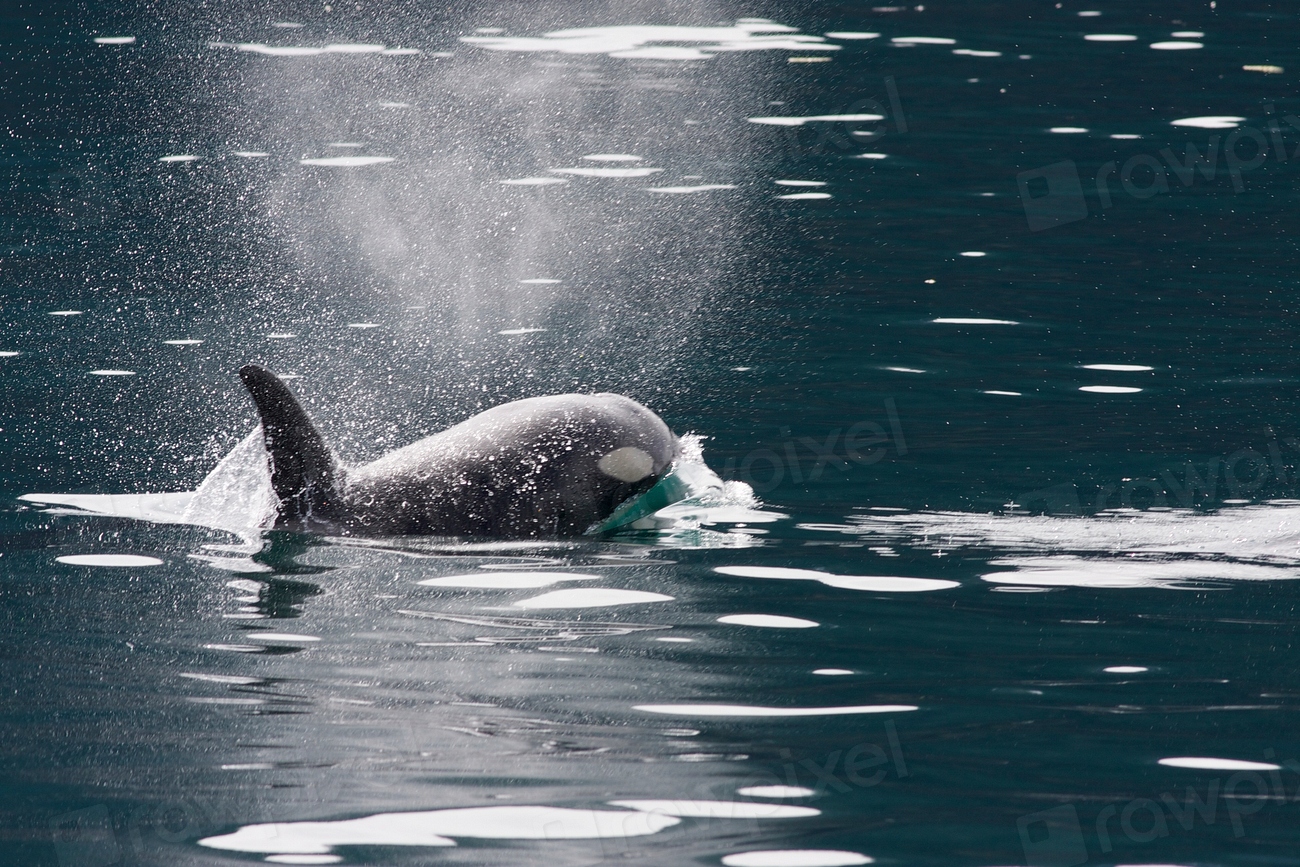 Photo Credit: National Park Service / Rawpixel
In the vast, shimmering blue of the ocean, the killer whale, or orca (Orcinus orca), glides effortlessly through the water, a true marvel of the marine world. With its striking black and white coloration, the orca is easily recognizable, showcasing a sleek body that can reach lengths of up to 32 feet. These magnificent creatures are not just beautiful; they are also incredibly intelligent and social, often seen swimming in family groups called pods. Each pod has its own unique dialect, a series of clicks and calls that echo through the water, revealing a complex social structure that fascinates scientists and nature lovers alike.
As apex predators, orcas play a crucial role in their ecosystems, helping to maintain the balance of marine life. Their diet is diverse, ranging from fish to seals, and even other whales, showcasing their adaptability and hunting prowess. This versatility, combined with their remarkable communication skills and strong family bonds, makes killer whales a subject of endless intrigue. Whether they are breaching the surface in a spectacular display or working together to hunt, orcas invite us to explore the mysteries of the ocean and the intricate relationships that exist within it. Join us as we dive deeper into the world of these extraordinary marine mammals, uncovering the secrets of their lives beneath the waves.
The killer whale, or orca, holds a prominent position in the animal kingdom, classified within the Kingdom Animalia. This magnificent marine mammal is part of the Phylum Chordata, which includes all animals with a backbone. What sets killer whales apart is their intelligence, social structure, and adaptability. They are not only the largest members of the dolphin family, Delphinidae, but they also exhibit complex behaviors, such as cooperative hunting and vocal communication, making them a subject of fascination for scientists and nature enthusiasts alike.
| Taxonomic Rank | Scientific Name | Meaning & Significance |
|---|---|---|
| Kingdom | Animalia | This term means “animals” in Latin, highlighting the killer whale’s status as a multicellular organism that consumes organic material. |
| Phylum | Chordata | Derived from the Greek word “chordē,” meaning “string,” this classification refers to animals with a notochord, a flexible rod that supports the body, which killer whales possess during their development. |
| Class | Mammalia | This name comes from the Latin “mamma,” meaning “breast,” indicating that killer whales, like all mammals, nurse their young with milk. |
| Order | Cetacea | From the Greek word “ketos,” meaning “whale,” this order includes all whales, dolphins, and porpoises, showcasing their adaptation to life in the water. |
| Family | Delphinidae | This family name is derived from the Greek “delphis,” meaning “dolphin,” emphasizing the killer whale’s close relationship with other dolphin species. |
| Genus | Orcinus | From the Latin word “orcinus,” meaning “of the kingdom of the dead,” this name reflects the killer whale’s reputation as a powerful predator in the ocean. |
Understanding the killer whale’s classification reveals much about its evolutionary journey. As a member of the Cetacea order, killer whales share a common ancestor with land mammals that adapted to life in the sea millions of years ago. Their classification within the Delphinidae family highlights their close ties to other intelligent marine mammals, showcasing the incredible diversity and adaptability of life in our oceans. This evolutionary history not only informs us about their physical traits and behaviors but also emphasizes the importance of preserving their habitats for future generations.
The evolutionary journey of the killer whale, or orca, stretches back millions of years, tracing its roots to ancient marine mammals. These remarkable creatures belong to the family Delphinidae, which includes dolphins and other toothed whales. The story begins around 34 million years ago, during the late Eocene epoch, when the ancestors of modern whales began to adapt to life in the ocean. Over time, these early mammals underwent significant changes, leading to the diverse and intelligent orcas we see today.
The ancestors of killer whales were land-dwelling mammals that gradually returned to the sea. This transition marked a pivotal moment in their evolution, as they developed adaptations for an aquatic lifestyle. One of the earliest known ancestors is Pakicetus, a wolf-like creature that lived about 50 million years ago. As these mammals evolved, they became more streamlined, developing features like flippers and a blowhole for breathing at the surface. By the time we reach the Miocene epoch, around 23 million years ago, the lineage that would lead to orcas had fully embraced life in the ocean, showcasing adaptations that would allow them to thrive in diverse marine environments.
These evolutionary adaptations have played a vital role in the survival of killer whales. Their streamlined bodies enable them to chase down fast-moving prey, while their social structures foster cooperation and communication, essential for hunting in groups. The ability to echolocate allows them to navigate and find food in the vast ocean, even in murky waters. With a diverse diet and remarkable intelligence, orcas have become one of the most successful marine mammals, thriving in oceans around the world. Their evolutionary story is a testament to the power of adaptation and the wonders of nature.
The killer whale, or orca, is a striking sight in the ocean, commanding attention with its powerful presence. These magnificent animals can grow up to 32 feet long, with a robust body that showcases their strength and agility. Their sleek, streamlined shape allows them to glide effortlessly through the water, while their large dorsal fin, which can reach up to 6 feet tall, stands proudly above the surface, making them easily recognizable. With a combination of grace and might, killer whales are truly the giants of the sea.
| Feature | Description |
|---|---|
| Weight | 6,000-15,000 pounds |
| Skin Type | Smooth |
| Color | Black and white, with a distinctive white patch above the eye |
| Size | Up to 32 feet long |
| Dorsal Fin | Can reach up to 6 feet tall |
The killer whale’s impressive features are not just for show; they play vital roles in their survival. Their smooth skin reduces drag as they swim, allowing them to reach impressive speeds while hunting. The striking black and white coloration serves as a form of camouflage, helping them blend into the ocean’s depths and evade prey. The towering dorsal fin not only aids in stability but also acts as a social signal among pods, helping these intelligent animals communicate and coordinate during hunts. Together, these characteristics make the killer whale a formidable predator and a captivating inhabitant of the ocean.
The killer whale, or orca, thrives in the vast expanses of the ocean and the rich coastal waters that surround our planet. Picture a world where the deep blue sea meets rugged shorelines, where the sun glimmers on the surface and the waves dance with life. These intelligent marine mammals are found in both icy polar regions and warm tropical waters, showcasing their adaptability to a variety of environments. From the bustling waters of bustling bays to the serene depths of the open ocean, killer whales make their home in some of the most dynamic ecosystems on Earth.
Killer whales are versatile and can be found in a range of climates, from the frigid temperatures of the Arctic to the balmy waters of the tropics. They prefer areas rich in food, such as fish and marine mammals, which thrive in nutrient-dense waters. These regions often have a mix of shallow and deep areas, providing the orcas with plenty of hunting opportunities. The environmental conditions they favor include clear waters that allow them to see their prey and a stable ecosystem that supports a diverse range of marine life.
To survive in these varied habitats, killer whales have developed remarkable adaptations. Their sleek bodies are designed for speed and agility, allowing them to chase down fast-moving prey. They also possess sophisticated social structures, often living in pods that help them communicate and hunt effectively. With their echolocation abilities, orcas can navigate and find food even in murky waters. This combination of physical prowess and social intelligence makes them one of the ocean’s top predators, perfectly suited to their diverse homes.
Killer whales, or orcas, lead a dynamic daily life filled with activity and social interaction. These intelligent marine mammals are often seen swimming in pods, which are family groups that can consist of anywhere from a few individuals to over 40. Their day typically begins with a morning hunt, where they use sophisticated techniques to catch fish, seals, and even other whales. After a hearty meal, they might engage in playful behaviors, such as breaching—jumping out of the water—and spyhopping, where they poke their heads above the surface to get a better view of their surroundings. As the sun sets, they continue to socialize and communicate, using a variety of clicks, whistles, and body language to express themselves.
Social behavior is a cornerstone of killer whale life. Pods are often matriarchal, meaning they are led by the oldest female, who plays a crucial role in guiding the group. These family units are tightly bonded, with members often seen swimming closely together, sharing food, and even caring for the young. Communication is key in these social structures, as orcas use distinct vocalizations that can vary between pods, almost like different dialects. This social complexity not only strengthens their relationships but also enhances their hunting strategies, as they work together to outsmart their prey.
| Behavior Type | Description |
|---|---|
| Hunting Techniques | Killer whales use coordinated group tactics to catch prey, often surrounding schools of fish or working together to capture seals. |
| Social Structure | Pods are typically matriarchal, led by the oldest female, with strong family bonds among members. |
| Communication Methods | Orcas communicate through a variety of clicks, whistles, and body movements, with different pods having unique vocal patterns. |
The behaviors of killer whales are not just fascinating; they are essential for their survival. By working together in pods, they increase their chances of finding food and protecting each other from threats. Their complex social structures and communication skills allow them to adapt to their environment and thrive in the vast oceans. In this way, killer whales exemplify the power of teamwork and intelligence in the animal kingdom, ensuring their place as one of the ocean’s top predators.
Killer whales, or orcas, are carnivorous hunters, meaning they primarily eat meat. Their diet is diverse and can vary depending on their location and the specific pod they belong to. These intelligent marine mammals are known for their sophisticated hunting techniques, which they use to catch a wide range of prey. From seals to fish and even squid, killer whales are skilled at adapting their strategies to secure a meal, showcasing their remarkable problem-solving abilities and teamwork.
| Dietary Aspect | Details |
|---|---|
| Diet Type | Carnivore |
| Favorite Foods | Seals, fish, squid |
| Prey Items | Various species of fish, including salmon, and marine mammals like seals |
| Hunting/Foraging Strategies | Cooperative hunting, echolocation to locate prey, and beaching themselves to catch seals |
The diet of killer whales plays a crucial role in their ecology and daily routines. By preying on various marine animals, they help maintain the balance of ocean ecosystems. Their hunting strategies not only demonstrate their intelligence but also strengthen social bonds within their pods. As they work together to catch food, they engage in complex behaviors that reflect their adaptability and cooperation, making them one of the ocean’s top predators.
Killer whales, or orcas, have a fascinating mating behavior that is as complex as their social structures. Breeding typically occurs in warmer months, with the peak season varying by location. During this time, males engage in elaborate displays to attract females, showcasing their strength and agility. These displays can include breaching, where they leap out of the water, and vocalizations that resonate through the ocean. Once a female selects a mate, the pair may stay together for a short period, engaging in courtship behaviors before mating.
| Reproductive Aspect | Details |
|---|---|
| Gestation Period | Approximately 15-18 months |
| Litter Size | 1 |
| Age of Maturity | Females: 6-10 years, Males: 10-15 years |
| Name of Young | Calf |
Once born, the calf is about 6 to 8 feet long and weighs around 400 pounds. Parental care is crucial for the young orca’s survival. Mothers are incredibly nurturing, often staying close to their calves for several years, teaching them essential skills for hunting and socializing. The bond between a mother and her calf is strong, and the young orca learns not only how to find food but also how to communicate and interact within the pod. As they grow, these young orcas will gradually gain independence, but they often remain with their maternal family group for life, continuing to learn and thrive in the rich, complex world of the ocean.
Killer whales, or orcas, are apex predators, meaning they sit at the top of the food web in the ocean. With their impressive size and intelligence, they have few natural enemies. However, they still face various dangers that can threaten their survival. These threats come not only from other animals but also from human activities that impact their environment.
Despite these challenges, killer whales have developed impressive defensive behaviors and survival strategies. They often travel in pods, which are family groups that provide protection and support. This social structure allows them to work together when hunting or evading threats. Additionally, their intelligence enables them to adapt to changing environments and find new food sources. By using echolocation, or the ability to locate objects by bouncing sound waves off them, they can navigate and hunt effectively, even in murky waters. These remarkable adaptations help ensure that killer whales continue to thrive in their ocean home.
A keystone species is a vital part of its ecosystem, playing a crucial role in maintaining the structure and health of that environment. The killer whale, or orca, certainly qualifies as a keystone species. These magnificent marine mammals are not just apex predators; they influence the populations of various marine animals and help maintain the balance of their oceanic habitats.
Killer whales have a significant ecological impact due to their diverse diet and hunting strategies. They prey on a variety of species, including seals, sea lions, and even large whales. By controlling the populations of these animals, orcas help prevent overgrazing of fish stocks and maintain the health of marine ecosystems. For example, when orcas hunt seals, they help keep seal populations in check, which in turn allows fish populations to thrive. This balance is essential for the overall health of the ocean.
Moreover, killer whales are known to exhibit complex social behaviors and hunting techniques that can influence the behavior of other marine species. Their presence can alter the distribution of prey species, as smaller fish and marine mammals may change their habits to avoid becoming a meal. This ripple effect showcases how the orca’s hunting practices can shape the entire marine community, affecting everything from fish populations to the health of coral reefs.
If killer whales were to disappear from their ecosystems, the consequences would be profound. Without these apex predators, prey populations like seals and certain fish could explode, leading to overfishing and depletion of marine resources. This imbalance could trigger a chain reaction, ultimately harming the entire marine ecosystem. The loss of orcas would not only diminish biodiversity but also disrupt the intricate web of life that thrives in our oceans, reminding us of the critical role these magnificent creatures play in maintaining the health of our planet.
The killer whale, or orca, plays a pivotal role in its marine ecosystem, acting as a keystone species. This means that its presence and activities significantly influence the structure and health of the ocean environment. As apex predators, killer whales help regulate the populations of various marine species, ensuring a balanced ecosystem. Their hunting strategies and social behaviors also contribute to the dynamics of the ocean, making them essential players in the intricate web of life beneath the waves.
| Ecosystem Service | Impact |
|---|---|
| Population Control | Killer whales help maintain the balance of marine life by preying on seals, fish, and other marine mammals, preventing any one species from becoming too dominant. |
| Nutrient Cycling | Through their hunting and feeding habits, killer whales contribute to the distribution of nutrients in the ocean, which supports the growth of various marine organisms. |
| Habitat Creation | Their presence can influence the behavior of prey species, which in turn affects the habitats they occupy, promoting biodiversity in those areas. |
| Indicator Species | Killer whales are sensitive to changes in their environment, making them important indicators of ocean health and ecosystem changes. |
Killer whales influence their environment in many fascinating ways. For instance, when they hunt seals, they not only control seal populations but also affect the behavior of other marine animals. This ripple effect can lead to changes in the distribution of fish and other species, which rely on the same habitats. Additionally, killer whales often feed on larger fish, which helps maintain healthy fish populations and supports the overall health of the marine food web. Their social structures and hunting techniques also encourage cooperation among pod members, showcasing the importance of teamwork in the wild.
The broader ecological importance of killer whales cannot be overstated. As apex predators, they help maintain the balance of marine ecosystems, ensuring that no single species overwhelms the others. Their role as indicators of ocean health means that monitoring their populations can provide valuable insights into the state of marine environments. By understanding and protecting killer whales, we also safeguard the intricate web of life that thrives in our oceans, highlighting the interconnectedness of all species and the importance of conservation efforts.
In the intricate web of life, symbiosis refers to the close interactions between different species, which can take on various forms. These relationships can be mutualistic, where both species benefit, parasitic, where one benefits at the expense of the other, or commensal, where one benefits while the other is neither helped nor harmed. Killer whales, or orcas, are not just solitary hunters; they engage in fascinating partnerships with other marine species, showcasing the complexity of ocean ecosystems.
| Species/Type | Relationship Type | Description |
|---|---|---|
| Remora Fish | Mutualistic | Remora fish attach themselves to the bodies of killer whales, gaining protection and transportation. In return, they help keep the orca’s skin clean by eating parasites and dead skin. |
| Seabirds | Commensal | Seabirds often follow pods of killer whales, taking advantage of the orcas’ hunting activities. When orcas chase fish to the surface, the birds swoop in to catch leftovers, benefiting from the orcas’ efforts without affecting them. |
| Other Marine Mammals | Parasitic | While not a direct relationship, some marine mammals, like certain species of seals, can be affected by killer whales as they are prey. This predation can be seen as a parasitic relationship, where the orca benefits at the expense of the seal. |
These relationships have evolved over time, shaped by the needs and behaviors of the species involved. The mutualistic bond between killer whales and remora fish highlights how cooperation can lead to benefits for both parties. Meanwhile, the commensal relationship with seabirds illustrates how different species can coexist and thrive by taking advantage of each other’s actions. Understanding these connections not only enriches our knowledge of killer whales but also emphasizes the delicate balance of marine ecosystems, where every interaction plays a role in the survival and success of the species involved.
Killer whales, or orcas, are not just the largest members of the dolphin family; they are also full of surprises that make them truly captivating. Here are some intriguing facts that showcase their extraordinary nature.
Killer whales, or orcas, have long captivated human imagination, appearing in folklore and cultural stories across the globe. Indigenous peoples of the Pacific Northwest, for instance, revered these majestic creatures, often depicting them in art and mythology as powerful beings. Historical encounters between killer whales and humans have ranged from awe-inspiring to alarming, as these intelligent marine mammals have been both feared and admired. Their striking black-and-white coloration and complex social structures have made them symbols of strength and family bonds, leading to a rich tapestry of cultural significance that continues to this day.
In modern times, the relationship between killer whales and humanity has evolved dramatically. While many people are drawn to these animals for their beauty and intelligence, there are also challenges that arise from our interactions. Conservation efforts are underway to protect orca populations, especially as they face threats from pollution, habitat loss, and dwindling prey. However, conflicts can occur, particularly in regions where fishing and shipping activities overlap with orca habitats. Some individuals have even attempted to domesticate orcas for entertainment purposes, leading to ethical debates about their treatment in captivity. As we learn more about these remarkable animals, the need for responsible stewardship becomes increasingly clear.
Looking ahead, the future of the relationship between killer whales and humanity hinges on our ability to coexist harmoniously. As we deepen our understanding of these complex creatures, we must prioritize their conservation and welfare. By fostering a sense of respect and responsibility, we can ensure that future generations will not only admire killer whales from afar but also appreciate their vital role in the ocean’s ecosystem. Together, we can work towards a future where both humans and orcas thrive in a balanced and healthy marine environment.
The conservation status of killer whales, or orcas, is currently classified as “Data Deficient” by the International Union for Conservation of Nature (IUCN). This means that there isn’t enough information available to make a clear assessment of their overall population trends. While some populations are stable, others are experiencing declines due to various environmental pressures. The complexity of their social structures and diverse habitats makes it challenging to gather comprehensive data on all orca groups around the world.
| Conservation Factor | Status/Details |
|---|---|
| IUCN Status | Data Deficient |
| Population Estimates | Varies by region; some populations are stable, while others are declining |
| Trend Direction | Mixed; some populations increasing, others decreasing |
Killer whales face several significant threats that impact their survival. One of the primary concerns is the degradation of their marine habitats, often caused by pollution and climate change. Contaminants like heavy metals and plastics can accumulate in their bodies, leading to health issues. Additionally, the decline of prey species, such as fish, due to overfishing and habitat loss, poses a serious challenge. Noise pollution from ships and industrial activities can disrupt their communication and hunting behaviors, further complicating their survival.
Conservation efforts are underway to protect killer whales and their habitats. Organizations and researchers are working to gather more data on orca populations, which is crucial for developing effective management strategies. Protected marine areas are being established to safeguard critical habitats, and initiatives to reduce pollution and promote sustainable fishing practices are gaining momentum. The outlook for killer whales varies by population, but with continued efforts and public awareness, there is hope for their future in our oceans.
| Question | Answer |
|---|---|
| Where do killer whales live? | Killer whales, also known as orcas, inhabit oceans and coastal waters all around the world. They are highly adaptable and can be found in both cold and warm waters, from the Arctic to the Antarctic. |
| What do killer whales eat? | Killer whales are carnivores, meaning they primarily eat meat. Their diet can include fish, squid, seals, and even other whales, depending on the pod's hunting techniques and the available prey in their habitat. |
| How do killer whales behave in the wild? | Killer whales are known for their complex social structures and behaviors. They live in groups called pods, which can consist of family members and exhibit cooperative hunting strategies, communication through clicks and whistles, and playful interactions. |
| How do killer whales reproduce? | Killer whales have a gestation period of about 17 months, which is quite long compared to many other animals. After giving birth, a mother will nurse her calf for up to two years, teaching it essential survival skills during this time. |
| What threats do killer whales face? | Killer whales face several threats, including pollution, loss of habitat, and depletion of their prey due to overfishing. Additionally, they can be affected by climate change, which alters their ocean environment and food availability. |
| What are some interesting characteristics of killer whales? | Killer whales are the largest members of the dolphin family and are known for their striking black and white coloration. They are also highly intelligent, capable of using tools and exhibiting cultural behaviors unique to their pods. |
| How do killer whales communicate? | Killer whales communicate using a variety of sounds, including clicks, whistles, and pulsed calls. Each pod has its own unique dialect, which helps them identify each other and coordinate during hunting. |