Taxonomy & Classification
- Kingdom
- Animalia
- Phylum
- Chordata
- Class
- Mammalia
- Order
- Carnivora
- Family
- Felidae
- Genus
- Panthera
- Species
- Panthera pardus

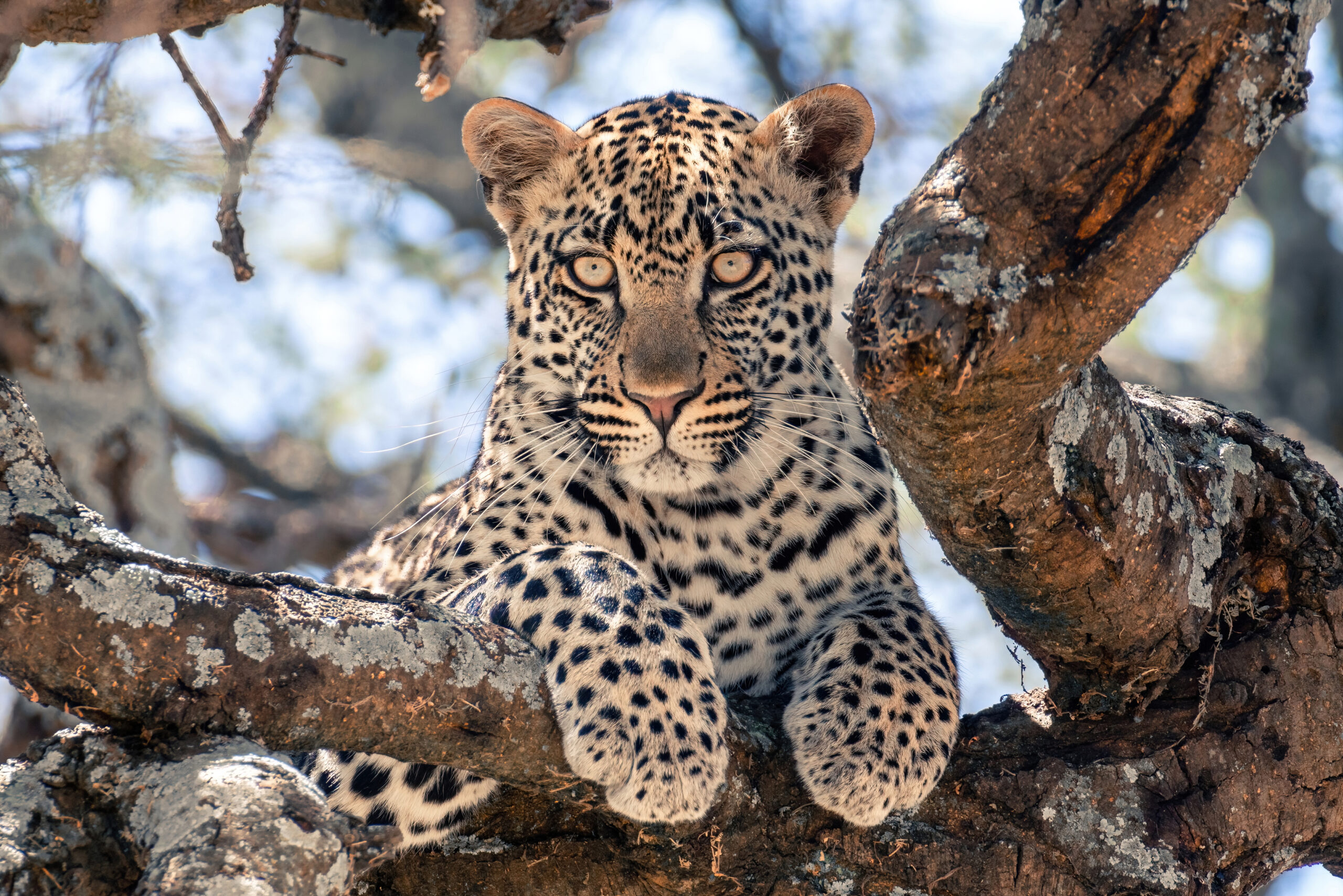 Photo Credit: Giles Laurent / Wikimedia Commons
In the heart of Africa’s savanna, where golden grasses sway under the warm sun, the leopard, scientifically known as Panthera pardus, prowls with an air of quiet confidence. This big cat, with its striking coat of rosettes and spots, blends seamlessly into the dappled shadows of acacia trees, making it a master of stealth. Its powerful muscles ripple beneath its sleek fur as it moves gracefully, embodying both strength and elegance. The leopard’s keen eyes, sharp as a hawk’s, scan the landscape for movement, revealing why this creature has fascinated scientists and nature enthusiasts alike for generations.
Leopards are not just beautiful; they are incredibly adaptable, thriving in diverse habitats from dense rainforests to arid deserts. Their ability to climb trees with ease allows them to escape danger and store their prey out of reach from scavengers. This remarkable skill, combined with their nocturnal hunting habits, makes them one of the most successful predators in the animal kingdom. As we delve deeper into the world of leopards, we will explore their behaviors, diets, and the vital role they play in maintaining the balance of their ecosystems, all while uncovering the challenges they face in a rapidly changing world.
The leopard, a magnificent big cat, holds a special place in the animal kingdom’s tree of life. It belongs to the family Felidae, which includes all cats, and is classified under the genus Panthera, a group known for its strength and agility. What makes leopards particularly intriguing is their adaptability; they thrive in various habitats, from savannas to rainforests. Their distinctive spotted coat not only provides camouflage but also showcases their evolutionary prowess, allowing them to blend seamlessly into their surroundings while hunting.
| Taxonomic Rank | Scientific Name | Meaning & Significance |
|---|---|---|
| Kingdom | Animalia | This name signifies that leopards are part of the vast group of multicellular organisms that are primarily heterotrophic, meaning they consume other organisms for energy. |
| Phylum | Chordata | Chordata refers to animals that have a notochord, a flexible rod that supports the body. In leopards, this structure is present during their early development, showcasing their vertebrate lineage. |
| Class | Mammalia | Mammalia indicates that leopards are mammals, characterized by their warm-blooded nature and the presence of fur or hair, as well as mammary glands for nursing their young. |
| Order | Carnivora | Carnivora is the order that includes meat-eating mammals. Leopards are skilled hunters, equipped with sharp claws and teeth designed for catching and consuming prey. |
| Family | Felidae | Felidae is the family of cats, which highlights the leopard’s close relationship with other felines, sharing traits like retractable claws and keen senses. |
| Genus | Panthera | Panthera means “large cat” in Greek, emphasizing the leopard’s size and strength, as well as its ability to roar, a feature that distinguishes it from smaller cat species. |
Understanding the leopard’s classification reveals much about its evolutionary history. As a member of the Panthera genus, leopards share a common ancestor with other big cats, such as lions and tigers, which dates back millions of years. This lineage has equipped them with unique adaptations that enhance their survival in diverse environments. Their ability to climb trees, hunt stealthily, and thrive in both open and dense habitats speaks to their evolutionary success, making them one of nature’s most versatile predators.
The evolutionary journey of the leopard stretches back millions of years, weaving through the tapestry of time to reveal a lineage that has adapted and thrived in diverse environments. The ancestors of modern leopards emerged around 2 million years ago, during the Pleistocene epoch, a time marked by dramatic climate changes and the rise of large mammals. As these big cats evolved, they developed traits that would help them become one of the most adaptable predators in the animal kingdom.
The earliest ancestors of leopards were part of a group known as the Felinae, which diverged from the larger lineage of cats. Over time, these ancestors adapted to various habitats, leading to the emergence of the Panthera genus, which includes not only leopards but also lions, tigers, and jaguars. One significant transition occurred when leopards developed their distinctive rosette-patterned coats, which provided excellent camouflage in their natural habitats, from savannas to forests. This adaptation allowed them to stalk prey more effectively, enhancing their hunting success.
The adaptations that leopards have developed over time have been crucial for their survival. Their ability to camouflage allows them to ambush prey, while their climbing skills provide safety and food storage. With a flexible diet, leopards can thrive in different environments, ensuring they can find sustenance no matter the circumstances. Their solitary nature further minimizes competition, allowing them to maintain their territories and continue their evolutionary success. Through these remarkable adaptations, leopards have become one of nature’s most resilient and resourceful predators.
The leopard is a stunning embodiment of power and grace, with a body that is both muscular and agile. Its sleek form allows it to navigate through dense forests and open savannas with ease. With a long, flexible body and strong limbs, this big cat is built for stealth and speed. The leopard’s head is broad, featuring a short muzzle and large, expressive eyes that shine with intelligence and curiosity.
| Feature | Description |
|---|---|
| Weight | 30kg – 90kg (66lbs – 198lbs) |
| Skin Type | Fur |
| Most Distinctive Feature | Dense patterned fur and long, sharp teeth |
The leopard’s dense, patterned fur serves as a perfect camouflage, allowing it to blend seamlessly into its surroundings, whether in the dappled light of the forest or the tall grasses of the savanna. This ability to hide from both prey and predators is crucial for survival. Its long, sharp teeth are designed for gripping and tearing flesh, making it an efficient hunter. Together, these features create a formidable predator, perfectly adapted to thrive in a variety of habitats across Africa and parts of Asia.
The leopard roams a variety of habitats, each offering a unique blend of shelter and hunting grounds. Picture a lush rainforest, where the dappled sunlight filters through the thick canopy, creating a mosaic of light and shadow. Imagine vast grasslands, where the tall grasses sway gently in the breeze, providing cover for stealthy movements. Then there are the rugged mountainous regions, where rocky outcrops and steep cliffs serve as both lookout points and hiding spots. This adaptability allows leopards to thrive in environments that range from dense jungles to open plains.
Leopards are quite versatile when it comes to climate and environmental conditions. They prefer areas that offer a mix of cover and open space, allowing them to stalk their prey effectively. Typically, they thrive in warm climates, but they can also be found in cooler mountainous regions. These big cats are skilled at adjusting to different weather patterns, whether it’s the humid heat of a rainforest or the dry air of a savanna. Their ability to find water sources, like rivers or watering holes, is crucial for their survival.
To make the most of their diverse habitats, leopards have developed several clever adaptations. Their spotted coats provide excellent camouflage, helping them blend into the dappled light of the forest or the golden grasses of the savanna. This stealthy appearance is essential for both hunting and avoiding larger predators. Additionally, their strong limbs and sharp claws allow them to climb trees with ease, giving them a safe place to rest or store their food away from scavengers. These adaptations not only enhance their survival but also showcase the incredible ways in which leopards have evolved to thrive in their environments.
Leopards lead a life filled with stealth and strategy, primarily active during the night. As nocturnal hunters, they spend their days resting in the shade of trees or dense foliage, conserving energy for their nighttime escapades. When dusk falls, these big cats emerge, using their keen senses to navigate the darkness. Their activities include stalking prey, climbing trees, and marking their territory with scent. Each night is a new adventure, filled with the thrill of the hunt and the need for survival.
Socially, leopards are solitary creatures, preferring to live and hunt alone. Unlike lions, which thrive in groups, leopards establish their own territories, often overlapping with those of other leopards. This independence allows them to be stealthy hunters, relying on their own skills to catch food. While they may come together for mating, they generally avoid social interactions outside of that. Communication is subtle; they use vocalizations, scent markings, and body language to convey their presence and intentions to others in their territory.
| Behavior Type | Description |
|---|---|
| Activity Patterns | Nocturnal hunters that rest during the day and become active at night to hunt and explore their territory. |
| Social Structure | Solitary animals that establish and defend their own territories, coming together only for mating. |
| Communication Methods | Use vocalizations like growls and roars, along with scent markings and body language to communicate with others. |
The behaviors of leopards are finely tuned to ensure their survival in the wild. By being nocturnal, they avoid competition with other predators and can hunt more effectively under the cover of darkness. Their solitary nature allows them to be stealthy and resourceful, relying on their own instincts and skills. This combination of traits not only helps them find food but also keeps them safe from larger threats, making them one of nature’s most successful hunters.
Leopards are carnivores, which means they primarily eat meat. Their diet is diverse, allowing them to thrive in various environments. These big cats are skilled hunters, using their keen senses and stealth to stalk and ambush their prey. They often hunt at night, taking advantage of their excellent night vision. With a combination of strength and agility, leopards can take down animals much larger than themselves, making them formidable predators in their habitats.
| Dietary Aspect | Details |
|---|---|
| Diet Type | Carnivore |
| Favorite Foods | Deer, Warthog, Rodents |
| Prey Items | Small to medium-sized mammals |
| Hunting Strategies | Stalking and ambushing at night |
The leopard’s diet plays a crucial role in shaping its ecology and daily routine. By preying on various animals, leopards help maintain the balance of their ecosystems, controlling populations of herbivores and smaller mammals. Their nocturnal hunting habits also influence their behavior, as they adapt to the rhythms of their environment. This adaptability not only ensures their survival but also highlights their importance in the intricate web of life in the wild.
Leopards have a fascinating mating ritual that showcases their strength and agility. During the breeding season, which can occur at any time of the year, males and females engage in a series of vocalizations and physical displays to attract each other. The male often follows the female, marking his territory with scent to signal his presence. Once a pair has formed, they may mate multiple times over several days, ensuring the female has a higher chance of becoming pregnant.
| Reproductive Aspect | Details |
|---|---|
| Gestation Period | 90 – 105 days |
| Average Litter Size | 3 |
| Age of Sexual Maturity | 2 – 2.5 years |
| Name of Young | Cub |
After the cubs are born, the mother leopard takes on the crucial role of caregiver. She typically gives birth in a secluded den, often hidden in dense vegetation or rocky crevices to protect her young from predators. The cubs are born blind and helpless, relying entirely on their mother for warmth, food, and safety. As they grow, the mother teaches them essential survival skills, such as hunting and climbing. By the time they reach about two years of age, the young leopards are ready to venture out on their own, equipped with the skills they need to thrive in the wild.
Leopards are apex predators, meaning they sit at the top of their food web, playing a crucial role in maintaining the balance of their ecosystems. As skilled hunters, they help control populations of herbivores and smaller carnivores, ensuring that no single species dominates the landscape. However, despite their powerful position, leopards face several dangers that threaten their survival.
To defend themselves against these threats, leopards have developed a range of survival strategies. They are masters of camouflage, using their spotted coats to blend into their surroundings, making it difficult for both prey and predators to spot them. Leopards are also incredibly agile, able to climb trees and leap great distances to escape danger. Their solitary nature means they can avoid confrontations, and their nocturnal habits allow them to hunt and move under the cover of darkness, reducing the risk of encounters with humans and other threats. These adaptations help leopards navigate the challenges of their environment, ensuring their continued existence in the wild.
A keystone species is a vital part of its ecosystem, one that has a disproportionately large impact on its environment compared to its abundance. The leopard, with its role as an apex predator, certainly qualifies as a keystone species. By controlling prey populations and influencing the structure of its habitat, the leopard helps maintain the balance of the ecosystems it inhabits.
Leopards are solitary hunters that primarily feed on a variety of animals, from small antelopes to birds and rodents. This diverse diet allows them to regulate the populations of these species, preventing any one group from becoming too dominant. For example, by keeping herbivore numbers in check, leopards help ensure that vegetation remains healthy and diverse. This, in turn, supports other wildlife that relies on those plants for food and shelter.
In addition to controlling prey populations, leopards also create opportunities for scavengers. When they hunt, they often leave behind remains that other animals, like hyenas and vultures, can feed on. This scavenging behavior is crucial for nutrient recycling in the ecosystem, as it helps break down organic matter and return nutrients to the soil. Furthermore, leopards are known to use trees for resting and storing their kills, which can provide shelter and food for other species, enhancing biodiversity in their habitats.
If leopards were to disappear from their ecosystems, the consequences would be significant. Without these apex predators, prey populations could explode, leading to overgrazing and a decline in plant life. This imbalance would ripple through the ecosystem, affecting not only the plants but also the many animals that depend on them for survival. Ultimately, the loss of leopards would diminish the richness and diversity of their habitats, highlighting just how crucial these big cats are to the health of their environments.
The leopard occupies a critical ecological niche as an apex predator, meaning it sits at the top of the food chain. This powerful big cat plays a vital role in maintaining the balance of its ecosystem. By controlling the populations of herbivores and smaller carnivores, leopards help ensure that plant life can thrive and that other animal species can coexist. Their presence influences the behavior and distribution of other animals, creating a dynamic web of interactions that shapes the environment around them.
| Ecosystem Service | Impact |
|---|---|
| Population Control | Regulates herbivore numbers, preventing overgrazing and promoting plant diversity. |
| Scavenger Support | Provides food for scavengers by leaving behind remains of kills, supporting other species. |
| Habitat Maintenance | Influences the movement and behavior of prey species, which can affect vegetation patterns. |
| Genetic Diversity | Maintains healthy populations of prey species, contributing to overall ecosystem resilience. |
Leopards have a profound influence on their surroundings, particularly in habitats like rainforests, grasslands, and mountainous regions. For instance, when leopards hunt herbivores such as antelope, they help keep these populations in check. This prevents overgrazing, which can lead to soil erosion and loss of plant species. In turn, a diverse plant community supports a variety of other animals, from insects to birds, creating a rich tapestry of life. Additionally, leopards often leave behind scraps of their kills, which provide essential nourishment for scavengers like hyenas and vultures, further enhancing the ecosystem’s health.
The broader ecological importance of leopards cannot be overstated. As a keystone species, their presence is crucial for the stability of their habitats. By regulating prey populations and influencing the behavior of other animals, leopards help maintain the intricate balance of life in their ecosystems. Without them, the delicate interplay of species could unravel, leading to a decline in biodiversity and the health of the environment. In essence, leopards are not just magnificent creatures; they are vital architects of the ecosystems they inhabit, ensuring that life continues to flourish in diverse and vibrant ways.
In the intricate web of life, animals often form partnerships that can be beneficial, harmful, or neutral. These relationships, known as symbiosis, play a crucial role in the survival and thriving of species. For leopards, these connections can vary widely, showcasing the complexity of their interactions with other animals in their habitats. From mutualistic relationships, where both species gain benefits, to parasitic ones, where one benefits at the expense of another, leopards navigate a world filled with diverse ecological relationships.
| Species/Type | Relationship Type | Description |
|---|---|---|
| Oxpeckers | Mutualistic | These small birds perch on leopards, eating ticks and parasites from their fur. In return, leopards benefit from reduced irritation and potential disease. |
| Hyenas | Commensal | Hyenas often scavenge on leopard kills. While leopards may lose some of their hard-earned meals, they are not directly harmed by the hyenas’ presence. |
| Fleas and Ticks | Parasitic | These tiny pests live on leopards, feeding on their blood. This relationship can weaken the leopard and make it more susceptible to disease. |
The evolution of these relationships is a testament to nature’s adaptability. Over time, leopards have developed ways to coexist with other species, whether through mutual benefits or simply tolerating the presence of others. These interactions not only enhance the leopards’ survival but also contribute to the overall health of their ecosystems. By understanding these connections, we gain insight into the delicate balance of life in the wild, where every species plays a part in the grand story of nature.
Leopards are truly captivating animals, known for their beauty and adaptability. Here are some surprising facts that showcase just how extraordinary these big cats really are.
Throughout history, leopards have captivated human imagination and culture. These majestic big cats have been featured in ancient myths, art, and folklore across various societies. In many African cultures, leopards symbolize strength and courage, often appearing in tribal stories and rituals. Their striking spotted coats have made them a popular motif in fashion and design, while their elusive nature has inspired countless tales of adventure and mystery. As humans have encountered leopards in the wild, these interactions have shaped our understanding and appreciation of these powerful animals.
In modern times, the relationship between leopards and humanity has become more complex. As urban areas expand and agriculture encroaches on their habitats, conflicts often arise. Farmers may see leopards as threats to livestock, leading to retaliatory killings. However, conservation efforts are underway to protect these magnificent cats and their habitats. Organizations are working to educate communities about the importance of leopards in maintaining ecological balance and promoting coexistence. Some regions have even embraced eco-tourism, allowing people to observe leopards in their natural environments while supporting local economies.
As we look to the future, the relationship between leopards and humanity holds both challenges and opportunities. With continued efforts in conservation and education, there is hope for a harmonious coexistence. By understanding the vital role leopards play in their ecosystems, we can foster respect and appreciation for these incredible animals. Together, we can ensure that future generations will not only hear stories of leopards but also witness their grace and strength in the wild.
The leopard, a symbol of strength and elegance, currently holds a conservation status of Near Threatened according to the International Union for Conservation of Nature (IUCN). This means that while the species is not yet endangered, it faces significant challenges that could threaten its future. Fortunately, the leopard’s population is estimated to be stable, which is a positive sign in the face of various environmental pressures. However, ongoing monitoring and conservation efforts are essential to ensure that this iconic big cat continues to thrive in the wild.
| Conservation Factor | Status/Details |
|---|---|
| IUCN Status | Near Threatened |
| Estimated Population Size | Stable |
| Trend Direction | Stable |
Despite their resilience, leopards face several significant threats that could impact their survival. Habitat loss is one of the most pressing issues, as human activities such as agriculture, urban development, and logging encroach on their natural environments. Additionally, poaching for their beautiful fur and body parts poses a serious risk. As humans expand into leopard territories, conflicts can arise, leading to retaliatory killings. These challenges highlight the delicate balance between human needs and wildlife conservation.
Conservation efforts are underway to protect leopards and their habitats. Various organizations are working to establish protected areas and wildlife corridors that allow leopards to roam freely and safely. Education programs aimed at local communities help raise awareness about the importance of preserving these magnificent animals. With continued commitment and collaboration, there is hope for the leopard’s future. By fostering coexistence between humans and wildlife, we can ensure that this majestic big cat remains a vital part of our planet’s rich biodiversity.
| Question | Answer |
|---|---|
| What is the habitat of leopards? | Leopards are incredibly adaptable and can be found in a variety of habitats. They thrive in rainforests, grasslands, and mountainous regions, allowing them to hunt and hide effectively. |
| What do leopards eat? | Leopards are carnivores, which means they primarily eat meat. Their diet includes a wide range of animals, from small rodents to larger prey like antelope, making them skilled hunters. |
| How do leopards behave in the wild? | Leopards are solitary animals, meaning they prefer to live alone rather than in groups. They are also nocturnal, which means they are most active at night, using their excellent night vision to hunt. |
| How do leopards reproduce? | Leopards typically mate throughout the year, but the female usually gives birth to a litter of two to four cubs after a gestation period of about 90 to 105 days. The mother raises the cubs alone, teaching them essential survival skills. |
| What threats do leopards face? | Leopards are currently classified as Near Threatened due to habitat loss and poaching. Human activities, such as deforestation and hunting, pose significant risks to their populations. |
| What is a distinctive feature of leopards? | One of the most distinctive features of leopards is their dense patterned fur, which helps them blend into their surroundings. Their long, sharp teeth are also crucial for catching and eating their prey. |
| Are leopards good climbers? | Yes, leopards are excellent climbers! They often climb trees to escape danger, store food, or find a cool place to rest during the heat of the day. |