Taxonomy & Classification
- Kingdom
- Animalia
- Phylum
- Chordata
- Class
- Mammalia
- Order
- Carnivora
- Family
- Felidae
- Genus
- Lynx
- Species
- Felis lynx

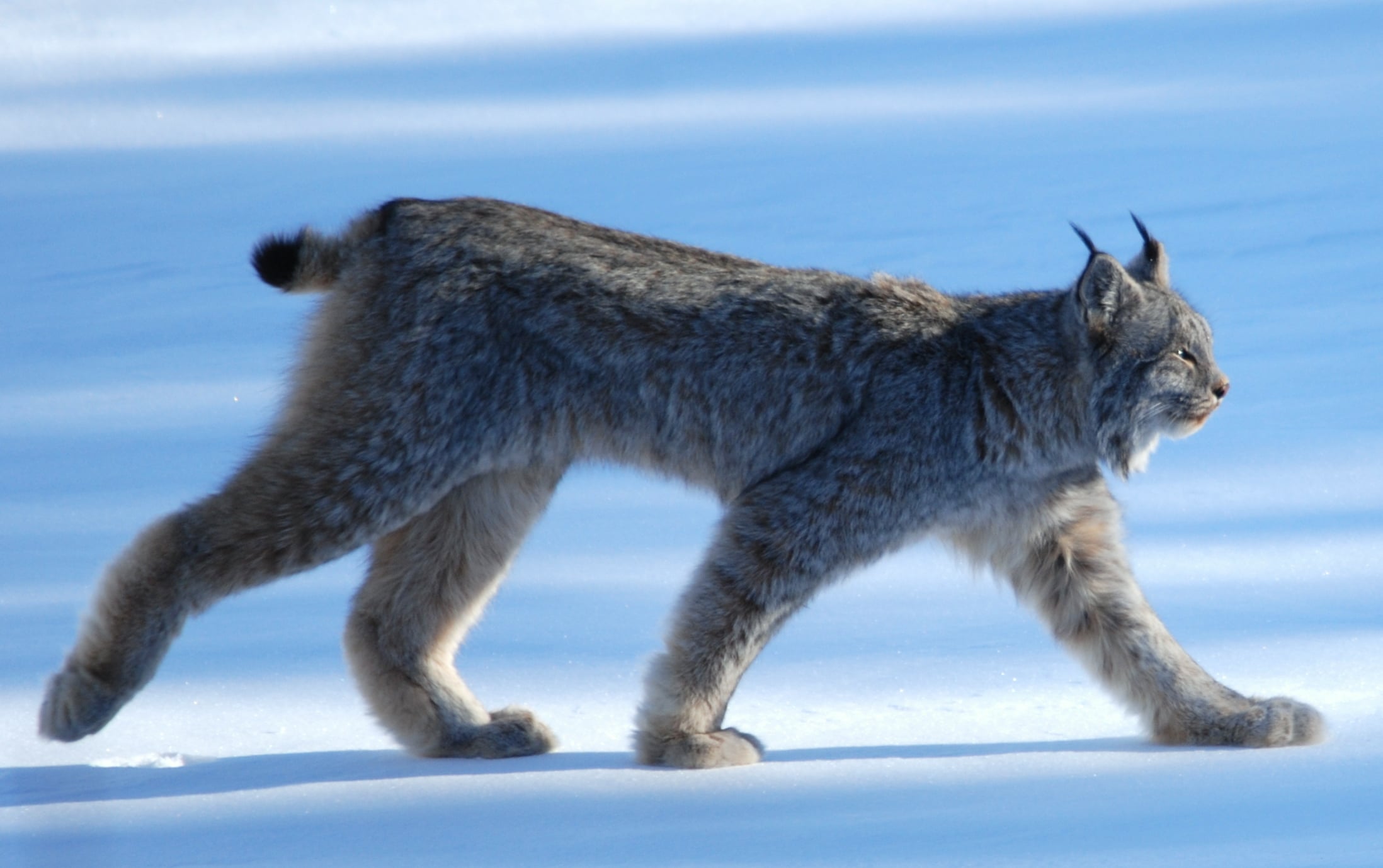 Photo Credit: Keith Williams / Wikimedia
In the heart of the northern forests, where the air is crisp and the snow blankets the ground, lives the lynx, known scientifically as Lynx canadensis. This elusive feline is a master of its domain, with tufted ears that stand tall like little antennae, keenly tuned to the sounds of the wilderness. Its thick, soft fur, which ranges from a warm tawny to a snowy white, helps it blend seamlessly into its surroundings, making it a ghostly figure as it prowls through the underbrush. With powerful legs designed for leaping and a keen sense of sight, the lynx is perfectly adapted to hunt in the twilight hours, when the world is painted in shades of blue and gray.
Scientists and nature enthusiasts alike are captivated by the lynx’s unique adaptations and behaviors. This solitary hunter plays a crucial role in its ecosystem, helping to maintain the balance of life in the forests it calls home. As it stalks its prey, primarily snowshoe hares, the lynx showcases its incredible stealth and agility, making it a fascinating subject of study. With its striking appearance and vital ecological role, the lynx invites us to explore the wonders of the natural world, reminding us of the intricate connections that bind all living things together.
The lynx is a captivating member of the animal kingdom, nestled within the intricate web of life. Taxonomically, it belongs to the Kingdom Animalia, which includes all animals, and is classified under the Phylum Chordata, known for animals with a backbone. As a member of the Class Mammalia, lynxes share traits like fur and the ability to nurse their young. They are part of the Order Carnivora, which encompasses meat-eating mammals, and belong to the Family Felidae, the group that includes all cats. What sets lynxes apart is their tufted ears, long legs, and distinctive facial ruff, which not only enhance their hearing but also help them blend into their snowy habitats.
| Taxonomic Rank | Scientific Name | Meaning & Significance |
|---|---|---|
| Kingdom | Animalia | The name “Animalia” comes from the Latin word “animalis,” meaning “having breath,” highlighting the living, breathing nature of these organisms. |
| Phylum | Chordata | “Chordata” is derived from the Latin “chorda,” meaning “string,” referring to the notochord, a flexible rod that supports the body in the early stages of development. |
| Class | Mammalia | The term “Mammalia” comes from “mamma,” the Latin word for “breast,” emphasizing the defining characteristic of mammals: the ability to produce milk for their young. |
| Order | Carnivora | “Carnivora” means “meat-eater” in Latin, reflecting the dietary habits of this group, which primarily consume other animals. |
| Family | Felidae | The name “Felidae” is derived from the Latin word “felis,” meaning “cat,” which encompasses all true cats, including lynxes. |
| Genus | Lynx | The genus name “Lynx” is thought to come from the Greek word “lynx,” which refers to the animal’s keen eyesight, a vital trait for hunting. |
The classification of the lynx reveals a rich evolutionary history that connects it to a diverse lineage of animals. As a member of the Felidae family, lynxes share a common ancestor with other cats, showcasing adaptations that have allowed them to thrive in various environments. Their unique features, such as the tufted ears and powerful limbs, are not just for show; they are evolutionary tools that enhance their survival skills. Understanding where the lynx fits in the tree of life helps us appreciate the intricate relationships among species and the remarkable journey of evolution that has shaped them.
The evolutionary journey of the lynx stretches back millions of years, weaving through the tapestry of time and adapting to the changing landscapes of the Earth. This fascinating feline belongs to the family Felidae, which includes all modern cats, and its ancestors roamed the planet during the late Miocene epoch, around 10 million years ago. As the climate shifted and habitats transformed, the lynx evolved distinct traits that helped it thrive in diverse environments.
The earliest ancestors of the lynx were small, agile carnivores that hunted in packs. Over time, these ancestors branched off into various lineages, leading to the emergence of the lynx around 2 million years ago. This transition marked a significant shift as they adapted to colder climates, developing thicker fur and larger paws to navigate snowy terrains. The lynx’s keen eyesight and acute hearing also evolved, allowing it to detect prey in dense forests and open tundras.
These adaptations have been crucial for the lynx’s survival in various habitats, from dense forests to snowy mountains. By evolving features that enhance its hunting skills and protect it from the elements, the lynx has carved out a niche as a skilled predator. Its ability to thrive in challenging environments showcases the incredible power of evolution, allowing this magnificent animal to continue its legacy in the wild.
The lynx is a striking feline that commands attention with its powerful presence and distinctive features. With a sturdy build, this medium-sized cat boasts a robust body that is both agile and muscular, allowing it to navigate through its forested and snowy habitats with ease. Its long legs and tufted ears give it an air of elegance, while its short tail adds a touch of playfulness. The lynx’s keen eyes, often a piercing yellow, seem to hold a world of secrets, perfectly adapted for spotting prey in the dappled light of the woods.
| Feature | Description |
|---|---|
| Weight | 10-25 kg (22-55 lbs) |
| Skin Type | Fur |
| Color | Typically a mix of brown, gray, and white, with spots and stripes for camouflage |
| Ear Tufts | Long, black tufts at the tips of the ears, enhancing hearing |
| Eyes | Large, expressive, often yellow, adapted for low-light hunting |
These physical traits work together to create a highly effective predator. The lynx’s fur not only provides warmth in cold climates but also features patterns that help it blend into the forest floor, making it less visible to both prey and potential threats. Its long legs allow for swift movement through snow, while the tufted ears enhance its hearing, crucial for detecting the slightest rustle of a mouse or hare. With its keen eyesight, the lynx can spot movement from a distance, making it a master of stealth and surprise in its natural habitat. Each characteristic is a piece of the puzzle that helps this magnificent animal thrive in the wild.
The lynx thrives in secluded forests and rugged mountainous regions, where it can roam freely among the trees and rocky outcrops. Imagine a landscape filled with tall conifers, their branches swaying gently in the breeze, and the soft crunch of snow underfoot during winter. These areas provide the perfect blend of cover and open space, allowing the lynx to hunt and hide with ease. The dappled sunlight filtering through the leaves creates a serene atmosphere, making it an ideal home for this elusive feline.
The lynx prefers climates that offer a mix of cold winters and mild summers. These environments often feature heavy snowfall, which provides excellent hunting grounds for the lynx, as its prey, like snowshoe hares, are more visible against the white backdrop. The lynx is also found in areas with dense underbrush, which offers both shelter and hunting opportunities. These habitats are crucial for their survival, as they rely on the availability of prey and the ability to remain hidden from larger predators.
Adaptation is key to the lynx’s success in these habitats. With its thick fur coat, the lynx stays warm during frigid winters, while its large, padded paws act like snowshoes, allowing it to traverse snowy landscapes with ease. The lynx’s keen eyesight and acute hearing help it detect prey from a distance, making it a skilled hunter in the quiet, shadowy woods. These adaptations not only enhance its ability to survive but also allow it to thrive in the diverse environments it calls home.
The lynx leads a life that is both solitary and stealthy, filled with the rhythms of nature. As twilight descends, these elusive cats begin their nightly adventures. They are primarily nocturnal, meaning they are most active at night. During the day, they often find a cozy spot to rest, camouflaged among the underbrush or nestled in a thicket. When night falls, the lynx sets out to hunt, using its keen eyesight and acute hearing to locate prey. Their diet mainly consists of small mammals, such as hares and rodents, which they stalk with a combination of patience and agility.
Socially, lynxes are quite independent. They prefer to live alone, marking their territory with scent markings to communicate their presence to others. This solitary lifestyle helps them avoid competition for food and ensures they can hunt without interference. While they may come together during mating season, they typically go their separate ways afterward. Their interactions are brief and often limited to vocalizations, such as growls or yowls, which serve as a way to establish boundaries or attract a mate.
| Behavior Type | Description |
|---|---|
| Activity Patterns | Lynxes are primarily nocturnal, hunting at night and resting during the day. |
| Social Structure | They are solitary animals, preferring to live and hunt alone. |
| Communication Methods | Vocalizations like growls and yowls are used to establish territory and attract mates. |
The behaviors of the lynx are finely tuned to ensure their survival in the wild. By being solitary, they reduce competition for food, allowing them to thrive in their chosen habitats. Their nocturnal nature helps them avoid larger predators and take advantage of the cover of darkness to hunt. Each aspect of their daily life, from their hunting strategies to their communication methods, plays a crucial role in their ability to adapt and flourish in the wilderness.
The lynx is a carnivore, which means it primarily eats meat. This agile feline has a diet that mainly consists of small to medium-sized mammals and birds. Its keen senses and stealthy hunting techniques allow it to stalk and ambush its prey effectively. The lynx is particularly known for its ability to hunt hares, which are a favorite food, but it will also take advantage of other animals when the opportunity arises.
| Dietary Aspect | Details |
|---|---|
| Diet Type | Carnivore |
| Favorite Foods | Hares, birds, and occasionally deer |
| Prey Items | Snowshoe hares, grouse, and young deer |
| Hunting/Foraging Strategies | Stalking and ambushing prey using stealth and patience |
The lynx’s diet plays a crucial role in its ecology and daily routine. By preying on hares and other small animals, it helps maintain the balance of these populations in its habitat. This not only supports the health of the ecosystem but also influences the lynx’s movements and behaviors. As a solitary hunter, the lynx must be strategic in its approach, often hunting at dusk or dawn when its prey is most active. This rhythm of life showcases the intricate connections between the lynx and its environment, highlighting the importance of each species in the web of life.
As winter gives way to spring, lynx engage in a fascinating courtship ritual. Mating typically occurs between February and April, when the days grow longer and the air warms. During this time, male lynx will roam their territories, searching for females. They communicate through a series of vocalizations, including growls and yowls, to attract potential mates. Once a pair has formed, they will mate multiple times over several days, ensuring the best chance for successful reproduction.
| Reproductive Aspect | Details |
|---|---|
| Gestation Period | About 63 days |
| Litter Size | Average of 4 |
| Age of Maturity | Approximately 10 months |
| Name of Young | Kittens |
After the kittens are born, the mother lynx takes on the role of a dedicated caregiver. She will find a secluded den, often in a rocky crevice or a thicket, to keep her young safe from predators. The kittens are born blind and helpless, relying entirely on their mother for warmth and nourishment. As they grow, they begin to open their eyes and explore their surroundings. By the time they are about two months old, they start to venture out of the den, learning essential skills like hunting and climbing. The mother teaches them how to stalk prey and navigate their environment, preparing them for a life of independence. By the time they reach ten months, the young lynx are ready to leave their mother and establish their own territories, continuing the cycle of life in the wild.
The lynx occupies a vital role in its ecosystem, acting as both predator and prey within the food web. As a skilled hunter, it helps control populations of small mammals, such as hares and rodents. However, this majestic feline is not without its challenges. While it is an apex predator in many of its habitats, it faces threats from other animals and human activities that can disrupt its survival.
To defend itself against these threats, the lynx has developed several survival strategies. Its keen eyesight and acute hearing allow it to detect danger from afar, while its thick fur provides insulation against the cold, helping it thrive in harsh environments. When faced with predators, the lynx can rely on its agility and stealth to escape, often using its ability to blend into the snowy landscape. By staying alert and using its natural instincts, the lynx continues to navigate the challenges of its world, showcasing the resilience of wildlife in the face of adversity.
A keystone species is a vital part of its ecosystem, meaning its presence and activities have a significant impact on the environment and other species. The lynx, with its role as a predator, qualifies as a keystone species. By controlling the populations of its prey, the lynx helps maintain the balance of its habitat, ensuring that no single species dominates the ecosystem.
The lynx primarily hunts small to medium-sized mammals, such as snowshoe hares and rodents. This predation is crucial because it prevents these populations from exploding, which could lead to overgrazing of vegetation. When the lynx keeps hare numbers in check, it allows plant life to thrive, creating a healthier environment for other animals and plants. Additionally, the lynx’s hunting habits can influence the behavior of its prey, leading to a more diverse and balanced ecosystem.
Moreover, the lynx serves as a food source for larger predators, such as wolves and eagles. When a lynx is taken by a predator, it contributes to the energy flow within the food web. This interconnectedness highlights the lynx’s role in supporting various species, from the smallest plants to the largest carnivores.
The lynx also helps maintain biodiversity by creating opportunities for other species to flourish. For instance, when it preys on hares, it allows other herbivores, like deer, to thrive without excessive competition for food. This balance is essential for the overall health of the forest ecosystem.
If the lynx were to disappear from its ecosystem, the consequences could be severe. Without this skilled predator, populations of small mammals like hares could surge uncontrollably. This overpopulation would lead to overgrazing, which could devastate plant life and disrupt the entire food web. As vegetation declines, other species that rely on these plants for food and shelter would also suffer, leading to a ripple effect that could diminish biodiversity and alter the landscape forever. The lynx is not just a solitary hunter; it is a crucial player in the intricate dance of life within its habitat.
The lynx plays a crucial role in shaping its ecosystem, acting as a keystone species that influences the balance of life around it. Found in secluded forests and rugged mountainous regions, this solitary feline is not just a predator; it is a vital part of the intricate web of life. By hunting small to medium-sized mammals, particularly snowshoe hares, the lynx helps regulate their populations, ensuring that these prey species do not overpopulate and deplete vegetation. This balance is essential for maintaining healthy ecosystems, where every species has its place.
| Ecosystem Service | Impact |
|---|---|
| Population Control | Regulates numbers of small mammals, preventing overgrazing of vegetation. |
| Food Source | Serves as prey for larger predators, contributing to the food web. |
| Habitat Maintenance | Influences the distribution of plant species through its hunting habits. |
| Seed Dispersal | Indirectly aids in plant reproduction by affecting herbivore populations. |
The lynx’s influence extends beyond just its immediate hunting activities. For example, by keeping snowshoe hare populations in check, the lynx allows various plant species to thrive, which in turn supports other wildlife. When hare numbers are too high, they can strip vegetation bare, leading to habitat degradation. Additionally, the lynx itself becomes a food source for larger predators, such as wolves and eagles, creating a dynamic balance in the food web. This interconnectedness highlights how the lynx is not just a solitary hunter but a vital player in the health of its ecosystem.
Understanding the lynx’s role emphasizes the broader ecological importance of maintaining biodiversity. Each species, including the lynx, contributes to the stability and resilience of its environment. When lynx populations are healthy, they help ensure that the ecosystems they inhabit remain vibrant and diverse. Protecting these magnificent cats is essential not only for their survival but also for the well-being of the entire forest community. By safeguarding the lynx, we are also preserving the intricate balance of life that sustains countless other species.
In the intricate dance of nature, many species form partnerships that enhance their survival and well-being. These relationships, known as symbiosis, can take various forms, including mutualism, where both species benefit, parasitism, where one benefits at the other’s expense, and commensalism, where one benefits while the other is neither helped nor harmed. The lynx, a solitary and stealthy predator, interacts with other species in ways that highlight the complexity of these ecological connections.
| Species/Type | Relationship Type | Description |
|---|---|---|
| Snowshoe Hare | Mutualistic | The lynx preys on snowshoe hares, helping to control their population. In turn, the presence of lynx encourages hares to adapt their behaviors, promoting a healthier ecosystem. |
| Ticks | Parasitic | Ticks can latch onto lynx, feeding on their blood. This relationship benefits the ticks but can harm the lynx by causing irritation and potential disease transmission. |
| Birds of Prey | Commensal | Birds of prey may follow lynx to scavenge on the remains of their kills. The birds benefit from an easy meal, while the lynx is largely unaffected by their presence. |
These relationships have evolved over time, shaped by the needs and behaviors of the species involved. The lynx’s role as a predator not only helps maintain the balance of prey populations, like the snowshoe hare, but also influences the behaviors of other animals in its habitat. As these connections develop, they create a web of interactions that sustain the health of ecosystems, demonstrating the importance of every species, big or small, in the grand tapestry of life.
Lynx are fascinating felines that roam the forests and mountains of the Northern Hemisphere. Their unique adaptations and behaviors make them truly remarkable animals. Here are some surprising facts that will pique the interest of nature enthusiasts.
Throughout history, lynx have held a special place in human culture and folklore. These elusive cats, with their tufted ears and striking appearance, have inspired stories and legends across various cultures. In many Native American traditions, the lynx symbolizes intuition and the ability to see what is hidden. Ancient peoples often revered these animals, viewing them as guardians of the forest. Their mysterious nature has made them subjects of fascination, leading to a rich tapestry of cultural significance that continues to this day.
In modern times, the relationship between lynx and humanity has evolved, marked by both conservation efforts and conflicts. As habitats shrink due to urban development and climate change, lynx populations face increasing threats. Conservationists work tirelessly to protect these magnificent animals, advocating for habitat preservation and restoration. However, conflicts can arise when lynx prey on livestock, leading to tensions between farmers and wildlife advocates. Unlike domesticated cats, lynx remain wild and independent, making them less likely candidates for domestication. Instead, they thrive in their natural environments, where they play a crucial role in maintaining ecological balance.
As we look to the future, the relationship between lynx and humanity will likely continue to evolve. With growing awareness of the importance of biodiversity, more people are recognizing the need to coexist with these magnificent felines. By fostering understanding and respect for lynx, we can work together to ensure their survival while also protecting our agricultural interests. The journey ahead will require collaboration, innovation, and a shared commitment to preserving the natural world, allowing both lynx and humans to thrive in harmony.
The conservation status of the lynx is currently classified as “Least Concern” by the International Union for Conservation of Nature (IUCN). This means that, overall, lynx populations are stable and not facing immediate threats of extinction. However, this status can vary by region, as some local populations may be experiencing declines due to habitat loss and other pressures. Understanding these trends is crucial for ensuring the long-term survival of these magnificent felines.
| Conservation Factor | Status/Details |
|---|---|
| IUCN Status | Least Concern |
| Population Estimates | Stable, but varies by region |
| Trend Direction | Generally stable, with some local declines |
The main threats to lynx populations include habitat destruction, which occurs when forests are cleared for agriculture or urban development. Additionally, climate change poses a significant risk, as it alters the ecosystems that lynx depend on. Hunting and poaching can also impact local populations, especially in areas where regulations are not strictly enforced. These factors can lead to fragmentation of their habitats, making it harder for lynx to find mates and food.
Conservation efforts are underway to protect lynx and their habitats. Many organizations are working to preserve forested areas and promote sustainable land use practices. In some regions, wildlife corridors are being established to connect fragmented habitats, allowing lynx to roam freely and maintain genetic diversity. With continued efforts and public awareness, the outlook for lynx remains hopeful, ensuring that future generations can appreciate these incredible animals in the wild.
| Question | Answer |
|---|---|
| What is the habitat of the Lynx? | Lynx are found in secluded forests and mountainous regions. They prefer areas with dense cover, which helps them hunt and stay hidden from predators. |
| What do Lynx eat? | Lynx are carnivores, meaning they primarily eat meat. Their diet mainly consists of small mammals like hares and rodents, but they can also hunt birds and larger prey when necessary. |
| How do Lynx behave in the wild? | Lynx are solitary animals, which means they prefer to live alone rather than in groups. They are also crepuscular, meaning they are most active during dawn and dusk, which helps them hunt more effectively. |
| How do Lynx reproduce? | Lynx typically mate in late winter or early spring. After a gestation period of about two months, the female gives birth to a litter of one to four kittens, which she raises alone. |
| What threats do Lynx face? | While Lynx are currently classified as Least Concern, they still face threats from habitat loss and hunting. Climate change can also impact their prey availability, which poses a risk to their survival. |
| What are some interesting characteristics of Lynx? | Lynx are known for their distinctive tufted ears, which help them hear better in the wild. They also have large, padded paws that act like snowshoes, allowing them to walk easily on snow. |
| How do Lynx communicate? | Lynx communicate through a variety of vocalizations, including growls, hisses, and yowls. They also use scent marking to establish territory and attract mates. |