Taxonomy & Classification
- Kingdom
- Animalia
- Phylum
- Chordata
- Class
- Reptilia
- Order
- Squamata
- Family
- Varanidae
- Genus
- Varanus
- Species
- Varanus salvator

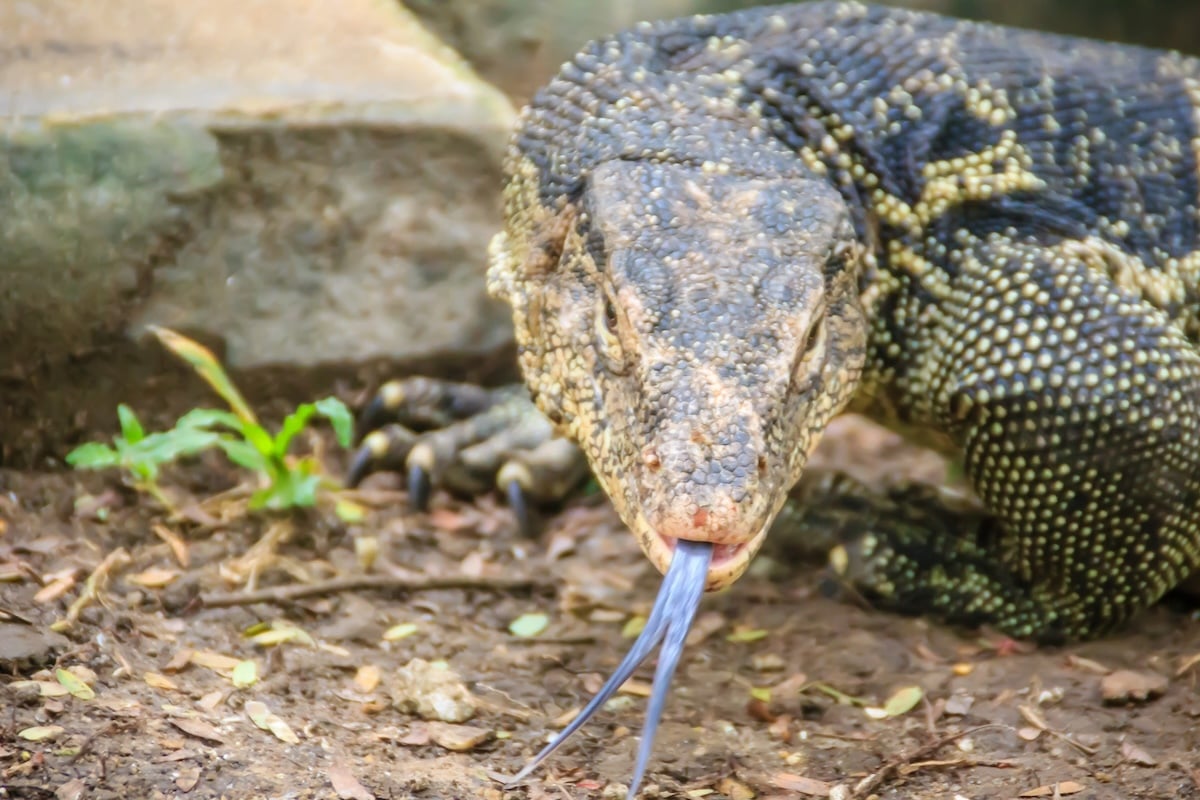 Photo Credit: kampwit at Deposit Photos
In the lush, tropical landscapes of Southeast Asia, the Asian Water Monitor, or Varanus salvator, glides through its watery domain with an air of confidence. Picture a vibrant mangrove swamp, where the sun filters through the dense canopy, casting dappled shadows on the water’s surface. Here, this impressive lizard, with its long, muscular body and striking scales, is a master of its environment. Its powerful limbs propel it effortlessly through both water and land, making it a skilled swimmer and climber. The Asian Water Monitor is not just a sight to behold; it is a fascinating creature that captivates scientists and nature enthusiasts alike.
What makes Varanus salvator particularly intriguing is its adaptability and role in the ecosystem. As a carnivore, it has a varied diet, feasting on everything from fish to small mammals, which helps maintain the balance of its habitat. This lizard is also known for its solitary lifestyle, often seen basking in the sun or stealthily hunting for food. With a keen sense of smell and sharp eyesight, it navigates its world with precision. The Asian Water Monitor is more than just a remarkable reptile; it plays a vital role in its ecosystem, acting as a keystone species that helps control populations of smaller animals. As we dive deeper into the life of this extraordinary lizard, we will explore its behaviors, diet, and the unique relationships it forms within its tropical home.
The Asian Water Monitor, scientifically known as Varanus salvator, holds a special place in the animal kingdom. This impressive lizard is part of the Varanidae family, which includes other monitor lizards known for their intelligence and adaptability. What sets the Asian Water Monitor apart is its remarkable ability to thrive in both aquatic and terrestrial environments. With a long, muscular body and a powerful tail, it is an agile swimmer and a skilled climber, showcasing a versatility that few reptiles can match. This adaptability not only aids in its survival but also highlights its evolutionary success.
| Taxonomic Rank | Scientific Name | Meaning & Significance |
|---|---|---|
| Kingdom | Animalia | This name signifies that the Asian Water Monitor belongs to the broad group of multicellular organisms known as animals, which are characterized by their ability to move and respond to their environment. |
| Phylum | Chordata | Chordata means “having a notochord,” a flexible rod that supports the body. This group includes all animals with a backbone, highlighting the monitor’s advanced structure. |
| Class | Reptilia | Reptilia refers to reptiles, which are cold-blooded animals with scaly skin. This classification emphasizes the monitor’s adaptations for life on land and in water. |
| Order | Squamata | Squamata means “scaly,” a nod to the lizard’s distinctive skin. This order includes all lizards and snakes, showcasing their evolutionary traits. |
| Family | Varanidae | Varanidae is derived from the word “varanus,” which means “monitor.” This family is known for its large, intelligent lizards, emphasizing the monitor’s notable cognitive abilities. |
| Genus | Varanus | The genus name Varanus is linked to the Arabic word “waran,” meaning “lizard.” It reflects the monitor’s long-standing recognition as a significant reptile in various cultures. |
| Species | salvator | Salvator is Latin for “savior,” possibly referring to the monitor’s role in controlling pest populations, thus benefiting its ecosystem. |
Understanding the Asian Water Monitor’s classification reveals much about its evolutionary journey. As a member of the Varanidae family, it shares a lineage with other highly adaptable reptiles, showcasing traits that have allowed it to thrive in diverse habitats. Its classification within the Chordata phylum and Reptilia class highlights its advanced anatomical features, such as a backbone and scaly skin, which are essential for survival. This evolutionary history not only underscores the monitor’s resilience but also its role in the ecosystems it inhabits, making it a vital player in the natural world.
The evolutionary journey of the Asian Water Monitor, or Varanus salvator, stretches back millions of years, intertwining with the history of reptiles. This species belongs to the Varanidae family, which has its roots in the late Cretaceous period, around 100 million years ago. As the world changed, so did these lizards, adapting to various environments and evolving into the diverse group we see today.
The ancestors of the Asian Water Monitor were likely small, agile reptiles that roamed the Earth alongside dinosaurs. Over time, they transitioned into larger, more specialized forms. One significant evolutionary leap was the development of a more elongated body and powerful limbs, allowing them to traverse both land and water with ease. This adaptability was crucial as they began to exploit different habitats, from lush forests to riverbanks. Their diet also evolved, with these monitors becoming opportunistic feeders, capable of consuming a wide range of prey, from insects to small mammals.
These adaptations have been vital for the survival of the Asian Water Monitor. Their ability to swim and climb allows them to escape threats and find food in diverse environments. With sharp claws and a strong sense of smell, they can hunt effectively, ensuring they have enough to eat. As they continue to thrive in their habitats, the evolutionary story of the Asian Water Monitor showcases the incredible ways life can adapt and flourish in the face of change.
The Asian Water Monitor is a striking sight, a true marvel of nature. With a long, muscular body that can reach impressive lengths, this lizard commands attention wherever it roams. Its powerful limbs and sharp claws are designed for both climbing and swimming, making it a versatile predator. The skin, adorned with a pattern of black or dark brown interspersed with vibrant yellow markings, not only adds to its beauty but also serves as excellent camouflage in its natural habitat.
| Feature | Description |
|---|---|
| Size | Can grow up to 10 feet long |
| Weight | Typically weighs between 35 to 44 pounds |
| Color | Black or dark brown with striking yellow markings |
| Skin Type | Rough, scaly skin that helps retain moisture |
The combination of size, color, and skin texture plays a crucial role in the Asian Water Monitor’s survival. Its dark coloration helps it blend into the shadows of the forest or the murky waters where it often hunts. The rough scales not only protect it from predators but also assist in retaining moisture, which is vital for a creature that thrives in humid environments. Together, these features make the Asian Water Monitor a master of its domain, perfectly adapted to life in both water and on land.
The Asian Water Monitor thrives in lush, tropical environments that are rich in water and vegetation. Picture a vibrant landscape filled with dense mangrove swamps, where the air is thick with humidity and the sounds of nature echo all around. These monitors are often found basking on sunlit banks or gliding through the water, their sleek bodies perfectly adapted to both land and aquatic life. The interplay of sunlight filtering through the leaves creates a magical atmosphere, making these habitats a paradise for this agile lizard.
To flourish in their habitats, Asian Water Monitors require warm, humid climates. They prefer areas where temperatures are consistently high, often ranging from 75 to 95 degrees Fahrenheit. These environments are typically wet, with plenty of water sources like rivers, lakes, and swamps. The presence of lush vegetation not only provides shelter but also a rich source of food, making these areas ideal for their survival.
Adaptation is key for the Asian Water Monitor, allowing it to thrive in such diverse environments. Its long, powerful tail helps it swim gracefully through the water, while its sharp claws enable it to climb trees and navigate through dense foliage. The monitor’s keen sense of smell and excellent eyesight make it a skilled hunter, able to spot prey from a distance. These adaptations ensure that the Asian Water Monitor is not just surviving but thriving in its tropical home.
The Asian Water Monitor leads a life that is both active and solitary. Each day begins with a quest for food, as these lizards are opportunistic eaters, meaning they will consume whatever is available. They are often seen basking in the sun to warm their bodies, which helps them stay energetic and ready for the hunt. Their diet includes a variety of prey, from fish and crabs to small mammals and birds. As the sun sets, they may retreat to the safety of trees or burrows, where they rest and digest their meals, preparing for another day of exploration.
While the Asian Water Monitor is primarily a solitary creature, it does have interesting interactions with others of its kind. These lizards are not known for forming tight-knit groups, but they can sometimes be spotted in the same area, especially when food is plentiful. When they encounter one another, they may engage in displays of dominance, such as puffing up their bodies or hissing. These behaviors help establish territory and avoid unnecessary conflict. Communication is often non-verbal, relying on body language and scent marking to convey messages to others.
| Behavior Type | Description |
|---|---|
| Activity Patterns | Active during the day, basking in the sun and hunting for food. |
| Social Structure | Primarily solitary, with occasional interactions when food is abundant. |
| Communication Methods | Uses body language and scent marking to establish territory and avoid conflict. |
The behaviors of the Asian Water Monitor are finely tuned to ensure its survival in the wild. By being solitary, it reduces competition for food and can stealthily hunt without the distraction of others. Its ability to communicate through body language helps it navigate encounters with fellow monitors, minimizing the risk of confrontation. This combination of adaptability and keen awareness of its surroundings allows the Asian Water Monitor to thrive in its lush, tropical habitat.
The Asian Water Monitor is a carnivore, which means it primarily eats meat. This adaptable lizard has a varied diet that includes a wide range of prey. It is known for its opportunistic feeding behavior, meaning it will take advantage of whatever food sources are available. From frogs and fish to small mammals and even the occasional domesticated pet, the Asian Water Monitor is a skilled hunter and forager. Its keen sense of smell and sharp eyesight help it locate food, whether it’s lurking in the water or scouring the land.
| Dietary Aspect | Details |
|---|---|
| Diet Type | Carnivore |
| Favorite Foods | Frogs, fish, rodents, and eggs |
| Prey Items | Young crocodiles, turtles, domesticated cats and dogs, and human food waste |
| Hunting/Foraging Strategies | Uses keen eyesight and sense of smell to locate prey; often ambushes or scavenges |
The diverse diet of the Asian Water Monitor plays a crucial role in its ecology and daily routine. By consuming a variety of prey, it helps control populations of smaller animals, contributing to the balance of its ecosystem. This lizard’s scavenging habits also aid in the decomposition process, breaking down decayed flesh and recycling nutrients back into the environment. As it navigates its habitat in search of food, the Asian Water Monitor showcases the intricate connections between species and their surroundings, highlighting the importance of each creature in the web of life.
The mating behavior of the Asian Water Monitor is as intriguing as the lizard itself. During the breeding season, which typically occurs in the warmer months, males engage in a series of displays to attract females. These displays can include head-bobbing, tail-wagging, and even wrestling with other males to establish dominance. Once a female is chosen, the pair will mate, and the female will later lay her eggs in a secure location, often near water, to ensure the best chance for survival.
| Reproductive Aspect | Details |
|---|---|
| Gestation Period | Six to seven months incubation period |
| Litter Size | Typically 15 to 30 eggs |
| Age of Maturity | About 3 to 4 years |
| Name of Young | Hatchlings |
Once the eggs are laid, the female often leaves them to incubate on their own. After hatching, the young, known as hatchlings, emerge and are immediately independent. These tiny lizards are equipped with instincts that help them survive in the wild. They quickly learn to hunt and find shelter, often seeking refuge in trees or burrows. As they grow, they develop the skills necessary to thrive in their environment, maturing into formidable adults in just a few years. The journey from hatchling to adult is a testament to the resilience and adaptability of the Asian Water Monitor, showcasing the wonders of nature’s life cycles.
The Asian Water Monitor, or Varanus salvator, plays a vital role in its ecosystem, sitting near the top of the food web. As a carnivore, it helps control populations of smaller animals, ensuring a balanced environment. However, this impressive lizard faces several dangers that threaten its survival.
To defend itself against these formidable threats, the Asian Water Monitor has developed several survival strategies. When confronted by predators like the king cobra or saltwater crocodile, it can quickly escape into the water, where it is an excellent swimmer. Additionally, its tough skin and sharp claws allow it to climb trees or rocky surfaces to evade danger. This clever lizard also relies on its keen senses to detect threats early, giving it a chance to flee before being spotted. Through these adaptations, the Asian Water Monitor continues to thrive in its natural habitat, despite the challenges it faces.
A keystone species is an organism that has a disproportionately large impact on its environment relative to its abundance. These species play critical roles in maintaining the structure of an ecosystem. The Asian Water Monitor, or Varanus salvator, qualifies as a keystone species due to its significant influence on the balance of its tropical and wetland habitats.
The Asian Water Monitor is a carnivore, meaning it primarily feeds on meat, and its diet includes a variety of prey such as fish, amphibians, and small mammals. By preying on these animals, it helps regulate their populations, preventing any one species from becoming too dominant. This predatory behavior is essential for maintaining biodiversity, as it allows different species to coexist and thrive in the same environment.
Moreover, the Asian Water Monitor contributes to nutrient cycling in its ecosystem. When it consumes prey, it breaks down organic matter, which in turn enriches the soil and water with nutrients. This process supports plant growth, which is vital for the overall health of the ecosystem. Additionally, the monitor’s presence can influence the behavior of other animals, as many species may alter their activities to avoid this formidable predator.
The Asian Water Monitor also plays a role in controlling the populations of invasive species. By preying on non-native animals that may disrupt the local ecosystem, it helps maintain the natural balance. This is particularly important in areas where human activity has introduced new species that could threaten native wildlife.
If the Asian Water Monitor were to disappear, the effects would ripple through its ecosystem. Without this predator, populations of smaller animals could explode, leading to overgrazing and depletion of vegetation. This imbalance would not only affect plant life but also the many other species that rely on those plants for food and shelter. Ultimately, the loss of the Asian Water Monitor could result in a less diverse and less resilient ecosystem, highlighting just how crucial this lizard is to its tropical home.
The Asian Water Monitor, known scientifically as Varanus salvator, occupies a crucial ecological niche in its tropical habitat. This impressive lizard thrives in wetland areas and mangrove swamps, where it plays a significant role in maintaining the balance of its ecosystem. As a carnivore, it helps regulate populations of smaller animals, ensuring that no single species dominates the environment. This balance is essential for the health of the entire ecosystem, as it allows for a diverse range of species to coexist.
| Ecosystem Service | Impact |
|---|---|
| Population Control | Regulates numbers of prey species, preventing overpopulation. |
| Nutrient Cycling | Contributes to the breakdown of organic matter through its feeding habits. |
| Habitat Creation | Creates burrows that can be used by other species for shelter. |
| Food Source | Serves as prey for larger predators, supporting the food web. |
The influence of the Asian Water Monitor extends beyond its immediate actions. For instance, by preying on small mammals, birds, and even fish, it helps maintain a balanced food web. This predation prevents any one species from becoming too numerous, which could lead to resource depletion. Additionally, the burrows that these monitors dig can provide shelter for other animals, such as smaller reptiles and amphibians, creating a more complex habitat. This interconnectedness highlights how the Asian Water Monitor is not just a solitary hunter but a vital player in the web of life.
The broader ecological importance of the Asian Water Monitor cannot be overstated. As a keystone species, its presence and activities significantly shape the structure of its environment. By controlling prey populations and contributing to nutrient cycling, it supports the health of the wetlands and mangrove swamps where it resides. This lizard is a reminder of how every creature, no matter its size, plays a role in the intricate dance of nature, ensuring that ecosystems remain vibrant and resilient.
In the intricate web of life, symbiosis plays a vital role in shaping ecosystems. Symbiosis refers to the close and often long-term interactions between different species. These relationships can be mutualistic, where both species benefit; parasitic, where one benefits at the expense of the other; or commensal, where one benefits while the other is neither helped nor harmed. The Asian Water Monitor, a fascinating lizard found in tropical wetlands and mangrove swamps, engages in various ecological partnerships that highlight the complexity of nature.
| Species/Type | Relationship Type | Description |
|---|---|---|
| Birds (e.g., oxpeckers) | Mutualistic | These birds often perch on the monitor, feeding on parasites and ticks found on its skin, which helps keep the lizard healthy. |
| Frogs | Commensal | Frogs may share the same habitat as the monitor, benefiting from the shelter it provides without affecting the lizard. |
| Fish | Parasitic | Some fish may attach themselves to the monitor’s skin, feeding on its mucus, which can be harmful to the lizard. |
The evolution of these relationships showcases the adaptability and interconnectedness of species. Over time, the Asian Water Monitor has developed partnerships that enhance its survival and well-being. Mutualistic relationships, like those with birds, not only help the monitor stay healthy but also provide food for the birds. Meanwhile, the presence of frogs in the same habitat illustrates how different species can coexist, benefiting from shared resources. Understanding these dynamics helps us appreciate the delicate balance of ecosystems and the importance of every species within them.
The Asian Water Monitor, known scientifically as Varanus salvator, is a captivating lizard that thrives in tropical environments. With its impressive size and unique adaptations, this species has some surprising traits that will intrigue nature lovers of all ages.
The Asian Water Monitor, or Varanus salvator, has a long history of interaction with humans that dates back centuries. In many cultures across Southeast Asia, this impressive lizard is not just a part of the landscape but also a symbol of strength and resilience. Ancient texts and folklore often depict the monitor as a creature of wisdom, while in some regions, its skin has been used for traditional crafts. These historical encounters have woven the Asian Water Monitor into the cultural fabric of the communities that share its habitat, highlighting a relationship that is both practical and symbolic.
Today, the interactions between the Asian Water Monitor and humans are complex and multifaceted. On one hand, these lizards are often seen as pests, especially in urban areas where they may raid gardens or invade homes in search of food. On the other hand, conservation efforts are underway to protect their habitats, as these lizards play a vital role in maintaining ecological balance. Some communities have even embraced the idea of domestication, keeping monitors as exotic pets, which raises questions about their welfare and the impact on wild populations. This duality of conflict and conservation illustrates the ongoing negotiation between human needs and wildlife preservation.
As we look to the future, the relationship between the Asian Water Monitor and humanity will likely continue to evolve. With increasing urbanization and environmental changes, finding a balance between human interests and wildlife conservation will be crucial. Education and awareness can foster a deeper appreciation for these remarkable lizards, encouraging people to see them not just as pests but as vital components of their ecosystems. By understanding and respecting the role of the Asian Water Monitor, we can work towards a future where both humans and wildlife thrive together.
The Asian Water Monitor, or Varanus salvator, currently holds a conservation status of “Least Concern” according to the International Union for Conservation of Nature (IUCN). This means that, at present, the species is not facing an immediate threat of extinction. Population estimates suggest that these lizards are relatively stable across their range, which includes various tropical regions in Southeast Asia. However, while their numbers are not declining overall, localized populations may experience fluctuations due to environmental changes and human activities.
| Conservation Factor | Status/Details |
|---|---|
| IUCN Status | Least Concern |
| Population Estimates | Stable in many areas |
| Trend Direction | Stable |
Despite their current stable status, Asian Water Monitors face several significant threats. Habitat destruction is a major concern, as wetlands and mangrove forests are often cleared for agriculture and urban development. Additionally, these lizards are sometimes hunted for their skin and meat, which can lead to local population declines. Pollution in their aquatic habitats can also impact their health and food sources, making it harder for them to thrive.
Conservation efforts are underway to protect the Asian Water Monitor and its habitats. Many organizations are working to raise awareness about the importance of preserving wetlands and promoting sustainable practices. Protected areas are being established to safeguard these lizards and their ecosystems. With continued efforts and public support, the outlook for the Asian Water Monitor remains hopeful, allowing this fascinating species to continue its role in the vibrant tapestry of tropical life.
| Question | Answer |
|---|---|
| What is the habitat of the Asian Water Monitor? | The Asian Water Monitor thrives in tropical regions, often found in wetland areas and mangrove swamps. These environments provide the water and shelter they need to hunt and bask in the sun. |
| What does the Asian Water Monitor eat? | This lizard is a carnivore, meaning it primarily eats meat. Its diet includes fish, frogs, small mammals, and even birds, showcasing its adaptability as a hunter. |
| How does the Asian Water Monitor behave? | Asian Water Monitors are known for their curious and intelligent nature. They are excellent swimmers and often dive underwater to catch prey or escape danger, using their long tails to propel themselves. |
| How does the Asian Water Monitor reproduce? | During the breeding season, female Asian Water Monitors lay eggs in sandy nests. After about 3 to 4 months, the eggs hatch, and the young lizards are independent from the moment they emerge. |
| What threats do Asian Water Monitors face? | While the Asian Water Monitor is currently listed as Least Concern, it faces threats from habitat destruction and hunting. As wetlands are drained for development, these lizards lose their homes and food sources. |
| What are some interesting characteristics of the Asian Water Monitor? | One of the most distinctive features of the Asian Water Monitor is its striking black or dark brown skin adorned with yellow markings. This coloration helps it blend into its environment, making it a skilled ambush predator. |
| Can Asian Water Monitors be kept as pets? | While some people do keep Asian Water Monitors as pets, they require a lot of space and specific care. They are active and intelligent animals that need a proper environment to thrive, which can be challenging for many pet owners. |