Taxonomy & Classification
- Kingdom
- Animalia
- Phylum
- Arthropoda
- Class
- Insecta
- Order
- Hemiptera
- Family
- Aphididae
- Genus
- Aphis
- Species
- Aphis nerii

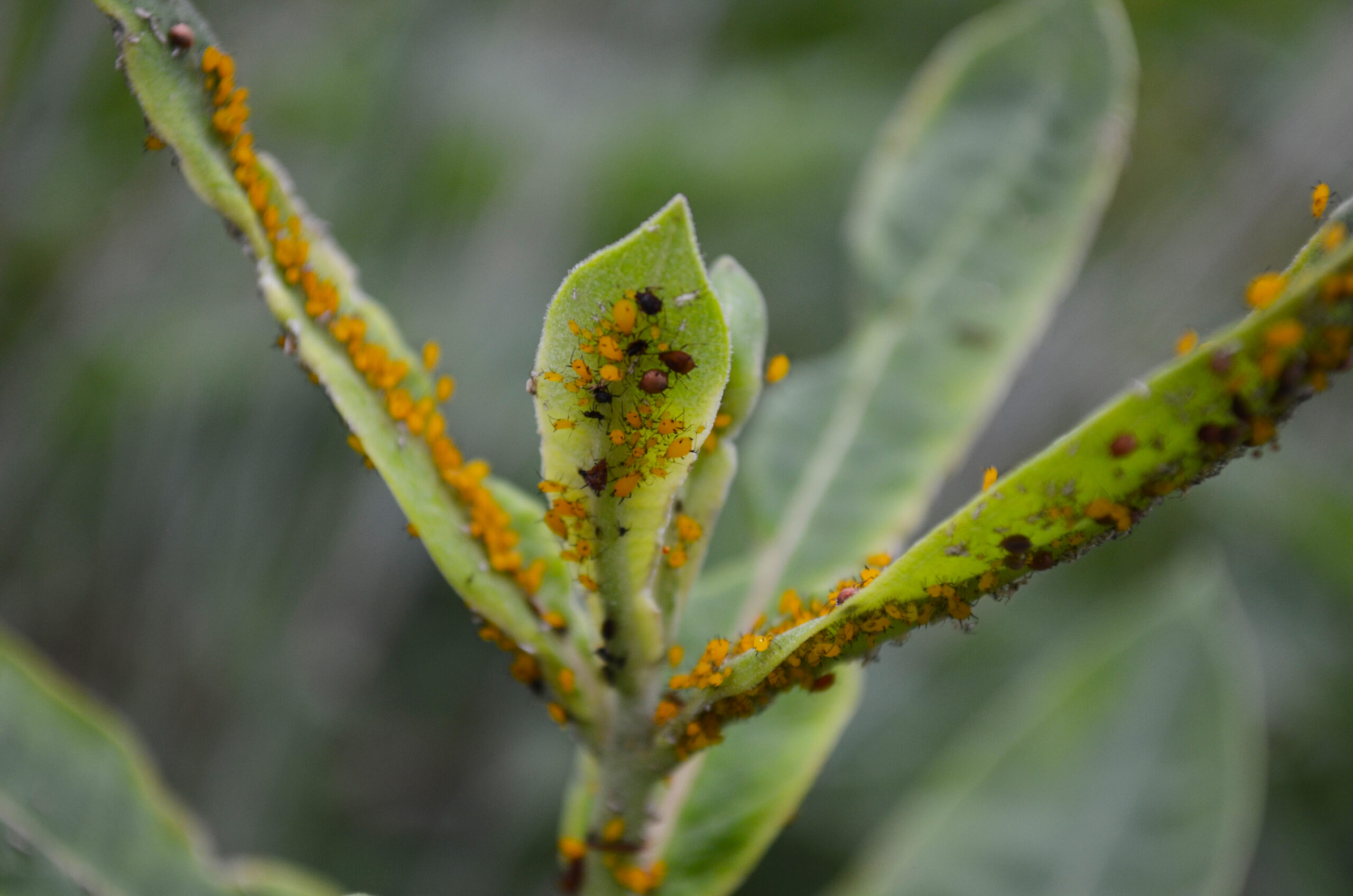 Photo Credit: OptimusPrimeBot / Wikimedia Commons
In the sun-drenched meadows and lush gardens of tropical and Mediterranean climates, the milkweed aphid, or Aphis nerii, thrives among the vibrant green leaves of its namesake plant. These tiny insects, often overlooked due to their size, are adorned with delicate bodies that can range in color from pale green to a striking orange. With their lacey wings and soft, rounded forms, they create a captivating sight as they cluster together, sipping the sweet sap of milkweed. This sap is not just a meal; it’s a lifeline, providing the nutrients they need to grow and reproduce.
What makes Aphis nerii particularly intriguing to scientists and nature enthusiasts alike is their role in the ecosystem. These little herbivores are not merely pests; they are a keystone species, meaning their presence significantly impacts the environment around them. By feeding on milkweed, they help to sustain a variety of other creatures, including the beautiful monarch butterfly, which relies on milkweed for its own survival. As we explore the world of milkweed aphids, we will uncover their fascinating life cycle, their interactions with other species, and the vital role they play in the intricate web of life. Join us on this adventure to discover the hidden wonders of Aphis nerii and the vibrant ecosystems they inhabit.
Milkweed aphids, known scientifically as Aphis nerii, hold a special place in the tree of life. They belong to the kingdom Animalia, which includes all animals, and are part of the phylum Arthropoda, the group that encompasses creatures with exoskeletons, segmented bodies, and jointed legs. What sets milkweed aphids apart is their close relationship with milkweed plants, which they rely on for nourishment. These tiny insects are not just important for their role in the ecosystem; they also showcase the incredible diversity of life forms that have adapted to specific environments.
| Taxonomic Rank | Scientific Name | Meaning & Significance |
|---|---|---|
| Kingdom | Animalia | The name means “animals” in Latin, highlighting the diverse group of living organisms that share characteristics like mobility and complex behaviors. |
| Phylum | Arthropoda | This term translates to “jointed legs” in Greek, referring to the segmented bodies and jointed appendages that define this vast group, which includes insects, spiders, and crustaceans. |
| Class | Insecta | Derived from the Latin word for “cut,” this class includes all insects, characterized by their three-part bodies, compound eyes, and usually two pairs of wings. |
| Order | Hemiptera | This name means “half-wing” in Greek, which describes the unique structure of their wings, where the front pair is hardened at the base and membranous at the tips. |
| Family | Aphididae | The family name comes from the Greek word “aphis,” meaning “aphid,” which refers to these small, sap-sucking insects that often form large colonies. |
| Genus | Aphis | This genus name also comes from the Greek word “aphis,” emphasizing the shared characteristics of these small, soft-bodied insects that feed on plant sap. |
Understanding the taxonomic classification of milkweed aphids reveals much about their evolutionary journey. As members of the Hemiptera order, they share a lineage with other sap-sucking insects, showcasing adaptations that have allowed them to thrive on specific host plants like milkweed. Their close relationship with these plants not only highlights their ecological role but also illustrates the intricate connections between species in nature. This classification helps scientists trace the evolutionary paths that have shaped the diverse forms of life we see today, reminding us of the delicate balance that sustains our ecosystems.
The evolutionary journey of milkweed aphids, scientifically known as Aphis nerii, stretches back millions of years. These tiny insects are part of a larger family called Aphididae, which has been around since the time of the dinosaurs. As they evolved, milkweed aphids adapted to their environment, particularly to the plants they feed on, which has shaped their survival strategies and ecological roles.
Milkweed aphids are believed to have descended from ancestral forms that were more generalized feeders. Over time, they transitioned to specialize in feeding on milkweed plants, which are known for their toxic compounds. This shift allowed them to exploit a niche that many other insects avoided due to the plants’ defenses. As they adapted to this new food source, they developed unique traits that helped them thrive in a world filled with predators and competition.
These adaptations have been crucial for the survival of milkweed aphids in a challenging environment. By specializing in milkweed, they not only found a reliable food source but also developed defenses against predators and environmental threats. Their rapid reproduction and symbiotic relationships further enhance their resilience, allowing them to thrive in diverse habitats. Through millions of years of evolution, milkweed aphids have become a fascinating example of how life can adapt and flourish in the face of challenges.
Milkweed aphids are tiny yet captivating insects that often go unnoticed among the vibrant green leaves of milkweed plants. Their delicate bodies are adorned with a striking set of lacey wings that flutter gracefully, giving them an almost ethereal appearance. These aphids are typically small, measuring just a few millimeters in length, and their soft, rounded bodies are encased in a tough exoskeleton, which serves as a protective armor. The combination of their size and unique wing structure creates a charming yet intricate image, making them a delightful subject for nature enthusiasts.
| Feature | Description |
|---|---|
| Size | Typically 1-3 mm long |
| Color | Often green or yellowish, blending with milkweed |
| Skin Type | Exoskeleton, providing protection |
| Most Distinctive Feature | Lacey wings that add to their delicate appearance |
The features of milkweed aphids work together beautifully to enhance their survival in the wild. Their small size allows them to hide among the leaves, making it harder for predators to spot them. The exoskeleton not only shields them from physical harm but also helps retain moisture, which is crucial for their survival in various environments. Meanwhile, their lacey wings enable them to escape quickly if danger approaches, allowing them to flit away to safety. Together, these characteristics create a perfect blend of beauty and functionality, showcasing the wonders of adaptation in the natural world.
In the warm embrace of tropical and Mediterranean climates, milkweed aphids find their perfect home. Picture a sun-drenched meadow or a lush garden filled with the vibrant green leaves of milkweed plants. These insects thrive in areas where the air is rich with moisture and the sun shines brightly, creating an ideal environment for their growth and reproduction. The milkweed plants, with their thick, succulent leaves, provide not only nourishment but also a safe haven from predators.
Milkweed aphids prefer climates that are warm and humid, which helps them thrive. They flourish in temperatures that typically range from 70 to 85 degrees Fahrenheit (21 to 29 degrees Celsius). These conditions allow them to reproduce quickly, as they can produce several generations in a single growing season. The moisture in the air is crucial, as it helps them maintain their delicate bodies and supports the growth of the milkweed plants they depend on for food.
Adaptation is key to the survival of milkweed aphids in their chosen habitats. They have developed a special relationship with milkweed plants, which not only provide food but also serve as a refuge from many predators. Their ability to reproduce rapidly means that even if some are eaten or affected by environmental changes, many more will thrive. Additionally, their small size and ability to blend in with the leaves help them avoid detection, making them well-suited to life in these vibrant ecosystems.
As the sun rises, milkweed aphids begin their day in the warm embrace of their favorite plants. These tiny insects are diurnal, meaning they are most active during the day. They spend their time feeding on the sap of milkweed, a nutrient-rich fluid that provides them with the energy they need to thrive. With their specialized mouthparts, they pierce the plant’s tissue and draw out the sweet sap, which is essential for their growth and reproduction. Throughout the day, they can be seen moving about, exploring their surroundings, and interacting with one another.
Milkweed aphids are social insects that thrive in groups. They often cluster together on the same plant, creating a bustling community. This group behavior offers several advantages, such as increased protection from predators. When they are close together, they can warn each other of danger through chemical signals. These signals are like tiny messages sent through the air, alerting their companions to potential threats. The aphids also engage in a behavior called “tending,” where they care for and protect their young, ensuring the next generation has the best chance of survival.
| Behavior Type | Description |
|---|---|
| Feeding | Milkweed aphids feed on the sap of milkweed plants, using their specialized mouthparts to extract nutrients. |
| Social Structure | They live in groups, which helps them stay safe from predators and allows for cooperative behaviors. |
| Communication | Aphids communicate through chemical signals, warning each other of danger and coordinating group activities. |
| Tending | Adult aphids care for their young, providing protection and ensuring they have access to food sources. |
The daily activities and social behaviors of milkweed aphids are crucial for their survival. By feeding together and living in groups, they not only enhance their chances of finding food but also create a network of support that helps them evade predators. Their ability to communicate and care for one another strengthens their community, ensuring that these tiny insects can thrive in their vibrant, green world.
Milkweed aphids, or Aphis nerii, are herbivores that primarily feast on the sap of milkweed plants. They have specialized mouthparts called stylets, which are like tiny needles that allow them to pierce the plant’s tissues and access the nutrient-rich sap. This feeding behavior is essential for their survival, as the sap provides the sugars and amino acids they need to grow and reproduce. By tapping into the milkweed’s resources, these aphids play a significant role in the ecosystem, influencing plant health and serving as food for various predators.
| Dietary Aspect | Details |
|---|---|
| Diet Type | Herbivore |
| Favorite Foods | Milkweed sap |
| Prey Items | None (they do not hunt) |
| Hunting/Foraging Strategies | Use stylets to extract sap from milkweed plants |
The diet of milkweed aphids not only sustains them but also shapes their ecological role. By feeding on milkweed, they can influence the health of these plants, which are crucial for many other species, including monarch butterflies. Their presence can attract predators like ladybugs, creating a dynamic food web. As they go about their daily routine, these aphids contribute to the balance of their environment, showcasing how even the smallest creatures can have a big impact on the world around them.
Milkweed aphids have a fascinating approach to reproduction that ensures their population thrives, especially during the warm months. Mating typically occurs in the spring and summer when conditions are just right. During this time, males and females come together to mate, and the females can produce several generations of offspring without needing a male, a process called parthenogenesis. This means that a single female can give rise to many young, making it easier for the population to grow quickly.
| Reproductive Aspect | Details |
|---|---|
| Gestation Period | About 7 to 10 days |
| Litter Size | Up to 20 larvae per female |
| Age of Maturity | Approximately 7 to 10 days |
| Name of Young | Larvae |
Once the larvae are born, they are quite independent and begin to feed on the sap of milkweed plants almost immediately. This early start is crucial for their growth, as they need to consume enough nutrients to develop into adults. Interestingly, milkweed aphids do not provide extensive parental care; instead, they rely on the abundant resources of their environment. As the larvae grow, they undergo several molts, shedding their skin to accommodate their increasing size. Within just a couple of weeks, they reach maturity, ready to continue the cycle of life and contribute to the thriving population of milkweed aphids.
Milkweed aphids, or Aphis nerii, play a crucial role in the food web, serving as a tasty snack for various predators. These tiny insects are herbivores that feed on the sap of milkweed plants, making them an important food source for many animals. Their presence supports a diverse range of species, from birds to beneficial insects, highlighting their significance in the ecosystem.
To survive these threats, milkweed aphids have developed several clever defensive strategies. They often cluster together in large groups, which can confuse predators and make it harder for them to pick out individual aphids. Some aphids even produce a sticky substance that can deter attackers. Additionally, when threatened, they can drop off the plant and fall to the ground, escaping the jaws of hungry predators. These survival tactics help ensure that milkweed aphids continue to thrive in their vibrant habitats.
A keystone species is an organism that has a disproportionately large impact on its environment relative to its abundance. This means that if it were removed, the ecosystem would change dramatically. Milkweed aphids, known scientifically as Aphis nerii, can be considered a keystone species in their habitat. Their presence influences various aspects of the ecosystem, particularly in the tropical and Mediterranean climates where they thrive.
Milkweed aphids play a vital role in the food web. They are herbivores that feed on the sap of milkweed plants, which are crucial for many other species, including monarch butterflies. By feeding on these plants, milkweed aphids can affect the health and growth of the milkweed itself. When aphid populations are high, they can weaken the plants, making them less available for other herbivores and pollinators. This interaction highlights how the aphids indirectly influence the entire community of organisms that depend on milkweed.
Moreover, milkweed aphids serve as a food source for a variety of predators, including ladybugs and lacewings. These predators help control aphid populations, creating a balance in the ecosystem. If the aphids were to disappear, their predators would lose a significant food source, which could lead to a decline in their populations as well. This ripple effect demonstrates the interconnectedness of species within an ecosystem.
If milkweed aphids were to vanish from their ecosystems, the consequences could be severe. The decline of these tiny insects would disrupt the food web, leading to fewer predators and potentially allowing other herbivores to overpopulate. This could result in the overconsumption of milkweed plants, further harming the species that rely on them, including the iconic monarch butterfly. The loss of milkweed aphids would not only impact individual species but could also destabilize the entire ecosystem, showcasing their critical role in maintaining ecological balance.
Milkweed aphids, scientifically known as Aphis nerii, play a vital role in their ecosystems, particularly in tropical and Mediterranean climates. These tiny herbivores thrive on the sap of milkweed plants, which are not only their food source but also a crucial part of their ecological niche. By feeding on these plants, milkweed aphids help to shape the environment around them, influencing both plant health and the broader community of organisms that depend on milkweed.
| Ecosystem Service | Impact |
|---|---|
| Food Source | Milkweed aphids provide nourishment for various predators, including ladybugs and lacewings, which helps maintain a balanced ecosystem. |
| Plant Health | By feeding on milkweed, they can stimulate plant growth, as some plants respond to herbivory by producing more leaves. |
| Pollinator Attraction | The presence of milkweed aphids can attract pollinators, as their honeydew secretions serve as a food source for ants and other insects. |
| Soil Enrichment | The waste produced by milkweed aphids, known as honeydew, enriches the soil, promoting healthy plant growth in the surrounding area. |
Milkweed aphids influence their environment in several fascinating ways. For instance, their feeding habits can lead to increased plant vigor, as milkweed plants often respond to aphid feeding by producing more foliage. This not only benefits the milkweed itself but also creates a more robust habitat for other species. Additionally, the honeydew they excrete attracts ants and other insects, which can further enhance the local ecosystem by providing food for various organisms. This interaction showcases the interconnectedness of life, where even the smallest creatures can have a significant impact.
The broader ecological importance of milkweed aphids cannot be overstated. As a keystone species, their presence supports a diverse array of life, from predators to pollinators. By serving as both a food source and a catalyst for plant growth, milkweed aphids help maintain the delicate balance of their ecosystems. Their role highlights the intricate web of relationships that exist in nature, reminding us that every organism, no matter how small, contributes to the health and vitality of our planet.
In the intricate web of life, symbiosis plays a crucial role, connecting various species in a dance of cooperation, competition, and sometimes, conflict. Symbiosis refers to the close interactions between different organisms, which can be beneficial, harmful, or neutral. These relationships can take many forms, from mutualism, where both species gain advantages, to parasitism, where one benefits at the expense of the other. Understanding these ecological relationships helps us appreciate the complexity of ecosystems and the roles that each species plays within them.
| Species/Type | Relationship Type | Description |
|---|---|---|
| Ants | Mutualistic | Milkweed aphids produce a sugary substance called honeydew, which ants love to eat. In return, ants protect the aphids from predators, ensuring their survival. |
| Ladybugs | Predatory | Ladybugs feed on milkweed aphids, helping to control their population. This relationship is essential for maintaining balance in the ecosystem. |
| Wasps | Parasitic | Certain wasps lay their eggs inside milkweed aphids. The wasp larvae then consume the aphids from the inside, ultimately leading to the aphid’s death. |
These relationships have evolved over time, shaped by the needs and survival strategies of each species involved. The mutualistic bond between milkweed aphids and ants showcases how cooperation can lead to greater success in a shared environment. Meanwhile, the predatory and parasitic interactions highlight the natural checks and balances that keep populations in check. By understanding these connections, we gain insight into the delicate balance of ecosystems and the importance of each species in maintaining that harmony.
Milkweed aphids, known scientifically as Aphis nerii, are tiny insects that pack a surprising punch in the natural world. These little creatures are not just ordinary pests; they have some remarkable traits that make them truly fascinating.
Throughout history, milkweed aphids have danced in and out of human awareness, often unnoticed yet significant. These tiny insects, known scientifically as Aphis nerii, have been part of the natural tapestry that surrounds us. In many cultures, milkweed plants, their primary habitat, have held symbolic meanings, often associated with resilience and transformation. The relationship between humans and these aphids is not just one of indifference; it reflects a broader connection to the environment and the intricate web of life that sustains us.
In modern times, our interactions with milkweed aphids have evolved, particularly in the context of conservation and agriculture. As these aphids are vital to the life cycle of monarch butterflies, their presence is crucial for maintaining healthy ecosystems. However, they can also be seen as pests in gardens and farms, where their feeding can damage plants. This duality creates a complex relationship, as some people work to protect milkweed habitats to support butterfly populations, while others seek to control aphid numbers to safeguard their crops. This ongoing tug-of-war highlights the need for balance in our approach to nature.
As we look to the future, the relationship between milkweed aphids and humanity is poised for further evolution. With growing awareness of environmental issues, more people are recognizing the importance of these tiny insects in the grand scheme of nature. By fostering a deeper understanding of their role in ecosystems, we can learn to appreciate the delicate balance of life. This relationship, rooted in both conflict and cooperation, may lead to innovative solutions that benefit both humans and the natural world, ensuring that milkweed aphids continue to thrive alongside us.
The conservation status of milkweed aphids, or Aphis nerii, is currently classified as “Not Evaluated” by the International Union for Conservation of Nature (IUCN). This means that there hasn’t been enough research to determine their population trends or overall health. While they are not currently considered endangered, understanding their status is crucial, especially as they play an important role in their ecosystems.
| Conservation Factor | Status/Details |
|---|---|
| IUCN Status | Not Evaluated |
| Population Estimates | Unknown |
| Trend Direction | Unknown |
Despite their small size, milkweed aphids face several threats that could impact their populations. One of the main challenges is habitat loss due to agricultural expansion and urban development. As more land is converted for farming or building, the natural habitats where these aphids thrive are diminished. Additionally, the use of pesticides in agriculture can harm not only milkweed aphids but also the plants they depend on, disrupting their food sources and the delicate balance of their ecosystems.
Conservation efforts for milkweed aphids are still in the early stages, primarily because their status has not been thoroughly assessed. However, protecting their habitats and promoting organic farming practices can help ensure that these tiny insects continue to thrive. By raising awareness about the importance of milkweed plants in supporting not just aphids but also other species like monarch butterflies, we can foster a healthier environment for all. The outlook for milkweed aphids may improve as more research is conducted, helping us understand their role in the ecosystem and how best to protect them.
| Question | Answer |
|---|---|
| Where do Milkweed aphids live? | Milkweed aphids thrive in tropical and Mediterranean climates. They are often found on milkweed plants, which provide them with the food and shelter they need to survive. |
| What do Milkweed aphids eat? | These tiny insects are herbivores, meaning they primarily feed on plant material. They particularly enjoy the sap of milkweed plants, which is rich in nutrients. |
| How do Milkweed aphids behave? | Milkweed aphids are known for their social behavior, often forming large colonies on their host plants. They communicate with each other through chemical signals, which helps them stay together and find food. |
| How do Milkweed aphids reproduce? | Milkweed aphids can reproduce both sexually and asexually. In favorable conditions, females can give birth to live young without mating, allowing their populations to grow rapidly. |
| What threats do Milkweed aphids face? | While Milkweed aphids have few natural predators, they can be threatened by environmental changes and pesticides. These factors can disrupt their habitats and reduce their populations. |
| What is an interesting characteristic of Milkweed aphids? | One of the most distinctive features of Milkweed aphids is their lacey wings. These delicate wings help them move from plant to plant, allowing them to find new food sources and avoid predators. |
| Are Milkweed aphids important to the ecosystem? | Yes, Milkweed aphids play a role in the ecosystem by serving as a food source for various predators, including ladybugs and lacewings. Additionally, their presence can attract beneficial insects that help pollinate plants. |