Taxonomy & Classification
- Kingdom
- Animalia
- Phylum
- Arthropoda
- Class
- Diplopoda

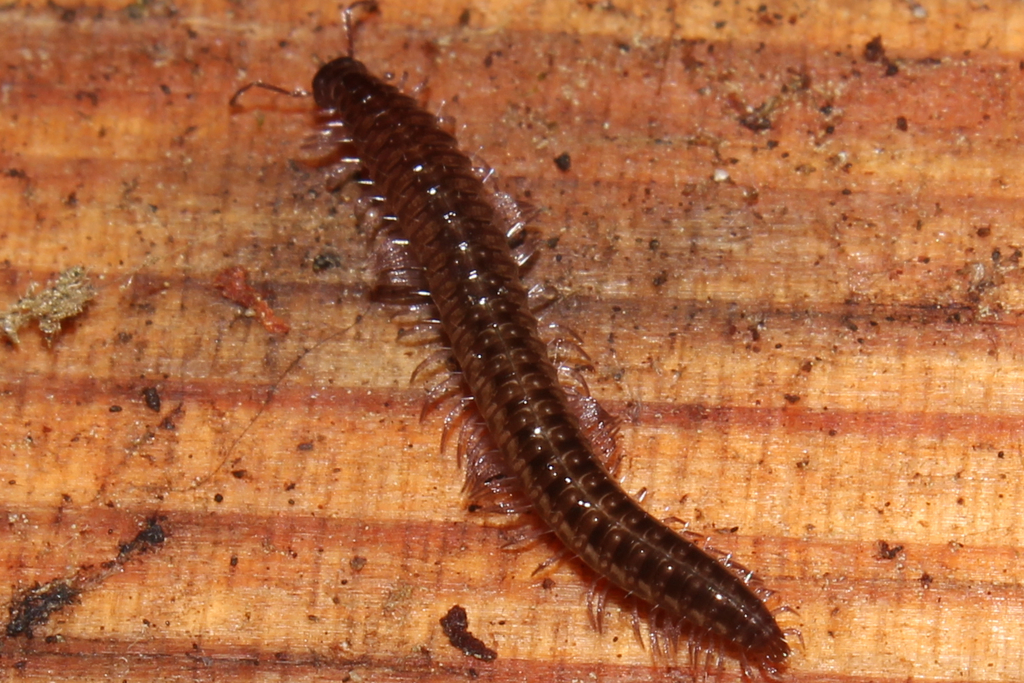 Photo Credit: Thanassi07 / Wikimedia Commons
In the shadowy underbrush of a lush forest, the millipede, known scientifically as Diplopoda, makes its slow and deliberate journey across the damp earth. With its long, segmented body, often adorned in shades of brown or black, this ancient invertebrate glides through the leaf litter, leaving a trail of curiosity in its wake. Each segment of its body is a marvel of evolution, housing two pairs of legs that work in perfect harmony, allowing it to navigate the intricate world of soil and decaying plant matter. This fascinating creature, often mistaken for a worm, is actually a distant relative of insects and spiders, showcasing the incredible diversity of life on our planet.
Millipedes are not just remarkable for their appearance; they play a vital role in their ecosystems. As decomposers, they feast on decaying leaves and organic material, breaking it down and returning essential nutrients to the soil. This process enriches the earth, making it fertile for new plant life to thrive. Scientists and nature enthusiasts alike are captivated by these creatures, not only for their ecological importance but also for their intriguing behaviors and adaptations. With a history that stretches back over 400 million years, millipedes remind us of the resilience of life and the intricate connections that bind all living things together in the tapestry of nature.
Millipedes are intriguing members of the animal kingdom, nestled within the vast and diverse tree of life. They belong to the phylum Arthropoda, which includes all joint-legged animals like insects and spiders. Specifically, millipedes are classified under the class Diplopoda. What sets them apart is their unique body structure, featuring two pairs of legs per body segment, which gives them a distinctive, elongated appearance. This characteristic, along with their ability to curl into a tight spiral when threatened, makes them a captivating subject of study in the world of invertebrates.
| Taxonomic Rank | Scientific Name | Meaning & Significance |
|---|---|---|
| Kingdom | Animalia | The name “Animalia” comes from the Latin word “animalis,” meaning “having breath” or “living.” This reflects the vital, breathing nature of all animals, including millipedes. |
| Phylum | Arthropoda | “Arthropoda” means “jointed feet” in Greek, highlighting the jointed limbs that are a hallmark of this diverse group, which includes insects, arachnids, and crustaceans. |
| Class | Diplopoda | The term “Diplopoda” translates to “double feet,” derived from the Greek words “diplo,” meaning “double,” and “pous,” meaning “foot.” This name reflects the millipede’s unique anatomy of having two pairs of legs per segment. |
Understanding where millipedes fit in the tree of life reveals much about their evolutionary journey. As ancient arthropods, they have existed for millions of years, adapting to various environments and playing essential roles in their ecosystems. Their classification not only highlights their physical traits but also underscores their importance in soil health and decomposition. By breaking down organic matter, millipedes contribute to nutrient cycling, showcasing how interconnected life forms are in maintaining the balance of nature.
Millipedes have a long and winding evolutionary history that stretches back over 400 million years, making them some of the oldest land-dwelling arthropods. These fascinating organisms first appeared during the Devonian period, a time when the Earth was teeming with new life forms. As the planet’s landscapes transformed, millipedes adapted to thrive in various environments, evolving alongside the rise of plants and other terrestrial animals.
The earliest ancestors of millipedes were likely similar to modern-day myriapods, a group that includes both millipedes and centipedes. These ancient relatives had simple body structures and were primarily aquatic. As they ventured onto land, they underwent significant changes. One major transition was the development of a hard exoskeleton, which provided protection against predators and helped retain moisture in dry environments. This adaptation was crucial for survival as millipedes began to explore the vast array of terrestrial habitats.
Millipedes’ evolutionary adaptations have played a vital role in their survival and success. Their segmented bodies and multiple legs enable them to move gracefully through their environments, while their detoxifying glands provide a defense mechanism against threats. By retaining moisture, they can inhabit diverse ecosystems, contributing to the health of soil and plant life. These adaptations not only showcase the resilience of millipedes but also highlight their important role in the intricate web of life on Earth.
When you first encounter a millipede, you might be struck by its elongated, segmented body that seems to ripple like a living wave. These fascinating invertebrates can range in size from just a few centimeters to over 30 centimeters long, depending on the species. Their bodies are made up of numerous segments, each adorned with two pairs of legs, giving them a unique, almost mesmerizing appearance as they scuttle across the forest floor. The colors of millipedes can vary widely, from earthy browns and greens to vibrant reds and yellows, often with intricate patterns that help them blend into their surroundings.
| Feature | Description |
|---|---|
| Size | Typically ranges from 2 to 30 centimeters long, depending on the species. |
| Color | Varies from earthy tones like brown and green to bright colors such as red and yellow, often with patterns. |
| Skin Type | Covered in a hard shell that provides protection and helps retain moisture. |
The combination of their segmented bodies, numerous legs, and protective shells serves several important purposes in the millipede’s life. The hard shell not only shields them from predators but also helps them retain moisture in their often damp habitats. Their coloration can act as camouflage, allowing them to hide among leaves and soil, making it harder for hungry eyes to spot them. Together, these features create a well-adapted organism that thrives in the shadows of the forest, playing a vital role in the ecosystem by breaking down decaying plant material and enriching the soil.
Millipedes thrive in a world of dampness and decay, often found in the rich, dark soil of forests, gardens, and leaf litter. Picture a sun-dappled woodland floor, where the air is thick with the earthy scent of decomposing leaves. Here, in the moist micro-habitats, millipedes scuttle about, playing a vital role in breaking down organic matter. Their presence helps recycle nutrients back into the soil, making them essential for a healthy ecosystem.
These little critters prefer environments that are humid and cool, as they are sensitive to drying out. Millipedes thrive in temperatures ranging from 60 to 80 degrees Fahrenheit, which is just right for their moist habitats. They often seek shelter under rocks, logs, or within the soft, damp earth, where they can avoid the harsh rays of the sun and stay hydrated. This preference for moisture means they are most active during the rainy season or in areas with consistent rainfall.
To survive in these specific habitats, millipedes have developed some clever adaptations. Their bodies are covered in a waxy layer that helps prevent water loss, allowing them to stay moist even in drier conditions. Additionally, their ability to burrow into the ground or hide under debris provides them with protection from predators and extreme weather. These adaptations ensure that millipedes can continue their important work in the ecosystem, even in the face of changing environmental conditions.
As the sun rises, millipedes begin their daily activities in the cool, damp soil of their forest homes. These fascinating creatures are primarily nocturnal, meaning they are most active at night. During the day, they seek refuge under rocks, logs, or within the moist leaf litter, where they can stay safe from predators and the drying heat of the sun. When night falls, they emerge to forage for food, munching on decaying plant matter, fungi, and even dead leaves. Their slow, deliberate movements allow them to explore their surroundings, searching for the nutrients they need to thrive.
Millipedes are social animals, often found in groups that can number in the hundreds. This social behavior is not just for companionship; it plays a crucial role in their survival. Living in groups helps them avoid predators, as there is safety in numbers. They communicate with each other through chemical signals, releasing pheromones that convey information about food sources or potential threats. This group dynamic fosters a sense of community, allowing them to share resources and enhance their chances of survival in a world filled with dangers.
| Behavior Type | Description |
|---|---|
| Activity Patterns | Millipedes are primarily nocturnal, foraging for food at night and resting during the day in moist, sheltered areas. |
| Social Structure | They often live in large groups, which provides safety from predators and allows for shared resources. |
| Communication Methods | Millipedes use pheromones to communicate, sending chemical signals to inform others about food and threats. |
The behaviors of millipedes are finely tuned to ensure their survival in a complex ecosystem. By foraging at night, they avoid the heat of the day and reduce their risk of dehydration. Their social structures not only provide safety but also enhance their ability to find food and navigate their environment. Through chemical communication, they maintain connections with their group, ensuring that they can respond quickly to changes in their surroundings. Together, these behaviors create a resilient lifestyle that has allowed millipedes to thrive for millions of years.
Millipedes are omnivores, which means they enjoy a varied diet that includes both plant and animal matter. These intriguing invertebrates primarily feast on decaying plant material, such as leaves and wood, breaking it down into nutrients that enrich the soil. They also munch on living plants and, occasionally, small insects. Millipedes use their specialized mouthparts to grind and chew their food, making the most of their meals in the damp environments they call home.
| Dietary Aspect | Details |
|---|---|
| Diet Type | Omnivore |
| Favorite Foods | Decaying plant material, living plants |
| Prey Items | Small insects |
| Hunting/Foraging Strategies | Forage in leaf litter and soil, using mouthparts to grind food |
This diverse diet plays a crucial role in the ecosystem. By consuming decaying plant matter, millipedes help decompose organic material, returning vital nutrients to the soil. This process not only supports plant growth but also maintains the health of their habitats. Their foraging habits shape their daily routines, as they scuttle through the underbrush, contributing to the cycle of life in their forest homes.
When it comes to reproduction, millipedes have some interesting behaviors that set them apart. During the breeding season, which often coincides with warmer, wetter months, males engage in a courtship dance to attract females. This dance can involve a series of movements and pheromone releases, which are chemical signals that help communicate their readiness to mate. Once a female is receptive, the male will transfer sperm to her using specialized appendages called gonopods. This process can be quite elaborate, showcasing the millipede’s unique approach to finding a mate.
| Reproductive Aspect | Details |
|---|---|
| Gestation Period | Approximately 2 to 3 months |
| Litter Size | Average of 500 |
| Age of Maturity | 1 to 2 years |
| Name of Young | Juveniles |
After mating, the female millipede lays her eggs in moist soil or decaying plant matter, providing a safe environment for the developing young. Once the eggs hatch, the tiny juveniles emerge, looking like miniature versions of their parents. They begin their lives with only a few segments and gradually grow, adding more segments as they mature. Interestingly, millipedes do not provide direct parental care after laying their eggs, but the choice of nesting site helps protect the young from predators and environmental hazards. Over time, these juveniles will grow into adults, eventually reaching their full size and continuing the cycle of life in the rich, damp ecosystems they inhabit.
Millipedes play a vital role in their ecosystems, serving as both decomposers and prey. As they munch on decaying plant material, they help recycle nutrients back into the soil, making it rich and fertile. However, this important position in the food web also makes them targets for various predators.
To survive these threats, millipedes have developed some clever defensive strategies. When faced with danger, they can curl up into a tight spiral, making it difficult for predators to get a good grip. Some species even secrete a noxious fluid that can deter attackers with its unpleasant smell or taste. This combination of physical and chemical defenses helps millipedes navigate the challenges of their environment, allowing them to thrive despite the dangers lurking nearby.
A keystone species is a vital part of its ecosystem, meaning its presence has a significant impact on the environment and other living things. Millipedes, while not the most glamorous of creatures, do play a keystone role in their habitats. These small, segmented invertebrates help maintain the balance of their ecosystems through their unique behaviors and interactions with other organisms.
Millipedes are essential decomposers, which means they break down dead plant material and recycle nutrients back into the soil. By munching on decaying leaves and other organic matter, they help create rich, fertile soil that supports plant growth. This process is crucial for the health of forests and gardens, as it allows new plants to thrive. Additionally, millipedes aerate the soil as they burrow through it, improving water infiltration and root penetration for plants.
Moreover, millipedes serve as a food source for various predators, including birds, small mammals, and even some reptiles. Their presence in the food web supports a diverse range of wildlife, ensuring that these animals have enough to eat. Without millipedes, many of these predators would struggle to find adequate nutrition, which could lead to a decline in their populations.
If millipedes were to disappear, the effects would ripple through the ecosystem. The decomposition process would slow down, leading to a buildup of dead plant material and a decline in soil quality. This would negatively impact plant growth, which in turn would affect the animals that rely on those plants for food. The loss of millipedes could disrupt the entire food web, leading to a less diverse and less resilient ecosystem. In essence, these small creatures play a big role in keeping their environments healthy and thriving.
Millipedes occupy a crucial ecological niche as decomposers in their environments. These fascinating invertebrates thrive in moist micro-habitats, such as leaf litter and rich soil, where they play a vital role in breaking down organic matter. By consuming decaying plant material, millipedes help recycle nutrients back into the soil, enriching it for other plants and organisms. This process not only supports plant growth but also maintains the health of the entire ecosystem.
| Ecosystem Service | Impact |
|---|---|
| Nutrient Recycling | Millipedes break down dead plant material, returning essential nutrients to the soil. |
| Soil Aeration | Their movement through the soil helps aerate it, allowing water and air to reach plant roots. |
| Food Source | Millipedes serve as a food source for various predators, including birds and small mammals. |
| Habitat Creation | By decomposing organic matter, they create a rich environment that supports diverse plant life. |
In the forest, millipedes can be seen diligently working their way through the leaf litter, munching on decaying leaves and other organic debris. This activity not only helps to break down the material but also creates a more hospitable environment for other organisms. For example, as millipedes consume dead plant matter, they produce nutrient-rich waste that further enriches the soil. This process encourages the growth of new plants, which in turn provides habitat and food for countless other species, creating a vibrant web of life.
The broader ecological importance of millipedes cannot be overstated. As keystone species, their presence significantly influences the health and stability of their ecosystems. By facilitating nutrient cycling and supporting plant growth, millipedes help maintain the balance of their environments. Without these remarkable invertebrates, many ecosystems would struggle to thrive, highlighting the interconnectedness of all living things. So, the next time you spot a millipede, remember that this seemingly simple creature is a powerhouse of ecological activity, quietly shaping the world around it.
Symbiosis is a captivating concept in nature, where different species interact in ways that can benefit one or both parties. These ecological relationships can take many forms, including mutualism, where both species gain advantages; parasitism, where one benefits at the expense of the other; and commensalism, where one species benefits while the other is neither helped nor harmed. Millipedes, with their unique lifestyle and habitat preferences, engage in various partnerships that illustrate the complexity of life on Earth.
| Species/Type | Relationship Type | Description |
|---|---|---|
| Fungi | Mutualistic | Millipedes help break down organic matter, providing nutrients for fungi, while fungi offer millipedes a rich food source. |
| Soil Bacteria | Mutualistic | Millipedes contribute to soil health by aerating it and enriching it with organic material, which benefits soil bacteria. |
| Ants | Commensal | Some millipedes live near ant colonies, gaining protection from predators while ants are unaffected by their presence. |
These relationships have evolved over time, shaped by the needs and behaviors of the species involved. Millipedes, as decomposers, play a vital role in nutrient cycling, which not only supports their own survival but also enhances the health of their ecosystems. By partnering with fungi and bacteria, they help create a rich environment that benefits many other organisms. Meanwhile, their interactions with ants demonstrate how species can coexist, each finding their own advantages in the intricate web of life. Through these partnerships, millipedes contribute to the balance and diversity of their habitats, showcasing the beauty of nature’s interconnectedness.
Millipedes are often overlooked in the animal kingdom, but these ancient invertebrates are full of surprises that can captivate anyone interested in nature. With their long, segmented bodies and fascinating behaviors, they play a crucial role in our ecosystems.
Millipedes have danced through the pages of human history, often shrouded in mystery and cultural significance. In many ancient societies, these segmented wonders were seen as symbols of resilience and renewal, embodying the cycle of life and decay. Their ability to thrive in damp environments and break down organic matter made them essential to the health of ecosystems, which humans have long relied upon. From folklore to art, millipedes have inspired curiosity and respect, reminding us of the intricate connections we share with the natural world.
Today, our interactions with millipedes are a blend of admiration and misunderstanding. While many people appreciate their role in maintaining soil health, others may view them as pests, especially when they invade gardens or homes. Conservation efforts are underway to protect their habitats, as urbanization and climate change threaten their populations. Interestingly, some researchers are exploring the potential of millipedes in biotechnology, particularly in waste management, where their natural decomposing abilities could help recycle organic materials more efficiently.
As we look to the future, the relationship between millipedes and humanity holds promise. With growing awareness of environmental issues, more people are recognizing the importance of these creatures in our ecosystems. By fostering a deeper understanding and appreciation for millipedes, we can work together to protect their habitats and ensure that these ancient invertebrates continue to thrive alongside us. In doing so, we not only safeguard their existence but also enhance the health of our planet for generations to come.
Millipedes currently hold a conservation status of “Least Concern,” according to the International Union for Conservation of Nature (IUCN). This means that, overall, they are not facing immediate threats that could lead to their extinction. While some specific species may be experiencing population declines, the majority of millipede species are stable and widespread. Their adaptability to various environments has allowed them to thrive in many regions around the world.
| Conservation Factor | Status/Details |
|---|---|
| IUCN Status | Least Concern |
| Population Estimates | Stable for most species |
| Trend Direction | Generally stable |
Despite their overall stable status, millipedes face several threats that could impact their populations in the future. Habitat loss is a significant concern, as urban development and agricultural expansion often lead to the destruction of their natural environments. Additionally, pollution from pesticides and chemicals can harm these sensitive invertebrates, disrupting their delicate ecosystems. Climate change also poses a risk, as shifting weather patterns can alter the moisture levels in their habitats, affecting their survival.
Conservation efforts for millipedes are not as widely recognized as those for more charismatic animals, but they are essential for maintaining healthy ecosystems. Protecting their habitats through sustainable land use practices can help ensure that millipedes continue to thrive. Educating communities about the importance of these creatures in nutrient recycling and soil health can also foster a greater appreciation for their role in nature. With continued awareness and action, the outlook for millipedes remains positive, allowing them to play their vital role in the environment for years to come.
| Question | Answer |
|---|---|
| Where do millipedes live? | Millipedes thrive in moist micro-habitats, such as under rocks, logs, and leaf litter. They prefer dark, damp environments that help them stay hydrated and safe from predators. |
| What do millipedes eat? | Millipedes are omnivores, meaning they eat both plant and animal matter. Their diet mainly consists of decaying leaves, dead plants, and sometimes small insects, helping to recycle nutrients back into the soil. |
| How do millipedes behave? | Millipedes are generally slow-moving creatures that prefer to stay hidden during the day. They are mostly nocturnal, coming out at night to search for food and avoid the heat of the sun. |
| How do millipedes reproduce? | Millipedes reproduce by laying eggs in the soil, where the young millipedes hatch. Some species exhibit interesting courtship behaviors, including males dancing around females to attract them. |
| What threats do millipedes face? | While millipedes are currently classified as Least Concern, they face threats from habitat destruction and pollution. Changes in their environment can reduce their populations and disrupt their ecosystems. |
| What are some interesting characteristics of millipedes? | Millipedes have two pairs of legs on most body segments, which gives them their name, meaning "thousand feet." They can also secrete chemicals that deter predators, making them less appealing to animals that might want to eat them. |
| Can millipedes be kept as pets? | Yes, some people keep millipedes as pets in terrariums. They are low-maintenance and fascinating to observe, but they require a moist environment and a diet of decaying plant matter to thrive. |