Taxonomy & Classification
- Kingdom
- Animalia
- Phylum
- Chordata
- Class
- Aves
- Order
- Passeriformes
- Family
- Mimidae
- Genus
- Mimus

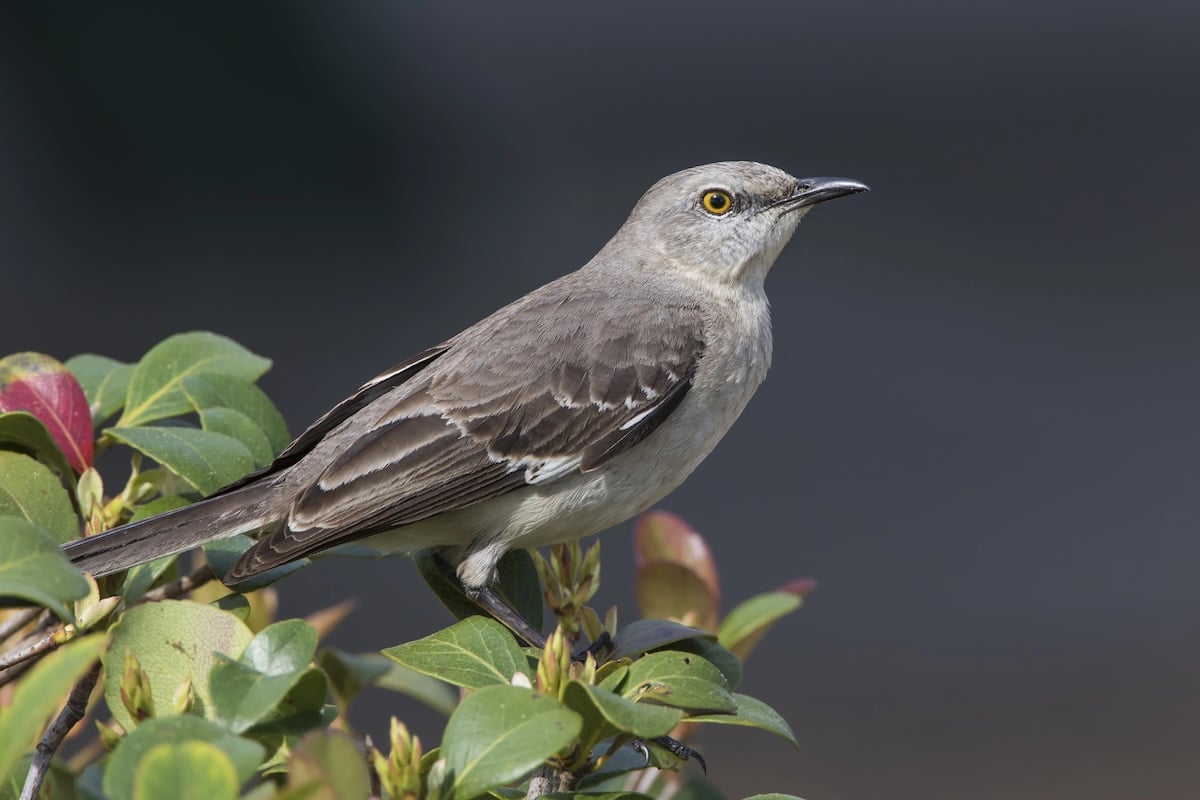 Photo Credit: gonepaddling at Deposit Photos
In the heart of North America, the mockingbird, scientifically known as Mimus polyglottos, flits through the air with a lively grace that captures the imagination. Picture a sunny afternoon in a suburban park, where this small bird, measuring about 8 to 10 inches long, perches on a fence post. Its slender body is cloaked in soft gray feathers, accented with striking white and black markings that shimmer in the sunlight. With its long tail fanned out behind it and a sharp, pointy bill, the mockingbird is not just a pretty sight; it is a master of mimicry, capable of imitating the songs of other birds and even the sounds of human-made noises. This remarkable ability to mimic has fascinated scientists and nature lovers alike, as it showcases the bird’s intelligence and adaptability.
As the day unfolds, the mockingbird fills the air with a symphony of melodies, each note a testament to its vibrant personality. These birds thrive in diverse habitats, from bustling urban parks to quiet grasslands, demonstrating their remarkable ability to adapt to different environments. Their omnivorous diet, which includes insects, fruits, and seeds, allows them to flourish in various settings, making them a vital part of the ecosystem. With their playful antics and enchanting songs, mockingbirds invite us to explore the wonders of nature, reminding us of the intricate connections that bind all living things together.
The mockingbird, a captivating member of the animal kingdom, holds a special place in the tree of life. Taxonomically, it belongs to the Kingdom Animalia, which includes all animals, and is classified under the Phylum Chordata, known for animals with a backbone. As a member of the Class Aves, or birds, it showcases the incredible diversity of avian life. What sets mockingbirds apart is their remarkable ability to mimic the songs of other birds and even sounds from their environment. This talent not only makes them a joy to listen to but also plays a crucial role in their communication and mating rituals.
| Taxonomic Rank | Scientific Name | Meaning & Significance |
|---|---|---|
| Kingdom | Animalia | This name means “animals” in Latin, highlighting the mockingbird’s status as a living organism that consumes organic material for energy. |
| Phylum | Chordata | Derived from the Greek word “chordē,” meaning “string,” this refers to the presence of a notochord, a flexible rod that supports the body, found in all vertebrates. |
| Class | Aves | This Latin term simply means “birds,” indicating the mockingbird’s feathered, warm-blooded nature and its ability to fly. |
| Order | Passeriformes | Commonly known as perching birds or songbirds, this name comes from the Latin “passer,” meaning “sparrow,” and reflects their diverse vocalizations and perching habits. |
| Family | Mimidae | This family name comes from the Latin “mimus,” meaning “imitator,” which perfectly describes the mockingbird’s exceptional mimicry skills. |
| Genus | Mimus | Also derived from the Latin word for “mimic,” this name emphasizes the mockingbird’s ability to imitate sounds, a key aspect of its behavior. |
Understanding the mockingbird’s classification reveals much about its evolutionary journey. As a member of the Mimidae family, it shares a lineage with other mimicking birds, showcasing a fascinating adaptation that has allowed it to thrive in various environments. This ability to imitate not only aids in survival but also highlights the complex interactions between species in their ecosystems. The mockingbird’s place in the tree of life is a testament to the wonders of evolution, illustrating how traits can develop and diversify over time, shaping the rich tapestry of life we see today.
The evolutionary journey of the mockingbird stretches back millions of years, weaving through the tapestry of time to reveal a story of adaptation and survival. These birds belong to the family Mimidae and the genus Mimus, with their ancestors dating back to the late Eocene epoch, around 34 to 56 million years ago. As they evolved, mockingbirds developed traits that would help them thrive in diverse environments, from the arid deserts to lush forests.
The ancestral forms of mockingbirds were likely small, insect-eating birds that inhabited various regions of North America. Over time, they underwent significant changes, adapting to their surroundings and the challenges they faced. One major transition was the development of their vocal abilities. Early mockingbirds began to mimic the sounds of other birds and even environmental noises, a skill that would become a hallmark of their identity. This mimicry not only helped them communicate but also played a crucial role in attracting mates and defending territories.
These adaptations have been vital for the survival of mockingbirds in a changing world. Their ability to mimic sounds not only enhances their social interactions but also allows them to blend into their surroundings, making it harder for predators to spot them. With a flexible diet, they can find food in various environments, ensuring they can thrive no matter the season. Their strong territorial instincts further protect their breeding grounds, ensuring that they can raise their young in safety. Through these evolutionary adaptations, mockingbirds have become resilient survivors, captivating the hearts of birdwatchers and nature lovers alike.
The mockingbird is a small yet striking bird that captures attention with its lively presence. With a slender body and long tail, it measures about 8 to 10 inches in length. Its overall shape is streamlined, allowing for agile flight as it flits from branch to branch. The mockingbird’s wings are strong and pointed, perfect for quick takeoffs and sharp turns. Its beak is short and slightly curved, designed for a varied diet that includes insects and fruits.
| Feature | Description |
|---|---|
| Weight | 1.4 to 2.8 ounces |
| Skin Type | Feathers |
| Most Distinctive Feature | Ability to sing many songs and mimic birds and other animals |
The mockingbird’s features work together beautifully to enhance its survival in the wild. Its lightweight body allows for agile movements, making it easier to escape predators and navigate through dense foliage. The feathers not only provide insulation but also play a crucial role in its impressive vocal abilities. By mimicking the songs of other birds and even sounds from its environment, the mockingbird can communicate effectively and establish territory, ensuring its place in the ecosystem. This combination of physical traits and vocal talent makes the mockingbird a true marvel of nature.
The mockingbird thrives in a variety of habitats that reflect its adaptable nature. Picture a landscape where open areas meet the edges of forests, where parks and suburban neighborhoods blend seamlessly with patches of grasslands and shrublands. These birds are often found flitting about in pastures and even along the edges of deserts, showcasing their ability to thrive in diverse environments. Their lively songs fill the air, making them a delightful presence in both natural and urban settings.
In terms of climate, mockingbirds prefer regions that offer a mix of warmth and mild conditions. They are often found in areas with moderate rainfall, which supports the growth of shrubs and grasses that provide food and shelter. These birds are particularly fond of environments that allow for plenty of open space, where they can easily spot potential predators and find ample food sources. Their adaptability to different climates helps them thrive in both rural and urban landscapes.
Mockingbirds have developed several clever adaptations to make the most of their habitats. Their ability to mimic the calls of other birds and even some mechanical sounds helps them communicate and establish territory. This skill is particularly useful in urban areas, where they can blend in with the sounds of the city. Additionally, their diet is quite varied, allowing them to feast on insects, fruits, and seeds, which are often abundant in the diverse environments they inhabit. This flexibility in both behavior and diet ensures that mockingbirds can flourish wherever they choose to call home.
The daily life of a mockingbird is a vibrant tapestry of activity, filled with song and movement. As a diurnal bird, it rises with the sun, greeting the day with a cheerful melody that echoes through its territory. Mockingbirds are known for their energetic foraging, hopping from branch to branch in search of insects, fruits, and seeds. They are often seen flitting about in gardens or parks, showcasing their agility and keen eyesight. Throughout the day, they engage in a variety of behaviors, from preening their feathers to basking in the sun, ensuring they are ready for whatever the day may bring.
Socially, mockingbirds tend to be solitary or found in pairs, which means they often enjoy their own company or that of a mate. This independence allows them to establish and defend their territory, which they do with impressive vocal displays. Their songs are not just beautiful; they are a way to communicate with other mockingbirds, signaling their presence and warding off potential intruders. When in pairs, they work together to raise their young, sharing responsibilities in nest building and feeding. This cooperative behavior strengthens their bond and enhances their chances of survival.
| Behavior Type | Description |
|---|---|
| Activity Patterns | Mockingbirds are diurnal, meaning they are active during the day, foraging for food and singing to establish territory. |
| Social Structure | They are typically solitary or found in pairs, allowing them to defend their territory effectively. |
| Communication Methods | Mockingbirds are known for their diverse songs, which they use to communicate with others and assert their presence. |
The behaviors of mockingbirds are finely tuned to ensure their survival in a variety of environments. Their ability to sing and establish territory helps them attract mates and deter rivals, while their foraging skills allow them to find food efficiently. By being adaptable and resourceful, mockingbirds thrive in both urban and natural settings, showcasing the beauty of nature’s design in their daily lives.
The mockingbird is an omnivore, which means it enjoys a varied diet that includes both plants and animals. This adaptability allows it to thrive in diverse environments. Mockingbirds are known for their keen foraging skills, often seen hopping around on the ground or flitting between branches as they search for food. Their diet primarily consists of insects and other small creatures, but they also enjoy fruits and berries, making them versatile eaters.
| Dietary Aspect | Details |
|---|---|
| Diet Type | Omnivore |
| Favorite Foods | Fruits, berries, insects, and small invertebrates |
| Prey Items | Insects, spiders, land crabs, snails, earthworms, lizards, baby turtles |
| Hunting/Foraging Strategies | Hops on the ground, flits between branches, and uses keen eyesight to spot food |
This diverse diet plays a crucial role in the mockingbird’s ecology and daily routine. By consuming a wide range of foods, mockingbirds help control insect populations and disperse seeds, contributing to the health of their ecosystems. Their foraging behavior not only keeps them well-fed but also keeps them active and engaged in their surroundings, making each day an adventure filled with exploration and discovery.
As spring arrives, the mockingbird’s world comes alive with the sounds of courtship. Males are particularly vocal during this time, singing a variety of melodies to attract females. Their songs can mimic the calls of other birds and even sounds from their surroundings, showcasing their impressive vocal abilities. Once a female is attracted, she and the male engage in a series of displays, including aerial acrobatics and synchronized movements. This lively courtship leads to the establishment of a territory, where the pair will build a nest and prepare for the arrival of their young.
| Reproductive Aspect | Details |
|---|---|
| Gestation Period | About 12-14 days |
| Litter Size | 3-5 eggs |
| Age of Maturity | About 1 year |
| Name of Young | Chicks |
Once the eggs hatch, the parents take on the important role of caregivers. Both the male and female work together to feed their chicks, bringing them a diet rich in insects and berries. The young mockingbirds grow quickly, developing feathers and strength as they prepare to leave the nest. After about two weeks, the chicks are ready to fledge, or take their first flight. Even after leaving the nest, the young mockingbirds continue to rely on their parents for food and guidance as they learn to navigate the world. This nurturing process is crucial, helping them develop the skills they need to thrive as independent adults.
The mockingbird occupies a vital role in the food web, serving as both a predator and prey. These agile birds feast on insects, fruits, and seeds, helping to control insect populations and disperse seeds. However, they are also vulnerable to various predators, making them an important link in the ecosystem. Their ability to mimic the calls of other birds adds to their charm, but it also highlights the delicate balance of survival in nature.
To defend themselves against these threats, mockingbirds employ a range of clever strategies. They are known for their aggressive behavior, often swooping down on larger predators to drive them away. Their sharp eyes and quick reflexes help them spot danger from afar. Additionally, their ability to mimic the sounds of other birds can confuse potential threats, making it harder for predators to locate them. Through these tactics, mockingbirds showcase their resilience and adaptability in the face of danger.
A keystone species is a vital part of an ecosystem, meaning its presence and activities have a significant impact on the environment and other living things. The mockingbird, with its adaptable nature and diverse diet, plays an important role in its habitat, but it may not be classified as a true keystone species. While it contributes to the balance of its ecosystem, its absence would not lead to the collapse of the community, unlike species that are more critical to the structure of their environments.
Mockingbirds are omnivores, which means they eat both plants and animals. This dietary flexibility allows them to thrive in various habitats, from urban parks to open grasslands. By consuming insects, they help control pest populations, which can benefit plants and other animals. Additionally, mockingbirds are known for their role in seed dispersal. When they eat fruits, they often drop seeds in different locations, helping new plants to grow. This process is essential for maintaining plant diversity and health in their ecosystems.
Moreover, mockingbirds are skilled singers, and their vocalizations can influence the behavior of other birds. Their songs can attract mates and establish territory, but they also serve as a warning to other species about potential predators. This communication helps maintain a balance in the ecosystem, as it allows other animals to be more aware of their surroundings.
If mockingbirds were to disappear from their ecosystems, the effects could ripple through the environment. Insect populations might surge, leading to increased plant damage and reduced food availability for other animals. Without seed dispersal, many plant species could struggle to reproduce, resulting in less biodiversity. The absence of their songs would also alter the dynamics of communication among birds, potentially leading to increased vulnerability to predators. Overall, while mockingbirds may not be the sole architects of their ecosystems, their presence certainly enriches the natural world around them.
The mockingbird plays a crucial role in its ecosystem, acting as a dynamic participant in the web of life. This adaptable bird thrives in a variety of habitats, from urban parks to open grasslands, and its presence can significantly influence the environment around it. By feeding on a diverse diet of insects, fruits, and seeds, the mockingbird helps maintain the balance of its ecosystem, ensuring that no single species dominates. Its ability to thrive in different settings makes it a vital player in both natural and human-altered landscapes.
| Ecosystem Service | Impact |
|---|---|
| Insect Control | Reduces pest populations by feeding on insects. |
| Seed Dispersal | Helps in the growth of plants by spreading seeds through its droppings. |
| Habitat Creation | Encourages plant diversity, which supports other wildlife. |
| Song and Communication | Enhances the acoustic environment, influencing other species’ behaviors. |
Mockingbirds are not just passive residents of their habitats; they actively shape their surroundings. For instance, by consuming a variety of insects, they help control pest populations, which can be especially beneficial in gardens and agricultural areas. Additionally, as they eat fruits and berries, they inadvertently assist in seed dispersal. When they drop seeds in new locations, they promote plant growth, contributing to a diverse and healthy ecosystem. Their melodious songs, often mimicking other birds and even mechanical sounds, create a vibrant soundscape that can influence the behavior of other animals, making the environment more lively and interconnected.
The broader ecological importance of mockingbirds cannot be overstated. As a keystone species, their activities support a wide range of other organisms, from plants to insects and even other birds. By fostering biodiversity, mockingbirds help create resilient ecosystems that can withstand environmental changes. Their adaptability and resourcefulness serve as a reminder of nature’s intricate balance, where every species, no matter how small, plays a vital role in the grand tapestry of life.
In the intricate web of nature, symbiosis plays a vital role in shaping the lives of various species. Symbiosis refers to the close and often long-term interactions between different biological species. These relationships can be mutualistic, where both species benefit; parasitic, where one benefits at the expense of the other; or commensal, where one benefits while the other is neither helped nor harmed. Mockingbirds, with their adaptable nature and diverse habitats, engage in several fascinating ecological relationships that highlight the interconnectedness of life.
| Species/Type | Relationship Type | Description |
|---|---|---|
| Insects (e.g., caterpillars) | Parasitic | Mockingbirds often feed on insects, which can be harmful to plants. By controlling insect populations, they help maintain the health of their environment. |
| Fruit-bearing plants | Mutualistic | As mockingbirds eat fruits, they help disperse seeds through their droppings, promoting plant growth and diversity in their habitats. |
| Other birds (e.g., sparrows) | Commensal | Mockingbirds may share feeding grounds with smaller birds, allowing them to benefit from the food sources without directly affecting the mockingbirds. |
These relationships have evolved over time, shaped by the needs and behaviors of the species involved. Mockingbirds have developed a keen ability to adapt to their surroundings, which enhances their interactions with other organisms. By feeding on insects, they not only sustain themselves but also contribute to the balance of their ecosystems. Their role in seed dispersal fosters plant growth, creating a thriving environment for many species. Through these partnerships, mockingbirds exemplify the beauty of nature’s interconnectedness, showcasing how cooperation and adaptation can lead to a healthier world for all.
Mockingbirds are truly enchanting birds, known for their incredible vocal abilities and adaptability. These feathered performers have some surprising traits that make them stand out in the avian world.
The relationship between mockingbirds and humanity is rich and layered, steeped in history and cultural significance. These birds have long been celebrated in literature and folklore, symbolizing creativity and the power of song. In the United States, the mockingbird is famously immortalized in Harper Lee’s novel “To Kill a Mockingbird,” where it represents innocence and the importance of protecting those who cannot protect themselves. Historically, these birds have been admired for their ability to mimic the sounds of other birds and even human-made noises, captivating people across generations.
Today, our interactions with mockingbirds continue to evolve, reflecting both harmony and conflict. As urban areas expand, mockingbirds often adapt to human environments, finding homes in parks and gardens. This adaptability can lead to positive conservation efforts, as people create bird-friendly spaces that support their populations. However, conflicts can arise when mockingbirds nest in areas where they may be seen as pests, particularly when their songs disrupt the peace of quiet neighborhoods. Additionally, some people have attempted to domesticate these birds, drawn by their charming vocalizations, but this practice raises ethical questions about their well-being and natural behaviors.
As we look to the future, the relationship between mockingbirds and humanity holds promise and challenges. With increasing awareness of environmental issues, more people are likely to engage in conservation efforts that benefit these birds and their habitats. By fostering a deeper understanding of mockingbirds and their role in our ecosystems, we can ensure that future generations will continue to enjoy their songs and the beauty they bring to our lives. Embracing this connection can lead to a more harmonious coexistence, where both humans and mockingbirds thrive together.
The conservation status of mockingbirds is currently stable, with most species showing healthy population trends. While some specific populations may face localized threats, the overall outlook for mockingbirds remains positive. These birds are adaptable and thrive in various environments, which helps them maintain their numbers across different regions.
| Conservation Factor | Status/Details |
|---|---|
| IUCN Status | Least Concern |
| Population Estimates | Millions of individuals |
| Trend Direction | Stable |
One of the main threats to mockingbirds comes from habitat loss, primarily due to urban development and agricultural expansion. As cities grow and fields are converted into farmland, the natural spaces that mockingbirds rely on for nesting and foraging are diminished. Additionally, climate change poses a risk by altering their habitats and food availability, which can impact their survival.
Conservation efforts for mockingbirds focus on habitat preservation and restoration. Organizations are working to protect natural areas and promote sustainable land use practices. Public awareness campaigns also play a crucial role in educating communities about the importance of these birds and their ecosystems. With continued efforts, the future for mockingbirds looks bright, ensuring that their songs will continue to fill the air for generations to come.
| Question | Answer |
|---|---|
| What is the habitat of a Mockingbird? | Mockingbirds thrive in a variety of environments. They prefer open areas, sparse forests, and edges of woodlands, but you can also find them in parks, urban settings, and even suburban neighborhoods. |
| What do Mockingbirds eat? | Mockingbirds are omnivores, which means they eat both plants and animals. Their diet includes fruits, berries, insects, and even small animals, making them quite adaptable to different food sources. |
| How do Mockingbirds behave? | Mockingbirds are known for their curious and social behavior. They are often seen singing and mimicking the calls of other birds and even sounds from their environment, showcasing their playful nature. |
| How do Mockingbirds reproduce? | During the breeding season, Mockingbirds build nests in shrubs or trees. The female typically lays 3 to 5 eggs, which she incubates for about two weeks before they hatch, leading to a busy and lively family. |
| What threats do Mockingbirds face? | Mockingbirds face several threats, including habitat loss due to urban development and agricultural practices. Additionally, they are vulnerable to predators like cats and hawks, which can impact their populations. |
| What is a unique characteristic of Mockingbirds? | One of the most distinctive features of Mockingbirds is their incredible ability to sing and mimic a wide range of sounds. They can imitate other birds, animals, and even mechanical noises, making them fascinating to listen to. |
| Are Mockingbirds territorial? | Yes, Mockingbirds are quite territorial, especially during the breeding season. Males will defend their territory vigorously, often singing loudly to warn other males to stay away. |