Taxonomy & Classification
- Kingdom
- Animalia
- Phylum
- Chordata
- Class
- Mammalia
- Order
- Carnivora
- Family
- Herpestidae
- Genus
- Herpestes
- Species
- Helogale Parvula

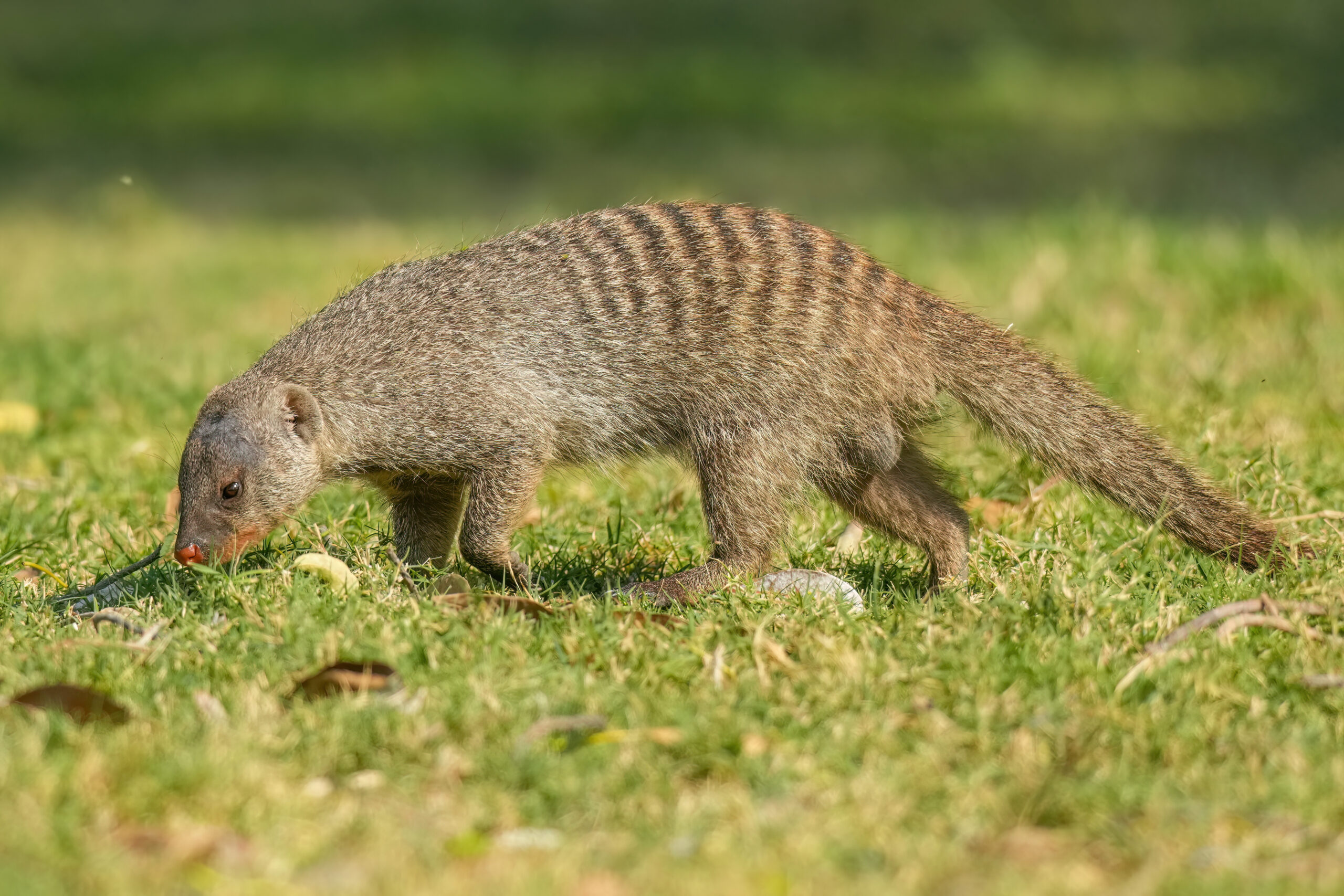 Photo Credit: Giles Laurent / Wikimedia Commons
In the sun-drenched savannas and lush forests of Africa and Asia, the mongoose, known scientifically as Herpestidae, scurries with a lively grace that captures the imagination. With its sleek, elongated body and a tail that dances behind it, this small mammal is a master of agility. Its sharp eyes and keen senses make it a skilled hunter, adept at spotting prey like insects, small rodents, and even snakes. What truly sets the mongoose apart is its remarkable ability to confront venomous snakes, showcasing a bravery that has fascinated scientists and nature lovers alike.
Imagine a warm afternoon where the air is filled with the sounds of rustling leaves and distant calls of birds. A mongoose emerges from its burrow, its fur glistening in the sunlight. It pauses, ears perked, ready to spring into action. This little creature is not just a survivor; it plays a vital role in its ecosystem, helping to control pest populations and maintain the balance of nature. As we delve deeper into the world of the mongoose, we will explore its behaviors, social structures, and the unique adaptations that allow it to thrive in diverse habitats. Join us on this adventure to uncover the secrets of this captivating mammal and its place in the natural world.
The mongoose is a captivating member of the animal kingdom, sitting within the class Mammalia, which includes all mammals. These agile creatures belong to the order Carnivora, a group that primarily consists of meat-eating animals like lions and wolves. What sets mongooses apart is their remarkable adaptability and social behavior. They are known for their keen intelligence and ability to hunt venomous snakes, showcasing their unique role in the ecosystem as both predator and prey. With over 30 species, mongooses exhibit a variety of sizes, colors, and social structures, making them a diverse and intriguing group.
| Taxonomic Rank | Scientific Name | Meaning & Significance |
|---|---|---|
| Kingdom | Animalia | This name comes from the Latin word for “animal,” highlighting that mongooses are part of the vast group of living organisms that are multicellular and capable of movement. |
| Phylum | Chordata | Derived from the Greek word “chordē,” meaning “string,” this classification indicates that mongooses have a backbone, a key feature of vertebrates. |
| Class | Mammalia | This term comes from the Latin “mamma,” meaning “breast,” referring to the mammary glands that female mongooses use to nurse their young. |
| Order | Carnivora | From the Latin “carnivorus,” meaning “meat-eater,” this classification reflects the mongoose’s diet, which includes insects, small mammals, and even reptiles. |
| Family | Herpestidae | This name is derived from the Greek word “herpestes,” meaning “creeping animal,” which describes the mongoose’s agile and stealthy movements. |
| Genus | Herpestes | Also from the Greek “herpestes,” this term emphasizes the mongoose’s ability to move quickly and efficiently, especially when hunting. |
Understanding the mongoose’s classification reveals much about its evolutionary journey. As members of the Carnivora order, mongooses share a common ancestor with other meat-eating mammals, which has shaped their hunting skills and social behaviors. Their place in the family Herpestidae highlights their unique adaptations, such as their ability to withstand snake venom and their cooperative living arrangements. This evolutionary history not only showcases their survival strategies but also illustrates the intricate web of life that connects all species within the animal kingdom.
The evolutionary journey of the mongoose stretches back millions of years, tracing its roots to the late Eocene epoch, around 40 million years ago. This time period marked the emergence of early carnivorous mammals, setting the stage for the diverse family of animals we see today. The mongoose, belonging to the family Herpestidae, has adapted and evolved through various environmental changes, leading to the agile and resourceful animals we recognize now.
Ancestral forms of the mongoose were small, weasel-like creatures that roamed the forests and grasslands of Africa and Asia. Over time, these ancestors developed key adaptations that allowed them to thrive in a variety of habitats. One major transition was the development of a more elongated body and shorter legs, which enhanced their agility and speed. This change helped them navigate through dense underbrush and evade predators. Additionally, their diet evolved to include a wider range of prey, from insects to small mammals, showcasing their adaptability in different ecosystems.
These evolutionary adaptations have been vital for the mongoose’s survival. Their agility allows them to escape threats and catch fast-moving prey, while their social structures enhance their chances of survival in the wild. The ability to communicate effectively within groups helps them coordinate hunting and stay alert to dangers. Furthermore, their resistance to venomous snakes opens up a unique food source that many other animals cannot exploit. Together, these traits illustrate how the mongoose has thrived in various environments, showcasing the wonders of evolution in action.
The mongoose is a lively little mammal that captures attention with its sleek body and energetic demeanor. With a long, slender shape, these animals are built for agility and speed. Their short legs and pointed snouts give them a distinctive look, while their bushy tails help with balance as they dart through their habitats. Whether scurrying across the savanna or climbing trees, mongooses are always on the move, showcasing their playful nature.
| Feature | Description |
|---|---|
| Weight | 0.3-5 kg (0.7-11 lbs) |
| Skin Type | Fur |
These physical traits work together to create a highly effective survival machine. The lightweight body allows mongooses to navigate through dense underbrush and rocky terrains with ease, while their fur provides insulation and protection from the elements. Their size also enables them to escape predators quickly, making them agile hunters and foragers. With their keen senses and quick reflexes, mongooses are well-equipped to thrive in a variety of environments, from grasslands to forests.
The mongoose thrives in a variety of habitats that paint a vibrant picture of its life. Imagine open forests where sunlight filters through the leaves, creating a dappled effect on the ground. Picture expansive grass plains that stretch as far as the eye can see, dotted with shrubs and the occasional tree. These environments provide the perfect backdrop for the mongoose’s playful antics and keen hunting skills.
The climate where mongooses make their homes is as diverse as the regions they inhabit. They prefer warm areas, often found in places with a tropical or subtropical climate. These environments typically feature a mix of dry and wet seasons, allowing for a variety of food sources. Mongooses are adaptable and can thrive in both humid and arid conditions, as long as there are enough hiding spots and food available.
Mongooses have developed several clever adaptations to suit their habitats. Their slender bodies allow them to navigate through dense underbrush and burrows with ease. They are also known for their sharp senses, particularly their keen eyesight and hearing, which help them detect predators and prey alike. This agility and awareness enable them to thrive in open forests and grasslands, making the most of their surroundings while staying safe from danger.
The daily life of a mongoose is a whirlwind of activity, filled with exploration and excitement. These lively mammals are most active during the day, a behavior known as diurnal, meaning they prefer to hunt and socialize in the sunlight. Mongoose families, often called gangs, spend their mornings foraging for food, which includes insects, small rodents, and even snakes. They are skilled hunters, using their quick reflexes and sharp senses to locate and capture their meals. As the sun rises higher in the sky, you can find them basking in the warmth, recharging for the busy day ahead.
Socially, mongooses are fascinating creatures that thrive in groups. Living in gangs allows them to work together, enhancing their chances of survival. These groups can range from a few individuals to over twenty members, all cooperating to protect one another from predators. Communication is key in their social structure; mongooses use a variety of vocalizations, body language, and even scent marking to convey messages. Whether it’s warning others of danger or coordinating a hunt, their social interactions are vital for maintaining harmony within the gang.
| Behavior Type | Description |
|---|---|
| Activity Patterns | Mongoose are diurnal, meaning they are active during the day, foraging for food and basking in the sun. |
| Social Structure | They live in groups called gangs, which can include a few to over twenty members, working together for safety and hunting. |
| Communication Methods | Mongooses use vocalizations, body language, and scent marking to communicate with each other, ensuring effective teamwork. |
The behaviors of mongooses are not just interesting; they are essential for their survival. By living in groups, they can better defend against predators and share the responsibilities of hunting and caring for young. Their ability to communicate effectively helps them coordinate their actions, making them more efficient hunters. In the wild, where dangers lurk around every corner, these social and behavioral traits are what keep mongooses thriving in their diverse habitats.
The mongoose is an omnivore, which means it enjoys a varied diet that includes both plants and animals. These clever little animals are known for their resourcefulness when it comes to finding food. They often hunt alone or in small groups, using their keen senses to locate tasty treats. Whether it’s scurrying after insects or digging for eggs, mongooses are always on the lookout for their next meal.
| Dietary Aspect | Details |
|---|---|
| Diet Type | Omnivore |
| Favorite Foods | Rats, eggs, insects |
| Prey Items | Small mammals, birds, reptiles |
| Hunting/Foraging Strategies | Active foraging, using keen senses to locate food |
This diverse diet plays a crucial role in the mongoose’s ecology and daily routine. By consuming a wide range of foods, mongooses help control populations of pests like rats and insects, making them important players in their ecosystems. Their foraging habits also keep them busy throughout the day, as they search for food to fuel their energetic lifestyles. This adaptability not only supports their survival but also contributes to the balance of their habitats.
Mongoose mating behavior is as lively as the animals themselves. During the breeding season, which varies by species and location, males often engage in spirited displays to attract females. These displays can include vocalizations, scent marking, and even playful wrestling. Once a pair has formed a bond, they will mate multiple times over a short period, ensuring the female has a good chance of becoming pregnant.
| Reproductive Aspect | Details |
|---|---|
| Gestation Period | Approximately 60 to 70 days |
| Litter Size | Average of 4 |
| Age of Maturity | About 6 to 12 months |
| Name of Young | Kits or pups |
Once the kits are born, they are completely dependent on their parents for survival. The mother mongoose is particularly attentive, nursing her young and keeping them safe from predators. As the kits grow, they begin to explore their surroundings, learning essential skills from their parents. This nurturing phase is crucial, as it helps the young develop into independent adults ready to face the challenges of the wild. By the time they reach maturity, they are well-equipped to join the ranks of their agile family, continuing the cycle of life in the vibrant world they inhabit.
The mongoose plays a vital role in its ecosystem, often acting as both predator and prey. Positioned within the food web, these agile mammals help control populations of insects and small rodents, while also being a target for larger predators. Their presence contributes to the balance of their habitats, showcasing the interconnectedness of life in the wild.
To defend themselves against these dangers, mongooses have developed a range of clever survival strategies. Their quick reflexes and agility allow them to dodge attacks, especially from snakes. Some species even have a special ability to withstand snake venom, making them formidable opponents. Additionally, mongooses often live in groups, which provides safety in numbers. By working together, they can keep watch for predators and alert each other to danger, ensuring their survival in the wild.
A keystone species is a vital part of its ecosystem, meaning its presence and activities have a significant impact on the environment and other living things. The mongoose qualifies as a keystone species due to its role in controlling populations of various animals and influencing the structure of its habitat. By keeping certain species in check, mongooses help maintain a balanced ecosystem, which is essential for the health of their environment.
Mongooses are known for their impressive hunting skills, particularly when it comes to controlling populations of pests like rodents and insects. For example, by preying on these small animals, mongooses help prevent overpopulation, which can lead to the depletion of vegetation and other resources. This natural pest control is crucial in open forests and grass plains, where an unchecked rodent population could damage crops and disrupt the food chain.
Additionally, mongooses are opportunistic feeders, meaning they eat a variety of foods, including fruits, insects, and small animals. This diverse diet allows them to adapt to different environments and helps disperse seeds from the fruits they consume. As they move through their habitat, they contribute to plant growth and diversity, which benefits other species that rely on those plants for food and shelter.
Moreover, mongooses are social animals that often live in groups. Their cooperative behavior, such as alerting each other to danger, enhances the survival of not only their own species but also other animals in the area. This social structure creates a ripple effect, influencing the dynamics of the entire ecosystem.
If mongooses were to disappear from their ecosystems, the consequences could be severe. Without these agile hunters, populations of rodents and insects could explode, leading to significant damage to vegetation and crops. This imbalance would not only affect the plants but also the animals that depend on them for food and shelter. The loss of mongooses would create a domino effect, disrupting the entire ecosystem and potentially leading to the decline of other species. In essence, the mongoose plays a crucial role in maintaining the health and balance of its environment, and its absence would be felt far and wide.
The mongoose occupies a fascinating ecological niche, acting as both predator and prey in its environment. These agile mammals are found in open forests and grass plains, where they thrive in social groups known as gangs. Their adaptability and diverse diet, which includes insects, small rodents, and even fruits, allow them to play a crucial role in maintaining the balance of their ecosystems. By controlling populations of pests and scavenging for food, mongooses contribute to the health of their habitats.
| Ecosystem Service | Impact |
|---|---|
| Pest Control | Mongooses help regulate insect and rodent populations, preventing overpopulation and crop damage. |
| Scavenging | By consuming carrion, mongooses help recycle nutrients back into the soil, enriching their environment. |
| Seed Dispersal | As omnivores, mongooses can aid in the dispersal of seeds, promoting plant diversity in their habitats. |
Mongooses are particularly effective at controlling pest populations. For instance, they are known for their ability to hunt down venomous snakes, such as cobras, showcasing their agility and quick reflexes. This not only protects other animals and humans from potential danger but also helps maintain a balanced food web. Additionally, their scavenging habits ensure that dead animals do not linger in the environment, which can lead to the spread of disease. By consuming carrion, mongooses play a vital role in nutrient cycling, returning essential elements to the soil.
The broader ecological importance of mongooses cannot be overstated. As a keystone species, their presence significantly influences the structure and health of their ecosystems. By controlling pest populations and aiding in nutrient recycling, mongooses help create a more balanced environment for countless other species. Their social behavior and adaptability also inspire curiosity and admiration, reminding us of the intricate connections that exist within nature. In essence, mongooses are not just survivors; they are essential players in the grand tapestry of life on Earth.
In the intricate web of life, many species form partnerships that enhance their survival and well-being. These relationships, known as symbiosis, can take various forms, including mutualism, where both species benefit, commensalism, where one benefits while the other is neither helped nor harmed, and parasitism, where one species benefits at the expense of the other. The mongoose, with its lively nature and adaptability, engages in several fascinating partnerships with other animals, showcasing the beauty of ecological relationships.
| Species/Type | Relationship Type | Description |
|---|---|---|
| Oxpecker Birds | Mutualistic | Oxpeckers perch on the backs of large mammals like buffalo and rhinos, eating ticks and parasites. In return, the mammals enjoy a good grooming and relief from pests. |
| Meerkats | Mutualistic | Meerkats and mongooses often forage together. While one group watches for predators, the other can focus on finding food, enhancing their chances of survival. |
| Ants | Commensal | Mongoose may benefit from the protection offered by aggressive ants. While the ants are not affected, mongooses can find food near ant nests without disturbing them. |
These relationships have evolved over time, shaped by the needs and behaviors of the species involved. The mutualistic partnerships, like those with oxpeckers and meerkats, highlight how cooperation can lead to greater success in the wild. By working together, these animals enhance their chances of survival, demonstrating that in nature, collaboration can be just as important as competition. The mongoose’s ability to adapt and thrive in various environments is a testament to the power of these ecological connections.
The mongoose is a captivating little mammal that often surprises us with its unique behaviors and adaptations. These agile creatures are not just skilled hunters; they also have some remarkable traits that make them stand out in the animal kingdom.
Throughout history, the mongoose has held a special place in human culture and folklore. In many regions, these agile mammals are celebrated for their bravery and cunning, often depicted as heroes in stories and myths. For instance, in India, the mongoose is revered for its ability to combat venomous snakes, earning it a reputation as a protector. This cultural significance has led to a deep-rooted connection between humans and mongooses, as people have observed their remarkable skills and behaviors for centuries.
In modern times, the relationship between mongooses and humans has evolved, marked by both cooperation and conflict. While some communities appreciate mongooses for their pest control abilities, particularly in agricultural settings, others view them as threats to local wildlife. In some areas, mongooses have been introduced to control rodent populations, but this has sometimes resulted in unintended consequences, such as the decline of native species. Conservation efforts are underway in various regions to balance the mongoose’s role in ecosystems while protecting vulnerable wildlife.
As we look to the future, the relationship between mongooses and humanity will likely continue to evolve. With increasing awareness of ecological balance, there is hope for more harmonious interactions. By understanding the vital role mongooses play in their ecosystems, we can foster a relationship that respects both their needs and those of the environments they inhabit. This balance will be crucial for ensuring that both mongooses and the diverse wildlife they interact with can thrive together in a changing world.
The conservation status of the mongoose varies by species, but many face significant challenges. Currently, several mongoose species are classified as endangered, meaning they are at risk of extinction in the wild. Population trends indicate a decline in numbers due to various threats, leading to increased concern among conservationists and wildlife enthusiasts alike. Protecting these agile mammals is crucial for maintaining the balance of their ecosystems.
| Conservation Factor | Status/Details |
|---|---|
| IUCN Status | Endangered |
| Population Estimates | Varies by species; many are declining |
| Trend Direction | Decreasing |
The main threats to mongooses include habitat loss, which occurs when forests and grasslands are cleared for agriculture or urban development. Additionally, hunting and poaching pose serious risks, as these animals are often targeted for their fur or as pests. Invasive species, such as domestic cats and dogs, can also disrupt mongoose populations by competing for food or directly preying on them. These challenges make it increasingly difficult for mongooses to thrive in their natural habitats.
Conservation efforts are underway to protect mongooses and their environments. Organizations are working to preserve their habitats and raise awareness about the importance of these animals in the ecosystem. By creating protected areas and promoting sustainable land use, conservationists aim to reverse the decline in mongoose populations. The outlook for these fascinating mammals depends on continued efforts to address the threats they face and to foster a greater understanding of their ecological role. With dedicated action, there is hope for a brighter future for mongooses in the wild.
| Question | Answer |
|---|---|
| What is the natural habitat of the mongoose? | Mongoose typically live in open forests and grass plains. These environments provide them with plenty of cover and access to food sources, making them ideal for hunting and foraging. |
| What do mongooses eat? | Mongooses are omnivores, which means they eat both plants and animals. Their diet includes insects, small mammals, fruits, and even eggs, allowing them to adapt to various food sources in their environment. |
| How do mongooses behave in the wild? | Mongooses are known for their social behavior, often living in groups called mobs. They are active during the day and are skilled hunters, using teamwork to catch prey and protect each other from predators. |
| How do mongooses reproduce? | Mongoose mating can occur year-round, depending on the species and environment. After a gestation period of about two months, female mongooses give birth to a litter of 2 to 6 pups, which they care for until they are old enough to join the group. |
| What threats do mongooses face? | Mongooses are currently facing threats from habitat loss and hunting. Additionally, they are sometimes seen as pests in agricultural areas, leading to conflicts with humans that can endanger their populations. |
| What are some interesting characteristics of mongooses? | One fascinating trait of mongooses is their ability to fight and kill snakes, including venomous ones. They have a special resistance to snake venom, which allows them to take on these dangerous foes with agility and speed. |
| Are mongooses social animals? | Yes, many mongoose species are very social and live in groups. This social structure helps them to work together in hunting and provides safety in numbers against predators. |