Taxonomy & Classification
- Kingdom
- Animalia
- Phylum
- Chordata
- Class
- Reptilia
- Order
- Squamata
- Family
- Varanidae
- Genus
- Varanus

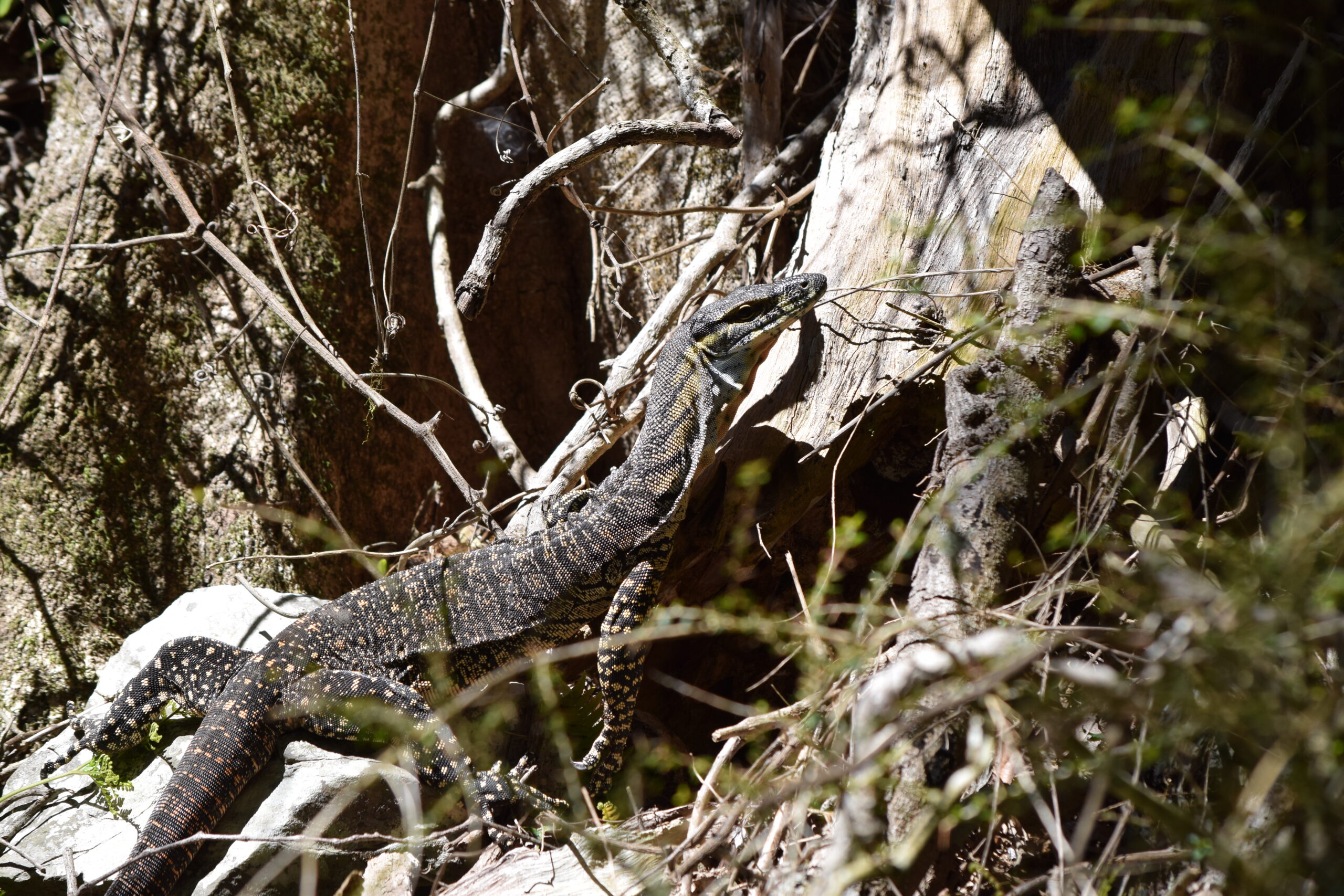 Photo Credit: Embedded Data Bot / Wikimedia Commons
In the sun-drenched landscapes of Southeast Asia, the monitor lizard, scientifically known as Varanus, glides through its vibrant habitat with an air of confidence. With its long, muscular body and striking scales that shimmer in the light, this reptile is a true marvel of nature. Imagine a creature that can grow up to ten feet long, its powerful limbs propelling it across rocky terrain and through dense foliage. The monitor lizard is not just a sight to behold; it is a master of its environment, showcasing a blend of agility and strength that captivates both scientists and nature enthusiasts alike.
As it basks on a warm rock, the monitor lizard surveys its surroundings with keen, intelligent eyes. These reptiles are known for their sharp hunting skills, often preying on small mammals, birds, and even other reptiles. Their ability to adapt to various habitats—from coastal forests to arid deserts—makes them a fascinating subject of study. Scientists are particularly intrigued by their complex behaviors and social interactions, which reveal much about the intricate web of life in their ecosystems. With a role that balances predator and prey, the monitor lizard is not just surviving; it is thriving, playing a crucial part in maintaining the health of its environment. Join us as we explore the captivating world of the monitor lizard, uncovering the secrets of its life and the challenges it faces in a rapidly changing world.
The monitor lizard, a captivating member of the animal kingdom, holds a special place in the tree of life. Taxonomically, it belongs to the Kingdom Animalia, Phylum Chordata, Class Reptilia, Order Squamata, Family Varanidae, and Genus Varanus. This classification highlights its evolutionary journey as a reptile, showcasing its adaptations and behaviors that set it apart from other reptiles. Monitor lizards are known for their keen intelligence, impressive size, and remarkable hunting skills, making them one of the most intriguing reptiles on the planet.
| Taxonomic Rank | Scientific Name | Meaning & Significance |
|---|---|---|
| Kingdom | Animalia | This name comes from the Latin word “animalis,” meaning “having breath.” It signifies all living creatures that breathe and move. |
| Phylum | Chordata | Derived from the Greek word “chorde,” meaning “string” or “cord,” this term refers to animals with a notochord, a flexible rod that supports the body during development. |
| Class | Reptilia | This name comes from the Latin “reptilis,” meaning “creeping” or “crawling.” It describes animals that typically have scaly skin and lay eggs. |
| Order | Squamata | From the Latin “squamatus,” meaning “scaled,” this term refers to reptiles with scales, including lizards and snakes. |
| Family | Varanidae | This name is derived from the genus name “Varanus,” which is thought to come from the Arabic word “waran,” meaning “monitor.” It reflects their keen observation skills. |
| Genus | Varanus | The name “Varanus” is linked to the Arabic word “waran,” which means “monitor.” This highlights their ability to watch and hunt effectively. |
Understanding the monitor lizard’s classification reveals much about its evolutionary history. As a member of the Varanidae family, monitor lizards share a common ancestor with other reptiles, showcasing adaptations that have allowed them to thrive in diverse environments. Their intelligence and hunting prowess suggest a long evolutionary journey, where survival depended on their ability to adapt and learn. This fascinating lineage not only connects them to their reptilian relatives but also emphasizes their unique role in the ecosystems they inhabit.
The evolutionary journey of the monitor lizard, belonging to the family Varanidae and the genus Varanus, stretches back millions of years. These agile reptiles first appeared during the late Cretaceous period, around 70 million years ago, a time when dinosaurs roamed the Earth. As the world changed, so did the monitor lizards, adapting to various environments and evolving into the diverse species we see today.
The ancestors of modern monitor lizards were small, agile reptiles that thrived in warm, tropical climates. Over time, they developed key adaptations that allowed them to become more versatile hunters. One major transition was the development of a more elongated body and powerful limbs, which enabled them to run swiftly and climb trees with ease. This agility helped them escape predators and pursue prey. Another significant change was the evolution of their keen sense of smell, aided by a forked tongue that collects scent particles from the air. This adaptation is crucial for locating food, as monitor lizards often hunt small mammals, birds, and even other reptiles.
These evolutionary adaptations have played a vital role in the survival of monitor lizards. Their agility and keen senses make them formidable hunters, while their adaptability allows them to thrive in various ecosystems. As they continue to evolve, monitor lizards remain a testament to the power of nature’s ingenuity, showcasing how life can flourish in countless forms across our planet.
The monitor lizard is an impressive sight, showcasing a blend of power and agility. With a long, muscular body that can reach impressive lengths, these reptiles often command attention in their habitats. Their limbs are sturdy, allowing them to climb, dig, and sprint with surprising speed. The combination of their elongated tails and sharp claws gives them a formidable presence, making them both graceful and intimidating.
| Feature | Description |
|---|---|
| Size | Can weigh between 1 to 166 kg (2.2 to 366 lbs) and measure up to 3 meters (10 feet) in length. |
| Color | Typically features a mix of earthy tones, including browns, greens, and yellows, which help them blend into their surroundings. |
| Skin Type | Covered in tough, protective scales that provide durability and help retain moisture. |
The physical features of the monitor lizard are not just for show; they play crucial roles in survival. Their size and strength allow them to dominate their environment, whether they are hunting for prey or defending their territory. The coloration of their skin acts as natural camouflage, helping them hide from both predators and unsuspecting prey. Meanwhile, their scaly skin protects them from harsh elements and potential injuries, making them well-equipped to thrive in diverse habitats. Together, these characteristics create a powerful and adaptable predator in the wild.
The monitor lizard thrives in a variety of habitats, often found basking in the sun along riverbanks or navigating the lush greenery of coastal forests. Picture a warm, sun-drenched landscape where these agile reptiles can be seen climbing trees or lounging on rocks, their scales glistening in the light. The interplay of water and land creates a rich environment, teeming with life, where monitor lizards can hunt and explore.
These reptiles prefer warm climates, as they are ectothermic, meaning they rely on external heat sources to regulate their body temperature. Monitor lizards are often found in areas with high humidity, which helps them stay hydrated and supports their active lifestyle. They thrive in environments where they can easily access water, whether it be from rivers, lakes, or the ocean, as these bodies of water provide both a source of food and a place to cool off.
Adapted to their specific habitats, monitor lizards have developed impressive skills for survival. Their long, powerful limbs and sharp claws allow them to climb trees and dig into the ground, while their keen sense of smell helps them locate prey. With a diet that includes everything from insects to small mammals, these reptiles are versatile hunters. Their ability to thrive in both aquatic and terrestrial environments showcases their remarkable adaptability, making them well-suited for life in diverse ecosystems.
Monitor lizards lead a daily life filled with activity and purpose. As the sun rises, these reptiles emerge from their hiding spots, often found basking on warm rocks or branches to soak up the sun’s rays. This behavior is crucial for their body temperature regulation, as monitor lizards are ectothermic, meaning they rely on external heat sources to warm their bodies. Throughout the day, they engage in various activities, including hunting for food, exploring their territory, and occasionally digging burrows. Their keen sense of smell helps them locate prey, which can include insects, small mammals, and even birds.
While monitor lizards are primarily solitary creatures, they do exhibit interesting social behaviors, especially during mating season. Males may engage in displays of strength, such as wrestling, to compete for the attention of females. These interactions can be quite dramatic, showcasing their agility and power. Although they prefer to live alone, monitor lizards will tolerate the presence of others in their territory, especially when it comes to finding food or during the breeding season. Communication among them often involves body language, such as tail movements and posturing, which can signal aggression or submission.
| Behavior Type | Description |
|---|---|
| Activity Patterns | Monitor lizards are diurnal, meaning they are active during the day. They spend time basking, hunting, and exploring their environment. |
| Social Structure | Primarily solitary, monitor lizards may come together during mating season or when food is abundant, but they generally prefer to be alone. |
| Communication Methods | They communicate through body language, using tail movements and postures to express aggression or submission, especially during confrontations. |
The behaviors of monitor lizards are finely tuned to ensure their survival in the wild. By basking in the sun, they maintain the energy needed for hunting and exploring their territory. Their solitary nature allows them to avoid competition for resources, while their social interactions during mating season help ensure the continuation of their species. Through a combination of keen hunting skills and effective communication, monitor lizards navigate their environments with confidence, making them well-adapted to thrive in diverse habitats.
Monitor lizards are carnivorous reptiles, meaning they primarily eat meat. Their diet consists of a variety of prey, including rodents, snakes, and other lizards. These agile hunters are known for their keen sense of smell and sharp eyesight, which help them locate food in their surroundings. With their powerful jaws and sharp teeth, monitor lizards can capture and consume prey that is often larger than their own heads.
| Dietary Aspect | Details |
|---|---|
| Diet Type | Carnivore |
| Favorite Foods | Rodents, snakes, and other lizards |
| Prey Items | Small mammals, reptiles, and occasionally birds |
| Hunting/Foraging Strategies | Using keen senses to track prey, they often ambush or chase down their food |
The diet of monitor lizards plays a crucial role in their ecology and daily routines. By preying on various animals, they help control populations of rodents and other small creatures, maintaining a balance in their ecosystems. Their hunting habits also require them to be active and alert, often leading them to explore different areas in search of food. This constant movement not only keeps them fit but also allows them to adapt to changing environments, showcasing their resilience in the wild.
When it comes to mating, monitor lizards exhibit intriguing behaviors that vary among species. During the breeding season, which typically occurs in the warmer months, males engage in elaborate courtship displays. They may perform head-bobbing, tail-wagging, and even wrestling to impress potential mates. Once a female chooses a partner, they will mate, and the female will begin the process of laying eggs.
| Reproductive Aspect | Details |
|---|---|
| Gestation Period | Approximately 4 to 6 weeks |
| Litter Size | Average of 10 eggs |
| Age of Maturity | About 2 to 3 years |
| Name of Young | Hatchlings |
After laying her eggs, the female monitor lizard often buries them in a warm, safe location, such as sandy soil or decaying vegetation. Once the eggs hatch, the young, known as hatchlings, emerge and are immediately independent. They must fend for themselves, using their instincts to hunt and avoid predators. As they grow, these young lizards develop the skills necessary to thrive in their environments, eventually reaching maturity and continuing the cycle of life.
Monitor lizards occupy a significant role in their ecosystems, often positioned near the top of the food web. As skilled predators, they help maintain the balance of their habitats by controlling populations of smaller animals. However, despite their formidable presence, these reptiles face various dangers that threaten their survival.
To defend themselves against these threats, monitor lizards have developed several survival strategies. They are quick and agile, allowing them to escape predators when necessary. Their tough, scaly skin provides a layer of protection, while their sharp claws and strong jaws can deliver a fierce bite if cornered. Additionally, some species can use their impressive size to intimidate potential threats, showcasing their strength and resilience in the wild.
A keystone species is an organism that plays a critical role in maintaining the structure of its ecosystem. This means that its presence and activities significantly influence the types and numbers of other species in that environment. The monitor lizard qualifies as a keystone species due to its position as a top predator and its impact on the populations of various prey species, which helps to maintain ecological balance.
Monitor lizards are skilled hunters, primarily feeding on rodents, snakes, and other lizards. By controlling the populations of these animals, they prevent any one species from becoming too dominant. For example, if rodent populations were to explode unchecked, they could overgraze vegetation, leading to habitat degradation. This, in turn, would affect other species that rely on those plants for food and shelter. Additionally, monitor lizards themselves serve as prey for larger predators, creating a vital link in the food web.
These reptiles also contribute to nutrient cycling in their habitats. When they hunt and consume prey, they help break down organic matter, returning nutrients to the soil through their waste. This process supports plant growth, which is essential for the entire ecosystem. Furthermore, their burrowing behavior can aerate the soil, promoting healthier plant life and improving water retention in their habitats.
If monitor lizards were to disappear from their ecosystems, the consequences could be severe. Without these predators, rodent populations could surge, leading to overgrazing and habitat destruction. This would not only affect plants but also the myriad of species that depend on those plants for survival. The ripple effects could destabilize the entire ecosystem, demonstrating just how vital monitor lizards are to the health and balance of their environments.
The monitor lizard occupies a vital ecological niche, acting as both predator and prey in its environment. Found in habitats like riverbanks and coastal forests, these reptiles play a significant role in maintaining the balance of their ecosystems. As carnivores, they help regulate populations of smaller animals, ensuring that no single species dominates the landscape. This balance is crucial for the health of the entire ecosystem, as it allows for a diverse array of plants and animals to thrive.
| Ecosystem Service | Impact |
|---|---|
| Population Control | Regulates numbers of prey species, preventing overpopulation. |
| Soil Aeration | Burrowing behavior helps aerate the soil, promoting plant growth. |
| Food Source | Serves as prey for larger predators, contributing to the food web. |
| Seed Dispersal | May aid in the dispersal of seeds through their movement and waste. |
Monitor lizards influence their ecosystems in several specific ways. By preying on rodents, snakes, and other smaller reptiles, they help keep these populations in check. This predatory behavior is essential for preventing the overgrazing of vegetation, which can occur if herbivorous animals become too numerous. Additionally, as they move through their habitats, monitor lizards can inadvertently aerate the soil, allowing water and nutrients to reach plant roots more effectively. This process supports the growth of diverse plant life, which in turn provides shelter and food for other animals.
The broader ecological importance of monitor lizards cannot be overstated. As keystone species, their presence is crucial for maintaining the structure and health of their ecosystems. Without monitor lizards, the balance of predator and prey would be disrupted, leading to potential declines in biodiversity. Their role in soil aeration and seed dispersal further enhances the resilience of their habitats, making them indispensable players in the intricate web of life. By understanding and protecting these fascinating reptiles, we can help ensure the vitality of the ecosystems they inhabit.
In the intricate web of life, many species form partnerships that enhance their survival and well-being. These relationships can be classified into three main types: mutualism, where both species benefit; commensalism, where one benefits while the other is neither helped nor harmed; and parasitism, where one benefits at the expense of the other. Monitor lizards, with their keen hunting skills and adaptable nature, engage in various ecological relationships that illustrate the beauty of symbiosis in the natural world.
| Species/Type | Relationship Type | Description |
|---|---|---|
| Birds (e.g., oxpeckers) | Mutualistic | These birds often perch on monitor lizards, feeding on ticks and parasites found on their skin. The lizards benefit from pest removal, while the birds gain a meal. |
| Small mammals | Commensal | Small mammals may share the same habitat as monitor lizards, using their burrows or hiding spots without affecting the lizards. The lizards remain unaffected, while the mammals find shelter. |
| Fleas and ticks | Parasitic | These tiny pests can latch onto monitor lizards, feeding on their blood. This relationship harms the lizards, as it can lead to health issues and discomfort. |
Through the ages, these relationships have evolved, shaped by the needs and behaviors of the species involved. The mutualistic bond between monitor lizards and birds, for instance, showcases how cooperation can lead to greater health and survival for both parties. Meanwhile, the presence of parasites highlights the challenges that can arise in nature. Understanding these connections not only deepens our appreciation for monitor lizards but also emphasizes the delicate balance of ecosystems where every species plays a role.
The monitor lizard is a captivating reptile that showcases a blend of intelligence, adaptability, and unique behaviors. These remarkable creatures are not just your average lizards; they have some surprising traits that will intrigue nature enthusiasts of all ages.
These fascinating facts reveal just how extraordinary monitor lizards are, making them a subject of endless curiosity and admiration in the animal kingdom.
Throughout history, monitor lizards have intrigued humans with their impressive size and unique behaviors. In many cultures, these reptiles have been woven into folklore and traditional practices. For instance, in some regions of Southeast Asia, monitor lizards are seen as symbols of strength and resilience. Ancient texts and local legends often depict them as guardians of the land, showcasing the deep-rooted connection between these reptiles and the communities that share their habitats. This cultural significance highlights how monitor lizards have not only been observed but also revered by various societies over time.
In modern times, the relationship between monitor lizards and humans has evolved, marked by both cooperation and conflict. As urban areas expand, these reptiles often find themselves in close proximity to human populations, leading to encounters that can be both fascinating and problematic. Conservation efforts are underway in many regions to protect monitor lizard habitats, as they face threats from habitat destruction and illegal wildlife trade. However, conflicts can arise when these lizards venture into human spaces, sometimes leading to fear or misunderstanding. Interestingly, some people have even attempted to domesticate monitor lizards, although this practice raises ethical questions about their well-being and natural behaviors.
As we look to the future, the relationship between monitor lizards and humanity will likely continue to evolve. With increasing awareness of conservation and the importance of biodiversity, there is hope for a more harmonious coexistence. Education and understanding will play crucial roles in reducing conflicts and fostering respect for these remarkable reptiles. By appreciating their ecological significance and protecting their habitats, we can ensure that monitor lizards thrive alongside us for generations to come.
The conservation status of monitor lizards is currently classified as Near Threatened by the International Union for Conservation of Nature (IUCN). This means that while they are not yet endangered, their populations are declining and could face greater risks if current trends continue. Factors such as habitat loss and hunting pressures are contributing to this decline, making it crucial to monitor their populations closely.
| Conservation Factor | Status/Details |
|---|---|
| IUCN Status | Near Threatened |
| Population Estimates | Exact numbers are difficult to determine, but populations are decreasing in many areas. |
| Trend Direction | Declining |
The main threats to monitor lizards stem from human activities. Habitat destruction, primarily due to deforestation and urban development, is a significant concern. As forests are cleared for agriculture or construction, these reptiles lose their natural homes. Additionally, monitor lizards are often hunted for their skin and meat, which further reduces their numbers. Climate change also poses a long-term threat, as shifting weather patterns can alter their habitats and food sources.
Conservation efforts are underway to help protect monitor lizards and their habitats. Various organizations are working to raise awareness about the importance of these reptiles in their ecosystems. Protected areas are being established to safeguard their natural environments, and laws are being enforced to limit hunting. With continued efforts and public support, there is hope that monitor lizards can thrive in the wild for generations to come.
| Question | Answer |
|---|---|
| Where do Monitor Lizards live? | Monitor Lizards are commonly found near river banks and in coastal forests. They thrive in warm climates, often residing in tropical and subtropical regions across Africa, Asia, and Australia. |
| What do Monitor Lizards eat? | These fascinating reptiles are carnivores, meaning they primarily eat meat. Their diet includes small mammals, birds, eggs, and even other reptiles, showcasing their role as skilled hunters in their ecosystems. |
| How do Monitor Lizards behave? | Monitor Lizards are known for their curious and intelligent nature. They are often seen basking in the sun, climbing trees, or swimming, and they can be quite social, sometimes interacting with each other in their habitats. |
| How do Monitor Lizards reproduce? | Monitor Lizards lay eggs, which is a common trait among reptiles. The female typically finds a safe spot to bury her eggs, and after a few months, the young hatchlings emerge, ready to fend for themselves. |
| What threats do Monitor Lizards face? | Monitor Lizards are classified as Near Threatened, facing threats from habitat loss and hunting. As human activities expand, their natural habitats are being destroyed, making it harder for them to survive. |
| What are some interesting characteristics of Monitor Lizards? | One of the most intriguing features of Monitor Lizards is their keen sense of smell, which they use to track prey. They also have a long, muscular tail that helps them balance and swim, making them agile both on land and in water. |
| Can Monitor Lizards be kept as pets? | While some people do keep Monitor Lizards as pets, they require special care and a large habitat to thrive. They can be quite challenging to care for due to their size and dietary needs, so potential owners should do thorough research before adopting one. |