Taxonomy & Classification
- Kingdom
- Animalia
- Phylum
- Chordata
- Class
- Mammalia
- Order
- Perissodactyla
- Family
- Equidae
- Genus
- Equus
- Species
- Equus mulus

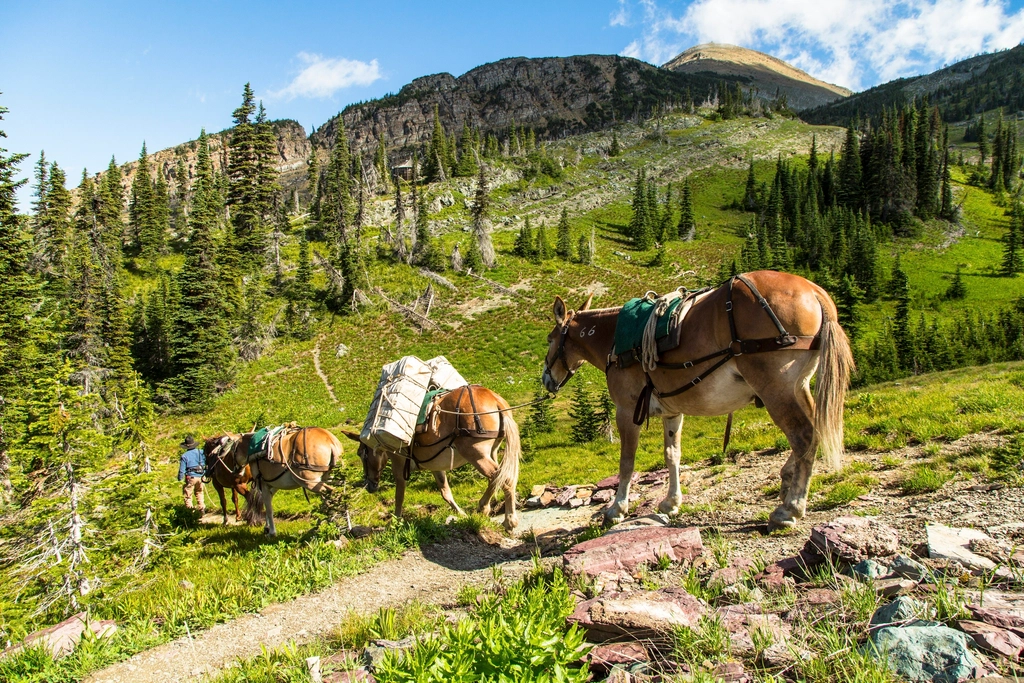 Photo Credit: Rawpixel
In the sun-drenched fields of the American West, the mule, or Equus asinus x Equus caballus, stands as a testament to nature’s creativity. This hybrid, born from the union of a male donkey and a female horse, showcases a blend of strength and grace that captivates both scientists and nature lovers alike. With its sturdy build, long ears, and a coat that can range from a deep chestnut to a soft gray, the mule is not just a pretty face; it embodies the best traits of its parents, making it a remarkable animal in its own right.
Mules are known for their incredible endurance and intelligence, traits that have made them invaluable companions to humans for centuries. They thrive in diverse habitats, from rugged mountains to arid deserts, showcasing their adaptability and resilience. As they graze on grasses and weeds, their strong teeth and efficient digestive systems allow them to make the most of their surroundings. This unique combination of features not only helps them survive but also plays a vital role in maintaining the health of their ecosystems. Join us as we explore the fascinating world of mules, uncovering their behaviors, habitats, and the special bond they share with humans.
Mules are intriguing animals that occupy a special place in the tree of life. They are hybrids, resulting from the mating of a male donkey, known as a jack, and a female horse, called a mare. This unique combination gives mules a blend of traits from both parent species, making them strong, intelligent, and often more resilient than either parent. Mules are classified within the kingdom Animalia, phylum Chordata, class Mammalia, order Perissodactyla, and family Equidae. Their hybrid nature not only highlights their distinct characteristics but also reflects the fascinating complexities of animal reproduction and evolution.
| Taxonomic Rank | Scientific Name | Meaning & Significance |
|---|---|---|
| Kingdom | Animalia | This term comes from the Latin word “animalis,” meaning “having breath.” It signifies all living organisms that are not plants or fungi, highlighting the diverse life forms that share our planet. |
| Phylum | Chordata | Derived from the Greek word “chordē,” meaning “string,” this classification includes animals with a notochord, a flexible rod that supports the body. This feature is crucial in the development of vertebrates, which includes mules. |
| Class | Mammalia | This name comes from the Latin “mamma,” meaning “breast.” It refers to animals that nurse their young with milk, a defining characteristic of mammals, including mules. |
| Order | Perissodactyla | This term means “odd-toed,” referring to the hoof structure of animals in this group. Mules, like horses and donkeys, have an odd number of toes, which helps them run swiftly across various terrains. |
| Family | Equidae | From the Latin “equus,” meaning “horse,” this family includes all horse-like animals. Mules share this family with horses and donkeys, showcasing their close genetic ties. |
| Genus | Equus | This name also comes from the Latin word for “horse.” It emphasizes the shared ancestry and physical traits of horses, donkeys, and their hybrids, like mules. |
Understanding the taxonomic classification of mules reveals much about their evolutionary history. As hybrids, mules represent a fascinating intersection of two distinct species, showcasing how evolution can lead to new forms of life through the combination of genetic traits. Their unique position in the animal kingdom not only highlights the adaptability and resilience of these animals but also serves as a reminder of the intricate relationships that exist within the natural world. Mules are a testament to the power of evolution, demonstrating how diverse life can emerge from the blending of different lineages.
The evolutionary journey of the mule is a captivating tale that begins millions of years ago, long before humans ever thought to breed these remarkable hybrids. Mules are the offspring of two distinct species: the horse and the donkey. Horses, belonging to the genus Equus, have a rich evolutionary history that dates back around 55 million years, while donkeys, also part of the Equus family, have their own lineage that diverged from wild ancestors about 4 to 5 million years ago. This timeline sets the stage for the emergence of mules, which are a product of human ingenuity and selective breeding.
The ancestors of modern horses roamed the Earth as small, forest-dwelling creatures, gradually evolving into the larger, faster animals we know today. Over time, they adapted to various environments, developing traits that allowed them to thrive in open grasslands. Donkeys, on the other hand, adapted to arid regions, becoming hardy animals capable of surviving with minimal water and food. The mating of these two species, which are both part of the Equidae family, resulted in the mule—a hybrid that combines the best traits of both parents. Mules inherit the strength and endurance of horses along with the sure-footedness and resilience of donkeys, making them well-suited for a variety of tasks.
These adaptations have played a crucial role in the mule’s success as a hybrid. Their strength and endurance make them ideal for labor-intensive tasks, while their intelligence and trainability allow them to bond with humans and respond well to commands. The combination of traits inherited from both horses and donkeys has enabled mules to thrive in diverse environments, from rocky mountain trails to arid deserts, showcasing the remarkable results of evolution and selective breeding.
Mules are striking animals that blend the best traits of their horse and donkey parents. With a sturdy build, they typically stand between 13 to 15 hands high at the shoulder, which is about 4 to 5 feet. Their bodies are muscular and compact, designed for strength and endurance. Mules often have a long, powerful neck and a broad head, giving them a distinctive appearance that sets them apart from both horses and donkeys. Their ears are long and alert, a characteristic inherited from their donkey lineage, and they often have a gentle, intelligent expression.
| Feature | Description |
|---|---|
| Weight | 350-450 kg (771-992 lbs) |
| Skin Type | Fur |
These physical features work together to make mules incredibly well-suited for various tasks. Their robust weight and muscular build allow them to carry heavy loads over long distances, while their fur provides protection from the elements. The combination of their strong legs and endurance means they can traverse rugged terrains, making them invaluable in agricultural and mountainous regions. Mules are not just hybrids; they are a perfect blend of strength, resilience, and adaptability, showcasing nature’s ability to create animals that thrive in diverse environments.
Mules thrive in a variety of habitats, showcasing their adaptability and resilience. Typically, they are found in open grasslands, rugged mountains, and arid deserts. These environments provide ample space for grazing and roaming, allowing mules to explore their surroundings while foraging for food. The combination of wide-open spaces and diverse terrains makes these areas ideal for their unique lifestyle.
Mules prefer climates that offer a mix of warm days and cooler nights. They are well-suited to environments that experience moderate rainfall, which helps sustain the grasses and shrubs they love to munch on. While they can tolerate heat, they also need shade and water sources to stay hydrated and comfortable. This balance of conditions allows them to thrive in both dry and temperate regions.
To survive in these diverse habitats, mules have developed several adaptations. Their strong hooves are perfect for navigating rocky terrains, while their sturdy bodies allow them to carry heavy loads over long distances. Mules are also known for their excellent stamina, enabling them to travel far in search of food and water. Their keen sense of awareness helps them avoid predators, making them well-equipped to handle the challenges of their environments.
Mules lead a daily life that is both structured and dynamic, filled with activities that reflect their unique hybrid nature. As members of a herd, they spend much of their day grazing on grasses and other vegetation, which provides them with the energy they need. Mules are crepuscular, meaning they are most active during the early morning and late afternoon. This behavior helps them avoid the heat of the day, allowing them to conserve energy while still getting the nutrition they need. Throughout the day, they engage in various activities such as resting, grooming each other, and socializing, all of which are essential for their well-being.
Social behavior is a cornerstone of mule life. Living in herds, mules establish strong bonds with one another, often forming close-knit groups. They communicate through a variety of sounds, including brays, which are loud calls that can be heard over long distances. Body language also plays a significant role in their interactions; for instance, a mule may flick its ears or swish its tail to express its feelings. Within the herd, there is a social hierarchy, where dominant individuals often lead the group to grazing areas or water sources. This structure helps maintain order and ensures that all members of the herd can thrive.
| Behavior Type | Description |
|---|---|
| Activity Patterns | Mules are crepuscular, being most active during dawn and dusk. They spend their day grazing, resting, and socializing. |
| Social Structure | They live in herds with a clear hierarchy, where dominant mules often lead the group. |
| Communication Methods | Mules communicate through vocalizations like brays and through body language, such as ear movements and tail swishing. |
The behaviors of mules are not just interesting; they are vital for their survival. By living in herds, mules benefit from the safety in numbers, as there is strength in community. Their social interactions help them establish relationships that can lead to cooperative behaviors, such as alerting each other to potential dangers. Additionally, their communication skills ensure that they can share important information about food sources and threats. All these behaviors work together to create a harmonious and resilient lifestyle, allowing mules to thrive in their diverse environments.
Mules are herbivores, which means they primarily eat plants. Their diet mainly consists of grasses, weeds, and various vegetables. Mules are known for their strong teeth and digestive systems, which allow them to efficiently break down tough plant materials. They spend a significant part of their day foraging for food, using their keen sense of smell and sight to locate the best grazing spots. This feeding behavior not only sustains them but also plays a vital role in their social interactions within the herd.
| Dietary Aspect | Details |
|---|---|
| Diet Type | Herbivore |
| Favorite Foods | Grass, weeds, and vegetables |
| Prey Items | None, as they are not predators |
| Hunting/Foraging Strategies | Grazing and browsing in herds, using keen senses to find food |
The diet of mules significantly shapes their ecology and daily routine. By grazing on grasses and weeds, they help maintain the health of their habitats, preventing overgrowth and promoting biodiversity. Their foraging habits also encourage the growth of new plants, which benefits other animals in the ecosystem. As they move through their environment, mules contribute to the balance of their ecosystems, making them important players in the natural world.
Mules have a fascinating approach to reproduction, which is influenced by their unique hybrid nature. Mating typically occurs in the spring and summer months, aligning with the warmer weather when food is abundant. During this time, male mules, or jacks, may display courtship behaviors, such as vocalizations and physical displays, to attract a mate. However, it’s important to note that mules are usually sterile, meaning they cannot reproduce. This is due to the differing number of chromosomes inherited from their horse and donkey parents, which prevents them from producing viable offspring.
| Reproductive Aspect | Details |
|---|---|
| Gestation Period | Approximately 11 months |
| Litter Size | 1 |
| Age of Maturity | 3 to 4 years |
| Name of Young | Foal |
While mules themselves do not reproduce, understanding the parental care of horses and donkeys can provide insight into how young mules would develop if they were able to. In the wild, a mare will care for her foal with great dedication, providing warmth, protection, and nourishment. Foals are born with a strong instinct to stand and walk shortly after birth, which is crucial for their survival. As they grow, they learn essential skills from their mothers, such as grazing and socializing with other herd members. This nurturing environment helps young mules, or foals, develop into strong and independent adults, ready to thrive in their surroundings.
Mules play a vital role in their ecosystems, often serving as prey for various predators while also being valuable to humans for their strength and endurance. Positioned in the food web, they are herbivores that graze on grasses and plants, but their presence attracts a range of carnivorous animals that see them as a meal. This delicate balance highlights the challenges mules face in the wild, where survival is a constant struggle against natural threats.
To defend themselves against these dangers, mules have developed several survival strategies. Their strong instincts allow them to detect predators from a distance, and they often rely on their keen sense of hearing and sight to stay alert. When threatened, mules can kick with powerful legs, a skill inherited from their horse lineage, which can deter attackers. Additionally, they tend to stay in groups, using the safety of numbers to protect themselves. This combination of awareness and physical prowess helps mules navigate the challenges of their environment, ensuring they can thrive despite the risks they face.
A keystone species is an organism that has a disproportionately large impact on its environment relative to its abundance. These species help maintain the structure of an ecosystem, influencing the types and numbers of other species present. Mules, while not typically classified as a keystone species, do play an important role in their ecosystems, particularly in the habitats where they are found.
Mules contribute to their ecosystems primarily through their grazing habits. As herbivores, they consume a variety of grasses and plants, which helps control plant growth and maintain the balance of the ecosystem. By grazing, mules prevent certain plant species from dominating the landscape, allowing for a diverse range of flora to thrive. This diversity is crucial because it supports various other species, from insects to larger mammals, creating a rich tapestry of life.
Additionally, mules serve as prey for predators in their habitats. Their presence supports the food web, providing sustenance for animals such as coyotes and mountain lions. This predator-prey relationship is vital for maintaining the health of the ecosystem, as it helps regulate populations of both mules and their predators. Furthermore, mules can also assist in seed dispersal. As they move through their environment, they consume fruits and plants, and their droppings can help spread seeds, promoting plant growth in new areas.
If mules were to disappear from their ecosystems, the effects could be significant. Without their grazing, certain plant species might overgrow, leading to a decline in plant diversity. This could, in turn, affect the animals that rely on those plants for food and shelter. The absence of mules would also disrupt the predator-prey balance, potentially leading to overpopulation of some species and the decline of others. Overall, the loss of mules would ripple through the ecosystem, highlighting their important, albeit not always obvious, role in maintaining ecological harmony.
Mules play a significant role in shaping their ecosystems, acting as both grazers and contributors to the health of their habitats. As herbivores, they primarily feed on grasses and other vegetation, which helps control plant growth and maintain the balance of their environment. By grazing, mules prevent certain plant species from dominating, allowing a diverse range of flora to thrive. This diversity is crucial for supporting various other species, creating a vibrant and interconnected ecosystem.
| Ecosystem Service | Impact |
|---|---|
| Grazing | Controls plant growth and promotes biodiversity |
| Seed Dispersal | Helps spread seeds through their droppings, aiding plant reproduction |
| Soil Aeration | Hoof action loosens soil, improving water infiltration and root growth |
| Food Source | Serves as prey for predators, contributing to the food web |
Mules influence their surroundings in several specific ways. For instance, their grazing habits can lead to healthier grasslands by preventing overgrowth of certain plants. This not only benefits the mules but also creates a more balanced habitat for other animals. Additionally, as mules move through their environment, they help aerate the soil with their hooves, which allows water to penetrate more easily. This is especially important in arid regions where water conservation is vital for plant survival. Furthermore, when mules eat fruits and plants, they help disperse seeds through their droppings, promoting the growth of new plants in different areas.
The broader ecological importance of mules cannot be overstated. As keystone species, they play a crucial role in maintaining the structure of their ecosystems. Their grazing helps sustain a variety of plant life, which in turn supports numerous other species, from insects to larger mammals. By influencing plant diversity and soil health, mules contribute to the resilience of their habitats, making them vital players in the intricate web of life. Understanding their role helps us appreciate the delicate balance of nature and the interconnectedness of all living things.
In the intricate web of life, symbiosis refers to the close and often long-term interactions between different species. These relationships can take many forms, including mutualism, where both species benefit, parasitism, where one benefits at the expense of the other, and commensalism, where one benefits while the other is neither helped nor harmed. Mules, as hybrids of horses and donkeys, engage in various ecological relationships that highlight their adaptability and the interconnectedness of nature.
| Species/Type | Relationship Type | Description |
|---|---|---|
| Birds (e.g., oxpeckers) | Mutualistic | These birds often perch on mules, feeding on ticks and parasites found on their skin. The birds get a meal, while the mules enjoy a cleaner coat. |
| Insects (e.g., flies) | Parasitic | Certain flies may lay their eggs on mules, leading to discomfort and potential health issues for the animal as the larvae develop. |
| Plants (e.g., grasses) | Commensal | Mules graze on grasses, which helps control plant growth. While the plants benefit from being grazed, they are not harmed in the process. |
These relationships have evolved over time, shaped by the needs and behaviors of the species involved. Mules, with their strong foraging abilities, have developed partnerships that enhance their survival and well-being. The mutualistic relationships, like those with birds, showcase how cooperation can lead to healthier individuals and ecosystems. Meanwhile, the parasitic interactions remind us that not all relationships are beneficial, highlighting the complex balance of nature. Understanding these connections helps us appreciate the roles that mules and their partners play in the environment, emphasizing the importance of every species in maintaining ecological harmony.
Mules are fascinating hybrids that combine the best traits of their horse and donkey parents. These remarkable animals have a rich history and a variety of surprising characteristics that make them stand out in the animal kingdom.
Mules have walked alongside humanity for thousands of years, serving as steadfast companions and invaluable workers. These hybrids, born from the union of a male donkey and a female horse, have played significant roles in various cultures around the world. Historically, they have been celebrated for their strength, endurance, and sure-footedness, making them essential in agriculture, transportation, and even warfare. In many societies, mules symbolize hard work and resilience, often depicted in art and folklore as reliable partners in the human journey.
Today, the relationship between mules and humans continues to evolve. While many people still rely on these animals for labor, especially in rural areas, there is also a growing awareness of their welfare and conservation. Mules are often involved in conservation efforts, helping to maintain trails in national parks or assisting in search-and-rescue missions due to their agility and intelligence. However, conflicts can arise, particularly in regions where land use and habitat encroachment threaten their natural environments. Domestication has led to a deep bond between mules and their caretakers, but it also raises questions about their treatment and the balance between utility and compassion.
As we look to the future, the bond between mules and humanity is likely to deepen, driven by a growing understanding of animal welfare and the importance of sustainable practices. With advancements in technology and a shift towards more humane treatment, mules may find new roles that honor their unique abilities while ensuring their well-being. As we continue to explore the natural world, the relationship with these remarkable hybrids will remind us of the interconnectedness of all living beings and the responsibilities we hold towards them.
The conservation status of mules is currently classified as “Least Concern” by the International Union for Conservation of Nature (IUCN). This means that, overall, mules are not facing immediate threats that could lead to their extinction. Their population remains stable, and they are widely found in various regions around the world, thanks to their adaptability and the role they play in agriculture and transportation.
| Conservation Factor | Status/Details |
|---|---|
| IUCN Status | Least Concern |
| Population Estimates | Stable, with no specific global estimate |
| Trend Direction | Stable |
Despite their stable status, mules do face some challenges. One of the main threats to their population is the decline in traditional farming practices. As technology advances, fewer people rely on mules for work, leading to a decrease in their breeding. Additionally, habitat loss due to urbanization and agricultural expansion can impact their living conditions. While mules are resilient, these changes can affect their numbers over time.
Conservation efforts for mules focus on promoting awareness of their importance in agriculture and culture. Organizations are working to preserve traditional farming methods that utilize mules, ensuring that these hybrids continue to thrive alongside humans. The outlook for mules remains positive, as their unique qualities and adaptability help them maintain a presence in various ecosystems. With continued support and appreciation, mules will likely remain a stable part of our world for years to come.
| Question | Answer |
|---|---|
| What is a mule's habitat? | Mules are often found in a variety of habitats, including grasslands, mountains, and farms. They are adaptable animals that thrive in environments where they can graze and roam freely. |
| What do mules eat? | Mules are herbivores, which means they primarily eat plants. Their diet consists of grasses, hay, and grains, providing them with the nutrients they need to stay healthy and strong. |
| How do mules behave in groups? | Mules are social animals and often form strong bonds with other mules and animals. They communicate through vocalizations and body language, and they enjoy spending time together, whether grazing or playing. |
| How do mules reproduce? | Mules are hybrids, resulting from the mating of a male donkey and a female horse. Because they are hybrids, mules are usually sterile, meaning they cannot reproduce. |
| What threats do mules face? | While mules are currently classified as Least Concern in terms of conservation status, they can face threats from habitat loss and human activities. Additionally, they may be at risk from diseases and competition with other livestock. |
| What are some interesting characteristics of mules? | Mules are known for their strength and endurance, often outperforming both horses and donkeys in work tasks. They also have a unique combination of traits from their parents, such as the intelligence of donkeys and the agility of horses. |
| Can mules be trained? | Yes, mules are highly trainable animals. They are intelligent and can learn a variety of tasks, making them valuable for work in agriculture, transportation, and even as companions. |