Taxonomy & Classification
- Kingdom
- Animalia
- Phylum
- Chordata
- Class
- Aves
- Order
- Anseriformes
- Family
- Anatidae
- Genus
- Cairina
- Species
- Cairina moschata

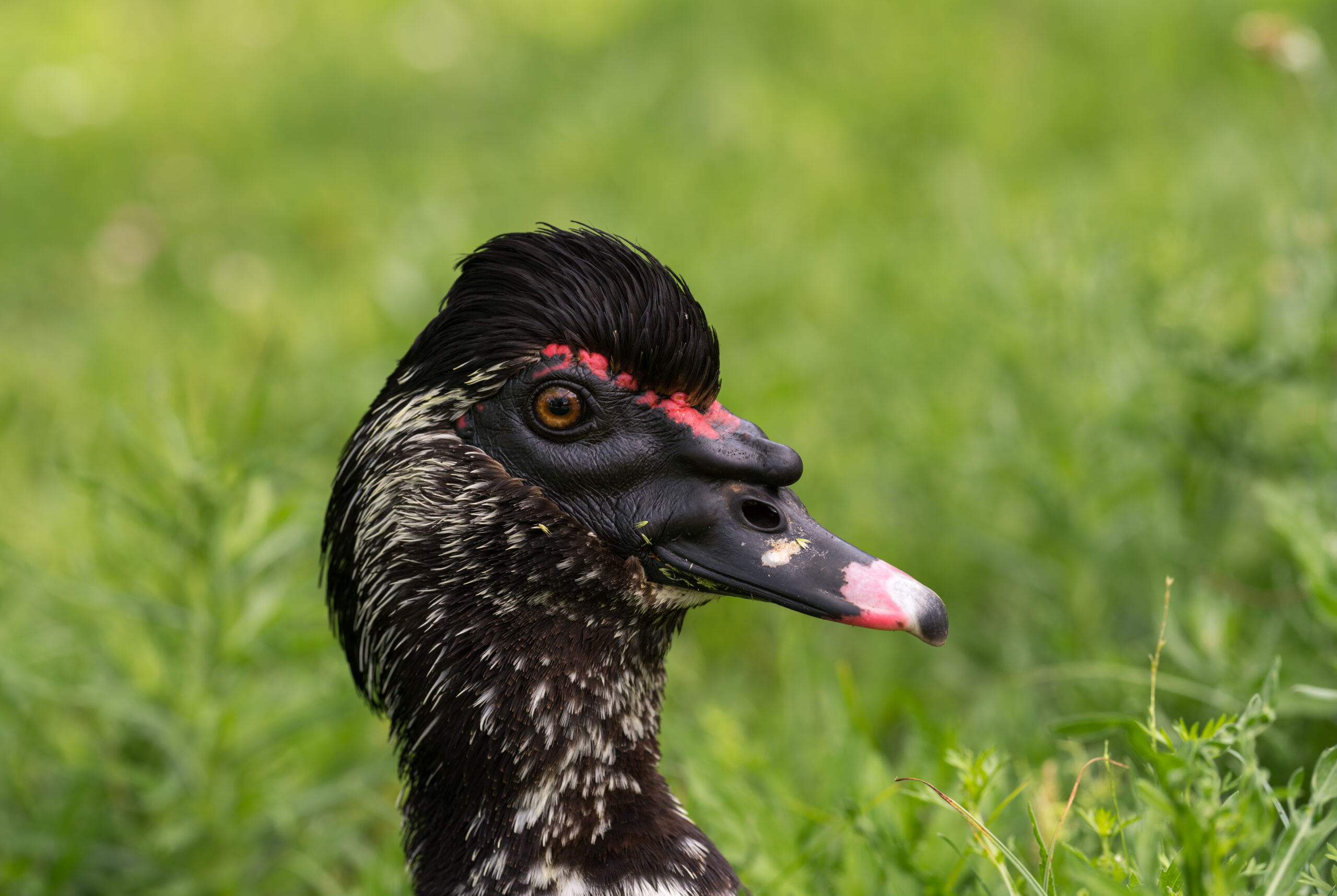 Photo Credit: Julesvernex2 / Wikimedia Commons
In the shimmering wetlands of Central and South America, the Muscovy Duck, known scientifically as Cairina moschata, glides gracefully across the water’s surface. With its striking black and white plumage, accented by iridescent green and blue hues, this duck is hard to miss. Its distinctive red facial caruncles—those bumpy, fleshy growths around its beak—give it a unique charm that captivates both scientists and nature lovers alike. These features not only make the Muscovy Duck visually stunning but also serve as a fascinating topic of study, revealing insights into the bird’s social behaviors and mating rituals.
As the sun rises, the Muscovy Duck awakens to a world alive with the sounds of chirping insects and rustling reeds. It forages for a diverse diet, dabbling in the water for aquatic plants and insects, showcasing its adaptability in various habitats. Whether it’s paddling through tranquil ponds or exploring the lush edges of swamps, this duck plays a vital role in its ecosystem. Its presence helps maintain the balance of these vibrant environments, making it a key player in the intricate web of life. Join us as we dive deeper into the world of the Muscovy Duck, exploring its behaviors, diet, and the unique relationships it forms within its habitat.
The Muscovy Duck holds a special place in the tree of life, showcasing a blend of characteristics that set it apart from other waterfowl. Scientifically classified under the genus Cairina, this bird is part of the family Anatidae, which includes all ducks, geese, and swans. What makes the Muscovy Duck particularly intriguing is its ability to thrive in both wild and domesticated environments, displaying a range of colors and patterns that vary widely among individuals. Unlike many of its relatives, the Muscovy Duck is known for its distinctive red facial caruncles—fleshy growths that give it a unique appearance and help it stand out in the avian world.
| Taxonomic Rank | Scientific Name | Meaning & Significance |
|---|---|---|
| Kingdom | Animalia | This name signifies that the Muscovy Duck is part of the vast group of multicellular organisms known as animals, which are characterized by their ability to move and respond to their environment. |
| Phylum | Chordata | Chordata means “having a notochord,” a flexible rod that supports the body. This group includes all animals with a backbone, highlighting the Muscovy Duck’s place among vertebrates. |
| Class | Aves | Aves is the class that encompasses all birds. The name comes from the Latin word for bird, emphasizing the Muscovy Duck’s feathered, warm-blooded nature. |
| Order | Anseriformes | This order includes ducks, geese, and swans. The name is derived from the Latin word “anser,” meaning goose, indicating the Muscovy Duck’s close relationship with these waterfowl. |
| Family | Anatidae | Anatidae refers to the family of ducks, geese, and swans. The name comes from the Latin “anates,” meaning duck, which highlights the Muscovy Duck’s classification within this diverse family. |
| Genus | Cairina | The genus name Cairina is thought to be derived from the Malay word “kair,” meaning “to quack,” which reflects the vocalizations of these ducks and their aquatic lifestyle. |
The classification of the Muscovy Duck reveals much about its evolutionary journey. As a member of the Anatidae family, it shares a common ancestor with other waterfowl, showcasing adaptations that have allowed it to thrive in various habitats. Its unique features, such as the striking facial caruncles and its ability to adapt to both wild and domestic settings, highlight the evolutionary pressures that have shaped its development. Understanding its taxonomic position not only enriches our knowledge of this fascinating bird but also provides insight into the broader story of avian evolution and diversity.
The evolutionary journey of the Muscovy Duck stretches back millions of years, intertwining with the history of waterfowl and their adaptations to diverse environments. This bird, belonging to the family Anatidae, has a lineage that showcases significant changes as it adapted to life in wetlands, rivers, and lakes across Central and South America.
The Muscovy Duck’s ancestors were likely similar to other early ducks, which emerged around 50 million years ago. These ancestral forms were primarily aquatic, feeding on plants and small invertebrates. Over time, as the climate and habitats evolved, so did the Muscovy Duck. One major transition was the development of its distinctive features, such as the fleshy caruncles—those colorful, warty growths on its face. These adaptations not only helped in attracting mates but also played a role in social interactions within flocks.
These evolutionary adaptations have been crucial for the Muscovy Duck’s survival. The fleshy caruncles not only enhance their attractiveness but also facilitate social bonding, which is vital for flock dynamics. Strong legs and an adaptable diet allow them to exploit different food sources and habitats, ensuring they can thrive in changing environments. Their flying ability provides an essential escape route from predators, making them resilient in the wild. Together, these traits illustrate how the Muscovy Duck has successfully navigated the challenges of its environment over millions of years.
The Muscovy Duck is a striking bird that captures attention with its bold appearance and unique features. With a sturdy body that can weigh between 6 to 15 pounds, it presents a robust silhouette, making it look both powerful and graceful. Its feathers are a glossy mix of deep greens, blacks, and browns, shimmering in the sunlight. But what truly sets this duck apart is the bright red fleshy skin, known as a caruncle, that surrounds its eyes. This vibrant feature adds a splash of color to its already captivating form, giving it a personality that is as lively as its appearance.
| Feature | Description |
|---|---|
| Weight | 6 to 15 pounds |
| Skin Type | Feathers |
| Most Distinctive Feature | Bright red fleshy skin (caruncle) surrounding its eyes |
The combination of the Muscovy Duck’s weight and striking coloration serves important purposes in its survival. The robust body allows it to navigate through various environments, from wetlands to urban areas, while the vibrant caruncle not only enhances its visual appeal but may also play a role in attracting mates. This unique blend of features helps the Muscovy Duck thrive in its habitat, showcasing the beauty and complexity of nature’s designs.
The Muscovy Duck thrives in a variety of habitats that paint a picture of lush, vibrant ecosystems. Imagine wandering through wetlands and swamps, where the air is filled with the sounds of chirping insects and the gentle rustle of leaves. These ducks can often be spotted gliding gracefully across serene lakes or rivers, their reflections shimmering in the water. They also enjoy the company of tall grasses and trees, which provide shelter and nesting spots. This adaptability allows them to flourish in both natural and agricultural landscapes, making them a common sight in many regions.
The Muscovy Duck prefers climates that offer a mix of warmth and moisture. They are often found in regions where temperatures are mild to warm, as these conditions support the lush vegetation they rely on for food and shelter. Wetlands and swamps provide the perfect environment, with plenty of water and abundant plant life. These areas also help maintain a stable temperature, which is essential for their nesting and breeding activities.
Adaptation is key to the Muscovy Duck’s success in these diverse habitats. Their strong legs and webbed feet make them excellent swimmers, allowing them to navigate through water with ease. They have also developed a varied diet, feasting on aquatic plants, insects, and even small fish, which are plentiful in their watery homes. Their ability to thrive in both wild and agricultural settings showcases their resilience and versatility, making them a fascinating part of the ecosystems they inhabit.
The Muscovy Duck leads a daily life that is both active and engaging, primarily during daylight hours, as it is diurnal. Each day begins with a leisurely morning, where these ducks often forage for food in shallow waters or on land. They enjoy a varied diet, munching on plants, seeds, and even small insects. As the sun rises higher, they may take to the water for a refreshing swim, showcasing their strong swimming abilities. Throughout the day, they alternate between foraging, resting, and preening their feathers to keep them in top condition.
While Muscovy Ducks are generally solitary, they do exhibit interesting social behaviors when they come together. They may gather in small groups, especially during feeding times or when seeking safety from predators. Communication is key in these interactions; they use a range of vocalizations, from soft quacks to more pronounced honks, to express their needs and alert others to potential dangers. This social structure, though not as tightly knit as in some other bird species, allows them to maintain a balance between independence and community.
| Behavior Type | Description |
|---|---|
| Activity Patterns | Active during the day, foraging for food in water and on land, swimming, and preening. |
| Social Structure | Primarily solitary but may form small groups during feeding or in response to threats. |
| Communication Methods | Utilizes a variety of vocalizations, including quacks and honks, to communicate with others. |
The behaviors of the Muscovy Duck are finely tuned to ensure their survival in the wild. By foraging during the day, they maximize their chances of finding food while avoiding nocturnal predators. Their ability to communicate effectively helps them stay alert to dangers, allowing them to react quickly when needed. This blend of independence and occasional social interaction creates a dynamic lifestyle that supports their well-being in diverse habitats.
The Muscovy Duck is an omnivore, which means it enjoys a varied diet that includes both plants and animals. This adaptability allows it to thrive in different environments. These ducks are often seen foraging in shallow waters, where they use their strong bills to sift through mud and vegetation. They are not picky eaters and will happily munch on a wide range of foods, from aquatic plants to small insects and crustaceans. Their feeding behavior is a mix of dabbling and grazing, making them quite resourceful in finding meals.
| Dietary Aspect | Details |
|---|---|
| Diet Type | Omnivore |
| Favorite Foods | Aquatic plants, seeds, small insects, and crustaceans |
| Prey Items | Invertebrates and small aquatic creatures |
| Hunting/Foraging Strategies | Dabbling in water, grazing on land, and sifting through mud |
The Muscovy Duck’s diverse diet plays a crucial role in its ecology and daily routine. By consuming a variety of foods, it helps maintain the balance of its habitat, controlling insect populations and promoting plant growth. This adaptability not only supports its survival but also influences the dynamics of the ecosystems it inhabits. As these ducks forage, they contribute to the health of wetlands and other environments, showcasing the interconnectedness of nature.
As the breeding season approaches, Muscovy Ducks engage in a captivating courtship ritual. Males display their vibrant plumage and perform a series of vocalizations to attract females. This season typically occurs in the spring, when the days grow longer and warmer. Once a pair has formed, they will mate, and the female will begin the process of nesting, often choosing a secluded spot near water to lay her eggs.
| Reproductive Aspect | Details |
|---|---|
| Gestation Period | 35 days |
| Litter Size | 8 to 15 eggs |
| Age of Maturity | 60 to 70 days |
| Name of Young | Chicks |
After the eggs hatch, the mother duck takes on the vital role of caregiver. Muscovy Duck chicks are precocial, meaning they are relatively mature and mobile shortly after hatching. They quickly learn to swim and forage for food under the watchful eye of their mother. This attentive parenting ensures that the young ducks develop the skills they need to thrive in their environment. As they grow, the chicks will gradually gain independence, maturing into adults in about two months, ready to embark on their own adventures in the wild.
The Muscovy Duck occupies a fascinating position in the food web, serving as both a forager and a potential prey item. These ducks are often found in wetlands, where they feast on a variety of plants and small creatures. However, their presence also attracts a range of predators, making them an important part of the ecosystem. Understanding the dangers they face helps us appreciate their role in nature and the delicate balance of life.
To survive these threats, Muscovy Ducks have developed several clever defensive behaviors. They often rely on their ability to blend into their surroundings, using their natural camouflage to avoid detection. When danger approaches, they can quickly take to the water, where they are agile swimmers. Additionally, these ducks are known to be quite vocal, using a range of sounds to alert others in their group to potential threats. By staying alert and using their environment to their advantage, Muscovy Ducks continue to thrive despite the challenges they face.
A keystone species is a vital part of its ecosystem, meaning its presence has a significant impact on the environment and other living things. The Muscovy Duck, while not typically classified as a keystone species, plays an important role in its habitat. This bird contributes to the balance of its ecosystem, particularly in wetlands and agricultural areas, where it interacts with various plants and animals.
Muscovy Ducks are omnivores, which means they eat both plants and animals. This diverse diet allows them to influence the populations of the organisms they consume. For example, by foraging on aquatic plants and insects, they help control the growth of vegetation and maintain a healthy balance in their environment. Their feeding habits can also benefit farmers, as they consume pests that might otherwise damage crops.
Additionally, Muscovy Ducks serve as a food source for larger predators, such as foxes and birds of prey. This connection helps sustain the food web, where energy and nutrients flow from one organism to another. Their nesting behavior can also impact the surrounding area, as they often create nests in dense vegetation, which can provide shelter for other small animals.
If Muscovy Ducks were to disappear from their ecosystems, the effects could ripple through the environment. Without these ducks, there could be an overgrowth of aquatic plants, leading to reduced water quality and habitat for other species. Insects might proliferate unchecked, causing problems for crops and other wildlife. The absence of this bird would also disrupt the food chain, leaving predators without a reliable food source. Overall, the loss of Muscovy Ducks would create an imbalance, highlighting their important, if not keystone, role in their ecosystems.
The Muscovy Duck plays a crucial role in shaping its ecosystem, particularly in wetlands and other water-rich environments. As an omnivore, it forages for a diverse diet that includes plants, insects, and small aquatic animals. This feeding behavior not only helps control insect populations but also contributes to the health of aquatic plants. By interacting with various elements of its habitat, the Muscovy Duck helps maintain a balanced ecosystem, making it an important player in its natural community.
| Ecosystem Service | Impact |
|---|---|
| Foraging | Controls insect populations and promotes plant growth. |
| Nutrient Cycling | Contributes to the breakdown of organic matter, enriching the soil. |
| Seed Dispersal | Helps spread plant seeds, aiding in plant diversity. |
| Habitat Creation | Creates nesting sites for other species through its own nesting behavior. |
In specific examples, the Muscovy Duck’s foraging habits can significantly influence the health of its habitat. By consuming a variety of insects, it helps keep their populations in check, which can prevent overpopulation that might otherwise harm plant life. Additionally, as these ducks move through their environment, they inadvertently stir up sediment and organic material, which can enhance nutrient cycling. This process enriches the soil, benefiting not only the plants that grow there but also the animals that rely on those plants for food and shelter.
The broader ecological importance of the Muscovy Duck cannot be overstated. As a species that interacts with multiple facets of its environment, it supports a web of life that includes plants, insects, and other animals. By maintaining balance in its ecosystem, the Muscovy Duck helps ensure that its habitat remains vibrant and diverse. This interconnectedness highlights the importance of every species, no matter how small, in the grand tapestry of nature.
In the intricate web of nature, symbiosis refers to the close and often long-term interactions between different species. These relationships can take many forms, including mutualism, where both species benefit, parasitism, where one benefits at the expense of the other, and commensalism, where one benefits while the other is neither helped nor harmed. The Muscovy Duck, with its adaptable nature and diverse habitat preferences, engages in various ecological partnerships that highlight the interconnectedness of life.
| Species/Type | Relationship Type | Description |
|---|---|---|
| Fish | Mutualistic | Muscovy Ducks often forage in shallow waters, stirring up sediment. This action helps fish find food, while the ducks benefit from the fish’s presence, which can alert them to potential predators. |
| Insects | Commensal | As Muscovy Ducks forage, they inadvertently disturb insects. While the ducks benefit from the food, the insects are simply displaced, experiencing no significant harm or benefit. |
| Plants | Mutualistic | The ducks help disperse seeds from the plants they consume. This aids in plant reproduction, while the ducks gain nourishment from the fruits and seeds. |
These relationships have evolved over time, shaped by the needs and behaviors of the Muscovy Duck and the species it interacts with. By foraging in wetlands and other habitats, these ducks not only find food but also play a role in maintaining the balance of their ecosystems. The benefits of these partnerships extend beyond the ducks themselves, fostering a rich tapestry of life that supports various organisms in their shared environment. Through these connections, the Muscovy Duck exemplifies the beauty of nature’s cooperation and the importance of every species in the grand scheme of life.
The Muscovy Duck is a captivating bird that often surprises those who take the time to learn about it. With its striking appearance and intriguing behaviors, this duck is more than just a pretty face in the wetlands.
The Muscovy Duck has a rich history intertwined with human culture, dating back to the time of the Aztecs in Central America. These ducks were not only valued for their meat and eggs but also held a place in local traditions and folklore. As they spread across the globe, they became symbols of agricultural life in many regions, often seen in backyards and farms. Their striking appearance and unique behaviors have made them a subject of fascination, leading to their representation in art and literature throughout the ages.
Today, the relationship between Muscovy Ducks and humans is multifaceted. In many areas, they are domesticated, providing a source of food and companionship. However, their adaptability has also led to conflicts, especially in urban settings where they can become invasive. Conservation efforts are underway in some regions to manage their populations and protect native species. This delicate balance between appreciation and management highlights the ongoing challenges of coexisting with wildlife in a rapidly changing world.
Looking ahead, the future of the Muscovy Duck and its relationship with humanity will likely continue to evolve. As urban areas expand and natural habitats change, finding ways to coexist will be crucial. Education and awareness will play key roles in fostering a respectful relationship, ensuring that these fascinating birds can thrive alongside us. By understanding their needs and behaviors, we can appreciate the Muscovy Duck not just as a source of food, but as a vibrant part of our shared environment.
The Muscovy Duck is currently classified as “Least Concern” by the International Union for Conservation of Nature (IUCN). This status indicates that the species is not facing an immediate threat of extinction. Population estimates suggest that Muscovy Ducks are relatively stable, with their numbers remaining consistent across their range. However, localized declines can occur due to habitat loss and other environmental pressures.
| Conservation Factor | Status/Details |
|---|---|
| IUCN Status | Least Concern |
| Population Estimates | Stable, with no specific global estimate |
| Trend Direction | Stable |
Despite their stable status, Muscovy Ducks face several threats that could impact their populations in the future. Habitat destruction is a significant concern, as wetlands and swamps are often drained for agriculture or urban development. Additionally, pollution from agricultural runoff can degrade the quality of their habitats, making it harder for them to find food and reproduce. Predation by domestic animals, such as cats and dogs, can also pose a risk, especially in areas where these ducks are not accustomed to such threats.
Conservation efforts for the Muscovy Duck focus on habitat protection and restoration. Organizations are working to preserve wetland areas, ensuring that these birds have safe places to live and breed. Public awareness campaigns also play a crucial role, educating communities about the importance of protecting local ecosystems. With continued efforts, the outlook for the Muscovy Duck remains positive, as it adapts to changing environments while benefiting from conservation initiatives.
| Question | Answer |
|---|---|
| What is the natural habitat of the Muscovy Duck? | Muscovy Ducks thrive in a variety of habitats, including wetlands, swamps, streams, grasslands, forests, lakes, rivers, and even agricultural areas. They prefer places with plenty of water and vegetation, which provide food and shelter. |
| What do Muscovy Ducks eat? | These ducks are omnivores, meaning they eat both plants and animals. Their diet includes seeds, fruits, insects, and small fish, allowing them to adapt to different environments and food sources. |
| How do Muscovy Ducks behave in the wild? | Muscovy Ducks are known for their social nature and often form small groups. They are also quite vocal, using a variety of quacks and whistles to communicate with each other, especially during mating season. |
| How do Muscovy Ducks reproduce? | During mating season, male Muscovy Ducks display their bright red caruncles, the fleshy skin around their eyes, to attract females. After mating, the female builds a nest, usually near water, where she lays about 8 to 16 eggs, which she incubates for about 35 days. |
| What threats do Muscovy Ducks face? | While Muscovy Ducks are currently classified as Least Concern, they still face threats from habitat loss and pollution. Additionally, hunting and predation can impact their populations in certain areas. |
| What is a unique characteristic of the Muscovy Duck? | One of the most distinctive features of the Muscovy Duck is its bright red caruncle, which surrounds its eyes. This fleshy skin not only makes them stand out but also plays a role in attracting mates. |
| Can Muscovy Ducks fly? | Yes, Muscovy Ducks are capable of flight, although they are not as agile as some other duck species. They have strong wings and can fly short distances, especially when they need to escape predators or find new feeding grounds. |