Taxonomy & Classification
- Kingdom
- Animalia
- Phylum
- Chordata
- Class
- Mammalia
- Order
- Carnivora
- Family
- Canidae
- Genus
- Canis
- Species
- Canis lupus

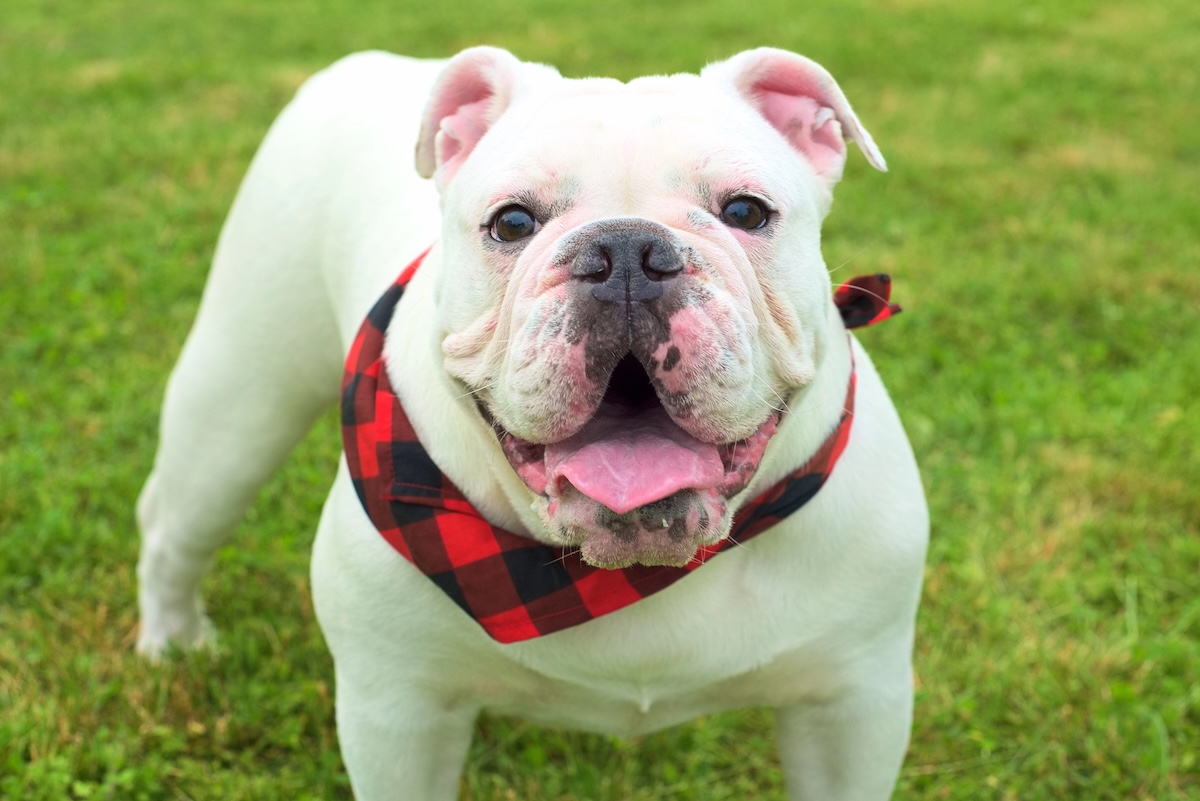 Photo Credit: Wirestock at Deposit Photos
In the sun-drenched landscapes of Australia, the Australian Bulldog, scientifically known as Canis lupus familiaris, stands as a testament to the bond between humans and their canine companions. With its muscular build and distinctive wrinkled face, this breed captures the eye and heart of anyone who encounters it. The Australian Bulldog is not just a pet; it embodies a rich history of loyalty and resilience, making it a favorite among dog lovers and a subject of interest for scientists studying domestication and adaptation.
Imagine a warm afternoon in a bustling suburban neighborhood, where the Australian Bulldog bounds joyfully across the yard, its broad chest heaving with excitement. This breed is known for its playful spirit and affectionate nature, often seen lounging with family members or engaging in spirited games of fetch. Its short coat glistens in the sunlight, showcasing a palette of colors that can range from brindle to fawn. As it interacts with children and adults alike, the Australian Bulldog reveals its gentle temperament, proving that strength and kindness can coexist beautifully. This fascinating blend of physical prowess and amiable personality makes the Australian Bulldog a remarkable subject for exploration, inviting us to delve deeper into its world and the role it plays in our lives.
The Australian Bulldog, a captivating member of the animal kingdom, holds a special place in the tree of life. This breed is classified within the Canidae family, which includes all dogs, wolves, and foxes. What sets the Australian Bulldog apart is its unique blend of physical traits and temperament, making it a beloved companion in many households. With a sturdy build and a friendly disposition, this breed showcases the diversity found within the mammalian class, particularly among carnivorous animals that have adapted to various environments.
| Taxonomic Rank | Scientific Name | Meaning & Significance |
|---|---|---|
| Kingdom | Animalia | This name signifies that the Australian Bulldog belongs to the broad group of multicellular organisms that are heterotrophic, meaning they consume organic material for energy. |
| Phylum | Chordata | Chordata refers to animals that have a notochord, a flexible rod that supports the body. In the case of the Australian Bulldog, this structure is present during its early development. |
| Class | Mammalia | Mammalia indicates that this breed is warm-blooded and has fur or hair, along with mammary glands that produce milk for its young. |
| Order | Carnivora | Carnivora is the order that includes meat-eating mammals. The Australian Bulldog, while often a family pet, has ancestors that were skilled hunters. |
| Family | Canidae | Canidae encompasses all dog-like mammals, highlighting the Australian Bulldog’s close relationship with other domestic dogs and wild canids. |
| Genus | Canis | Canis is the genus that includes dogs, wolves, and coyotes, emphasizing the Australian Bulldog’s lineage and shared characteristics with these animals. |
Understanding the Australian Bulldog’s classification reveals much about its evolutionary journey. As a member of the Canidae family, it shares a common ancestor with wolves and other canids, showcasing the adaptability and diversity of mammals. This lineage reflects how different breeds have evolved to meet the needs of humans and their environments, resulting in the friendly and loyal companions we see today. The Australian Bulldog’s unique traits are a testament to the fascinating interplay of genetics, environment, and domestication in the animal kingdom.
The evolutionary journey of the Australian Bulldog is a tale that stretches back thousands of years, intertwining with the history of domesticated dogs. This breed, part of the Canidae family, has roots that can be traced to ancient wolves, which began their relationship with humans around 15,000 years ago. Over time, selective breeding and adaptation to various environments shaped the Australian Bulldog into the distinct breed we recognize today.
Ancestral forms of the Australian Bulldog likely descended from the early domesticated dogs that accompanied Indigenous Australians. These early canines were bred for specific traits, such as strength and loyalty, to assist in hunting and protection. As settlers arrived in Australia, they brought their own dogs, which further influenced the breed’s development. The Australian Bulldog emerged as a robust and versatile companion, showcasing a blend of traits from its ancestors, including a strong build and a friendly disposition.
The adaptations of the Australian Bulldog have played a crucial role in its survival and success as a breed. Its strong musculature not only aids in physical tasks but also provides a sense of security for its owners. The friendly temperament fosters strong bonds with humans, making it a beloved family pet. Additionally, the short coat is a practical feature that allows the breed to thrive in Australia’s heat, while its intelligence ensures it can navigate different situations effectively. Together, these traits have helped the Australian Bulldog flourish in diverse environments, showcasing the remarkable journey of evolution and adaptation.
The Australian Bulldog presents a striking figure, embodying strength and resilience. With a robust and muscular build, this breed is designed for both agility and endurance. Its broad chest and powerful limbs give it a commanding presence, while its compact stature allows for quick movements. The Australian Bulldog’s head is distinctive, featuring a wide skull and a short muzzle, which adds to its unique charm. This combination of features creates an impression of both power and playfulness, making it a beloved companion.
| Feature | Description |
|---|---|
| Weight | 78 lbs |
| Skin Type | Hair |
These physical characteristics work together to enhance the Australian Bulldog’s ability to thrive in various environments. The sturdy build and weight provide the strength needed for activities like running and playing, while the short hair helps regulate body temperature, keeping the dog comfortable in both warm and cool climates. This combination of features not only makes the Australian Bulldog an excellent companion for active families but also equips it for a life filled with adventure and exploration.
The Australian Bulldog thrives in a variety of environments across its homeland, Australia. This breed is often found in suburban areas, where it enjoys the companionship of families and individuals. They are also comfortable in rural settings, where they can roam and play in open spaces. The Australian Bulldog’s adaptability allows it to flourish in both bustling cities and quiet countryside, making it a versatile companion for many lifestyles.
The climate in Australia varies widely, from tropical regions in the north to temperate zones in the south. Australian Bulldogs prefer moderate temperatures, as extreme heat can be challenging for them. They thrive in environments that offer a mix of sunshine and shade, allowing them to stay cool while enjoying outdoor activities. Rainfall can also influence their habitat, as they appreciate areas with access to fresh water for hydration and play.
These dogs have developed several adaptations that help them navigate their diverse habitats. Their short coat is designed to keep them cool in warmer weather, while their strong build allows them to be active and playful. Australian Bulldogs are also known for their friendly and social nature, which helps them bond with families and other pets. This adaptability not only makes them excellent companions but also allows them to thrive in various living conditions across Australia.
The daily life of an Australian Bulldog is a blend of playful energy and relaxed companionship. These dogs typically start their day with a burst of enthusiasm, eager to explore their surroundings. Morning walks are a favorite, where they can sniff out new scents and enjoy the fresh air. After their exercise, they often settle down for a nap, recharging their batteries for the next round of play. Throughout the day, they engage in various activities, from chasing after toys to lounging in the sun, always keeping a watchful eye on their human companions.
Social behavior is a key aspect of the Australian Bulldog’s life. These dogs are known for their friendly and affectionate nature, forming strong bonds with their families. They thrive in social settings, often enjoying the company of other dogs and pets. Their playful demeanor encourages interaction, whether it’s a game of tug-of-war or simply lounging together. Communication is vital in their social structure; they use a mix of barks, growls, and body language to express their feelings and intentions. This social dynamic not only strengthens their relationships but also enhances their overall well-being.
| Behavior Type | Description |
|---|---|
| Activity Patterns | Australian Bulldogs enjoy a mix of play and rest, balancing energetic activities like walks and fetch with downtime for napping and relaxing. |
| Social Structure | These dogs are highly social, forming strong bonds with their families and often getting along well with other pets, creating a harmonious household. |
| Communication Methods | They communicate through a variety of sounds, including barks and growls, as well as body language, using their posture and movements to convey emotions. |
The behaviors of the Australian Bulldog are not just for fun; they play a crucial role in their survival. By engaging in social interactions, they strengthen their bonds with humans and other animals, which can lead to better care and protection. Their playful nature keeps them physically active, promoting health and fitness. Additionally, their communication skills help them navigate their environment and express their needs effectively. All these behaviors work together to ensure that Australian Bulldogs lead happy, fulfilling lives while thriving in their homes.
The Australian Bulldog has a diverse diet that reflects its omnivorous nature, meaning it enjoys both plant and animal foods. This breed is known for its adaptability, often scavenging for food in various environments. While they can thrive on commercial dog food, they also appreciate the occasional treat from their human companions, such as fruits and vegetables. Their feeding behavior is characterized by a keen sense of smell, which helps them locate food sources, whether they are foraging in the backyard or enjoying a walk in the park.
| Dietary Aspect | Details |
|---|---|
| Diet Type | Omnivore |
| Favorite Foods | Fruits, vegetables, and high-quality dog food |
| Prey Items | Small mammals and insects |
| Hunting/Foraging Strategies | Scavenging and using keen sense of smell |
This varied diet not only supports the Australian Bulldog’s health but also influences its daily activities. By foraging and scavenging, these dogs engage in natural behaviors that keep them mentally stimulated and physically active. Their ability to adapt to different food sources allows them to thrive in various environments, making them resilient companions for families and individuals alike.
The mating behavior of the Australian Bulldog is both instinctual and social. During the breeding season, which typically occurs in the spring, males become particularly attentive and display their interest through playful antics and vocalizations. They may engage in a series of courtship rituals, including gentle nuzzles and tail wagging, to attract a female. Once a female is receptive, mating occurs, and this process can last several days, allowing for multiple opportunities to conceive.
| Reproductive Aspect | Details |
|---|---|
| Gestation Period | Approximately 63 days |
| Litter Size | Usually 4 to 8 puppies |
| Age of Maturity | About 12 to 18 months |
| Name of Young | Puppies |
Once the puppies are born, the Australian Bulldog exhibits strong parental care. The mother is attentive, nursing her young and keeping them warm and safe. Puppies are born blind and deaf, relying entirely on their mother for nourishment and protection. As they grow, they begin to explore their surroundings, developing their senses and social skills. By the time they reach maturity, they are playful and energetic, ready to engage with the world around them. This nurturing environment helps shape their personalities, ensuring they grow into well-adjusted adult dogs.
The Australian Bulldog occupies a unique position in the food web, primarily as a domesticated animal. While it is not a wild species, it interacts with various elements of its environment, including other animals and humans. In suburban settings, these dogs may face threats from wildlife and even other domestic animals. Understanding their place in the ecosystem helps us appreciate the challenges they encounter.
To defend themselves against these threats, Australian Bulldogs rely on a combination of instincts and learned behaviors. They are known for their loyalty and protective nature, often alerting their owners to potential dangers. Additionally, their strong build and agility allow them to escape from threats when necessary. Socialization and training also play crucial roles in helping them navigate their environment safely, ensuring they can enjoy their lives while minimizing risks.
A keystone species is an organism that plays a crucial role in maintaining the structure of its ecosystem. This means that its presence and activities significantly influence the environment and the other species living there. While the Australian Bulldog is a beloved companion animal, it does not qualify as a keystone species in the traditional ecological sense. Instead, it is a domesticated breed that interacts with its environment primarily through human influence, rather than shaping the ecosystem in a fundamental way.
Even though the Australian Bulldog may not be a keystone species, it still has an impact on its surroundings. For instance, as an omnivore, it contributes to the local food web by consuming a variety of foods, including plants and small animals. This dietary flexibility allows it to adapt to different environments, which can help control populations of certain species. Additionally, the presence of Australian Bulldogs in suburban areas can influence the behavior of local wildlife, as these dogs may deter smaller animals from venturing too close to human habitats.
Moreover, Australian Bulldogs often engage in activities that can affect soil health and plant growth. When they dig or play in gardens and parks, they can aerate the soil, which helps plants grow better. Their waste also contributes nutrients back into the soil, supporting the growth of vegetation. This interaction, while indirect, shows how even domesticated animals can play a role in their ecosystems.
If the Australian Bulldog were to disappear, the immediate effects might not be as dramatic as those caused by the loss of a true keystone species. However, there would still be noticeable changes. Local wildlife might become more prevalent in suburban areas, potentially leading to overpopulation of certain species. Additionally, the absence of these dogs could alter the dynamics of human-animal interactions, as families would miss out on the companionship and joy that Australian Bulldogs bring. Overall, while they may not be keystone players, their presence enriches the lives of those around them and contributes to the fabric of their communities.
The Australian Bulldog occupies a fascinating ecological niche as a domesticated companion animal that interacts closely with human environments. While it may not be a wild species, its presence in suburban areas and homes contributes to the local ecosystem in various ways. This breed’s omnivorous diet allows it to adapt to different food sources, which can influence local wildlife and plant life. By scavenging and foraging, Australian Bulldogs help manage waste and can even affect the distribution of certain plant seeds, showcasing their role in the ecosystem.
| Ecosystem Service | Impact |
|---|---|
| Waste Management | Helps break down organic matter through scavenging. |
| Seed Dispersal | Can aid in the spread of plant seeds through their droppings. |
| Companion Animal | Enhances human well-being and promotes outdoor activities. |
| Predator-Prey Dynamics | Influences local wildlife behavior and population control. |
In specific examples, Australian Bulldogs can impact their surroundings by foraging for food scraps, which helps reduce waste in urban areas. Their playful nature encourages families to spend more time outdoors, fostering a connection with nature. Additionally, as they roam their neighborhoods, they may inadvertently help disperse seeds from plants they consume, contributing to local biodiversity. This interaction with the environment highlights how even domesticated animals can play a role in shaping their ecosystems.
The broader ecological importance of the Australian Bulldog extends beyond its immediate environment. By influencing human behavior and promoting outdoor activities, these dogs help foster a greater appreciation for nature. Their presence can lead to increased awareness of local wildlife and plant species, encouraging conservation efforts. In this way, the Australian Bulldog serves as a bridge between humans and the natural world, reminding us of the interconnectedness of all living things.
In the intricate web of life, symbiosis plays a vital role in shaping ecosystems. This term refers to the close and often long-term interactions between different species. These relationships can be mutualistic, where both species benefit; parasitic, where one benefits at the expense of the other; or commensal, where one benefits while the other is neither helped nor harmed. Understanding these connections helps us appreciate the balance of nature and the diverse roles that each species plays in their environment.
| Species/Type | Relationship Type | Description |
|---|---|---|
| Humans | Mutualistic | Australian Bulldogs often form strong bonds with humans, providing companionship and protection while receiving care and food in return. |
| Other Pets | Commensal | When living with other pets, Australian Bulldogs may share space and resources, benefiting from companionship without significantly impacting the other animals. |
| Parasites (e.g., fleas) | Parasitic | Fleas can live on Australian Bulldogs, feeding on their blood, which harms the dog while benefiting the flea. |
These relationships have evolved over time, shaped by the needs and behaviors of the species involved. The bond between Australian Bulldogs and humans is a prime example of mutualism, where both parties gain from their interaction. As these dogs adapted to life alongside people, they became more than just pets; they became loyal companions. Meanwhile, the presence of parasites like fleas highlights the challenges that can arise in nature, reminding us that not all relationships are beneficial. Understanding these dynamics helps us appreciate the complexity of ecosystems and the importance of each species in maintaining balance.
The Australian Bulldog is a captivating breed that showcases the rich tapestry of canine evolution and adaptation. With its unique traits and behaviors, this dog is more than just a loyal companion; it’s a fascinating part of Australia’s cultural and natural history.
The Australian Bulldog has a rich history intertwined with human culture, dating back to its early days as a working dog. Originally bred for tasks like herding and guarding, these dogs have been valued companions for many Australian families. Their strong, loyal nature has made them symbols of resilience and camaraderie. In various Indigenous Australian cultures, dogs have played significant roles in stories and traditions, showcasing their importance in the lives of the people who have shared their homes with them.
Today, the relationship between Australian Bulldogs and humans continues to evolve. These dogs are often seen as beloved family pets, providing companionship and joy to households across the country. However, challenges arise as urbanization and lifestyle changes lead to conflicts, such as overpopulation in shelters and issues with responsible breeding. Many organizations are working to promote the welfare of these dogs, focusing on education about proper care and the importance of adoption. This ongoing interaction highlights the need for balance between human needs and the well-being of these spirited animals.
As we look to the future, the bond between Australian Bulldogs and humanity holds great potential. With increased awareness of responsible pet ownership and the importance of animal welfare, we can foster a relationship that benefits both species. By prioritizing education and compassion, we can ensure that these remarkable dogs continue to thrive alongside us, enriching our lives with their loyalty and love. Together, we can create a world where Australian Bulldogs are cherished not just as pets, but as valued members of our communities.
The Australian Bulldog currently holds a conservation status of “Not Listed,” which means it is not considered endangered or threatened at this time. However, population trends can be difficult to assess due to the breed’s domesticated nature and the lack of comprehensive data. While the breed enjoys popularity in Australia, ongoing monitoring is essential to ensure that it remains healthy and well-cared for in the face of changing environments and human activities.
| Conservation Factor | Status/Details |
|---|---|
| IUCN Status | Not Listed |
| Population Estimates | Not specifically quantified |
| Trend Direction | Stable, but requires monitoring |
Despite its current stable status, the Australian Bulldog faces several threats that could impact its future. One of the main concerns is the potential for overbreeding, which can lead to health issues and genetic problems. Additionally, as urban areas expand, the breed may encounter challenges related to habitat loss and reduced access to open spaces for exercise and socialization. Furthermore, the increasing prevalence of irresponsible breeding practices can compromise the breed’s health and well-being.
Conservation efforts for the Australian Bulldog focus on responsible breeding practices and promoting awareness about the breed’s needs. Organizations dedicated to dog welfare are working to educate owners about proper care and training, ensuring that these dogs lead happy, healthy lives. The outlook for the Australian Bulldog remains positive, provided that ongoing efforts are made to monitor their population and address any emerging threats. By fostering a strong bond between humans and these dogs, we can help secure a bright future for this beloved breed.
| Question | Answer |
|---|---|
| What is the habitat of the Australian Bulldog? | Australian Bulldogs are typically found in a variety of environments, including urban areas, farms, and rural settings. They are adaptable dogs that can thrive in different climates, but they prefer spaces where they can be active and social. |
| What do Australian Bulldogs eat? | Australian Bulldogs are omnivores, which means they eat both plants and animals. Their diet can include high-quality dog food, meats, vegetables, and some fruits, ensuring they get the nutrients they need to stay healthy. |
| What is the behavior of Australian Bulldogs? | These dogs are known for their friendly and affectionate nature. They are loyal companions and often form strong bonds with their families, making them great pets for both adults and children. |
| How do Australian Bulldogs reproduce? | Like most dogs, Australian Bulldogs reproduce through mating between a male and a female. The female typically has a gestation period of about 63 days before giving birth to a litter of puppies, which can range from a few to several pups. |
| What threats do Australian Bulldogs face? | While Australian Bulldogs are not currently listed as endangered, they can face threats from overbreeding and health issues common in certain dog breeds. Responsible breeding practices and regular veterinary care are essential to keep them healthy. |
| What are some interesting characteristics of Australian Bulldogs? | Australian Bulldogs are known for their unique appearance, with a muscular build and a distinctive wrinkled face. They are also quite intelligent and can be trained for various tasks, making them versatile companions. |
| How active are Australian Bulldogs? | Australian Bulldogs are moderately active dogs that enjoy regular exercise. Daily walks, playtime, and mental stimulation are important to keep them happy and healthy, as they thrive on interaction with their owners. |