Taxonomy & Classification
- Kingdom
- Animalia
- Phylum
- Chordata
- Class
- Mammalia
- Order
- Carnivora
- Family
- Canidae
- Genus
- Canis
- Species
- Canis lupus

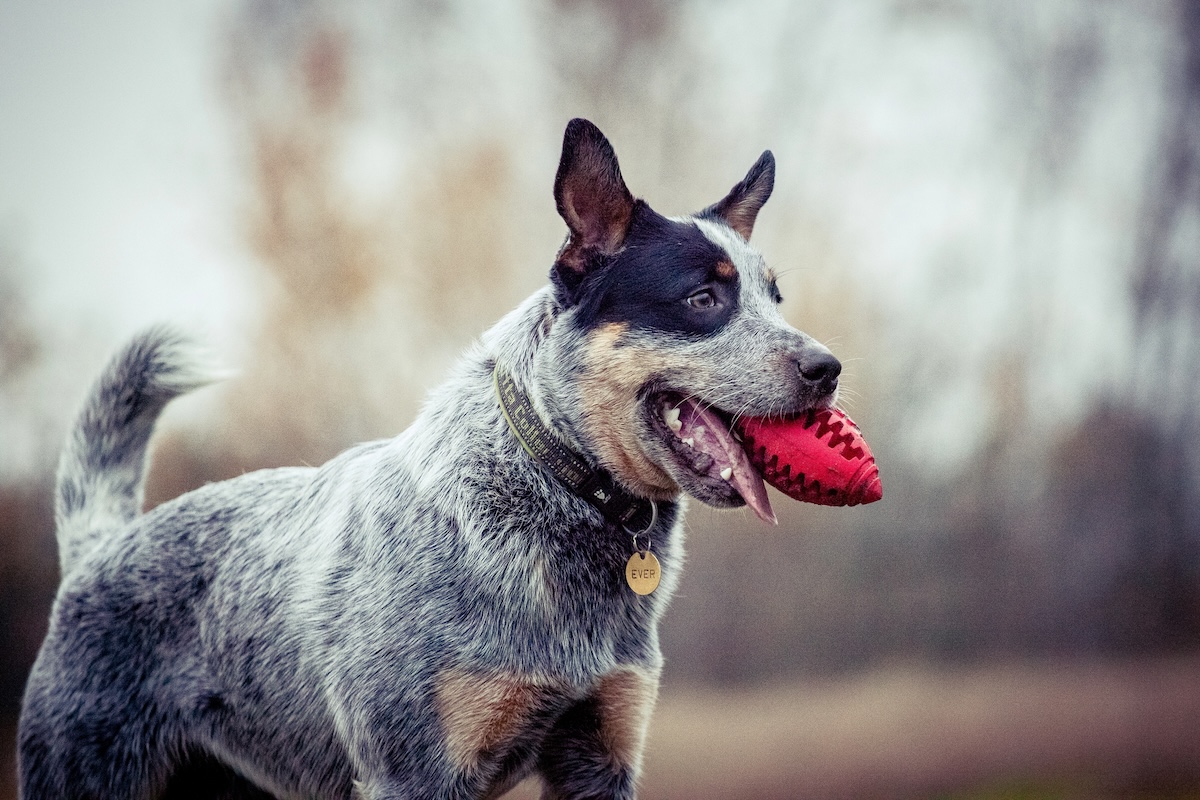 Photo Credit: AdrianaJaworska at Deposit Photos
In the sun-drenched expanses of Australia, the Australian Cattle Dog, scientifically known as Canis lupus familiaris, stands as a testament to the bond between humans and animals. With its striking blue or red speckled coat and keen, intelligent eyes, this breed is not just a herder but a true partner in the rugged outback. Picture a vast landscape where rolling hills meet the horizon, and the air is filled with the sounds of nature. Here, the Australian Cattle Dog thrives, showcasing its agility and strength as it expertly guides cattle across the open terrain.
What makes the Australian Cattle Dog so captivating to scientists and nature lovers alike is its remarkable blend of energy, intelligence, and loyalty. These dogs are built for action, with a compact, muscular frame that allows them to navigate the challenging Australian landscape with ease. Their instinctual herding behavior, combined with a sharp mind, makes them not only effective workers but also beloved companions. As we delve deeper into the world of the Australian Cattle Dog, we will explore its fascinating history, unique traits, and the vital role it plays in both its ecosystem and our lives.
The Australian Cattle Dog, a spirited and intelligent breed, occupies a special place in the animal kingdom. Taxonomically, it belongs to the Kingdom Animalia, which includes all animals, and is classified under the Phylum Chordata, meaning it has a backbone. This breed is part of the Class Mammalia, indicating it is a mammal that nurses its young. Within the Order Carnivora, it shares its lineage with other meat-eating animals. The Australian Cattle Dog is a member of the Family Canidae, which encompasses dogs, wolves, and foxes. Its Genus, Canis, includes domestic dogs and their wild relatives. What sets this breed apart is its exceptional herding ability, intelligence, and loyalty, traits that have been honed through generations of working alongside humans in the rugged Australian landscape.
| Taxonomic Rank | Scientific Name | Meaning & Significance |
|---|---|---|
| Kingdom | Animalia | This name comes from the Latin word “animalis,” meaning “having breath” or “living.” It signifies all living creatures that breathe and move. |
| Phylum | Chordata | Derived from the Greek word “chordē,” meaning “string,” this term refers to animals with a notochord, a flexible rod that supports the body, which in vertebrates becomes the backbone. |
| Class | Mammalia | This name comes from the Latin “mamma,” meaning “breast.” It highlights the defining feature of mammals: the ability to nurse their young with milk. |
| Order | Carnivora | From the Latin “carnivorus,” meaning “meat-eating,” this classification includes animals that primarily consume meat, showcasing their role as predators in the ecosystem. |
| Family | Canidae | This name is derived from the Latin “canis,” meaning “dog.” It encompasses all dog-like mammals, emphasizing their shared ancestry and characteristics. |
| Genus | Canis | Also from the Latin word for “dog,” this genus includes domestic dogs and their wild relatives, highlighting their close genetic ties. |
The classification of the Australian Cattle Dog reveals much about its evolutionary journey. As a member of the Canidae family, it shares a common ancestor with wolves and foxes, which explains its keen instincts and social behavior. Its place in the Order Carnivora underscores its role as a skilled hunter and herder, traits that have been essential for its development as a working dog. This lineage not only highlights its physical attributes but also its adaptability and intelligence, making the Australian Cattle Dog a remarkable companion and helper in various environments. Understanding its taxonomic position helps us appreciate the intricate web of life and the evolutionary processes that shape the animals we know today.
The evolutionary journey of the Australian Cattle Dog is a tale that stretches back thousands of years, intertwining with the history of human civilization and the domestication of dogs. This breed emerged in Australia during the 19th century, but its roots can be traced to ancient wolves, the ancestors of all modern dogs. As humans began to settle and farm, they needed reliable companions to help manage livestock, leading to the development of various dog breeds tailored for specific tasks.
The Australian Cattle Dog’s ancestors were likely a mix of the wild dingo, which is native to Australia, and various herding breeds brought by European settlers. This blend created a dog that was not only agile and intelligent but also exceptionally loyal. Over time, these dogs adapted to the harsh Australian environment, developing traits that made them excellent herders. Their ability to work closely with humans and manage cattle efficiently was a significant evolutionary transition, marking their importance in agricultural settings.
These adaptations have been crucial for the survival of the Australian Cattle Dog in the challenging landscapes of Australia. Their herding instincts and intelligence not only make them invaluable partners for farmers but also ensure they can navigate the unpredictable elements of their environment. As they continue to work alongside humans, these dogs exemplify the remarkable bond formed through evolution, showcasing how adaptability can lead to success in both the wild and domestic settings.
The Australian Cattle Dog is a striking blend of strength and agility, designed for the demanding tasks of herding and working alongside humans. With a compact yet muscular build, this breed stands between 17 to 20 inches tall at the shoulder. Their sturdy frame is complemented by a broad head and strong jaws, giving them a determined expression that reflects their intelligence and work ethic. The overall impression is one of a powerful, energetic dog, ready to spring into action at a moment’s notice.
| Feature | Description |
|---|---|
| Height | 17-20 inches |
| Skin Type | Hair |
| Color | Blue, red, or mottled patterns |
| Body Structure | Compact and muscular |
| Head | Broad with strong jaws |
These physical features are not just for show; they serve vital purposes in the Australian Cattle Dog’s life. Their muscular build allows them to navigate rough terrain with ease, while their strong jaws are perfect for herding livestock. The short, dense hair provides protection against the elements, keeping them warm in cooler weather and cool during hot days. The striking colors, whether blue, red, or mottled, help them blend into the Australian landscape, making them effective workers on farms. Together, these characteristics create a breed that is not only visually impressive but also exceptionally capable in its role as a herding dog.
The Australian Cattle Dog thrives in the vast, open landscapes of Australia, where the sun shines brightly and the land stretches endlessly. Picture rolling hills, rugged outback, and sprawling grasslands dotted with shrubs and trees. This breed is perfectly suited to the wide expanses of its homeland, where it can run freely and herd cattle with remarkable agility. The environment is often dry and arid, with the occasional burst of vibrant wildflowers after seasonal rains, creating a stunning contrast against the earthy tones of the land.
The climate in these regions can be quite extreme, with hot summers and cooler winters. Australian Cattle Dogs are well-adapted to handle the heat, thanks to their short, dense coats that help regulate their body temperature. They thrive in environments that offer plenty of space to roam and explore, as well as areas where they can engage in physical activities. These dogs are not just tough; they also need mental stimulation, which is often found in the dynamic landscapes of their native habitat.
Over time, the Australian Cattle Dog has developed several adaptations that make it a perfect fit for its environment. Its keen intelligence and strong work ethic allow it to navigate the challenges of the outback, whether it’s herding livestock or protecting its territory. The breed’s endurance and agility enable it to cover large distances, while its alertness ensures it can respond quickly to any situation. This combination of traits has made the Australian Cattle Dog not only a beloved companion but also an essential partner in the rugged Australian landscape.
The daily life of an Australian Cattle Dog is a whirlwind of energy and purpose. These dogs are known for their boundless enthusiasm and intelligence, which means they thrive on activity. Each day typically begins with a burst of excitement as they eagerly await their morning routine. Whether it’s herding livestock, playing fetch, or going for a long run, these dogs are always ready to engage in physical challenges. Their keen instincts and agility make them exceptional workers, and they often spend hours on tasks that keep both their bodies and minds stimulated.
Socially, Australian Cattle Dogs are incredibly loyal and form strong bonds with their human families. They are known to be protective and can be quite vocal, using barks and growls to communicate their feelings. In a group setting, they display a clear hierarchy, often taking on leadership roles when working with other dogs. This breed is also very attuned to the emotions of their companions, both human and canine, which helps them navigate social dynamics effectively. Their playful nature encourages interaction, making them not just great workers but also wonderful family pets.
| Behavior Type | Description |
|---|---|
| Activity Patterns | Australian Cattle Dogs require regular exercise and mental stimulation, often engaging in herding, running, and playing games. |
| Social Structure | They thrive in a structured environment, often taking on leadership roles in groups, whether with humans or other dogs. |
| Communication Methods | This breed uses a variety of vocalizations, including barks and growls, to express their needs and emotions, as well as body language. |
The behaviors of Australian Cattle Dogs are not just for fun; they play a crucial role in their survival. Their high energy levels and intelligence allow them to excel in tasks that require quick thinking and agility, which are essential traits for herding and protecting livestock. Their strong social bonds and communication skills help them work effectively in teams, whether with humans or other dogs. By understanding and adapting to their environment, these dogs ensure their own well-being and that of their families, making them invaluable companions in both work and play.
The Australian Cattle Dog is an omnivore, which means it enjoys a varied diet that includes both plant and animal matter. This breed has a strong instinct to work, and its feeding behavior reflects its active lifestyle. While they can eat a range of foods, they thrive on a balanced diet that supports their energy needs for herding and other activities. Their keen senses help them locate food, whether it’s scavenging for scraps or enjoying a meal prepared by their human companions.
| Dietary Aspect | Details |
|---|---|
| Diet Type | Omnivore |
| Favorite Foods | High-quality dog food, lean meats, vegetables, and fruits |
| Prey Items | Small mammals, birds, and insects |
| Hunting/Foraging Strategies | Using their agility and intelligence to chase and capture prey, as well as scavenging |
The diet of the Australian Cattle Dog plays a crucial role in shaping its ecology and daily routine. With their energetic nature, these dogs require a diet that fuels their activities, allowing them to excel in herding and other tasks. Their ability to adapt to various food sources not only supports their health but also reflects their resourcefulness in the wild. This adaptability ensures that they remain vibrant and active, ready to tackle the challenges of their day-to-day lives.
The mating behavior of the Australian Cattle Dog is both instinctual and strategic. During the breeding season, which typically occurs once a year, males become particularly attentive to females in heat. This period can last for about three weeks, during which males may display courtship behaviors like playful nipping and vocalizations to attract a mate. Once a female is receptive, mating occurs, and the pair will often form a strong bond during this time.
| Reproductive Aspect | Details |
|---|---|
| Gestation Period | Approximately 63 days |
| Litter Size | Average of 5 puppies |
| Age of Maturity | About 6 to 12 months |
| Name of Young | Puppies |
Once the puppies are born, the nurturing role of the mother becomes crucial. Australian Cattle Dogs are attentive parents, providing warmth and protection to their young. The puppies are born blind and deaf, relying entirely on their mother for care. As they grow, they begin to explore their surroundings, developing their senses and social skills. By the time they reach maturity, they are energetic and intelligent, ready to take on the world just like their parents. This journey from helpless newborns to capable adults is a testament to the strong bond between the mother and her puppies, showcasing the beauty of family in the animal kingdom.
The Australian Cattle Dog plays a vital role in its ecosystem, primarily as a skilled herder and companion to humans. While these dogs are not at the top of the food web, they are certainly not without their challenges. In the wild, they face various predators and threats that can impact their safety and well-being. Understanding these dangers helps us appreciate the resilience and adaptability of this breed.
To survive these threats, Australian Cattle Dogs have developed a range of defensive behaviors. Their keen senses allow them to detect danger from afar, and their agility helps them evade predators. When faced with a threat, they may bark loudly to alert their human companions or use their herding instincts to keep themselves and their pack safe. This combination of alertness and quick reflexes ensures that they can navigate the challenges of their environment, showcasing their remarkable adaptability and intelligence.
A keystone species is an organism that has a disproportionately large impact on its environment relative to its abundance. These species play critical roles in maintaining the structure of an ecosystem. While the Australian Cattle Dog is primarily known for its herding abilities and companionship with humans, it does not fit the traditional definition of a keystone species. Instead, it serves as a valuable partner in agricultural ecosystems, influencing the dynamics of livestock management and land use.
The Australian Cattle Dog contributes to its ecosystem by helping to manage livestock populations. By herding cattle and other animals, these dogs ensure that herds remain healthy and well-distributed across the landscape. This behavior prevents overgrazing in certain areas, allowing vegetation to recover and thrive. Healthy plant life is essential for soil stability and provides habitat for various other species, from insects to larger mammals.
Moreover, the presence of Australian Cattle Dogs can enhance biodiversity. By assisting farmers in managing their land, these dogs help maintain a balance between livestock and native wildlife. This balance is crucial because it allows for the coexistence of different species, promoting a rich and diverse ecosystem. Additionally, their herding instincts can help control the movement of invasive species, which can otherwise disrupt local habitats.
If the Australian Cattle Dog were to disappear, the effects could ripple through the ecosystem. Without these dogs, livestock management would become more challenging, potentially leading to overgrazing and habitat degradation. This could result in a decline in plant diversity and health, which would, in turn, affect the animals that rely on those plants for food and shelter. The absence of this breed could disrupt the delicate balance of agricultural ecosystems, highlighting the interconnectedness of species and their roles in maintaining a healthy environment.
The Australian Cattle Dog plays a vital role in shaping its ecosystem, particularly in the landscapes of Australia where it thrives. As a herding dog, it helps manage livestock, which in turn influences the distribution and behavior of various animal species. By guiding cattle and other livestock, these dogs help maintain a balance in the ecosystem, ensuring that grazing patterns do not lead to overgrazing or habitat destruction. This interaction not only supports agricultural practices but also promotes biodiversity in the areas they inhabit.
| Ecosystem Service | Impact |
|---|---|
| Livestock Management | Prevents overgrazing and promotes healthy pasture growth. |
| Wildlife Interaction | Influences the movement and behavior of native species. |
| Soil Health | Encourages nutrient cycling through controlled grazing. |
| Human-Wildlife Balance | Helps farmers coexist with wildlife by managing livestock. |
The influence of the Australian Cattle Dog extends beyond just herding. For instance, by keeping livestock in check, these dogs help maintain the health of grasslands, which are crucial for many other species. When cattle are properly managed, the land can flourish, allowing native plants to thrive and providing habitats for insects, birds, and other wildlife. Additionally, their presence can deter potential predators from encroaching on livestock, creating a safer environment for both domestic and wild animals.
The broader ecological importance of the Australian Cattle Dog cannot be overstated. As a keystone species, it plays a critical role in maintaining the balance of its ecosystem. By facilitating responsible grazing practices, these dogs contribute to the overall health of the environment, supporting not just agriculture but also the rich tapestry of life that depends on these landscapes. Their work ensures that both human and wildlife communities can thrive together, highlighting the interconnectedness of all living things.
In the intricate web of life, symbiosis refers to the close interactions between different species, which can take many forms. These relationships can be mutualistic, where both species benefit, parasitic, where one benefits at the other’s expense, or commensal, where one benefits while the other is neither helped nor harmed. The Australian Cattle Dog, known for its intelligence and energy, engages in various ecological relationships that highlight the interconnectedness of life in its environment.
| Species/Type | Relationship Type | Description |
|---|---|---|
| Humans | Mutualistic | Australian Cattle Dogs assist humans in herding livestock, while humans provide food, shelter, and companionship. |
| Livestock (e.g., cattle, sheep) | Commensal | While herding livestock, the dogs help manage their movement, benefiting from the presence of these animals without harming them. |
| Ticks | Parasitic | Ticks can latch onto Australian Cattle Dogs, feeding on their blood, which can lead to health issues for the dogs. |
The evolution of these relationships has been shaped by the needs and behaviors of the species involved. The partnership between Australian Cattle Dogs and humans is a prime example of mutualism, where both parties gain significant advantages. Over time, these dogs have adapted to work closely with humans, enhancing their herding skills and becoming invaluable companions. Meanwhile, the presence of livestock provides the dogs with a purpose and a source of stimulation. Understanding these relationships not only highlights the adaptability of the Australian Cattle Dog but also emphasizes the importance of ecological balance in their habitats.
The Australian Cattle Dog is a captivating breed known for its intelligence and energy. This remarkable dog has a rich history and unique traits that make it stand out in the animal kingdom. Here are some surprising facts that will surely intrigue nature enthusiasts of all ages.
The Australian Cattle Dog has a long and storied relationship with humanity, deeply rooted in the history of Australia. Originally bred in the 19th century to assist with herding cattle across vast, rugged terrains, these dogs quickly became indispensable partners for farmers and ranchers. Their intelligence and agility made them not just workers but also loyal companions. In Australian culture, they symbolize resilience and adaptability, traits that resonate with the spirit of the land and its people. This bond has been celebrated in art, literature, and even folklore, highlighting the deep connection between these dogs and the human experience.
Today, the interactions between Australian Cattle Dogs and humans continue to evolve. These dogs are not only vital in agricultural settings but also serve in various roles, including search and rescue, therapy, and even as family pets. However, the relationship is not without its challenges. As urbanization spreads, conflicts can arise when these energetic dogs are not given enough space to roam and work. Domestication has led to a shift in their roles, but their herding instincts remain strong, often leading to behaviors that can be misunderstood by those unfamiliar with the breed. Understanding and nurturing this relationship is crucial for both the dogs and their human companions.
As we look to the future, the relationship between Australian Cattle Dogs and humans holds great promise. With increased awareness of their needs and capabilities, we can foster environments where these dogs thrive. Education about their instincts and behaviors will help prevent conflicts and enhance their roles in society. By embracing the unique qualities of the Australian Cattle Dog, we can ensure that this partnership continues to flourish, enriching both our lives and the lives of these remarkable animals.
The Australian Cattle Dog currently holds a conservation status of “Not Listed,” which means it is not considered endangered or threatened at this time. This breed enjoys a stable population, primarily due to its popularity as a working dog and companion. While specific population estimates are not readily available, the breed is well-established in Australia and other countries, where it is appreciated for its intelligence and versatility.
| Conservation Factor | Status/Details |
|---|---|
| IUCN Status | Not Listed |
| Population Estimates | Not specifically available |
| Trend Direction | Stable |
Despite its stable status, the Australian Cattle Dog faces some challenges. One of the main threats to this breed is the risk of overbreeding, which can lead to health issues and genetic problems. Additionally, as lifestyles change, fewer people may engage in traditional farming and herding, potentially reducing the demand for these hardworking dogs. This shift could impact the breed’s population in the long run if not managed properly.
Conservation efforts for the Australian Cattle Dog focus on responsible breeding practices and promoting awareness of the breed’s needs. Organizations and breed clubs work to educate owners about proper care, training, and health monitoring. As long as enthusiasts continue to champion this breed and ensure its well-being, the outlook remains positive. With the right support, the Australian Cattle Dog can continue to thrive as a beloved companion and working partner.
| Question | Answer |
|---|---|
| What is the habitat of the Australian Cattle Dog? | Australian Cattle Dogs are highly adaptable and can thrive in various environments. They are often found in rural areas, where they help herd cattle, but they can also live in suburban settings as long as they have enough space to run and play. |
| What do Australian Cattle Dogs eat? | These dogs are omnivores, which means they eat both plants and animals. A balanced diet for an Australian Cattle Dog typically includes high-quality dog food, meat, vegetables, and some grains to keep them healthy and energetic. |
| What is the behavior of Australian Cattle Dogs? | Australian Cattle Dogs are known for their intelligence and high energy levels. They are loyal and protective, making them excellent companions, but they also require regular exercise and mental stimulation to prevent boredom and destructive behavior. |
| How do Australian Cattle Dogs reproduce? | Like most dogs, Australian Cattle Dogs reproduce through mating between a male and a female. The female typically goes into heat twice a year, and after a gestation period of about 63 days, she gives birth to a litter of puppies, usually ranging from 4 to 8 pups. |
| What threats do Australian Cattle Dogs face? | While Australian Cattle Dogs are not currently listed as endangered, they can face threats from habitat loss and irresponsible breeding practices. Additionally, like all dogs, they can be at risk from diseases and injuries if not properly cared for. |
| What are some interesting characteristics of Australian Cattle Dogs? | One fascinating trait of Australian Cattle Dogs is their herding instinct, which is so strong that they may try to herd children or other pets. They are also known for their unique coat, which can be blue or red speckled, and their remarkable agility and endurance. |
| How do Australian Cattle Dogs bond with their owners? | Australian Cattle Dogs are very loyal and form strong bonds with their families. They thrive on companionship and enjoy participating in activities with their owners, making them not just pets but also great partners in adventure. |