Taxonomy & Classification
- Kingdom
- Animalia
- Phylum
- Chordata
- Class
- Chondrichthyes
- Order
- Orectolobiformes
- Family
- Ginglymostomatidae
- Genus
- Ginglymostoma
- Species
- Ginglymostoma cirratum

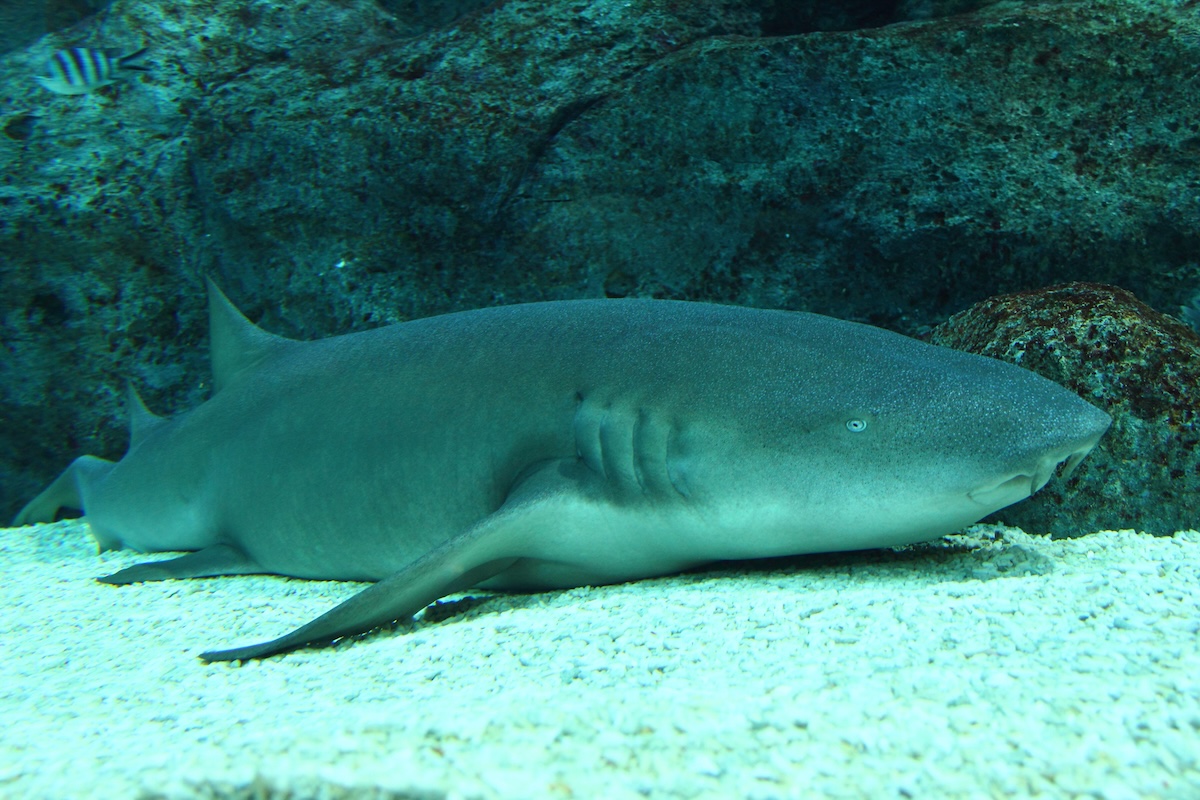 Photo Credit: eugenesim at Deposit Photos
In the warm, sun-drenched waters of the Caribbean and the Gulf of Mexico, the nurse shark, scientifically known as Ginglymostoma cirratum, glides gracefully through its underwater realm. With its stout, robust body and a broad, flattened head, this gentle giant is often spotted lounging on the sandy ocean floor or nestled among coral reefs. Its wide mouth, lined with small, sharp teeth, gives it a unique appearance that intrigues both scientists and nature lovers alike. Unlike many of its more aggressive relatives, the nurse shark is known for its calm demeanor, making it a favorite among divers and snorkelers who seek to observe its tranquil lifestyle.
What truly captivates researchers is the nurse shark’s fascinating behavior and ecological role. As a nocturnal predator, it comes alive at night, foraging for a diverse diet that includes squid, fish, and octopus. This feeding strategy not only showcases its adaptability but also highlights its importance in maintaining the balance of marine ecosystems. By preying on smaller fish and invertebrates, nurse sharks help regulate populations, ensuring a healthy underwater community. As we dive deeper into the world of the nurse shark, we will explore its unique adaptations, reproductive habits, and the challenges it faces in a changing ocean environment. Join us on this adventure to uncover the secrets of one of the ocean’s most intriguing inhabitants.
The nurse shark, a captivating inhabitant of warm coastal waters, holds a special place in the tree of life. Taxonomically, it belongs to the Kingdom Animalia, Phylum Chordata, Class Chondrichthyes, Order Orectolobiformes, Family Ginglymostomatidae, and Genus Ginglymostoma. What sets the nurse shark apart is its distinctive appearance and behavior. With a flattened body, broad head, and the ability to rest on the ocean floor, this shark is often seen lounging in coral reefs or sandy bottoms. Unlike many of its more aggressive relatives, the nurse shark is known for its docile nature, making it a favorite among divers and snorkelers.
| Taxonomic Rank | Scientific Name | Meaning & Significance |
|---|---|---|
| Kingdom | Animalia | This name signifies that nurse sharks are part of the vast group of multicellular organisms known as animals. |
| Phylum | Chordata | Chordata means “having a notochord,” a flexible rod that supports the body, which is a key feature in the development of vertebrates, including sharks. |
| Class | Chondrichthyes | This term translates to “cartilage fish,” highlighting that nurse sharks have skeletons made of cartilage instead of bone, a trait they share with all sharks and rays. |
| Order | Orectolobiformes | This name means “broad head,” referring to the nurse shark’s wide, flattened head, which is adapted for bottom-feeding. |
| Family | Ginglymostomatidae | The name comes from Greek words meaning “hinged mouth,” which describes the unique jaw structure of nurse sharks that allows them to suck in prey. |
| Genus | Ginglymostoma | This genus name also refers to the “hinged mouth,” emphasizing the nurse shark’s feeding mechanism and its ability to capture prey efficiently. |
The classification of the nurse shark reveals much about its evolutionary journey. As a member of the Chondrichthyes class, it shares a lineage with ancient fish that have thrived for hundreds of millions of years. The unique adaptations seen in nurse sharks, such as their specialized feeding habits and peaceful demeanor, reflect their evolutionary success in diverse marine environments. Understanding where they fit in the animal kingdom not only highlights their biological significance but also underscores the importance of conserving these gentle sharks and their habitats for future generations.
The evolutionary journey of the nurse shark stretches back millions of years, tracing its lineage to ancient marine environments. Sharks, as a group, have been swimming the oceans for over 400 million years, making them one of the oldest surviving vertebrate lineages on Earth. The nurse shark, specifically, belongs to the family Ginglymostomatidae and has adapted to its surroundings in ways that highlight the incredible resilience and versatility of life in the sea.
Ancestral forms of sharks were quite different from the nurse sharks we see today. Early sharks were more streamlined and adapted for open-water hunting, while nurse sharks evolved to thrive in shallow coastal waters. This transition allowed them to exploit a variety of habitats, from coral reefs to sandy bottoms. Over time, nurse sharks developed a more robust body shape and a unique feeding strategy that involves sucking in prey, such as small fish and invertebrates, from the ocean floor. This adaptation reflects a significant shift in their ecological role, allowing them to become effective bottom feeders.
These evolutionary adaptations have played a crucial role in the survival of nurse sharks. Their ability to thrive in diverse habitats and their specialized feeding techniques allow them to exploit food sources that many other predators cannot reach. By developing social behaviors and energy-conserving strategies, nurse sharks have carved out a niche that ensures their continued presence in the vibrant ecosystems of our oceans. As they glide through the waters, they remind us of the intricate dance of evolution that shapes life beneath the waves.
The nurse shark is a gentle giant of the ocean, known for its stout, robust body and distinctive features. With a broad, flattened head and a wide mouth, it exudes a calm presence as it glides through warm coastal waters. Its body is typically a light brown or yellowish hue, which helps it blend seamlessly with sandy ocean floors. This shark can grow quite large, reaching lengths of up to 3.5 meters (11.5 feet), making it an impressive sight for divers and snorkelers alike.
| Feature | Description |
|---|---|
| Weight | 90-150 kg (198-330 lbs) |
| Skin Type | Smooth |
| Color | Light brown or yellowish |
| Body Shape | Stout and robust |
| Head Shape | Broad and flattened |
The nurse shark’s physical features are not just for show; they play vital roles in its survival. Its smooth skin reduces drag as it swims, allowing it to move gracefully through the water. The broad head and wide mouth are perfectly designed for its feeding habits, as this shark often uses suction to draw in prey like crustaceans and small fish. The coloration helps it camouflage against the sandy seabed, making it less visible to both predators and prey. Together, these characteristics create a well-adapted predator that thrives in its warm, shallow habitat.
The nurse shark thrives in the warm embrace of tropical coastal waters, where sunlight dances on the surface and coral reefs flourish beneath. These gentle sharks often find refuge in shallow lagoons, sandy bottoms, and rocky crevices, creating a perfect blend of safety and comfort. Picture vibrant coral gardens teeming with life, where nurse sharks can be seen resting during the day, nestled among the rocks or hidden in the soft sand. This serene environment is not just a home; it’s a bustling community filled with colorful fish and other marine wonders.
The nurse shark prefers warm waters, typically ranging from 70 to 85 degrees Fahrenheit. These temperatures are ideal for their metabolism, which is the process that helps them convert food into energy. They are often found in areas with calm waters, as strong currents can be challenging for them. The sandy and rocky substrates provide not only a place to rest but also a hunting ground for their favorite meals, like crustaceans and small fish. The clarity of the water is also important, allowing them to spot their prey and navigate their surroundings with ease.
Over time, nurse sharks have developed several adaptations that make them perfectly suited for their coastal habitats. Their flattened bodies allow them to glide effortlessly along the ocean floor, while their keen sense of smell helps them locate food even in murky waters. Additionally, their ability to remain still for long periods means they can conserve energy and blend into their surroundings, making them less visible to both predators and prey. This combination of traits ensures that nurse sharks not only survive but thrive in their vibrant underwater world.
The nurse shark leads a tranquil life in the warm coastal waters, where it spends its days resting and foraging. These sharks are primarily nocturnal, meaning they are most active at night. During the day, you can often find them lounging on the ocean floor or nestled in crevices among coral reefs. When night falls, they become more active, searching for food like crustaceans, small fish, and mollusks. Their slow, graceful movements allow them to explore their surroundings without much effort, making the most of their energy.
While nurse sharks are generally solitary creatures, they can sometimes be seen in small groups, especially in areas rich in food. These gatherings are not permanent; rather, they occur when conditions are favorable. When they do come together, nurse sharks exhibit a fascinating social behavior. They communicate through body language and subtle movements, which helps them navigate their interactions. Although they are not known for forming strong bonds, these brief encounters can be essential for finding food and avoiding potential threats.
| Behavior Type | Description |
|---|---|
| Activity Patterns | Nurse sharks are primarily nocturnal, resting during the day and foraging at night for food. |
| Social Structure | Generally solitary, they may gather in small groups when food is abundant, but do not form lasting social bonds. |
| Communication Methods | They use body language and subtle movements to communicate with each other during brief encounters. |
The behaviors of nurse sharks play a crucial role in their survival. By resting during the day, they conserve energy for their nighttime hunts, allowing them to be efficient predators. Their ability to communicate, even in fleeting social situations, helps them navigate the challenges of their environment. This combination of solitary and social behaviors ensures that nurse sharks can thrive in their coastal habitats, making the most of the resources available to them.
The nurse shark is a carnivore, which means it primarily eats meat. This fascinating species has a varied diet that includes squid, fish, and octopus. Nurse sharks are known for their unique feeding behavior; they often use their strong suction to draw in prey. They can be seen foraging along the ocean floor, where they hunt for their favorite foods, demonstrating a calm yet effective approach to finding dinner.
| Dietary Aspect | Details |
|---|---|
| Diet Type | Carnivore |
| Favorite Foods | Squid, fish, octopus |
| Prey Items | Small fish, crustaceans, and mollusks |
| Hunting/Foraging Strategies | Uses suction to draw in prey, forages along the ocean floor |
The nurse shark’s diet plays a crucial role in its ecology and daily routine. By feeding on a variety of marine life, it helps maintain the balance of the underwater ecosystem. This gentle predator contributes to controlling the populations of its prey, ensuring that no single species dominates the habitat. As it glides through the waters, the nurse shark not only sustains itself but also supports the health of the vibrant marine communities it inhabits.
Nurse sharks have a fascinating mating ritual that takes place during the warmer months, typically from late spring to early summer. During this breeding season, males engage in a unique courtship dance, which involves swimming closely alongside females and gently biting their fins. This behavior helps establish a bond between the two sharks. After mating, the female nurse shark will carry the fertilized eggs inside her body until they are ready to hatch, a process that can take several months.
| Reproductive Aspect | Details |
|---|---|
| Gestation Period | Approximately 6 to 11 months |
| Litter Size | Average of 20 |
| Age of Maturity | About 5 to 6 years |
| Name of Young | Pups |
Once the pups are ready to enter the world, they are born live, which is quite special for sharks. After birth, the young nurse sharks are independent and must fend for themselves right away. They often find shelter in shallow waters and among coral reefs, where they can hide from predators. As they grow, these pups develop into adults, reaching lengths of up to 14 feet. Nurse sharks continue to thrive in their warm coastal habitats, showcasing the wonders of life beneath the waves.
The nurse shark occupies a vital role in the marine food web, primarily as a predator of smaller fish and invertebrates. While they are not the top hunters in the ocean, their presence helps maintain the balance of marine ecosystems. By preying on various species, nurse sharks contribute to the health of coral reefs and other habitats, ensuring that populations of their prey do not grow too large and disrupt the environment.
Despite these dangers, nurse sharks have developed several strategies to survive. They often seek shelter in rocky crevices or under coral ledges during the day, where larger predators cannot easily reach them. Their slow-moving nature and ability to remain still for long periods also help them avoid detection. When threatened, nurse sharks can become surprisingly agile, using their strong bodies to dart away quickly. This combination of hiding and quick movement allows them to navigate the challenges of their underwater world.
A keystone species is an organism that plays a critical role in maintaining the structure of its ecosystem. Its presence or absence can significantly impact the environment and the other species living there. The nurse shark, with its unique behaviors and feeding habits, qualifies as a keystone species in its tropical coastal habitat. By influencing the populations of other marine life, nurse sharks help to maintain the balance of their underwater world.
Nurse sharks primarily feed on a variety of prey, including squid, fish, and octopus. By preying on these species, they help control their populations, preventing any one group from becoming too dominant. This balance is essential for the health of coral reefs and other marine environments, as overpopulation of certain species can lead to habitat degradation. For example, if nurse sharks were to disappear, the populations of smaller fish and invertebrates could explode, leading to overgrazing of coral and seagrass beds, which are vital for many marine organisms.
Additionally, nurse sharks often serve as scavengers, feeding on dead or dying animals. This behavior helps to clean the ocean floor, recycling nutrients back into the ecosystem. By consuming carrion, they play a role in nutrient cycling, which is crucial for the overall health of marine ecosystems. Their presence also provides a food source for larger predators, such as larger sharks and marine mammals, further illustrating their interconnected role in the food web.
If nurse sharks were to vanish from their habitats, the consequences could be dire. The balance of marine life would be disrupted, leading to overpopulation of certain species and the decline of others. Coral reefs, which rely on a delicate balance of herbivores and predators, could suffer greatly, resulting in loss of biodiversity. This chain reaction would not only affect marine life but could also impact coastal communities that depend on healthy oceans for their livelihoods. The nurse shark, though often overlooked, is a vital player in the intricate web of life beneath the waves.
The nurse shark occupies a vital ecological niche in tropical coastal waters, where it plays a significant role in maintaining the balance of marine ecosystems. As a carnivore, this species primarily feeds on smaller fish, squid, and octopus, helping to regulate the populations of these creatures. By doing so, nurse sharks contribute to the health of coral reefs and other marine habitats, ensuring that no single species dominates the ecosystem. Their presence is essential for the overall biodiversity of these vibrant underwater communities.
| Ecosystem Service | Impact |
|---|---|
| Predation | Controls populations of smaller fish and invertebrates, preventing overpopulation. |
| Habitat Maintenance | Helps maintain the health of coral reefs by regulating species that can damage them. |
| Food Source | Serves as prey for larger predators, contributing to the food web. |
| Scavenging | Clears away dead or dying organisms, promoting a cleaner environment. |
Nurse sharks influence their environment in several specific ways. For instance, by preying on smaller fish, they help keep these populations in check, which is crucial for the health of coral reefs. If smaller fish were to overpopulate, they could overgraze on algae, leading to coral degradation. Additionally, nurse sharks often scavenge on dead marine life, which helps to clean the ocean floor and recycle nutrients back into the ecosystem. This scavenging behavior not only benefits the nurse sharks but also supports a variety of other marine organisms that rely on these nutrients.
The broader ecological importance of nurse sharks cannot be overstated. As a keystone species, their presence helps to maintain the structure and function of their ecosystems. Without nurse sharks, the balance of marine life could be disrupted, leading to cascading effects throughout the food web. By supporting biodiversity and promoting healthy habitats, nurse sharks play a crucial role in the resilience of tropical coastal ecosystems, ensuring that they continue to thrive for generations to come.
In the vibrant tapestry of ocean life, symbiosis plays a crucial role in shaping the relationships between different species. Symbiosis refers to the close interactions between organisms, which can be beneficial, harmful, or neutral. These ecological relationships can take many forms, such as mutualism, where both species benefit, parasitism, where one benefits at the other’s expense, and commensalism, where one benefits while the other is neither helped nor harmed. The nurse shark, a gentle inhabitant of warm coastal waters, engages in various partnerships that highlight the interconnectedness of marine life.
| Species/Type | Relationship Type | Description |
|---|---|---|
| Cleaner Wrasse | Mutualistic | The cleaner wrasse feeds on parasites and dead skin found on the nurse shark, providing a cleaning service while gaining a meal. |
| Remora Fish | Commensal | Remoras attach themselves to the nurse shark, gaining transportation and access to food scraps without affecting the shark. |
| Sea Turtles | Commensal | Similar to remoras, small fish may follow nurse sharks to catch leftovers, benefiting from the shark’s hunting without impacting it. |
These relationships have evolved over time, showcasing the adaptability and resourcefulness of the species involved. The mutualistic bond between nurse sharks and cleaner wrasses is a perfect example of how cooperation can enhance survival. By allowing cleaner wrasses to remove parasites, nurse sharks not only maintain their health but also foster a thriving ecosystem. Meanwhile, remoras and other small fish benefit from hitching a ride on the nurse shark, illustrating how different species can coexist and thrive together in the ocean’s depths. These partnerships highlight the intricate web of life beneath the waves, reminding us that every creature plays a part in the grand story of nature.
Nurse sharks are often seen lounging on the ocean floor, but there’s much more to these gentle giants than meets the eye. Here are some surprising facts that reveal the intriguing world of nurse sharks.
Throughout history, nurse sharks have captivated the imaginations of coastal communities and cultures. These gentle giants, often found resting on the ocean floor, have been part of local folklore and traditions. In some regions, they are seen as symbols of good fortune, while in others, they are revered for their calm demeanor. Fishermen have long shared stories of encounters with nurse sharks, often highlighting their non-aggressive nature. This cultural significance has helped foster a sense of respect and curiosity about these unique creatures.
In modern times, the relationship between nurse sharks and humanity has evolved significantly. As marine tourism has grown, many people now seek out nurse sharks for snorkeling and diving experiences, drawn by their friendly behavior. However, this increased interaction has also led to challenges. Overfishing and habitat destruction threaten their populations, prompting conservation efforts to protect these sharks and their environments. Some researchers are even exploring the potential for nurse sharks to be domesticated in controlled settings, which could help raise awareness about their ecological importance.
Looking ahead, the future of the nurse shark and humanity’s relationship holds promise. As awareness of marine conservation grows, more people are likely to advocate for the protection of these gentle sharks and their habitats. By fostering a deeper understanding of their ecological role, we can ensure that nurse sharks continue to thrive in our oceans. Together, we can create a world where humans and nurse sharks coexist harmoniously, celebrating the wonders of the marine environment.
The nurse shark is currently classified as Vulnerable according to the International Union for Conservation of Nature (IUCN). This status indicates that the species faces a high risk of extinction in the wild. While specific population estimates are challenging to determine, trends suggest that nurse shark numbers are declining in certain regions, primarily due to human activities.
| Conservation Factor | Status/Details |
|---|---|
| IUCN Status | Vulnerable |
| Population Estimates | Unknown, but declining in some areas |
| Trend Direction | Decreasing |
The main threats to nurse sharks stem from human activities. Overfishing, both targeted and incidental, poses a significant risk to their populations. These sharks are often caught in fishing nets or targeted for their meat and fins. Additionally, habitat destruction, particularly in coastal areas where they breed and feed, further endangers their survival. Pollution and climate change also contribute to the degradation of their marine environments, making it harder for nurse sharks to thrive.
Conservation efforts are underway to protect nurse sharks and their habitats. Marine protected areas (MPAs) have been established in some regions to provide safe havens for these gentle giants. Education and awareness campaigns aim to inform local communities about the importance of nurse sharks in marine ecosystems. While challenges remain, the commitment to preserving this species offers hope for a brighter future, ensuring that nurse sharks continue to glide gracefully through our oceans for generations to come.
| Question | Answer |
|---|---|
| Where do Nurse Sharks live? | Nurse Sharks are found in warm waters and tropical coastal regions. They prefer shallow areas like coral reefs, sandy bottoms, and mangroves, where they can easily hunt for food and find shelter. |
| What do Nurse Sharks eat? | Nurse Sharks are carnivores, meaning they primarily eat meat. Their diet consists of fish, crustaceans, and mollusks, which they hunt using their keen sense of smell and suction feeding technique. |
| How do Nurse Sharks behave? | Nurse Sharks are known for their calm and docile nature. They often rest on the ocean floor during the day and become more active at night when they hunt for food. |
| How do Nurse Sharks reproduce? | Nurse Sharks are ovoviviparous, which means the eggs hatch inside the female's body, and she gives birth to live young. A female can give birth to up to 30 pups at a time, usually in shallow waters where the young can find safety. |
| What threats do Nurse Sharks face? | Nurse Sharks are considered vulnerable due to habitat loss, overfishing, and pollution. Their slow reproductive rate makes it difficult for their populations to recover from these threats. |
| What are some interesting characteristics of Nurse Sharks? | Nurse Sharks have a unique appearance with a flattened head and long, whisker-like sensory organs called barbels. They can also be recognized by their distinctive yellow-brown coloration and are known to make a variety of sounds, including grunts and growls. |
| Can Nurse Sharks be dangerous to humans? | Generally, Nurse Sharks are not dangerous to humans and are often seen as gentle giants. However, like any wild animal, they can bite if provoked or threatened, so it's best to observe them from a safe distance. |