Taxonomy & Classification
- Kingdom
- Animalia
- Phylum
- Chordata
- Class
- Aves
- Order
- Struthioniformes
- Family
- Struthionidae
- Genus
- Struthio
- Species
- Struthio camelus

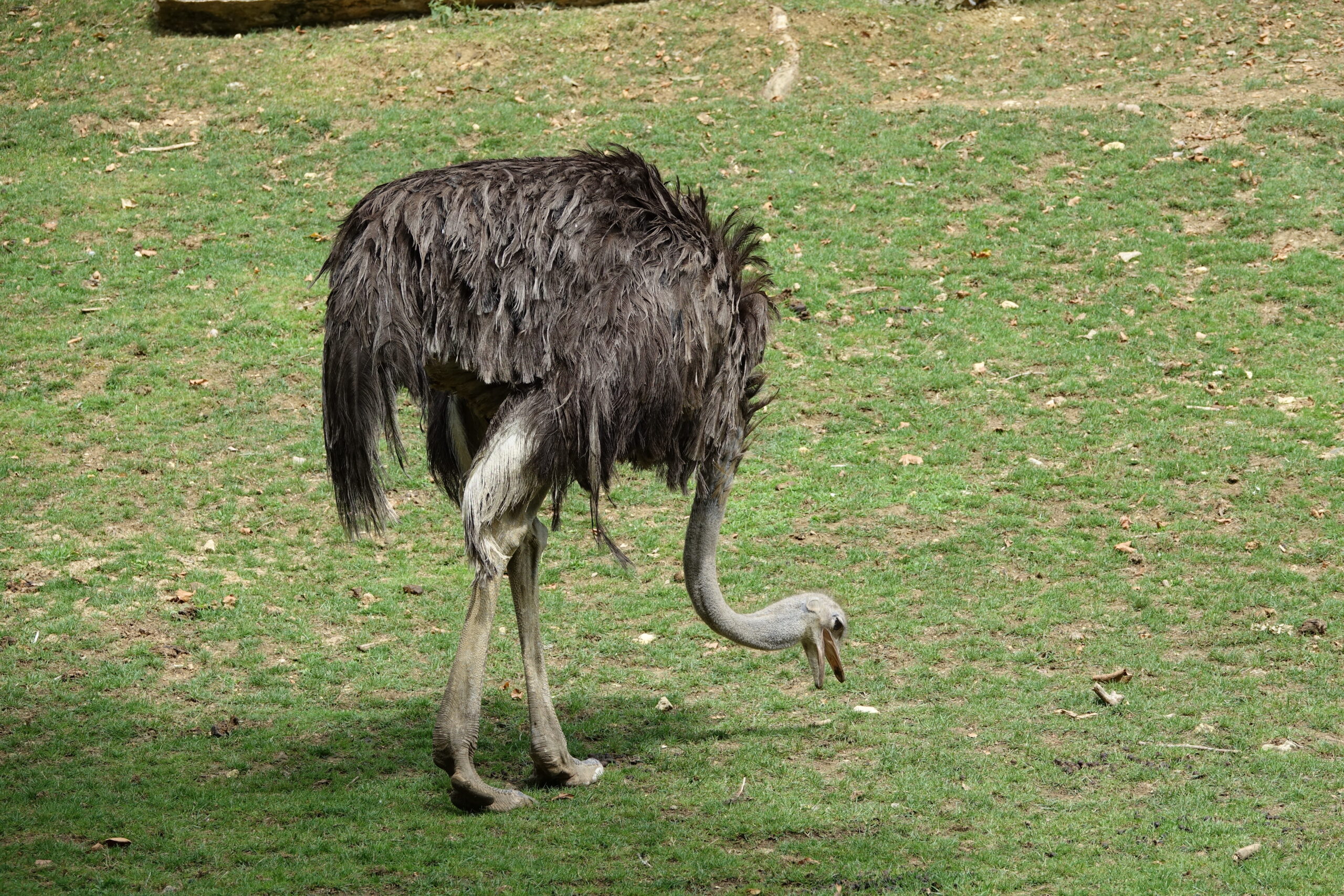 Photo Credit: Gzen92 / Wikimedia Commons
In the heart of Africa, where the sun blazes down on vast savannas and arid deserts, roams the ostrich, known scientifically as Struthio camelus. This magnificent bird, the largest living bird on Earth, stands tall at nearly 9 feet, its long neck and powerful legs making it a striking figure against the golden grasslands. With its fluffy feathers and large, expressive eyes, the ostrich captures the imagination of both scientists and nature lovers alike. Its ability to sprint at speeds of up to 45 miles per hour adds to its allure, showcasing a blend of grace and power that is truly captivating.
As the ostrich strides through its habitat, it plays a vital role in the ecosystem, foraging for a diverse diet that includes grasses, seeds, and even insects. This omnivorous diet not only sustains the ostrich but also helps shape the landscape, as it contributes to seed dispersal and plant growth. The ostrich’s unique adaptations, such as its keen eyesight and strong legs, allow it to thrive in the harsh conditions of its environment. With a fascinating evolutionary history that stretches back millions of years, the ostrich stands as a testament to the wonders of nature, inviting us to explore its world and understand the intricate connections that bind all living things.
The ostrich, a flightless bird native to Africa, holds a special place in the animal kingdom. It belongs to the class Aves, which includes all birds, but what sets the ostrich apart is its impressive size and unique adaptations. As the largest living bird, it can reach heights of up to 9 feet and weigh as much as 350 pounds. Unlike most birds, ostriches have evolved to run at incredible speeds, reaching up to 45 miles per hour. This remarkable ability, combined with their long legs and powerful muscles, makes them well-suited for life on the open savannah, where they can escape predators with ease.
| Taxonomic Rank | Scientific Name | Meaning & Significance |
|---|---|---|
| Kingdom | Animalia | The name “Animalia” comes from the Latin word “animalis,” meaning “having breath” or “living.” This classification includes all living organisms that are multicellular and consume organic material for energy. |
| Phylum | Chordata | “Chordata” is derived from the Latin word “chorda,” meaning “string” or “cord.” This refers to the notochord, a flexible rod that supports the body in the early stages of development, a feature all members of this group share. |
| Class | Aves | The term “Aves” comes from the Latin word for bird. This class is characterized by feathers, beaks, and the laying of hard-shelled eggs, all of which are essential for survival in various environments. |
| Order | Struthioniformes | This order name is derived from the Greek word “strouthion,” meaning “sparrow” or “ostrich.” It highlights the unique characteristics of these large, flightless birds that are adapted to terrestrial life. |
| Family | Struthionidae | The family name “Struthionidae” is closely related to the genus name and emphasizes the ostrich’s distinct lineage among large, flightless birds. |
| Genus | Struthio | “Struthio” comes from the Greek word for “ostrich.” This name reflects the bird’s notable features and its place in the natural world as a large, ground-dwelling bird. |
Understanding the ostrich’s taxonomic classification reveals much about its evolutionary journey. As a member of the Aves class, it shares common ancestry with all birds, yet its adaptations for life on land highlight a fascinating divergence from its flying relatives. The ostrich’s unique traits, such as its powerful legs and social behavior, showcase how evolution shapes species to thrive in their environments. This journey through the tree of life not only illustrates the ostrich’s place in nature but also emphasizes the incredible diversity of life on our planet.
The evolutionary journey of the ostrich stretches back millions of years, tracing its roots to a time when birds were just beginning to diversify. This timeline reveals a fascinating transformation from small, feathered dinosaurs to the large, flightless birds we see today. The ostrich, belonging to the family Struthionidae and the genus Struthio, showcases a remarkable story of adaptation and survival in the ever-changing landscapes of Africa.
Ancestral forms of the ostrich can be linked to the theropod dinosaurs, a group that includes the famous Tyrannosaurus rex. These early birds were likely small and agile, capable of flight. However, as some species adapted to life on the ground, they began to lose their ability to fly. Over time, the ancestors of the ostrich developed larger bodies and stronger legs, which allowed them to run swiftly across open plains. This shift was crucial, as it helped them escape predators and thrive in their environment.
These evolutionary adaptations have been vital for the ostrich’s survival in the wild. By becoming flightless, they could focus on running fast and escaping danger rather than expending energy on flight. Their powerful legs and large size not only help them evade predators but also allow them to cover vast distances in search of food and water. With keen eyesight, ostriches can detect threats early, giving them a crucial advantage in the open savannas. Together, these traits illustrate how the ostrich has thrived in its environment, turning challenges into opportunities for survival.
The ostrich is a striking figure, towering over most other birds with its long neck and powerful legs. Standing up to 9 feet tall, this flightless wonder commands attention wherever it roams. Its body is robust and rounded, covered in soft feathers that range in color from a deep, rich black to a lighter, sandy hue, depending on the species. The ostrich’s long legs are not just for show; they are built for speed, allowing it to sprint at impressive speeds of up to 45 miles per hour. With a large, rounded body and a small head perched atop its long neck, the ostrich presents a silhouette that is both elegant and formidable.
| Feature | Description |
|---|---|
| Weight | 140 lbs – 320 lbs (63 kg – 145 kg) |
| Skin Type | Feathers |
| Eye Size | 2 inches across, the largest of any land animal |
| Leg Length | Long and powerful, designed for running |
| Coloration | Black and white for males; brown and gray for females |
These physical features work together to create a bird that is not only visually stunning but also perfectly adapted to its environment. The ostrich’s large eyes provide excellent vision, crucial for spotting predators from afar. Its powerful legs enable it to escape danger quickly, while its feathers offer some protection from the sun and help with temperature regulation. This combination of traits makes the ostrich a master of survival in the open savannas and grasslands of Africa, where it can thrive despite the challenges of its habitat.
The ostrich thrives in the sun-drenched expanses of Africa, where the landscape is a blend of vast savannas and arid deserts. Picture rolling grasslands dotted with acacia trees, where the golden grasses sway gently in the warm breeze. These open spaces provide the perfect backdrop for the ostrich’s long strides, allowing it to roam freely in search of food and water. The combination of wide horizons and sparse vegetation creates an environment that is both challenging and exhilarating for this magnificent bird.
Ostriches prefer climates that are warm and dry, often found in regions where temperatures can soar during the day. They are well-suited to environments that experience little rainfall, as these areas typically have the open spaces they need to run and forage. The savanna’s seasonal changes, with wet and dry periods, also play a role in their habitat, as they adapt to the availability of food and water throughout the year.
To thrive in these challenging habitats, ostriches have developed several remarkable adaptations. Their long legs are not just for show; they allow them to sprint at impressive speeds, reaching up to 45 miles per hour when escaping predators. Their keen eyesight helps them spot danger from afar, while their ability to go without water for several days enables them to survive in the arid conditions of the desert. These traits make the ostrich a true master of its environment, perfectly equipped to navigate the vast landscapes it calls home.
The daily life of an ostrich is a blend of activity and rest, shaped by the rhythms of its environment. As the sun rises over the African savanna, these large birds begin their day by foraging for food. Ostriches are omnivores, meaning they eat both plants and small animals. They spend a good part of their day pecking at grasses, seeds, and even insects. With their keen eyesight, they can spot potential threats from afar, allowing them to react quickly. As the sun sets, they often find a safe spot to rest, sometimes even standing while they sleep, thanks to their strong legs.
Socially, ostriches are quite engaging creatures. They live in groups called herds, which can range from a few individuals to over a dozen. This social structure helps them stay safe from predators. Within the herd, ostriches communicate through a variety of sounds and body language. They may hiss or grunt to warn each other of danger, and their movements can signal everything from excitement to alarm. The dynamics of the group are fascinating, as they often take turns watching for threats while others feed.
| Behavior Type | Description |
|---|---|
| Activity Patterns | Ostriches forage for food during the day, using their excellent eyesight to spot predators and find food. |
| Social Structure | They live in herds, which provide safety in numbers and allow for cooperative vigilance against threats. |
| Communication Methods | Ostriches use a mix of vocalizations and body language to communicate, including hissing and specific movements to signal danger. |
The behaviors of ostriches are finely tuned to ensure their survival in the wild. By foraging in groups, they can share the responsibility of watching for predators, which increases their chances of escaping danger. Their ability to communicate effectively within the herd fosters strong social bonds, making them more resilient as a group. In the vast and often harsh landscapes of Africa, these daily activities and social interactions are vital for thriving in their natural habitat.
The ostrich is an omnivore, which means it enjoys a varied diet that includes both plant and animal matter. These large birds primarily feed on grasses, roots, seeds, and flowers, making them well-suited to their savanna and desert habitats. With their keen eyesight, ostriches can spot food from a distance, and they often forage in groups, which helps them stay alert to potential predators. Their strong beaks are perfect for pecking at the ground and pulling up tasty morsels, while their powerful legs allow them to cover large areas in search of food.
| Dietary Aspect | Details |
|---|---|
| Diet Type | Omnivore |
| Favorite Foods | Grass, roots, seeds, flowers |
| Prey Items | Primarily plant-based, but may include small insects |
| Hunting/Foraging Strategies | Forages in groups, uses keen eyesight to spot food |
This diverse diet plays a crucial role in the ostrich’s ecology and daily routine. By consuming a variety of plants, ostriches help maintain the health of their habitat, promoting the growth of grasses and flowers. Their foraging behavior not only supports their own nutritional needs but also influences the ecosystem around them, as they help disperse seeds through their droppings. This connection to their environment highlights the importance of the ostrich in the intricate web of life on the African savanna.
During the breeding season, which typically occurs from March to September, ostriches engage in elaborate courtship displays. Males perform impressive dances, puffing out their feathers and making booming calls to attract females. Once a female chooses a mate, they form a bond and begin the nesting process. The male and female work together to create a nest, often a simple scrape in the ground, where they will lay their eggs. This teamwork is essential, as it helps ensure the survival of their future chicks.
| Reproductive Aspect | Details |
|---|---|
| Gestation Period | About 42 days |
| Litter Size | 10 to 15 eggs |
| Age of Maturity | 2 to 4 years |
| Name of Young | Chicks or hatchlings |
After the eggs are laid, both parents take turns incubating them, which is crucial for keeping the eggs warm and safe. Once the chicks hatch, they are precocial, meaning they are relatively mature and mobile right from the start. They can run and forage for food almost immediately, but they still rely on their parents for protection and guidance. As the young ostriches grow, they learn essential survival skills from their parents, gradually becoming independent and ready to thrive in the wild. This nurturing process is vital, as it helps ensure that the next generation of ostriches can flourish in their natural habitat.
The ostrich occupies a fascinating position in the food web of the African savanna. As one of the largest birds on the planet, it is a formidable presence, but it is not without its dangers. While adult ostriches are generally safe from many predators due to their size and speed, they still face threats from various carnivores and environmental challenges.
To defend themselves against these threats, ostriches have developed several survival strategies. Their long legs allow them to run at speeds of up to 45 miles per hour, making them one of the fastest birds on land. When faced with danger, they can sprint away quickly or use their powerful legs to deliver strong kicks to potential attackers. Additionally, ostriches often rely on their keen eyesight to spot predators from a distance, allowing them to take flight before danger gets too close. These adaptations help ensure that they can thrive in their challenging environment.
A keystone species is an organism that plays a crucial role in maintaining the structure of its ecosystem. Its presence and activities significantly influence the environment and the other species that inhabit it. The ostrich, with its unique behaviors and ecological interactions, qualifies as a keystone species in its native habitats of Africa’s deserts and savannas.
Ostriches have a profound impact on their ecosystems, primarily through their foraging habits. As omnivores, they consume a variety of plants, seeds, and insects, which helps control plant growth and maintain the balance of the vegetation. By eating seeds, they also aid in the dispersal of certain plant species, allowing new plants to grow in different areas. This process is vital for the health of the savanna, as it promotes biodiversity and ensures that various plant species can thrive.
Moreover, ostriches serve as prey for larger predators, such as lions and hyenas. Their presence supports the food web, providing a food source for these carnivores. Additionally, the large nests they create on the ground can become habitats for other small animals and insects, further enriching the ecosystem. The ostrich’s role in the food chain and its influence on plant life highlight its importance in maintaining ecological balance.
If ostriches were to disappear from their ecosystems, the consequences would be significant. Without these birds, plant growth could become unregulated, leading to overgrowth of certain species and a decline in biodiversity. The absence of a key prey species would also disrupt the food chain, potentially leading to a decline in predator populations. Overall, the loss of ostriches would create a ripple effect, altering the delicate balance of life in the savanna and desert regions they inhabit.
The ostrich occupies a vital ecological niche in the desert and savanna regions of Africa. As the largest living bird, it plays a significant role in shaping its environment. By foraging for a diverse diet that includes grasses, seeds, and even insects, the ostrich helps control plant growth and maintain the balance of its habitat. Its presence influences not only the vegetation but also the other animals that share its home, making it a key player in the ecosystem.
| Ecosystem Service | Impact |
|---|---|
| Seed Dispersal | Ostriches help spread seeds through their droppings, promoting plant growth in new areas. |
| Grazing | By eating various plants, ostriches prevent overgrowth, allowing other species to thrive. |
| Soil Aeration | Their movement through the ground helps aerate the soil, improving its quality for other plants. |
| Prey for Predators | Ostriches serve as a food source for large carnivores, contributing to the food web. |
Ostriches influence their ecosystem in several specific ways. For instance, as they graze on grasses and shrubs, they help maintain the health of the savanna by preventing any one species from dominating the landscape. This grazing behavior allows a variety of plants to flourish, which in turn supports a diverse array of herbivores and insects. Additionally, when ostriches move through their habitat, they disturb the soil, which can enhance its nutrient content and promote the growth of new plants. Their droppings, rich in nutrients, also act as natural fertilizers, further enriching the soil.
The broader ecological importance of ostriches cannot be overstated. As a keystone species, their activities help maintain the structure and health of their ecosystem. By supporting plant diversity and providing food for predators, ostriches play a crucial role in the intricate web of life in the savanna. Their presence ensures that the ecosystem remains balanced, demonstrating how even a single species can have a profound impact on the environment. In this way, the ostrich is not just a fascinating bird; it is a vital contributor to the health and sustainability of its habitat.
In the intricate web of life, symbiosis refers to the close relationships between different species, where they interact in various ways. These ecological partnerships can be mutualistic, where both species benefit; parasitic, where one benefits at the expense of the other; or commensal, where one benefits while the other is neither helped nor harmed. The ostrich, a magnificent bird of the African savanna, engages in several of these relationships, showcasing the interconnectedness of nature.
| Species/Type | Relationship Type | Description |
|---|---|---|
| Oxpecker | Mutualistic | Oxpeckers are small birds that perch on ostriches, feeding on ticks and parasites found on their skin. This helps keep the ostrich healthy while providing food for the oxpecker. |
| Wildebeest | Commensal | Ostriches often forage alongside wildebeests. As these large mammals move through the grasslands, they stir up insects, making it easier for ostriches to catch a meal without directly affecting the wildebeests. |
| Various insects | Parasitic | While not a direct relationship, ostriches can host various parasites, such as lice or mites, which can negatively impact their health. These insects benefit from the ostrich, but the bird suffers as a result. |
These relationships have evolved over time, shaped by the needs and behaviors of the species involved. The mutualistic bond between ostriches and oxpeckers is a prime example of how cooperation can enhance survival. By working together, both species thrive in their environment. Meanwhile, the commensal relationship with wildebeests highlights how different animals can benefit from each other’s presence without direct interaction. Understanding these connections helps us appreciate the delicate balance of ecosystems and the roles each species plays in maintaining it.
Ostriches are truly remarkable birds that capture the imagination with their size, speed, and unique adaptations. Here are some surprising facts that showcase just how extraordinary these flightless giants are.
Throughout history, ostriches have captivated human imagination and culture. These magnificent birds have been featured in ancient art, mythology, and even fashion. In ancient Egypt, ostrich feathers were symbols of wealth and status, often used in headdresses and ceremonial attire. The bird’s striking appearance and impressive size made it a subject of fascination for many cultures. From the deserts of Africa to the pages of history, the relationship between ostriches and humans has been rich and varied, reflecting our shared experiences and the ways we have interacted with the natural world.
In modern times, the relationship has evolved significantly. Conservation efforts are underway to protect ostrich populations, especially as their habitats face threats from human activities. While some people have embraced ostriches as livestock, raising them for their meat, eggs, and feathers, this domestication has sparked debates about animal welfare and ecological balance. Conflicts can arise when ostriches wander into agricultural areas, leading to challenges for farmers. Yet, many communities are finding ways to coexist with these remarkable birds, recognizing their ecological importance and the need for sustainable practices.
As we look to the future, the relationship between ostriches and humanity holds promise. With increased awareness of conservation and sustainable practices, there is potential for a harmonious coexistence. By valuing these incredible birds not just for their economic benefits but also for their ecological roles, we can foster a deeper appreciation for the natural world. Together, we can ensure that ostriches continue to thrive alongside us, enriching our lives and the ecosystems they inhabit.
The conservation status of the ostrich is currently classified as “Least Concern” by the International Union for Conservation of Nature (IUCN). This means that, at present, the species is not facing an immediate threat of extinction. Population estimates suggest that there are several hundred thousand ostriches in the wild, and their numbers appear to be stable or even increasing in some regions. This is encouraging news for those who admire these magnificent birds and their role in the ecosystem.
| Conservation Factor | Status/Details |
|---|---|
| IUCN Status | Least Concern |
| Population Estimates | Several hundred thousand |
| Trend Direction | Stable or increasing |
Despite their current stable status, ostriches face several threats that could impact their future. Habitat loss is a significant concern, as human activities such as agriculture and urban development encroach on their natural environments. Additionally, poaching for feathers and meat poses a risk, as does the illegal pet trade. These pressures can disrupt their populations and lead to localized declines, especially in areas where conservation measures are not in place.
Conservation efforts are underway to ensure the long-term survival of ostriches. Protected areas and wildlife reserves play a crucial role in safeguarding their habitats. Organizations are also working to educate local communities about the importance of preserving these birds and their ecosystems. With continued awareness and proactive measures, the outlook for ostriches remains positive, allowing future generations to appreciate their beauty and significance in the wild.
| Question | Answer |
|---|---|
| Where do ostriches live? | Ostriches are native to the desert and savanna regions of Africa. They thrive in open, dry habitats where they can run freely and find food. |
| What do ostriches eat? | Ostriches are omnivores, which means they eat both plants and animals. Their diet includes seeds, fruits, and insects, making them adaptable to their environment. |
| How do ostriches behave in the wild? | Ostriches are social birds that often live in groups. They are known for their impressive running abilities, reaching speeds of up to 45 miles per hour, which helps them escape predators. |
| How do ostriches reproduce? | During mating season, male ostriches perform elaborate dances to attract females. After mating, the female lays eggs in a communal nest, which both parents help to incubate. |
| What are the main threats to ostriches? | Ostriches face threats from habitat loss and hunting. Although they are currently classified as Least Concern, their populations can be affected by changes in their environment. |
| What is a unique characteristic of ostriches? | One of the most distinctive features of ostriches is their large eyes, which measure about 2 inches across. This makes them the largest eyes of any land animal, giving them excellent vision. |
| Can ostriches fly? | No, ostriches cannot fly. They are flightless birds, but their powerful legs allow them to run fast and cover large distances on land. |