Taxonomy & Classification
- Kingdom
- Animalia
- Phylum
- Chordata
- Class
- Aves
- Order
- Passeriformes
- Family
- Cardinalidae
- Genus
- Passerina
- Species
- Passerina ciris

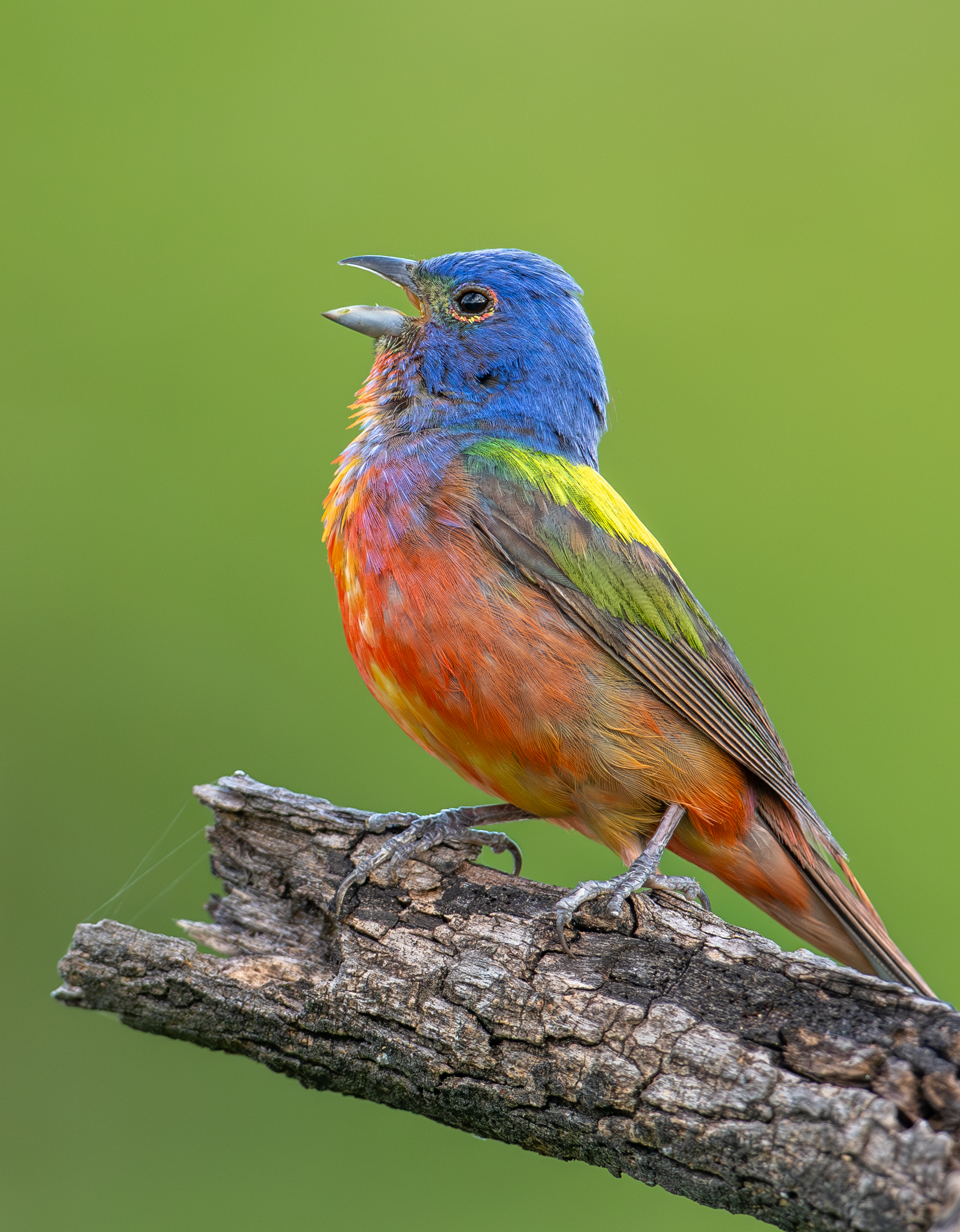 Photo Credit: Dakota Lynch / Wikimedia Commons
In the sun-drenched fields and lush thickets of North America, the Painted Bunting, scientifically known as Passerina ciris, flits about like a living rainbow. With its brilliant blue head, vibrant green back, and fiery red underparts, this small bird is a true spectacle of nature. Imagine walking through a wildflower meadow, where the air is filled with the sweet scent of blooming plants, and suddenly, a flash of color catches your eye. It’s the Painted Bunting, a dazzling sight that leaves birdwatchers and nature lovers alike in awe.
What makes the Painted Bunting so captivating is not just its stunning appearance but also its lively personality. These birds are known for their cheerful songs, which echo through the trees as they greet the dawn. Their playful behavior and striking colors have fascinated scientists for years, prompting studies into their unique mating rituals and migratory patterns. As they navigate their habitats, from shrubby areas to open woodlands, they play essential roles in their ecosystems, helping to disperse seeds and maintain the balance of their environment. Join us as we explore the enchanting world of the Painted Bunting, uncovering the secrets of its life, behavior, and the vital role it plays in nature.
The Painted Bunting is a dazzling member of the animal kingdom, known for its vibrant plumage that can make even the dullest day feel like a celebration. Taxonomically, it belongs to the Kingdom Animalia, which includes all animals, and it is classified under the Phylum Chordata, meaning it has a backbone. As a member of the Class Aves, or birds, it shares the sky with countless feathered friends. Within the Order Passeriformes, often called perching birds, the Painted Bunting stands out in the Family Cardinalidae, which includes other colorful birds like cardinals and grosbeaks. Its genus, Passerina, hints at its lively nature, as it flits about in search of seeds and insects. This classification not only highlights its beauty but also its place in the intricate web of life.
| Taxonomic Rank | Scientific Name | Meaning & Significance |
|---|---|---|
| Kingdom | Animalia | This name comes from the Latin word “animalis,” meaning “having breath,” which reflects the living, breathing nature of all animals. |
| Phylum | Chordata | Derived from the Greek word “chordē,” meaning “string,” this refers to the notochord, a flexible rod that supports the body, found in all members of this group during some stage of development. |
| Class | Aves | This term comes from the Latin word for “bird,” emphasizing the defining characteristics of feathers and the ability to fly. |
| Order | Passeriformes | From the Latin “passer,” meaning “sparrow,” this order includes birds that are primarily songbirds, known for their perching habits and vocal abilities. |
| Family | Cardinalidae | This name is derived from “cardinal,” referring to the bright red color of some members of this family, which is often associated with the Catholic Church’s cardinals. |
| Genus | Passerina | From the Latin word “passer,” meaning “sparrow,” this genus includes small, colorful birds that are often lively and social. |
The classification of the Painted Bunting reveals a rich evolutionary history that connects it to a diverse array of birds. Its place in the Cardinalidae family suggests a lineage that has adapted to various environments, showcasing vibrant colors as a means of attracting mates and signaling health. This evolutionary journey highlights the intricate relationships among species, where beauty and survival intertwine. As we observe the Painted Bunting flitting through its habitat, we are reminded of the wonders of nature and the stories written in the branches of the tree of life.
The evolutionary journey of the Painted Bunting, a member of the Cardinalidae family, stretches back millions of years. This colorful bird, known for its striking blue, green, and red feathers, has a lineage that reflects the dynamic changes in its environment and the adaptations necessary for survival. As we explore its ancestry, we uncover a story of transformation that highlights the intricate dance of evolution.
The Painted Bunting’s ancestors were small, seed-eating birds that roamed the forests and grasslands of North America. Over time, these early birds adapted to various habitats, leading to the emergence of distinct species within the Passerina genus. One major transition occurred as these birds began to exploit different food sources, which influenced their beak shapes and sizes. This adaptation allowed them to thrive in diverse environments, from dense thickets to open fields. As they spread across the continent, their plumage evolved, with males developing vibrant colors to attract mates, while females retained more subdued tones for camouflage.
The adaptations of the Painted Bunting have been crucial for its survival in a changing world. The vibrant plumage not only plays a role in reproduction but also reflects the health of the individual, ensuring that only the fittest pass on their genes. Their specialized beaks allow them to efficiently gather food, while their ability to adapt to various habitats ensures they can find suitable living conditions. As they migrate, they take advantage of seasonal changes, maximizing their chances of survival. Together, these traits weave a rich tapestry of evolution, illustrating how the Painted Bunting has thrived through the ages.
The Painted Bunting is a visual feast, captivating anyone lucky enough to spot it. This small bird, measuring about 5 to 6 inches in length, boasts a compact body that is both agile and striking. Its overall shape is rounded, with a short tail and a stout, conical bill perfect for cracking seeds. The male is particularly eye-catching, adorned in a kaleidoscope of colors that seem to dance in the sunlight, while the female presents a more subdued palette of greens and browns, providing her with excellent camouflage in her natural habitat.
| Feature | Description |
|---|---|
| Weight | 0.5 to 0.7 ounces |
| Coloration | Bright blue, green, and red in males; olive-brown in females |
| Body Structure | Compact with a rounded shape and short tail |
| Bill Type | Stout and conical, ideal for seed eating |
The vivid colors of the Painted Bunting serve multiple purposes in its life. For the males, their bright plumage is a dazzling display meant to attract mates, showcasing their health and vitality. Meanwhile, the more muted tones of the females help them blend into their surroundings, providing protection while they nest and care for their young. Together, these features not only enhance their beauty but also play crucial roles in their survival, allowing them to thrive in the diverse environments they inhabit.
The Painted Bunting thrives in a vibrant tapestry of habitats that reflect its colorful nature. Picture a sun-drenched landscape where wildflowers bloom and grasses sway gently in the breeze. These birds are often found in shrubby areas, open woodlands, and along the edges of fields, where they can flit between the foliage and the open sky. Their preferred environments are rich with dense vegetation, providing both shelter and a buffet of seeds and insects to feast upon.
The climate that suits the Painted Bunting is typically warm and temperate, with plenty of sunshine. They enjoy areas that experience mild winters, allowing them to thrive without the harsh conditions that can be found further north. These birds prefer habitats that are moist enough to support the growth of their favorite plants, yet dry enough to avoid flooding. This balance is crucial for their survival, as it ensures a steady supply of food and nesting materials.
Adaptation is key to the Painted Bunting’s success in these diverse environments. Their vibrant colors not only attract mates but also help them blend into the colorful surroundings of flowers and foliage. Their diet, which includes seeds and insects, allows them to take advantage of the rich resources available in their habitats. Additionally, their ability to thrive in both open and shrubby areas means they can find safety from predators while still enjoying the abundance of food that nature provides. This clever combination of traits makes the Painted Bunting a true master of its domain.
The Painted Bunting leads a lively daily life filled with vibrant activities that reflect its colorful personality. As dawn breaks, these small birds emerge from their roosts, ready to greet the day. They flit about in search of food, often foraging for seeds, berries, and insects. Their energetic movements are a delightful sight, as they dart from branch to branch, showcasing their brilliant colors. Throughout the day, they engage in various behaviors, including preening their feathers to keep them in top condition and singing melodious tunes that fill the air with joy.
Socially, Painted Buntings are flock-oriented birds, meaning they thrive in groups. These flocks provide safety in numbers, allowing them to watch for predators while they feed. Within these groups, they establish a hierarchy, where more dominant individuals often get the best feeding spots. Communication is key in these social structures, and they use a variety of chirps and whistles to convey messages to one another. This social interaction not only strengthens their bonds but also enhances their ability to find food and evade danger.
| Behavior Type | Description |
|---|---|
| Foraging | Painted Buntings search for seeds, berries, and insects, often moving quickly through vegetation. |
| Preening | They spend time grooming their feathers to maintain their vibrant plumage and ensure insulation. |
| Flocking | These birds gather in groups for safety, making it easier to spot predators and find food. |
| Communication | They use a range of chirps and whistles to communicate with each other, helping to maintain social bonds. |
The behaviors of the Painted Bunting are essential for their survival in the wild. By foraging in flocks, they increase their chances of finding food while reducing the risk of becoming prey. Their social interactions not only help them establish a community but also enhance their ability to thrive in a dynamic environment. Through their vibrant songs and lively movements, these birds create a colorful tapestry of life that captivates anyone fortunate enough to witness it.
The Painted Bunting has a diverse diet that reflects its omnivorous nature, meaning it enjoys both plant and animal foods. This colorful bird primarily feeds on seeds, fruits, and insects, making it a flexible eater. During the warmer months, it often forages in shrubs and trees, where it can find a variety of tasty treats. Its feeding behavior is quite active; the Painted Bunting hops around in search of food, using its sharp eyesight to spot seeds and insects hidden among the foliage.
| Dietary Aspect | Details |
|---|---|
| Diet Type | Omnivore |
| Favorite Foods | Seeds, fruits, and insects |
| Prey Items | Insects like caterpillars and beetles |
| Hunting/Foraging Strategies | Hops around in shrubs and trees, using keen eyesight |
The Painted Bunting’s diet plays a crucial role in its ecology and daily routine. By consuming a mix of seeds and insects, it helps control insect populations while also dispersing seeds through its droppings. This not only supports the growth of plants in its habitat but also ensures that the Painted Bunting has a steady supply of food throughout the seasons. Its foraging habits contribute to the vibrant ecosystems it inhabits, making it an important player in the natural world.
As spring arrives, the Painted Bunting begins its enchanting courtship rituals. Males, with their brilliant colors, sing melodious tunes to attract females. These songs are not just beautiful; they serve as a way for males to showcase their health and vitality. Once a pair forms, they engage in a series of displays and dances, solidifying their bond. The breeding season typically spans from late spring to early summer, a time when the world is alive with color and sound, perfect for raising a new generation.
| Reproductive Aspect | Details |
|---|---|
| Gestation Period | About 12 days |
| Litter Size | 3 to 5 eggs |
| Age of Maturity | About 1 year |
| Name of Young | Chicks |
After the eggs hatch, both parents take on the important role of caring for their chicks. The young Painted Buntings are born helpless, with closed eyes and no feathers, relying entirely on their parents for warmth and food. The adults work tirelessly, bringing insects and seeds to feed their growing brood. As the chicks develop, they begin to grow feathers and learn to chirp, signaling their readiness to explore the world. By the time they fledge, or leave the nest, they are well on their way to becoming vibrant adults, ready to take on the skies and continue the cycle of life.
The Painted Bunting occupies a vibrant niche in the food web, where it plays a crucial role as both a prey and a seed disperser. This colorful bird, with its striking hues, attracts attention not only from birdwatchers but also from various predators. While it flits about in search of seeds and insects, it must remain vigilant, as its bright colors can make it an easy target for those looking for a meal.
To survive these threats, the Painted Bunting employs several clever strategies. It often seeks refuge in dense vegetation, where its colorful feathers blend in with the leaves, providing camouflage. Additionally, these birds are known for their quick, agile flight, allowing them to dart away from danger swiftly. By being cautious and choosing safe feeding spots, the Painted Bunting can continue to thrive in its vibrant world, despite the challenges it faces.
A keystone species is an organism that has a disproportionately large impact on its environment relative to its abundance. These species play critical roles in maintaining the structure of an ecosystem. The Painted Bunting, with its vibrant colors and lively behavior, does not fit the traditional definition of a keystone species. However, it does contribute to its ecosystem in meaningful ways, particularly through its feeding habits and interactions with other species.
The Painted Bunting is an omnivore, which means it eats both plants and animals. By feeding on seeds and fruits, it helps in seed dispersal, allowing new plants to grow in different areas. This process is essential for maintaining plant diversity in its habitat. Additionally, the insects it consumes help control pest populations, contributing to a balanced ecosystem. When these birds flock together, they create a lively atmosphere that can attract other wildlife, enhancing the biodiversity of their surroundings.
Moreover, the Painted Bunting serves as prey for various predators, including hawks and snakes. This relationship is vital for the food web, as it supports the survival of these predators. The presence of Painted Buntings can indicate a healthy environment, as they thrive in areas with abundant food and suitable nesting sites. Their colorful plumage also plays a role in attracting mates, which is crucial for their reproduction and the continuation of their species.
If the Painted Bunting were to disappear, the effects could ripple through its ecosystem. Without these birds, there would be fewer seed dispersers, leading to a decline in plant diversity. This could affect other species that rely on those plants for food and shelter. Additionally, the increase in insect populations could disrupt the balance of the ecosystem, potentially harming crops and other wildlife. The loss of such a vibrant species would not only diminish the beauty of its habitat but also weaken the intricate web of life that depends on it.
The Painted Bunting occupies a vital ecological niche, serving as both a seed disperser and a prey species within its habitat. This small, colorful bird flits through shrubby areas and open woodlands, where it forages for seeds, fruits, and insects. By feeding on various plants, it helps to spread seeds across the landscape, promoting plant diversity and growth. In turn, this vibrant bird becomes a food source for larger predators, creating a balanced web of life in its ecosystem.
| Ecosystem Service | Impact |
|---|---|
| Seed Dispersal | Helps plants reproduce and spread, enhancing biodiversity. |
| Prey for Predators | Provides a food source for larger birds and mammals, supporting the food web. |
| Insect Control | Reduces insect populations by feeding on them, helping to maintain ecological balance. |
The influence of the Painted Bunting extends beyond its immediate actions. For instance, as it consumes seeds from various plants, it inadvertently aids in the growth of new vegetation. This process not only enriches the habitat but also creates a more inviting environment for other wildlife. Additionally, by preying on insects, the Painted Bunting helps control pest populations, which can be beneficial for farmers and gardeners alike. Its vibrant presence attracts birdwatchers and nature enthusiasts, fostering a greater appreciation for biodiversity and conservation efforts.
The broader ecological importance of the Painted Bunting cannot be overstated. As a keystone species, its activities help maintain the structure and health of its ecosystem. By supporting plant diversity and serving as a food source for predators, the Painted Bunting plays a crucial role in sustaining the delicate balance of life. Protecting this colorful bird and its habitat ensures that the intricate web of life continues to thrive, benefiting countless other species and the environment as a whole.
In the intricate web of nature, symbiosis plays a vital role in the survival and thriving of various species. Symbiosis refers to the close and often long-term interactions between different biological species. These relationships can take many forms, including mutualism, where both species benefit, parasitism, where one benefits at the expense of the other, and commensalism, where one benefits while the other is neither helped nor harmed. The Painted Bunting, with its vibrant colors and lively behavior, engages in several ecological relationships that highlight the interconnectedness of life.
| Species/Type | Relationship Type | Description |
|---|---|---|
| Various insects | Mutualistic | Painted Buntings feed on insects, helping control their populations while benefiting from a nutritious food source. |
| Brood parasites (like the Brown-headed Cowbird) | Parasitic | These birds lay their eggs in the nests of Painted Buntings, leading to competition for resources and care. |
| Plants (like wildflowers) | Commensal | As Painted Buntings feed on seeds, they help disperse plant seeds, benefiting the plants without affecting the birds. |
The evolution of these relationships showcases the adaptability and resilience of the Painted Bunting and its partners. Over time, these interactions have shaped behaviors and survival strategies, allowing species to thrive in their environments. For instance, the mutualistic relationship with insects not only provides nourishment for the bunting but also helps maintain a balanced ecosystem. Meanwhile, the challenges posed by brood parasites have led to adaptations in nesting behaviors. Each relationship, whether beneficial or challenging, contributes to the rich tapestry of life, illustrating how interconnected and interdependent our natural world truly is.
The Painted Bunting is not just a feast for the eyes; it’s a bird full of surprises that can captivate anyone interested in nature. With its stunning colors and intriguing behaviors, this little avian gem has much to share.
The Painted Bunting has long captured the imagination of people across cultures. Historically, these vibrant birds have been celebrated in art and folklore, often symbolizing joy and beauty. Native American tribes, for instance, viewed the Painted Bunting as a messenger of good fortune, while its striking colors have inspired countless artists and poets. The bird’s presence in gardens and backyards has made it a beloved sight for birdwatchers and nature enthusiasts alike, creating a bond between humanity and this colorful avian.
In contemporary times, the relationship between Painted Buntings and humans has evolved, particularly in the context of conservation efforts. As urbanization and habitat loss threaten their populations, many organizations are working to protect their natural environments. This includes creating bird-friendly spaces in urban areas and promoting awareness about the importance of preserving their habitats. However, conflicts can arise, especially when these birds are seen as pests in agricultural settings. Understanding and mitigating these conflicts is crucial for fostering a harmonious coexistence.
As we look to the future, the relationship between Painted Buntings and humanity holds both challenges and opportunities. With ongoing conservation efforts and increased awareness of the importance of biodiversity, there is hope for a thriving coexistence. By fostering a deeper understanding of these beautiful birds and their ecological roles, we can ensure that future generations will continue to enjoy the sight and song of the Painted Bunting, enriching our lives and the natural world around us.
The Painted Bunting is currently classified as “Least Concern” by the International Union for Conservation of Nature (IUCN). This means that, at present, the species is not facing an immediate threat of extinction. With an estimated population size of around 15 million individuals, the Painted Bunting enjoys a stable presence across its range. However, while the overall numbers are healthy, local populations can fluctuate due to various environmental factors.
| Conservation Factor | Status/Details |
|---|---|
| IUCN Status | Least Concern |
| Estimated Population Size | 15 million |
| Population Trend | Stable |
Despite its overall stable status, the Painted Bunting faces several threats that could impact its future. Habitat loss is a significant concern, as urban development and agricultural expansion reduce the natural areas where these birds thrive. Additionally, climate change poses risks by altering their habitats and food availability. The use of pesticides can also affect their food sources, particularly the insects they rely on during breeding season.
Conservation efforts are underway to ensure the Painted Bunting continues to flourish. Organizations are working to protect and restore habitats, particularly in areas where these birds breed and migrate. Public awareness campaigns help educate communities about the importance of preserving natural spaces. With ongoing efforts and a commitment to conservation, the outlook for the Painted Bunting remains hopeful, allowing future generations to enjoy the beauty of this colorful bird.
| Question | Answer |
|---|---|
| What is the habitat of the Painted Bunting? | Painted Buntings are often found in shrubby areas, open woodlands, and along the edges of fields. They prefer habitats with dense vegetation where they can easily hide from predators and find food. |
| What do Painted Buntings eat? | These colorful birds are omnivores, meaning they eat both plants and animals. Their diet mainly consists of seeds, berries, and insects, which provide them with the nutrients they need to thrive. |
| How do Painted Buntings behave? | Painted Buntings are known for their lively and energetic behavior. They are often seen flitting about in search of food or singing their cheerful songs to attract mates. |
| How do Painted Buntings reproduce? | During the breeding season, male Painted Buntings display their vibrant colors to attract females. After mating, the female builds a nest in dense foliage, where she lays 3 to 5 eggs and incubates them until they hatch. |
| What threats do Painted Buntings face? | While Painted Buntings are currently classified as Least Concern, they face threats from habitat loss due to urban development and agriculture. Additionally, they can be affected by climate change, which alters their natural habitats. |
| What is the most distinctive feature of the Painted Bunting? | The most striking feature of the Painted Bunting is its bright coloration. Males are especially vibrant, showcasing a mix of blue, green, yellow, and red, making them one of the most colorful birds in North America. |
| Are Painted Buntings migratory? | Yes, Painted Buntings are migratory birds. They typically migrate from their breeding grounds in the United States to wintering areas in Mexico and Central America, seeking warmer climates during the colder months. |