Taxonomy & Classification
- Kingdom
- Animalia
- Phylum
- Chordata
- Class
- Reptilia
- Order
- Testudines
- Family
- Emydidae
- Genus
- Chrysemys
- Species
- Chrysemys picta

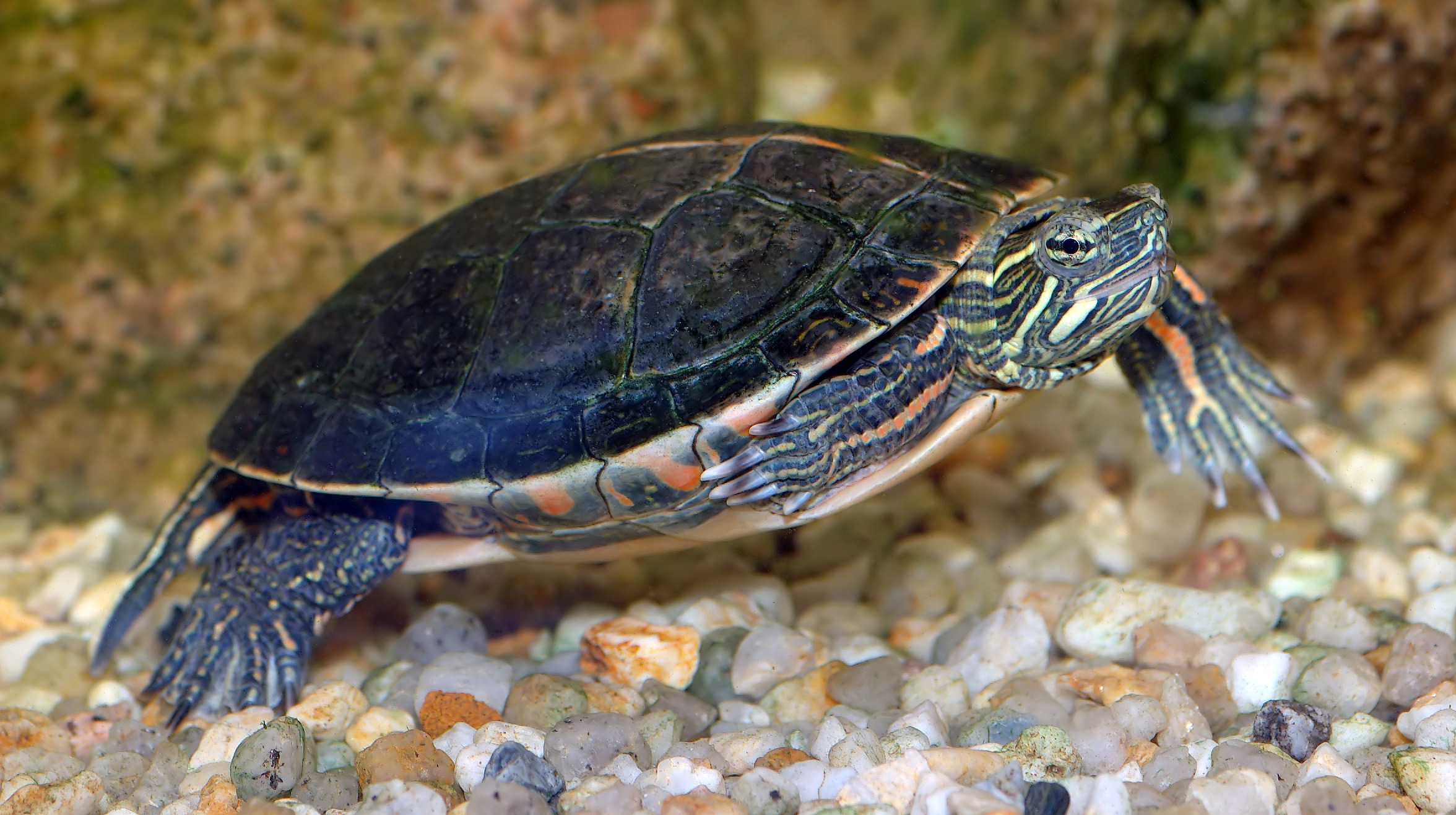 Photo Credit: André Karwath aka Aka / Wikimedia
In the shimmering waters of North America’s ponds and marshes, the Painted Turtle, scientifically known as Chrysemys picta, glides gracefully beneath the surface. With its strikingly colorful shell adorned in shades of red, yellow, and black, this turtle is a living canvas of nature’s artistry. As the sun filters through the leaves, illuminating its vibrant patterns, the Painted Turtle captivates the hearts of both scientists and nature lovers alike. Its beauty is not just skin deep; this species has a fascinating evolutionary history and plays a crucial role in its ecosystem, making it a subject of study and admiration.
Imagine a warm afternoon where the Painted Turtle basks on a sunlit rock, its shell absorbing the heat while dragonflies dance above the water. This leisurely lifestyle is essential for the turtle, as it helps regulate its body temperature. With a diet that includes everything from aquatic plants to small fish, the Painted Turtle is an omnivore, showcasing its adaptability in various habitats. As we explore the life of this remarkable reptile, we will uncover the secrets of its behavior, its role in the ecosystem, and the challenges it faces in a changing world. Join us on this adventure to learn more about the Painted Turtle and the vibrant life it leads.
The Painted Turtle, a vibrant and charming member of the animal kingdom, holds a special place in the tree of life. Taxonomically, it belongs to the Kingdom Animalia, which includes all animals, and it is classified under the Phylum Chordata, known for animals with a backbone. This delightful turtle is part of the Class Reptilia, which encompasses reptiles like snakes and lizards. Within this class, it falls under the Order Testudines, the group that includes all turtles and tortoises. The Painted Turtle is a member of the Family Emydidae, which consists of freshwater turtles. Its scientific name, Chrysemys picta, reflects its striking appearance and helps us understand its evolutionary journey.
| Taxonomic Rank | Scientific Name | Meaning & Significance |
|---|---|---|
| Kingdom | Animalia | This name means “animals” in Latin, highlighting the turtle’s status as a living organism that moves and interacts with its environment. |
| Phylum | Chordata | Derived from the Greek word “chorde,” meaning “string,” this term refers to animals with a notochord, a flexible rod that supports the body, which is a key feature of vertebrates. |
| Class | Reptilia | This classification comes from the Latin word “reptilis,” meaning “creeping,” which describes the movement of many reptiles, including turtles. |
| Order | Testudines | From the Latin “testudo,” meaning “tortoise,” this name signifies the hard shell that protects these animals, a defining characteristic of turtles. |
| Family | Emydidae | This name is derived from the Greek word “emys,” meaning “freshwater turtle,” indicating the habitat where many members of this family thrive. |
| Genus | Chrysemys | From the Greek “chrysos,” meaning “gold,” this name refers to the bright yellow markings often found on the turtle’s skin and shell. |
| Species | picta | This Latin word means “painted,” aptly describing the colorful patterns on the turtle’s shell and skin, which make it stand out in its natural habitat. |
Understanding the Painted Turtle’s classification reveals much about its evolutionary history. As a member of the Emydidae family, it shares common ancestors with other freshwater turtles, showcasing adaptations that allow it to thrive in aquatic environments. Its vibrant colors and patterns not only serve as a form of camouflage but also play a role in communication and mating. By studying its taxonomic position, we gain insights into the evolutionary pressures that shaped this species, helping us appreciate the intricate web of life that connects all living beings.
The evolutionary journey of the Painted Turtle stretches back millions of years, weaving through the tapestry of time to reveal a lineage that has adapted and thrived in diverse environments. This captivating species, scientifically known as Chrysemys picta, is part of the family Emydidae, which includes many freshwater turtles. The ancestors of modern turtles first appeared during the late Triassic period, around 220 million years ago, marking the beginning of a long and fascinating evolutionary saga.
Early turtles were quite different from the Painted Turtle we know today. They evolved from a group of reptiles called diapsids, which had two holes in their skulls behind the eyes. Over time, these ancient reptiles developed a protective shell, a key feature that would help them survive in a world filled with predators. The transition from a more lizard-like form to a fully shelled turtle occurred as these creatures adapted to life in water and on land. The Painted Turtle’s ancestors gradually refined their shells, becoming more streamlined for swimming and better suited for their habitats.
The adaptations of the Painted Turtle have been crucial for its survival across generations. The hard shell not only protects against predators but also allows these turtles to thrive in various habitats, from ponds to rivers. Their vibrant colors and efficient swimming abilities help them evade danger while foraging for food. By basking in the sun, they can regulate their body temperature, which is vital for their overall health. These evolutionary traits have enabled the Painted Turtle to flourish in North America, showcasing the incredible power of adaptation in the natural world.
The Painted Turtle is a delightful sight, showcasing a blend of colors and patterns that make it stand out in its watery habitat. Its body is flat and oval-shaped, designed for gliding through ponds and rivers with ease. The hard outer shell, known as a carapace, provides protection while also allowing for a sleek profile. This turtle’s limbs are short but powerful, perfect for paddling through the water or basking on a sunny rock.
| Feature | Description |
|---|---|
| Size | Typically 4 to 10 inches long |
| Color | Dark green or black shell with bright yellow and red stripes |
| Skin Type | Hard outer shell that protects its body |
| Distinctive Feature | Colorful stripes on legs and neck |
These striking features are not just for show; they play vital roles in the turtle’s survival. The hard shell acts as a fortress against predators, while the vibrant stripes can confuse potential threats or attract mates. The colors also help the Painted Turtle blend into its environment, making it less visible to both predators and prey. Together, these characteristics create a perfect balance of beauty and functionality, allowing the Painted Turtle to thrive in its aquatic world.
The Painted Turtle finds its home in a variety of freshwater environments that are as colorful as the turtle itself. Picture a serene pond surrounded by lush greenery, where the sun glimmers off the water’s surface. These turtles love to bask on warm rocks or logs, soaking up the sun’s rays while keeping a watchful eye for any potential threats. Their habitats are often dotted with aquatic plants, providing both shelter and food, making these locations a perfect blend of safety and sustenance.
The Painted Turtle thrives in climates that offer a mix of warmth and moisture. They prefer areas where the temperature can rise during the day, allowing them to bask and regulate their body heat. These turtles are often found in regions with mild winters, as they hibernate during the colder months, burrowing into the mud at the bottom of their watery homes. The presence of clean, shallow waters is essential, as it supports the aquatic plants and small invertebrates that make up their diet.
Over time, the Painted Turtle has developed several clever adaptations to flourish in its chosen habitats. Its flat, streamlined shell allows for easy movement through water, while its vibrant colors help it blend in with the surrounding environment, providing camouflage from predators. Additionally, their ability to hibernate in mud during winter ensures they can survive in areas where temperatures drop. These adaptations not only enhance their survival but also allow them to thrive in diverse ecosystems across North America.
The Painted Turtle leads a life that is both leisurely and purposeful. As the sun rises, these turtles bask on warm rocks or logs, soaking up the sun’s rays to warm their bodies. This behavior is essential because, like many reptiles, they are ectothermic, meaning they rely on external heat sources to regulate their body temperature. After basking, they often take a dip in the water, where they swim gracefully, using their webbed feet to paddle through their aquatic homes. Throughout the day, they alternate between basking, swimming, and foraging for food, which includes aquatic plants, insects, and small fish.
Socially, Painted Turtles are quite engaging. They often gather in groups, especially during basking sessions. These gatherings can be lively, with turtles climbing over one another to find the best sunning spots. While they may seem solitary at times, they communicate through subtle body language and vocalizations, such as soft hissing sounds when feeling threatened. This social structure helps them establish a hierarchy, where larger or more dominant turtles often claim prime basking locations. Their interactions are not just about sunbathing; they also play a role in mating and establishing territory.
| Behavior Type | Description |
|---|---|
| Basking | Painted Turtles bask in the sun to warm their bodies, essential for their metabolism. |
| Group Dynamics | They often gather in groups, establishing a social hierarchy based on size and dominance. |
| Communication | These turtles communicate through body language and soft vocalizations, especially when threatened. |
| Foraging | They search for food like aquatic plants and insects, often foraging in shallow waters. |
The behaviors of Painted Turtles are not just fascinating; they are vital for their survival. By basking together, they maximize their exposure to sunlight, which is crucial for their health. Their social interactions help them navigate their environment, find food, and establish territories, ensuring they thrive in their habitats. Through these daily activities, Painted Turtles demonstrate the intricate balance of nature, where each behavior plays a role in their continued existence.
The Painted Turtle has a diverse diet that reflects its omnivorous nature, meaning it enjoys both plant and animal foods. This adaptable turtle primarily feeds on insects, small fish, crustaceans, and even small mammals. It uses a combination of foraging and opportunistic hunting strategies to obtain its meals. Often seen gliding through the water, the Painted Turtle will search for food among aquatic plants and along the pond’s bottom, using its keen eyesight to spot potential prey.
| Dietary Aspect | Details |
|---|---|
| Diet Type | Omnivore |
| Favorite Foods | Insects, small fish, crustaceans |
| Prey Items | Small mammals, aquatic plants |
| Hunting/Foraging Strategies | Foraging in shallow waters, opportunistic hunting |
This varied diet plays a crucial role in the Painted Turtle’s ecology and daily routine. By consuming a mix of plant and animal matter, these turtles help maintain the balance of their aquatic ecosystems. Their foraging habits also influence the populations of insects and small fish, showcasing how interconnected life is in their watery homes. As they bask in the sun and search for food, Painted Turtles contribute to the vibrant tapestry of life in their habitats, reminding us of the delicate balance that sustains nature.
As the warm days of spring arrive, Painted Turtles begin their courtship rituals. Males engage in a captivating dance, swimming around females and gently nudging them with their snouts. This playful behavior helps establish a bond between the two turtles. Once a female is ready to mate, she will lay her eggs in a sandy or soft soil area, often near the water’s edge. This breeding season typically occurs from late spring to early summer, when the conditions are just right for the next generation to thrive.
| Reproductive Aspect | Details |
|---|---|
| Gestation Period | 80 days |
| Litter Size | 3 to 20 eggs |
| Age of Maturity | 4 to 10 years |
| Name of Young | Hatchling |
After the eggs are laid, the female leaves them to develop on their own, showing little to no parental care. The hatchlings emerge from their eggs after about 80 days, usually in late summer or early fall. These tiny turtles are equipped with everything they need to survive, including a small yolk sac that provides nourishment for a short time. As they make their way to the water, they face many challenges, including predators and environmental hazards. Over the next few years, they will grow and mature, eventually becoming adults capable of continuing the cycle of life. With time, patience, and a bit of luck, these hatchlings will thrive in their aquatic homes, adding to the vibrant tapestry of life in their ecosystem.
The Painted Turtle plays a vital role in its ecosystem, serving as both predator and prey. These turtles feast on a variety of aquatic plants and small animals, helping to maintain the balance of their watery homes. However, they are also a target for many predators, making them an important link in the food web. Their presence supports the health of their environment, but their survival is constantly challenged by various threats.
To defend themselves against these dangers, Painted Turtles have developed several clever survival strategies. When threatened, they can quickly retreat into their hard shells, which act like a protective fortress. This ability to hide is crucial, especially when faced with hungry predators. Additionally, they often bask in the sun on logs or rocks, where they can spot danger from a distance. By being aware of their surroundings and using their natural defenses, Painted Turtles continue to thrive in their habitats despite the challenges they face.
A keystone species is an organism that has a disproportionately large impact on its environment relative to its abundance. In simpler terms, if you remove a keystone species from an ecosystem, it can cause significant changes or even collapse. The Painted Turtle, with its vibrant colors and adaptable nature, qualifies as a keystone species in its freshwater habitats, such as ponds, streams, and marshes. Its presence helps maintain the balance of these ecosystems, making it an essential player in the natural world.
The Painted Turtle contributes to its ecosystem in several important ways. As an omnivore, it feeds on a variety of plants and small animals, including insects and crustaceans. This feeding behavior helps control the populations of these organisms, preventing any one species from becoming too dominant. By munching on aquatic plants, Painted Turtles also promote healthy plant growth, which in turn provides shelter and food for other wildlife.
Additionally, these turtles serve as a food source for larger predators, such as birds of prey and raccoons. Their role as both predator and prey creates a dynamic balance in the food web, supporting a diverse range of species. When basking on logs or rocks, Painted Turtles also help to regulate the temperature of their environment, which can influence the growth of algae and other aquatic plants.
If the Painted Turtle were to disappear from its ecosystem, the effects would ripple through the food web. Without these turtles, there would be an increase in the populations of insects and crustaceans, which could lead to overgrazing of aquatic plants. This imbalance could harm other species that rely on those plants for food and shelter. Furthermore, larger predators would lose a vital food source, potentially leading to their decline as well. The absence of the Painted Turtle would disrupt the delicate harmony of its habitat, showcasing just how crucial this colorful reptile is to the health of its ecosystem.
The Painted Turtle occupies a vital ecological niche in freshwater habitats like ponds, streams, and marshes. As an omnivore, it plays multiple roles in its environment, influencing both plant and animal communities. By feeding on a variety of organisms, it helps regulate populations of insects and aquatic plants, contributing to a balanced ecosystem. This turtle’s presence is not just a delightful sight; it is a key player in maintaining the health of its watery world.
| Ecosystem Service | Impact |
|---|---|
| Population Control | Regulates insect and small fish populations by feeding on them. |
| Plant Management | Helps control aquatic plant growth, preventing overgrowth that can choke waterways. |
| Nutrient Cycling | Contributes to nutrient cycling through its waste, enriching the water and supporting plant life. |
| Habitat Creation | Provides shelter and food for other species, enhancing biodiversity. |
The Painted Turtle’s influence can be seen in various ways. For instance, by munching on aquatic plants and insects, it prevents any one species from dominating the ecosystem. This balance is crucial for other animals that share its habitat, as it ensures that there is enough food and space for everyone. Additionally, the turtle’s waste products enrich the water, promoting the growth of algae and other plants that serve as food for fish and invertebrates. In this way, the Painted Turtle acts as a connector in the food web, linking different species together.
The broader ecological importance of the Painted Turtle cannot be overstated. As a keystone species, its presence supports a diverse array of life in freshwater ecosystems. When these turtles thrive, they help maintain the health of their habitats, which in turn supports countless other organisms. Protecting the Painted Turtle and its environment is essential not only for the turtles themselves but for the entire ecosystem that relies on their unique contributions. By understanding and appreciating these remarkable reptiles, we can better appreciate the intricate web of life they help sustain.
In the intricate web of life, symbiosis plays a crucial role in shaping ecosystems. Symbiosis refers to the close interactions between different species, which can be beneficial, harmful, or neutral. These relationships can take many forms, such as mutualism, where both species gain advantages, parasitism, where one benefits at the other’s expense, and commensalism, where one species benefits while the other is neither helped nor harmed. The Painted Turtle, with its vibrant shell and adaptable nature, engages in various ecological partnerships that highlight the interconnectedness of life in freshwater habitats.
| Species/Type | Relationship Type | Description |
|---|---|---|
| Water Hyacinth | Mutualistic | The Painted Turtle benefits from the shade and shelter provided by the dense foliage of water hyacinths, while the turtles help control the plant’s growth by feeding on its leaves. |
| Leeches | Parasitic | Leeches attach to the Painted Turtle to feed on its blood, gaining nourishment while potentially harming the turtle. |
| Birds (e.g., Cormorants) | Commensal | Birds often perch on basking Painted Turtles, gaining a resting spot while the turtles are unaffected by their presence. |
These relationships have evolved over time, shaped by the needs and behaviors of the species involved. The Painted Turtle’s interactions with other organisms illustrate the delicate balance of ecosystems. By providing shelter and food for some species while being prey or host to others, the Painted Turtle contributes to the health and diversity of its habitat. Understanding these connections helps us appreciate the complexity of nature and the importance of preserving these vibrant ecosystems for future generations.
The Painted Turtle is not just a pretty face in the world of reptiles; it has some surprising traits that make it truly special. Let’s dive into some intriguing facts about this colorful creature that will captivate nature lovers of all ages.
The Painted Turtle has long been a part of human history, weaving its way into the cultural fabric of many communities. Indigenous peoples across North America have revered this vibrant reptile, often incorporating it into their stories and traditions. The turtle symbolizes wisdom, longevity, and the connection between land and water. In various cultures, it is seen as a guardian of the earth, embodying the balance of nature. Historical encounters with Painted Turtles have sparked curiosity and admiration, leading to a deeper understanding of their role in the ecosystem.
Today, our interactions with Painted Turtles are multifaceted, ranging from conservation efforts to conflicts arising from habitat destruction. As urban areas expand, these turtles face threats from pollution and loss of their natural habitats. Conservationists are working tirelessly to protect their environments, creating safe spaces for them to thrive. Some communities have even initiated programs to educate the public about the importance of these turtles, fostering a sense of stewardship. However, there are also challenges, such as illegal pet trade and road mortality, where turtles are harmed while crossing roads. These issues highlight the need for ongoing awareness and action to ensure the survival of Painted Turtles.
Looking ahead, the relationship between Painted Turtles and humanity holds both promise and challenges. As we become more aware of our impact on the environment, there is hope for a future where these turtles can thrive alongside us. By fostering a sense of connection and responsibility, we can ensure that the Painted Turtle continues to be a vibrant part of our natural world. Together, we can create a harmonious balance that respects both the beauty of these creatures and the ecosystems they inhabit.
The Painted Turtle is currently classified as “Least Concern” by the International Union for Conservation of Nature (IUCN). This means that, overall, the species is not facing immediate threats of extinction. Population estimates suggest that these turtles are relatively stable across their range, which includes much of North America. However, local populations can vary, and some areas may experience declines due to various environmental pressures.
| Conservation Factor | Status/Details |
|---|---|
| IUCN Status | Least Concern |
| Population Estimates | Stable in many areas |
| Trend Direction | Generally stable, but local declines possible |
Despite their overall stable status, Painted Turtles face several threats that can impact their populations. Habitat loss is a significant concern, as wetlands and ponds are drained for development or agriculture. Pollution from chemicals and plastics can also harm their health and the quality of their habitats. Additionally, road mortality occurs when turtles attempt to cross roads, leading to tragic accidents. These factors can create challenges for local populations, even if the species as a whole remains secure.
Conservation efforts are underway to protect the Painted Turtle and its habitats. Organizations are working to restore wetlands and promote awareness about the importance of these turtles in ecosystems. Community engagement is vital, as educating people about the threats these turtles face can lead to better protection measures. With continued efforts, the outlook for the Painted Turtle remains hopeful, ensuring that future generations can enjoy the beauty and ecological significance of this colorful reptile.
| Question | Answer |
|---|---|
| What is the habitat of the Painted Turtle? | Painted Turtles are commonly found in freshwater environments like ponds, streams, and marshes. They prefer areas with plenty of vegetation and basking spots, such as logs or rocks, where they can soak up the sun. |
| What do Painted Turtles eat? | Painted Turtles are omnivores, which means they eat both plants and animals. Their diet includes aquatic plants, insects, small fish, and even algae, making them adaptable to different food sources in their environment. |
| How do Painted Turtles behave? | These turtles are known for their social behavior, often seen basking together in groups. They are also quite active swimmers and can be shy, quickly retreating into the water when they sense danger. |
| How do Painted Turtles reproduce? | During the warmer months, female Painted Turtles lay eggs in sandy or soft soil near water. After about 60 to 80 days, the eggs hatch, and the baby turtles make their way to the water, starting their journey in the wild. |
| What threats do Painted Turtles face? | While Painted Turtles are currently classified as Least Concern, they still face threats from habitat loss, pollution, and predators. Human activities, like road construction and water pollution, can significantly impact their populations. |
| What are some interesting characteristics of Painted Turtles? | One of the most distinctive features of Painted Turtles is the colorful stripes on their legs and neck, which can be red, yellow, or orange. These vibrant markings help them blend into their surroundings and can also attract mates. |
| How long do Painted Turtles live? | Painted Turtles can live for several decades, with some individuals reaching ages of 20 to 30 years or more in the wild. Their longevity is often influenced by environmental conditions and the presence of predators. |