Taxonomy & Classification
- Kingdom
- Animalia
- Class
- Mammalia
- Family
- Manidae
- Genus
- Manis

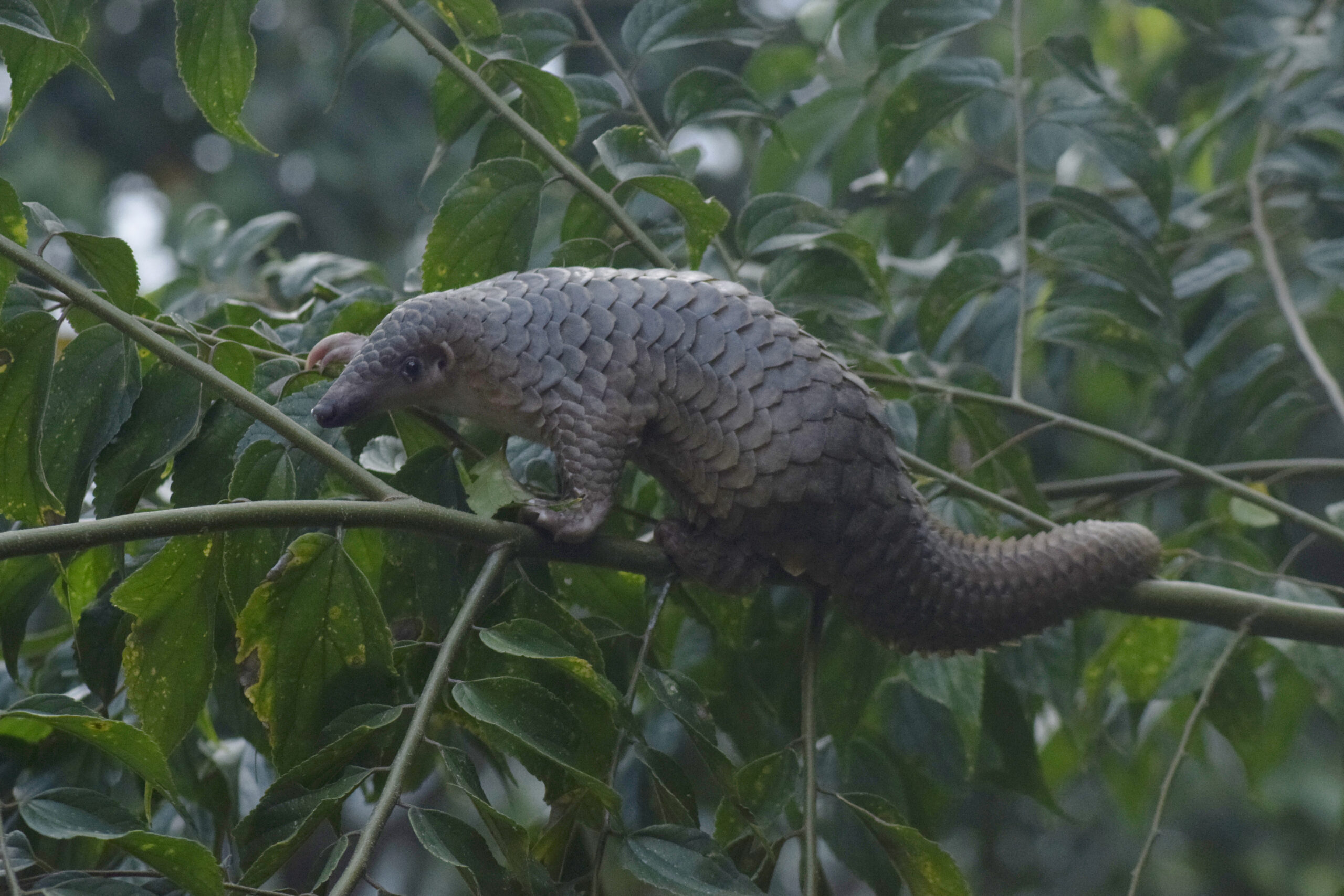 Photo Credit: Frendi Apen Irawan / Wikimedia
In the heart of Africa and Asia, the pangolin, scientifically known as Manis, emerges from the shadows of the forest, a creature unlike any other. With its body covered in hard, overlapping scales that shimmer like armor in the dappled sunlight, this remarkable mammal captures the imagination of scientists and nature lovers alike. As it moves gracefully through the underbrush, its long, slender form and curious, pointed snout make it a captivating sight. The pangolin’s most distinctive feature, its ability to curl into a tight ball when threatened, showcases its unique defense mechanism, allowing it to protect itself from predators.
As night falls, the pangolin awakens, ready to embark on its nightly quest for food. With a tongue that can stretch up to 16 inches, it expertly probes into ant hills and termite mounds, feasting on its favorite delicacies. This insectivore plays a vital role in its ecosystem, helping to control insect populations and maintain a balanced environment. However, the pangolin faces significant threats from poaching and habitat loss, making its conservation a pressing concern. Join us as we delve deeper into the life of the pangolin, exploring its fascinating behaviors, the challenges it faces, and the vital role it plays in the natural world.
The pangolin is a truly extraordinary animal that occupies a special place in the tree of life. Classified within the Kingdom Animalia, this scaly mammal belongs to the Class Mammalia, which includes all mammals. What sets pangolins apart is their unique armor of keratin scales, the same material that makes up human nails and hair. These fascinating creatures are the only mammals fully covered in scales, which serve as a protective barrier against predators. With their long, sticky tongues, pangolins are expert insectivores, primarily feasting on ants and termites. Their unusual characteristics and behaviors make them a captivating subject of study in the animal kingdom.
| Taxonomic Rank | Scientific Name | Meaning & Significance |
|---|---|---|
| Kingdom | Animalia | The name “Animalia” comes from the Latin word “animalis,” meaning “having breath” or “living.” This reflects the vital, breathing nature of all animals, including the pangolin. |
| Class | Mammalia | “Mammalia” is derived from the Latin word “mamma,” meaning “breast.” This name highlights the defining feature of mammals: females nurse their young with milk. |
| Family | Manidae | The family name “Manidae” comes from the genus name “Manis,” which is thought to be derived from the Malay word “manis,” meaning “sweet.” This could refer to the pangolin’s gentle nature. |
| Genus | Manis | The genus name “Manis” is used to classify pangolins and is linked to their unique physical traits, particularly their scaly bodies that distinguish them from other mammals. |
Understanding the pangolin’s classification reveals much about its evolutionary history. As a member of the family Manidae, pangolins are closely related to other specialized mammals, showcasing a unique adaptation to their environment. Their scales and insectivorous diet suggest a long evolutionary journey, allowing them to thrive in various habitats across Africa and Asia. This classification not only highlights their distinctiveness but also emphasizes the importance of conserving these remarkable animals, as they face significant threats in the wild. The pangolin’s place in the tree of life is a testament to the wonders of evolution and the intricate connections that bind all living beings.
The evolutionary journey of the pangolin stretches back millions of years, with its ancestors roaming the Earth during the late Paleocene epoch, around 65 million years ago. This timeline places them among some of the earliest mammals, evolving alongside the dinosaurs. As the world changed, so did the pangolin, adapting to new environments and challenges, leading to the fascinating species we see today.
Pangolins are part of the family Manidae and belong to the genus Manis. Their ancestors were likely small, insect-eating mammals that began to develop protective features as they faced predators. Over time, these early mammals transitioned into the pangolins we recognize now, characterized by their distinctive keratin scales. Keratin is the same tough protein that makes up human nails and hair, providing pangolins with a formidable defense against threats. As they evolved, pangolins also adapted their diet, becoming specialized for consuming ants and termites, which required a long, sticky tongue to reach their prey deep within nests.
These remarkable adaptations have played a crucial role in the survival of pangolins throughout their evolutionary history. Their scaly armor deters many predators, while their specialized feeding tools ensure they can find food in environments where other animals might struggle. As they continue to face modern threats, such as habitat loss and poaching, the pangolin’s unique adaptations remind us of the intricate balance of nature and the importance of protecting these extraordinary animals.
The pangolin is a captivating sight, instantly recognizable by its armor of overlapping scales that glisten in the sunlight. This fascinating mammal has a long, slender body that can range from about 1.6 to 33 kilograms, depending on the species. Its head is small and pointed, with a long, sticky tongue that can extend far beyond its snout, perfect for snatching up ants and termites. The pangolin’s legs are short but strong, equipped with sharp claws that help it dig into the ground or tear apart ant hills. When threatened, this remarkable animal can curl into a tight ball, using its tough scales as a protective shield against predators.
| Feature | Description |
|---|---|
| Weight | 1.6kg – 33kg (3.5lbs – 73lbs) |
| Skin Type | Scales |
| Most Distinctive Feature | Scaled body |
The pangolin’s scales are not just for show; they serve multiple survival purposes. These tough, keratin-based scales act as armor, deterring predators and providing a formidable defense. The pangolin’s ability to curl up into a ball enhances this protection, making it difficult for attackers to reach its vulnerable underbelly. Additionally, its long tongue and specialized claws are perfectly adapted for its diet of ants and termites, allowing it to thrive in its environment. Together, these features create a well-rounded survival strategy, enabling the pangolin to navigate the challenges of its habitat with grace and resilience.
The pangolin thrives in a variety of habitats, each offering the perfect blend of shelter and food. Imagine a sun-dappled forest, where the trees stretch high into the sky, their leaves whispering in the gentle breeze. Picture grassy savannas, where the ground is warm and the air is filled with the sounds of chirping insects. These environments provide the pangolin with the perfect backdrop for its daily adventures, as it forages for ants and termites, its favorite snacks.
Pangolins are adaptable animals, but they do have specific preferences when it comes to climate and environmental conditions. They are often found in warm regions, where temperatures are mild to hot. These mammals enjoy areas with plenty of vegetation, which not only offers them food but also provides cover from predators. Whether in tropical rainforests or dry savannas, the pangolin seeks out places where it can dig into the ground to create burrows or find tree hollows to rest.
To thrive in these diverse habitats, pangolins have developed some impressive adaptations. Their tough, scaly armor protects them from potential threats, while their long, sticky tongues allow them to reach deep into ant hills and termite mounds. When danger approaches, they can curl up into a tight ball, using their scales as a shield. This clever combination of features helps them navigate their environments with ease, ensuring they can find food and stay safe in the wild.
As the sun rises, the pangolin begins its day in the quiet embrace of its forest home. These nocturnal animals are most active at night, emerging under the cover of darkness to search for food. With their keen sense of smell, pangolins sniff out ants and termites, their favorite snacks, using their long, sticky tongues to capture the tiny insects. They spend hours foraging, using their sharp claws to dig into mounds and logs, revealing hidden treasures beneath the surface. After a satisfying meal, they often curl up in a cozy burrow or under a pile of leaves to rest during the day, conserving energy for their nightly adventures.
Pangolins are solitary creatures, preferring to roam alone rather than in groups. This lifestyle helps them avoid competition for food and reduces the risk of attracting predators. While they may not socialize like some other animals, pangolins do communicate through scent markings. They leave behind traces of their presence, which can convey information about their territory and reproductive status. During mating season, males and females may come together briefly, but they quickly return to their independent ways, each following their own path through the wild.
| Behavior Type | Description |
|---|---|
| Activity Patterns | Nocturnal foraging for ants and termites, using keen sense of smell and long tongues. |
| Social Structure | Solitary lifestyle, with minimal social interaction outside of mating. |
| Communication Methods | Scent marking to establish territory and convey reproductive status. |
In this solitary existence, the pangolin’s behaviors are finely tuned for survival. Their ability to find food in the dark, coupled with their protective scales, helps them navigate the challenges of their environment. By keeping to themselves, they reduce the chances of being detected by predators, ensuring that they can thrive in their natural habitat. Each pangolin, with its unique habits and instincts, plays a vital role in the ecosystem, reminding us of the delicate balance of life in the wild.
The pangolin is a dedicated insectivore, primarily feasting on ants, termites, and larvae. With its long, sticky tongue, which can extend up to 16 inches, this fascinating mammal is perfectly equipped to extract its favorite foods from narrow crevices and underground nests. Pangolins use their sharp claws to dig into ant hills and termite mounds, showcasing their impressive foraging skills. This specialized diet not only satisfies their hunger but also plays a crucial role in controlling insect populations in their ecosystems.
| Dietary Aspect | Details |
|---|---|
| Diet Type | Carnivore |
| Favorite Foods | Ants, Termites, Larvae |
| Prey Items | Insects, particularly social insects like ants and termites |
| Hunting/Foraging Strategies | Using sharp claws to dig and a long, sticky tongue to extract food |
The pangolin’s diet significantly influences its role in the ecosystem. By consuming vast quantities of ants and termites, these remarkable animals help maintain a balance in insect populations, preventing overpopulation that could harm plant life. Their nightly foraging routines also mean they are active participants in their habitats, contributing to the health of the environment while ensuring their own survival. This delicate relationship with their food sources highlights the interconnectedness of nature, where every creature plays a part in the grand tapestry of life.
When it comes to mating, pangolins have a rather intriguing courtship ritual. During the breeding season, which varies by species and location, males often engage in a series of vocalizations and scent-marking to attract females. These sounds can range from grunts to hisses, creating a symphony of communication in the night. Once a female is receptive, the pair will mate, and the male will typically leave shortly after, allowing the female to take on the responsibility of nurturing their young.
| Reproductive Aspect | Details |
|---|---|
| Gestation Period | 70-140 days |
| Litter Size | 1 pup |
| Age of Maturity | 2 years |
| Name of Young | Pup |
After the gestation period, which can last anywhere from 70 to 140 days, the female pangolin gives birth to a single pup. This little one is born with soft scales that harden over time, providing it with protection as it grows. The mother is incredibly attentive, nursing her pup for several months and keeping it close as it learns to navigate the world. As the pup matures, it will begin to accompany its mother on foraging trips, gradually learning the skills it needs to survive. By the time it reaches about two years of age, the young pangolin is ready to venture out on its own, continuing the cycle of life in the wild.
The pangolin plays a vital role in its ecosystem, primarily as a consumer of ants and termites. By keeping these insect populations in check, pangolins help maintain a balanced food web. However, despite their important ecological function, these scaly mammals face numerous dangers that threaten their survival.
To defend themselves against these threats, pangolins have developed some clever survival strategies. When faced with danger, they can curl up into a tight ball, using their tough, keratin scales as armor. This behavior not only protects them from predators but also makes it difficult for attackers to get a grip. Additionally, their keen sense of smell helps them detect danger early, allowing them to retreat to safety before trouble arrives. Despite the challenges they face, pangolins continue to adapt and find ways to survive in a world that often seems stacked against them.
A keystone species is an organism that has a disproportionately large impact on its environment relative to its abundance. This means that if it were removed, the ecosystem would change dramatically. The pangolin, with its unique role as a predator of ants and termites, qualifies as a keystone species. By controlling these insect populations, pangolins help maintain the balance of their ecosystems, making their presence crucial for the health of their habitats.
Pangolins are nature’s pest controllers. By consuming vast quantities of ants and termites, they prevent these insects from overwhelming their environments. For example, a single pangolin can eat up to 70 million insects in a year! This not only protects the plants that might otherwise be damaged by these pests but also supports other wildlife that relies on a balanced ecosystem. Without pangolins, ant and termite populations could explode, leading to overgrazing of vegetation and a decline in plant diversity.
Moreover, pangolins contribute to soil health. As they dig through the ground in search of their favorite snacks, they aerate the soil, allowing water and nutrients to penetrate deeper. This process helps plants grow stronger and healthier. Additionally, their burrowing activities create habitats for other small animals, promoting biodiversity. The presence of pangolins thus supports a web of life that extends far beyond their own species.
If pangolins were to disappear, the consequences would ripple through their ecosystems. Without these dedicated insectivores, ant and termite populations would surge, leading to significant damage to plant life. This could result in habitat loss for many other species that depend on those plants for food and shelter. Ultimately, the absence of pangolins would disrupt the delicate balance of their environments, highlighting just how vital these scaly mammals are to the health of our planet.
The pangolin plays a crucial role in its ecosystem, acting as a natural pest controller. By primarily feeding on ants, termites, and larvae, these scaly mammals help regulate insect populations. This is important because unchecked insect numbers can lead to significant damage to vegetation and crops. In this way, pangolins contribute to the health of their habitats, ensuring that the balance of life remains intact.
| Ecosystem Service | Impact |
|---|---|
| Pest Control | Regulates populations of ants and termites, preventing overpopulation that can harm plants. |
| Soil Aeration | As pangolins dig for food, they aerate the soil, which improves water infiltration and nutrient cycling. |
| Food Source | Serves as prey for larger predators, contributing to the food web. |
Pangolins influence their environment in several specific ways. For instance, as they dig into the ground to find their favorite meals, they inadvertently aerate the soil. This process allows water and nutrients to penetrate deeper, promoting healthier plant growth. Additionally, by keeping insect populations in check, pangolins help protect crops and other vegetation from being overrun by pests. Their presence supports a diverse range of life, from the plants that thrive in well-aerated soil to the predators that rely on pangolins as a food source.
The broader ecological importance of pangolins cannot be overstated. As a keystone species, their role in maintaining the balance of their ecosystems is vital. If pangolins were to disappear, the consequences would ripple through the food web, potentially leading to overpopulation of insects and a decline in plant health. This highlights the interconnectedness of life and the essential roles that even the smallest creatures play in sustaining the natural world. By protecting pangolins, we are also safeguarding the health of their ecosystems and the myriad of species that depend on them.
In the intricate web of life, symbiosis refers to the close and often long-term interactions between different species. These relationships can take many forms, including mutualism, where both species benefit, parasitism, where one benefits at the expense of the other, and commensalism, where one benefits while the other is neither helped nor harmed. Understanding these connections helps us appreciate how species like the pangolin fit into their ecosystems and interact with their environment.
| Species/Type | Relationship Type | Description |
|---|---|---|
| Ants and Termites | Mutualistic | Pangolins feed on ants and termites, helping to control their populations. In return, the pangolins benefit from a rich food source that is abundant in their habitats. |
| Birds (e.g., oxpeckers) | Commensal | Some birds may follow pangolins to feed on insects disturbed by their movements. The birds gain food, while the pangolins are largely unaffected. |
| Fungi | Parasitic | In some cases, fungi can infect pangolins, leading to health issues. This relationship is harmful to the pangolin, as the fungi can weaken its immune system. |
These relationships have evolved over time, shaped by the needs and behaviors of the species involved. The mutualistic bond between pangolins and their insect prey is a prime example of how one species can thrive while supporting the balance of its ecosystem. Meanwhile, the commensal interactions with birds highlight the interconnectedness of life, where one species can benefit without impacting the other. Understanding these dynamics not only enriches our knowledge of pangolins but also emphasizes the importance of preserving their habitats to maintain these delicate relationships.
Pangolins are some of the most intriguing animals on our planet, often referred to as “scaly anteaters” due to their unique appearance and diet. These fascinating creatures are not just remarkable for their scales; they have a wealth of surprising traits that make them stand out in the animal kingdom.
Throughout history, pangolins have woven themselves into the fabric of human culture and folklore. In many parts of Asia and Africa, these scaly mammals are revered for their unique appearance and behaviors. They often appear in traditional medicine, where their scales are mistakenly believed to have healing properties. In some cultures, pangolins symbolize protection and resilience, embodying the spirit of the wild. However, this cultural significance has also led to misunderstandings and exploitation, as people have sought to harness their perceived powers.
Today, the relationship between pangolins and humanity is fraught with challenges. These fascinating animals are among the most trafficked mammals in the world, primarily due to illegal wildlife trade driven by demand for their scales and meat. Conservation efforts are underway to protect pangolins from extinction, with organizations working to raise awareness about their plight. However, conflicts arise as local communities sometimes rely on hunting pangolins for food or income. While some initiatives aim to promote sustainable practices, the balance between conservation and human needs remains delicate.
Looking ahead, the future of the relationship between pangolins and humanity hinges on education and empathy. As awareness grows about the ecological importance of pangolins, more people are beginning to understand that these creatures are not just resources to exploit but vital members of our planet’s ecosystem. By fostering a sense of stewardship and respect for wildlife, we can work together to ensure that pangolins thrive alongside us, enriching our world for generations to come.
The pangolin, often called the “scaly anteater,” is currently classified as endangered, a status that reflects the serious challenges this unique mammal faces. While exact population numbers are difficult to determine, it is clear that pangolins are in decline across their range. This decline is primarily due to human activities, which have significantly impacted their numbers and habitats.
| Conservation Factor | Status/Details |
|---|---|
| IUCN Status | Endangered |
| Estimated Population Size | Unknown |
| Population Trend | Decreasing |
The main threats to pangolins are poaching and habitat loss. These fascinating animals are heavily hunted for their scales, which are used in traditional medicine and as status symbols in some cultures. Additionally, their habitats are being destroyed due to deforestation and urban development, making it increasingly difficult for them to find food and shelter. As a result, pangolins are caught in a web of danger that threatens their very existence.
Despite these challenges, there are ongoing conservation efforts aimed at protecting pangolins and their habitats. Organizations around the world are working to raise awareness about the plight of these scaly mammals and to enforce laws against poaching. Some countries have even implemented bans on the trade of pangolin scales. With continued support and effective conservation strategies, there is hope that pangolins can recover and thrive in the wild once again.
| Question | Answer |
|---|---|
| What is a pangolin's habitat? | Pangolins can be found in a variety of habitats, including forests, grasslands, and savannas. They prefer areas with plenty of ants and termites, which are their main food sources. |
| What do pangolins eat? | Pangolins are carnivores, meaning they primarily eat insects. Their diet mainly consists of ants and termites, which they find by using their long, sticky tongues to capture them. |
| How do pangolins behave? | Pangolins are mostly nocturnal, which means they are active at night. They are solitary animals, preferring to live alone rather than in groups, and they often curl into a ball when threatened, using their tough scales for protection. |
| How do pangolins reproduce? | Pangolins typically give birth to one offspring at a time after a gestation period of about 5 months. The young pangolins are born with soft scales that harden as they grow, and they stay with their mothers for several months before becoming independent. |
| What threats do pangolins face? | Pangolins are currently listed as endangered due to poaching and habitat loss. They are heavily trafficked for their scales and meat, which are used in traditional medicine and as delicacies in some cultures. |
| What is the most distinctive feature of a pangolin? | The most distinctive feature of a pangolin is its scaled body. These scales are made of keratin, the same material found in human nails, and they provide protection against predators. |
| Are pangolins social animals? | No, pangolins are not social animals. They prefer to live alone and are often seen foraging or resting by themselves, which makes them unique among many other mammals. |